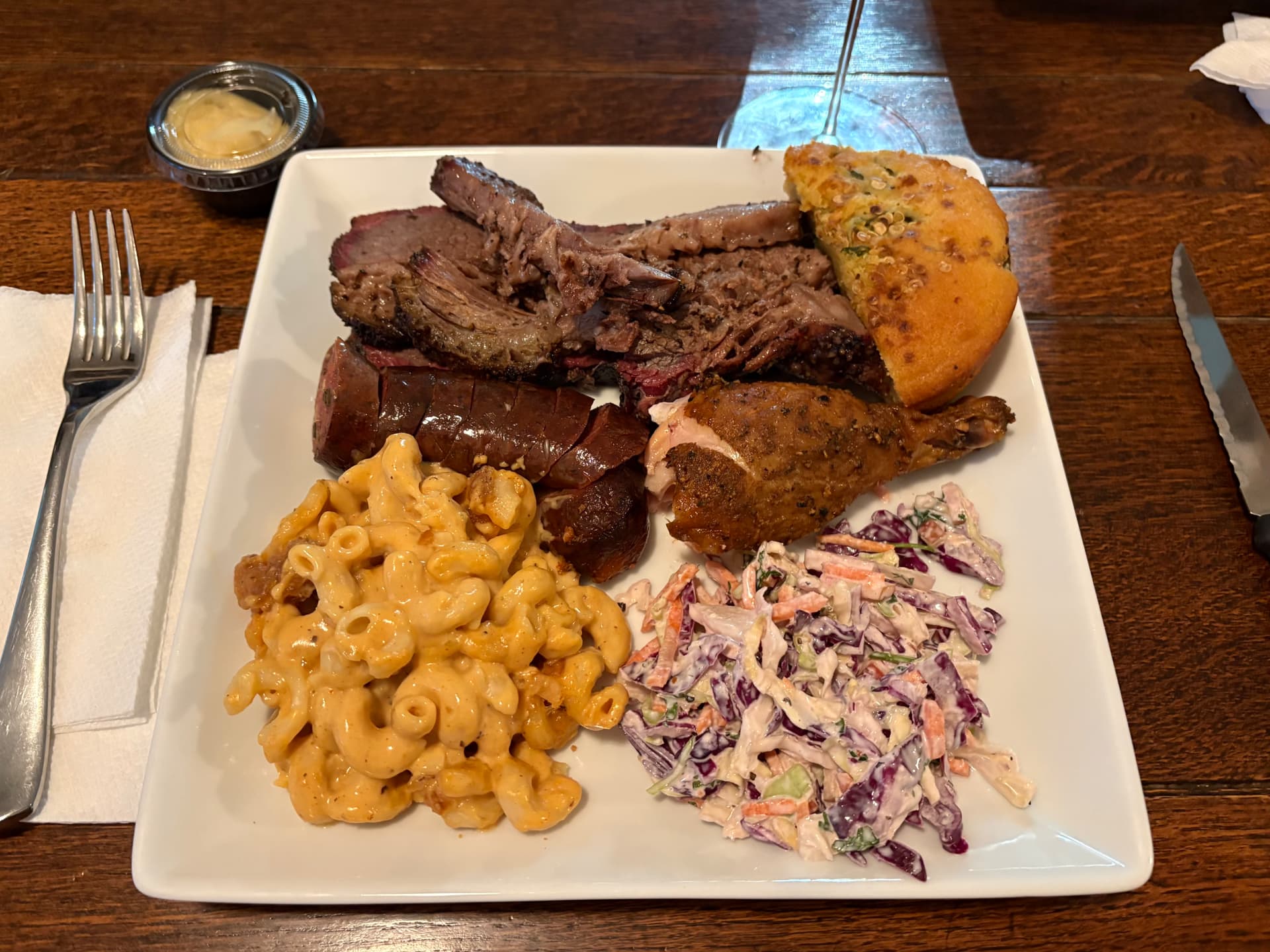
When you don’t feel like cooking and order BBQ take-out.
6 Likes
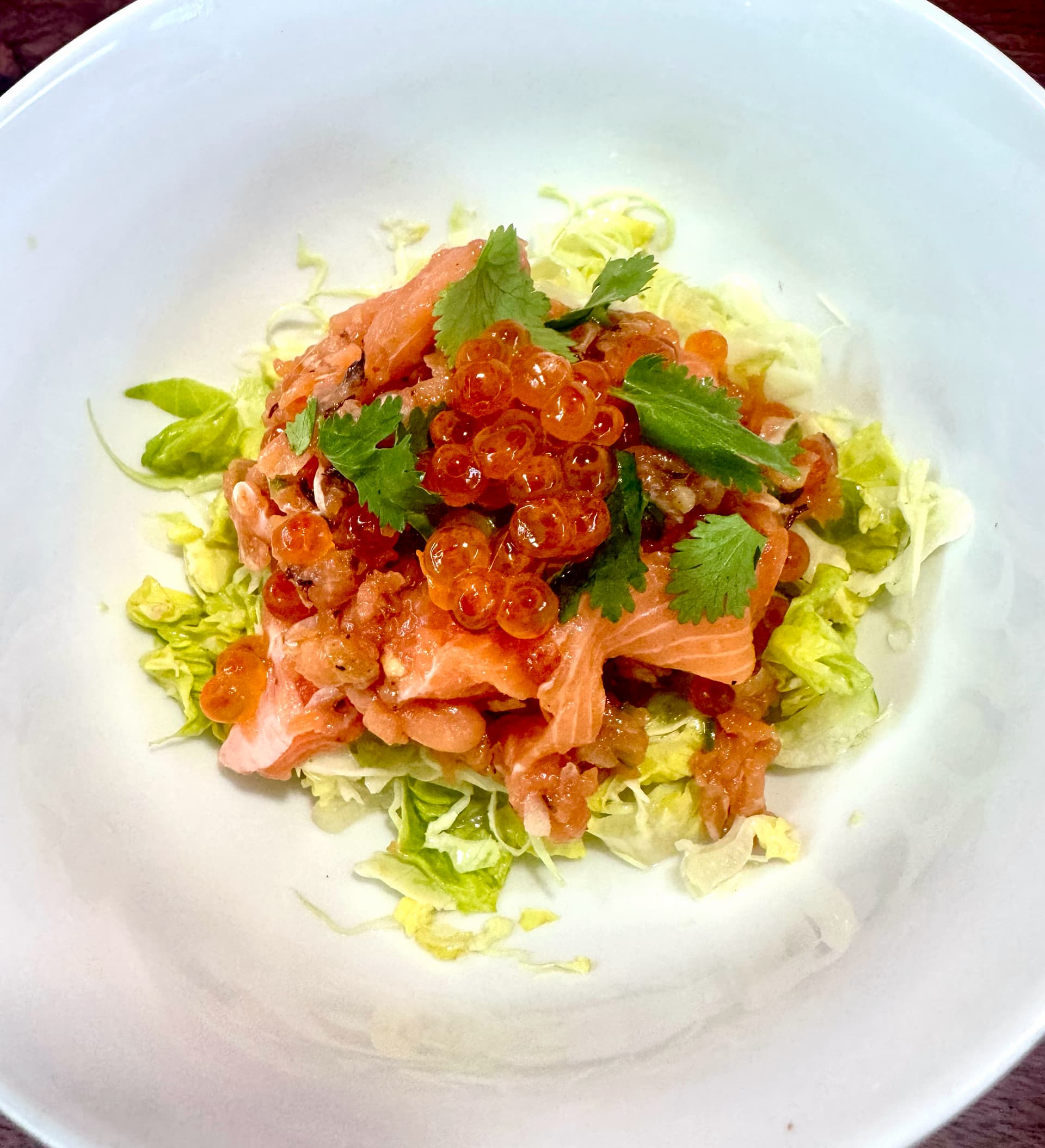
Getting to the bottom of the king salmon stash. Poke over a lightly dressed little gem/cabbage slaw.
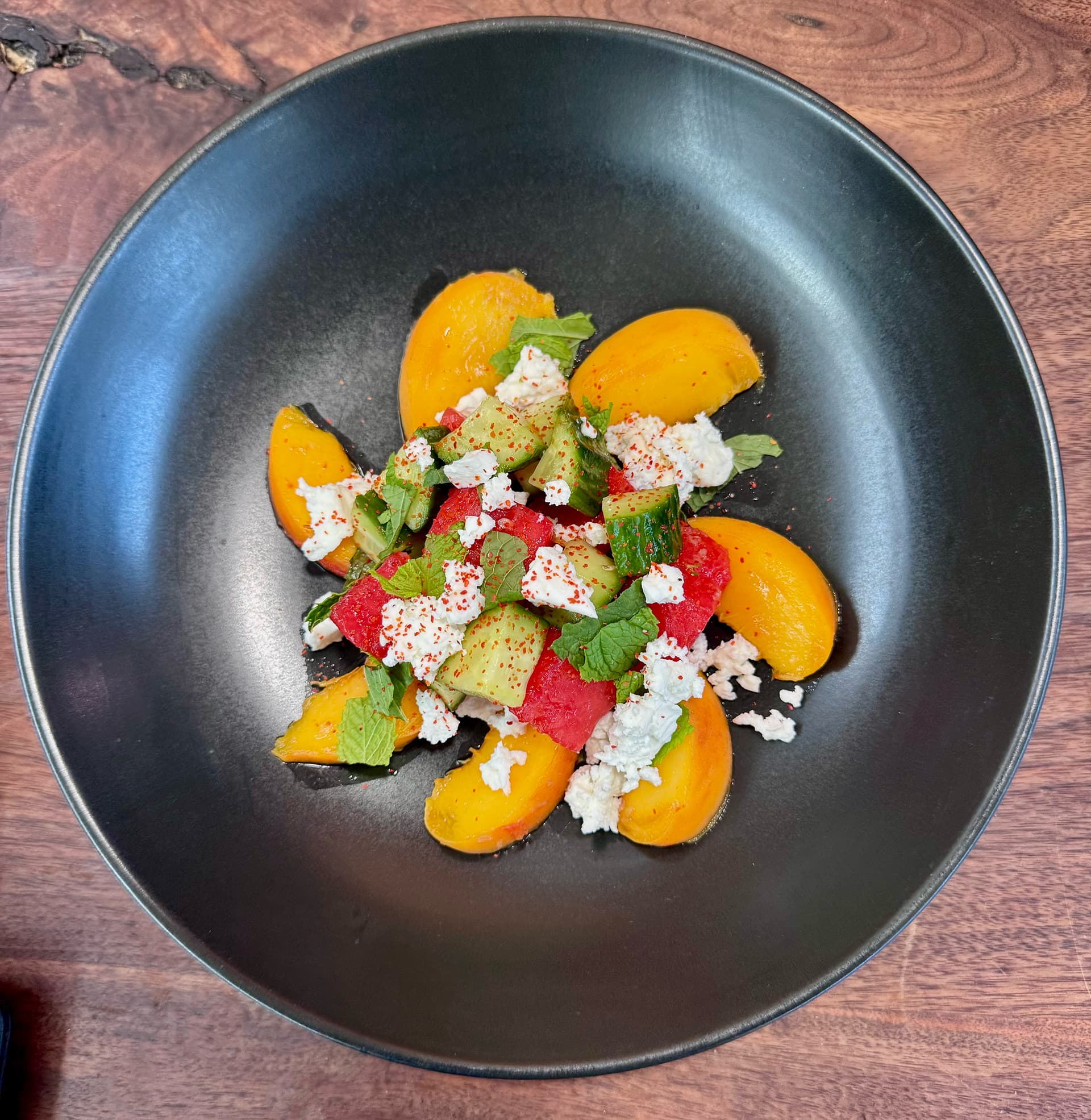
Watermelon, cucumber, feta, baby Crawford peach salad with mint. Soaked the melon about 20m in white sake lees vin, meyer lemon and Togarashi then tossed the other ingredients w/ the juices, topped with feta and more Togarashi for some added heat. These peaches are to die for.
8 Likes
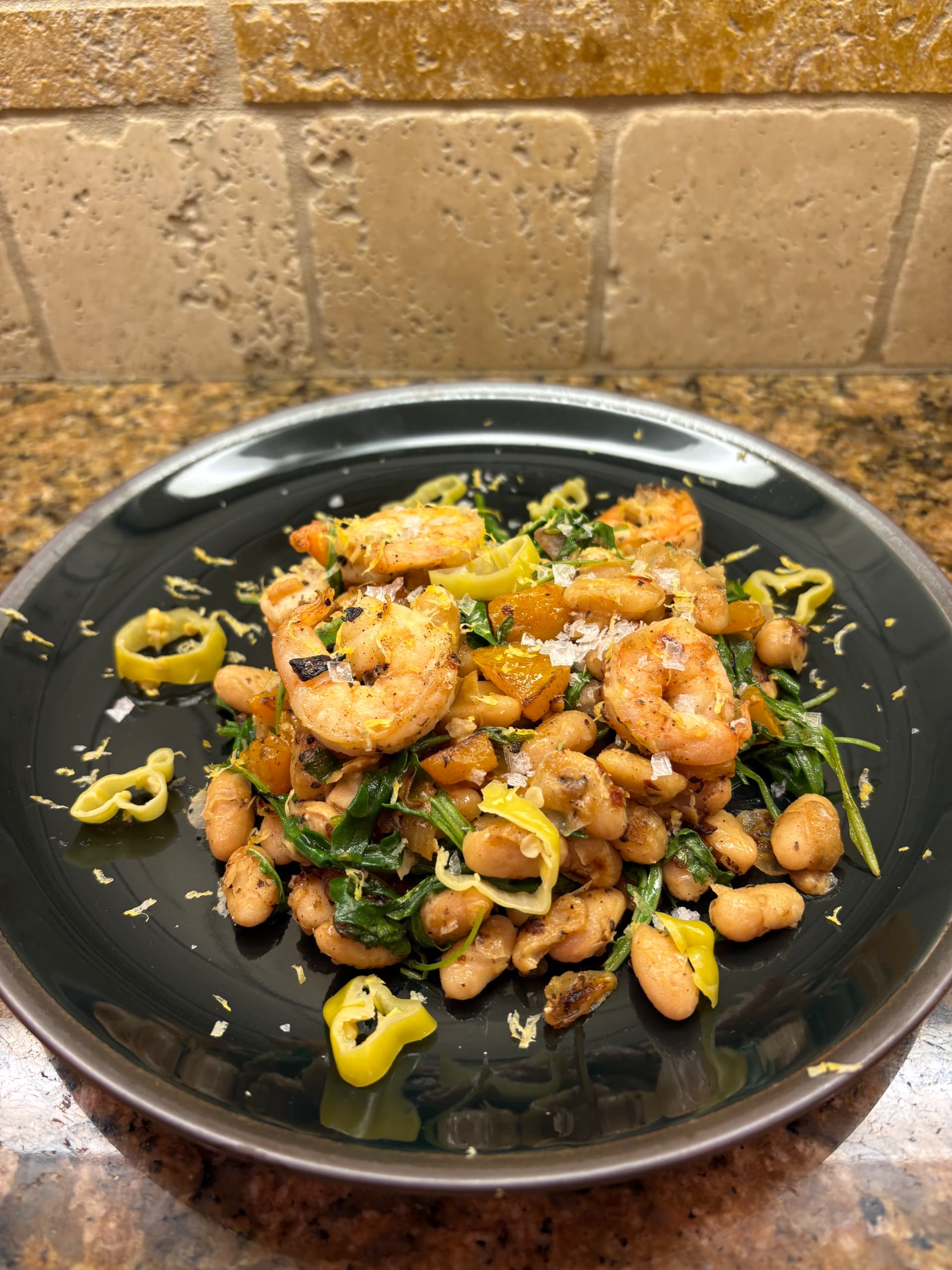
Grilled Salmon, Green Beans, Radicchio, Blueberry bbq sauce, chive oil
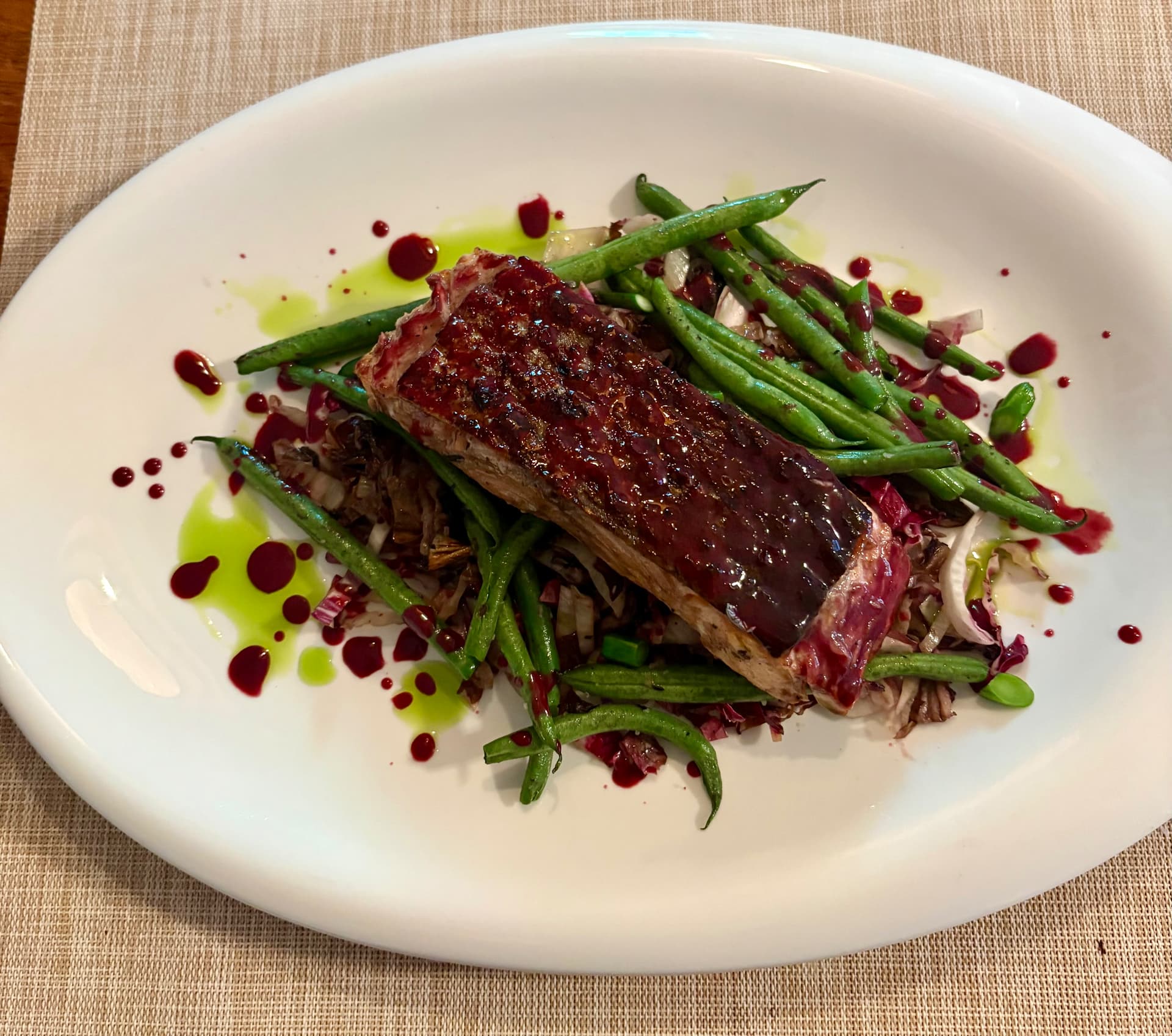
A meal fully grilled over charcoal. The sauce is based on fermented blueberries blended with mustard, soy, fish sauce and agave. The flavor profile is more sour/tangy than sweet, but it looks like grape syrup lol
8 Likes
Broiled Halibut finished with a blend of Parmesan, butter, mayo, lemon juice, tabasco, green onions. Simple and the flavors work together so well.
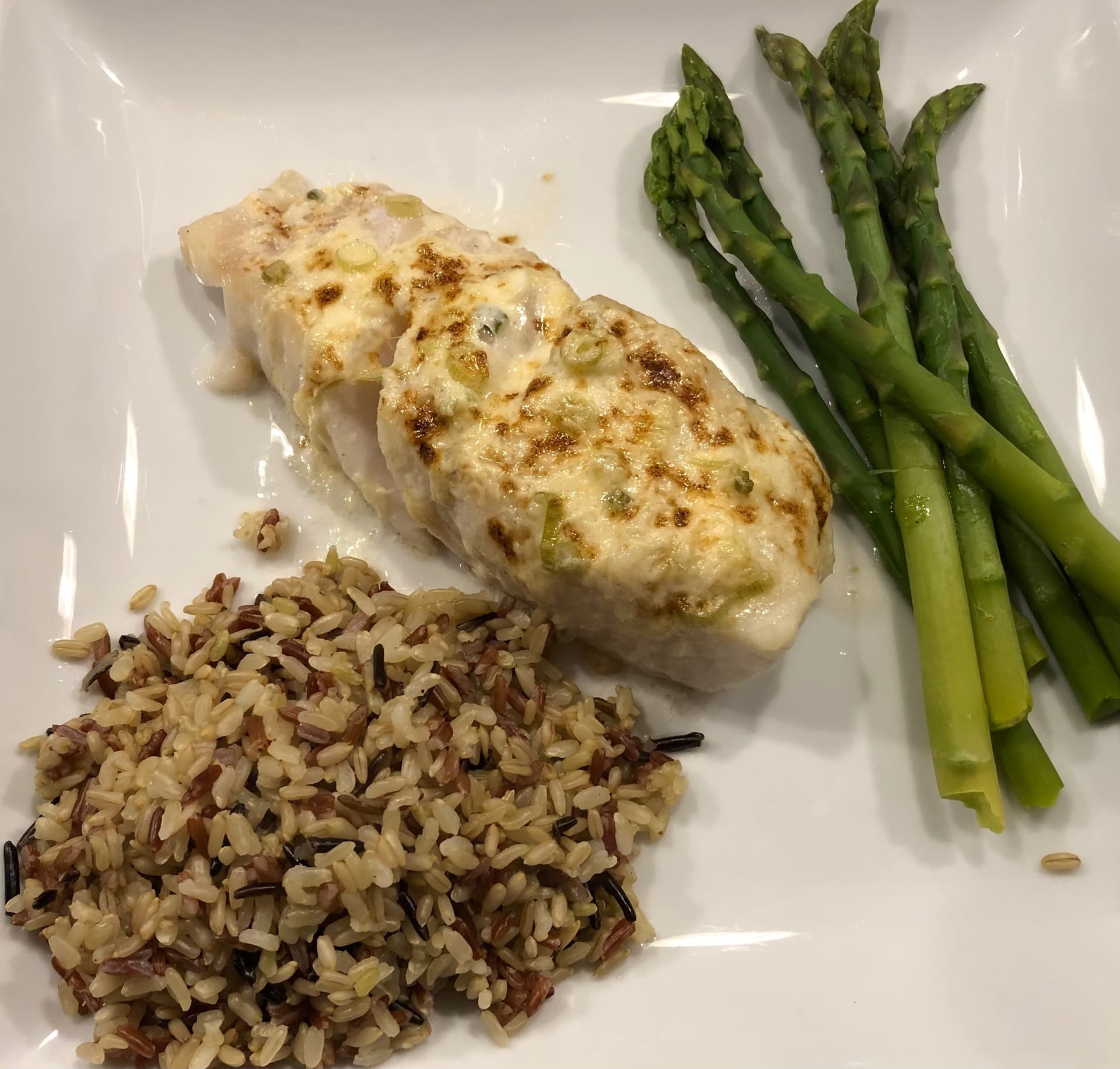
4 Likes
Beautiful fish plates, both of you.
2 Likes
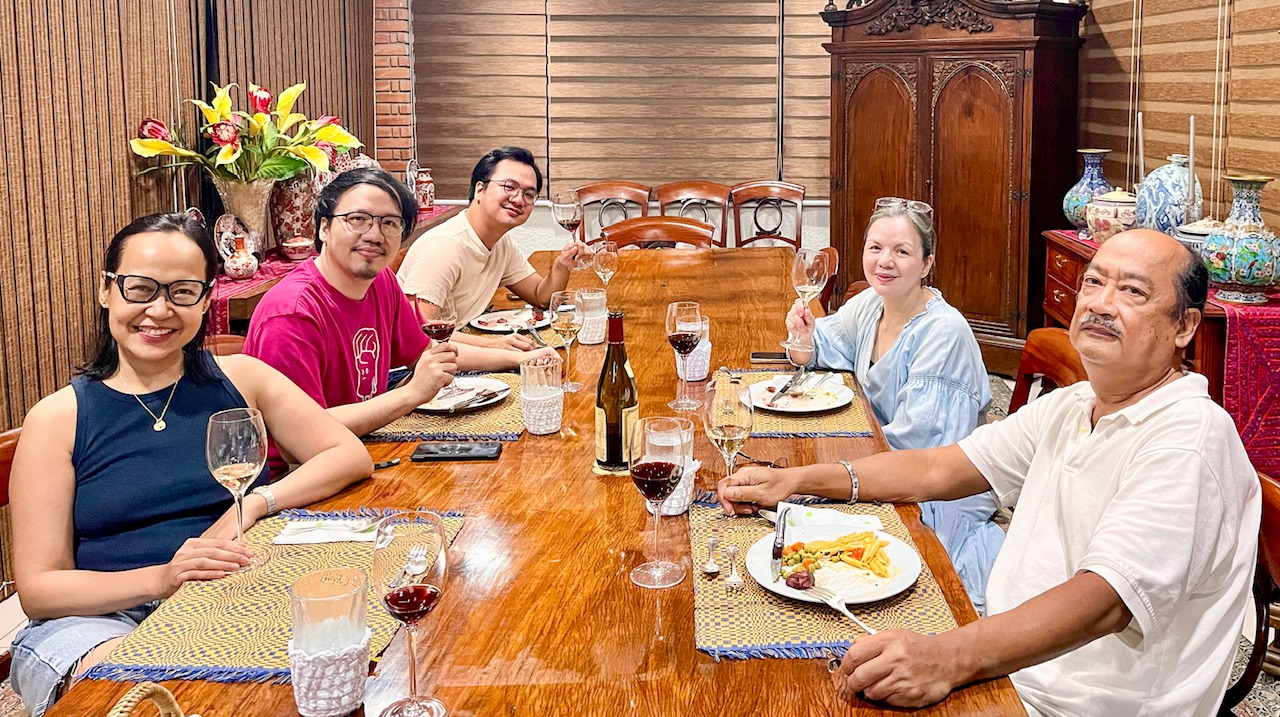
Tonight, I cooked dinner at my father’s house - more Wisconsin “super prime” ribeyes & penne rigate ai ricci.
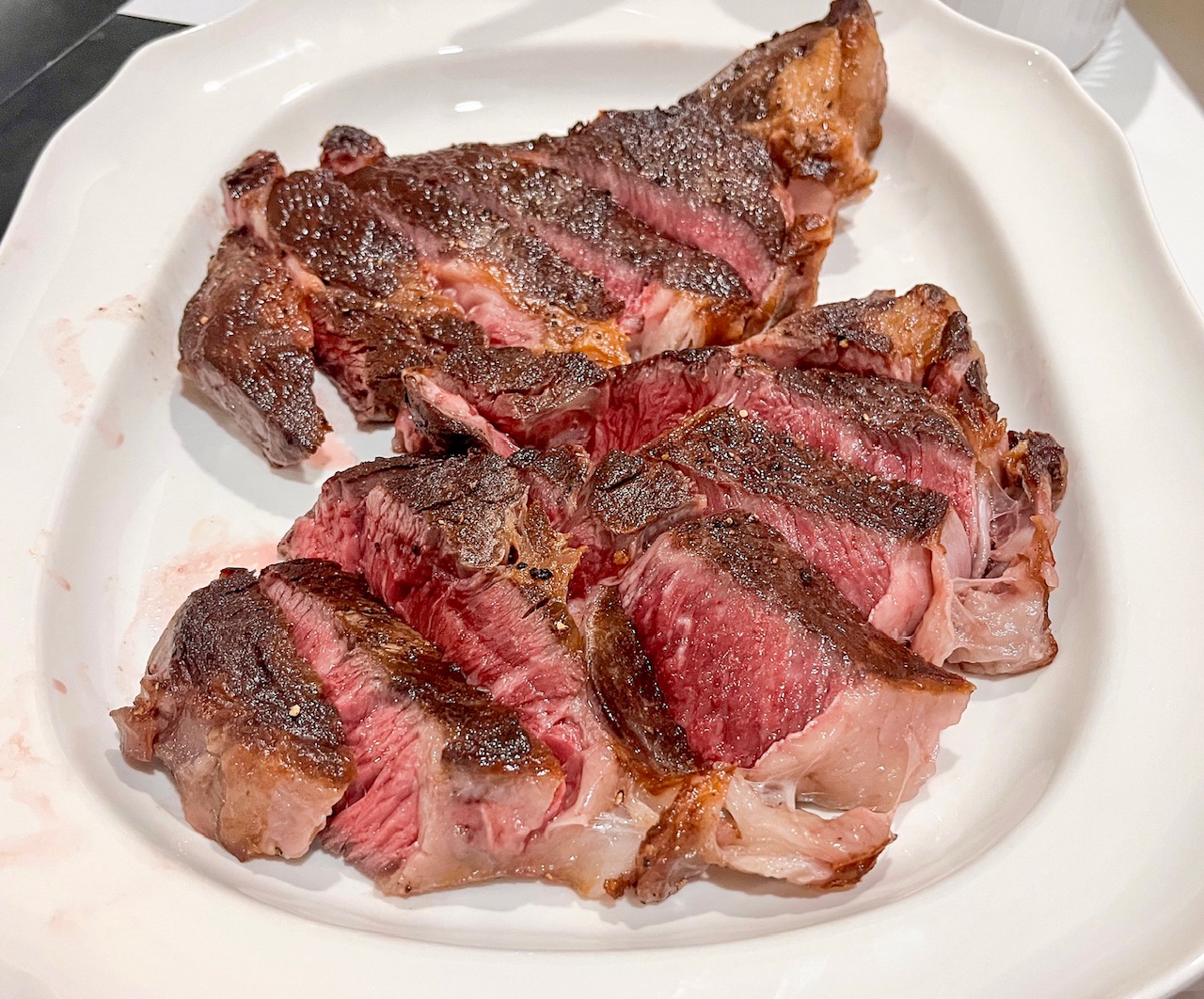
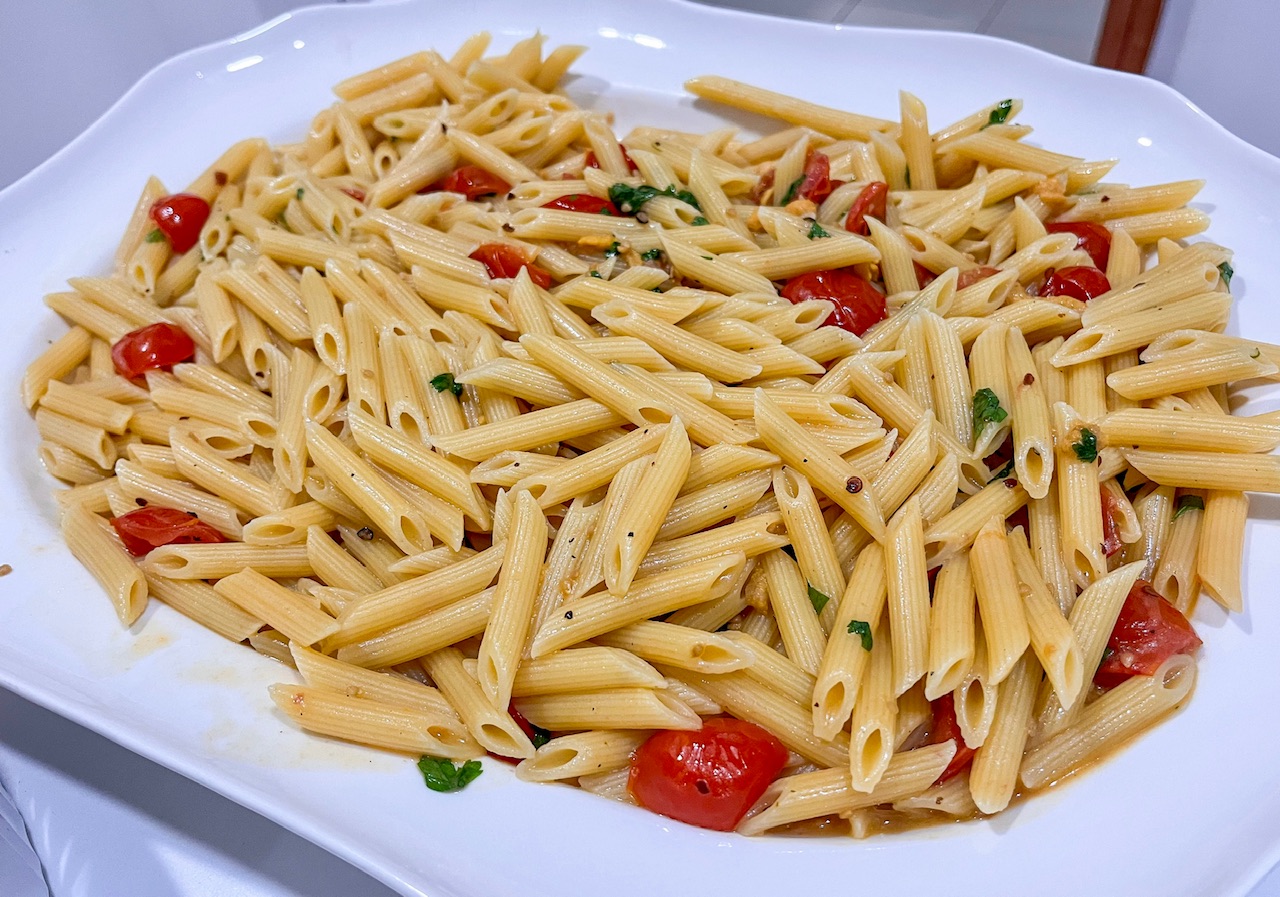
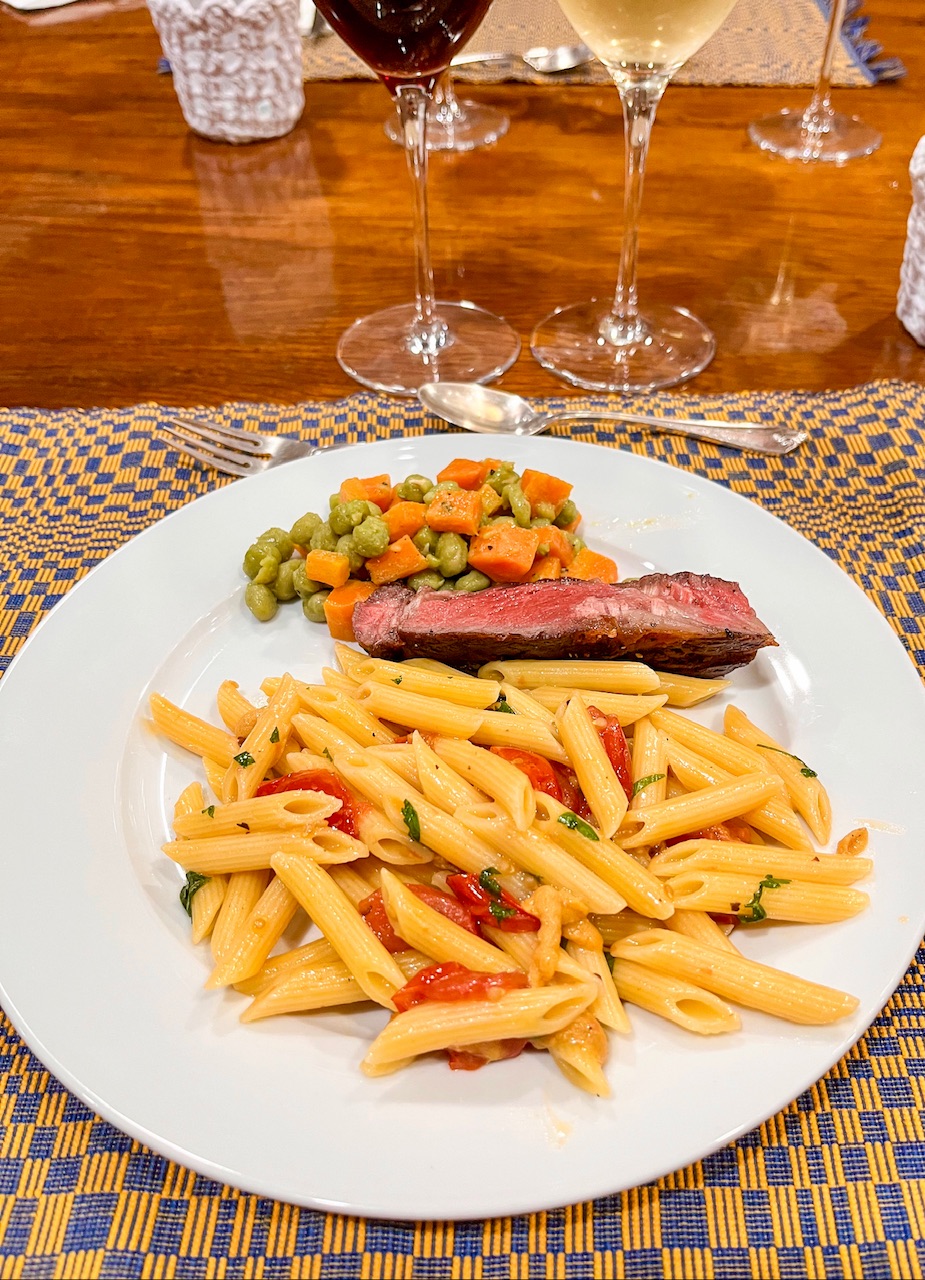
Happy weekend, All!
2 Likes
I’ve seen you reference “super prime” before, do you know what that means in terms of the selection? Steaks look delicious!
Vaguely. I looked it up before out of curiosity. Apparently, as I understand, it’s not an “official” category, just a marketing thing. Kind of like how some suppliers market/offer “A6” Wagyu. Thanks!
There’s actually a huge debate over this right now in the U.S. meat industry. With the proliferation of wagyu in the U.S. (both homegrown and imported from Australia, etc.) there has been a bunch of discussion over how to treat F1-cross, purebred, full-blood and then all the other stuff that falls under BMS and A grading systems. It gets murkier because anything wagyu is also a genetics discussion, rather than a marbling one, but the wagyu side has the most to gain from new tiering.
These guys talk about it non-stop on their pod and are active in the wagyu community. @Carrie_Morgan can likely also weigh in, as Morgan Ranch was one of the pioneers in wagyu (really!).
1 Like
Not surprised to hear that at all. To me the BMS system is the most practical and we should just adopt that. There are already so many flaws in the USDA system beyond the fact that it doesn’t account for this higher level of marbling.
It has been really interesting watching and being involved in this discussion. I want you to know that as consumers, you have a lot of power to shape the future of beef.
The beef landscape changed after Covid. There is a larger push to know where beef comes from. eComm has made it possible for lots of ranches to sell their products directly. Many livestock breed associations have added carcass data to EPD’s. There is simply more knowledge available to both consumers and producers. It is a wonderful time to be a consumer, you have so much choice!
Speaking of grading - USDA Yield Grade and Quality Grades can guide you to a great eating experience, but they are only one piece of the puzzle. I love this quote from The Meat Dudes “This is why we say Wagyu is a spectrum—you’re not choosing between “real” and “fake,” you’re choosing between different eating experiences.” There is a vast variety in Wagyu breeding. There can be Full Blood (100% Wagyu), Purebred (93.75% and higher Wagyu), and F1 Cross (one parent is Wagyu, the other beef or dairy).
As @Andrew_Kotowski said, we are a pioneer of Wagyu in the states. Our breeder number is 322; which I didn’t realize was a badge of honor until AK let me know! Since 1992 we’ve been raising Wagyu cattle in a mostly closed herd. At the outset, we realized that the American palate wasn’t very interested in eating A5 everyday like we do other beef. Additionally, Wagyu are slow to mature and are less hardy than the Herefords we raise. Early on, we crossbred with some British (Hereford and Angus) genetics to gain hardiness and feed efficiency but retain flavor, marbling, and tenderness of Wagyu. Today, 211 of our cattle are registered Wagyu; mostly Purebred with a few Full Blood Wagyu. We occasionally buy F1 cattle for our beef program. But, these cattle were raised by producers near us using a Bull they purchased from us. Our cattle are recognized by the USDA as being Non- Hormone Treated Cattle. We have our beef harvested in a custom facility which allows us great control of the fabrication, but also allows us to obtain the High Quality Beef (HQB) Certification and the ability to export to the EU and Japan. We go one step further by sorting the carcasses into Private Selection (the top end of the Prime graded carcasses), Classic (Prime and Choice), and Market (Choice and lower).
All of this to say…here is the Morgan Ranch part of the Wagyu spectrum. I’m not here to say that other people do things incorrectly or have inferior product, because everyone has their own “why”. Ours is a premium beef product that we can be proud of. And the best side effect of that is the relationships we’ve built along the way.
I applaud this group for showing interest and taking time to gain knowledge about your food and drink. Continue to learn about how it is raised and produced, does that fit with your values and desires? Do you like the flavors and textures? And, if you are afforded the experience, start a conversation with the producer. We are here to feed the world and want you to know that safe, healthy food is attainable.
1 Like