Yet another entry in the never-ending series of Stuff @AskoKassinen makes us drink!
(Here are some previous entries:
Stuff Asko makes us drink: Retro Cellars
Stuff Asko makes us drink: Santa wines
Stuff Asko makes us drink: Töövi wines
Dunn Dunn Dunn… (Stuff Asko makes us drink)
Stuff Asko makes us drink: old Ravenswood Zinfandels
Stuff Asko makes us drink: His own wines
Stuff Asko maes us drink: His own wines, again)
Anyways, this time Asko had pooled together a bunch of white wines from his cellars - mainly bottles with some age. All these wines were tasted fully blind and some were pretty easy to identify - well, namely Chateau Musar and Tondonia Reserva Blanco. When we got to the Musar flight, it was obvious from the very first sniff which wines we were drinking. I was pretty sure with the vintage of 2003 and 2001 was just so obvious that I didn’t even need to hesitate when guessing the producer, the wine and the vintage. Tondonia Blancos were pretty obvious, too. However, unfortunately two of the three bottles we tasted were not showing their best.
Finally we had a bottle of 2010 Caldo Infernale, but there was no point in pouring it blind - the wine is so instantly recognizable that everyone who has had the wine before (and we are many around here) will identify the wine immediately.
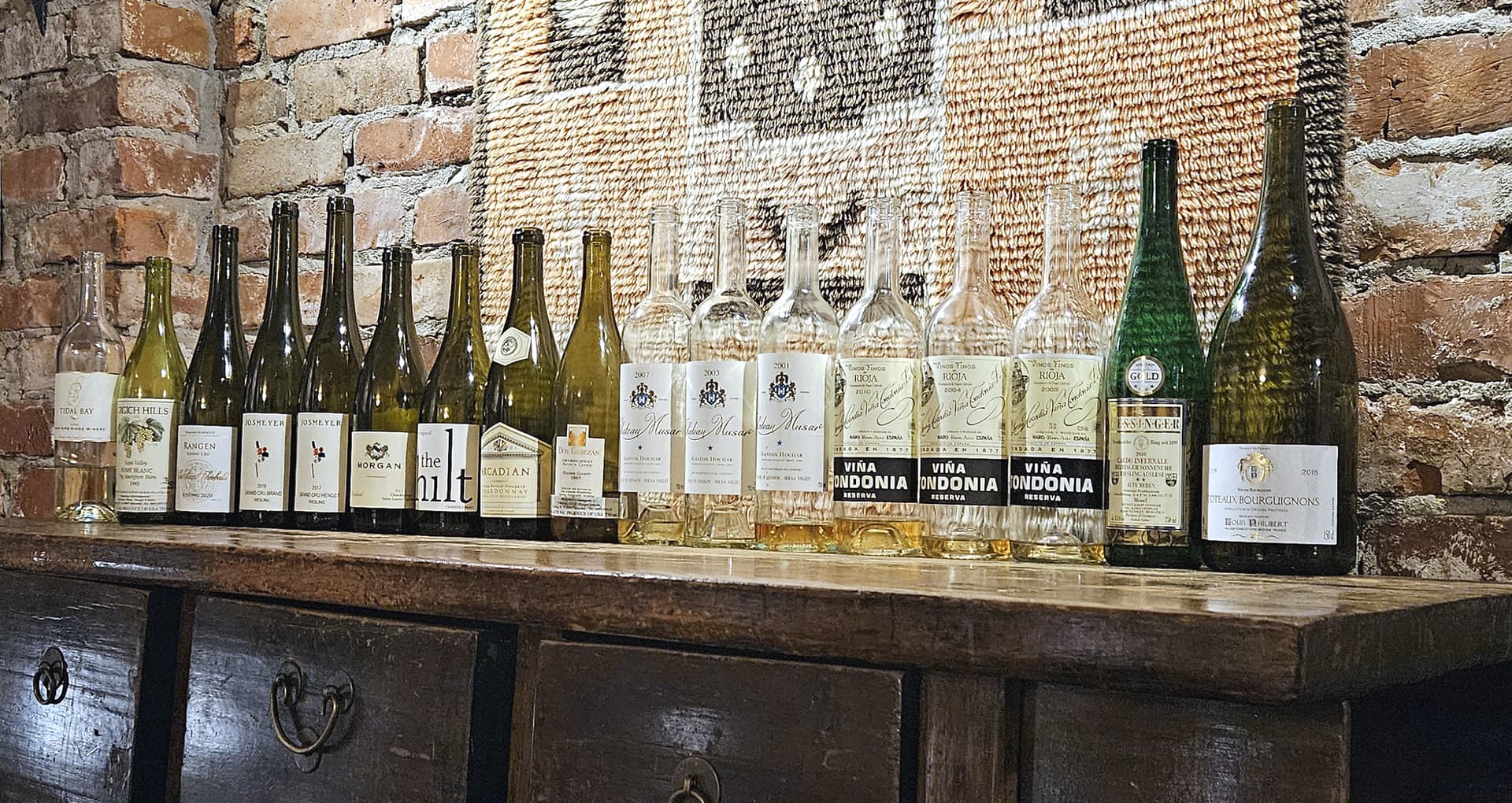
The lineup (we had that magnum as a food wine somewhere between the white flights).
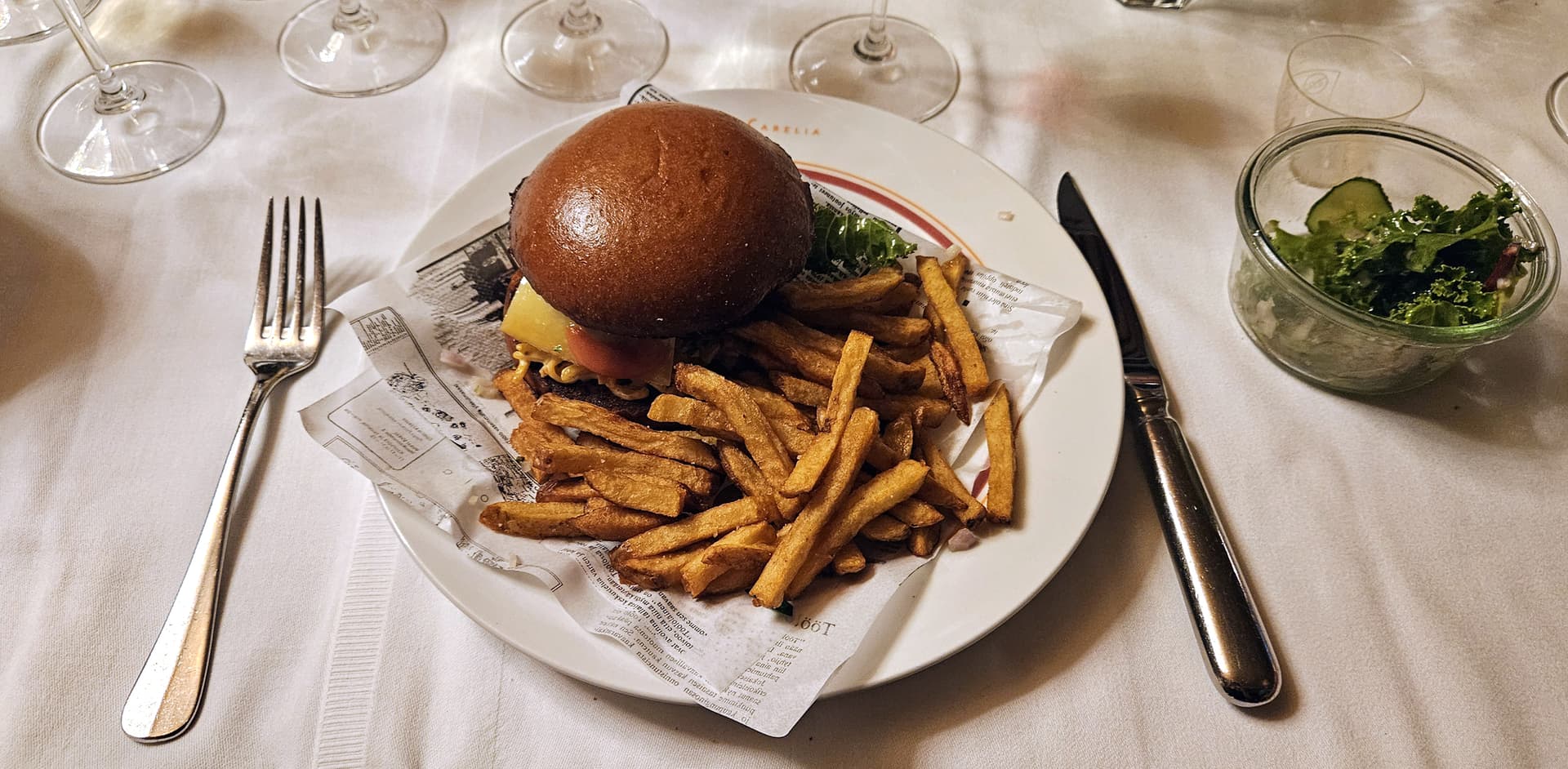
And the food. Keeping it simple today.
- 2022 Planters Ridge Tidal Bay - Canada, Nova Scotia, Annapolis Valley (3.9.2024)
A blend of l'Acadie, Chardonnay, Frontenac Blanc, Frontenac Gris, New York Muscat and Seyval. 10,5% alcohol. Tasted blind.
Pale, almost completely colorless whitish-green color. The nose feels fragrant and floral with perfumed aromas of rosewater, some candied notes of pear drops, a little bit of lychee, light persimmon tones and a hint of sweet grapey fruit. The overall impression is that of a Gewurztraminer. The wine feels dry-ish to medium-dry, crisp and even somewhat austere on the palate with a light body and crisp flavors of green currants, some sharp Granny Smith apple tones, a little bit of tart key lime, light steely mineral notes, a fragrant hint of Muscat-y florals and a primary touch of pear drops. The high acidity feels not only brisk, but also somewhat harsh and aggressive. The off-dry finish is crisp, lean and somewhat harsh with a medium-long aftertaste of steely minerality, some green currants, light floral notes of rosewater, a little bit of ripe pear, a hint of grapey fruit and a touch of apple peel bitterness.
It first I thought this wine was a Gewurztraminer, based on the fragrant notes and limpid color, but on the palate the brisk, acid-driven fruit flavors made me think of a Riesling-Gewurztraminer blend instead. However, quickly I noticed how the quality of acids was very different to that of a "normal" Vitis vinifera wine, making me almost immediately think of a white wine made with hybrid varieties. My guess was a Canadian hybrid white - although I admitted I had no idea about the grape variety. Seeing the blend composition here, I'm not surprised! All in all, this was a refreshing dry-ish white, but the harsh, somewhat aggressive acidity and lack of body to balance it all out took a toll on the final score. Although this smelled and tasted like a "normal" white wine and not a hybrid, I still wasn't particularly enamored with this one. Feels a bit pricey for the quality at 20 CAD (approx. 12€).
(83 points) - 1993 Grgich Hills Fumé Blanc - USA, California, Napa Valley (3.9.2024)
Primarily composed of the aromatic musqué clone of Sauvignon Blanc with a small portion of other Sauvignon Blanc clones in the blend. Fermented spontaneously in oak barrels and 3500-liter foudres. Aged for six months on the lees in neutral oak barrels. 13% alcohol. Tasted blind.
Quite deep burnished golden color. The nose feels nutty, oxidative and very tired with a somewhat cheesy overall aroma. The wine feels crisp, tired and quite oxidized on the palate with a light body and dull, somewhat unpleasant flavors of roasted nuts, some tart notes of key lime, a little bit of cheesy funk and aldehydic hints of green almonds and bruised apple slices. The finish is tired, nutty and oxidative with a dull, somewhat woolly and slightly cheesy aftertaste.
This is just dead. Fully oxidized. No life remains here.
(NR/flawed) - 2020 Schoffit Riesling Rangen de Thann Clos St.-Théobald - France, Alsace, Alsace Grand Cru (3.9.2024)
100% Riesling from the Grand Cru Rangen vineyard, grown on granite soil. 14,5% alcohol, 2 g/l residual sugar and 5,5 g/l acidity. Tasted blind.
Pale yellow-green color. The nose feels surprisingly understated with light and subtly sweet-toned aromas of white peach, some floral notes of apple blossom, light honeyed nuances, a little bit of fresh Fuji apple and a hint of mineral spice. The wine feels ripe, broad quite balanced on the palate with a full body and somewhat sweetly-fruited flavors of white peach, some cantaloupe, light stony mineral notes, a little bit of honeyed richness, floral hints of apple blossom and roses and a touch of zesty citrus fruits. It doesn't feel like the wine is medium-dry, at least from the perspective of residual sugar, but still the somewhat sweet-toned fruit flavors suggest almost off-dry richness. The moderately high acidity lends good sense of freshness and structure to the wine. The finish is juicy, rich and somewhat sweet-toned with a moderately long aftertaste of honeyed richness, some lemon marmalade tones, a little bit of crunchy red apple, light mineral notes of wet rocks, a floral hint of apple blossom and a touch of zesty citrus fruit.
I was surprised to learn that the wine was a Grand Cru Riesling; while balanced and mineral, the wine as also surprisingly understated in overall feel, especially in the nose - something very atypical for a Riesling. Furthermore, I was surprised to learn that (at least according to the internet) the wine is almost bone-dry with only 2 g/l of residual sugar, as the overall richness suggested higher levels - I wouldn't have been surprised even if the wine clocked in at over 10 g/l of RS! Maybe it's just the ripeness and the relatively high level of ABV? After all, this cuvée tends to be quite hefty and ripe in most years. All in all, this was a good and enjoyable wine, but not nowhere near the level at where this wine can be in the best vintages.
(90 points) - 2018 Josmeyer Riesling Brand - France, Alsace, Alsace Grand Cru (3.9.2024)
100% biodynamically farmed Riesling. 13,5% alcohol. Tasted blind.
Medium-deep yellow-green color. The nose feels surprisingly understated - almost mute, even - with vaguely sweet aromas of peachy stone fruits, some sharp mineral tones, a little bit of honeydew melon and a hint of spice. The wine feels dry, lively and quite suave on the palate with a medium body and a bit reticent yet pleasantly expressive flavors of white peach, some ripe Golden Delicious apple, light mineral notes of wet rocks, a little bit of cantaloupe, a hint of salinity and a faint touch of waxy funk. The moderately high acidity keeps the wine quite well in balance. The finish is ripe, dry and maybe a bit neutral with a somewhat light aftertaste of zesty citrus fruit, some honeydew melon, light juicy notes of white peach, a hint of saline minerality and a touch of beeswax.
A pleasant and tasty but also somewhat light and reticent Riesling. I have no idea why the wine doesn't give much. It doesn't feel like there is anything wrong with the wine - it just isn't expressive in a way Riesling normally are not. This is enjoyable, but doesn't leave a lasting impression. Good, but not great.
(88 points) - 2017 Josmeyer Riesling Hengst - France, Alsace, Alsace Grand Cru (3.9.2024)
100% biodynamically farmed Riesling. 13,5% alcohol. Tasted blind.
Medium-deep yellow-green color. The nose feels sweet, floral and quite expressive with aromas of freshly pressed apple juice, some peachy tones, a little bit of honeydew melon, light floral notes of apple blossom and orange blossom, a mineral hint of wet rocks and a touch of waxy funk. The wine feels rich yet dry on the palate with a full body and bold flavors of stony minerality, some ripe lemony citrus notes, light crunchy notes of fresh peaches and spicy red apple, a little bit of salinity, a hint of floral lift and a touch of honeyed richness. The medium-to-moderately high acidity keeps the wine somewhat in balance, but feels a tad modest for a Riesling. The finish is ripe and juicy with a rather long, dry-ish aftertaste of sweet lemony citrus fruit, some ripe appley tones, a little bit of stony minerality, light honeyed nuances, a hint of floral spice and a touch of beeswax.
A rich, bold and ripe Grand Cru Riesling with good sense of nuance and finesse. Noticeably more expressive than the 2018 Josmeyer Brand we tasted at the same time. Although the acidity feels sufficient to give the wine some sense of structure and balance, I'd want my Rieslings to be higher in acidity than this - the wine is lacking the verve and zip I look for in the variety. Still a lovely wine in its own right. The tiniest bit of funk and waxy qualities hint at the less conventional, more natural style of the producer, but they only add to the complexity rather than making the wine feel natty in any way. Enjoyable stuff.
(91 points) - 2015 Morgan Chardonnay Highland Santa Lucia Highlands - USA, California, Central Coast, Santa Lucia Highlands (3.9.2024)
100% Chardonnay from Santa Lucia Highlands - about 2/3 of the fruit came from organically farmed estate vineyards, 1/3 was purchased fruit from other farmers in SLH. Fermented and aged for 8 months in oak barrels (32% new, 68% once and twice used barrels + some older casks). 90% of the barrels underwent MLF. 14,2% alcohol, 6,6 g/l acidity and pH 3,24. Tasted blind.
Medium-deep golden yellow color. The nose feels rich, expressive and quite sweet-toned with lush aromas of pineapple, some creamy oak, light buttery tones, a little bit of ripe orange, hints of bruised apple and pear, a touch of vanilla and an oxidative whiff of roasted nuts. The wine feels ripe, juicy and sweet-toned on the palate with a full body and rich flavors of nectarine and pineapple, some buttery oak, a little bit of juicy pear, light creamy pannacotta tones, a hint of bruised apple and a touch of wood spice. The overall mouthfeel is pretty tactile with some sense of weight, but the moderately high acidity keeps the wine quite nicely in balance. The finish is long, rich and evolved with a complex aftertaste of bruised apples, some creamy oak tones, a little bit of overripe pineapple, light salty mineral notes, evolved hints of caramel and toffee and a touch of dried nectarine.
A rich, complex and wonderfully evolved Cali Chardonnay at its peak. There's some sense of weight and gras here, but with its sufficiently high acidity, the wine manages to keep its good sense of freshness and structure. Although it is possible the wine can evolve further from here, I'm starting to feel that the wine is at its plateau of maturity here from the quality point of view - it won't get qualitatively any better from here with additional aging. Drink now or within the next handful of years. A fine and complete example of aged oaky new world Chardonnay. Excellent value at 26,90€.
(93 points) - 2014 The Hilt Chardonnay The Vanguard - USA, California, Central Coast, Santa Barbara County (3.9.2024)
Aged in 100% neutral French oak barrels. 13,4% alcohol. Total production 360 cases. Tasted blind.
Pale yellow-green color. The nose feels youthful and quite fragrant with quite attractive aromas of fresh nectarine, some sweeter apple jam tones, a little bit of honeydew melon, light creamy oak nuances, a mineral hint of chalk dust and a faint touch of savory wood spice. The wine feels dry, lively and crunchy on the palate with a medium body and quite youthful flavors of crunchy red apple, some stony mineral notes, a little bit of savory wood spice, light crunchy whitecurrant tones, a hint of salinity and a touch of creamy oak. The high acidity lends great sense of freshness, structure and precision to the wine. The finish is clean, long and crunchy with a quite intense aftertaste of fresh red apples and zesty citrus fruit, some savory woody tones, a little bit of cantaloupe, light saline mineral notes, a hint of leesy creaminess and a touch of incisive steely character.
A wonderfully clean, fresh and still remarkably young Cali Chardonnay that is built more like a 1er Cru Chablis or a lean Chassagne-Montrachet. Wonderful sense of purity and precision here. Although I had tasted the wine before, I didn't manage to identify it correctly - I was very firmly in the old world with my guesses. I was happy to see that the wine had lost its lactic MLF notes that it still showed a few years earlier, coming across as very pure, zippy and clean-cut now. Seeing how still remarkably youthful the wine is now, at 10 years of age, I can see this easily evolving and improving for another 10. A fine wine with lots of upside. Expect the score to go up as the wine ages.
(92 points) - 2005 Arcadian Chardonnay Sleepy Hollow Vineyard - USA, California, Central Coast, Santa Lucia Highlands (3.9.2024)
13,3% alcohol. Tasted blind.
Aged, pale bronze color. The nose feels weirdly lactic at first with a strong hit of cooked cream, custard and buttery diacetyl. However, the aromas open up quite quickly, and after a little while the nose starts to exhibit aromas of peach marmalade, some almond paste, light honeyed tones, a little bit of dried pineapple, a hint of apple sauce and a touch of creamy oak. While very evolved and rather tertiary, the overall bouquet is still very lovely as well. The wine feels rich, fully mature and somewhat tertiary on the palate with a full body and evolved flavors of apple jam, some woody notes of savory oak spice, a little bit of dried pineapple, light honeyed tones, a mineral hint of wet rocks and a buttery touch of diacetyl. The rather high acidity keeps the wine enjoyably balanced and structured, although the overall feel is starting to get a bit ponderous with age. The finish is long, ripe and juicy with rich flavors of succulent peaches and honeydew melon, some apple jam tones, a little bit of buttery diacetyl, light creamy oak notes, a hint of dried pineapple and a touch of savory wood spice.
At first the wine felt quite tired and past its peak, but with some air the fruit department woke up and the wine came back to life. However, even then the wine was starting to feel somewhat old and losing its energy. While very enjoyable, this wine didn't retain the energy and harmony it showed a few years earlier. Based on the evolution trajectory, I'd say now is the high time to drink any remaining bottles - this wine might still keep for some years, but it ain't getting any better from here. Solid value at 39€.
(92 points) - 1997 Dos Cabezas Wine Works Chardonnay Kevin's Cuvée - USA, Arizona, Cochise County (3.9.2024)
14,5% alcohol. Tasted blind.
Deep, luminous golden yellow color. The nose feels evolved and rather tertiary but also quite attractive with complex aromas of caramel and chopped nuts, some bruised apple tones, a little bit of dried pineapple, light apricot nuances, a hint of roasted malt, a touch of toasty oak spice and a whiff of acacia honey. The wine feels rich, broad and evolved with a full body and complex flavors of ripe, sweetly-fruited flavors of dried pineapple, some bruised apple and apple jam, a little bit of nectarine, light grainy oxidative notes of roasted malt and honey-and-oats, a hint of overripe apricot and a touch of caramel oak. The moderately high acidity keeps the wine quite nicely in balance. The finish is long, rich and evolved with a complex aftertaste of honey and pineapple marmalade, some apple jam tones, a little bit of woody oak spice, light grainy notes of honey-and-oats, a hint of overripe apricot and an oxidative touch of roasted nuts.
Although again a slightly more oxidative bottle than the previous one we had (2½ years ago), this still continues to be a beautifully evolved and wonderfully complex example of aged new world Chardonnay. Although showing a bit more fruit and ripeness and maybe a tad less alcohol, this still feels surprisingly similar to a good aged white Burgundy. Seeing how the wine seems to be slowly losing its vibrancy to the oxidative qualities, it is quite obvious that the wine has now passed its peak and is in decline - albeit in a very slow one. I don't see any benefit to aging the wine any further, so drinking it sooner rather than later is advised. Pretty great stuff and absolutely wonderful value at just 29€.
(93 points) - 2007 Chateau Musar Blanc - Lebanon, Bekaa Valley (3.9.2024)
A blend of Obaideh (65%) and Merwah (35%), sourced from ungrafted, low-yielding vineyards over 50 years of age that are located at the altitude of 1,200 meters (4,000 feet) above sea level. The vintage 2007 was an uneven vintage with a sudden spring frost disturbing the growth cycle; cloudy and rainy May preventing 30% of flowering; and a three-week heat wave in August hastening the ripening process before the harvest. The wine is fermented with indigenous yeasts and aged for 9 months in a combination of new French 225-liter barriques (25%) and stainless steel tanks. 12% alcohol. Tasted blind.
Luminous, pale-to-medium-deep golden yellow color. The nose feels rather ripe but also somewhat woody with aromas of juicy Golden Delicious apple, some dry and sawdusty notes of untoasted oak spice, a little bit of sweet tutti frutti character, light honeydew melon notes, tropical hints of apricot and pineapple, a faint touch of volatile lift and a woolly whiff of lanolin. The wine feels dry, fresh and juicy but also a bit thin at the same time with a medium body and somewhat underwhelming flavors of fresh Fuji apple and stony minerality, some woolly notes of lanolin, a little bit of crunchy citrus fruits, light sawdusty wood tones, a hint of almost unripe peach and a touch of leesy creaminess. The moderately high acidity keeps the wine more or less in balance. The finish is crisp, quite long and somewhat evolved wit ha light, layered aftertaste of fresh Fuji apple, some zesty citrus notes, a little bit of salinity, light stony mineral notes, a hint of beeswax and a sawdusty touch of untoasted oak.
This continues to be a somewhat dull and underwhelming vintage of Musar Blanc. It's not a bad wine in any way, but a far cry from the best vintages. Especially the woolly and somewhat sawdusty notes distract from the pleasure, making the wine just lack the freshness I look for. However, I feel that the wine has continued to evolve in the right direction, so perhaps with enough age this might turn out to be a better, more interesting wine? As the overall feel is still relatively youthful for the age, I can imagine it will take another 7-10 years before this wine might reach its plateau of maturity. Maybe even longer? As for now, I'd rather wait some more with this wine, instead of drinking it now. Priced somewhat according to its quality at 39,19€.
(89 points) - 2003 Chateau Musar Blanc - Lebanon, Bekaa Valley (3.9.2024)
A blend of Merwah (65%) and Obaideh (35%) from ungrafted, low-yielding vineyards over 50 years of age, located at the altitude of 1,200 meters (4,000 feet) above sea level. The winter of 2003 was the rainiest in 15 years in Beqaa, but after April, no rain fell. A long heat wave in May decreased yields by 30%, concentrating the acidity and sugar levels in the remaining grapes substantially. However, July and August were cooler than normal, delaying the ripening process. Still, the harvest was carried out by normal schedule. The wine is fermented with indigenous yeasts and aged for 9 months in partly new French 225-liter barriques, bottled in September 2004. 12% alcohol. Tasted blind.
Quite deep and moderately concentrated golden yellow color. The nose feels rich, complex and very nuanced with aromas of roasted nuts and ripe red apple, some honeyed tones, a little bit of bruised quince, light caramel nuances, evolved hints of beeswax and pannacotta, a touch of waxy funk and a whiff of dried pineapple. The wine feels rich, waxy and subtly sweet-toned on the palate with a full body and complex flavors of beeswax and stony minerality, some crunchy lemony tones, a little bit of ripe red apple, light sweeter nuances of honey and caramel, evolved hints of bruised quince and nuttiness and a touch of salinity. The bright, high acidity lends good sense of freshness and structure to the wine. The finish is long, fresh and evolved with a quite intense and persistent aftertaste of bruised apple, some mineral notes of salinity and wet rocks, a little bit of tart lemony citrus fruit, light caramel nuances, a hint of beeswax and a touch of chopped nuts.
A beautiful, impressively complex and still wonderfully fresh vintage of white Musar at full maturity. Most likely the wine will keep just fine for many years more, but I feel the wine has reached its apogee in complexity, and it won't improve with additional aging. The sense of concentration and depth of flavor, counterpointed with the high acidity - they are something so exceptional here. In our blind tasting this wine was overshadowed only by the 2001 vintage of the same wine, which was maybe a bit lower in acidity, but showing even more nuance, complexity and depth. Both these vintages of Musar Blanc have been consistently exceptional and are textbook examples how amazing this wine can be at its best. At just 29,70€, this has been a steal.
(95 points) - 2001 Chateau Musar Blanc - Lebanon, Bekaa Valley (3.9.2024)
A blend of Obaideh and Merwah, sourced from ungrafted, low-yielding vineyards over 50 years of age, located at the altitude of 1,200 meters (4,000 feet) above sea level. A very cool vintage: snow didn't melt until March, spring lasted until June and the ripening period was slowed down by constant cooler breezes. The white grapes never developed much sugar (hovering around 12% potential alcohol) and were rather low in pH, showing balanced levels of acidity. The wine is fermented with indigenous yeasts and aged for 9 months in partly new French 225-liter barriques. 12,5% alcohol. Tasted blind.
Evolved, medium-deep copper color with pale bronze core. The nose feels very evolved, tertiary and a bit oxidative with complex, vaguely smoky aromas of roasted nuts, some raisiny notes of Sultanas, a little bit of cloudberry jam, light caramel tones, a hint of honeydew melon, a touch of bruised apple and a curry-spice whiff of sotolon. The wine feels very rich, oily and beautifully complex on the palate with a full body and intense flavors of honey, caramel and beeswax, some bruised apple tones, a little bit of ripe nectarine, light oxidative notes of roasted nuts, a raisiny hint of Sultanas and a touch of butterscotch. The medium-plus acidity isn't particularly high for a white Musar, but it still feels sufficiently high to keep the wine nicely in balance with a moderately firm overall structure. The finish is evolved, complex and somewhat oxidative with a very long, somewhat sweet-toned aftertaste of Sultana raisins and ripe pineapple, some caramel tones, a little bit of bruised apple, light saline mineral tones, a curry-spiced hint of sotolon and a touch of cloudberry jam.
Despite its somewhat modest level of acidity and a bit soft overall feel, this continues to be one of the most magical vintages of white Musar on this side of the millennium. However, there's no denying that the age is catching up even this beautiful beast - the wine is starting to feel somewhat oxidative, and although the wine is yet to feel tired, it getting very tertiary and noticeably aged. I have no idea how much age this wine still has left, but I'm slowly starting to think that its days are numbered. It's a pity - I've always loved this vintage. After two other white Musars we tasted - also blind - it was pretty easy to identify this correctly as the 2001 vintage of Musar Blanc. At 30€, this has been exceptional value.
(95 points) - 2010 R. López de Heredia Rioja Blanco Reserva Viña Tondonia - Spain, La Rioja, La Rioja Alta, Rioja (3.9.2024)
A blend of Viura aka. Macabeo (90%) and Malvasia Riojana aka. Alarije (10%). After the spontaneous fermentation, the wine is aged for 6-7 years in predominantly old American oak barrels, bottled unfiltered in November 2018 and aged for a further 5 years in the bottles before release. Total production 16,000 bottles. 13,5% alcohol, 2 g/l residual sugar and 6,5 g/l acidity. Tasted blind.
Medium-deep golden yellow color. The nose feels a bit odd, dull and dusty with somewhat underwhelming aromas of sawdust or old wood, some dusty earthy tones, a little bit of bruised apple and a hint of dried stone fruits. The wine feels firm, textural and lively on the palate, but the flavor-side is pretty understated and cold with vague flavors of citrus fruits, some beeswax, light mineral notes of wet rocks, a little bit of old wood, a hint of dried yellow fruit and a touch of developed creaminess. Fresh high acidity. The finish is dry, lively and crunchy with a rather long but also surprisingly light aftertaste of lemony citrus fruits, some saline mineral tones, a little bit of fresh red apple, light creamy notes of pannacotta, a hint of dusty old wood and a touch of earth.
This bottle felt a little bit off. Some suspected the wine might've been corked due to the somewhat dull and vaguely dusty nose and the light, underwhelming flavors. The wine didn't exhibit any obvious TCA aromas nor did it turn worse with air exposure, but it still might've been subtly corked. Nevertheless, this was a very nice and promising vintage all the same, thanks to the good freshness, lovely texture and great sense of structure. While we didn't come into any final conclusion whether the wine was corked or not, I must say I hope it was, because it would be disappointing if the overall feel of this vintage was this light and underwhelming! Most likely we had an off bottle and the next one will be better. At least from the structure point of view, this wine could really use some additional aging. As I'm leaving the wine unrated for the time being, it's hard to say anything about the QPR, but this bottle was 41,02€. - 2004 R. López de Heredia Rioja Blanco Reserva Viña Tondonia - Spain, La Rioja, La Rioja Alta, Rioja (3.9.2024)
A blend of Viura (90%) and Malvasía Riojana (10%) from Viña Tondonia vineyard harvested in mid-October. After the spontaneous fermentation, the wine is aged for 6 years in predominantly old American oak barrels and bottled unfiltered in 2011. Labeled "Reserva", although the wine is effectively a Gran Reserva. 12,5% alcohol, 6,5 g/l acidity. Total production 35,000 bottles. Tasted blind.
Deep golden-yellow color. The nose feels complex, somewhat evolved and moderately sweet-toned with layered aromas of caramel and oxidative nutty tones, some bruised apple notes, a little bit of ripe nectarine, light nuances of browned butter, a savory hint of wood spice, a sweeter touch of dried yellow fruits and a whiff of vanilla custard. The wine feels firm, complex and somewhat concentrated on the palate with a medium-to-moderately full body and intense flavors of honeydew melon and evolved creamy tones, some ripe citrus fruits, a little bit of stony minerality, light woody notes of dusty old oak, nutty hints of chopped almonds and toasted walnuts and a touch of saline minerality. The bright, high acidity lends great sense of freshness, focus and structure to the wine. The finish is long, dry and complex with an intense aftertaste of oxidative nuttiness, some evolved waxy and creamy tones, a little bit of dusty old oak, light sweeter notes of ripe apricot and dried yellow fruits, a hint of caramel and a touch of zesty citrus fruit.
This is a great, wonderfully structured and impressively intensely-flavored vintage of Tondonia Blanco that has been terrific from release and has continued to evolve in the right direction ever since. The combination of zesty freshness and that savory, somewhat oxidative complexity is something truly amazing here. Although starting to show some developed qualities, the wine still feels quite youthful and I'm quite sure this wine continues to evolve and improve for many years more. Outstanding now, but most likely the score will get even higher as the wine ages. Beautiful stuff, highly recommended.
(94 points) - 2003 R. López de Heredia Rioja Blanco Reserva Viña Tondonia - Spain, La Rioja, La Rioja Alta, Rioja (3.9.2024)
A blend of Viura aka. Macabeo (90%) and Malvasia Riojana aka. Alarije (10%). After the spontaneous fermentation, the wine is aged for 6 years in predominantly old American oak barrels, bottled unfiltered and aged for a further 5-6 years in the bottles before release. 12,5% alcohol. Tasted blind.
Deep golden-yellow color. The nose feels surprisingly aldehydic and green-toned at first, showing some pungent Fino Sherry-like aromas of green almonds, sliced apples and sorrel at first. However, with some air, the wine starts to exhibit those classic Tondonia aromas of dusty old wood, some bruised apple tones, a little bit of honeyed richness, light mineral notes of wet rocks, hints of roasted walnuts and a touch of dried stone fruits. The wine feels concentrated and somewhat substantial but also surprisingly fresh, firm and energetic on the palate with a full body and intense, somewhat Fino-Sherried flavors of tangy salinity and tart, lemony citrus fruits, some oxidative notes of toasted nuts, a little bit of browned butter, light aldehydic nuances of sorrel and green almonds, a hint of caramel and a touch of sliced green apple. The impressively high acidity lends a great amount of freshness and structure to the wine. The finish is long, dry and concentrated with an intense aftertaste of stony minerality, some dusty woody tones, a little bit of oxidative nuttiness, light aldehydic notes of green almonds and tangy salinity, an evolved hint of browned butter and a touch of lemony citrus fruit.
This would've been an amazing vintage of Tondonia Blanco, unless there had been something wrong with the bottle: those Fino Sherry-like notes of acetaldehyde simply don't belong in this wine. You could easily see past those sharp, green-toned nuances to acknowledge the remarkable freshness, sense of concentration and depth of flavor here - especially the zippy acidity is so amazing for such a warm vintage - but unfortunately the aldehydic notes just take a rather great toll on the pleasure. This was still an impressive and enjoyable wine in its own right, but having tasted this vintage a few times before, I know this was nothing like how the wine is when it is at its best. However, even then, this has been exceptional value at just 20,95€.
(88 points) - 2010 Albert Gessinger Zeltinger Sonnenuhr Riesling Auslese ** Alte Reben Caldo Infernale - Germany, Mosel Saar Ruwer (3.9.2024)
A biodynamically farmed Riesling from a particularly hot plot in the Zeltinger Sonnenuhr vineyard known as "Kalk". The wine is aged for 2 years in old 1000-liter Fuders. 8,5% alcohol, 128 g/l residual sugar, 13,6 g/l acidity.
Luminous, pale golden-yellow color with a faint lime-green hue. The nose feels fresh, quite sweet and moderately concentrated with rich aromas of lemon marmalade and candied ginger, some honeyed tones, a little bit of ripe tangerine, light stony mineral notes, a hint of fresh yuzu and a touch of dried stone fruits. The overall impression is not as expressive and intense as it normally is, but there are no obvious evolved creamier nuances here, either. The wine feels ridiculously concentrated, crisp and electric on the palate with a medium-to-moderately full body and quite sweet, intense flavors of lemon marmalade and candied ginger, some mineral notes of wet rocks, a little bit of apple peel bitterness, light crunchy pineapple tones, a hint of zesty yuzu and a touch of beeswax. The ridiculously high, bracing acidity lends a tremendous amount of structure and energy to the wine, offsetting a great deal of sweetness from the residual sugar. The finish is crisp, lively and extremely persistent with a silky and rather sweet aftertaste of lemony citrus fruits and orange marmalade, some stony mineral notes, a little bit of candied ginger, light dried pineapple notes, a hint of grapefruity bitterness and a touch of tangy salinity.
It seems the bottles of 2010 Caldo Infernale are evolving at somewhat varying rates and in slightly different, since this wine seemed a bit more subdued than most of the other 19 (!) bottles I've had this wine in the past. However, the wine didn't seem that evolved aromatically nor in taste - only the appearance was lacking that intense neon-green hue from which the wine is always so identifiable. While not maybe as stupendously extraordinary (and over-the-top) as the wine usually is, this was still a magnificent Mosel Auslese with tons and tons of concentration, structure and flavor intensity. At 25€, the value here is simply through the roof.
(95 points) - 2018 Louis Philibert Coteaux Bourguignons - France, Burgundy, Coteaux Bourguignons (3.9.2024)
Served from a magnum. No idea about the variety or varieties used here. 13% alcohol. Tasted blind.
Dark, slightly translucent and a bit evolved cherry-red color with a faint maroon hue. The nose feels relatively funky with a small yet noticeable streak of brett lending the nose rustic aromas of farmhouse funk, some tart lingonberry, light Band-Aid notes, a little bit of wild strawberry, a faint, zesty hint of Campari and a touch of ripe cherry. The wine feels pretty crunchy and somewhat funky on the palate with a light-to-medium body and playful flavors of wild strawberries, some cherry tones, light ferrous notes of blood, a little bit of leathery funk, a hint of peppery spice and a lifted touch of zesty Campari spice. The medium-to-moderately high acidity and supple, gentle tannins lend some sense of structure and firmness to the palate, but the overall feel is quite mellow. The finish is dry, juicy and subtly grippy with a medium-long aftertaste of crunchy cranberries, some wild strawberries, light peppery tones, a little bit of fresh cherry, a hint of farmhouse funk and a sanguine touch of iron.
It seems this wine is evolving in the right direction. This was my third time tasting this wine - blind this time - and although the wine is not a grand vin in any way, it seems it has lost its qualities I wasn't too keen on when the wine was young, while accentuating that bretty funk a little bit - but not too much. This is still a simple little sipper, but a little bit better every time. All I wish was that it would've had a bit more structure, because it is a bit too soft and gentle for my preference. But then again, at just 15€ for a magnum, this does deliver good QPR.
(85 points)
Posted from CellarTracker
