Just like the one we had in May 2024, this was another quick evening of some premium wines from a Finnish wine importer’s portfolio - this time in November 2024. Unlike the last time, this time I tried to take a quick photo of the bottles I tasted right before I left. Couldn’t find some of the bottles, so don’t be confused if you see a tasting note without a corresponding bottle pic.
I also want to repeat myself with the preface I had in my previous tasting report as well:
Yet once again I had to take notice how today the price of premium wines all too rarely equates with quality, at least at this price point - actually some of my biggest favorites were also the most affordable wines in the tasting! And above all, I really don’t “get” the Burgundy pricing anymore. Especially the Grand Cru prices have stopped to make any sense a long time ago.
I guess these tasting notes also show how price-conscious I am. Even though I recognize that most of these wines were available at below their current market prices, I still struggled to find wines that I felt were actually worth their prices. The price point of true premium wines is slowly getting to a point I’m not really comfortable with - even if I can afford to buy many of these wines, I’m just not willing to part with that much money to get only one bottle when I know the world is full of wines that can give you at least as much joy as any of these, for only a fraction of the cost!
Additionally, I have to admit that I was quite surprised how differently the two bottles of DRC La Tâche were - the other seemed sound and performing exactly as it should, whereas the other had a somewhat odd, green-toned note.
Also, I was quite amused how my TN on Rayas stirred the CT community. First @AndyK came to ask whether my score was in line with the TN, then some other fella came to tell me my scoring system didn’t make any sense and if a Rayas gets just 92 points, I must never drink wines I’d rate higher than 96 in my life! Plus random ramblings on professional critics and how the new CT app sucks.  The comment field for that note is definitely worth a peek!
Anyways, with that out of the way, let’s get on with the actual tasting notes, shall we? Be warned: there’s going to be quite many of them!
1st part: Bubbles, sir!
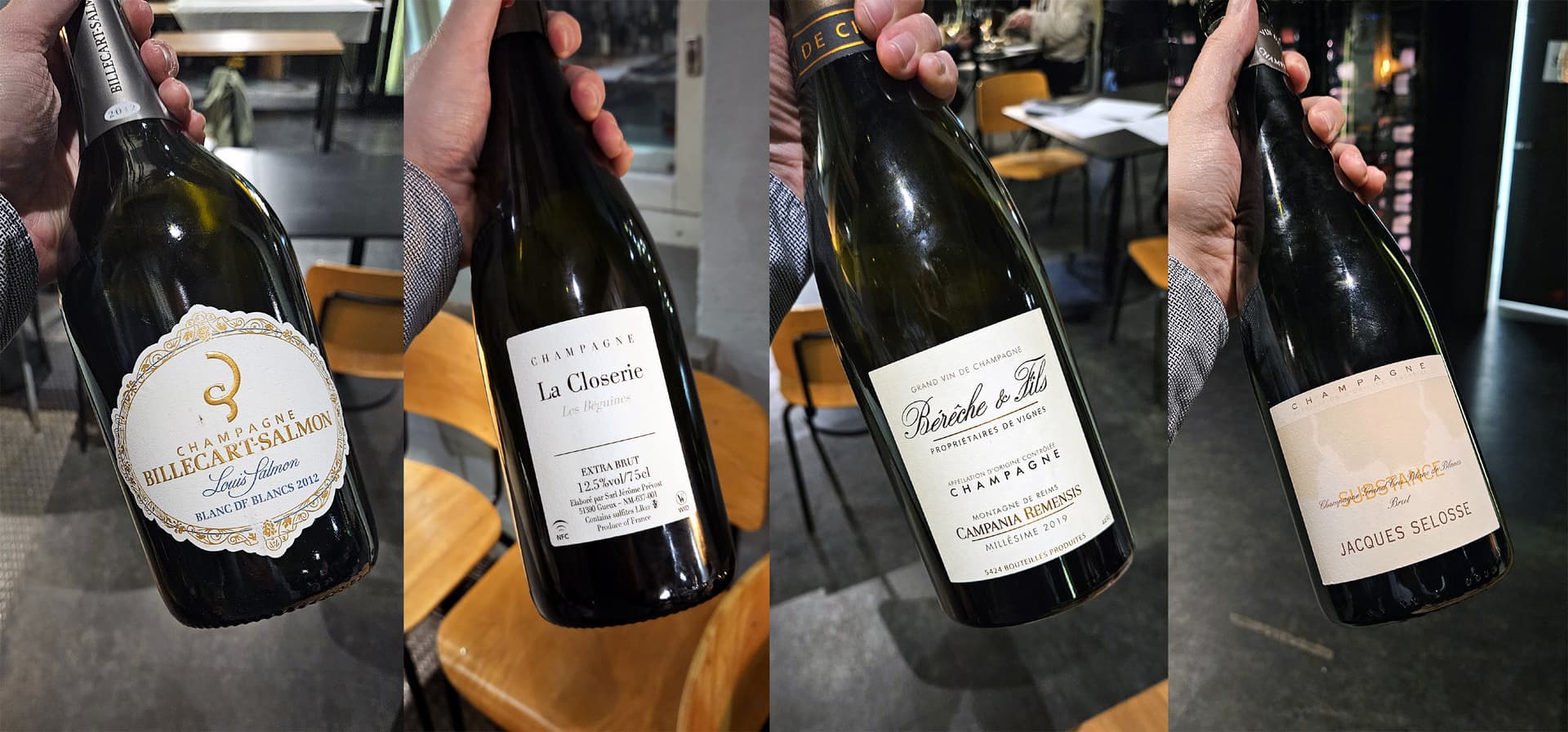
- 2012 Billecart-Salmon Champagne Grand Cru Louis Salmon Brut Blanc de Blancs - France, Champagne, Champagne Grand Cru (26.11.2024)
100% Chardonnay from the Grand Cru Côte de Blancs vineyards of Mesnil-sur-Oger (60%), Cramant (23%), Chouilly (11%) and Oiry (6%). Vinified in stainless steel tanks (75%) and oak casks (25%). Aged sur lattes for 115 months. 12,5% alcohol, dosage 3,9 g/l.
Pale lemon-yellow color. The nose feels clean, crisp and youthful with fresh but a bit understated aromas of Granny Smith apple, some leesy notes of yeast, a little bit of zesty citrus fruits, light autolytic notes of white bread, a hint of chalk dust and a touch of herby character. The wine feels dry, fresh and quite broad on the palate with a medium-to-moderately full body and quite crisp flavors of ripe citrus fruits, some leesy creaminess, light mineral notes of chalk dust and salinity, light autolytic notes of white bread, a hint of tart Granny Smith apple and a faint touch of nutty wood. The mousse feels silky and gentle, whereas the brisk acidity lends a good amount of freshness and structure to the wine. The finish is long, refreshing and subtly sweet-toned with a ripe aftertaste of juicy citrus fruits, some leesy creaminess, light appley tones, a little bit of tangy salinity, a hint of nutty wood and an autolytic touch of white bread.
A clean, crisp and refreshing Blanc de Blancs, but still exceptionally youthful - almost backward - for a Champagne that is 12 years old. The style is undeniably very Blanc de Blancs - in a crisp, incisive and even somewhat austere way - but without any evolved qualities, the wine comes across as a wine not older than just a few years. That also means that the wine offers very little of interest at the moment. Sure, it is acid-driven and very mineral, so if that kind of Champagne rocks your boat, good for you. I, however, like my premium Champagnes to show some additional depth and complexity instead of coming across as young, zippy BdBs you can get at just a fraction of the price. At the moment the wine doesn't deliver for the price (150€), but as the wine feels so very youthful for its age with a good deal of potential for further aging, I can imagine the wine will get much better and more interesting with enough aging. I'd let the wine age for at least another 10-12 years.
(90 points) - 2022 Jérôme Prévost Champagne La Closerie Extra Brut Les Beguines - France, Champagne (26.11.2024)
Officially this is an NV, but unofficially the lot number LB22 tells that the wine is from the 2022 vintage. A blend of organically farmed Pinot Meunier (94%) planted in 1964 and Chardonnay (2%), Pinot Gris (2%) and Pinot Noir (2%) planted in 2000, all sourced from the two-hectare lieu-dit Les Béguines. Fermented spontaneously in old 225, 228, 400, 500 and 600-liter oak barrels. Aged in oak barrels for 10 months. Aged sur lattes for 18 months, disgorged (non-dosé) in October 2024. 12,5% alcohol and 6 g/l residual sugar.
Pale greenish color. Nuanced and somewhat sunny nose with aromas of ripe Fuji apple, some toasty French bread notes, a little bit of zesty citrus fruit, light mineral notes of chalk dust, an autolytic hint of nuttiness and a faint touch of phenolic funk. The wine feels leesy, characterful and somewhat autolytic on the palate with a medium body and dry flavors of bready autolysis and brioche, some nuttiness, light sweeter notes of ripe white fruit, light mineral notes of chalk dust and tangy salinity, a hint of apple peel bitterness and a touch of creamy oak. The bright, high acidity lends good sense of structure to the wine, while the gentle, creamy mousse adds nice sense of volume and weightlessness to the overall feel. The finish is crisp, dry and saline with a nuanced aftertaste of lemony citrus fruits, some toasty nuttiness, a little bit of bready autolysis, light saline mineral notes, a hint of savory wood spice and a touch of apple peel bitterness.
A very nuanced, fresh and harmonious Champagne showing some obvious oak influence and faint funky undertones - without coming across as one bit gimmicky. This is just wonderfully fine, layered and complex stuff. Still super youthful, so maybe holding a bit back - I can see the wine benefiting from another 5-8 years of aging, and also seeing it holding just fine for much longer. Tasting this next to the 2019 Prévost Grand Cru, I felt this wine showed a bit more ripeness and somewhat more sweeter-toned fruit, yet at the same time coming across as leaner, less broad and more focused in overall feel. A fantastic example of Pinot Meunier. Not particularly affordable at 125€, but possibly worth the price - at least after enough aging.
(93 points) - 2019 Jérôme Prévost Champagne Grand Cru La Closerie - France, Champagne, Champagne Grand Cru (26.11.2024)
A blend of Chardonnay from a 0,28-hectare parcel planted in the 1980's in Le Mesnil-sur-Oger (50%) and purchased Pinot Noir from Puisieulx (50%). The base wine is from the 2019 vintage and the varieties are blended only right before the bottling. 12,5% alcohol.
Medium-deep yellow-green color. The nose feels fine-tuned, savory and a bit reticent with delicate aromas of nutty wood and bready autolysis, some ripe Fuji apple tones, a little bit of stony and chalky minerality, light chopped almond notes, a hint of darker-toned fruit and a touch of zesty citrus fruits. The wine feels dry, broad and textural on the palate with a medium-to-moderately full body and characterful flavors of toffee apple, some nutty wood, light yeasty notes of white bread, light almond paste tones, a hint of creamy oak and a touch of chalky minerality. The mousse feels creamy smooth and the moderately high acidity lends good sense of balance and structure to the wine. The finish is dry, broad and quite ripe with a long, complex aftertaste of sweet yellow fruits, some nutty wood, light bruised apple tones, a little bit of bready autolysis, a hint of juicy citrus fruits and a touch of chalky minerality.
A wonderfully rich, complex and textural Champagne. Tasting this next to Les Béguines, you can taste that these are two quite different expressions of Champagne, but I find it hard to put one above other; I feel Les Béguines feels leaner and more focused in character, whereas this Grand Cru shows more richness, body and sense of weight. Conversely, this Grand Cru also tastes drier, chalkier and more savory, while Les Béguines comes across as a bit fruitier and sweeter-toned with a bit more ripeness. Both wonderful and eminently tasty, but also enjoyably different - and more or less equal in quality. However, that also means I find it hard to justify the price of this wine (170€) when I can get Les Béguines for a considerably lower price!
(93 points) - 2019 Bérêche et Fils Champagne Campania Remensis Extra Brut - France, Champagne (26.11.2024)
A blend of Pinot Noir (60%), Chardonnay (30%), Pinot Meunier (5%) and red Coteaux Champenois (5%), all sourced from the same 52-yo parcel of three hectares in Montagne de Reims. Fermented and aged in oak barrels. Aged sur lattes for at least 36 months. Disgorged in June 2023. 12,5% alcohol and dosage 3 g/l. Total production 5424 bottles.
Pale salmon-red color. The nose feels dry and a bit understated with savory aromas of chopped hazelnuts and slivered almonds, some autolytic notes of brioche, light crunchy red apple tones, a little bit of smoky reduction, a leesy hint of yeast and a touch of ripe red-toned fruit. The wine feels dry, crisp and somewhat linear on the palate with a medium body and youthful flavors of sharp green apple tones, some lemony citrus fruits, light saline mineral notes, a little bit of tart lingonberry, a hint of nutty wood and a faint autolytic touch of leesy yeast and white bread. The mousse feels smooth and suave but also a bit short, while the brisk acidity lends good sense of energy and structure to the wine without making it feel too lean or high-strung. The palate-cleansing finish is crisp, dry and mineral with a long aftertaste of sharp Granny Smith apple, some tart notes of key lime and lingonberry, light steely mineral notes, a little bit of nuttiness, a leesy hint of yeast and a touch of wet rocks.
A very youthful and thus quite brisk and linear rosé with quite a bit of acidity and minerality but somewhat a tad too little of anything else in relation. It feels this wine could use a good amount of years in a cellar as it comes across stylistically as a bit too minimalist at the moment - even though there is some depth and nuance, too, if you just stop to look for it. Most likely the wine is just somewhat shut down and holding back a bit now, but will open up with some additional age. While enjoyable now, I feel this wine is now more about future potential than immediate drinkability. Perhaps a tad pricey for the quality at 75€, but things will change if the wine evolves and opens up with further aging.
(91 points) - NV Ulysse Collin Champagne Blanc de Blancs Extra Brut (2019) Les Pierrières - France, Champagne (26.11.2024)
A single-vineyard Chardonnay from Côte de Sézanne, fermented spontaneously with indigenous yeasts, aged in old oak barriques and foudres. 2019-base with reserve wines, mostly from 2018 (40%). Disgorged on February 5th, 2024. 13% alcohol.
Quite pale whitish-green color. The nose feels a bit restrained yet still very attractive with slightly understated aromas of ripe citrus fruits, some stony mineral notes, a little bit of nutty wood, light sweeter notes of yellow fruits, a hint of slivered almonds and a leesy touch of yeast. The wine feels firm, structured and quite expressive on the palate with a sleek medium body and pretty intense, almost bone-dry flavors of ripe Granny Smith apple, some sweet yet woody and subtly smoky notes of oak spice, a little bit of grilled pineapple, light mineral notes of chalky bitterness, a hint of creamy oak and a touch of lemony citrus fruit. The mousse feels rich, fine and persistent, and the high acidity lends a great amount of structure and intensity to the wine. The finish is crisp, long and lively with a dry aftertaste of lemony citrus fruit, some toasty oak tones, a little bit of grilled pineapple, light smoky notes, a hint of creamy oak and a touch of salinity.
The nose felt a bit underwhelming, but on the palate the wine was surprisingly dramatic with its expressive, somewhat toasty flavor profile. The wine felt like somewhere between a fine new world Chardonnay and an oak-aged Chablis, but with bubbles - yet with an unmistakable, mineral Champagne overall feel. The overall feel is still quite youthful, yet still the wine is pretty darn gorgeous already now. Even then, I can see the wine benefiting from additional aging, so if you have any patience, I heartily recommend letting the wine age some more. Finally, no matter how impressive the wine is, I think it feels very expensive for its quality at 230€.
(94 points) - NV Jacques Selosse Substance - France, Champagne, Champagne Grand Cru (26.11.2024)
100% Chardonnay from two organically grown plots in Avize: Les Chantereines and Les Marvillanness. The wine to be bottled is drawn off from stainless steel tanks, topped off with reserve wine from oak foudres (70-75% new according to some sources), which are in turn filled with the wine from the most recent vintage that has been aged in old oak barrels. This solera-inspired system was started in 1986, so the wine should still contain all the vintages from the past 30-or-so-years (although in diminishing quantities with all the older ones). The amount that's drawn off is normally at 20-25%, so logically the newest vintage makes up of 20-25% of the reserve wine aging in oak barrels. After having been bottled from the tanks, Substance is normally aged sur lattes for approximately 6 years. This specific bottle is disgorged in February 2024. 12,5% alcohol.
Somewhat concentrated neon yellow-green color. The nose feels complex and moderately oxidative with layered, slightly sweet-toned aromas of roasted nuts and mahogany, some ripe citrus fruits, a little bit of bruised apple, light chalky mineral tones, a hint of dusty old wood and a touch of caramel. The wine feels dry, broad and quite intense on the palate with a rather full body and very complex flavors of ripe citrus fruits and oxidative nuttiness, some saline mineral tones, a little bit of bruised apple, light notes of caramel, oaky hints of creaminess and savory old wood and a touch of browned butter. The mousse feels very modest but also soft and silky smooth. The rather high acidity lends a great amount of freshness and structure to the wine. The finish is long and complex with an intense aftertaste of bruised apple and oxidative nuttiness, some saline mineral notes, a little bit of ripe lemony citrus fruit, light creamy oak tones, a hint of mahogany and a touch of chalky bitterness.
An exquisite and very unique Champagne that pushes the envelope when it comes to oxidative winemaking in sparkling wines - yet without compromising any of the freshness and energy. The oxidative qualities certainly make the wine feel quite evolved with a lot of tertiary complexity, yet the wine feels just oxidative - not oxidized - and its fruity qualities still hold a lot of youthful energy and intensity. The wine is pretty darn impressive already now, but I can see it evolving even further from here with additional aging. The only beef I have with the wine is its price - with my note on the October 2015 disgorgement I wrote: "I'm not sure if the wine (or any wine) is worth the 180€, but if there is no competition and people are happily willing to pay, I guess the wine is priced according to its quality." I guess it still holds true at the wine's current pricing (390€ for this bottle).
(96 points)
2nd part: Germanic Europe
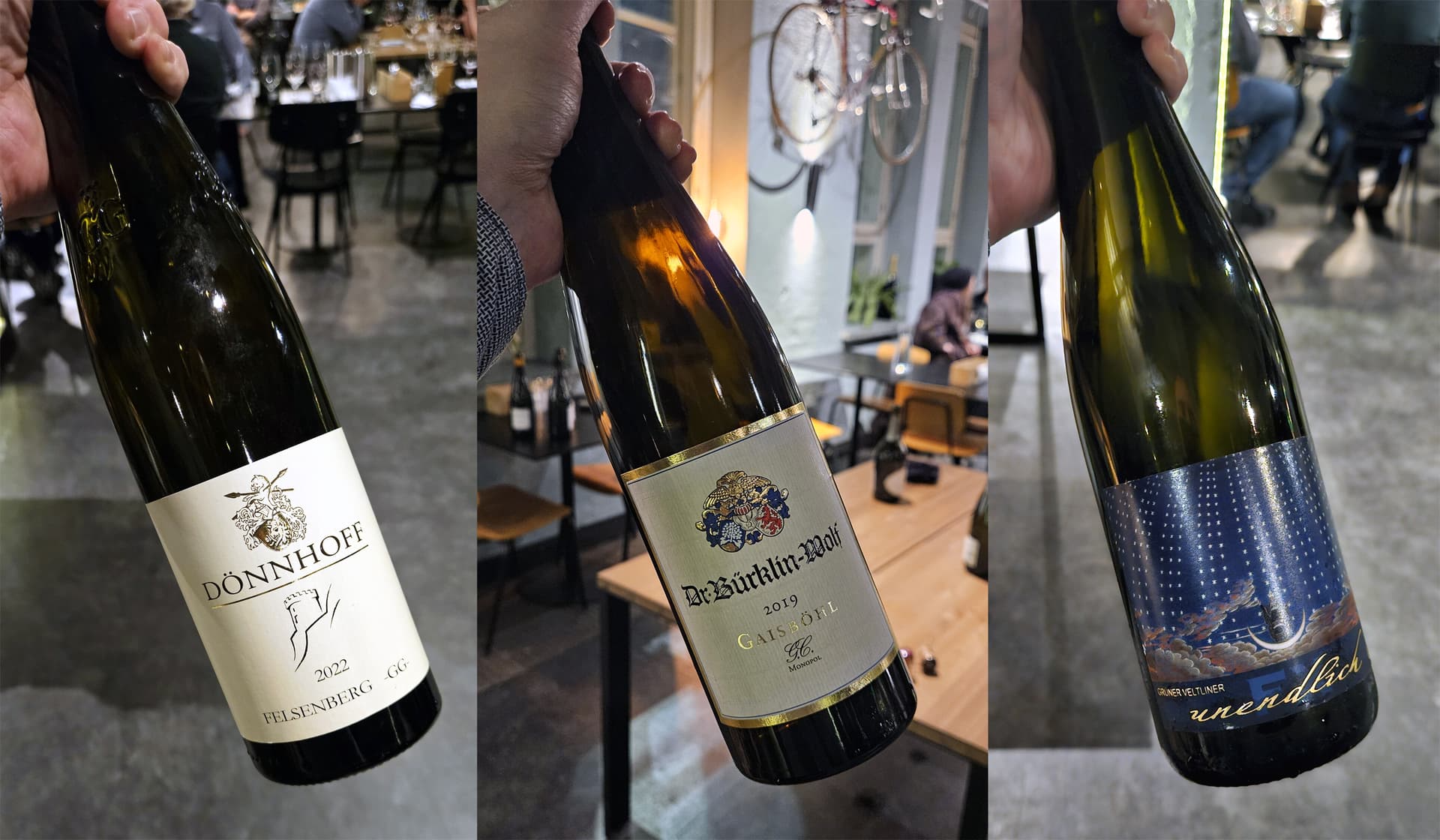
- 2022 Dönnhoff Felsenberg Riesling Großes Gewächs - Germany, Nahe (26.11.2024)
100% Riesling. Fermented spontaneously and aged in stainless steel tanks and old 1000-liter stück casks made from German oak. 13% alcohol, 3,8 g/l residual sugar and 7,8 g/l acidity.
Pale greenish color. The nose feels fragrant and quite expressive with aromas of ripe citrus fruits, some sweet Golden Delicious apple tones, a little bit of ginger, light floral notes of orange blossom, a hint of star fruit and a mineral touch of chalk dust. The wine feels firm, quite airy and pretty linear on the palate with a medium-to-moderately full body and ripe, youthful flavors of key lime and star fruit, some steely mineral tones, a little bit of sweet appley fruit, light floral notes of orange blossom and apple blossom, a hint of wet rocks and a touch of tangy salinity. While the moderately high acidity keeps the overall feel pretty balanced and structured, it still comes across as a bit soft for a Dönnhoff. The finish is crisp and lively with a rather long aftertaste of ripe citrus fruits, some mineral notes of wet rocks and salinity, a little bit of key lime, light floral nuances, a hint of crunchy red apple and a touch of star fruit.
A tasty but perhaps a bit ripe and still somewhat anonymous vintage of GG Felsenberg. The 2021 at this age was still super primary, yet it showed better freshness, precision and potential than this 2022. While you can see the wines are cut from the same cloth, this 2022 leaves me a bit less enthused. It's good, but not as good as I expected from this label. I hope the wine would pick up a bit more depth and thrill as it ages - at the moment the wine doesn't really feel worth the 60€.
(90 points) - 2019 Dr. Bürklin-Wolf Ruppertsberger Gaisböhl Riesling - Germany, Pfalz (26.11.2024)
Made with biodynamically farmed Riesling sourced from the Gaisböhl vineyard, a monopole of Dr. Bürklin-Wolf and considered to be Grand Cru-level ("GC") by the winery. 13% alcohol, 2 g/l residual sugar and 7,9 g/l acidity.
Pale lemon-yellow color. The nose feels ripe, quite sweet-toned and true to the variety with expressive aromas of ripe citrus fruits and lemon curd, some mineral notes of wet rocks, a little bit of chopped aromatic herbs, light candied ginger tones, a floral hint of orange blossom and a faint touch of old wood. The wine feels crisp, lively and a bit austere on the palate with a medium body and lean flavors of lemony citrus fruits and tart Granny Smith apple, some pronounced stony mineral notes, a little bit of salinity, light candied ginger tones, a hint of mealy Fuji apple and a touch of tangy salinity. The brisk acidity makes the wine feel very structured and pretty high-strung, and there also seems to be a tiniest amount of tannic tug on the gums as well, adding to the very tightly-knit feel of the wine. The finish is crisp, lean and lively with a long, dry aftertaste of stony minerality and tangy salinity, some lemony citrus fruit notes, a little bit of tart Granny Smith apple, light floral notes of apple blossom, a hint of old wood and a touch of incisive steely character.
A youthful and still quite lean and austere vintage of Gaisböhl that shows very little resolution at the moment. I feel this 2019 is even more backward than the 2020 and 2021 vintages I had some years ago - the 2020 was very open already and the 2021 seemed to be holding back at 2 years of age, but this 2019 feels more closed and less co-operative still at 5 years of age. Well, apart from the nose, which was beautifully open and expressive. All in all, this is a very promising and impressive wine, but it feels like it is so tightly-knit and lean at the moment that it is going to be holding back for many more years; this is definitely a wine for the long haul. Not maybe that affordable at 55€, but hopefully things will change with enough additional aging.
(92 points) - 2021 F.X. Pichler Grüner Veltliner Unendlich - Austria, Niederösterreich, Wachau (26.11.2024)
100% organically farmed Grüner Veltliner from Kellerberg, Liebenberg and Kollmütz vineyards. Harvested at very high level of ripeness. Fermented in tank and aged in 500-liter oak demi-muids (50% new). 14,5% alcohol.
Youthful, quite pale lime-green color. The nose feels remarkably primary with aromas of pear drops and grapey fruit along with notes of honeydew melon and some peach, light floral tones, a little bit of sweet exotic spices from the new oak, a hint of extracted waxy character and a touch of creamy oak. The wine feels concentrated, a bit oily and slightly warm on the palate with a considerably full body and bold flavors of ripe pear, some honeydew melon, light primary notes of grapey fruit, light spicy nuances, extracted hints of beeswax and subtle bitterness and a touch of creamy oak. The high alcohol shows through a bit, while the moderately high acidity feels surprisingly high for such a ripe wine, keeping the wine quite nicely in balance. The finish is rich, ripe and concentrated with a long, juicy aftertaste of sweet pear and ripe white peach, some honeydew melon tones, a little bit of saline minerality, light primary grapey notes, a hint of extracted bitterness and a touch of creamy oak.
A considerably ripe and rather humongous Grüner Veltliner that is way too youthful for its own good - the wine is still badly dominated by the grapey primary fruit flavors and estery pear drop notes, which make it quite hard to get a full picture of the wine. This smells and tastes like a freshly bottled inexpesive wine blended with almost viscous, slightly oaky Grüner Veltliner concentrate. However, taking these all things into account, I must admit that the wine carries its oak and high alcohol much better than I anticipated - they both do show, but not nearly as badly as I was expecting. This is an over-the-top wine, but not in an over in-your-face kind of way. At the moment the wine feels impactful with its sheer size, but it fails to impress due to its super-primary overall feel. I really hope some aging would make the wine come together, which is why I recommend letting the wine age for a good deal more. At the moment the wine is in a shape that does not win me over. Feels very expensive for the quality at 180€.
(89 points)
3rd part: Lotsa Burgs
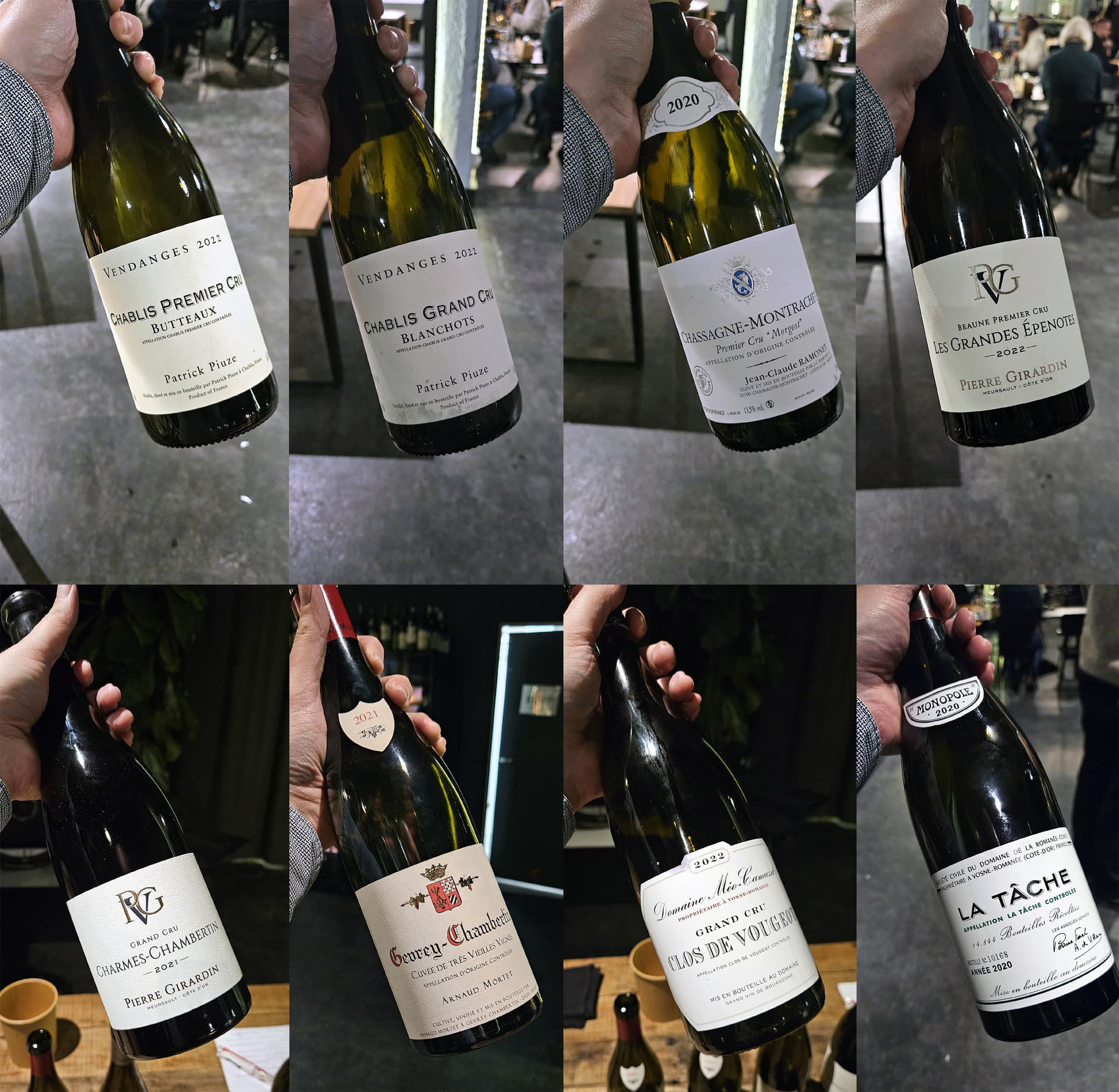
- 2022 Patrick Piuze Chablis 1er Cru Butteaux - France, Burgundy, Chablis, Chablis 1er Cru (26.11.2024)
100% Chardonnay from +75-yo vines in the Butteaux climat of 1er Cru Montmains. Fermented spontaneously, aged in old, neutral oak barrels. 12% alcohol.
Youthful, pale lime-green color. The nose feels quite classically styled with aromas of fresh white fruits and crunchy appley tones, some sweeter greengage notes, light chalky mineral notes, a little bit of smoky reduction, a hint of ripe citrus fruit and a touch of leesy creaminess. The wine feels youthful, balanced and slightly primary on the palate with a medium body and bright flavors of fresh Golden Delicious apple, some steely mineral notes, a little bit of leesy creaminess, light primary notes of sweet grapey fruit, a hint of white peach and a touch of tangy salinity. The high acidity lends lovely sense of freshness, focus and structure to the wine. The finish is moderately ripe and juicy yet still bright and crunchy with a long aftertaste of fresh Fuji apple, some white peach, a little bit of chalky minerality, light primary notes of sweet grapey fruit, a hint of leesy creaminess and a touch of salinity.
A classically styled and attractive 1er Cru Chablis with a wonderfully sleek body, enjoyably fresh and dry fruit profile and a delightfully brisk backbone of incisive acidity. The overall feel is still way too young with the sweet, grapey primary fruit flavors, but there's no denying that the wine shows good promise. At this point I enjoyed this wine much more than the broader, softer and sweeter-toned 2022 Grand Cru Blanchots. Priced according to its quality at 60€.
(91 points) - 2022 Patrick Piuze Chablis Grand Cru Blanchot - France, Burgundy, Chablis, Chablis Grand Cru (26.11.2024)
100% Chardonnay from +40 yo vines in Grand Cru Blanchots. Fermented spontaneously, aged in old, neutral oak barrels. 12,5% alcohol.
Quite pale lemon-yellow color. The nose feels a bit reticent and both slightly sweet and somewhat dry at the same time with aromas of chalk dust and ripe white fruits, some mineral notes of wet rocks, a little bit of leesy creaminess, light cantaloupe nuances, a hint of fragrant herbs, a touch of old wood and a whiff of reductive funk. The wine feels broad, harmonious and still a bit primary on the palate with a full body and moderately ripe flavors of sweet white fruits, some leesy creaminess, light woody tones, a little bit of cantaloupe, a hint of fresh white peach and a candied touch of pear drop-driven primary fruit. The moderately high acidity feels a bit modest for a Chablis and maybe a tad insufficient for such a ripe Chardonnay. The finish is rich, ripe and somewhat sweet-toned with a rather long aftertaste of white peach, some mineral notes of wet rocks and chalk dust, a little bit of leesy creaminess, light cantaloupe tones, a hint of nutty wood and a candied touch of sweet primary fruit.
A pleasant but also somewhat too big and ripe example of Chablis - which is quite interesting as Piuze is known to make quite fresh and delicate wines, and Blanchots is a climat that produces lighter, less ripe and more precise wines than the other Chablis Grands Crus. Well, this wine still was a bit too broad and sweetly-fruited for my preference, and it could've used a bit more acidity, too. I enjoyed Piuze's 2022 1er Cru Butteaux a lot more compared to this wine. I hope the wine loses some of that sweet-toned fruit quality as it ages and gets rid of those sweet, candied primary fruit flavors. At 80€ this wine feels a tad pricey for its quality.
(89 points) - 2020 Jean-Claude Ramonet Chassagne-Montrachet 1er Cru Morgeot - France, Burgundy, Côte de Beaune, Chassagne-Montrachet 1er Cru (26.11.2024)
100% Chardonnay from 1er Cru Morgeot, the largest 1er Cru vineyard in Chassagne-Montrachet. 13,5% alcohol.
Youthful, pale lime-green color. The nose feels youthful, a bit closed and slightly woody with light aromas of smoky reduction, some lemony citrus fruit notes, a little bit of fresh Golden Delicious apple, light creamy oak tones, a hint of star fruit and a woody touch of savory oak spice. The wine feels dry, balanced and structured on the palate with a moderately full body and quite bold flavors of ripe Granny Smith apple and woody oak spice, some stony mineral notes, a little bit of sweet white peach, light smoky nuances of reduction, a hint of tangy salinity and a touch of fresh nectarine. The high acidity makes the wine feel very fresh and structured despite the somewhat ripe and sizeable overall feel of the wine. The finish is long, fresh and nuanced with a layered aftertaste of ripe white fruit and crunchy red apple, some woody tones, a little bit of spicy oak, light saline mineral nuances, a hint of creaminess and a reductive touch of smoke.
A youthful, impressive and darn serious 1er Cru Chassagne-Montrachet. Although the wine is still super young and obviously not going to show its best in a good while, it is still pretty darn delicious already now. However, it is obvious that the wine is going to age beautifully and most likely it is not going to reach its plateau of maturity in another 10-15 years. Despite its somewhat broad overall feel and somewhat noticeable ripeness, the wine is at the same time wonderfully fresh and structured, not coming across as one bit soft or heavy. Superb now and will only get better as the wine matures. Even then, I'm not sure if this is truly worth the 190€.
(94 points) - 2022 Pierre Girardin Beaune 1er Cru Les Grandes Épenotes Blanc - France, Burgundy, Côte de Beaune, Beaune 1er Cru (26.11.2024)
100% organically farmed Chardonnay from a 1,1-hectare parcel on the border between Beaune and Pommard that Girardin replanted with Chardonnay (while keeping the Pinot Noir vines on the Pommard side of the vineyard). Whole bunch pressed, fermented spontaneously and aged in 456-liter oak casks for 12 months. 12,5% alcohol.
Pale and rather neutral whitish-green color. The nose feels cool, a bit reticent and slightly reductive with aromas of grilled pineapple and gunpowder smoke, some ripe Golden Delicious apple, light creamy oak tones, a little bit of nutty wood, a hint of zesty citrus fruits and a mineral touch of wet rocks. The wine feels crisp, firm and focused on the palate with a light-to-medium body and dry, quite incisive flavors of lemony citrus fruits, some reductive notes of gunpowder smoke, light stony and saline mineral tones, a little bit of nutty wood and savory oak spice, a hint of grilled pineapple and a touch of tart Granny Smith apple. The brisk acidity lends a good amount of freshness, structure and precision to the wine. The finish is crisp, clean and lively with a long, dry aftertaste of lemony citrus fruits and tangy salinity, some ripe Fuji apple tones, a little bit of smoky reduction, light mineral notes of wet rocks, a hint of grilled pineapple and a touch of nutty wood.
A super youthful and still pretty high-strung but also wonderfully fresh and structured 1er Cru Beaune Blanc that might be still a bit too reductive and woody, but still coming across as a very delightful and tasty example of young white Burg. To me the wine is still in a bit awkward phase, but it shows a great amount of potential for future development - I can see the wine evolving and improving easily for another 10-15 years. Terrific stuff, highly recommended - even if the wine feels a tad expensive at 130€.
(93 points) - 2021 Pierre Girardin Charmes-Chambertin - France, Burgundy, Côte de Nuits, Charmes-Chambertin Grand Cru (26.11.2024)
100% organically farmed Pinot Noir from Charmes-Chambertin. Vinified in whole clusters, fermented spontaneously. Hard-pressed to obtain enough phenolics and dry extract to protect against oxidation. Aged in new French oak barrels for 16 months. Bottled unfined and unfiltered with a minimal dose of SO2. 13,5% alcohol.
Luminous, dark and youthful black ruby color that permits some light through. The nose feels juicy and expressive with fragrant aromas of black cherries and perfumed floral tones, some spicy Pinosity, light brambly notes of raspberries, a little bit of savory wood, a hint of something meaty and a faint touch of coffee grounds. The wine feels bright, crunchy and quite delicate on the palate with a medium-to-moderately full body and intense flavors of fresh raspberries and tart lingonberries, some stony mineral tones, a little bit of fresh black cherry, light toasty notes of dark-toned oak spice, a hint of sour cherry bitterness and a touch of peppery Pinosity. The structure relies almost entirely on the brisk and crunchy acidity as the supple medium-minus tannins only contribute a little bit to the texture. The finish is lively, crunchy and slightly grippy with a long, acid-driven aftertaste of tart lingonberries and brambly raspberries, some stony mineral notes, a little bit of ferrous blood, light woody notes of savory oak spice, a hint of sour cherry and a touch of toasty character.
A very youthful but also attractive and promising Charmes-Chambertin. The style is quite light-weight for a Grand Cru, but I can imagine it's just the combination of Charmes-Chambertin's propensity of producing more delicate reds and the 2021 vintage doing its thing; the result is an airy but not thin Burgundy with a suave, silky texture and a good deal of acidity, making the wine feel very zippy, dry and crunchy. The overall feel is still very youthful and while the wine carries its oak remarkably well, considering it is aged exclusively in new oak, there's no denying that the oak still shows. Maybe this is not as ageworthy as many other Grands Crus, but I'd still let the wine age for at least another 7-10 years before broaching a bottle. While a lovely wine in its own right, I think the Burgundy pricing is simply crazy - I would never pay 290€ for a wine like this. I honestly don't understand the premium some people are willing to pay for wines like these when you can drink beautiful wines of similar quality at just one 5th to one 10th of the price.
(93 points) - 2021 Arnaud Mortet Gevrey-Chambertin Cuvée de Très Vieilles Vignes - France, Burgundy, Côte de Nuits, Gevrey-Chambertin (26.11.2024)
100% organically farmed Pinot Noir from 80-120 yo vines in En Champs, Combes and Aux Echezeaux lieux-dits. 50% of the fruit has been vinified in whole bunches. Aged in oak barrels (20% new) for 18 months. 13% alcohol.
Youthful, quite translucent black cherry color. The nose feels fragrant and quite seductive with layered aromas of dark forest fruits and crushed raspberries, some ripe redcurrant tones, a little bit of wood, light floral notes of violets, a hint of wild strawberry, a touch of sweet black cherry and a toasty whiff of sweet and exotic spices. The wine feels dry, fresh and crunchy on the palate with a medium body and intense, quite youthful flavors of tart lingonberries and brambly raspberries, some gravelly earth, a little bit of crunchy crowberry, light woody tones, a savory hint of meaty umami and a faint fragrant touch of exotic spices. The overall feel is enjoyably firm with its high acidity and ample yet ripe tannins that slowly pile up on the gums. The finish is dry, crunchy and moderately grippy with a long aftertaste of tart lingonberries and fresh cranberries, some meaty tones, a little bit of earthy Pinosity, light crunchy notes of cranberries, a hint of savory wood spice and a faint floral touch of violets.
A beautiful, wonderfully balanced and quite serious Gevrey-Chambertin that punches way above its weight as a mere village-level wine. The cooler 2021 vintage makes the wine somewhat lightweight, but the old vines have still granted the wine a remarkable amount of intensity, depth of flavor and firmness, making this wine come across as more potent than many village-level 2021 Burgs. The wine is still super youthful and I'm sure it will benefit from additional aging - most likely the wine is going to need at least another 10 years to show its best - but it is a very fine wine already now. Perhaps a tad pricey for the quality at 105€, but not prohibitively so.
(94 points) - 2022 Domaine Méo-Camuzet Clos Vougeot - France, Burgundy, Côte de Nuits, Clos Vougeot Grand Cru (26.11.2024)
100% Pinot Noir from the top part of the Clos Vougeot vineyard; about 1/3 of the plot is centenarian vines from the 1920's, another 1/3 is from the 1960's, and the remaining third has been planted 20-30 years ago. The fruit is first cold-soaked for 2-3 days, then fermented and macerated with the skins in concrete vats for 2-3 weeks. Aged in oak barrels (70-100% new) for 17-18 months. Bottled unfined and unfiltered. 14% alcohol.
Very deep, dark and somewhat translucent black ruby color with a relatively pale, pinkish rim. The nose feels dark-toned, somewhat meaty and a bit funky with aromas of sweet dark berries, some woody notes of savory oak spice, light juicy black cherry tones, a little bit of meaty character, toasty hints of smoke and sweet oak spice and a touch of farmhouse funk. The wine feels rich, dark-toned and somewhat sweetly-fruited on the palate with a medium-to-moderately full body and juicy flavors of ripe black raspberries and strawberries, some cherry tones, a little bit of meaty funk, light primary notes grape jelly, a hint of ferrous blood and a touch of toasty oak spice. The overall feel is quite big and ripe yet sufficiently balanced with the moderately high acidity and ripe yet somewhat grippy medium tannins. The finish is rich, juicy and gently grippy with a youthful, dark-toned aftertaste of ripe black raspberries and black cherries, some strawberry tones, a little bit of meaty funk, light gravelly mineral tones, hints of toasty smoke and sweet oak spice and a primary touch of grape jelly. The alcohol shows through a little in the aftertaste.
A considerably ripe and youthful Grand Cru that feels now a bit clumsy and more sweetly-fruited than I'd care for. I guess there is quite a bit of room for further development in the wine, so I'm quite sure it will pick up some sense of finesse and savory complexity as it ages, but at least for now I'm not thrilled. Those subtly funky undertones did add some nice depth and complexity to the aromas and flavors, but as a whole, the wine feels a bit too rich, ripe and dark-toned to fit my ideal of Grand Cru Burgundy. I really hope further aging would work in the benefit of this wine. At the moment the wine feels way too expensive for its quality at 230€.
(89 points) - 2020 Domaine de la Romanée-Conti La Tâche - France, Burgundy, Côte de Nuits, La Tâche Grand Cru (26.11.2024)
100% biodynamically farmed Pinot Noir from the 6,06-hectare monopole vineyard in Vosne-Romanée, harvested between 30th of August and 2nd of September. Aged in new oak barrels. 13,5% alcohol. Bottle #10167 of total 14844 bottles.
Very deep, dark and only slightly translucent black cherry color. The nose feels very fragrant and expressive with quite intense aromas of brambly raspberries and pomegranates, some sweet exotic spices, light crunchy notes of lingonberries, a little bit of fresh red cherry, a hint of spicy Pinosity, a touch of savory wood spice and a faint perfumed whiff of violets. I was surprised to not pick up any obvious new oak notes despite the 100% new oak aging regime. The wine feels ripe, silky and surprisingly voluminous on the palate for a Pinot Noir with a moderately full body and quite rich flavors of strawberries and ripe Bing cherries, some exotic spices, a little bit of floral lift, light toasty notes of brooding new oak spice, a hint of ripe lingonberries and a touch of roasted - even slightly charred - meat. The wine is quite high in acidity with quite supple, fine-grained tannins that lend some firmness to the mouthfeel. The finish is long, floral and gently grippy with a rich, nuanced aftertaste of ripe strawberries and sweet black cherries, spicy Pinosity, some brambly raspberry tones, a little bit of sour cherry bitterness, light toasty notes of sweet, dark-toned oak spice, a savory hint of roasted meat and a perfumed touch of violets.
My first touch with the wines of DRC. I was honestly quite surprised how I didn't pick up any obvious oaky tones in the nose, but on the palate the toasty oak qualities seemed much more obvious. The wine was surprisingly big, bold and voluminous for a Côte de Nuits Pinot Noir, but I guess it was not only because of the inherent qualities of La Tâche, but also due to the 2020 vintage, which has produced some rather ripe, dark-colored and big-boned wines in Burgundy. The wine sure showed great sense of finesse with a wonderfully fine, silky texture and supple, well-managed tannins. However, even then I really failed to see what all the fuss is about; while a lovely wine, this still wasn't among the best wines I tasted during the evening - it was probably not even the greatest Pinot Noir in the event! Nevertheless, I can see this wine aging wonderfully and benefiting from the cellar - at least up to the point the wine starts to develop some tertiary complexity and integrating those sweet, toasty oak notes better with the fruit. A fine and thoroughly enjoyable GC Burg, but at 2900€ the price is just bonkers.
(93 points) - 2020 Domaine de la Romanée-Conti La Tâche - France, Burgundy, Côte de Nuits, La Tâche Grand Cru (26.11.2024)
100% biodynamically farmed Pinot Noir from the 6,06-hectare monopole vineyard in Vosne-Romanée, harvested between 30th of August and 2nd of September. Aged in new oak barrels. 13,5% alcohol. Bottle #10168 of total 14844 bottles.
Very deep, dark and only slightly translucent black cherry color. The nose feels open and expressive but also a bit weird with quite intense aromas of brambly raspberries and pomegranates, some vegetal notes of raw beet, a little bit of fresh red cherry and tart lingonberry, a green-toned hint of pickle relish, a touch of savory wood spice and a faint perfumed whiff of violets. The wine feels ripe, silky and quite voluminous on the palate for a Pinot Noir with a moderately full body and rather ripe flavors of strawberries and ripe Bing cherries, some odd notes of beet and pickle relish, a little bit of floral lift along with subtly vegetal undertones, light toasty notes of brooding new oak spice, a hint of ripe lingonberries and a touch of meaty chracter. The wine is quite high in acidity with quite supple, fine-grained tannins that lend some firmness to the mouthfeel. The finish is long, floral and gently grippy with a rich, nuanced aftertaste of ripe strawberries and sweet black cherries, spicy Pinosity, some brambly raspberry tones, a little bit of sour cherry bitterness, light toasty notes of sweet, dark-toned oak spice, a hint of pickle relish and a touch of raw beet.
After several people commented how the La Tâche - which I had tasted only a few moments earlier - seemed a bit weird and vegetal, I needed to check out what was going on. Apparently there was two bottles of La Tâche and I had tasted from the first bottle that was already finished. Well, I sampled a small pour from the second bottle - and to my amazement, the wine really seemed quite different! Sure, you could see and taste that this was the same wine after all with its identical appearance and very similar aromas and flavor profile. However, the wine still did exhibit some atypical, vaguely vegetal or green-toned nuances that were quite similar to raw beet, pickle relish or beet relish. The wine didn't really taste bad in any way, and if you hadn't just tasted another sample of the wine, you might've even thought that this wine was fine. However, with the previous sample still clear in my mind, it was very obvious that this bottle was not on par with the first one. I have no idea what was going on here, but it feels quite worrisome if a wine at this price point (2900€) shows this much bottle variation!
(91 points)
4th part: When in Rhône…
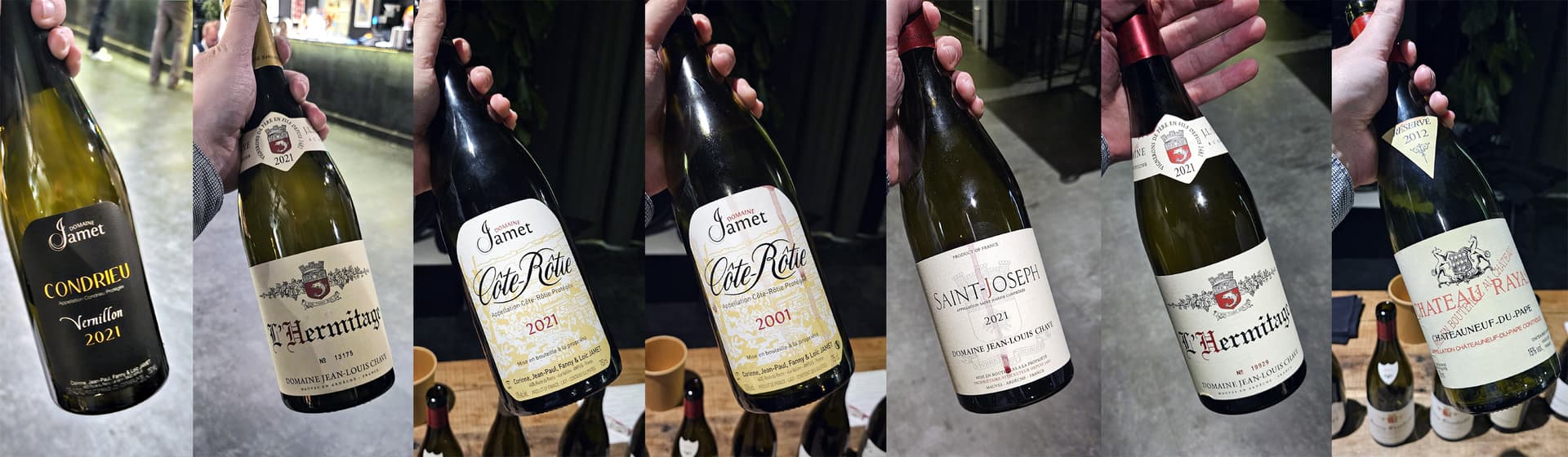
- 2021 Domaine Jamet Condrieu Vernillon - France, Rhône, Northern Rhône, Condrieu (26.11.2024)
100% Viognier from lieux-dits Côte Chatillon and Vernon - hence, "Vernillon". Fermented spontaneously, aged for 10 months in amphorae. 13,5% alcohol.
Youthful, quite pale and almost neutral whitish-green color. The nose feels youthful and surprisingly reticent for a Viognier with subtly sweet-toned aromas of fresh pear and barely ripe apricot, some perfumed notes of apple blossom, light mineral notes of wet rocks, a little bit of leesy creaminess, a hint of savory spice and a faint lactic touch of MLF. The wine feels youthful and remarkably fresh and precise on the palate (for a Condrieu) with a medium body and bright flavors of fresh Fuji apple and nashi pear, some floral spice, a little bit of crunchy white peach, light stony mineral tones, a hint of bitter spice and a touch of juicy pear. The high acidity, which feels almost atypically high for a Viognier, lends a deal of freshness, focus and structure to the wine. The finish is long, firm and refreshing with a dry and quite intense aftertaste of fresh pear, some apricot, light stony mineral notes, a little bit of herbal spice, a sweeter hint of ripe greengage and a touch of perfumed floral character.
A wonderfully fresh, elegant and relatively lightweight example of Condrieu that comes across as very impressive and eminently tasty despite the lack of the oomph typically associated with the variety - on the contrary, the wine's brisk acidity and positively sleek body only make the wine suit my vinous preferences much better compared to the typical wines of Condrieu that often get too ripe, soft and alcoholic for my taste. I guess the challenging 2021 vintage in Northern Rhône has contributed to the sense of freshness and relatively modest level of ripeness of the wine, but I've understood that this is the style of the wine even in warmer vintages, which make me love it even more. All in all, this is a Burgundy drinker's Condrieu, no question about it. I have no idea if this wine is going to evolve and improve with additional aging or if this is a typical Viognier that normally performs best earlier on, but seeing how wonderfully the wine drinks now, I'd say this doesn't really call for any additional aging - although the wine could maybe use a bit of aeration if opened now. Drink soon or within the next 7-10 years. Priced according to its quality at 65€.
(93 points) - 2021 Domaine Jean-Louis Chave Hermitage Blanc - France, Rhône, Northern Rhône, Hermitage (26.11.2024)
A blend of Marsanne (80-85%) and Roussanne (10-15%) from lieux-dits Les Rocoules, L'Hermite, Péléat and Maison Blanches. Fermented spontaneously in stainless steel tanks and oak casks. Aged in predominantly old oak casks for 24 months. 14% alcohol. Bottle #13175.
Medium-deep yellow-green color. The nose feels expressive but also spicy and savory rather than ripe and sweet with quite youthful aromas of fresh peach, some mealy yellow apple, light woody tones, a little bit of creamy oak, floral hints of chamomile, honeysuckle and lavender and a touch of cantaloupe. The wine feels broad yet wonderfully fresh and firm on the palate with a rather full body and dry, intense flavors of savory spices and crunchy red apple, some cantaloupe, light stony and saline mineral tones, a little bit of fresh white currant, a sweeter hint of toasty oak spice and a touch of creaminess. The wine is wonderfully high in acidity for a Hermitage, which lends a great deal of freshness, structure and flavor intensity to the wine. The finish is long, fresh and nuanced with an intense aftertaste of fresh red apples and cantaloupe, some stony mineral tones, a little bit of nutty wood, light creamy oak notes, a floral hint of lavender and a touch of salinity.
A wonderfully fresh, firm and acid-driven vintage of Hermitage Blanc - yet without compromising one bit of the impressive size and sense of breadth that defines this style of Northern Rhône whites. A very impressive effort by any standards. At the moment the wine feels still a bit too youthful with its still somewhat noticeable oaky tones, but it also shows remarkable sense of balance and potential for future development; I wouldn't be surprised if this wine kept evolving and improving for even longer than the red version of the same vintage. I would leave the wine for at least another 10-12 years, but I would also gladly keep it for much longer - this wine is built for the long haul. Starting to get wildly expensive at 155€, so I wouldn't say this is worth the money, but then again - it is pretty darn difficult to find a wine of similar quality at lower prices...
(95 points) - 2021 Domaine Jamet Côte-Rôtie - France, Rhône, Northern Rhône, Côte-Rôtie (26.11.2024)
100% Syrah sourced from 20 parcels in 15 different vineyards. The fruit is vinified almost completely in whole bunches, fermented spontaneously and macerated with the skins for three weeks. Aged in predominantly old oak barrels (about 15% new) for 22 months. 13% alcohol.
Luminous, youthful and somewhat translucent blackish ruby color. The nose feels youthful, somewhat restrained and a bit primary with aromas of crushed dark berries, some spicy notes of cracked peppercorns, a little bit of something meaty, light sweeter blackberry tones, a hint of fresh bilberry, a touch of olive and a primary whiff of sweet grapey fruit. The wine feels dry, acid-driven and quite crunchy on the palate with a medium body and intense flavors of crowberries and bilberries, some peppery tones, a little bit of gravelly minerality, light tart notes of lingonberries and sour cherries, a savory hint of meaty umami and a touch of brambly blackberry. The structure relies more on the high acidity than on the quite ripe and supple tannins that contribute more to the texture of the wine. The finish is youthful, dry and gently grippy with a long and quite intense aftertaste of ripe bilberries and tart lingonberries, some peppery tones, a little bit of fresh blackberry, light brambly notes of black raspberries, a savory hint of meaty umami and a touch of stony minerality.
After two quite sizeable and very impressive vintages of Côte-Rôtie, Jamet's 2021 is considerably more lightweight in comparison, coming across as pretty delicate and even somewhat Burgundian in style. The wine shows wonderful freshness and a lovely acid-driven overall feel, but conversely the nose is still somewhat reticent and on the palate the wine lacks a little bit of oomph. The style is wonderfully pure and vibrant, but at times the fruit department feels a bit meager for all that acidity. Well, at least the tannins are quite mellow in this vintage - otherwise the wine might've come across as too tough and angular. Sure, the wine is obviously super youthful and in all likelihood the wine is still way too young for its own good, so most likely the wine will open up with additional age - and drop those grapey primary fruit flavors in the process. I hope some years sideways will also flesh out the wine a little bit more. All in all, the wine is delicious and it shows good promise, but it does come across as a bit thin and underwhelming compared to the two previous vintages. Priced somewhat according to its quality at 87€.
(92 points) - 2001 Domaine Jamet Côte-Rôtie - France, Rhône, Northern Rhône, Côte-Rôtie (26.11.2024)
100% Syrah sourced from 20 parcels in 15 different vineyards. The fruit is vinified almost completely in whole bunches, fermented spontaneously and macerated with the skins for three weeks. Aged in predominantly old oak barrels (about 15% new) for 22 months. 13% alcohol.
Evolved, somewhat translucent and quite luminous rusty-red color. The nose feels evolved, somewhat feral and wonderfully complex with a seductive, slightly animale bouquet of game and charred bacon, some wizened blackberries, light autumnal tones, a little bit of olive, a hint of loose tobacco, a touch of ripe raspberry and a whiff of earthy garrigue. The wine feels dry, meaty and textural with a medium body and complex flavors of game and meaty umami, some gravelly mineral tones, a little bit tapenade and salty olive, light sweeter nuances of wizened blackberries, an autumnal hint of leafy forest floor and a crunchy touch of tart lingonberry. The wine still retains quite an impressive sense of structure with its high acidity and ample, moderately grippy tannins that show only a little bit of resolution. The finish is long, rich and somewhat tannic with a complex, savory aftertaste of loose tobacco, dried blackberries and meaty umami, some olive, light saline mineral tones, a little bit of game and crisp, charred bacon, crunchy hints of lingonberries and crowberries and a touch of autumnal leaves.
A fantastic and eminently attractive Côte-Rôtie at full maturity. The wine has developed beautifully savory, gamey flavors along with earthy tertiary tones that wonderfully intermingle with the dark-toned fruit flavors and olive nuances that are the hallmark of Northern Rhône Syrah. This is an extraordinary wine exhibiting remarkable depth and complexity along with impressive aging capability. I feel the wine has now reached its full potential - even if the wine might hold just fine for many more years, I doubt the wine is going to get qualitatively any better; this is as fine as it gets. Fortunately, that is very fine indeed. Pretty pricey at 180€, but if you love aged NRS, this wine really does deliver. Highly recommended.
(97 points) - 2021 Domaine Jean-Louis Chave Saint-Joseph - France, Rhône, Northern Rhône, Saint-Joseph (26.11.2024)
Made with estate fruit sourced from multiple vineyards in Tournon (Dardouelle and Les Oliviers), Mauves (Les Côtes and Sapelias), Saint-Jean-de-Muzols (Pichonnier) and Lemps (Bachasson) - the oldest vines dating back to the early 1900's. Fermented spontaneously in stainless steel tanks and old oak foudres, aged for 15-18 months in old foudres and predominantly old, neutral 228-liter oak barrels (a small portion renewed annually). Bottled unfiltered. 13,5% alcohol.
Deep, youthful and quite opaque blackish-red color. The nose feels savory, youthful and moderately spicy with aromas of brambly black raspberries and crunchy cranberries, some smoky tones, a little bit of cracked peppercorns, light sweeter notes of ripe blackberries, a hint of fresh plummy fruit and a touch of leather. The wine feels youthful, fresh and quite intense on the palate with a medium body and bright flavors of tart cranberries and crunchy redcurrants, some brambly blackberry tones, a little bit of ferrous blood, light spicy notes of black pepper, a hint of black raspberry and a youthful touch of floral lift. The structure relies more on the high acidity than on the supple, gently grippy medium-minus tannins. The finish is lively, dry and slightly grippy with a long, crunchy aftertaste of tart lingonberries and cranberries, some brambly blackberry tones, a little bit of peppery spice, light floral notes of violets, hints of leather and blood and a touch of stony minerality.
A very fresh and still very youthful St Joe that still feels a bit too young for its own good. Even if Chave is known for their Hermitage, this wine does not attempt to be a Hermitage emulation from the other side of the river - no, the wine is actually surprisingly Burgundian in overall feel! With its sleek body, high acidity, crunchy fruit flavors and supple tannins, this is a polar opposite to Chave's more big-boned Hermitage - but with all the hallmarks of a fine Northern Rhône Syrah (namely blackberry-driven fruit profile intermingling with peppery spice and subtly rustic accents). Although Chave's 2021 Hermitage - that I tasted next to this wine - seemed more impressive and impactful in comparison, I still think I ultimately preferred this St Joe over Hermitage in this 2021 vintage. Both the wines were eminently delicious, but the drier and leaner style of this Saint Joseph just spoke to me more. Good stuff with lots of upside, highly recommended. While not the most affordable St Joe, this is still solid value at 58€.
(93 points) - 2021 Domaine Jean-Louis Chave Hermitage - France, Rhône, Northern Rhône, Hermitage (26.11.2024)
100% Syrah blended from old-vine parcels in the Beaume, Bessards, Diognieres, L’Hermite, Meal, Peleat and Vercandiered lieux-dits on the Hermitage hill. The fruit is partially destemmed, then fermented spontaneously in concrete vats, open-top oak fermentors and stainless steel tanks. Aged for 18 months in 228-liter oak pièces (approximately 10% new). 13,5% alcohol. Bottle #19929.
Deep, youthful and quite opaque blackish-red color. The nose feels quite fresh yet still rather ripe and very seductive with intense aromas of blueberry juice, some perfumed floral tones, a little bit of brambly blackberry, light peppery tones, a hint of something feral and a touch of cassis. The wine feels broad, textural and moderately ripe on the palate with a full body and layered flavors of dark forest fruits, some crunchy dark damsons, a little bit of cracked black peppercorn, light savory notes of meaty umami, a hint of gravelly minerality and a touch of ripe blueberry. The moderately high acidity feels a tiny bit soft for such a rich Syrah, but fortunately the ample medium tannins that slowly pile up on the gums bring sufficient sense of firmness and muscle to the wine. The finish is juicy, moderately grippy and slightly sweetly-fruited with a long aftertaste of brambly ripe blackberries and brambly black raspberries, some fresh bilberry tones, a little bit of peppery spice, light savory notes of meaty umami, a hint of extracted bitterness and a touch of tart lingonberry.
A vibrant, quite ripe and still pretty sophisticated Hermitage where the level of ripeness stays at a nicely moderate level - although somewhat sweetly-fruited, the wine doesn't feel excessively ripe, sweet-toned or too high in alcohol. Definitely the cooler 2021 vintage might've given a helping hand there. Although the overall feel of the wine is textural and seductive, I must admit that from a quality point of view, I found Chave's 2021 Saint Joseph to be more or less at a similar level of quality. Stylistically quite different, as it was less ripe, more crunchy and delicate with a higher level of acidity and less sweet-toned fruit profile - but still able to hold a candle to Chave's grand vin with remarkable ease. There's no denying that this Hermitage comes across as more impressive with its sheer sense of power and ripeness, but comparatively speaking, I think I liked the St Joe even more. These both are fantastic wines, but when you take into account that St Joe's price is just one third of Hermitage's, I really question whether this wine is really worth the 180€? Perhaps not now, but hopefully with enough age - at least this wine feels like it could age effortlessly for another 15 years or so.
(93 points) - 2012 Château Rayas Châteauneuf-du-Pape Reserve - France, Rhône, Southern Rhône, Châteauneuf-du-Pape (26.11.2024)
100% Grenache from multiple parcels in three different vineyards, most of which have sandy soils and northern exposure - both atypical for Châteauneuf-du-Pape. Vinified in whole bunches which are first crushed and then fermented spontaneously in concrete tanks. Typically the wines are macerated with the skins for approximately two weeks. Aged for 15-16 months in very old (even the youngest ones are several decades old) foudres and demi-muids ranging from 450 to 600 liters. 15% alcohol.
Subtly hazy, pale-to-medium-deep pomegranate color that turns towards brick-red towards the rim. The nose feels sweet, fragrant and fascinating with very singular aromas of wild strawberries and potpourri, some meaty tones, a little bit of earthy and peppery spice, light sweet nuances of liquid honey and ethery VA, fragrant hints of dried flowers and garrigue, a touch of ripe red cherry and a faint whiff of orange rind. The wine feels broad, ripe and somewhat sweet-toned yet at the same time remarkably airy and delicate on the palate with a full body and layered flavors of juicy strawberries and ripe red plums, some savory notes of meaty umami and developed gamey character, light perfumed notes of dried flowers and potpourri, a little bit of tobacco, a hint of peppery spice and a touch of cherry marmalade. The structure relies more on the somewhat grippy medium tannins, even if the medium-plus acidity feels adequately high to keep the wine in balance. The finish is long, savory and gently grippy with a rich, layered aftertaste of strawberries and juicy cherries, some developed notes of game and meaty umami, light floral nuances, a little bit of earthy spices, hints of potpourri and pipe tobacco and a touch of gravelly minerality.
As is typical for Rayas, this was a wonderfully nuanced, elegant and airy effort for a Châteauneuf-du-Pape. I was surprised how the high alcohol didn't really show at all, not in the nose nor on the palate. But even then - the wine still is Châteauneuf-du-Pape. It might not be as big, soft and jammy as so many contemporary Papes, but the wine is still a bit on the soft side; the fruit flavors are definitely ripe, rich and somewhat on the sweetly-fruited side; and the wine is quite rich and big. This is a quite Burgundian effort for a Châteauneuf-du-Pape, if you compared the wine to other Papes, but it isn't Burgundy, not by a long shot. It is just a harmonious CdP that is relatively light on its feet, but if Papes are not your jam, it's entirely possible the wine doesn't speak to you. This was definitely a fine and enjoyable wine, but I just can't understand the price - at 490€ this was relatively affordable for a Rayas, but it is still silly expensive to me.
(92 points)
5th part: Italia!
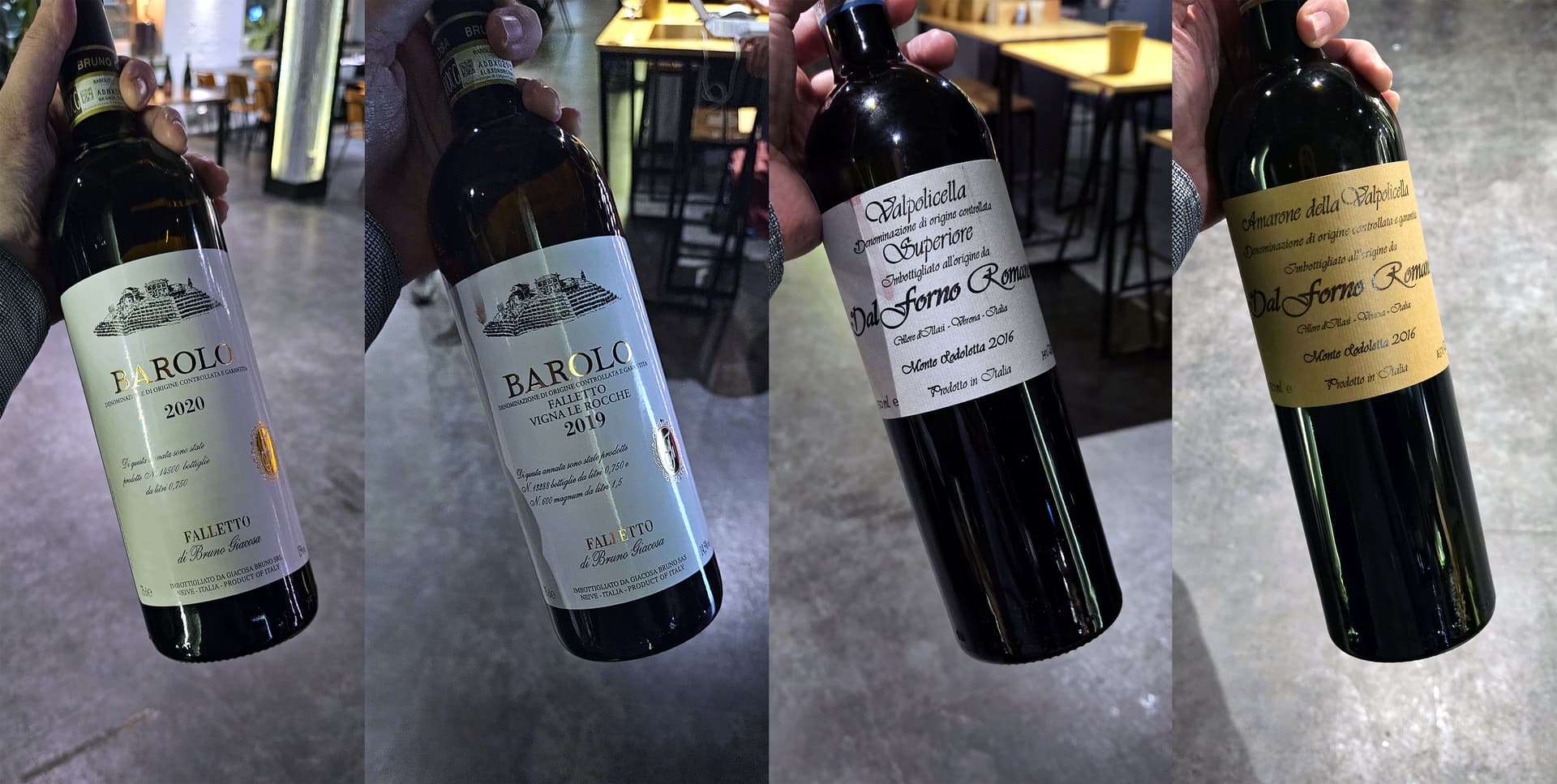
- 2020 Bruno Giacosa Barolo - Italy, Piedmont, Langhe, Barolo (26.11.2024)
100% Nebbiolo, harvested on 20th of October. To my understanding the fruit for this wine is sourced from the lower parts and younger parcels of the Falletto cru - and only in those years when the producer decides that the vintage allows for making a "Normale" Barolo in addition to the Barolo Falletto, which is produced every year. The fruit is fully destemmed, then fermented and macerated in stainless steel tanks for 25 days. Aged in 5000-liter French oak botti for 32 months. Bottled in July 2023. 15% alcohol, 5,35 g/l acidity and pH 3,6. Total production 14500 bottles. Technically Giacosa's Barolo, Barolo Falletto and Barolo Falletto Vigna Le Rocche are all identical single-vineyard Barolos that are all vinified in the same way and the only difference is from which part of the Falletto cru the grapes come from.
Luminous, medium-deep and quite translucent ruby-red color with a faint brick-red hue. The nose feels fragrant, sunny and very sweet with rich aromas of strawberries and raspberry jam, some medicinal herbs, a little bit of cherry marmalade, light licorice root tones, a floral hint of roses, a touch of darker-toned fruits and a whiff of earth. The wine feels rich, juicy and quite solar on the palate with a full body and succulent, somewhat sweet-toned flavors of cherry marmalade and tart red plums, some red licorice, a little bit of gravelly minerality, light floral notes of roses, red-toned hints of wild strawberries and brambly raspberries and a touch of sour cherry bitterness. Despite the elevated ripeness, the wine comes across as quite firm, muscular and structure-driven for a 2020 Nebbiolo with the moderately high acidity and ample, grippy tannins. The finish is long, bold and noticeably grippy with a rich and quite intense aftertaste of licorice and fresh red plum, some sweet strawberry tones, a little bit of tobacco, light gravelly mineral notes, sweet hints of ripe raspberries and cherry marmalade and a touch of sour cherry bitterness. The high alcohol lends a little bit of warmth to the end of the aftertaste.
After the magnificent 2019 Vigna Le Rocche, this wine was considerably sweeter and more ripe in style, showing lower acidity, higher alcohol and more sweeter-toned fruit. While this wine was not nearly as impressive as the 2019 Vigna Le Rocche - the sunny vintage definitely shows here - this was still probably the best Nebbiolo from the 2020 vintage that I've tasted thus far. Despite the solar, sweet-toned fruit flavors and somewhat elevated alcohol, the wine still shows great varietal typicity and impressive sense of structure, lacking the softness and roundness so many 2020 Nebbiolos show. Although this might not be a wine for the very long haul, I can see this benefiting from another 10-15 years of aging. While a fine wine, I still think it is wildly expensive for the quality at 190€. If you are not looking for a great 2020 specifically, you can get at least as wonderful Barolos for just a fraction of the price.
(92 points) - 2019 Bruno Giacosa Barolo Falletto Vigna Le Rocche - Italy, Piedmont, Langhe, Barolo (26.11.2024)
100% Nebbiolo from Vigna Le Rocche, the oldest plot within the Falletto cru, on the top part of the vineyard, where the vines are approximately 45 years old. The fruit is fully destemmed, then fermented and macerated in stainless steel tanks for 25 days. Aged in 5000-liter French oak botti for 32 months. Bottled in August 2022. 14,5% alcohol, 5,5 g/l acidity and pH 3,6. Total production 13288 bottles and 600 magnums.
Translucent, medium-deep brick-red color. The nose feels perfumed yet a bit restrained with slightly reticent aromas of juicy cranberries and ripe sour cherries, some tobacco and tar, a little bit of licorice root, light rustic notes of leathery funk, a floral hint of dried flowers, a touch of wild strawberries and a whiff of crushed raspberries. While the nose might be lacking a bit in intensity, it is still so very beautiful and seductive. The wine feels ripe, dense and somewhat concentrated on the palate with a moderately full body and intense, dry flavors of tobacco and sour cherries, some pine tar, light crunchy notes of tart red plums, a little bit of gravelly earth, a hint of licorice root and a touch of old leather. The overall feel is quite stern and sinewy with the high acidity and assertive, grippy tannins. The finish is dry, robust and noticeably tannic with a long, focused aftertaste of ripe cranberries and sour cherry bitterness, some licorice root, light crunchy notes of fresh red plums, a little bit of stony minerality, a hint of pine tar and a touch of floral character.
A beautifully nuanced, vibrant and impressively structured Barolo with lots of everything and nothing in excess. Well, I guess the nose could've been a bit more expressive, but other than that, everything here seems to be in the right place. The wine is not a huge, dramatic blockbuster, but more like an ideal example of Nebbiolo - I rarely get this thrilled about young Nebbiolos, but I just find all the elements I love in a fine Barolo or Barbaresco and in just right proportions. It is obvious that the wine is still painfully young - especially the stern tannic structure here is quite relentless - but I'm sure age will do its trick, if the wine is just given enough time. This is simply outstanding now, but I'm sure the wine will only get better over the following decades. Even then, I don't think I'd be willing to pay 230€ for this - to me, that is just a silly price, no matter how fine the wine is!
(95 points) - 2016 Romano Dal Forno Valpolicella Superiore Vigneto di Monte Lodoletta - Italy, Veneto, Valpolicella, Valpolicella Superiore (26.11.2024)
Typically a blend of Corvina (70%), Rondinella (20%), Croatina (5%) and Oseleta (5%). The grapes are dried in a ventilated room for 1,5 months following the harvest. After the grapes have been raisinated, the wine is fermented and macerated in stainless steel for two weeks. Aged in new French and American oak barriques for 24 months, then filtered and bottled. The wine is not released before aging in bottles for a minimum of three years. 14% alcohol.
Dense, concentrated and completely opaque reddish-black color. The nose feels concentrated, powerful and oaky with rich aromas of toasted chocolatey oak and espresso, some black cherry and wizened fig tones, a little bit of licorice, light raisiny notes, hints of smoke and soot, a touch of minty greenness and a spirituous whiff of alcohol. The wine feels ripe, dense and chewy on the palate with a full body and slightly sweet-toned flavors of black cherries and ripe strawberries, some licorice, light toasty notes of mocha oak and bittersweet dark chocolate, a hint of gravelly minerality and a touch of sour cherries. The overall feel is pretty firm and muscular with the rather high acidity and quite ample and grippy tannins. The finish is long, quite tannic and a bit warm with a punchy, extracted aftertaste of woody oak spice and toasty espresso character, some sour cherry bitterness, a little bit of licorice, light sweeter notes of ripe black cherries and dried figs, a hint of soot and a touch of juicy strawberry.
A huge, massive blockbuster of a wine that might pretend to be a Valpolicella Superiore on the surface, but which is more like a rather overwrought modernist Amarone at heart. Unlike the Romano dal Forno Amarone, which feels unbalanced, very overdone and not particularly enjoyable to drink, this wine is actually surprisingly balanced and enjoyable for such a huge, heavily oaked monster wine. Even though it is big, brash and heavily built, the wine packs enough structure to keep things pretty nicely in balance. I don't enjoy the excessive new oak that dominates the aroma and flavor profile quite badly, but I know that these wines can actually evolve into something more interesting - and not as massively oaky - with enough age; it just takes 20-25 years before these wines really start to hit that stride. All in all, this wine is not in my wheelhouse, but I'd buy this wine any day over Dal Forno's Amarone. Heck, I'd rather go for this wine even if the Amarone cost only as much as this wine (90€)!
(90 points) - 2016 Romano Dal Forno Amarone della Valpolicella Vigneto di Monte Lodoletta - Italy, Veneto, Valpolicella, Amarone della Valpolicella (26.11.2024)
A blend of Corvina (60%), Croatina (15%), Corvinone (10%), Oseleta (10%) and Rondinella (5%). The grapes are dried for 3 months, after which they are aged for 2 years in new French (50%) and American (50%) oak barriques. 16,5% alcohol.
Dense, extracted and fully opaque blackish-red color. The nose feels heavy, dark-toned and very concentrated with opulent aromas of sweet and heavily toasty oak spice, robust woody tones, some minty greenness, light blueberry tones, a little bit of cherry marmalade, a hint of licorice, a touch of mocha coffee and a spirituous whiff of alcohol. The wine feels dense, chewy and extracted on the palate with a very full body and rich yet punchy flavors of sour cherries and pronounced Amaro bitterness, some toasty mocha character and sweet oak spice, a little bit of blueberry juice and sweet raisiny fruit, light woody tones, hints of bitter medicinal herbs and a touch of licorice root. The overall feel is not just huge, but also quite hot, due to the high level of alcohol. Although the wine is surprisingly high in acidity for an Amarone, the structure still relies even more on the assertive, heavily extracted and very grippy tannins. The finish is powerful, hot and very grippy with a very long, robust and extracted aftertaste of sour cherries and bitter medicinal herbs, some blueberry jam, light toasty notes of mocha oak and milk shake, a little bit of licorice root, a crunchy hint of astringent chokeberry and a touch of extracted woody oak.
As before, I just don't understand this wine. Not at all. It is way too huge, excessively oaky, unpleasantly hot, ridiculously extracted and just over-the-top in every way imaginable. Some people say these wines turn into something beautiful with enough age, but I have no idea how long that will take - at least the +20 yo Dal Forno Amarones I've tasted have still been huge, clumsy and porty. Although I like very tannic and grippy wines, the tannins here feel simply overblown; even if the wine is simply massive, the tannins still feel excessive for this wine. As a whole, drinking this wine is as pleasurable as drinking a cup of tar. If I have to say something positive, I was pleasantly surprised by the relatively high level of acidity here. But that's about it. I just don't see any point in these wines - even the "regular" Dal Forno Valpolicellas are ridiculously ostentatious wines, but at least they retain some sense of balance and actually can turn into something interesting with enough age. I feel these Amarones are only for people who associate quality with the sense of concentration and the amount of extraction. If somebody really loves the Dal Forno style, I heartily encourage them to seek the Valpolicellas - they are both better and more affordable. At 250€ the price is just ridiculous.
(87 points)
6h part: The New World
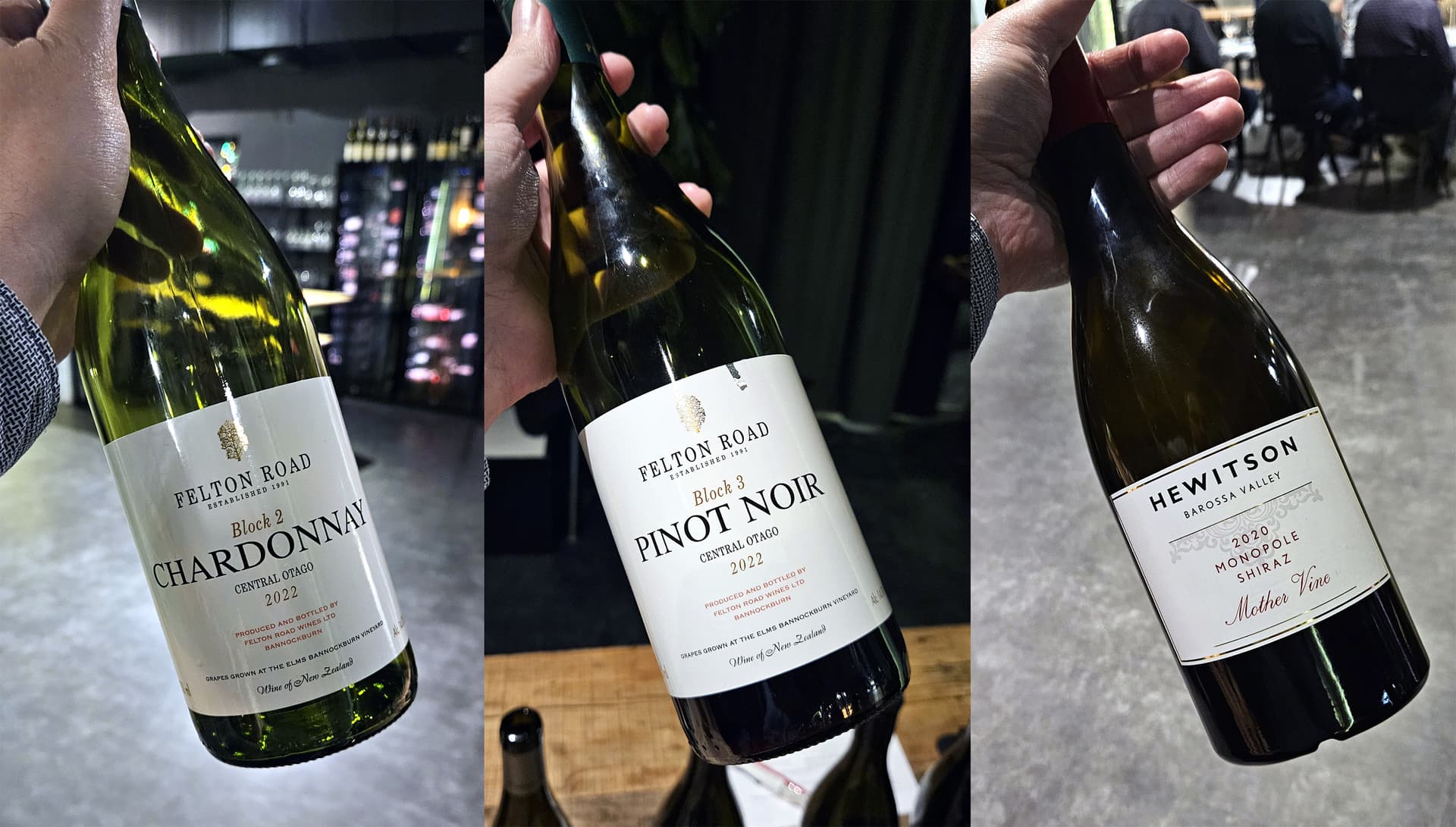
- 2022 Felton Road Chardonnay Block 2 - New Zealand, South Island, Otago, Central Otago (26.11.2024)
100% biodynamically farmed Mendoza clone Chardonnay harvested between 16th and 24th of March. Whole bunch pressed, fermented spontaneously in French oak barrels, full MLF. Aged in French oak casks (4% new) for 16 months. Bottled unfined and unfiltered in September 2023. 14% alcohol.
Youthful key lime green color. The nose feels youthful, ripe and a bit reductive with aromas of crunchy Fuji apple, some star fruit tones, light smoky notes of struck match, a little bit of savory wood, a hint of creamy oak, a touch of fresh pineapple and a faint flatulent whiff of skunky reduction. The wine feels broad, ripe and quite balanced on the palate with a moderately full body and juicy flavors of ripe citrus fruits, some apple peel bitterness, light creamy oak tones, a little bit of stony minerality, a hint of savory wood spice and a touch of smoky reduction. The moderately high acidity keeps the wine more or less in balance. The finish is ripe yet lively with a medium-long aftertaste of stony minerality, some ripe Granny Smith apple tones, a little bit of chalk dust, light woody notes of savory oak, a hint of fresh white fruit and a touch of craminess.
A nice, balanced and pleasant NZ Chardonnay. Enjoyable, but still quite youthful and maybe because of this, slightly anonymous in style. I like how the wine hasn't been over-oaked but instead shows only the tiniest amount of wood influence in the background. The overall feel is, however, a bit on the ripe side - especially if your point of reference is white Burgundy - that makes the wine feel a bit sweeter-toned, softer and lacking the brisk freshness and cut those juicy fruit flavors could use as a counterpoint. However, as the wine is still so very youthful - borderline primary, even - I can see the wine improving from additional aging, so there is definitely no hurry whatsoever with the wine. Perhaps a tad pricey for the quality at 53€, though.
(90 points) - 2022 Felton Road Pinot Noir Block 3 - New Zealand, South Island, Otago, Central Otago (26.11.2024)
100% biodynamically farmed Pinot Noir. Fermented spontaneously, 75% of the fruit was destemmed. Aged in French oak casks (30% new) for 13 months. Bottled unfined and unfiltered. 14% alcohol.
Deep, luminous and moderately translucent ruby-red color. The nose feels fragrant, perfumed and very expressive with layered aromas of brambly raspberries and ripe black raspberries, some black cherry tones, a little bit of sweet clove-driven exotic fruit, light floral notes of violets, a hint of woody oak spice and a touch of earth Pinosity. The wine feels broad, juicy and quite ripe on the palate with a medium-to-moderately full body and intense, somewhat umami-rich flavors of ripe raspberries and crunchy redcurrants, some tobacco, light woody notes of savory oak spice, a little bit of gravelly minerality, a sweeter hint of black cherry and a touch of cloves. The wine is high in acidity with ripe, textural medium tannins. The finish is rich, juicy and slightly grippy with a long, vibrant aftertaste of cherries and ripe redcurrants, some gravelly mineral tones, a little bit of brambly raspberry, light woody tones, a hint of tobacco and a ferrous touch of blood.
A very serious, attractive and harmonious Pinot Noir that does show some Central Otago ripeness, yet comes across as enjoyably fresh and savory with a beautifully fragrant nose. The overall is undeniably very young, but I feel the wine is already fully open for business - although I can see the wine continuing to evolve and improve for many years more. At 70€ the wine isn't particularly affordable, especially for a Kiwi Pinot - but then again, this offers quite serious and rather Burgundian Pinosity at a price point you wouldn't find a Grand Cru and would struggle to find a 1er Cru of similar standing. I'd say very few NZ Pinot Noirs manage to reach this level of finesse and harmony. Fine stuff, highly recommended.
(93 points) - 2020 Hewitson Shiraz Mother Vine Monopole - Australia, South Australia, Barossa, Barossa Valley (26.11.2024)
100% Syrah propagated from a single pre-phylloxeric vine growing in The Old Garden vineyard, planted to Mourvèdre in 1853; the cuttings have been grafted to 30-yo rootstocks. 2/3 destemmed and crushed, 1/3 vinified in whole bunches. Fermented and macerated with the skins over three weeks. Aged for two years in new and once-used French oak barriques. 14% alcohol and 5,8 acidity.
Almost fully opaque blackish-red color with a youthful blueish hue. The nose feels very open, rich and sunny with very sweet-toned aromas of blackberry jelly and soft dark plums, some cherry marmalade tones, a little bit of peppered meat, light green notes of eucalyptus and minty herbal character, oaky hints of coffee and chocolatey toast, a touch of blueberry juice and a whiff of ink. The wine feels rich, quite savory and very chewy on the palate with a considerably full body and spicy, somewhat sweet-toned flavors of ripe dark plums and blueberry juice, some blackcurrant jam, light oaky notes of caramel and toasty mocha character, a little bit of blackberry jelly, a hint of peppery spice and a touch of extracted woody bitterness. The alcohol lends a little bit of warmth to the palate and the rather modest acidity feels very insufficient for such a huge, ripe wine, making the wine feel pretty fat and flabby on the palate. At least the assertive, noticeably grippy tannins bring some welcome sense of firmness to the overall feel. The finish is powerful, tannic and a bit warm with a very long, dark-toned aftertaste of ripe dark plums, some meaty notes, a little bit of peppery spice, light sweet blackberry jam tones, a hint of chocolatey mocha oak and a touch of juicy bilberries.
I was interested to see if this vintage was as good as the 2019, which was surprisingly balanced and harmonious for such a huge wine. Well, it wasn't. This was just humongous without much if any sense of balance - the wine is massively big, chewy and jammy with way too little acidity and equally too much oak. At least the alcohol doesn't stick out badly, and the ample tannins save what little there is salvageable with the firmness they bring. This is just clumsy, tiresome and quite monolithic stuff with very few redeeming qualities. If served quite cool, the wine might appear somewhat drinkable for a little while, but the wine starts to suffer badly when it approaches room temperature. I have no idea if this wine is capable of evolving into something more balanced with additional aging. Not my cuppa, not by a long shot. I can understand why a Shiraz concentrate like this might cost 75€, but I really don't see point in buying such stuff at that price.
(85 points)
Posted from CellarTracker



 , the 1980 we had that recent weekend, a night or two before the Rayas, was by far my favorite wine of the weekend, and I think it was the wine of the weekend for the guys as well. It actually had some of the attributes that I prize so highly in the Rayas, aromatics that keep your nose glued to the glass, and then a leaner more lifted palate.