Doesn’t sound much different from the archaic alcohol laws we still have in Finland!
It would’ve been fun to check out some of those heurigen, but we were on a rather tight schedule, so maybe next time!
Doesn’t sound much different from the archaic alcohol laws we still have in Finland!
It would’ve been fun to check out some of those heurigen, but we were on a rather tight schedule, so maybe next time!
Heurigen are great, and the largest concentration is in the Grinzing area in the northeast of Vienna. Fall/harvest time would be the best time to check them out.
Hooray - another Otto travelogue! Plenty of fun reading in store. I really take a lot of vicarious pleasure reading them, because they’re well-written, if somewhat…er…long…(!) especially since they are always about places I haven’t been to, not in a wine context at least. I look forward to the next episode!
I’ve got a reputation to uphold.
True - this is also how we know it’s you and not a random bot imitating your style!
Actually, I should congratulate you - you’re writing this less than a month after your trip! That must be a new record.
Nah, I’ve always prioritized these travelogues; I start writing them as soon as I get back home, while working my backlog of older tastings at the same time.
The travelogue to France last year came a bit later only because I had a three-week vacation in Japan right after our small tour de France!
thanks for fast tracking them and as always, great write ups, fun drifts and look forward to the next posts here 
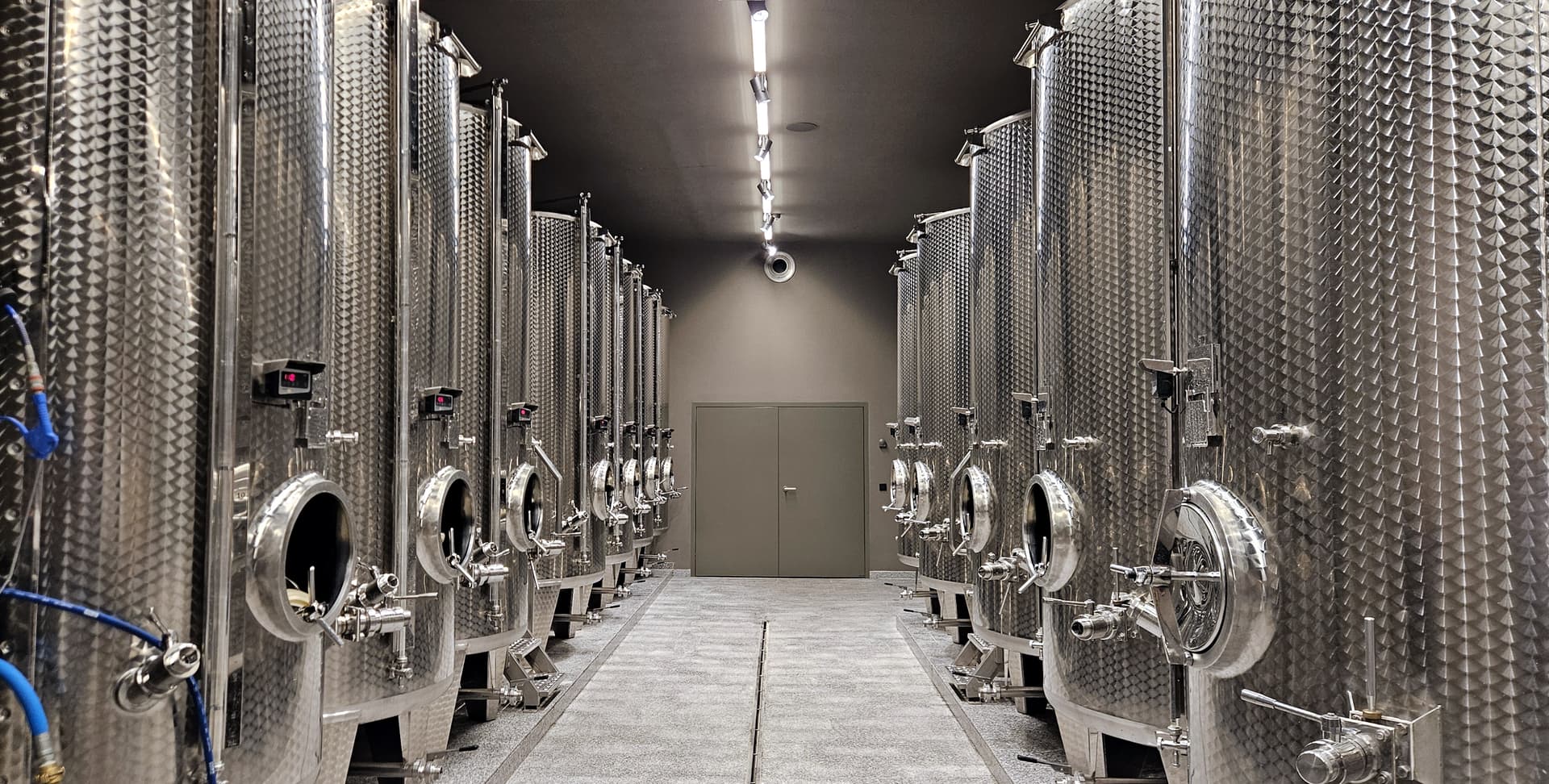
Looks like some serious hardware on those horizontal tanks! What are the large white couplers coming out? Only thing I can imagine is that the tanks are somehow pressurized?
Day 2 cont’d - be warned, a long read ahead!
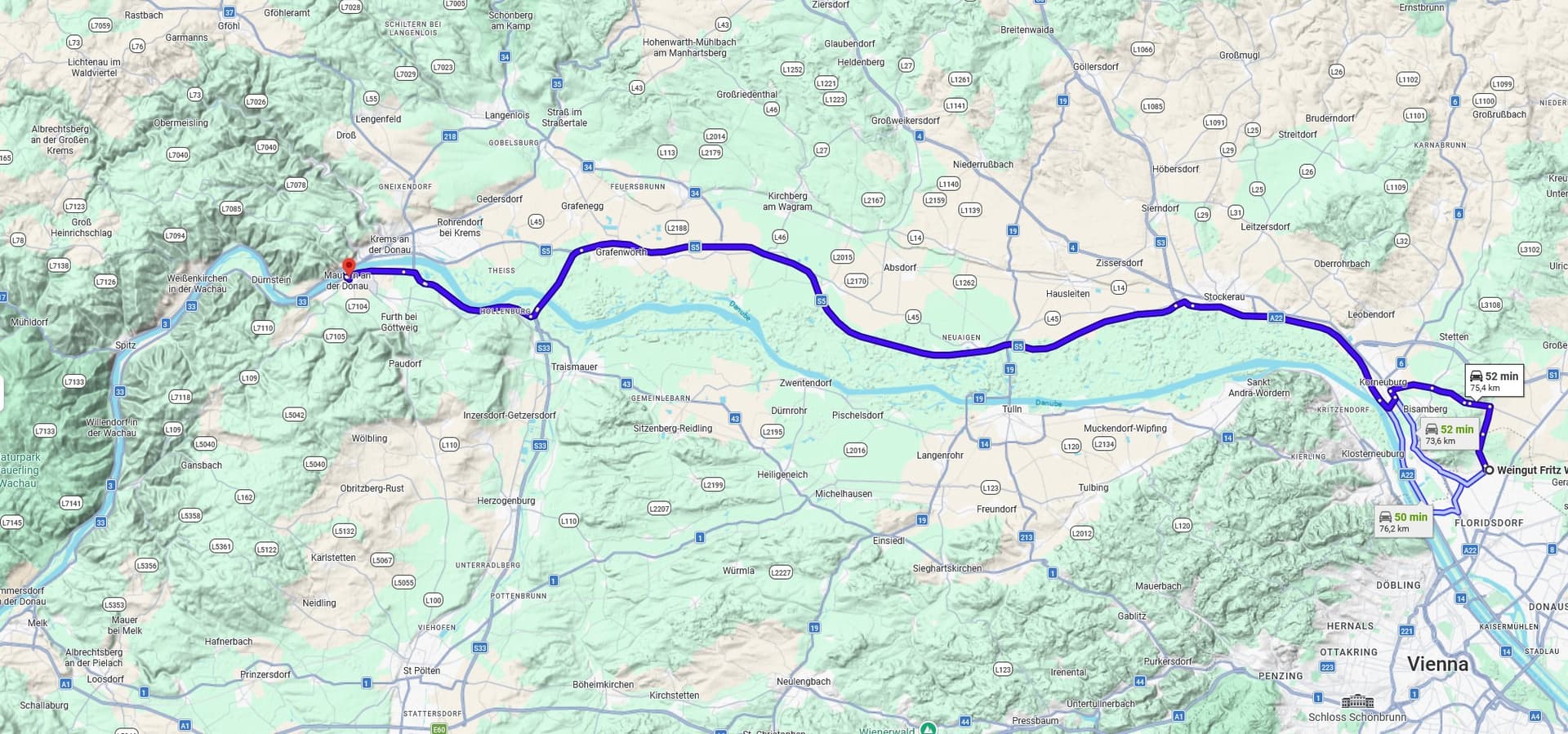
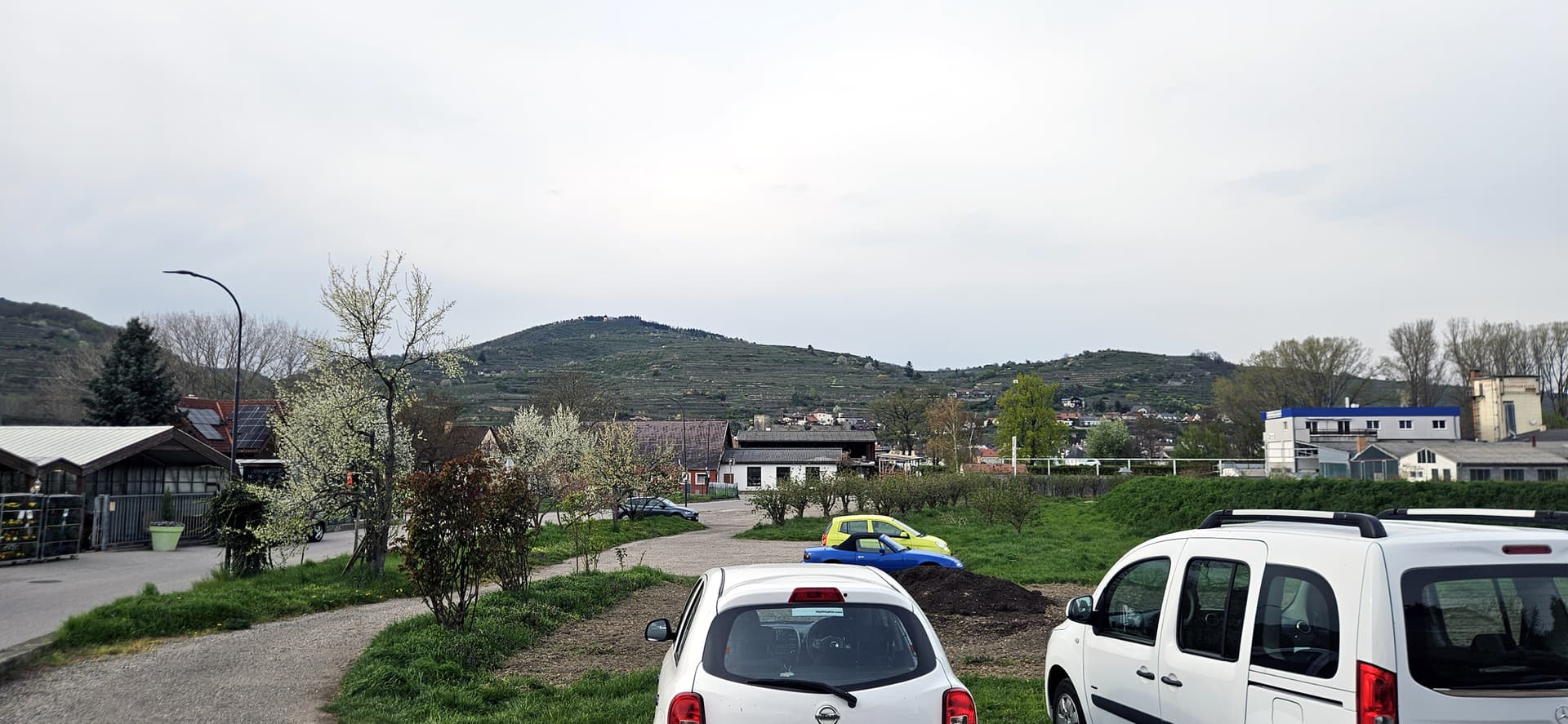
From Wieninger, Vienna, we drove straight to the village of Mautern an der Donau - a small hamlet on the southern bank of Danube, immediately across the river from the town of Stein and the city of Krems. Both Krems and Stein on the northern bank belong to the wine region of Kremstal, but on the southern bank the Wachau wine region extends a little bit further east from the mountainous valley, making Mautern the last eastern outpost of Wachau before the vineyards change to Kremstal on the southern bank as well.
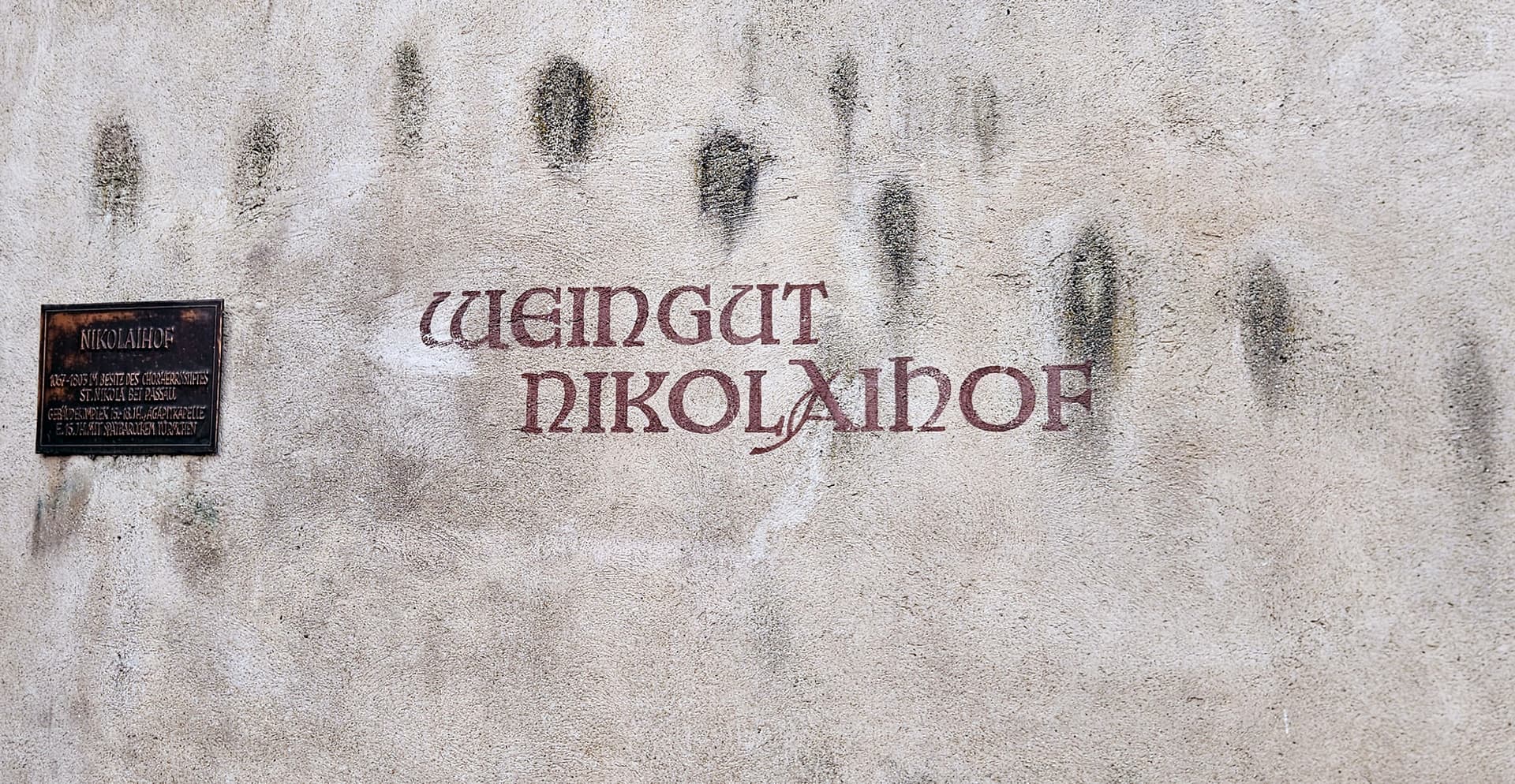
Our reason to be here was naturally Weingut Nikolaihof - the odd bird who have always stood their ground on the southern bank of Danube, farming mostly cooler, north-facing vineyards in a region that is normally known for their steep and visually imposing, south-facing vineyards on the northern banks of Danube.
Originally we were a bit iffy whether we should go to Nikolaihof or not - when the wines are on their best, they are stunning, but several of us had had somewhat uneven experiences with their wines, many of them showing that musty “Nikolaihof funk” that very few have been fans of. However, one of our group told me that if there was one producer in Wachau he’d love to visit, it would be Nikolaihof - so who am I to say no to him? I asked the winery for a visit and very quickly we got a green light from the winery. And in retrospect, I’m more than glad we went there! This was definitely one of the most memorable visits of our trip.
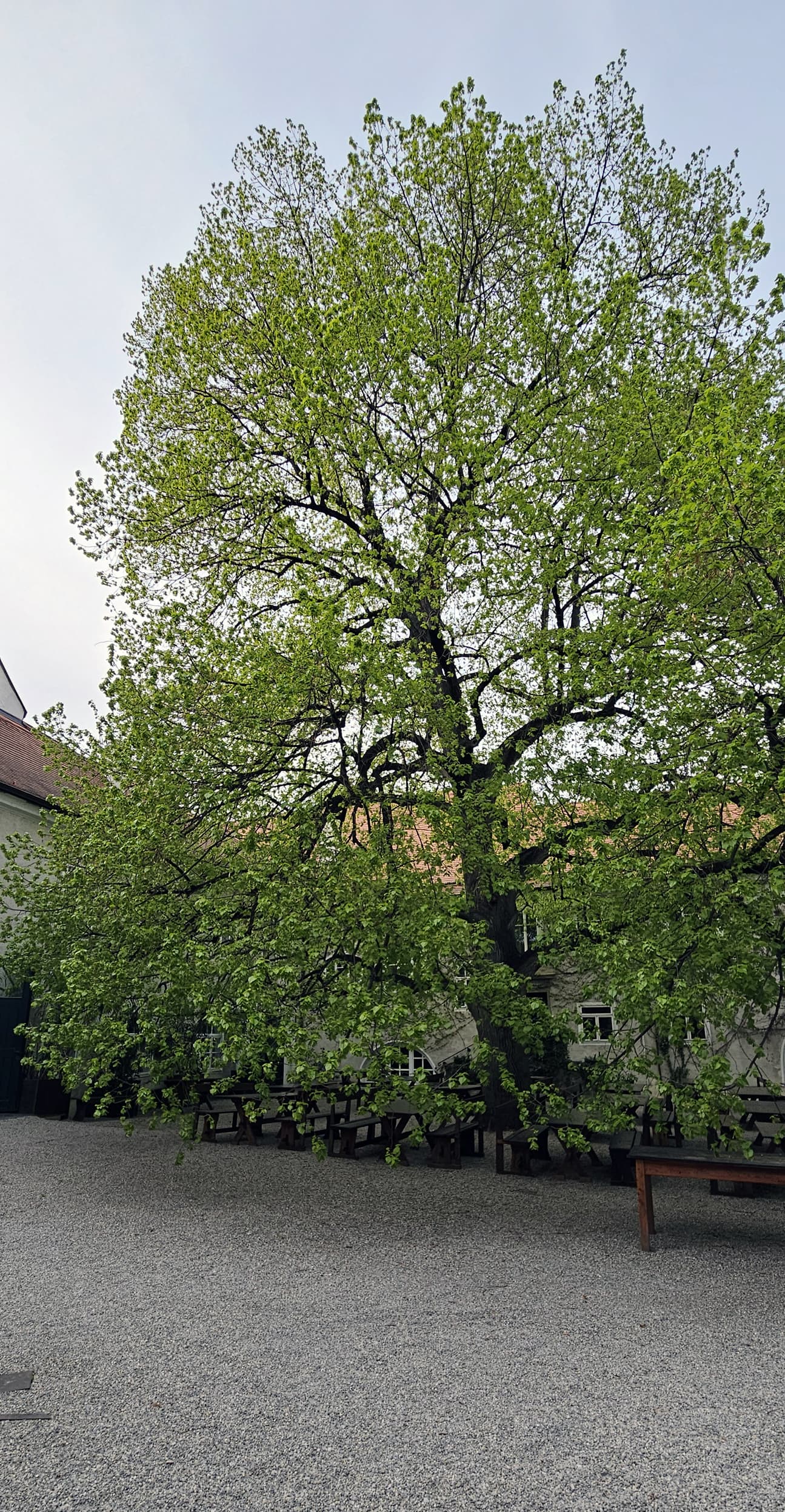
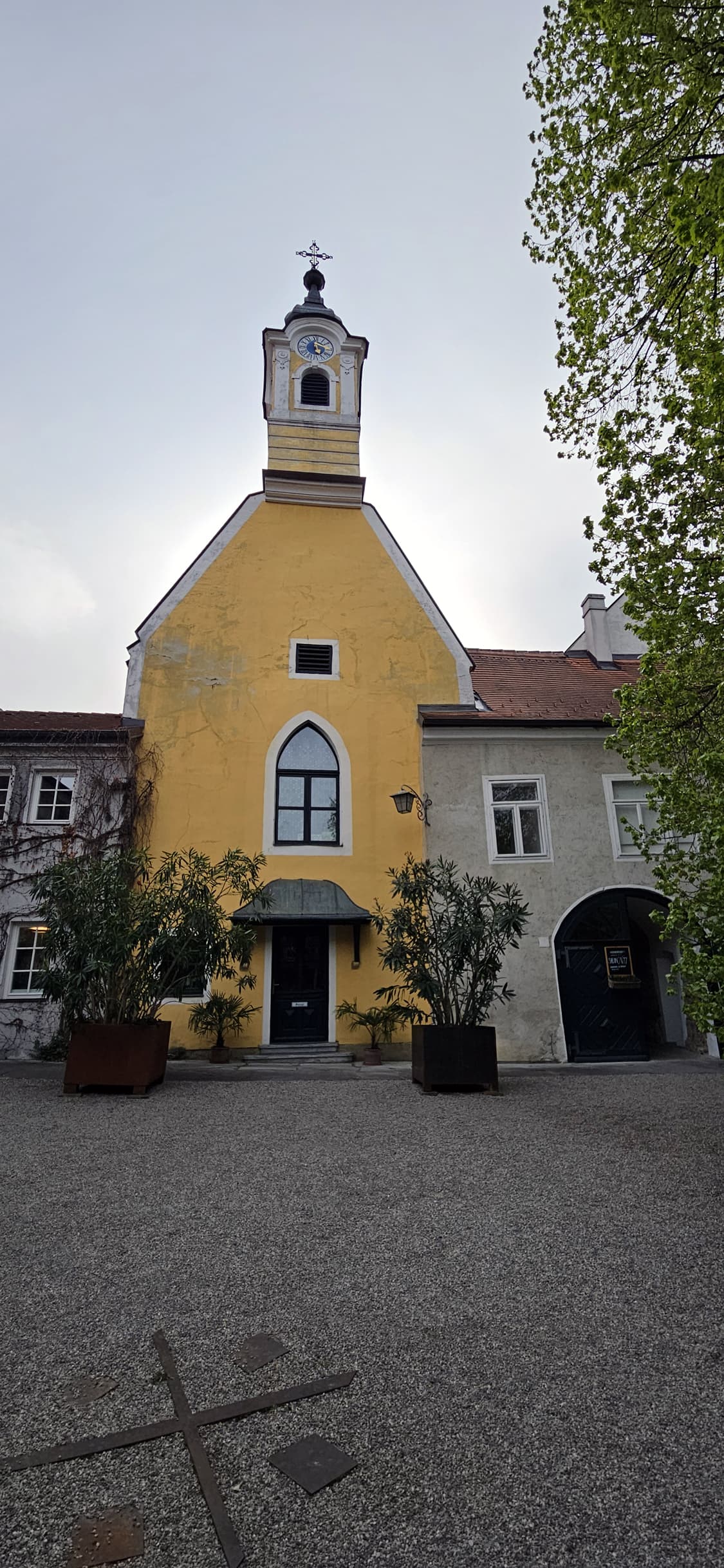
We were welcomed by Christine Saahs, the radiant matriarch of the Saahs family who runs the Nikolaihof estate. As befits such a historical estate, she began showing us the huge, centenarian linden tree (that was planted in 1908 to celebrate the 60th birthday of the emperor Franz Josef), the Agapitus chapel and the Weinstube tavern that the family runs for a few days a week from mid-spring to mid-autumn.
Although the winery has been run the way as we know it only since 1971, the Nikolaihof estate has been in the Saahs family since the late 19th century. However, the history of this place goes much, much further - technically Nikolaihof can be regarded as the oldest winery in Austria that has been in more or less continuous operation for the past millennia or two.
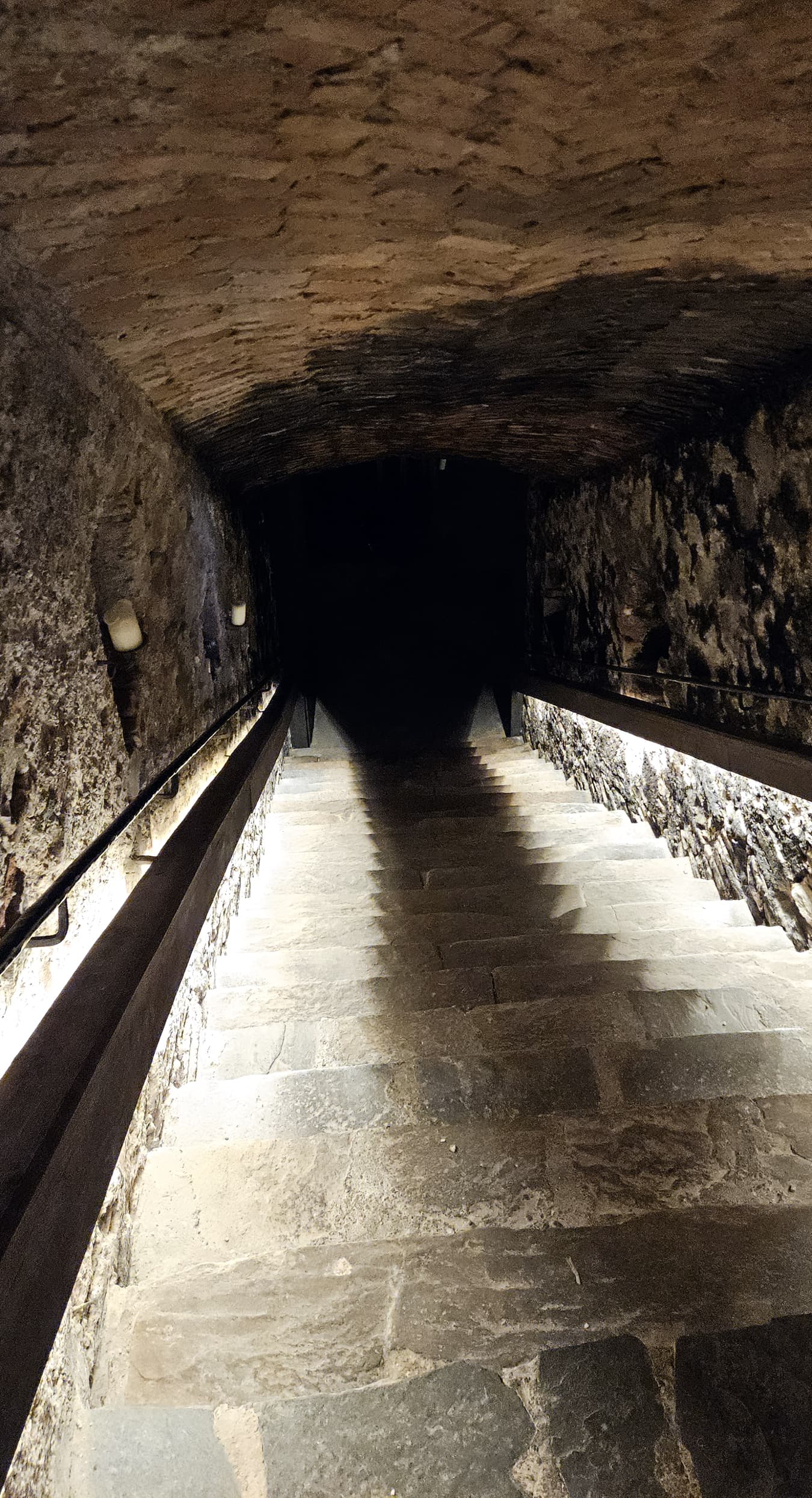
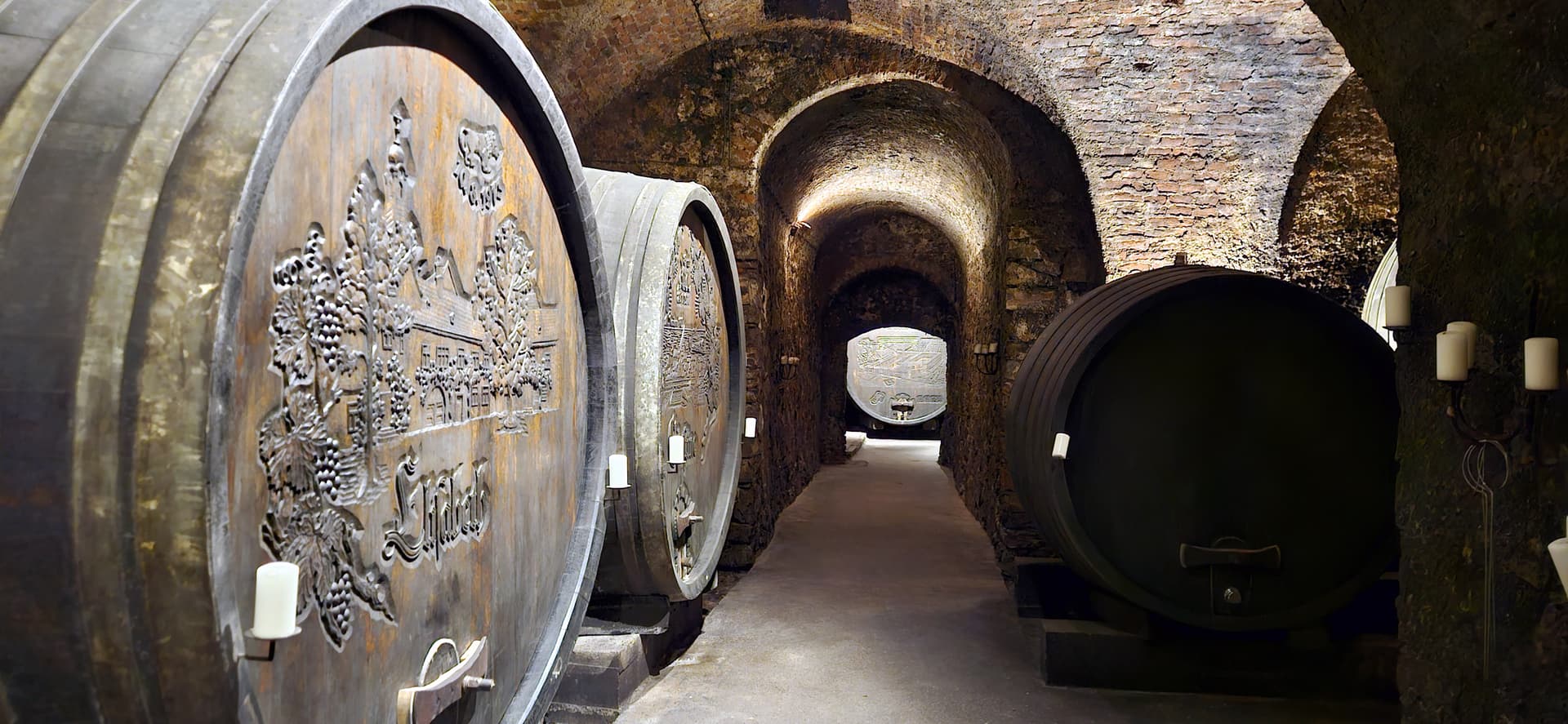
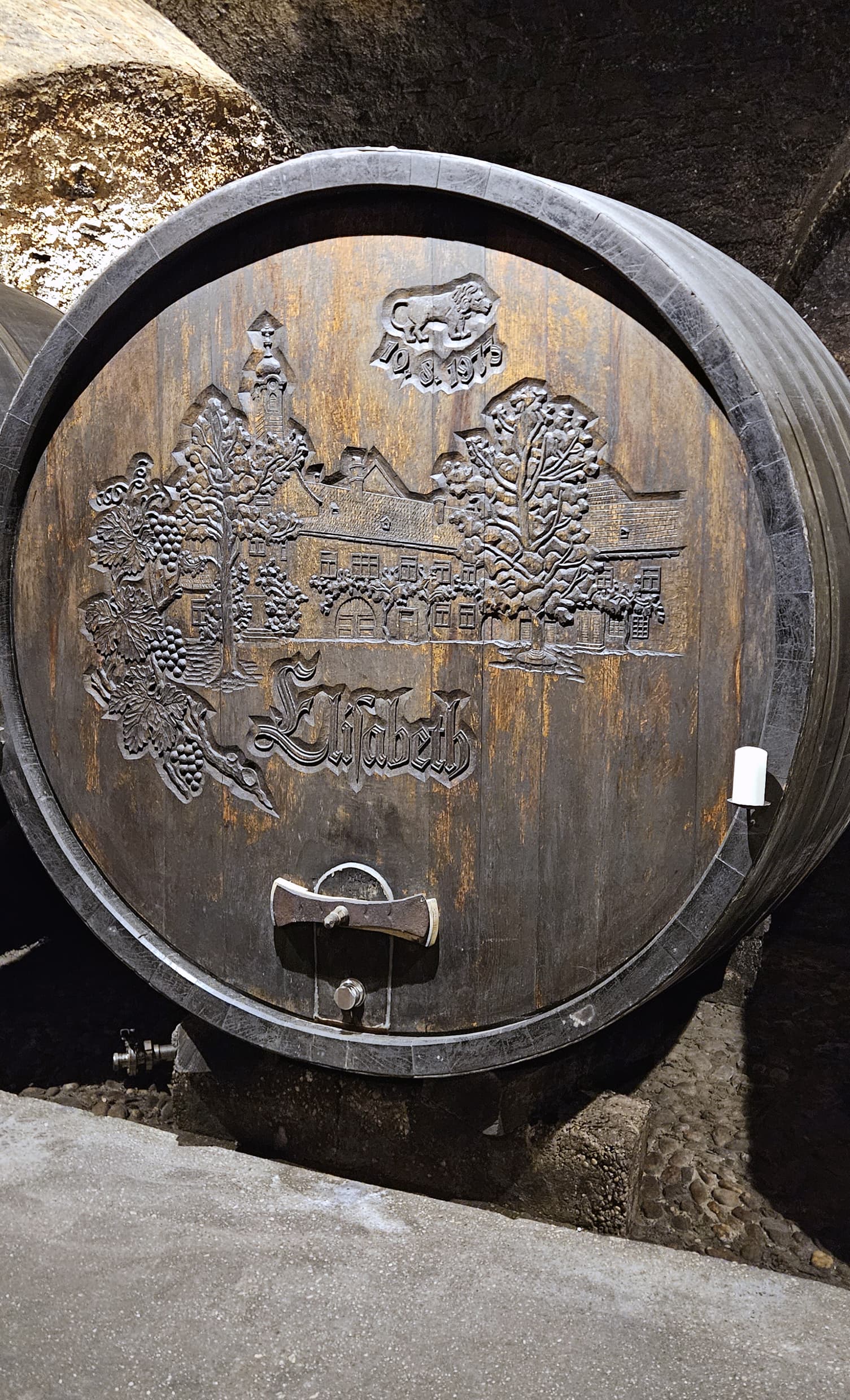
While showing us around the cellars and the winery building, Christine Saahs told us how many of the other producers in Wachau used to think they were true oddball; while virtually all the other producers are located deep in the Wachau valley, farming south-facing vineyards in which grapes could reliably ripen, Nikolaihof was located in Mautern - basically already outside of the main valley and on the very edge of the wine region - and the Saahs were farming cooler north-facing vineyards on the southern side, where the grapes could struggle to ripen. However, we were also told that due to the more open geography around Mautern, the warmth from the Pannonian plains in the east reaches them earlier in the spring, meaning the spring can reach them even several weeks earlier compared to the cooler westernmost reaches of the Wachau valley.
She also told us that even some 10 years ago both the Austrian wine journalists and the other local wine producers thought they were doing outdated, tired and musty wines of yesteryear that had nothing to do with the award-winning rich, powerful and very fruit-forward wines of the Wachau that were always aiming for maximum ripeness; whereas Nikolaihof were happy making wines that never reached particularly high levels of potential alcohol - yet could attain sufficient ripeness. However, it seemed unbelievable how things turned overnight when in 2014 David Schildknecht of The Wine Advocate gave 100 points to Nikolaihof’s 1995 Vinothek Riesling - the first Austrian wine ever to score 100 points from The Wine Advocate. Suddenly people who had been making fun of Nikolaihof and their dull, old-timey wines - some even calling them “the lousiest winery in the region” - were now queuing behind their door, asking for samples of that 100-pointer wine and writing glowing reviews on their “traditional” and “idiosyncratic” wines!
Then, some key facts about the estate!
As the tasting was very extensive, we were beginning to run out of time. We had said we’d be checking into our Krems guesthouse by 8 pm, and it was getting dangerously close to 8 pm, so we called our guesthouse that we’ll be a tiny bit late, thanked Christine Saahs for the amazing visit and were on our way to Krems!
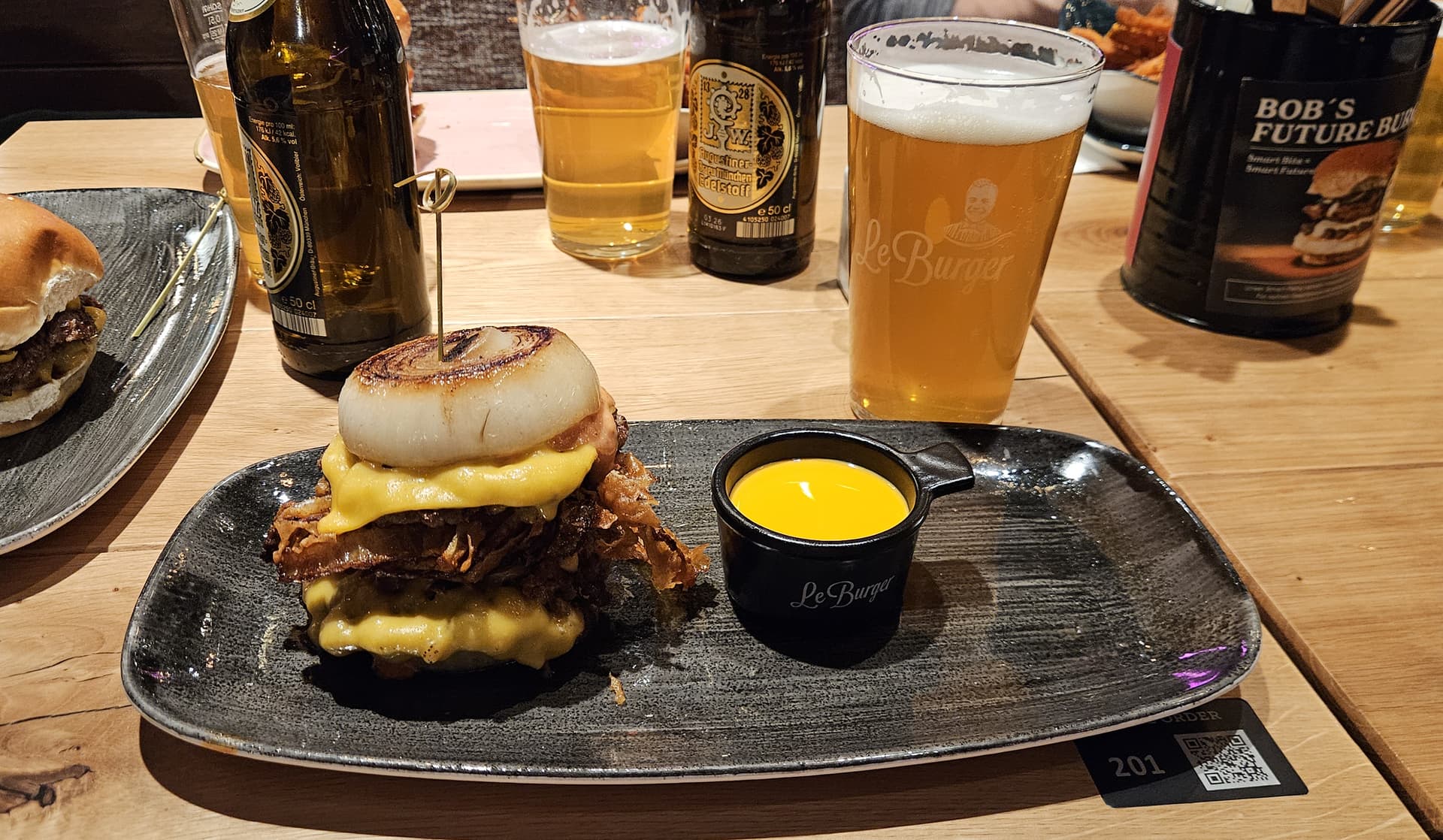
After checking in, some in our group were so tired that they just went straight to bed, but other of us were getting somewhat hungry, so we made a small hike to a local burger joint - one of the surprisingly few places that were open on Monday in Krems!
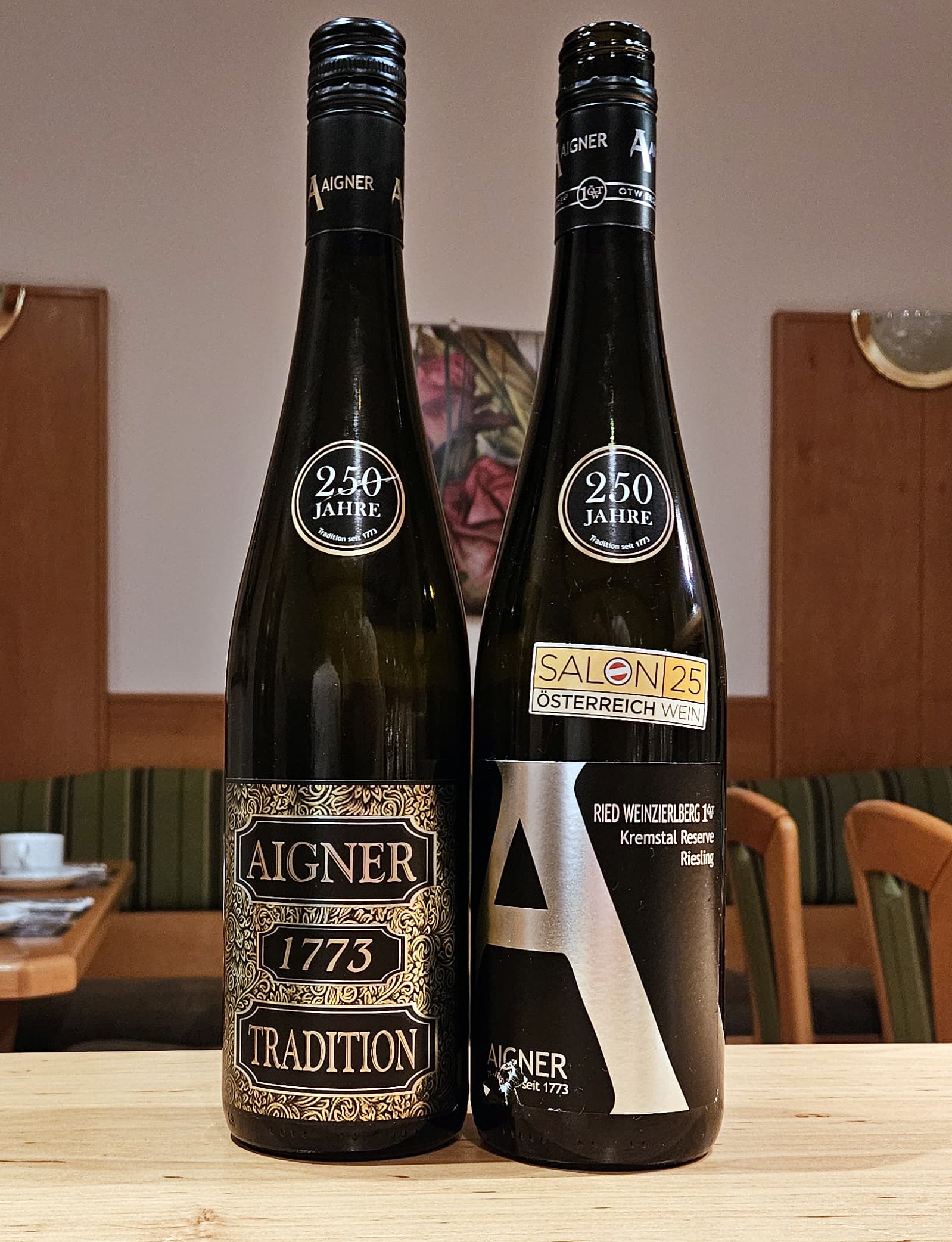
After our modest dinner, we returned back to our Gästehaus. Some retreated to their rooms at this point, but as one person noticed a fridge from which you could buy the wines produced by the family who owned the guesthouse, the few most persistent of our group decided to stay up for a bit longer and sample a few wines while discussing the events of the day and the plans for the next day.
After these wines the clock was going already past midnight, and we had an early morning coming up, so it was high time for the remainder of the group to retreat to sleep as well!
Very happy to see that you got your own room and wouldn’t ruin anyone else’s sleep  KIDDING (or am I?).
Anyways, I guess I’m lucky as I’ve yet to have a real dud from Nikolaihof and few have been really nice (Riesling Federspiel Vom Stein, the 2012 Steiner Hund opened by Len with us both present). A really interesting write-up and nice to see that generally speaking the quality is high and alcohol levels moderate.
I’m 100% sure everybody else was as well! 
When it comes to Nikolaihof’s track record, I think that the Im Weingebirge Smaragd is the one that has shown that weird, musty Nikolaihof funk on a most consistent basis. I’ve had a few others as well, but in this lineup no other wine felt one bit off and they were perfectly on point.
However, I’ve heard from a few people that this has not been the case every time - the wines might not always be perfectly reliable, but when they are on, they are on.
Impressive and fascinating to read, as usual. Well done!

Day 3
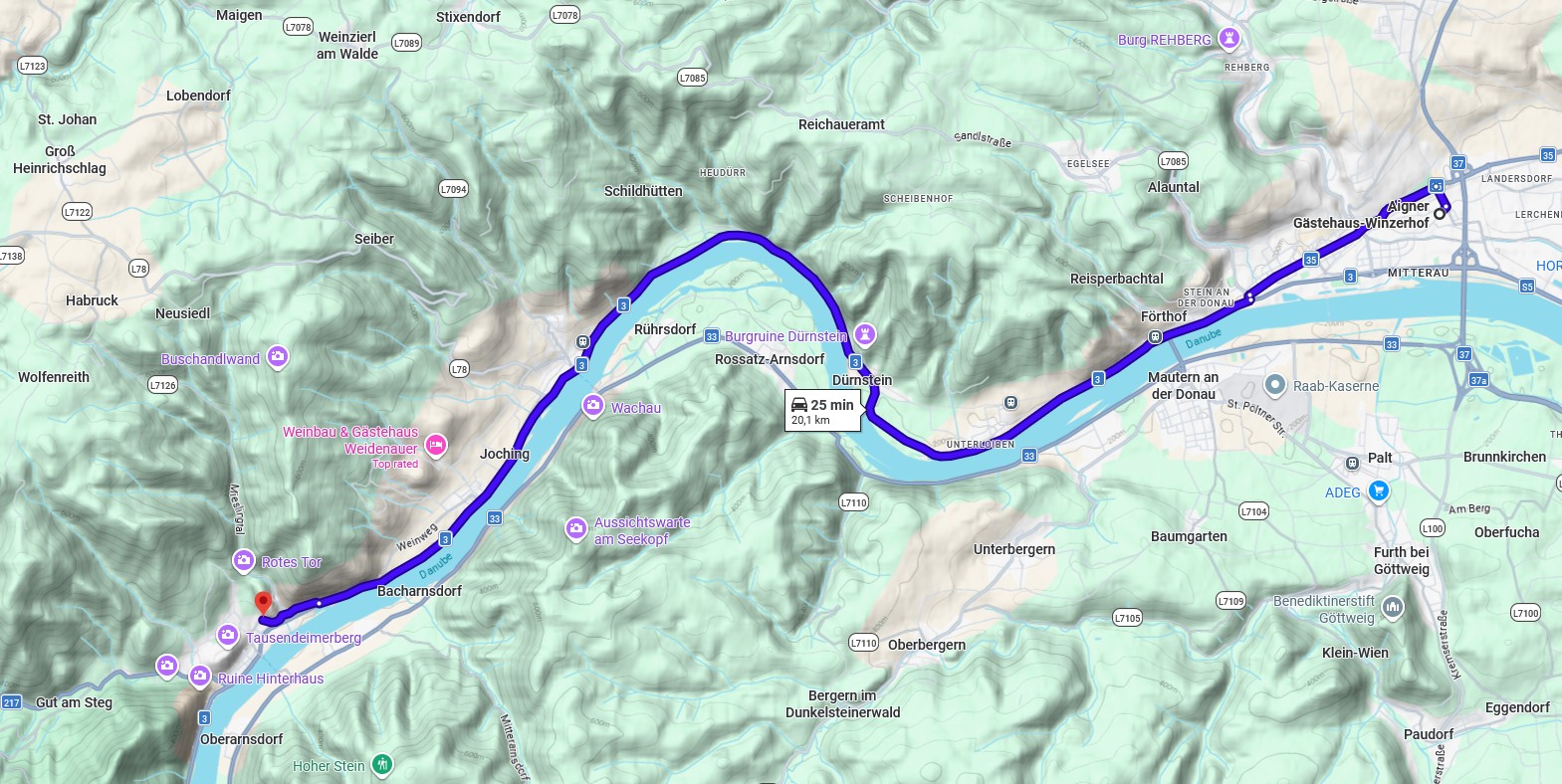
After our light breakfast at our Gästehaus, we jumped into our two wino wagons and set off for our next winery visit. Our next destination was in Spitz, located deep in the Wachau valley, meaning we would need to drive the through vine-growing part of Wachau from one end to the other!
Not that this was a long drive, because it really wasn’t. From our Gästehaus it took us less than half an hour to Spitz, yet even then we could see almost all the Wachau vineyards along the way! Not entirely, though; there are still some vineyards further upstream from Spitz, but not much.
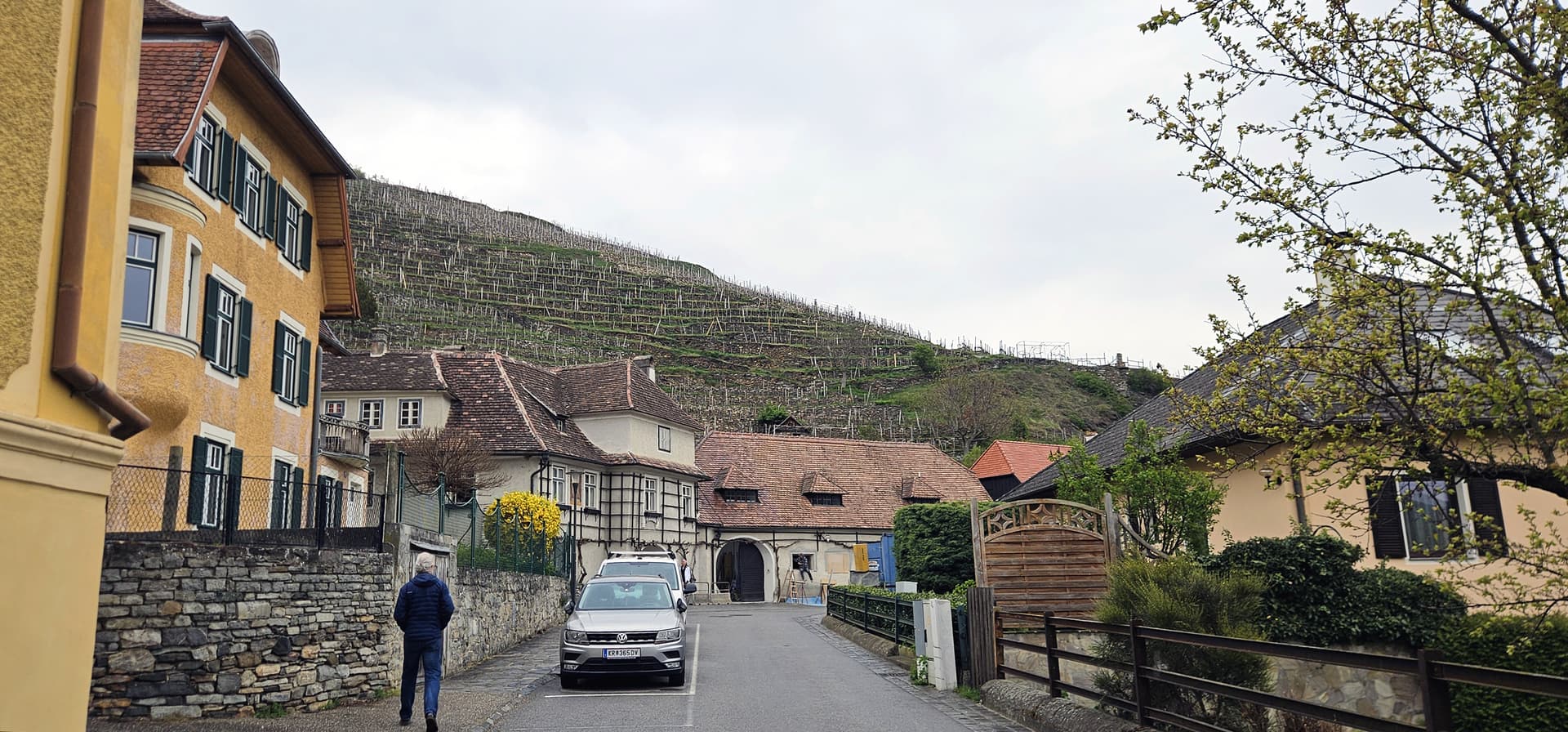
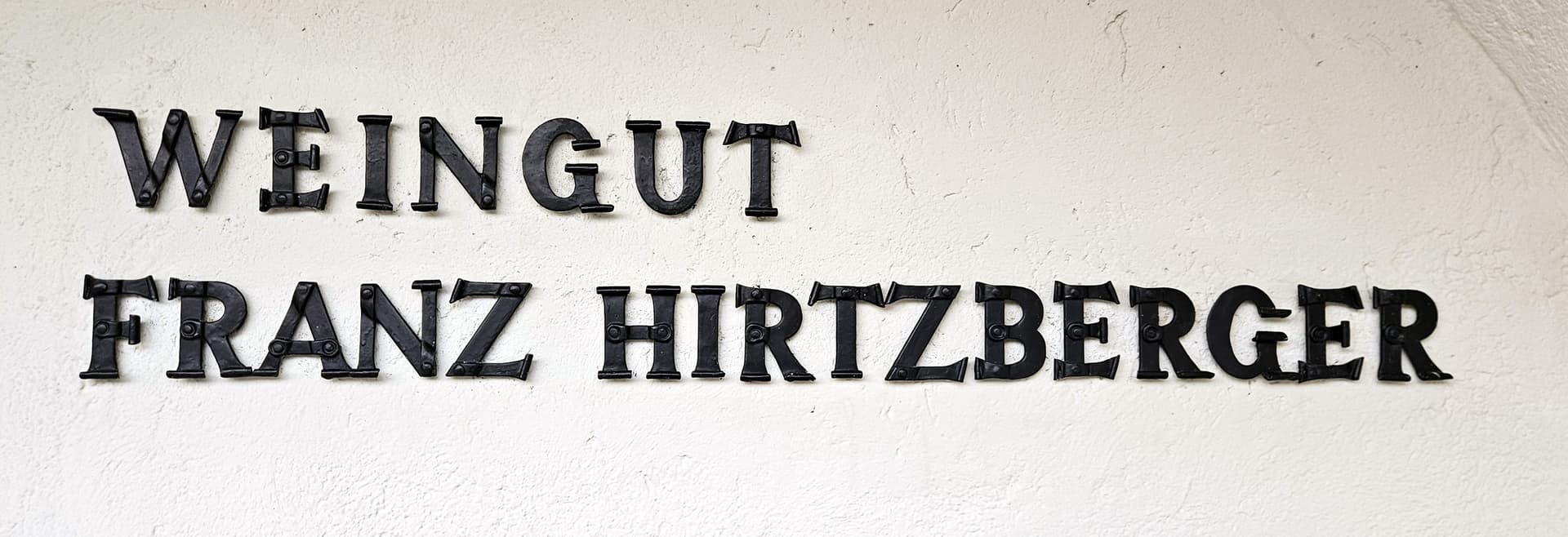
In Spitz we had arranged a visit to Franz Hirtzberger. However, to our mild surprise, as we arrived (more or less on the minute) at the door of the centuries-old winery building - one of the oldest still operational of its kind in Wachau! - nobody was there. To our slightly greater surprise, nobody came even after we had waited for some 10-15 minutes. The door to the winery’s tasting room and offices was open, so we wandered in and hollered around a few times, yet no-one come. Nobody answered the phone, either. This was starting to get a bit weird!
While we were wondering what should we do and asking the nearby construction workers if they had seen mr. Hirtzberger - or anybody else - around the winery, one guy from our group went walking around a bit further and managed to find one of Hirtzberger’s cellarhands from the vinification facilities located some way behind the main winery building. Finally, somebody!
Unfortunately I did not catch the cellarhand’s name, sorry! However, she explained that some of their equipment had broken and Franz Hirzberger had to go look for replacement parts (or a replacement?) which was the reason why he wasn’t there this morning, but she could take care of us without any problems. While she was taking us around, she told us she was originally from Germany and had been around the world, working in different wineries, so this stint at Hirtzberger - which was already quite long, several years - was definitely not her first.
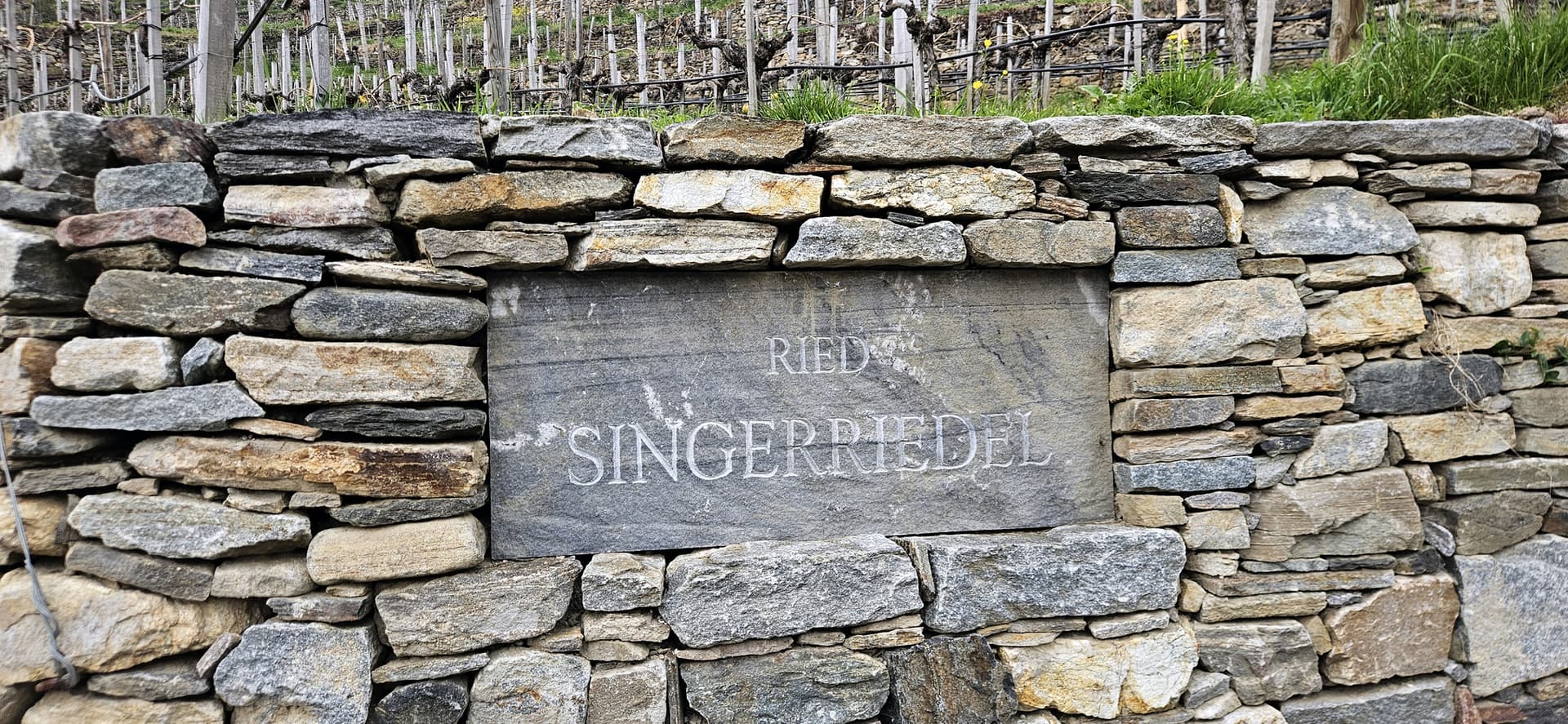
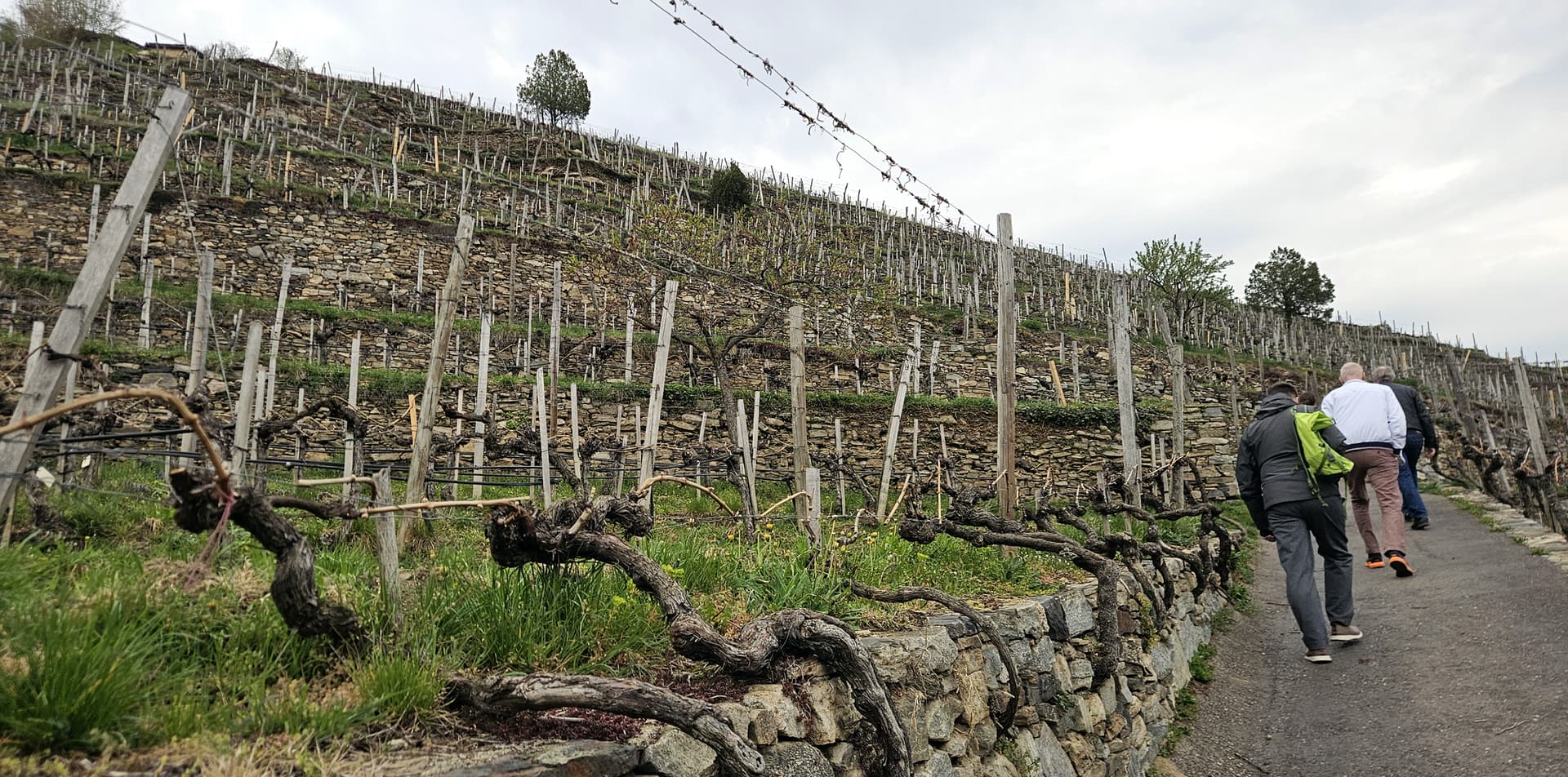
Just to give us the lay of the land, she took us up to Singerriedel, the impressively steep vineyard located right behind and above the main winery building.
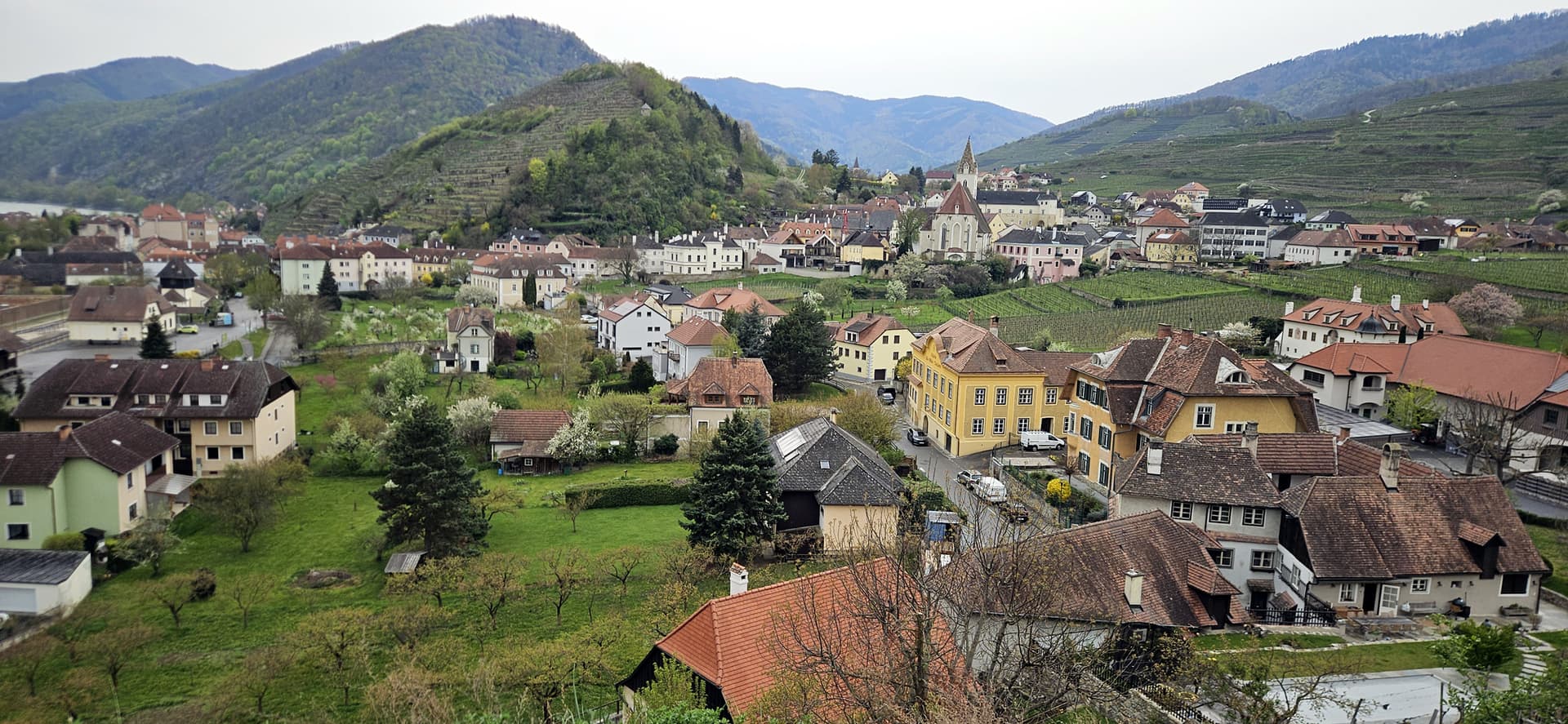
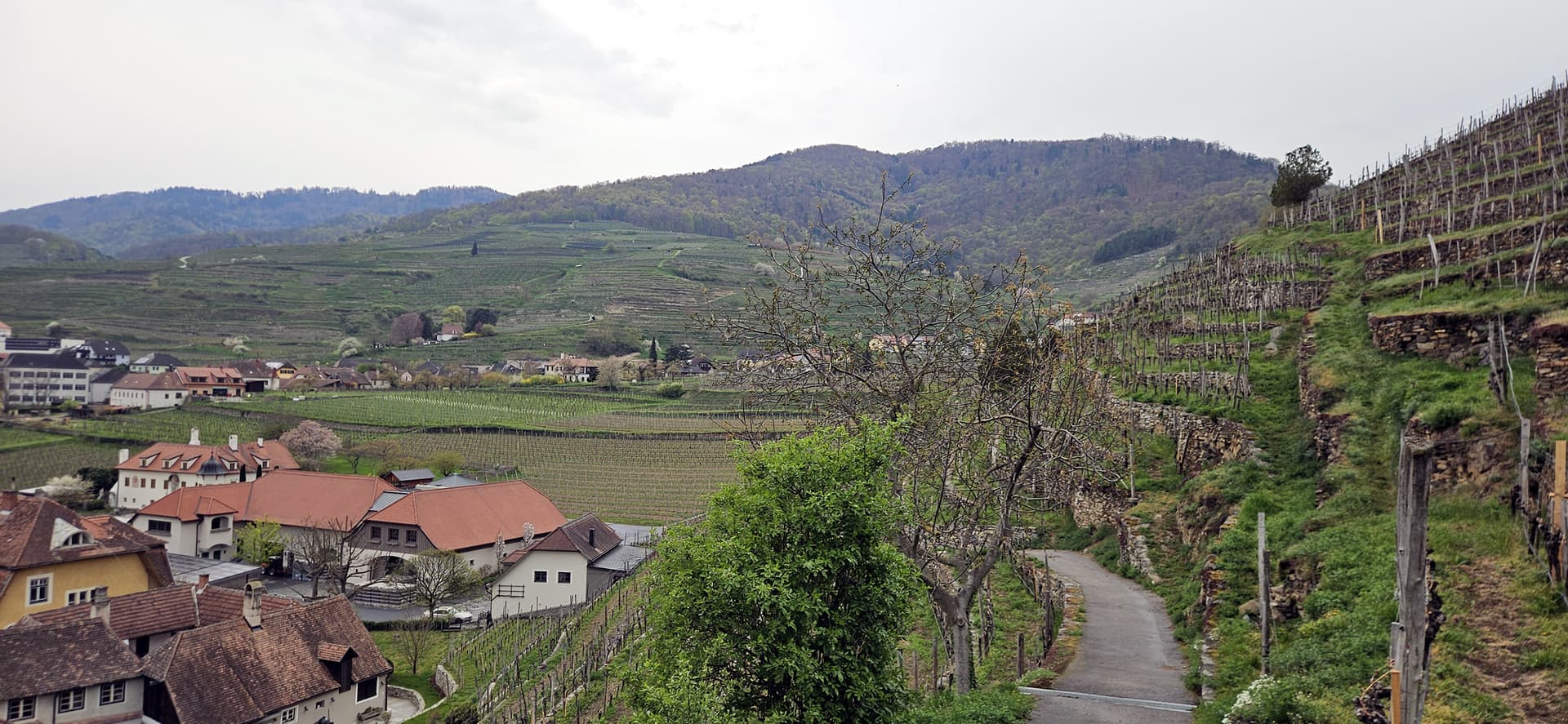
From the vantage point over the town of Spitz she could show their different vineyards while also explaining some facts and tidbits of the winery and its history.
While showing us around we were told that even though Hirtzbergers farm some Muskateller, they vinify it only when it shows restraint and finesse. Apparently Muskateller can get too exuberant in some vintages, and they find the variety too overpowering, so they’d rather not bottle under their own name. I found this quite curious, since Hirtzberger’s wines are known to be quite big and powerful - definitely not about restraint or finesse - so it was a bit amusing to hear that out of all the varieties they grow, Muskateller should show some restraint!
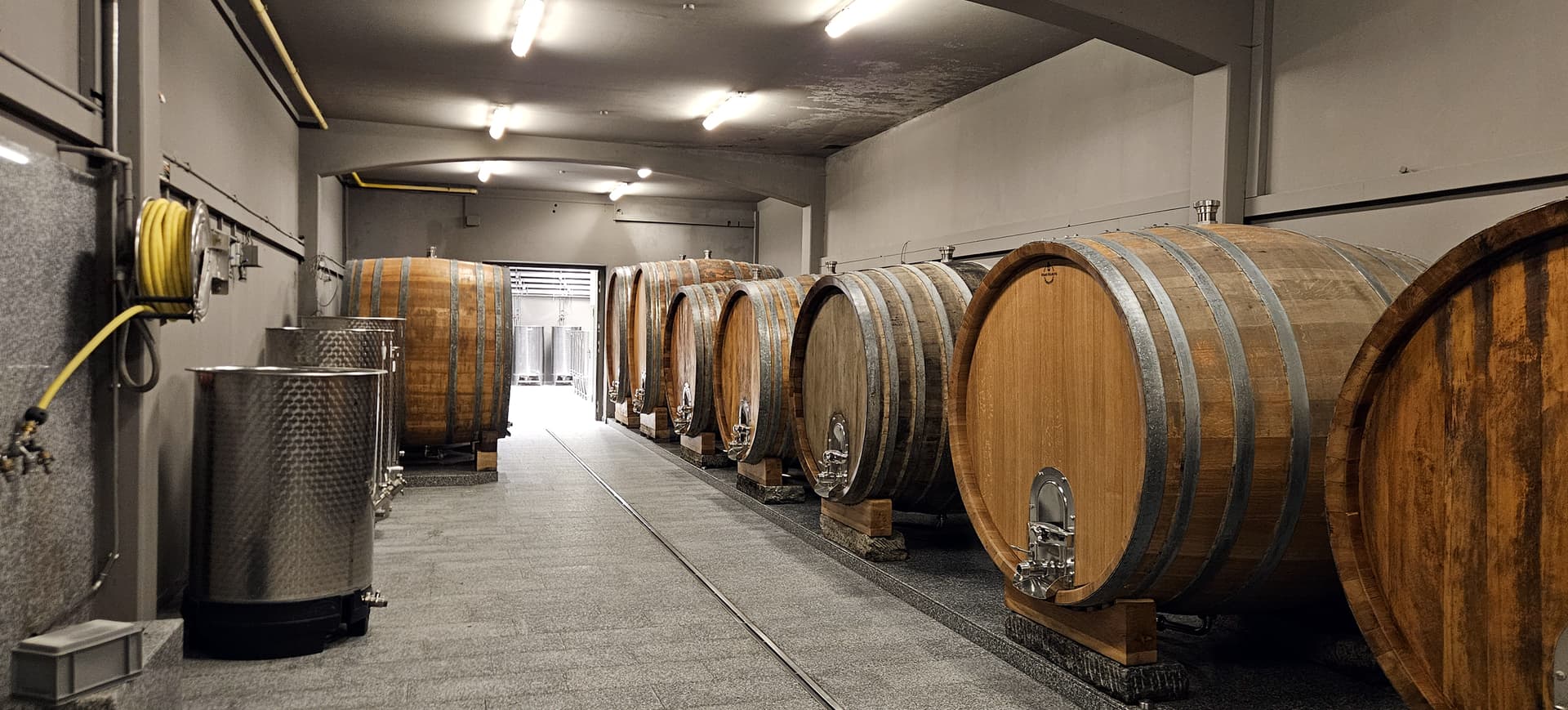
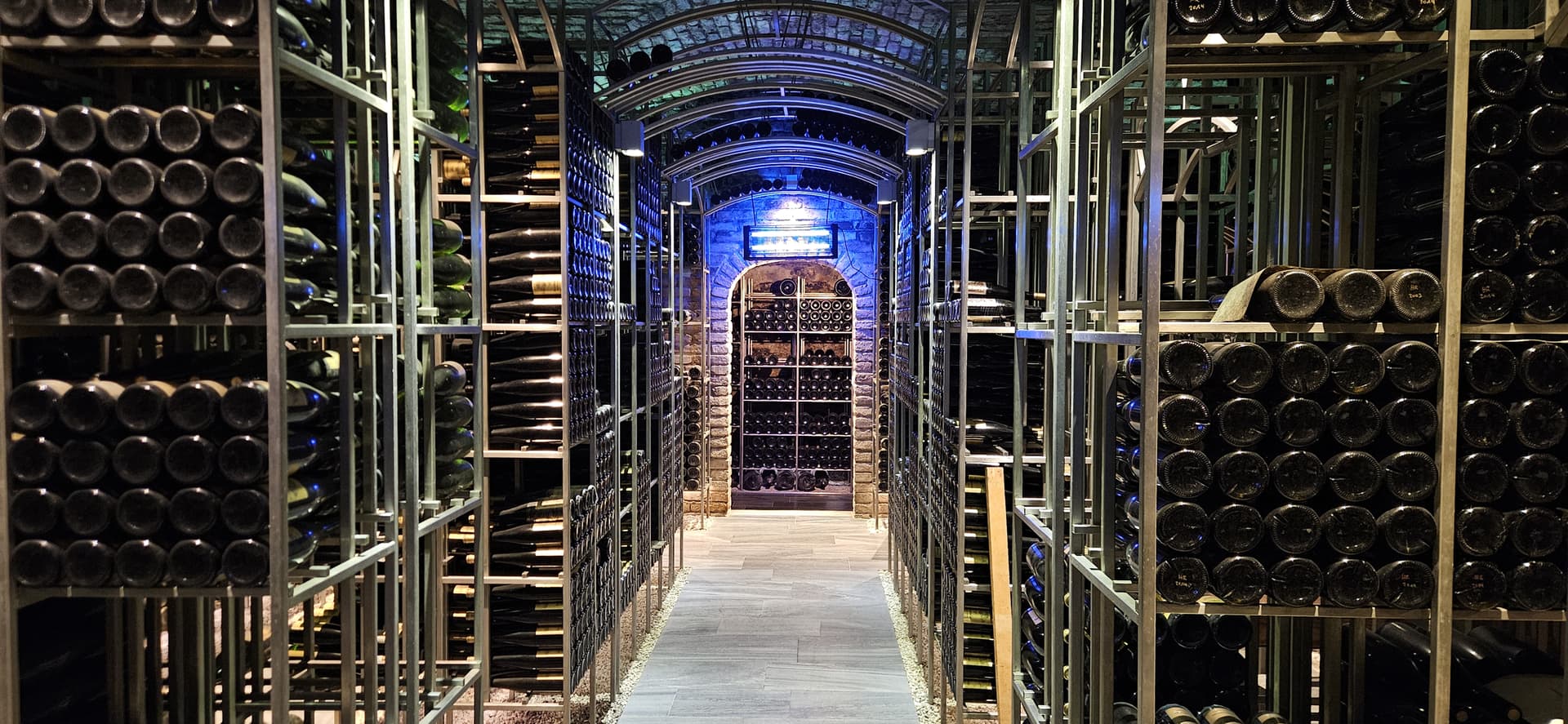
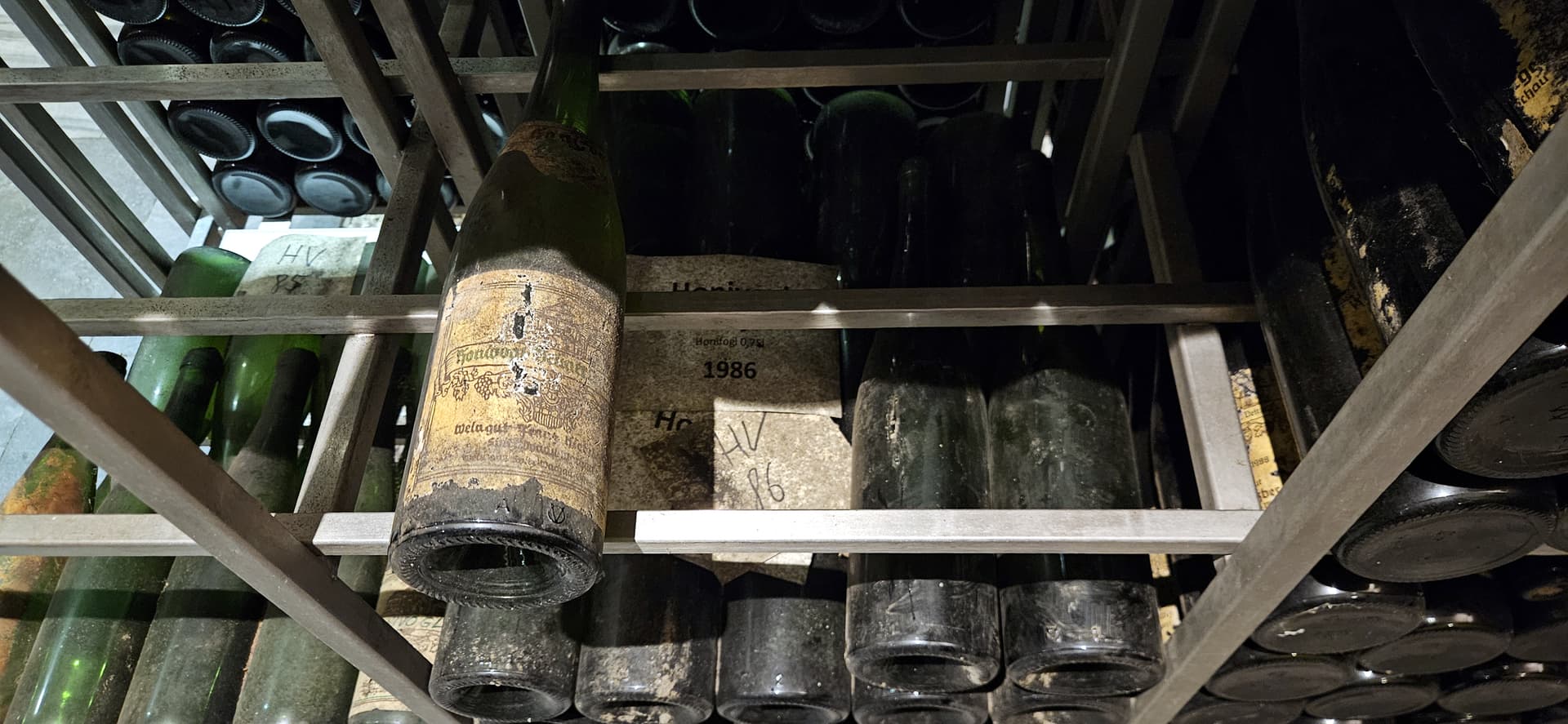
As we descended from the steep vineyards down to the new vinification facilities, we went through several floors, including the reception area and where the grapes are crushed and pressed, the fermentation tank room, the rooms in which the stainless steel tanks and the old wood casks were, and finally the Schatzkammer, where they keep their old vintages.
When we were ready for the wine tasting, I expected us to backtrack our steps back up from the Schatzkammer, but instead our cellarhand-guide just opened one door and there we were, suddenly back at the main building of the winery! It can be pretty hard to keep track of the directions and your spatial location when you are inside buildings, especially while also going down several floors and walking underground, but apparently Hirtzberger’s winemaking facilities are built so that they are away from sight, beneath the village of Spitz, forming a continuous underground complex between the historic main building and the new winemaking building - even if these two buildings aren’t located that close to each other above ground!
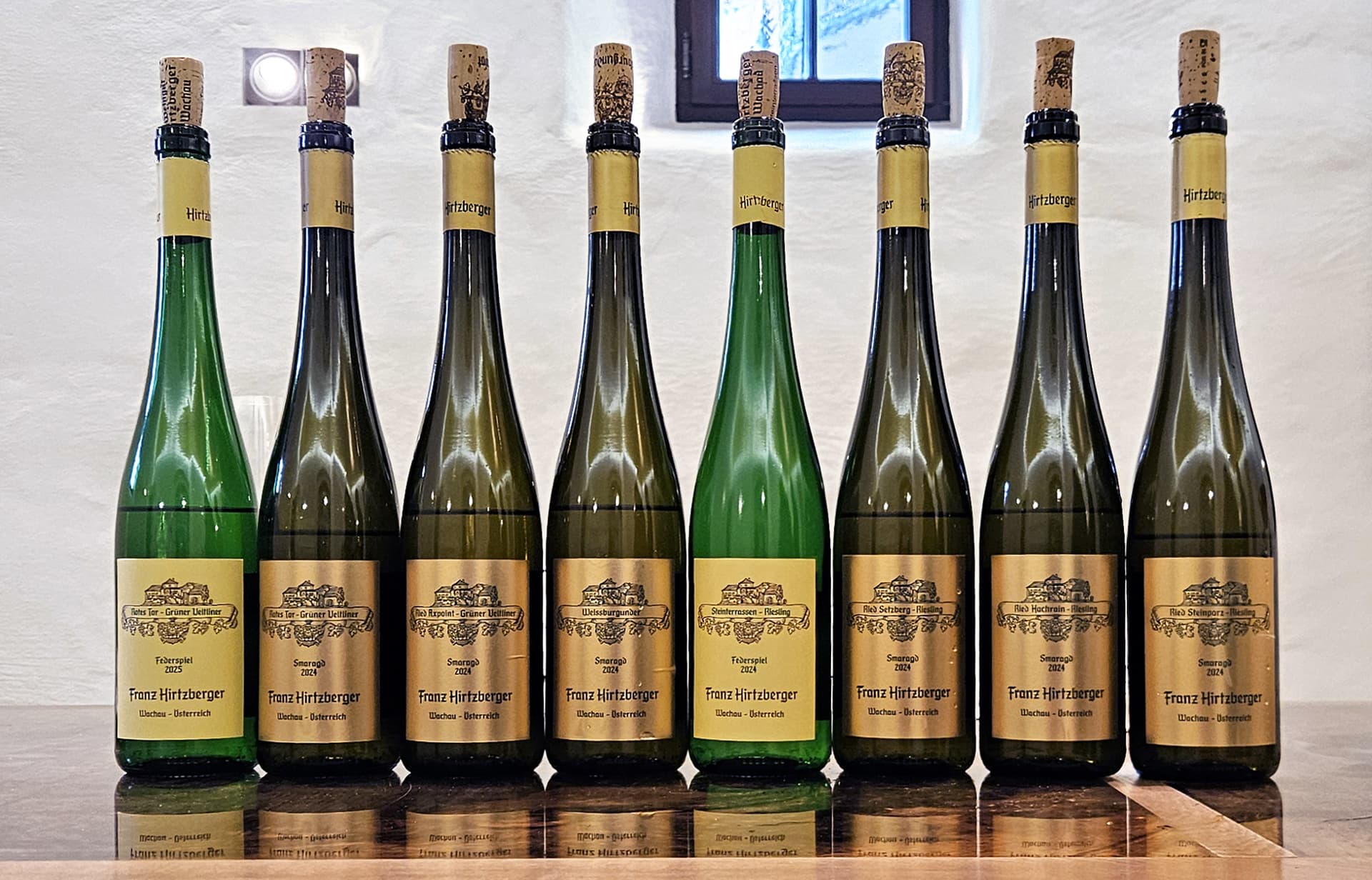
Anyways, now for the wines we tasted!
Tasting these wines, it became quite obvious to me how elevated ripeness - and often that tiny touch of botrytis - is definitely the hallmark of the Hirtzberger style. Certainly the wines were very impressive, but I have to admit that for me, many of them felt quite huge and even a bit clumsy; most of them had enough acidity to keep the overall feel balanced, but I felt many of the wines lacked the freshness and precision that I am always looking for in Austrian whites. Before the tasting I expected to enjoy the Federspiel bottlings more, but admittedly they came across as quite simple and underwhelming next to the Smaragd bottlings. Maybe they showed a bit more freshness and elegance, but not noticeably.
Ultimately my favorites in this lineup were not the biggest and most impactful wines, but those that combined enough restraint and elegance with the opulent fruit that defines the house style. The Axpoint bottling was quite an impressive example of Grüner Veltliner in its own right, and of the Rieslings, both the Setzberg and Steinporz showed good sense of promise, firm structures and nice, focused fruit. If I was looking for any ageworthy wines, at the moment these are the wines I’d bet my money on.
After we had tasted the wines, we made some purchases, thanked for the great tasting (and impressive views over the village!) and finally set our courses for the next winery visit!
Climate change has helped some Riesling producers, but with Hirtzberger I think it’s becoming too much.
Fully agree with you here.
I was actually quite surprised how most Smaragd wines we tasted over our trip were surprisingly well-proportioned and clocking in at 13% to 13,5%, whereas in the recent past I’ve seen wines typically reaching 14% or even 14,5%. Things didn’t look as bad as I feared they would.
However, I concur that with these producers that have always aimed at maximizing ripeness, the climate change is definitely not on their side. I can understand the style’s appeal in the 1980’s, when making fully ripe Smaragds consistently every year was a feat in its own right. However, today, when every single producer can make as ripe Smaragd as they want to, and making a balanced Steinfeder can be a quite difficult task, things are looking very different.
Thanks for this great travelogue Otto. I’m always looking forward to the updates!
Can I ask a couple of clarifications on Hirtzberger?
1/ When you say Riesling is normally vinified in whole bunches, I assume you’re referring to the pressing happening in whole bunches (as per your individual tasting notes for the wines). Is that right?
2/ If so, do you have any more info on the rationale? It seems a little counterintuitive to me that they’re using whole bunch pressing to add complexity from the stems and due to a reduced need to retain acidity
3/ Did they mention anything about their skin contact regimen for the GVs?
Yes, this is my understanding. They’re not making any semi-carbonic fermentations and I believe skin contact is more or less the same as it is with most Riesling producers, ie. limited to a few hours before fermentation, at most up to a day.
From what I understood, they prefer to leave the stems, but they really can’t do it with Grüner Veltliner as their stems make too noticeable impact compared to Riesling’s stems, plus Grüner Veltliner can get too flabby as it is a lower-acid variety compared to Riesling. They told us they like the effect they get from the stems in Riesling and they felt that their Rieslings retain enough acidity and freshness even with the stems. But I guess it all boils down to stylistic choices and preferences.
Sorry, didn’t mention and didn’t remember to ask. I believe the process is pretty much the same here as in so many other places: GV is destemmed, Riesling is not; the grapes are crushed and left with the must for some hours; finally the grapes are pressed.
For example I can imagine they’d want to have some skin contact from the tries that contain botrytized grapes so that you just don’t get concentrated grape juice, but also some aromatic compounds and complexity from the botrytis itself.
An Eimler was a traditional basket used for carrying grapes. So the estimated amount of fruit from the 1000 Eimlerberg were 1000 Eimlers.
25 years ago, I was into lots of Austrian producers. 15 years ago, I was into fewer Austrian producers (about the time I dropped Hirtzberger, once among my favourites, with their new 14.5% wines). 15 years ago, the Austrian section of my cellar was about 60% Nikolaihof. Now, it’s about 90% Nikolaihof. I still really like some other producers as well. Like them how much exactly? About 10%. And the 90% Nikolaihof continues to feel just about right