Chinese Wine — Ongoing Tasting Notes and Discussion

When I searched Wine Talk for “Chinese wine,” I didn’t find any discussions from this year, or an ongoing thread devoted specifically to tasting notes. So I thought I would start one.

I live in China and regularly taste wines from different Chinese regions and producers (and wines all of the world of course). I plan to use this thread to share notes on the Chinese wines I drink, along with some context about their regions, producers and winemaking styles.

Where it is useful, I will also compare them with wines from more internationally familiar regions. These comparisons are not meant to suggest that Chinese wines should imitate Bordeaux, Burgundy, the Rhône or anywhere else. They are simply reference points that may help people understand the wines more easily.

Everyone is very welcome to join the discussion, share notes or ask questions at any time.

I am also happy to offer practical recommendations on Chinese wines, producers to look for, and even winery travel in China, whenever that might be useful.

I’ll begin with Syrah from Ningxia.

8 Likes

**

Ningxia Syrah: Two Very Different Expressions, with Northern Rhône Reference Points

**

Ningxia has a dry continental climate, strong sunlight, high-altitude vineyards and large day–night temperature differences.
The two local Syrahs below showed very different interpretations of the variety.

The Rhône wines were not tasted side by side with them, so I’m using them only as general reference points.

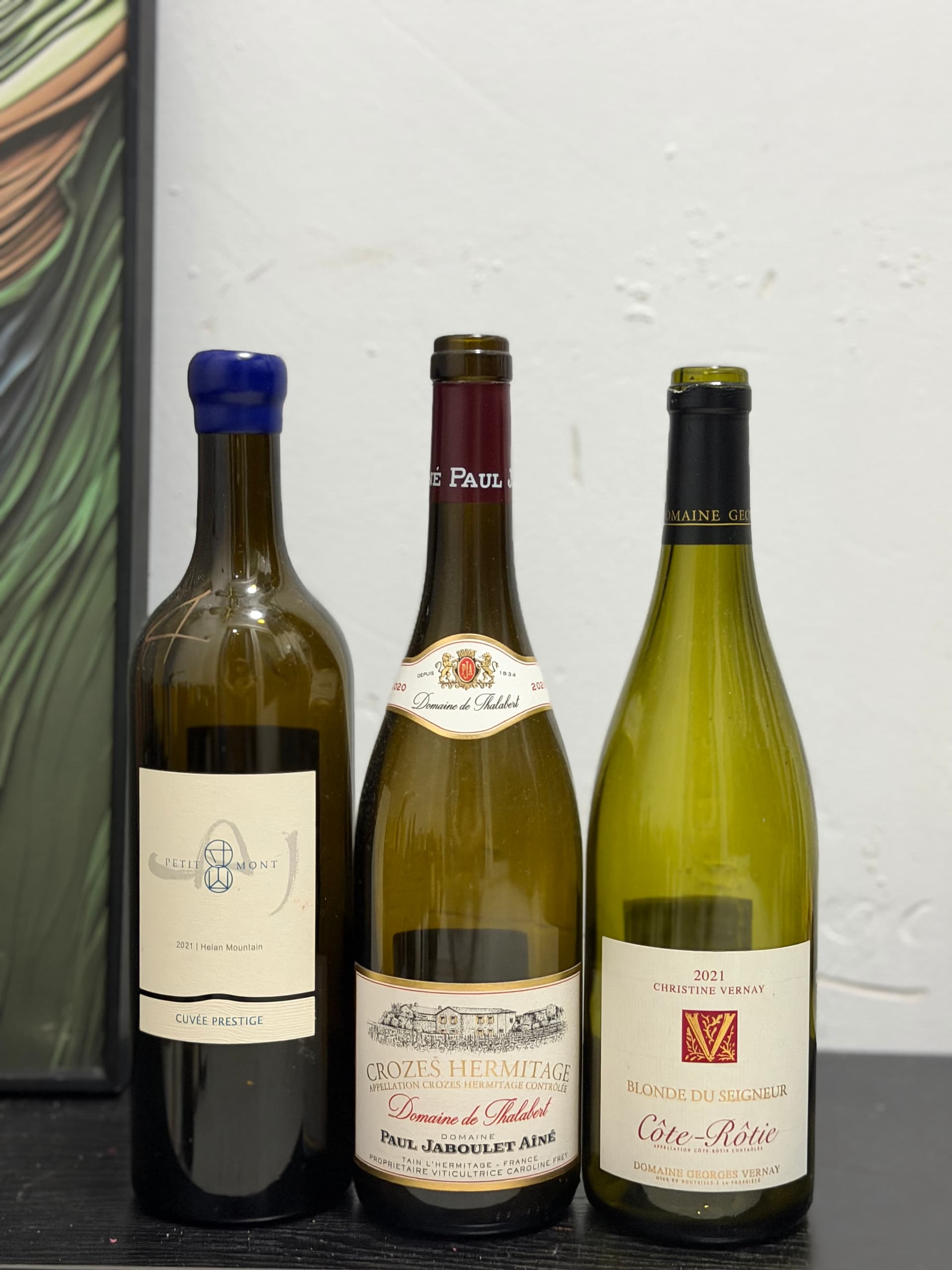
2021 Domaine Georges Vernay Côte-Rôtie

Cool-toned and savory: sour plum, cherry, raspberry, violet, forest floor, game and pepper. High acidity, fine but clear tannins, and a medium-plus finish. On a later revisit, it became more floral, with rose preserve and a saline olive note. Demanding at first, but memorable.

I bought it for 590 CNY

2020 Paul Jaboulet Aîné Crozes-Hermitage

More open and approachable, with barnyard, game, blackberry and cassis. Clean palate, medium tannins, medium-plus acidity and a medium-plus finish. A useful introduction to Syrah’s savory side without the austerity of the Côte-Rôtie.

I bought it for 400 CNY

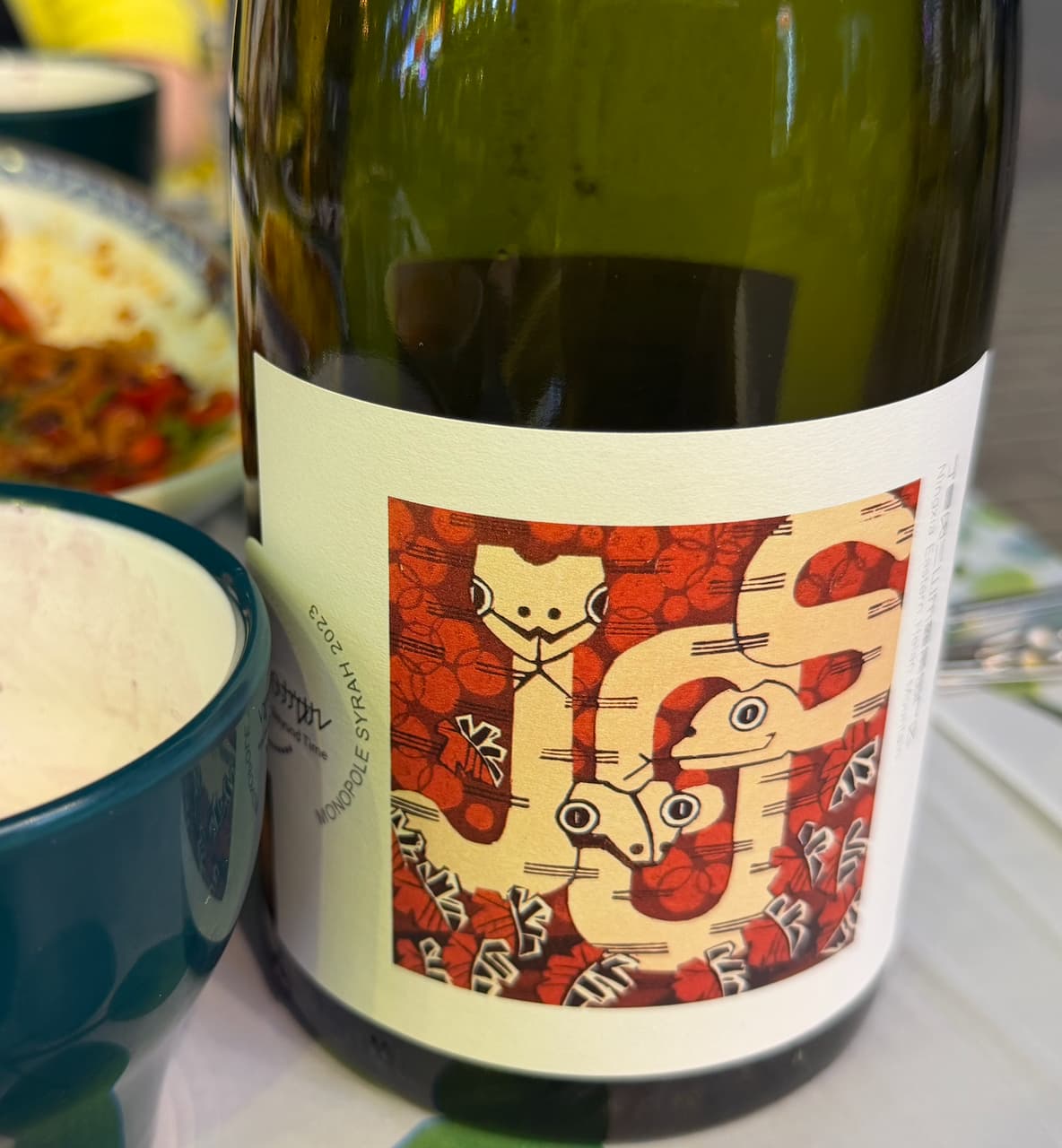
2023 Time Machine Syrah, Ningxia

Bubblegum immediately after opening, followed by violet and red fruit with air. Very fine tannins, medium-plus acidity and a light, precise texture.

I happened to be listening to Merry-Go-Round of Life while drinking it, and both felt lyrical, playful and light on their feet. Time Machine seems to emphasize purity and freshness rather than weight or extraction.

2025 Time Machine Syrah — barrel sample

Tasted beside the barrels during my Ningxia trip in May. Purple rim, clear orchid and violet aromas, small red berries, medium-plus acidity and a vivid, fresh palate. Still unfinished, but consistent with the producer’s floral and precise style.

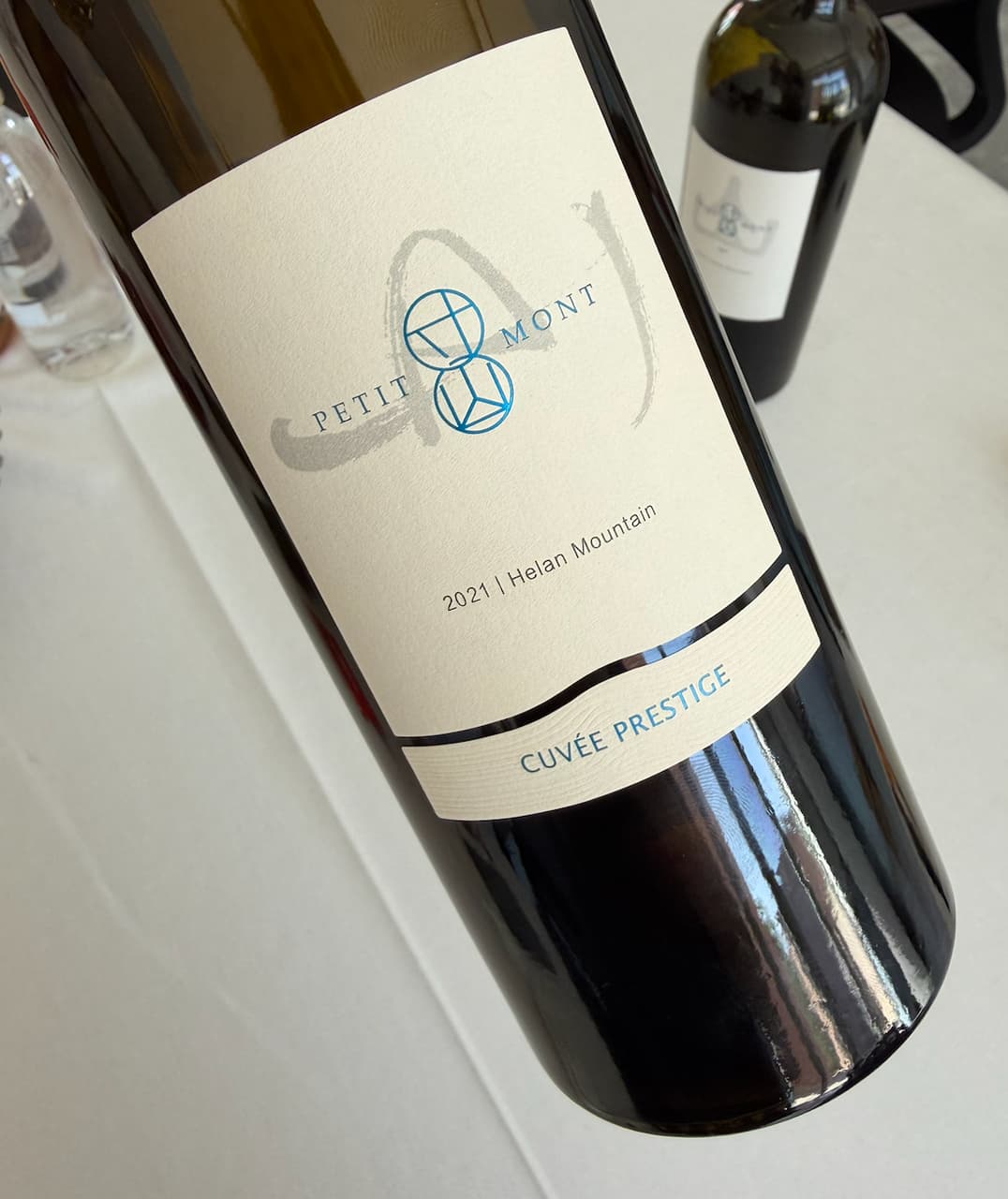
2021 Petit Mont Cuvée Prestige Syrah, Ningxia

Completely different from Time Machine: firmer, more grounded and “square-shouldered,” with herbs, flowers, solid structure and a long finish.

Structurally, it was closer to the Northern Rhône references, although riper and less gamey. Time Machine was more lyrical; Petit Mont felt more conventionally serious.

Overall

These wines resisted any simple definition of “Chinese Syrah.” Time Machine focused on flowers, purity and lightness, while Petit Mont emphasized structure, herbal and floral note, and longer finish, I also think it will be a good couple with dinner.

Do comparisons with established regions help you understand wines from unfamil


iar countries, or do they sometimes get in the way?
2 Likes

Oh, I forgot to attached the price of the two Chinese Wine.

2023 Time Machine Syrah: I bought it ~300 CNY ( they give me a discount, the normal retail price almost 350 CNY)

2021 Petit Mont Cuvee Prestige Syrah, Ningxia
The retail price is 419 CNY, and they also kindly offer a 15% off. (All the above refer to the retail prices in Chinese Mainland)

Just a quick comment: I suspect few of us have any real reference point for prices provided in Chinese currency. I have no idea what CNY even means; I’ve heard of yuan and RMB, but exchange rates are … obscure.

1 Like

CNY is the currency code for the yuan:

image

Same thing as USD or GBP.

I thought It’s pegged to a basket of currency, traditionally usd now a basket but still heavily weighted to usd? (I’m not currency expert so admittedly can be wrong).

Anyhow I googled “CNY to USD”, and it’s 6.7 to 1. Seems like public info.

I look forward to your thoughts. I lived in Beijing 33 years ago, and my forays into Chinese wines then were not pleasurable

It’s a totally different world now. There was a cool GuildSomm podcast with Gus Zhu, the first Chinese MW, from about a year and a half ago that’s a great primer on what’s been going on: GuildSomm International

5 Likes

For a wine lover, you seem to have spent the grand total of 30 minutes looking at the WB site?

Your post seems like an attempt to redirect traffic to a YouTube promotion?

15 topics with “chinese wine” as subject, 37 topics with “china wine” as subject…and not one contribution in either?

4 Likes

Just listened. It was worth every bit of the 50 minutes. One tidbit that jumped out for me was the origin of varietal names in Chinese. As a native speaker, I had been dumbfounded when hearing those names initially. They are poetically beautiful and conjure imagery, and bear little semblance to the original (mostly English) names, nor to viticulture. (on that note, I don’t know about the etymology of the orignal either).

Hearing from Zhu that many of these translations were credited to the first successful Chinese winemaker in 1892 was an inspiration. And I have to feed my curiosity and turned to Gemini. Sharing the findings here:

Traditional Chinese Simplified Chinese Pinyin Guide English Phonetic Guide Literal Meaning Historical / Modern Context
RED GRAPES
Cabernet Sauvignon 赤霞珠 卡本內蘇維濃 赤霞珠 卡本内苏维浓 Chìxiázhū Kǎběinnèi Sūwéinóng Chee-shyah-joo Kah-buhn-nay Soo-way-noong Crimson Sunset Pearl Purely Phonetic Historic/Modern Poetic: The mainland standard since 1892, celebrated for its imagery. Regional Phonetic: The standard in Taiwan and Hong Kong, favoring pure sound imitation.
Cabernet Franc 品麗珠 品丽珠 Pǐnlìzhū Peen-lee-joo Tasting Elegant Pearl Historic Poetic: Coined alongside Cabernet Sauvignon at Changyu. ‘Pin’ captures the elegance of tasting, while ‘Zhu’ maintains the family connection.
Carmenère 蛇龍珠 蛇龙珠 Shélóngzhū Shuh-loong-joo Snake Dragon Pearl Historic Poetic: A unique Chinese clone of Carmenère. Given a powerful, mythical name by early viticulturists, it is now considered an indigenous flagship style for older Chinese estates.
Merlot 美樂 梅洛 美乐 梅洛 Měilè Méiluò May-luh May-luoh Beautiful Joy Falling Plum Historic Poetic: Měilè was the early phonosemantic favorite, linking the sound to happiness. Modern Standard: Méiluò is the dominant modern international standard, leaning closer to the French pronunciation.
Pinot Noir 黑品樂 黑皮諾 黑品乐 黑皮诺 Hēipǐnlè Hēipínuò Hey-peen-luh Hey-pee-nuoh Black Noble Joy Black Skin ‘Nuo’ Historic Poetic: Hēipǐnlè was used early on to denote a ‘noble, joyful’ black grape. Modern Standard: Hēipínuò is the uncontested modern standard, combining ‘Black’ (Hei) with a strict phonetic match for ‘Pinot’.
Zinfandel 仙粉黛 仙粉黛 Xiānfěndài Syan-fuhn-dye Celestial/Fairy Powder Ribbon Modern Poetic: A masterclass in modern translation. Dài refers to the historic black eyebrow pigment used by classical Chinese beauties, giving this bold red grape an incredibly romantic, feminine aura.
Tempranillo 丹魄 丹魄 Dānpò Dahn-pwoh Crimson Soul / Red Essence Modern Poetic: A highly successful modern translation. Dān means deep red/sincerity, and Pò means soul. It beautifully mimics the ‘pran’ syllable of the Spanish name while evoking profound depth.
Syrah / Shiraz 西拉 設拉子 西拉 设拉子 Xīlā Shèlāzǐ Shee-lah Shuh-lah-dzuh Western Pull Shiraz (Phonetic) Modern Standard: Unlike the older varietals, Syrah arrived late to the Chinese market. These are highly accurate, functional phonetic translations—Xīlā is used for French style, Shèlāzǐ for Australian style.
Gamay 佳美 佳美 Jiāměi Jyah-may Excellent Beauty Historic Poetic: A classic phonosemantic translation. It sounds exactly like ‘Gamay’ while capturing the light, approachable, and beautiful nature of Beaujolais wine.
WHITE GRAPE
Chardonnay 霞多麗 莎當妮 霞多丽 莎当妮 Xiāduōlì Shādāngnī Shyah-dwoh-lee Shah-dahng-nee Abundant Sunset Splendor Sedge-grass Target Girl Modern Poetic: Xiāduōlì is the beautifully poetic standard used across mainland China. Regional Phonetic: Shādāngnī is the older, localized phonetic variant still widely seen on wine menus in Hong Kong.
Sauvignon Blanc 長相思 白蘇維濃 长相思 白苏维浓 Chángxiāngsī Bái Sūwéinóng Chahng-shyang-syr Bye Soo-way-noong Eternal Yearning / Endless Longing White Sauvignon Modern Poetic: Chángxiāngsī borrows the name of a famous classical poetic rhythm (Cipai). It perfectly captures the lingering finish of the wine. Regional Phonetic: Bái Sūwéinóng is favored in Taiwan/HK for technical literal accuracy.
Gewürztraminer 瓊瑤漿 琼瑶浆 Qióngyáojiāng Chyoong-yaow-jyang Jade Nectar / Elixir of the Immortals Historic/Modern Poetic: Universally praised as the greatest semantic wine translation. Translators skipped the complex German pronunciation entirely, naming it after the mythical nectar drunk by Taoist deities to match the wine’s intensely perfumed, exotic character.
Riesling 雷司令 雷司令 Léisīlìng Lay-syr-leeng Thunder Commander Historic Poetic: One of the earliest Changyu-era translations. Though ‘Thunder Commander’ sounds incredibly intense and masculine for a crisp white wine, the authoritative name commands massive prestige in China.
Sémillon 賽美蓉 赛美蓉 Sàiměiróng Sye-may-roong Competing Beautiful Hibiscus Historic Poetic: A flawless phonosemantic blend. Róng refers to the lotus/hibiscus flower, injecting elegant floral imagery into a name that sounds identical to the French original.
Pinot Gris / Grigio 灰皮諾 灰品樂 灰皮诺 灰品乐 Huīpínuò Huīpǐnlè Hway-pee-nuoh Hway-peen-luh Grey Skin ‘Nuo’ Grey Noble Joy Modern Standard: Huīpínuò is the universal modern translation, substituting ‘Black’ (Hei) from Pinot Noir with ‘Grey’ (Hui). Historic Poetic: Huīpǐnlè mirrors the vintage Changyu naming system.
Muscat 麝香葡萄 麝香葡萄 Shèxiāng pútáo Shuh-shyahng poo-taow Musk Grape Historic/Modern: A pure semantic translation. Because Muscat grapes are native to the ancient world and entered China centuries ago via the Silk Road, they skipped the modern naming era entirely and are named literally for their intense musk perfume.
6 Likes

Thanks very much for the post. It will help me a lot for the translation of the name of the grapes in Chinese…merci. I am not able to participate mush in this tread as it is very hard to source Chinese wine in Quebec, Canada. Sad…
.

1 Like

Hammm : Gamay… translated into Chinese language by sound is : Kam Mei. This is acceptable by me as the translation by sound is good in Cantonese,i.

BUT the translation of the written language means : 佳 is translated into : all. 美 is translated into : beautiful. So the whole translation 佳美 should mean : All is beautiful.

I doubt very much… …the Duke of Phil - who banned the grape Gamay to be planted in Bourgogne by a decree in 1395 in favour of pinot - would agree to the translation in language. LOL

1 Like

Hmmm…I am a participant in this board. I love to see you to post here about Chinses wines with Pinot Noir and/or chardonnay based with comparation to Burgundy wines…

I sincerely hope I will be able to get some Chinese PN and/or Chardonnay wines which would taste similar to Bourgogne.

I ask because I am interest to find out what could be the outcome in of this line. i - which is in your fist post in this thread :

*****These comparisons are not meant to suggest that Chinese wines should imitate … Burgundy *****

You’re welcome. It is not much better in the US either.

Heard in the podcast that in London one can find some well-known Chinese wines. That said, I would guess mostly those from vineyards owned by Lafite Rothschild, LVMH.

Guessing you’re a Cantonese speaker.

I have been curious to try some. Been searching for a while for decent stuff at a good price.

This is a very cool post!

One variety that didn’t come up in the podcast that I’m curious about is rkatsiteli - a Georgian grape that goes by baiyu in Chinese. It’s not phonetic and Google is telling me that it translates as “white jade,” which is interesting (in Georgian rkatsiteli translates as “red stem,” but there are other Georgian varieties that do translate as “green” in Georgian, specifically mtsvane). I’m wondering how and when it ended up in China, whether it’s still grown at all, and how it got the name it did.

3 Likes

Oh man, now you really teased out the geek in me… Well I’d happily take one bottle each, rkatsiteli & mtsvane, not too shabby brib…libation.

The most famous Chinese poem with a shout-out to wine is Wang Han’s 涼州詞 Song of Liangzhou. The poet worked in late 600 to early 700 AD. That was the Tang dynasty which fought many wars with tribes in Central Asia. Not all the way to the Caucus yet. However there is no doubt that wine made from grape came into China from beyond the western front.

Below are two good English translations , the key is in the first line.

Starting for the Front (Wang Han / Tr. Xu Yuanchong)
With wine of grapes the cups of jade would glow at night;
Drinking to pipa songs, we are summoned to fight.
Don’t laugh if we lay drunken on the battleground!
How many warriors ever came back safe and sound?

Song of Liangzhou (Wang Han / Tr. Stephen Owen)
Fine Wine, in Night-Shining cups, we crave;
we would drink, but the pipa urges us on.
If we lie drunk on the battlefield, don’t laugh—
how many men ever come back from the fray?

The drinking vessel is “cups of jade” or “Night-Shing cups”. Those, like the wine, were import from the West as well.

Now without googling rkatsiteli, I venture a guess that’ s a white grape?

1 Like

Yes…you guessed right. For Chinese wines which I had tried, I will check inventory and will provide more details.

I see, I will try to use USD in the coming note, that’s your guys will quickly mention is reasonable or expensive. :slight_smile: