The drive between Beaune and Alsace is pleasant, if a little unexciting. Until we got off the A36 highway to go cross country through a small outcropping of Switzerland, on a quest to stop at Antony Fromagerie in Vieux-Ferrette (fromagerieantony.fr). Ended up chasing some scenery, getting semi-lost, and just letting the GPS re-route us up and over some little pass and back into France. A beautiful drive, but I don’t know if I could find it again.
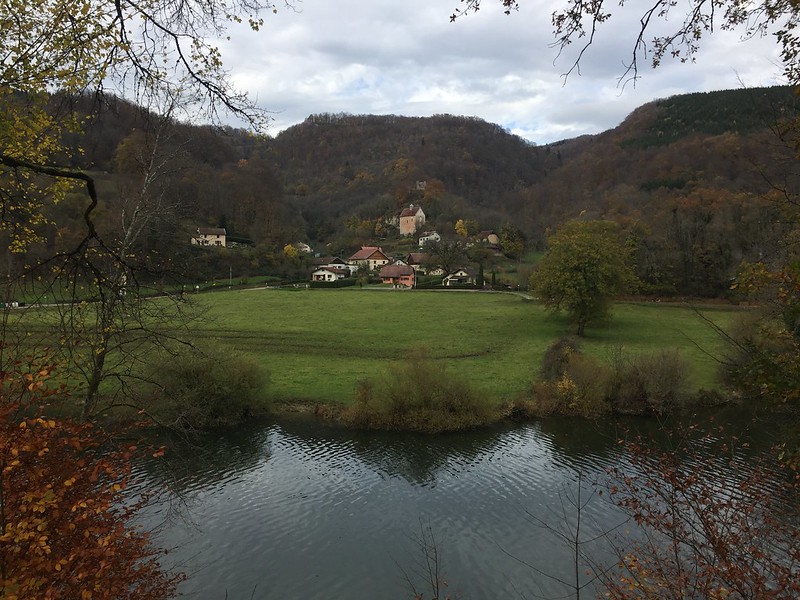
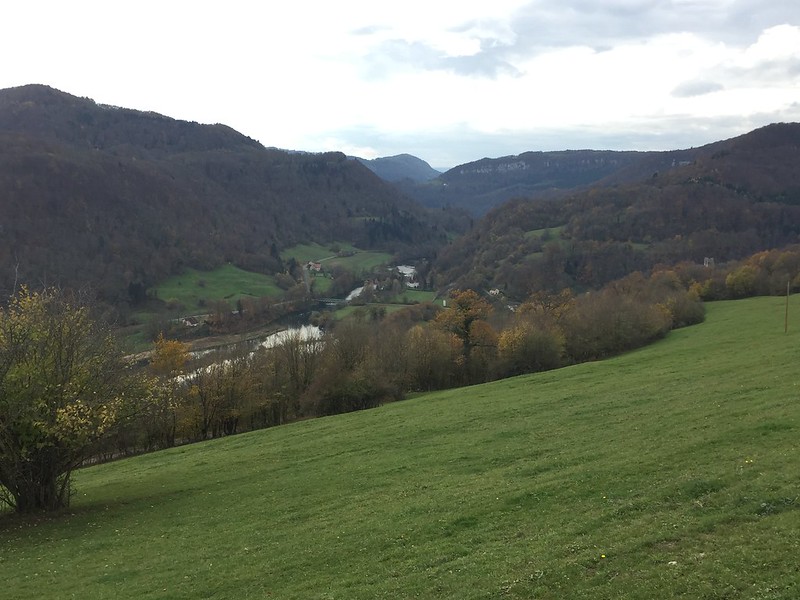
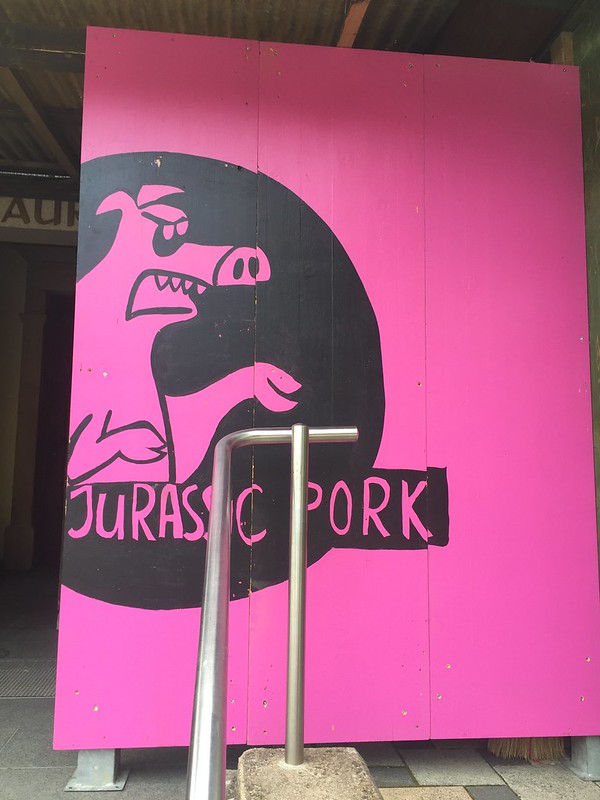
Coming over the pass, we went through a small hamlet, with this interesting restaurant sign
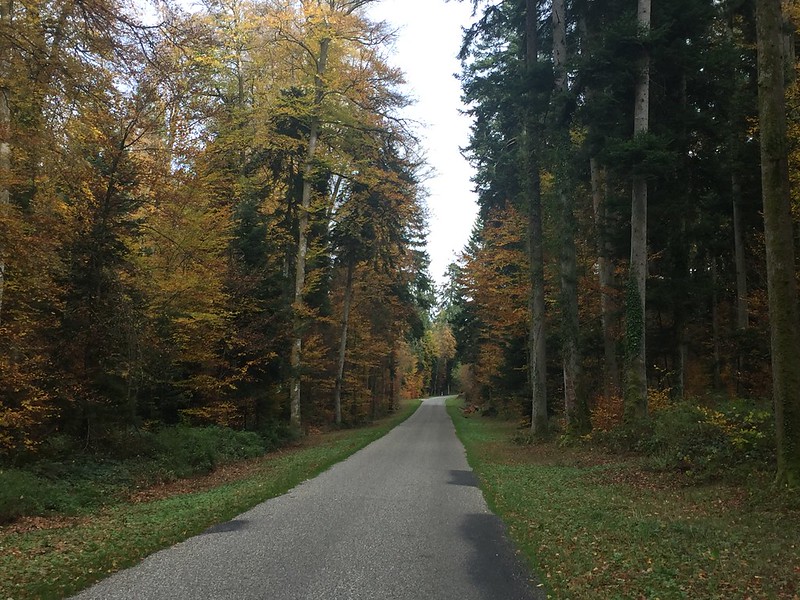
We definitely got off the beaten track onto some narrow country roads
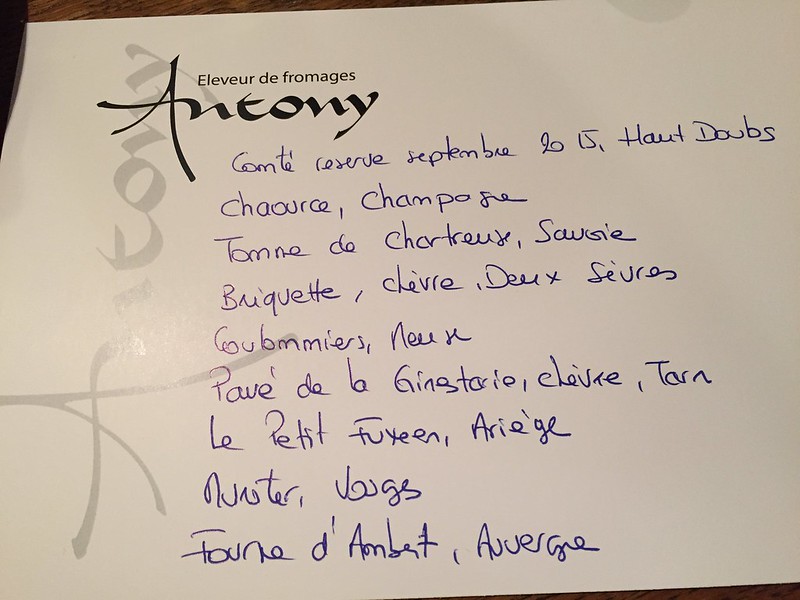
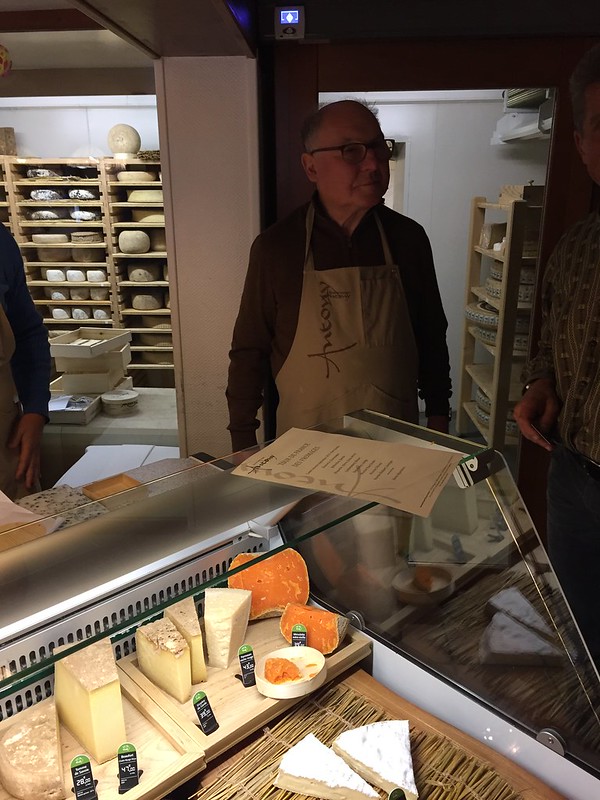
Antony Fromagerie is a legendary Affineur, bringing in and aging cheeses from around France. From their web site:
"Bernard Antony was initially a travelling grocer, of which there were many at that time, criss-crossing the countryside in his little van delivering butter, sugar, coffee and even clothes to the most isolated communities in the surrounding area. One chance meeting, however, was to change his whole professional life…
Bernard and Jeanine Antony’s passion for cheese has come down to us thanks to a 1979 meeting with Maître (Cheese Master) Pierre Androuët, at that time recognised as the leading light on this our white gold. As a result, the first Antony cheese cellar was established in 1983, then the cellar reserved for tasting in 1986. Today Maison Antony houses a total of seven maturing and refinement cellars for its cheeses.
Over time, a considerable number of top class chefs have fallen under the bewitching spell of the Antony cheese cellar, such that today there are around 19 Michelin three star restaurants which place their trust in Antony for their cheese platter selection.
A veritable globe-trotter, Bernard Antony likes nothing better than to spread the word about quality French cheeses - a passion which has taken him from Paris to Hong Kong, from New York to Berlin."
Once we put Alsace on our itinerary, I knew Antony had to be a stop. It is definitely a “destination”, given it’s relative remoteness, and the number of people there. Parked in front were a Bentley, Jaguar, and several other nice cars.
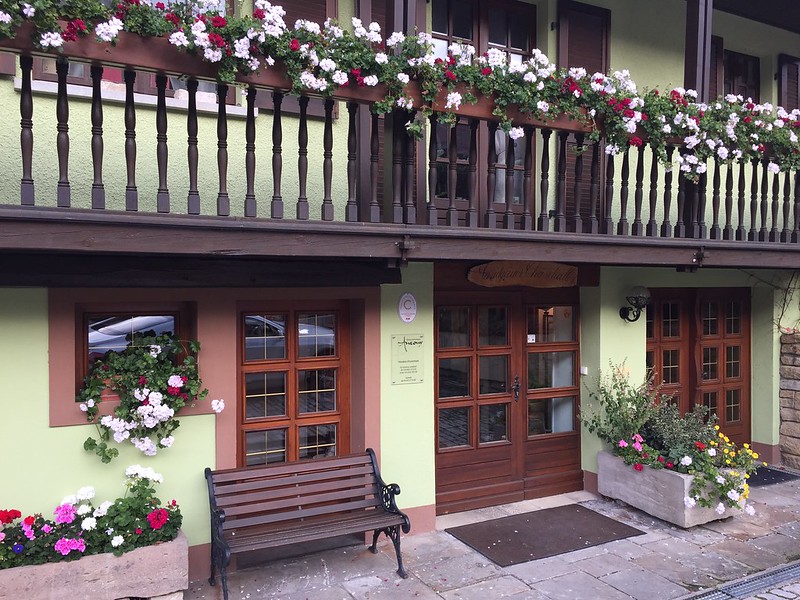
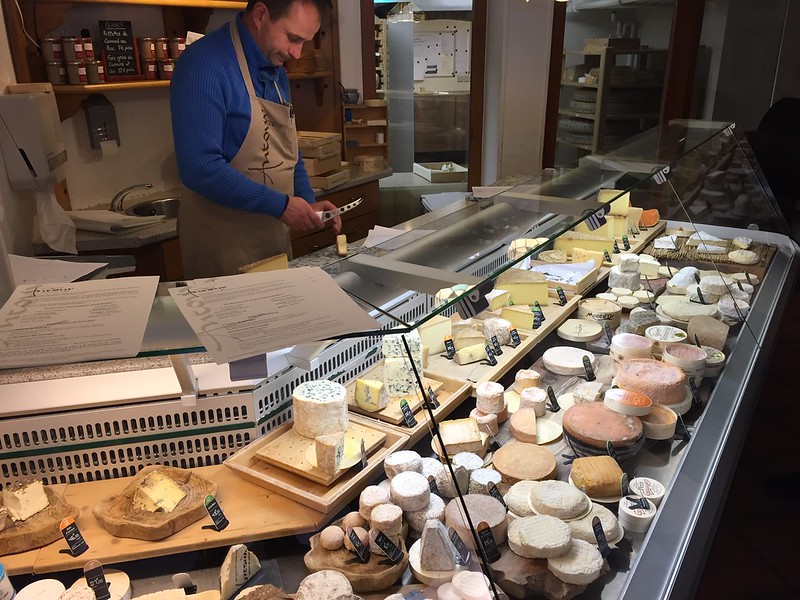
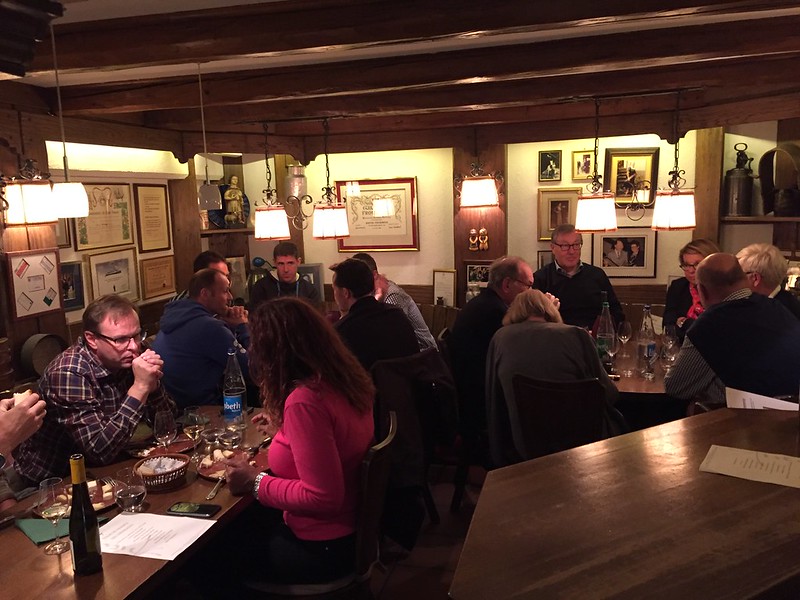
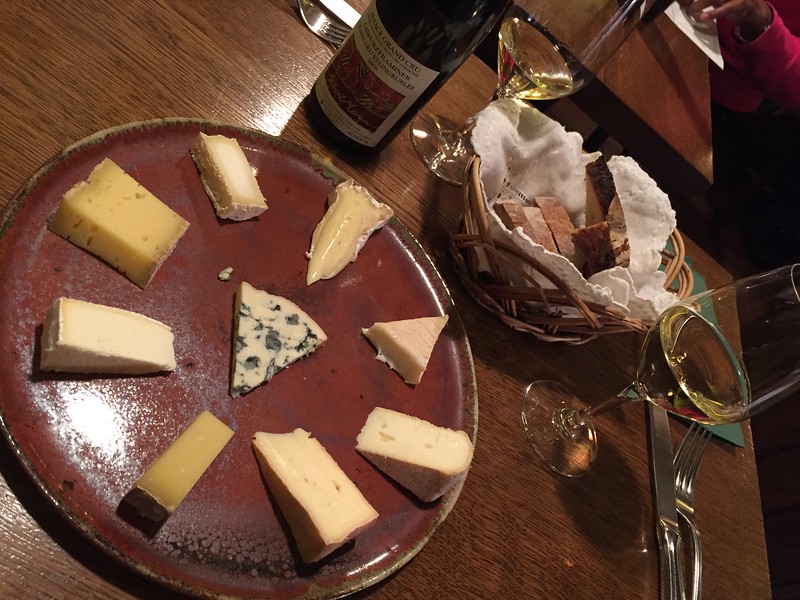
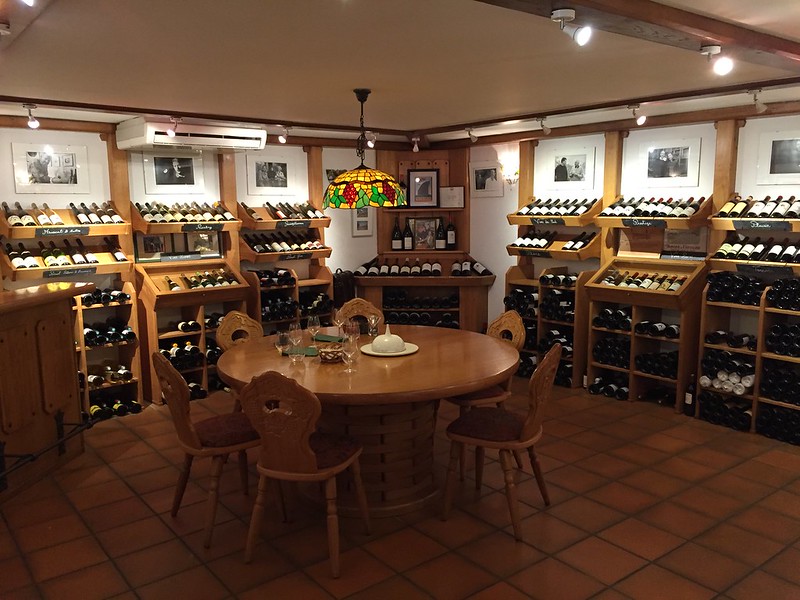
In addition to the cheese counter, there is also a small sit down area to partake in an assortment of cheeses, and a nice wine list.
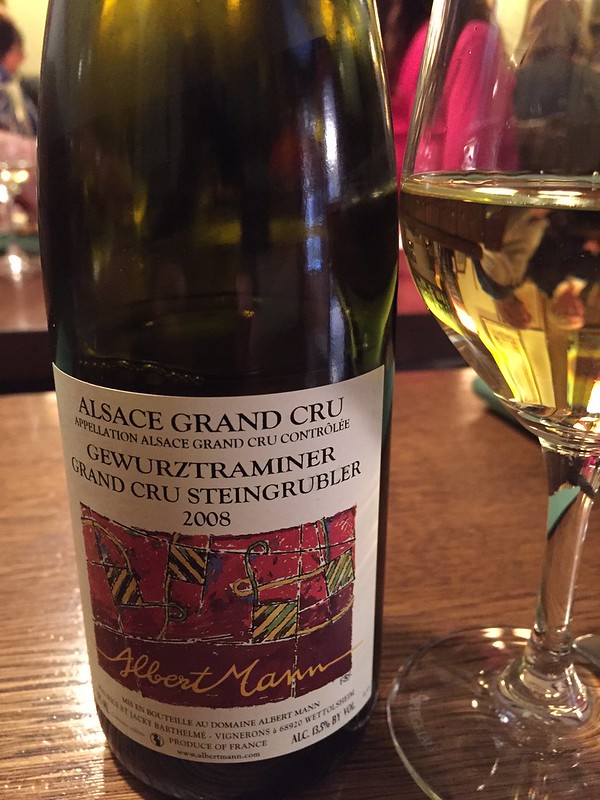
And a pretty decent little wine shop in the back, with a variety of French wines. I picked up a couple of 2013 Gonon St Joseph.
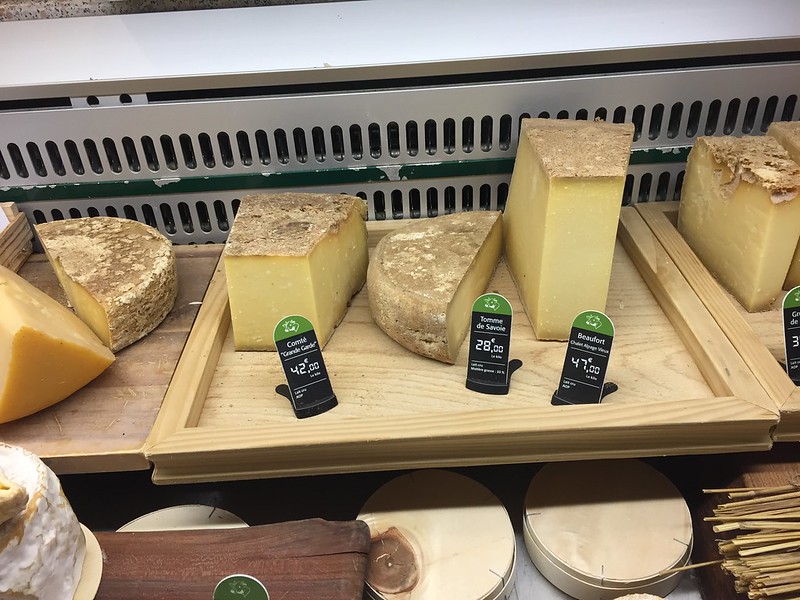
The cheese detour complete, with more wine and some 36 month Comte vacuum packed to bring home, we hit the road north toward Mulhouse and Colmar. I’ve been to Basel and Strasbourg in years past (even Freiburg, just across the border in Germany), but this is the first time to the Alsace region in between. As with any wine region, being there, seeing the land, topography, towns, talking to the people, even eating the food, brings so much more understanding of the wines and their origins. And of course makes the wines that much more enjoyable to drink back home.
The map below shows the entire region, and makes me think of both Burgundy and northern Rhone, both of which run north/south, with east-facing slopes on which a large fraction of vines are planted. Like those other areas, small towns dot the route, each surrounded by its nearby vineyards, many of which are on sloping, even fairly steep hillsides. It’s a little more complicated than that, as many of the towns are in little east/west indentations of terrain, with the “best” vineyards planted on south facing slopes.
[resizeableimage=664,1024]https://i1.wp.com/winefolly.com/wp-content/uploads/2013/07/Alsace-Wine-Map-France.png[/resizeableimage]
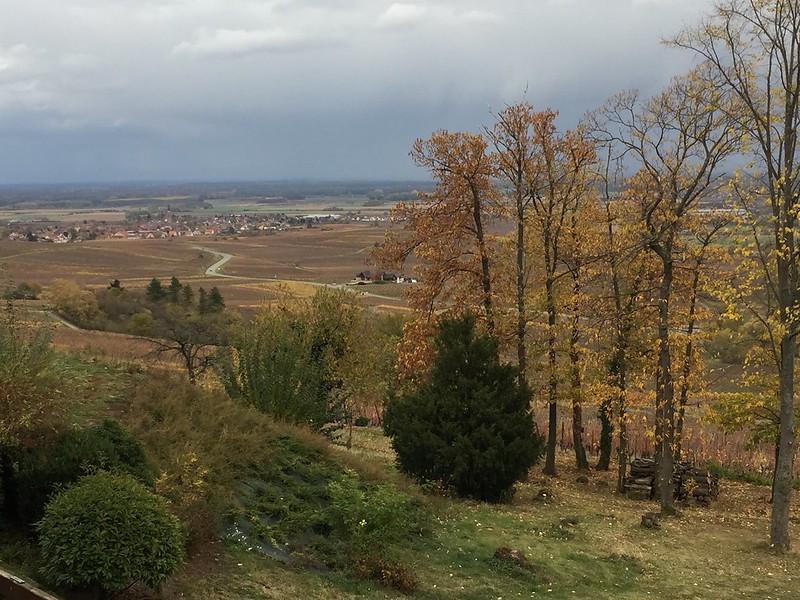
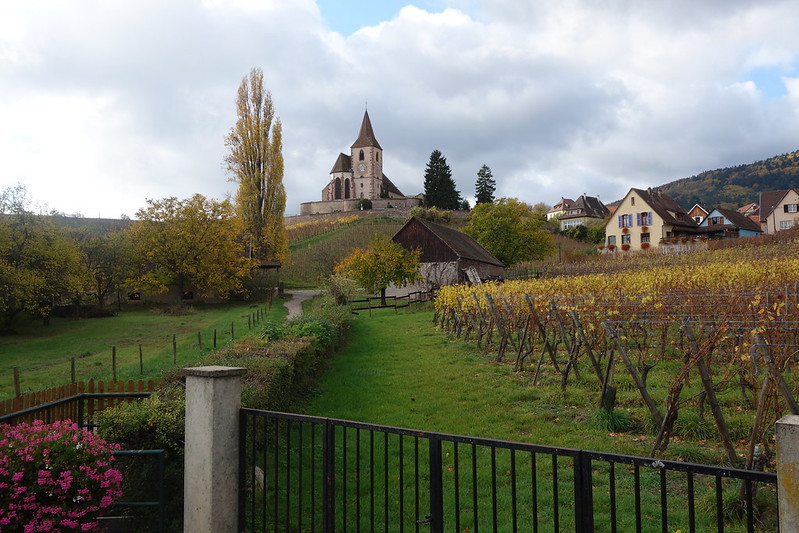
We chose to stay in Ribeauville (Ree-boe-vee-lay’), at Le Clos Saint-Vincent, which is up on the hill above Trimbach and overlooks the vineyards that go into Trimbach’s Cuvée Frédéric Emile.
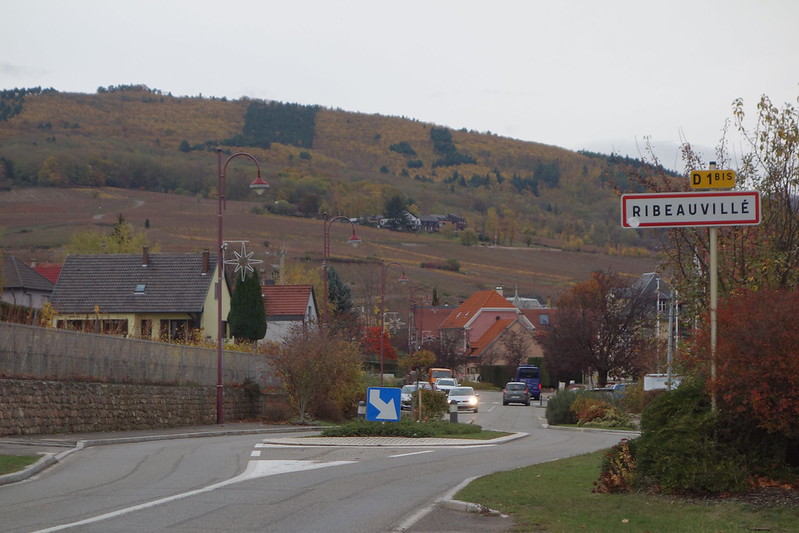
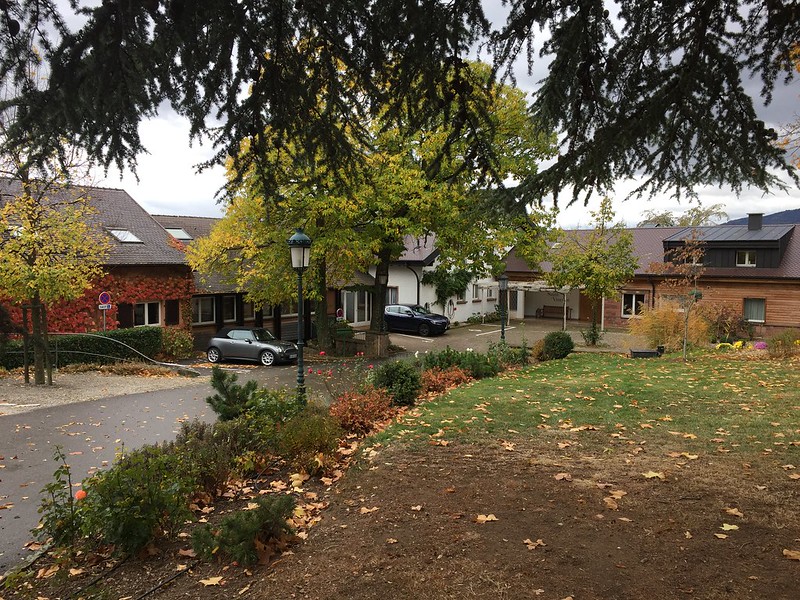
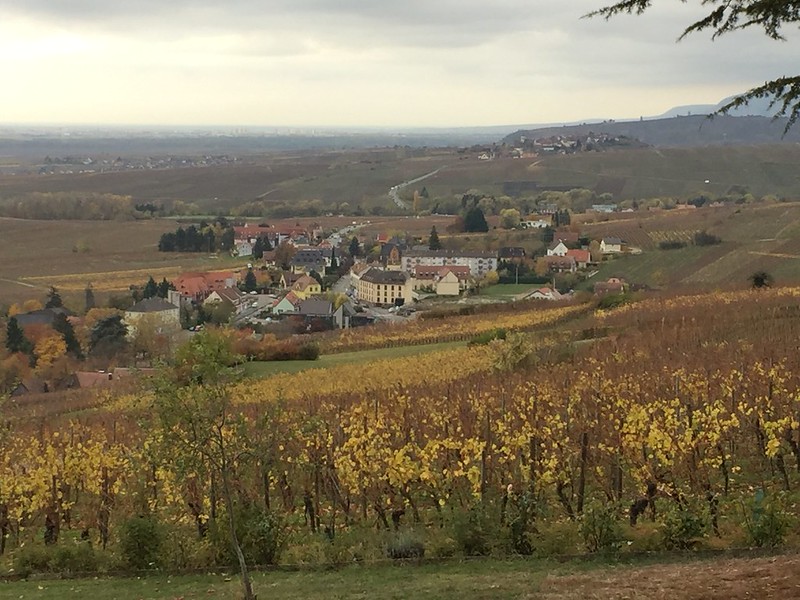
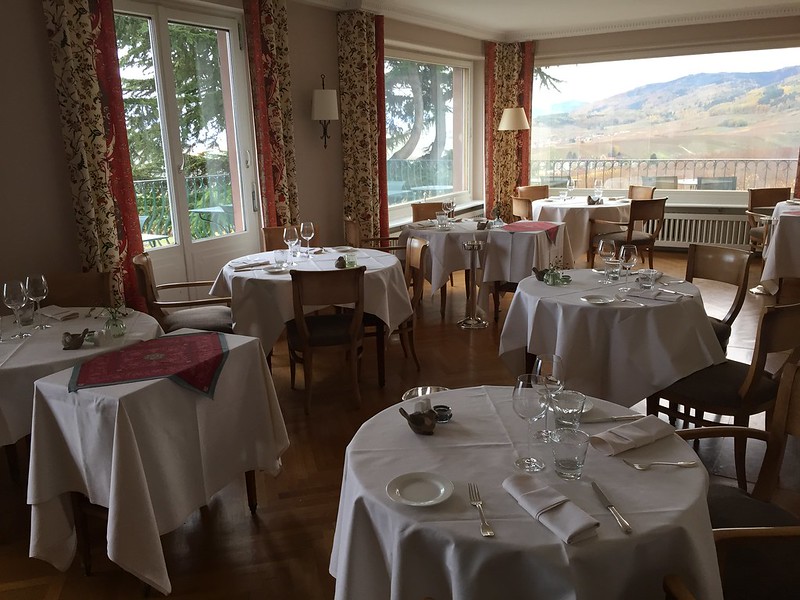
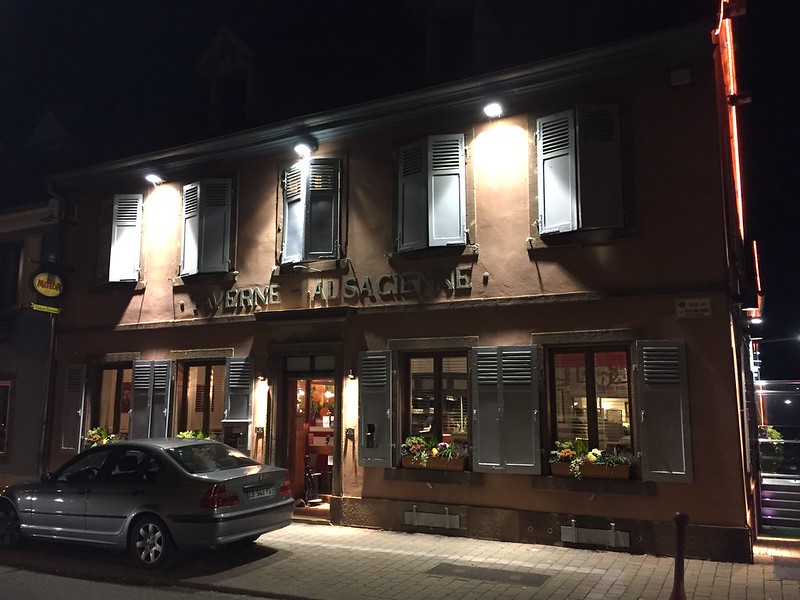
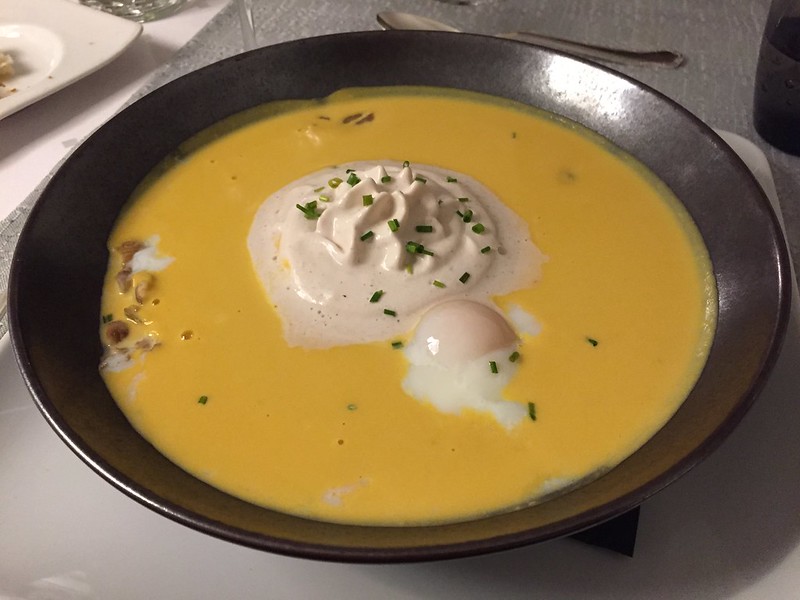
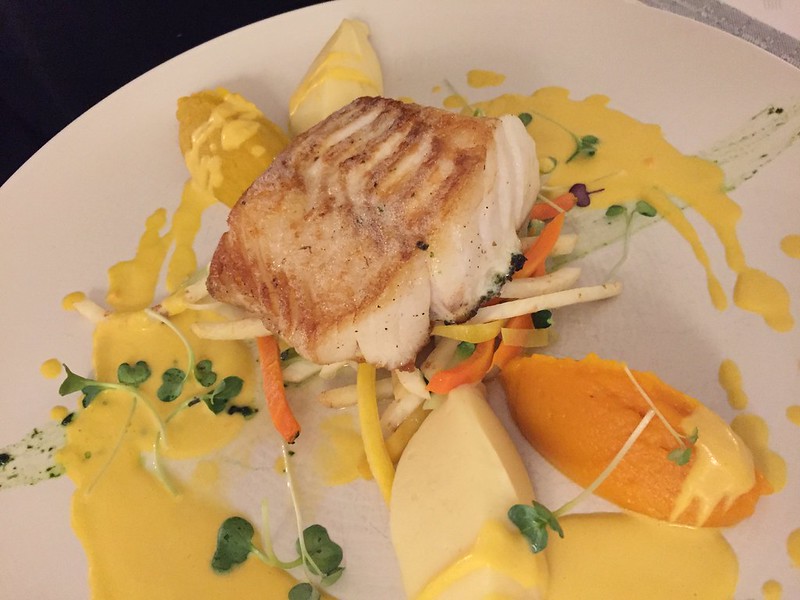
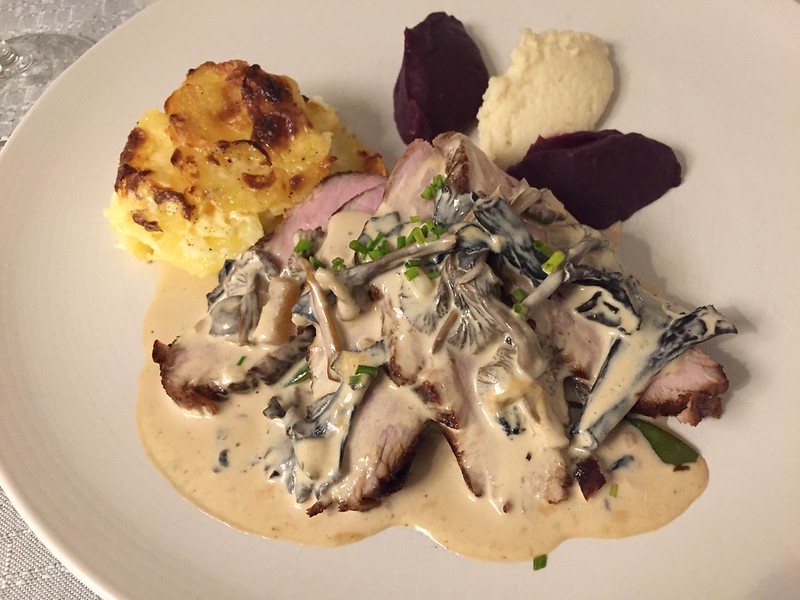
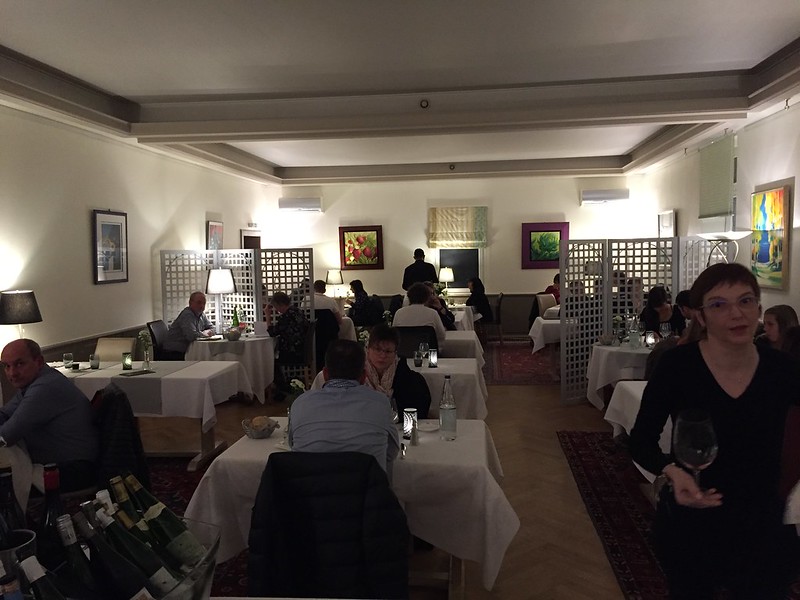
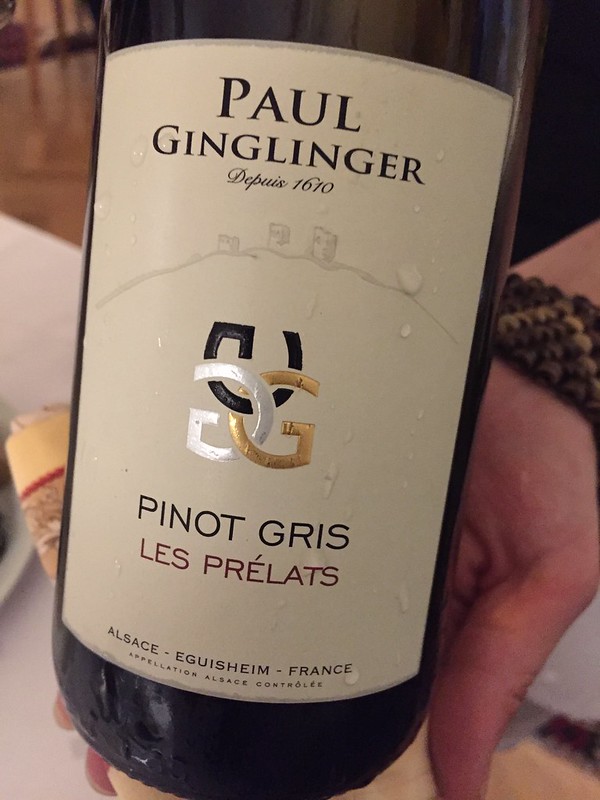
Having spent the day so far driving and eating, it was time to drive and eat some more, off to dinner at Restaurant Taverne Alsacienne, about 20 minutes south in Ingersheim, just outside Colmar (http://www.tavernealsacienne-familleguggenbuhl.com). Very comfortable, warm, white tablecloth, good service, excellent food.
The next day is Sunday, no winery visits, so we used the day to wander around, explore the towns of Ribeauvillé and Riquewihr (Rick-veer is as close as I can get). At this point in the year (early November), crowds are gone, the area is largely abandoned, and some establishments, hotels, restaurants will soon close for the winter. The Christmas fairs will bring a burst of activity in December, but right now it’s pretty dead, a bit cold, windy and wet.
Riquewihr is probably the most interesting (and touristy) town in the region. An ancient medieval walled town, the surrounding walls still stand, and there is no lack of beautiful half-timbered houses. Lots of shops, a massive Christmas store, foods, wine, restaurants, everything a good tourist needs. I wondered how the area had fared so well during WWII, given the proximity to Germany, and the fact that it was a focus of conflict between France and Germany for centuries. Here’s a short read with a focus on WWII history of the region:
Ribeauvillé - has to be, because you can’t drive into Riguewihr.
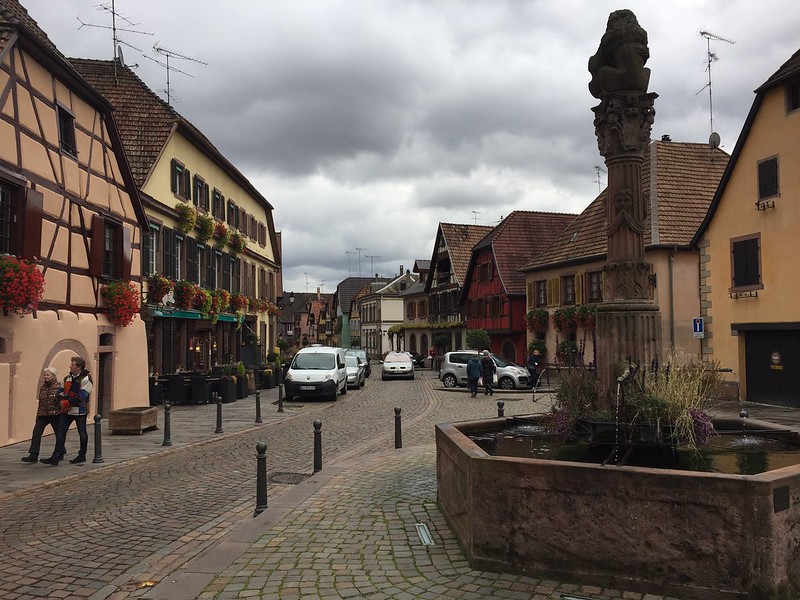
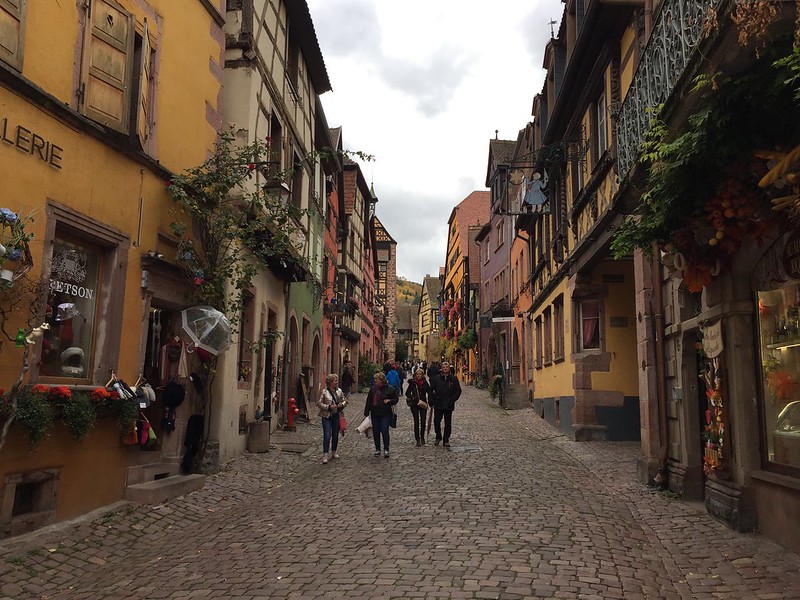
Scenes in and around Riquewihr
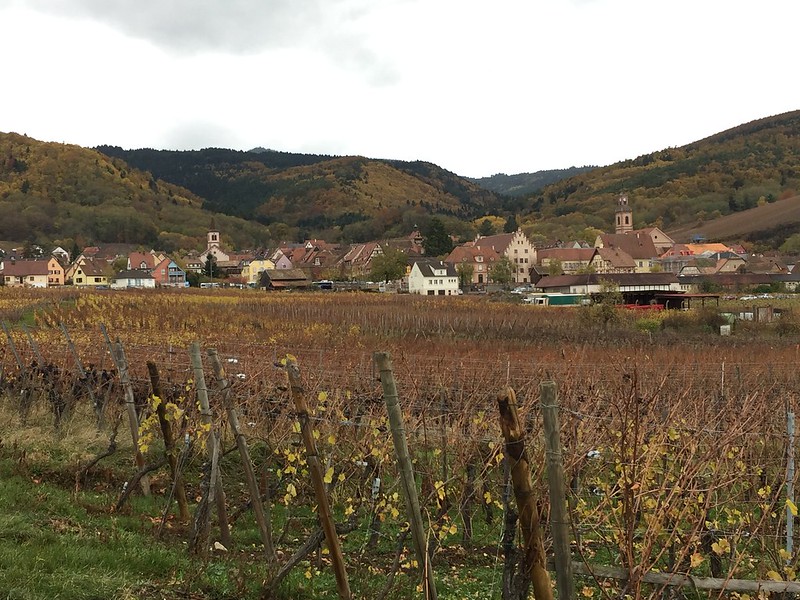
Some ancient castles up on the hill at right center
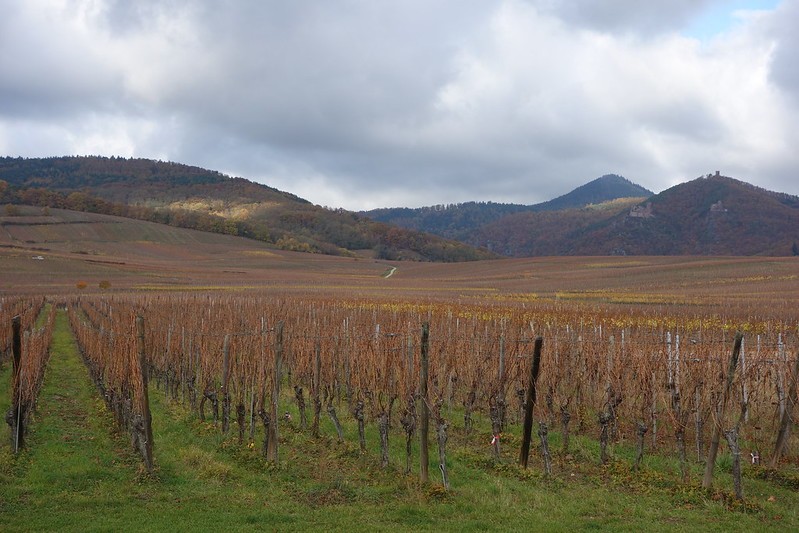
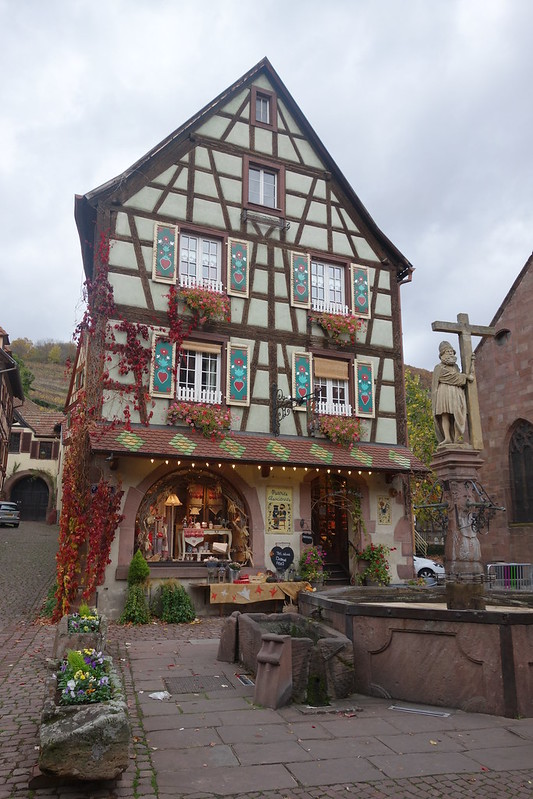
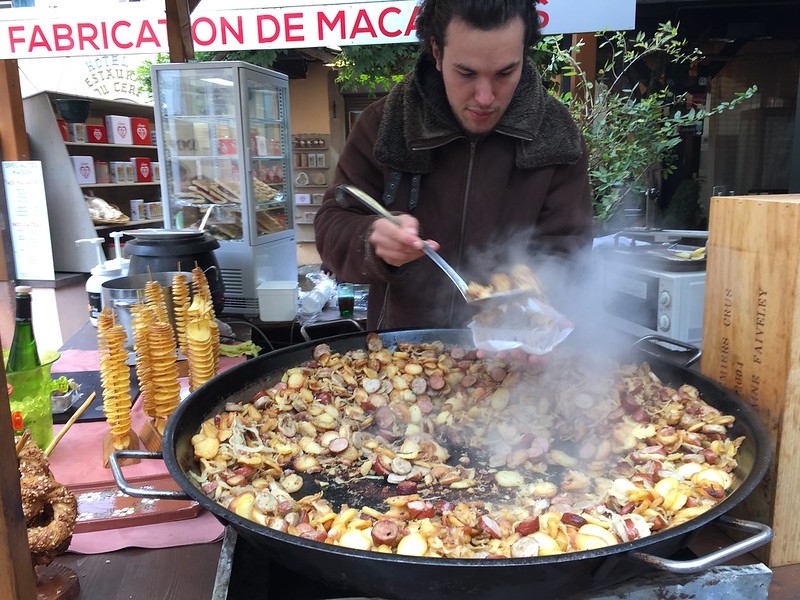
Wasn’t really lunch time yet, but couldn’t pass up this sausage/potato/onion slurry. Hit the spot on a cold day.
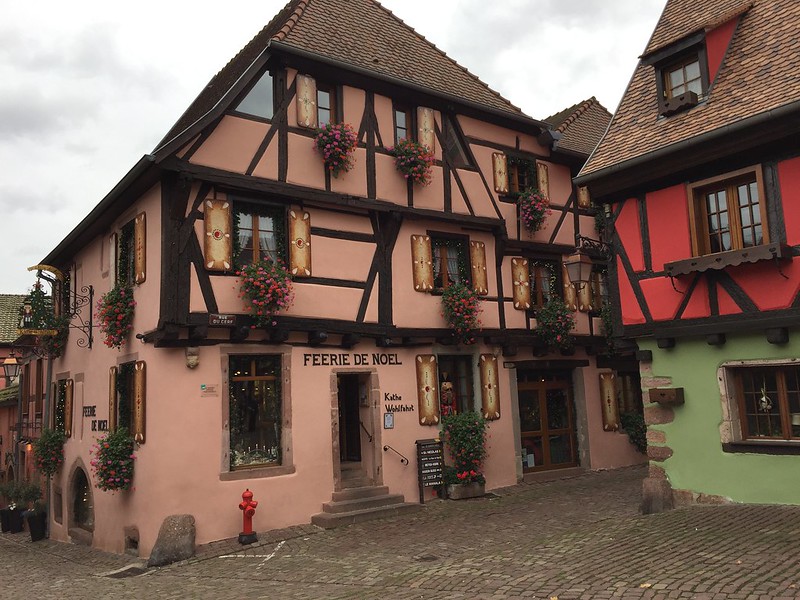
Quite a large Christmas shop
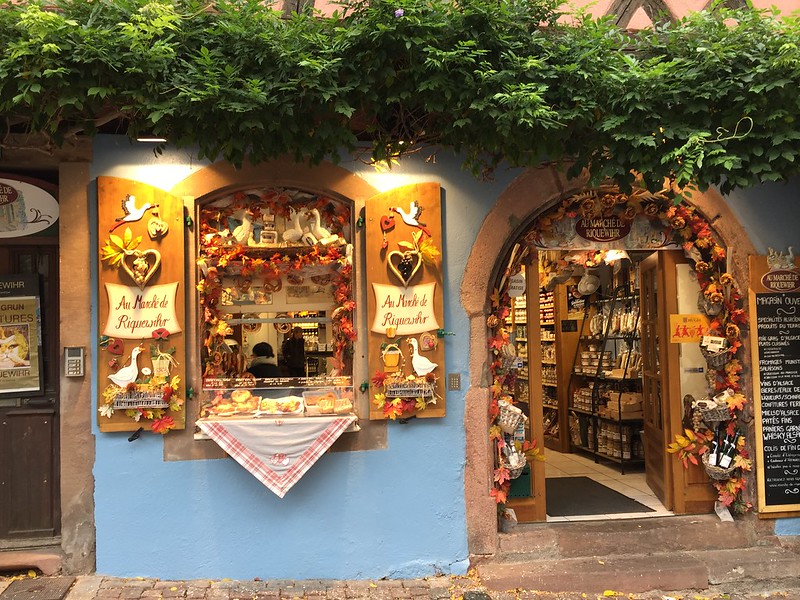
Plenty of little food and knick-knack shops
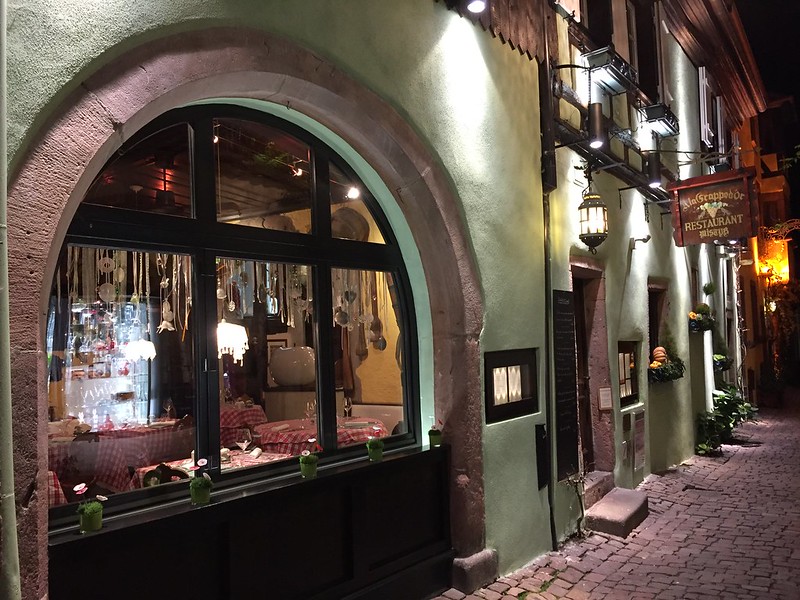
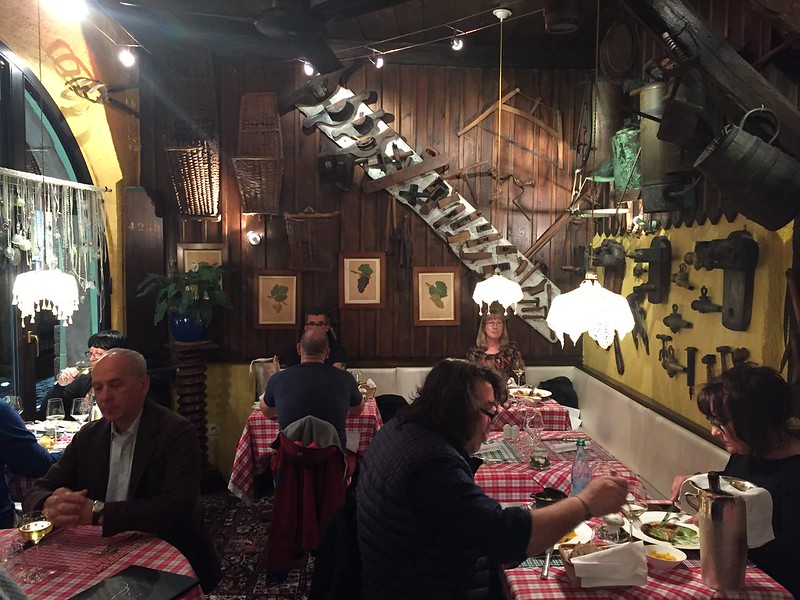
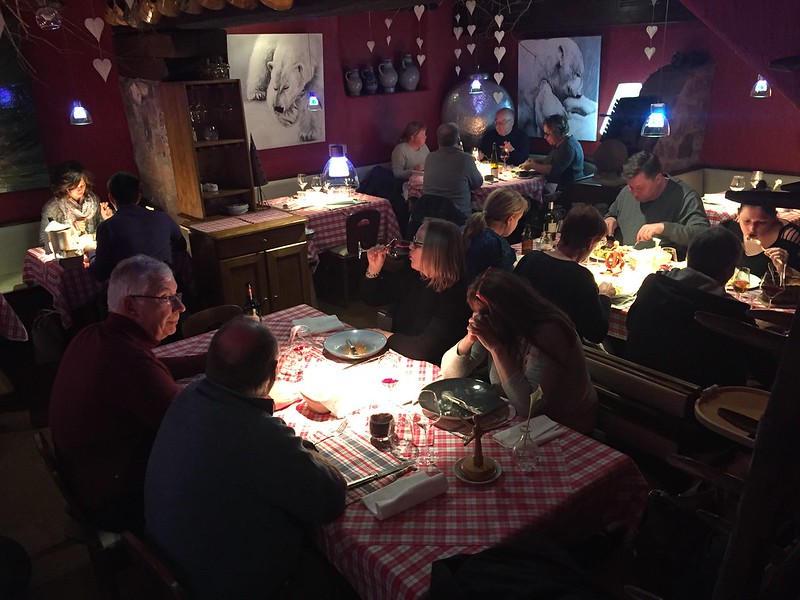
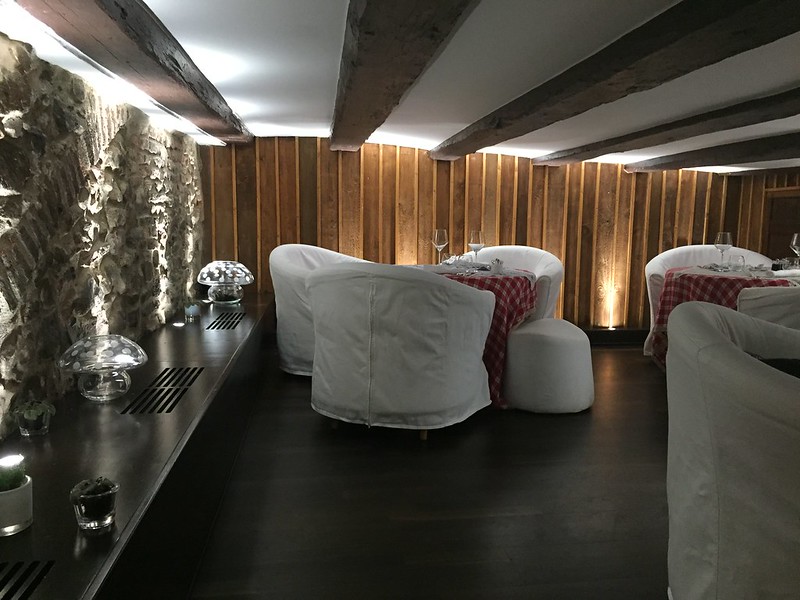
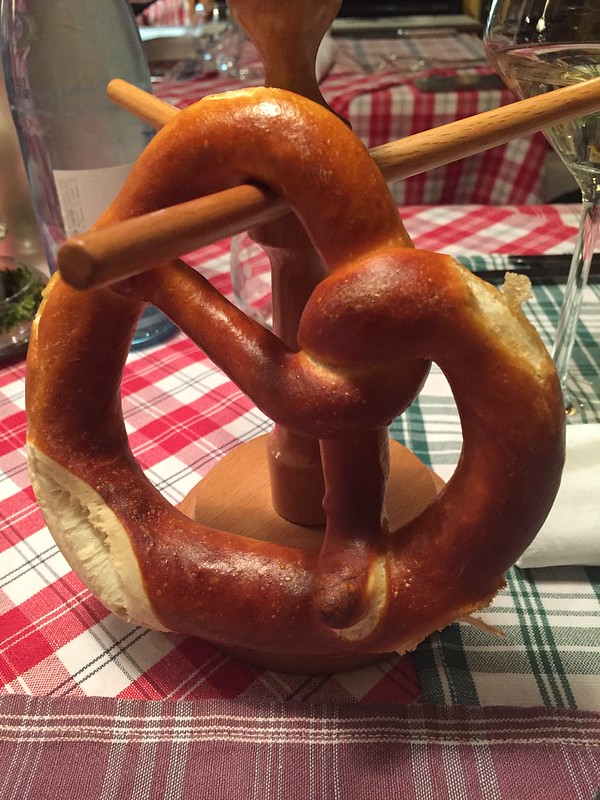
Sunday dinner was at Restaurant La Grappe d’Or in Riquewihr (http://www.restaurant-grappedor.com). Interesting split level place with three dining areas, one on the main floor, another below, and a third area upstairs with such a low ceiling I don’t think you can even stand up fully. Good, hearty, traditional local food.
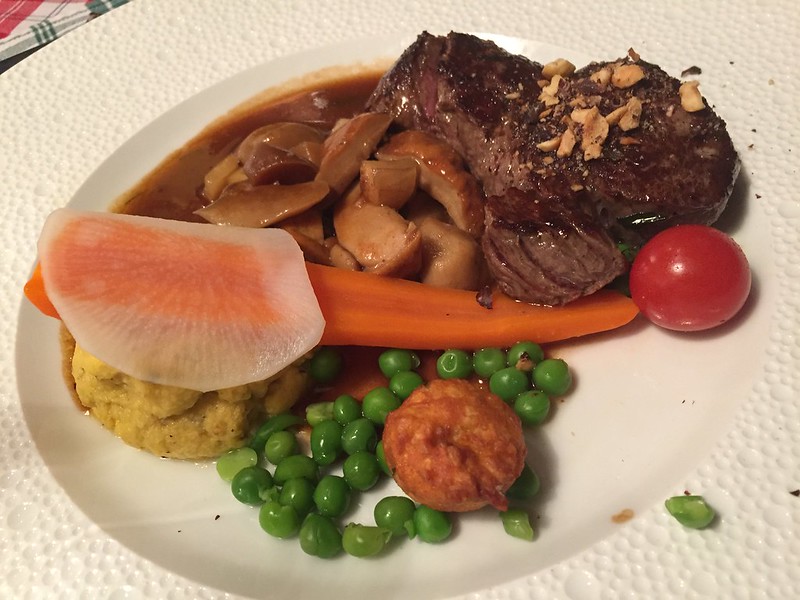
Filet de boeuf rôti, cèpes, céleri, noisettes et gratin dauphinois / Rindsfilet, steinpilz, haselnuss, kartoffel gratin / Filet of beef, mushrooms, nuts, potatoes gratin
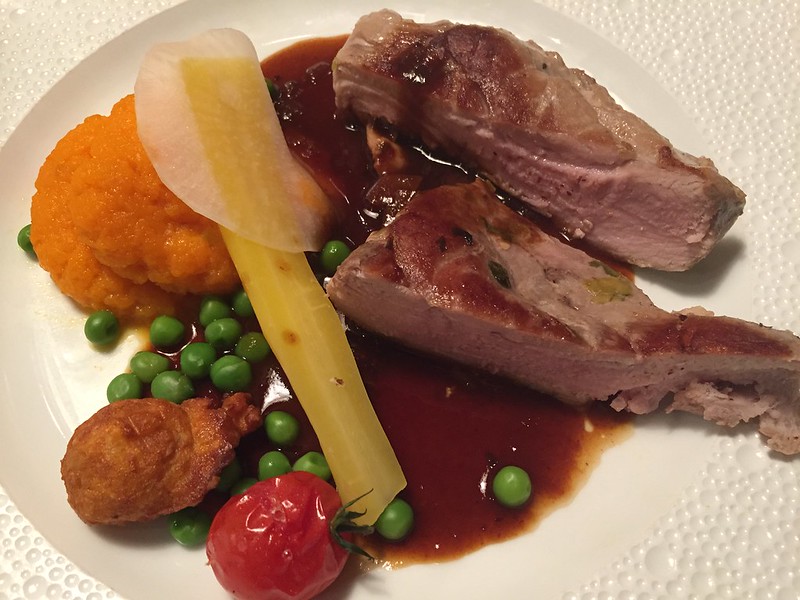
Médaillons de filet mignon de porc au citron confit, spätzles maison / Klein schweinfilets und spätzles / Tenderloin of pork with noodles
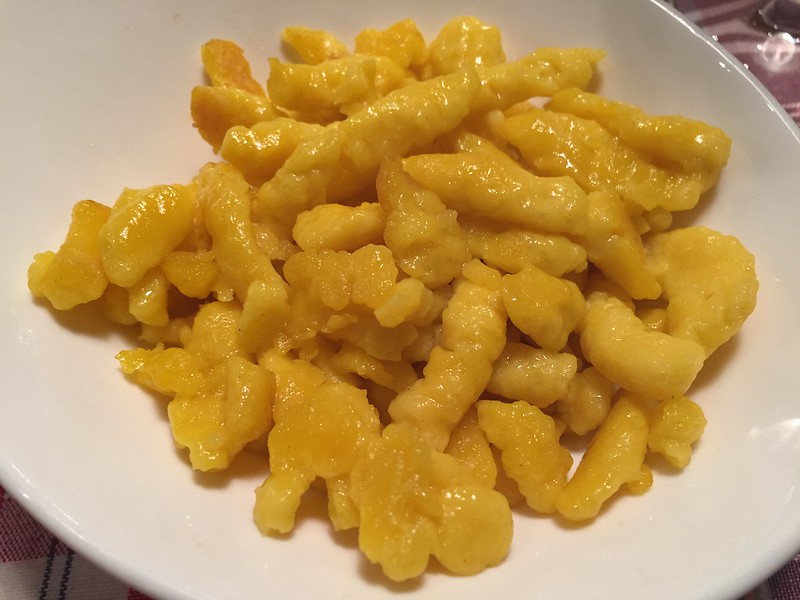
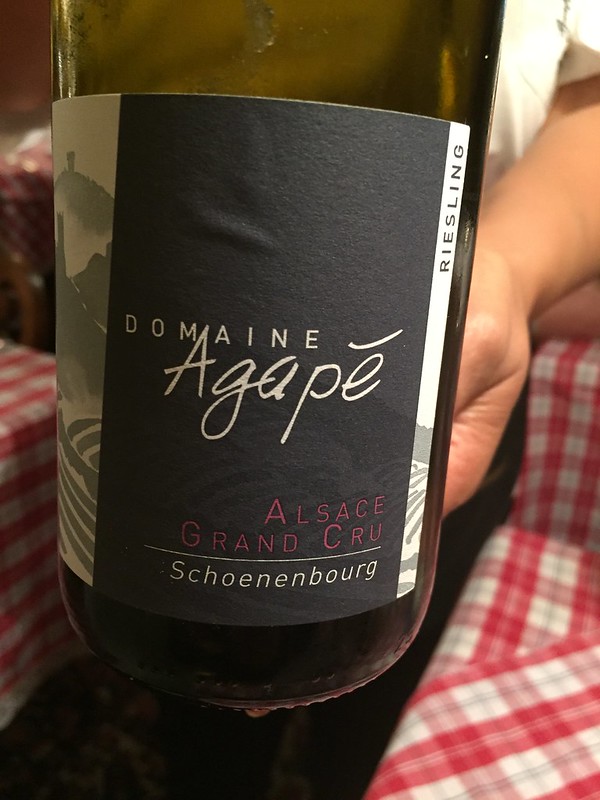
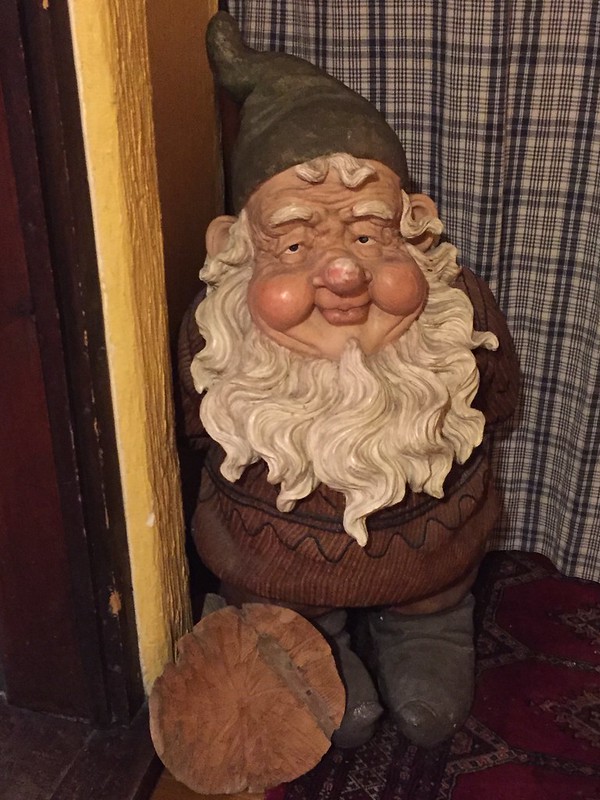
Gnome guarding the staircase
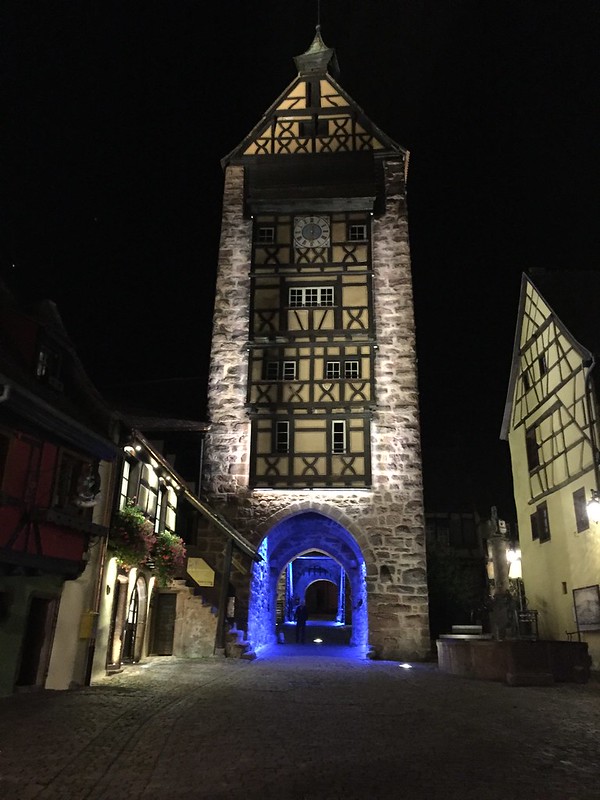
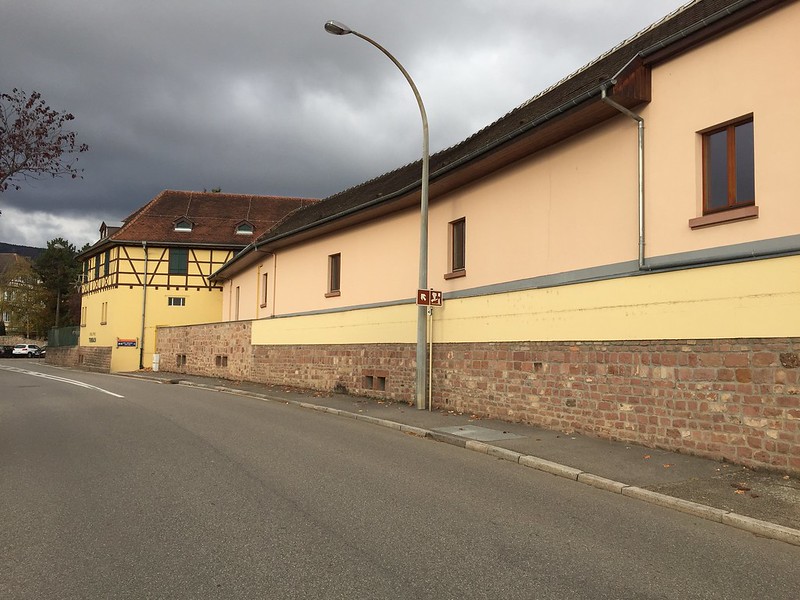
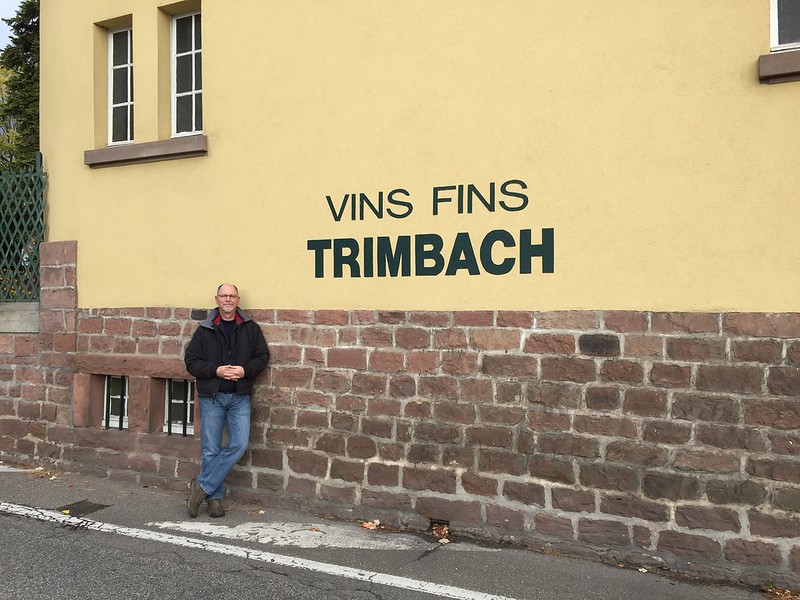
Monday, finally some wine visits! Starting with Trimbach
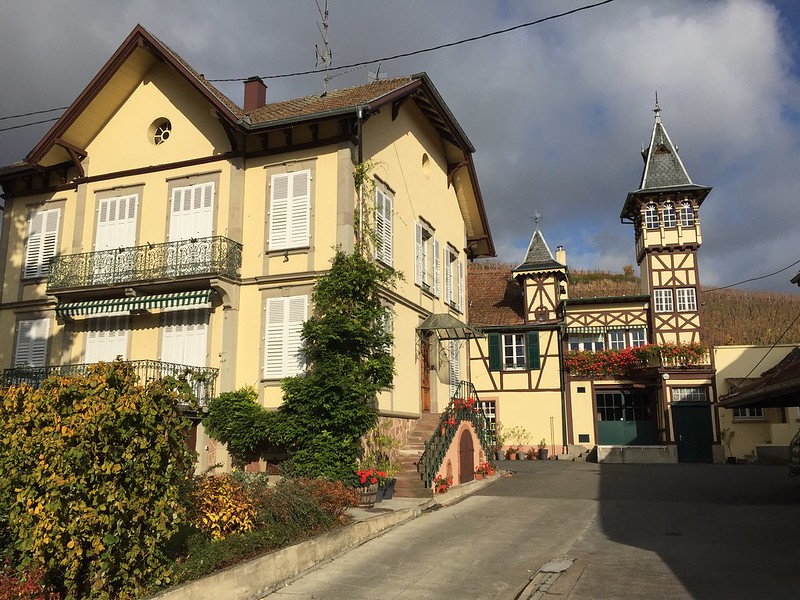
The Grand Cru vineyards from which Frederic Emile is sourced, rising behind the tower
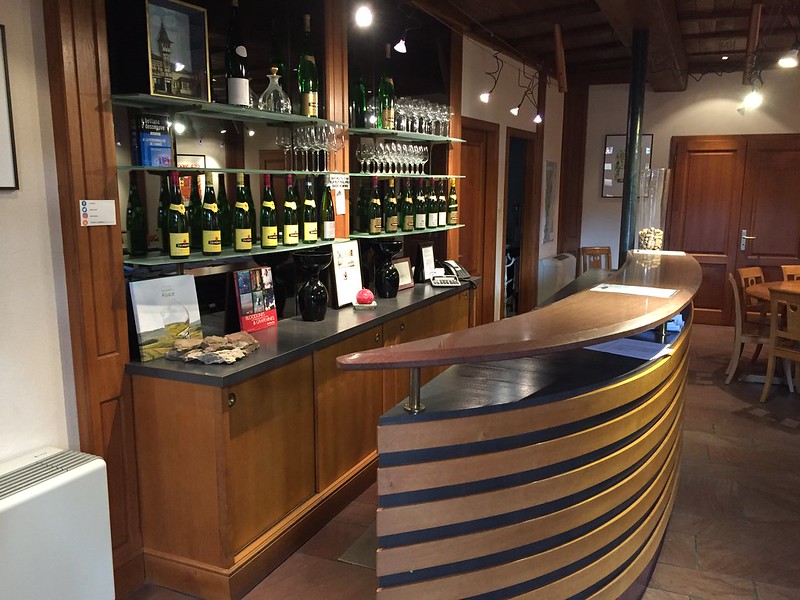
We had a somewhat abbreviated tasting, because the American sales team was in town, and wanted the tasting room to themselves. I was tempted to just go sit down with them and give them a bit of marketing feedback, lol. But we got to taste a good range of wines, and then had a nice tour of the entire facility
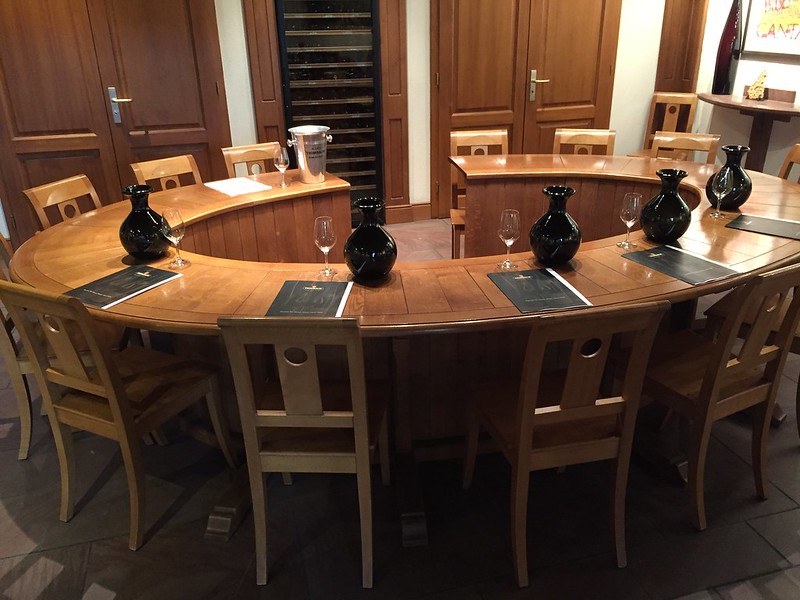
A few short notes:
2015 Muscat - very nice, nice intensity, easy drinker, but doesn’t come to the U.S.
2014 Riesling Vieilles Vignes (grey label) - very nice, a little more punch than the Frederic Emile, steely and mineral. First time I’ve seen this, not sure if it’s new, or just hasn’t been in the U.S. Wine Searcher shows earlier vintage, but 2015 looks like the first to come here.
2008 Riesling “Frédéric Emile” - good reserved fruit, tastes dry, mineral, slight deceptive tartness given the RS, not completely dry but not at all sweet. Quite nice
2007 Riesling “Frédéric Emile” - completely dry, leaner, even more mineral than the 2008, classic FE
2013 Pinot Gris Reserve Personnelle - very nice, lightly rich, good balance, softer and easy to drink
2011 Gewurztraminer Seigneurs de Ribeaupierre - nice med light depth, very correct, dry and mineral, though a bit underwhelming in comparison to the best vintages I’ve had
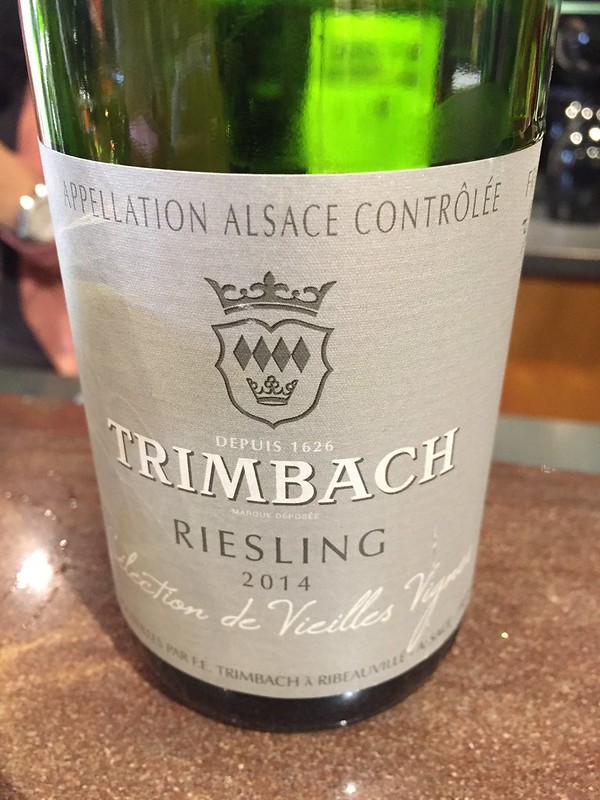
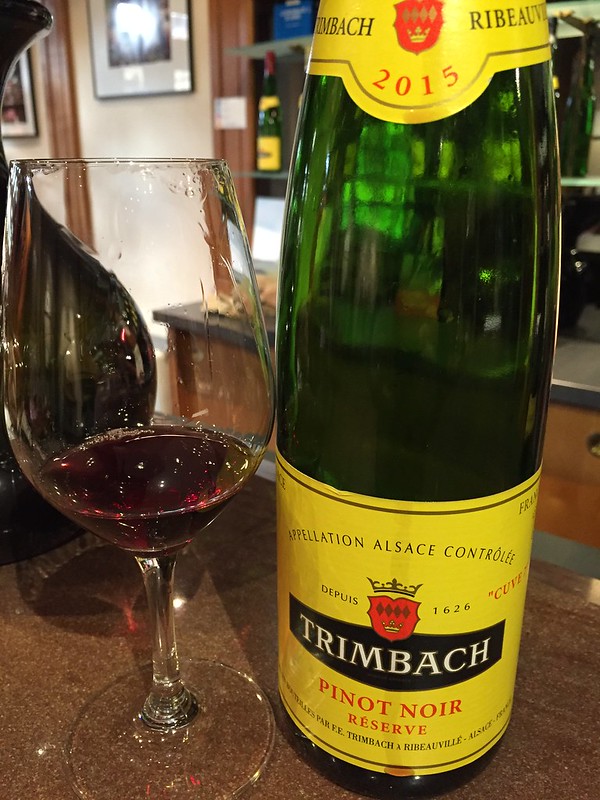
My first Alsatian Pinot, and hopefully my last…
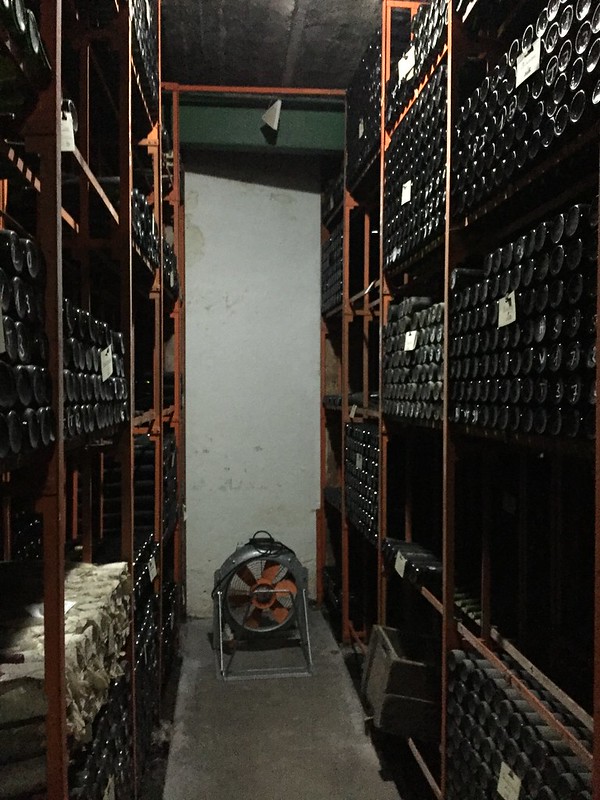
Some older library wines
There are a range of fermentation and aging casks/tanks, including wood, steel, concrete, fiberglass
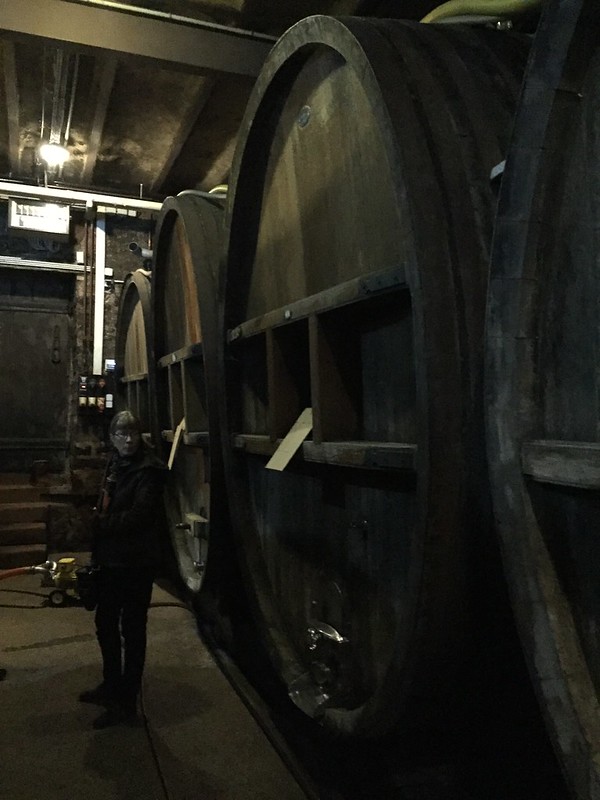
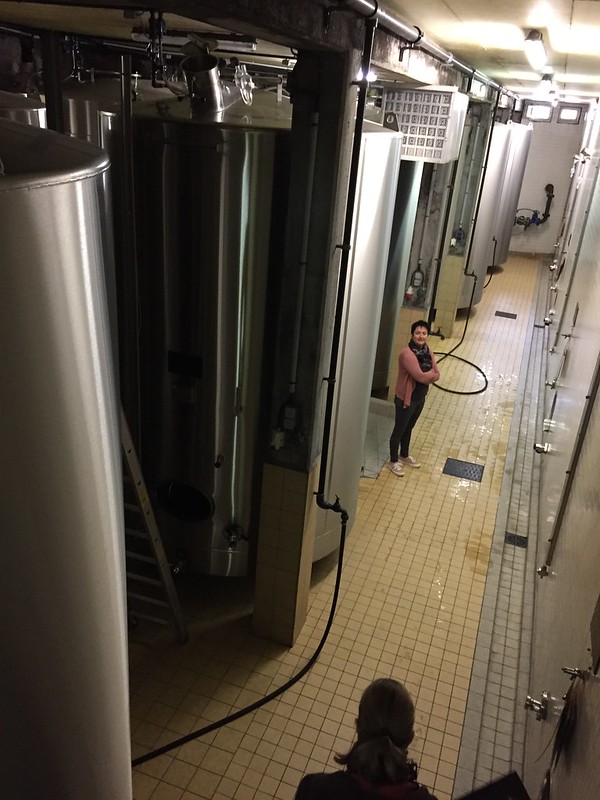
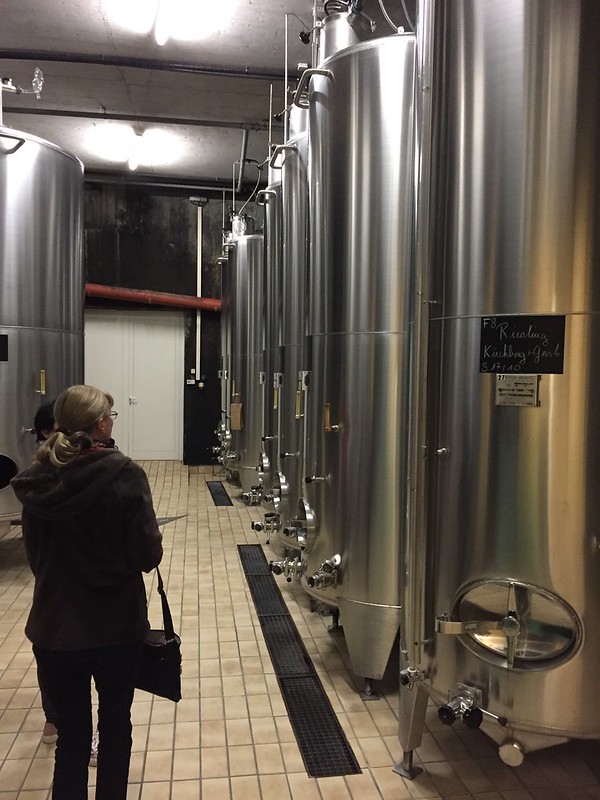
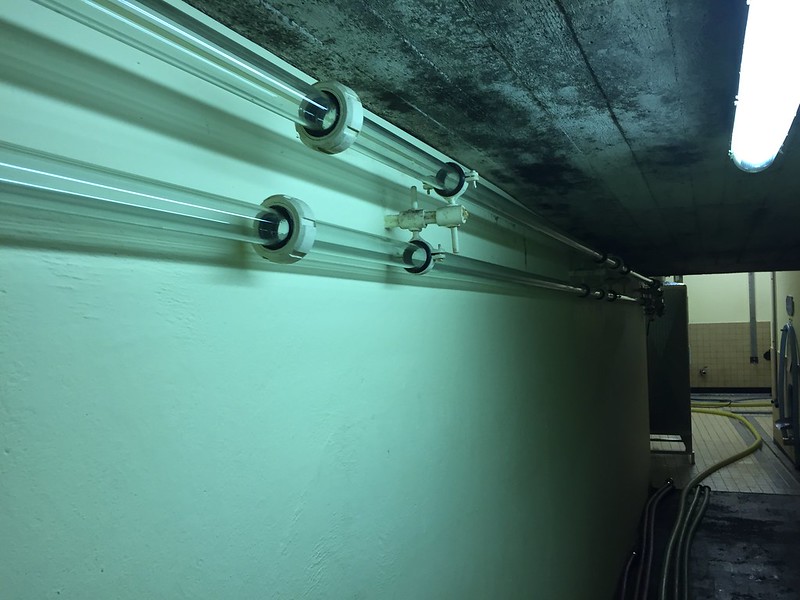
Wine is transported through these pipes, by gravity, from one area of the winery to another
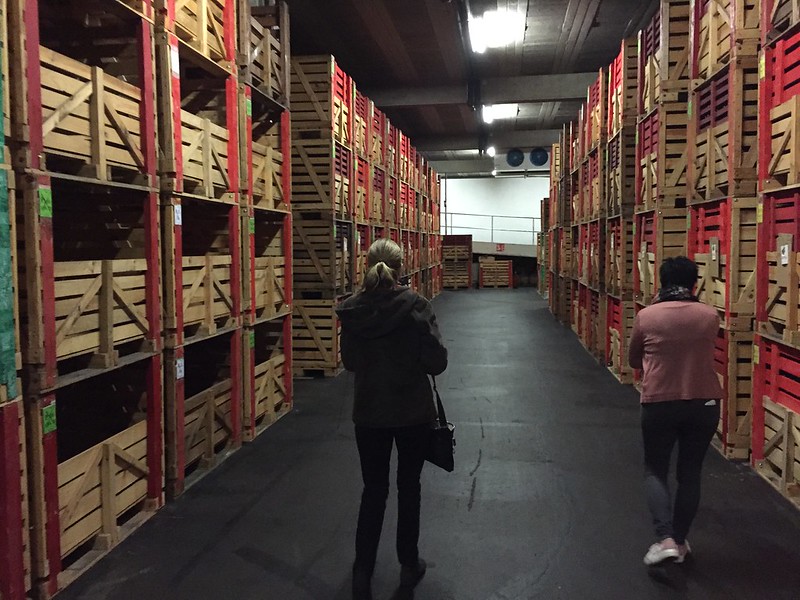
Bottle storage for yet to be released wines. Trimbach holds back its best wines several years after vintage before releasing to the market
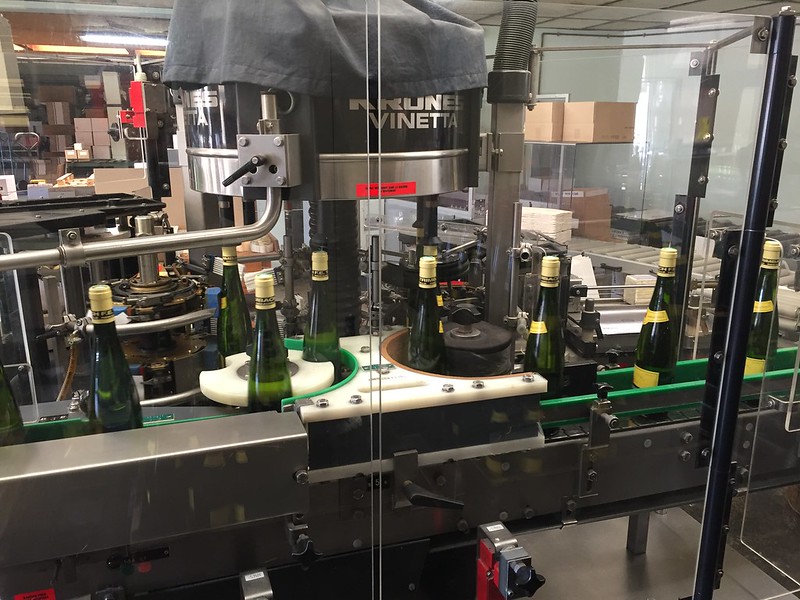
They have essentially a full time staff for bottling
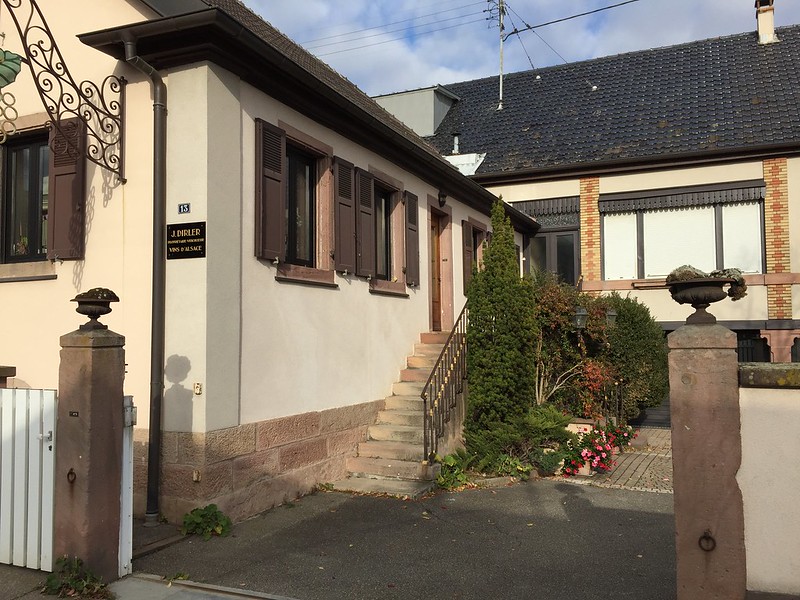
Our next visit came about serendipitously, when we happened to run into board member Robert Panzer arriving at Bouley in Volnay as we were leaving. Upon hearing we were heading next to Alsace, he offered to get us an appointment at Dirler-Cade, one of the producers he brings in to the U.S. market. Dirler is south of Colmar, in the small hamlet of Bergholtz, so a bit of a drive. But Alsace is not Los Angeles, and with no traffic there was no problem tasting at Dirler and getting back up to our 4:00 appt at Weinbach in Kaysersberg.
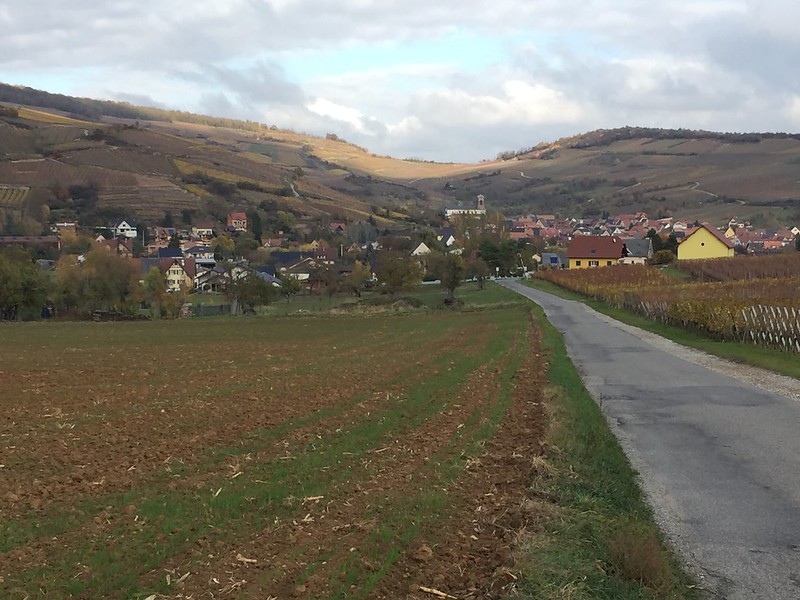
Dirler-Cade is down on the flat plain, below its vineyards. This is the nearby town of Bergholtzzell, just up the road
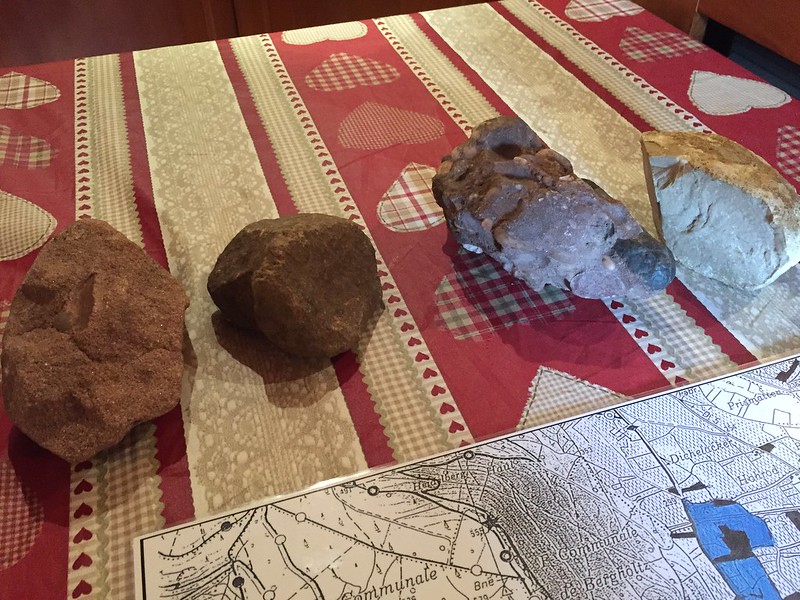
Four different types of rocks found in the various vineyards. More information here: Home - Dirler Cadé
From Wineanorak’s web site (The wines of Dirler Cade, Alsace)
“This domaine, in the far south of the region, dates back to 1871 when Jean Dirler founded it; it’s now in its fifth generation, with Jean-Pierre Dirler (4th) and his son Jean (5th) in charge. In 1998 Jean married Ludivine Cadé, and in 2000 the vineyard holdings of the two families were merged to form Dirler-Cadé. This resulted in a domaine of 18 hectares, of which 42% consists of Grand Cru vineyards: Saering, Spiegel, Kessler and Kitterlé.” Jean-Pierre hosted us, though speaking only French we used a lot of hand waving, and some google translate.
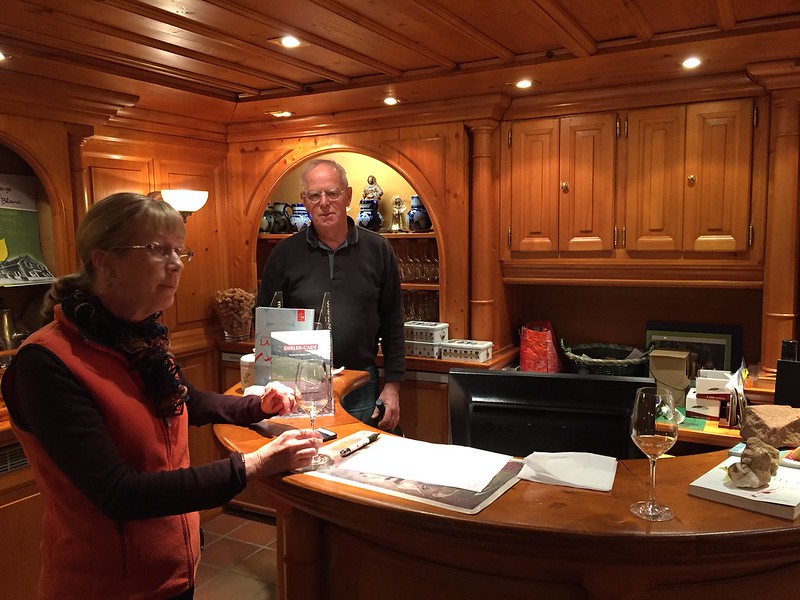
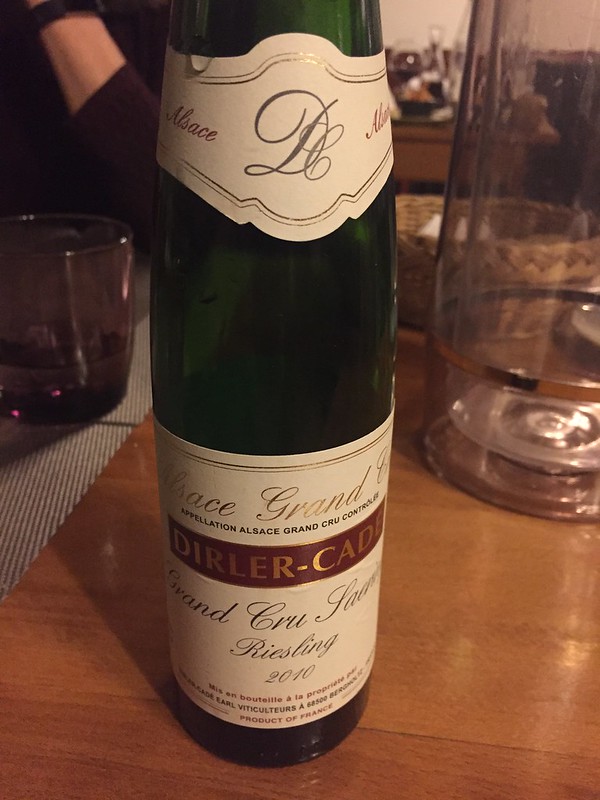
This was my first introduction to the Dirler-Cade wines. We tasted through about 20 bottles, all very nice, beautifully precise, with great balance. Preference for the Rieslings and Muscat. The Gewurz are all a bit sweet, which for me takes a bit away from the real character of that variety. Bought a few to take home, just because it’s fun to have something directly from a domaine, then bought a few more from Robert.
Last visit was to Weinbach, in Kaysersberg. If you go, here’s a tip: don’t look for “Weinbach” on any signs, look for “Faller”, which is the family name. We were hosted by Eddy Leiber-Faller, younger son of Catherine, and now the winemaker (if I understand correctly). His english is perfect, having studied in the U.S., and lived around the world. No tour, just a simple tasting of a few wines in the old parlor of the family estate.
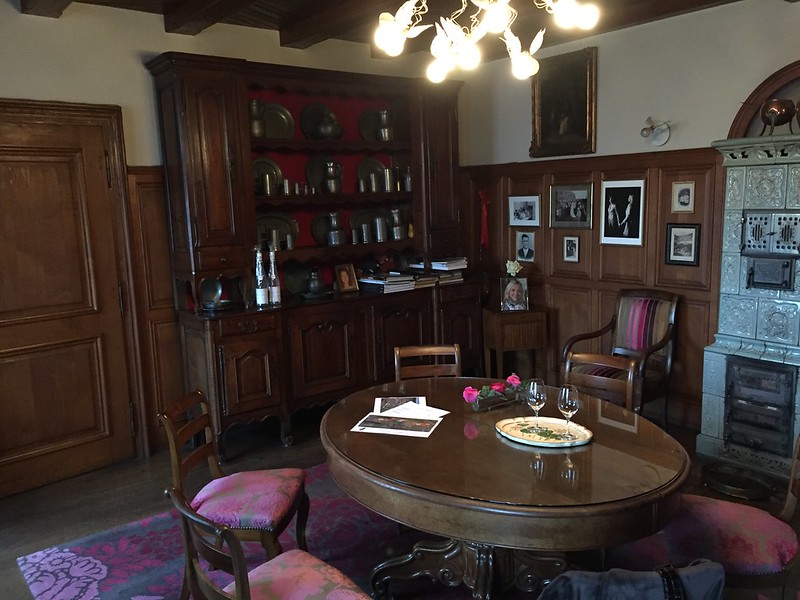
I have bought and drunk Weinbach wines for many years, though gradually moved toward drier wines from some other producers. The one Weinbach wine I almost always find most enjoyable is their Riesling “Schlossberg”, which is typically fairly dry. Most of their other bottlings have some RS, which can make them quite delicious, but not quite what my palate is looking for.
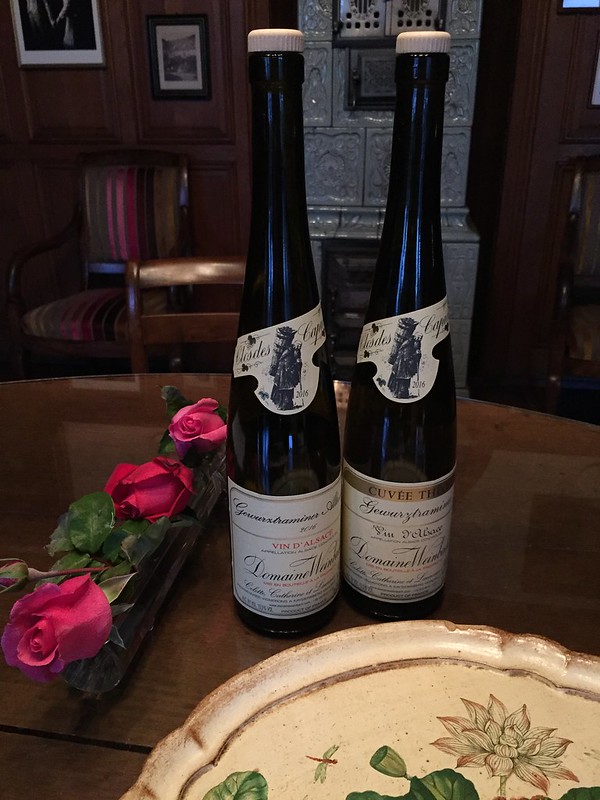
An enjoyable, though brief, visit. It’s possible during the busier summer time, there is more going on here.
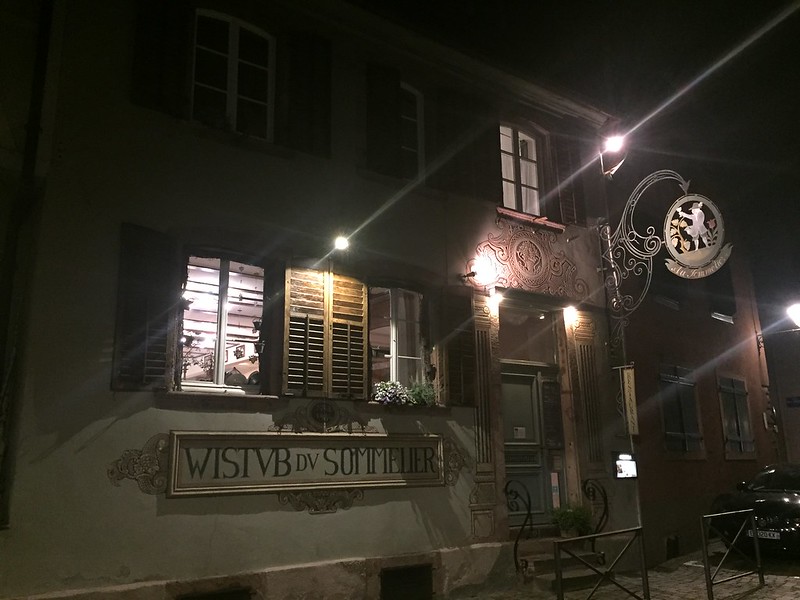
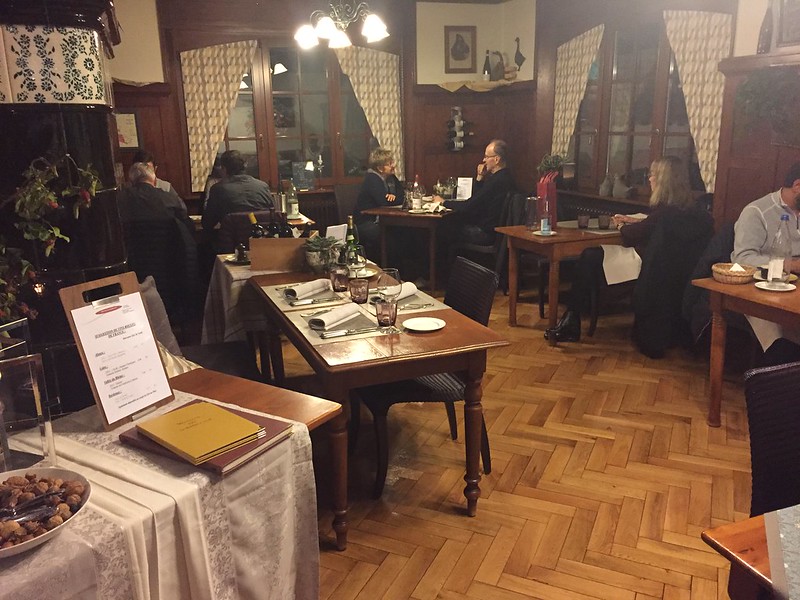
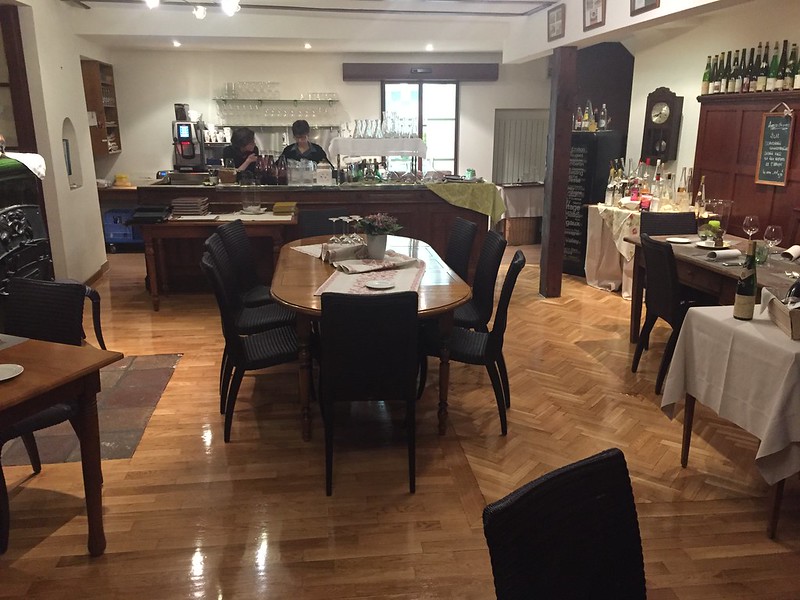
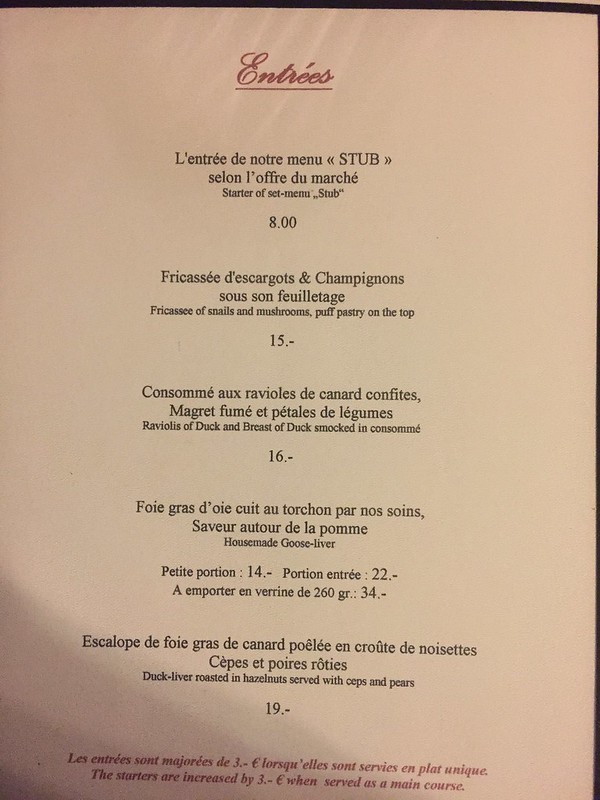
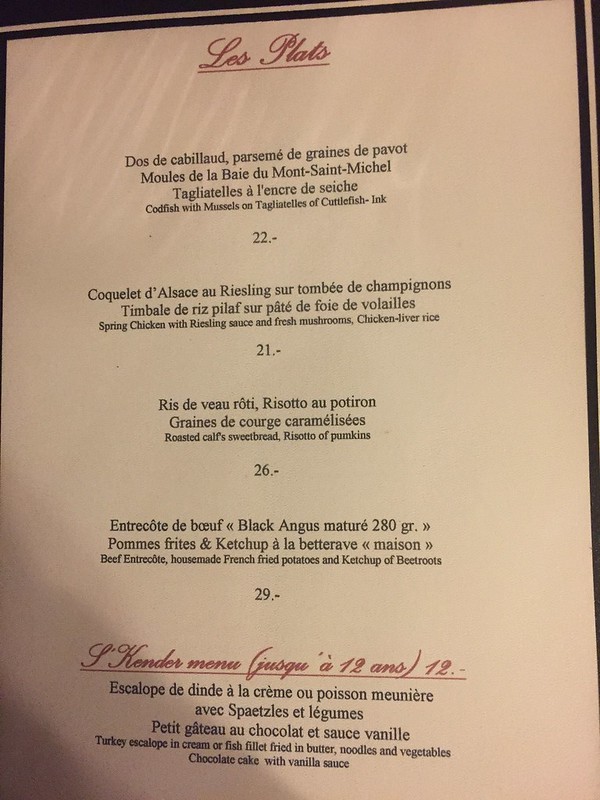
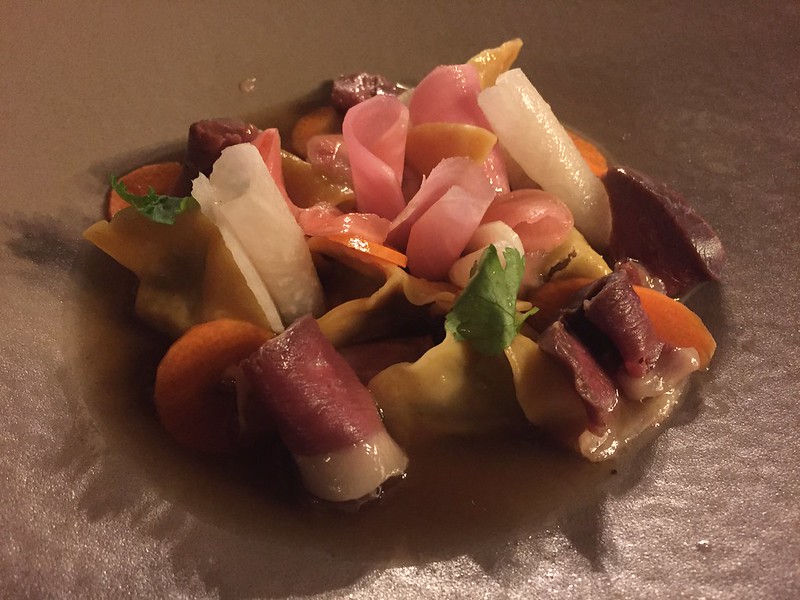
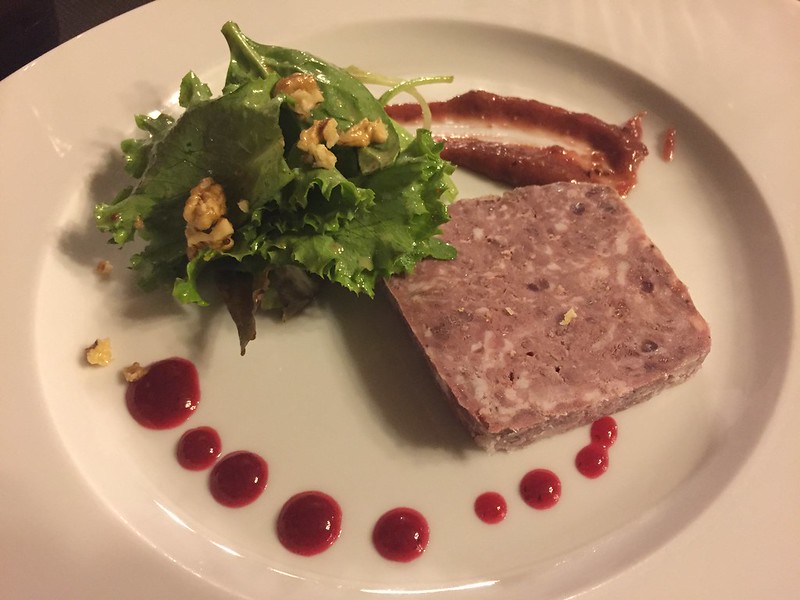
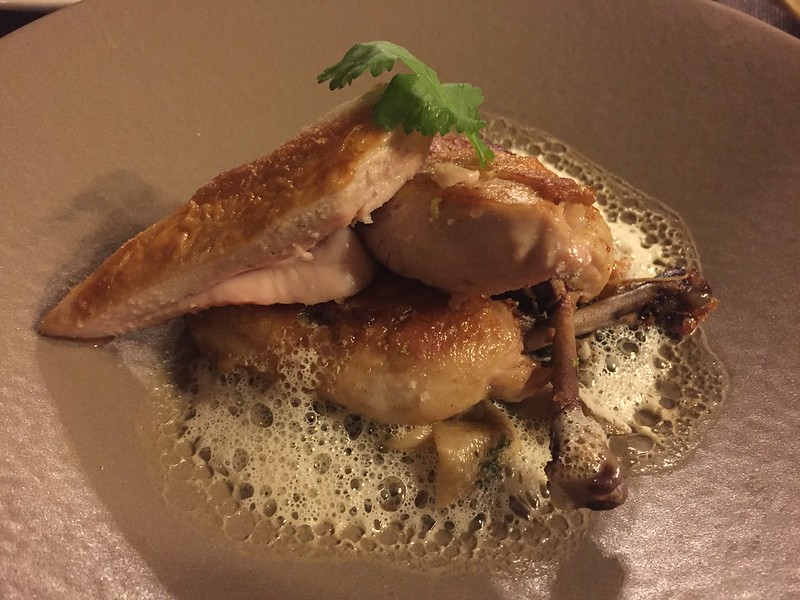
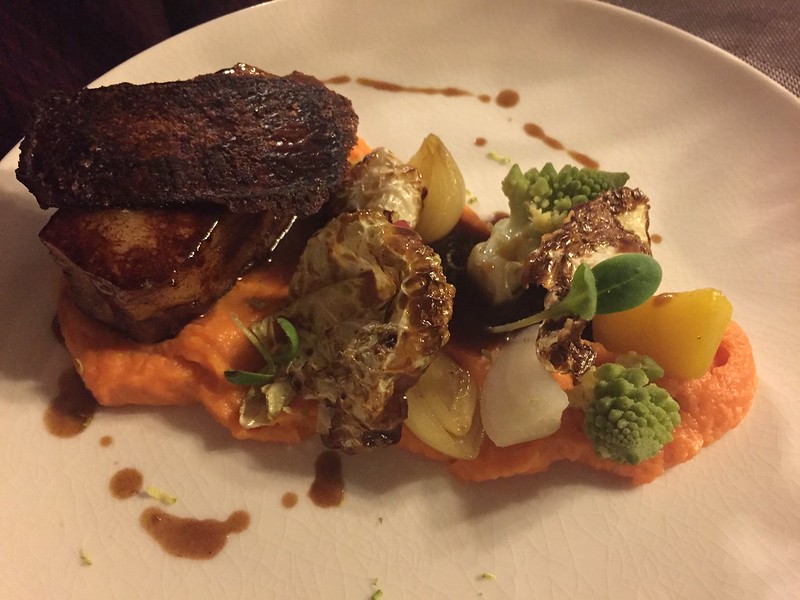
Last dinner in Alsace was at Wistub du Sommelier, in the little village of Bergheim, a mile or so north of Ribeauvillé. A lovely restaurant, with excellent regional food and wine list. Every table and place setting is unique, and perfectly laid out. Loved the experience, atmosphere, and food, highly recommended
![https://i1.wp.com/winefolly.com/wp-content/uploads/2013/07/Alsace-Wine-Map-France.png[/resizeableimage]](https://i1.wp.com/winefolly.com/wp-content/uploads/2013/07/Alsace-Wine-Map-France.png%5B/resizeableimage%5D)
Thanks for reading, a couple of Champagne producer visits next, and maybe some Paris restaurants to wrap up.