This actually suppoets my point. “Uninfluenced by personal prejudices” and “empirical” - like mositure content, fat activation, etc.
1 Like
No it doesn’t - some people, subjectively, may actually like the fat on their meat to be unactivated. There is no objective “correct” value for the moisture content of a steak or the extent to which the fat should be rendered.
It’s still not clear to me what you are arguing against. You seem to resent the fact that European growing regions developed norms for storing the wines they produced in the cellars beneath their wineries/homes? And I don’t think it’s cultural imperialism to believe that those conditions produce aged wines with nice characteristics.
But all storage has a range of temperatures/humidity. Wine geeks always debate and discuss how bottles from different cellars show. That’s the fun of the hobby!
Enough about subjectivity vs. objectivity in wine and steaks. Let’s get this thread back on safe ground. Politics maybe? 
11 Likes
Are these the bottles they used to only sell to restaurants?
Yes.
Extracted from the France/Spain travelogue:
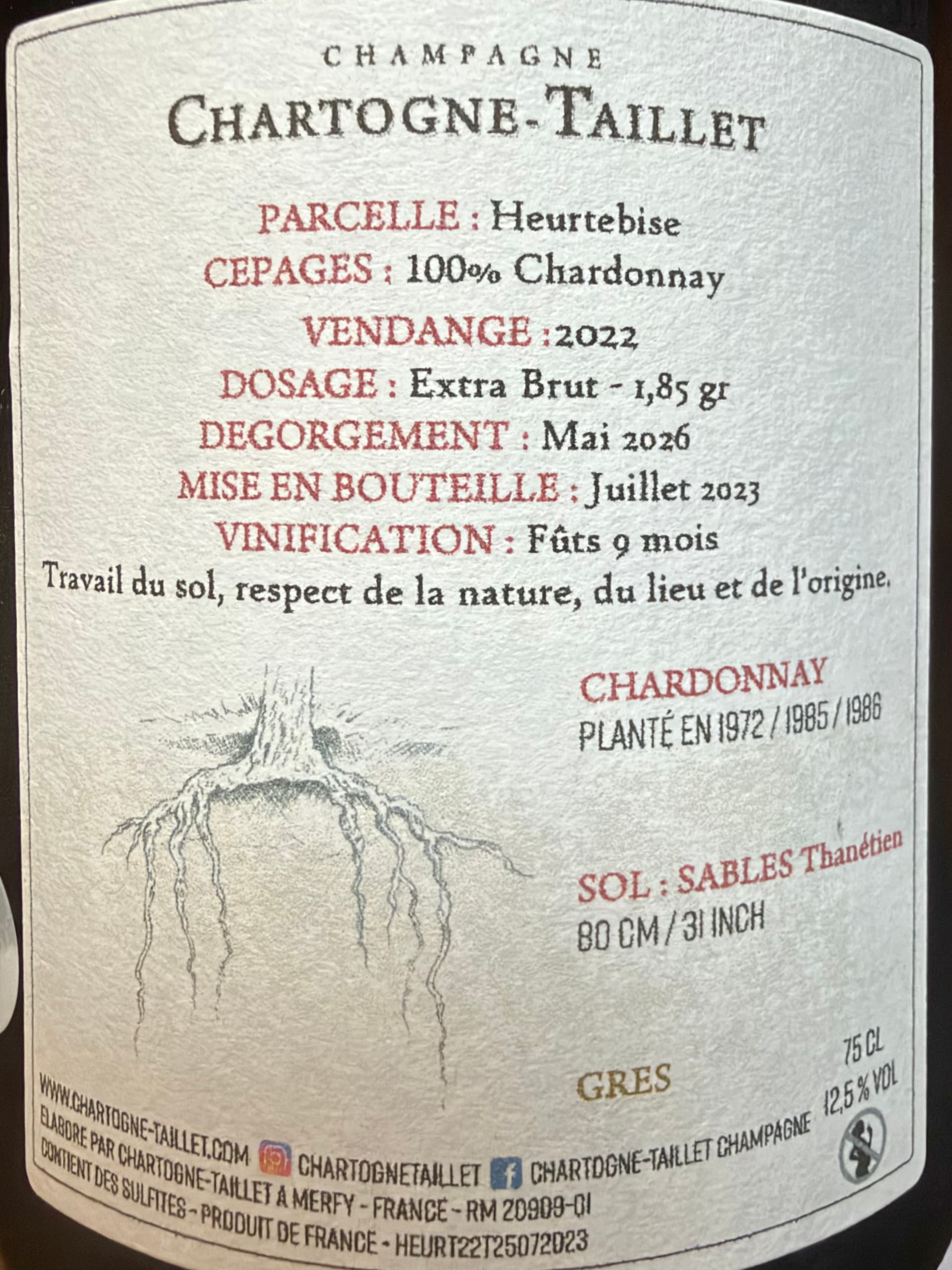
2022 Chartogne Taillet Champagne Blanc de Blancs Heurtebise
@Frank_Murray_III first cued me to this producer years ago.
Marybeth and I had a couple of glasses of this last night before walking to dinner. Her first response was, “This is really different.”
I agreed, and I loved it. It’s a huge wine, consistent with the vintage’s reputation. It’s also much sweeter than any very low dosed Extra Brut I can remember drinking. In fact, it’s one of the sweeter Champagnes I’ve had in a long time. This may be the first time I’ve ever thought, “I wonder how this would have been as Brut Nature?” That thought may occur more often as the climate continues to warm.
Dense, generous and really interesting. Heavy on the orchard fruit, especially pear and apricot, with rich brioche, some tropical fruit and orange peel. A long, long finish, with a nice mousse and enough cut to keep such a big wine energetic.
I really liked it. We’ll finish the bottle over the next day or two and see how it changes with time.


9 Likes
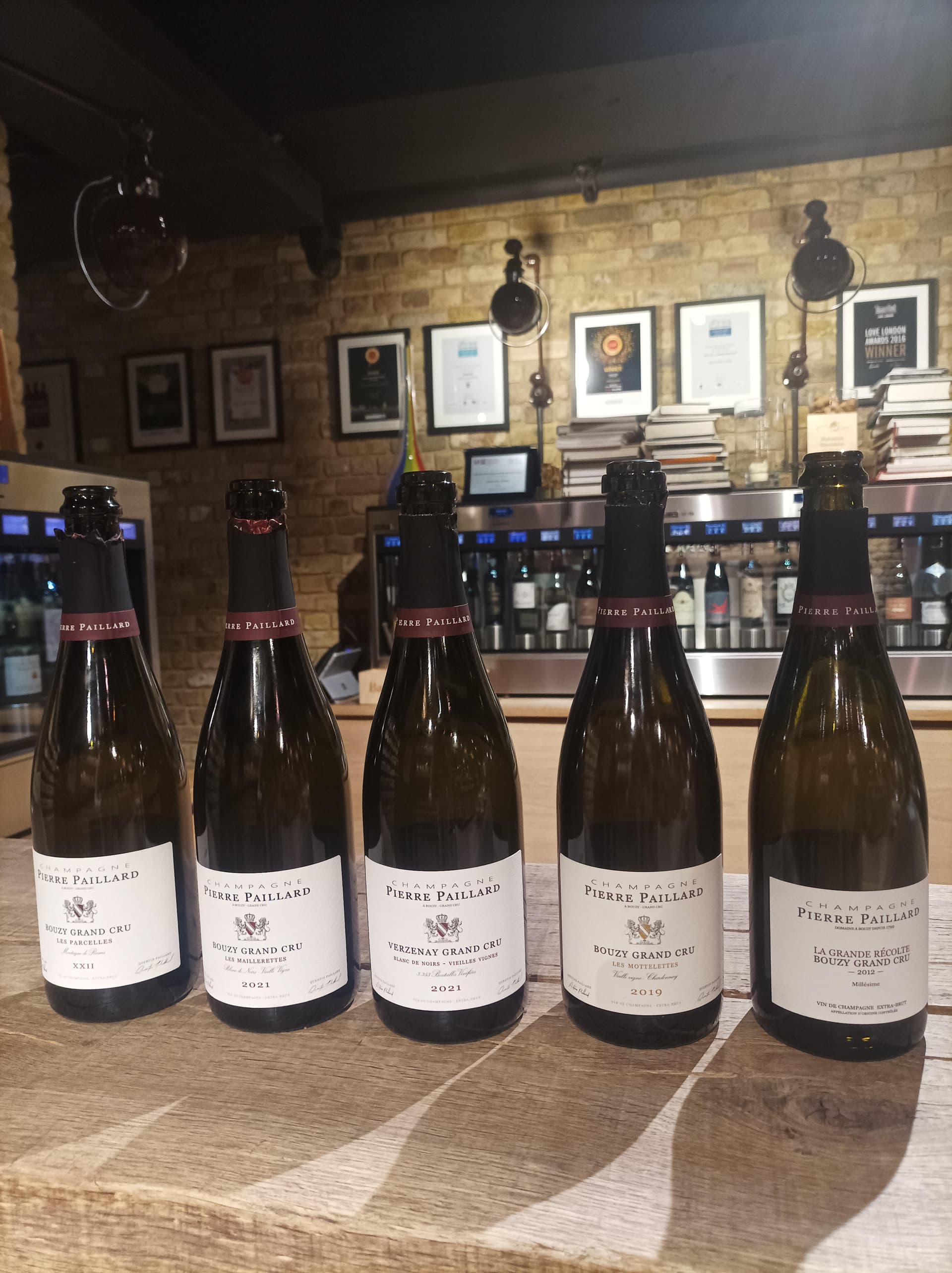
HEDONISM #3: TASTING WITH CHAMPAGNE PIERRE PAILLARD - London (06/10/2026)
Hosted by Quentin, who graciously indulged my technical hijacking.
Domaine History & Estate Profile
Bouzy Grand Cru core (south-facing, Montagne de Reims); historically famed for vins tranquilles (Coteaux Champenois) due to proximity to the Paris market. Primary focus on Blanc de Noirs.
1946: Grandfather left local coopérative and acquired independent presses.
Generational Shift: Quentin’s father crafted 45 vintages before retiring in 2018.
Estate Size: 11 ha (certified organic since 2012, despite wet Champagne conditions); core holdings in Bouzy plus parcels in Verzenay.
Cellar & Élevage
Vinification Shift: Quentin moved to oak fermentation (vs. father’s 100% stainless steel regime).
Élevage & Oak Regime: Uniform 10-month élevage across the range; 15% new oak on a 5–6 year rotation; zero bâtonnage.
Prise de Mousse & Ageing: 3 to 10+ years sur lies before disgorgement.
Terroir, Viticulture & Genetic Selection
Soils: Heavy clay topsoil over deep chalk bedrock across Bouzy and Montagne de Reims.
Sélection Massale: Historic village clone nurseries proved fragile and hard to maintain. Sourced sélection massale from two key heritage plots (Les Maillerettes and Les Mottelettes); 15% replanted in 2010 using Burgundian Pinot Fin massal stock.
Conservatoire Project: Collective of 70 vignerons champenois pooling genetic material (including non-clonal Meunier/Noir/Chardonnay massal selections) to maintain canopy luminosity and vineyard resilience.
Climate Shift & Acidity Dynamics
Acid Balance: Historically, excessive rendements yielded unwanted malic acid; ongoing climate warming is causing steady acid loss across the region.
2026 Vintage Profile: High natural ripeness reaching 12% PA. Accelerated growing season causes earlier budbreak, increasing exposure to severe spring frosts.
- NV Pierre Paillard Champagne Grand Cru Extra Brut Les Parcelles - France, Champagne, Champagne Grand Cru
2022 base | 4-year Réserve Perpétuelle | Disgorged 05/2025 | Dosage: 3 g/L | Blend of young & old vines.
Nose: Initial reduction/sulfur blow-off giving way to strawberry phosphate and strawberry cream; subtle oxidative edge, but not buttery.
Palate: Spiky acidity with a distinctly raspberry-dominant fruit core. (90 points) - 2021 Pierre Paillard Champagne Grand Cru Blanc de Noirs Extra Brut Les Maillerettes - France, Champagne, Champagne Grand Cru
Bouzy | Single-vineyard sélection massale plot | 50–70yo vines | South-facing, heavy clay topsoil | Dosage: 3 g/L | Aged sur latte under bouchon liège.
Nose: Oak-derived vanilla, chalk, wild raspberry, with an initial fungal/vegetal wildness; subtle, diffused autolysis.
Palate: Spiky acidity buffered by rich generous red fruit; acidity manifests as "citric skin"—slightly perceptibly more tamed than Verzenay due to fruit weight, though structurally just as high. (94 points) - 2021 Pierre Paillard Champagne Grand Cru Extra Brut Verzenay - France, Champagne, Champagne Grand Cru
100% Pinot Noir (NE-facing) | 50–70yo vines | Thinner topsoil, lean clay | Dosage: 3 g/L | Aged under natural cork (bouchon liège), requiring manual disgorgement (dégorgement à la main). Note: Cork insertion angle drives subtle bottle variation.
Nose & Palate: Oak is most pronounced here due to an austere nose. Leaner, less ripe, slightly astringent fruit, yet packs equal underlying power. Laser-focused precision.
Questioned using identical vinification for cool, NE-facing Verzenay vs. warm, south-facing Bouzy. Quentin answers that oak doesn't alter core terroir mechanics—it provides structural scaffolding ("buttresses") that allows Verzenay's severe focus to soften gracefully over time. (90 points)
- 2012 Pierre Paillard Champagne Grand Cru La Grande Récolte - France, Champagne, Champagne Grand Cru
Bouzy | 50% Pinot Noir, 50% Chardonnay | ~40yo plots | 10 years sur lies | 100% stainless steel, zero oak (crafted by father, Benoît Paillard).
Nose: Deeply autolytic, flattened primary fruit (consistent with tasting last Dec). Feels to have shut down here more so than last December.
Palate: Acidity has sharpened into a ruler-straight, razor-bright spine—the defining structural feature. Characterized by a distinctive "coppery" acidity rather than cold steel. (93 points) - 2019 Pierre Paillard Champagne Grand Cru Blanc de Blancs Les Mottelettes - France, Champagne, Champagne Grand Cru
Bouzy | 100% Chardonnay | Dosage: 3 g/L | South-facing plot with thinner clay than the Pinot sites | Warmer, broader 2019 vintage
Nose: Delicate terroir aromatics; lightly oak-spiced, yeasty, and chalk-driven.
Palate: Unusually red-fruited on the palate for Chardonnay (Bouzy signature vs. Côte des Blancs); acidity feels less fruit-driven and more "inorganic" / mineral. (92 points)
7 Likes
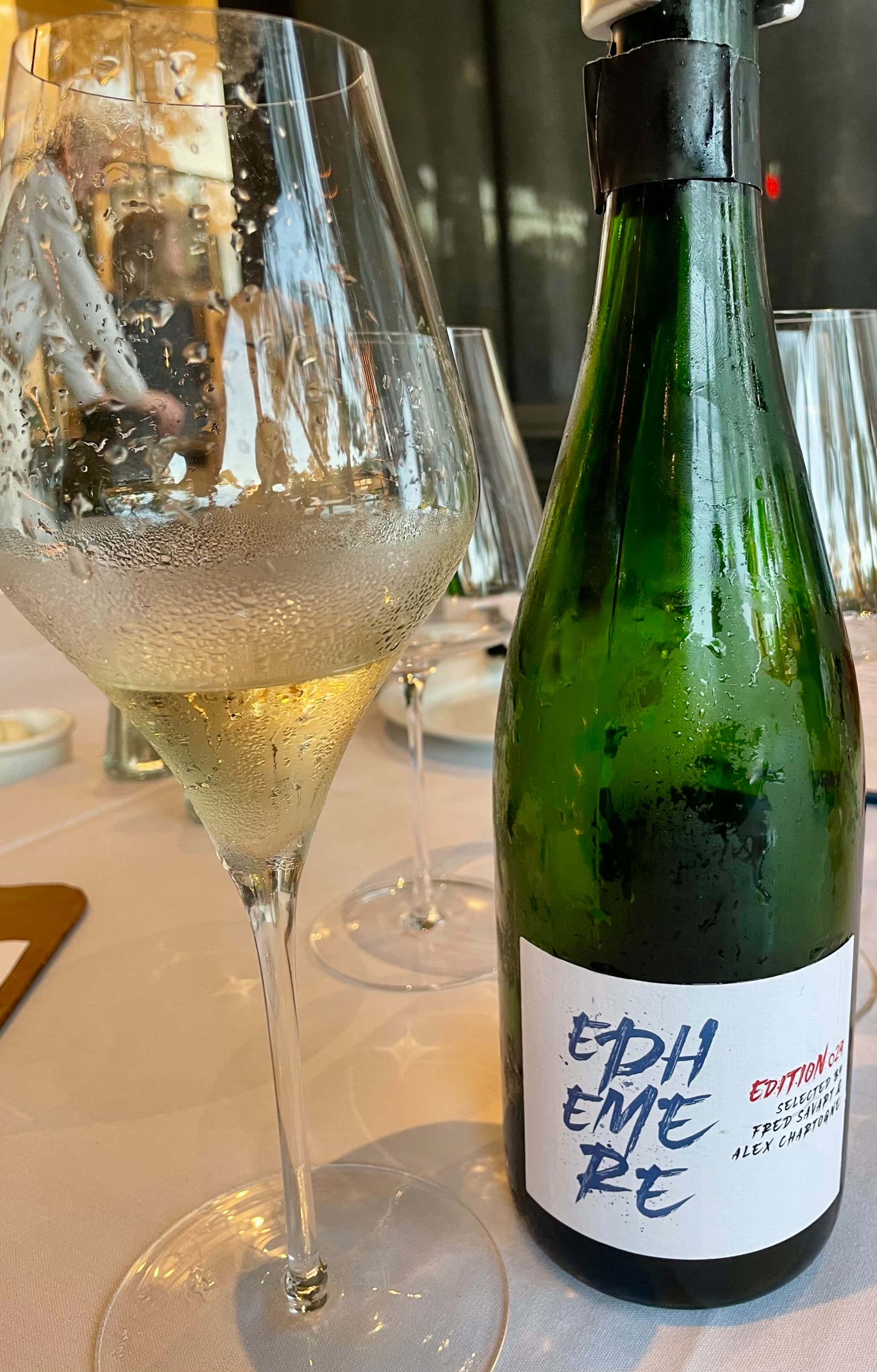
Extracted from a thread just posted: 3 wines drank blind at dinner: NV Savart & Chartogne Ephemere 029, 2018 Girolamo Russo Feudo Etna Rosso, 2000 La Mission Haut-Brion
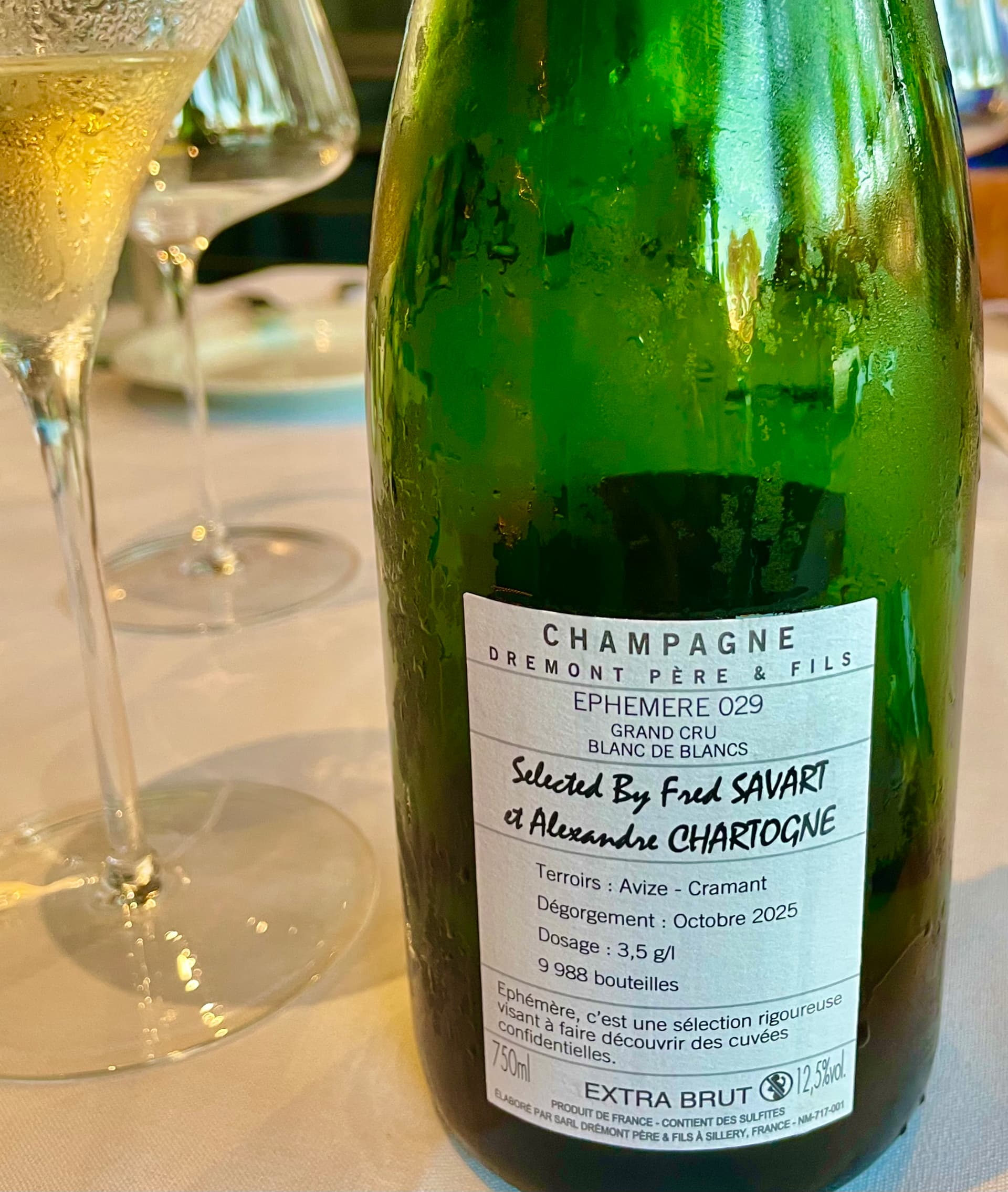
NV SAVART & CHARTOGNE EPHEMERE 029 GRAND CRU EXTRA BRUT- when poured, it had a huge frothy effervescence; the color was a very light yellow and the nose was equally as bland with little if anything being expressed initially, but after 10 minutes or so, it started to open up just a bit to allow some lemon and lime to come in; additionally, I got some grassy, hay, honey and mineral notes that translated into lemon grass, honey dew lemon and honeysuckle; it remained quite subdued for a long time and yet had enough charm and integrity to suggest staying with it and eventually it all came together and offered a pleasant experience; it was quite tangy sporting bright acidity that initially felt like little explosions on the palate and I had the image of firecracker wands going off inside my mouth until that dissipated and the smoke was coming out of my ears.
“Released to celebrate the project’s seventh year, Éphémère 029 is a joint effort between Frédéric Savart and Alexandre Chartogne. The wine brings together two distinct approaches, pairing Savart’s focused, high-energy style with the broader, more textural character typical of Chartogne. Drawn entirely from Grand Cru Chardonnay from Avize and Cramant , it was produced in a small run of just under 10,000 bottles, based on the 2022 vintage. Finished with 3.5 g/L dosage.”
Cheers,
Blake
2 Likes
This evening another of the entry-level/estate wines from Wiston, several of whose bottles I have mentioned here previously. Again, more evidence that England can hold its own these days - apologies for the non-champagne.
- NV Wiston Estate Winery Blanc de Blancs - United Kingdom, England, Sussex, West Sussex (09/10/2026)
From the producer website 3-4 years on less, with 20-30% from reserves going back to 2009. Disgorged 21/05/2024; 9g/l. Which I guess makes it a 2019 or 2020 base.
The nose is toasty, with some air almost marmite-y, and a some hints of white stone fruit and flowers.
On the palate, quite rounded, with more of those white stone fruits, and flowers; well-balanced with enough acidity countering the richness from the dosage. The finish is quite long with the toasty notes returning.
Overall, this is at the top end of my preferred dosage/roundness, but it's an excellent wine, working well, while well-chilled, with some canapés this evening. (90 points)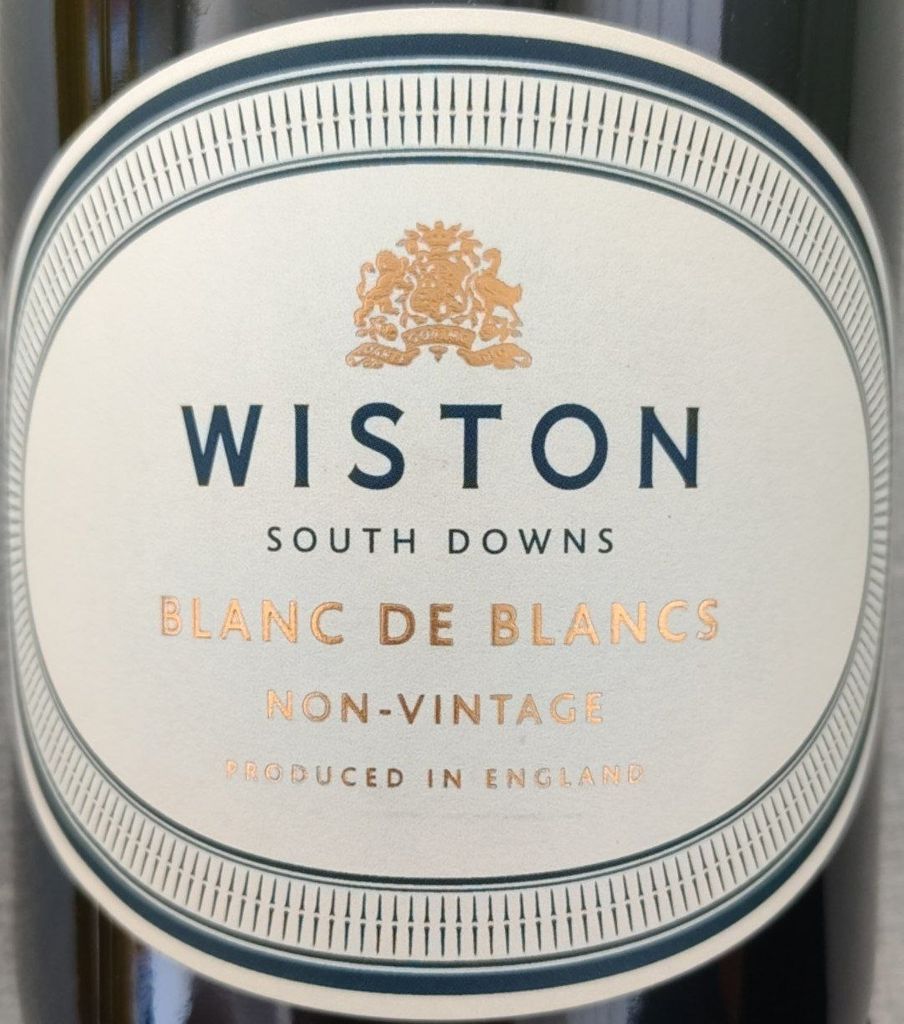
2 Likes
I remember watching The Mickey Mouse Club with our 3 yr old back in the day. They had an episode on art, and at several points Mickey says, “Remember, there’s no right or wrong in art.” I replied to the screen, “Perhaps, but there is good and bad.”
An old man shouting at clouds even then…
2 Likes
NV Louis Roederer Champagne Collection 244 - France, Champagne (8/9/2026)
– popped and poured –
– tasted non-blind over a couple years –
– 41% Chardonnay, 33% Pinot Noir, 26% Pinot Meunier –
– base is 2019 (54%) with remaining 36% being reserves back to 2012; 10% of the reserves are aged in oak –
– dosage: 7 g/L –
Lovely. A bit more lean than the typical Big House style, but it’s not austere. This has relaxed over the last couple years; it’s drinking well now, but still with room for further improvement. Not yet showing as overtly aged.
3 Likes
This wine has been much commented on previously here, but this is perhaps a more recent disgorgement than those, and it went down very nicely this evening.
- NV Françoise Bedel Champagne Entre Ciel et Terre - France, Champagne (10/10/2026)
65/25/10 M/C/PN. Majority of the wine from 2018, plus reserves. 5 years sur lies. Disgorged October 2024, dosage "Extra Brut".
As often the case, this benefits from maybe 15 minutes air to lose some rough edges. Then it is very nice indeed.
Fresh, minerally nose, with a hint of honey. The palate has some citrus, a little bruised apple, unsweet honey, some slightly chalky minerality. It finishes on a slightly (pleasantly) bitter (grapefruit?) note, with some light drying tannins which make it very more-ish.
With more air the wine gets more and more elegant, in the sense that it becomes lighter feeling, offering more complexity on the palate, and also lingering pleasantly a little more on the finish.
Overall this is an excellent wine, working well as an aperitif. At the ~US$64 that I paid this is a repeat buy. (92 points)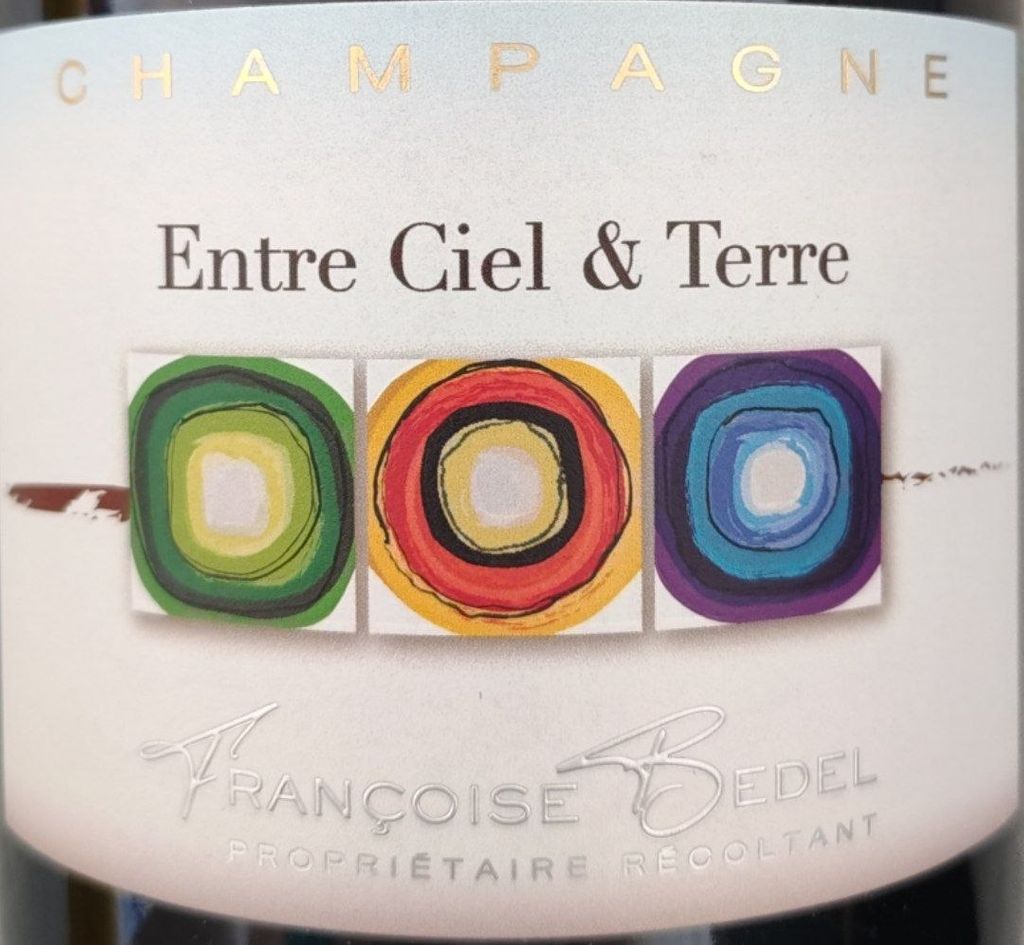
1 Like
Hi Paul,
I just picked up her 2008 Françoise Bedel L’Âme de la Terre. It was reasonably priced and is listed as “Extra Dry,” with 13 g/L dosage and 14 years on the lees. The Champagne shop here in Bordeaux said they didn’t find it noticeably sweet.
I’ll post a TN once I’ve tried it. It’ll be my first experience with this producer.
Cheers,
Warren
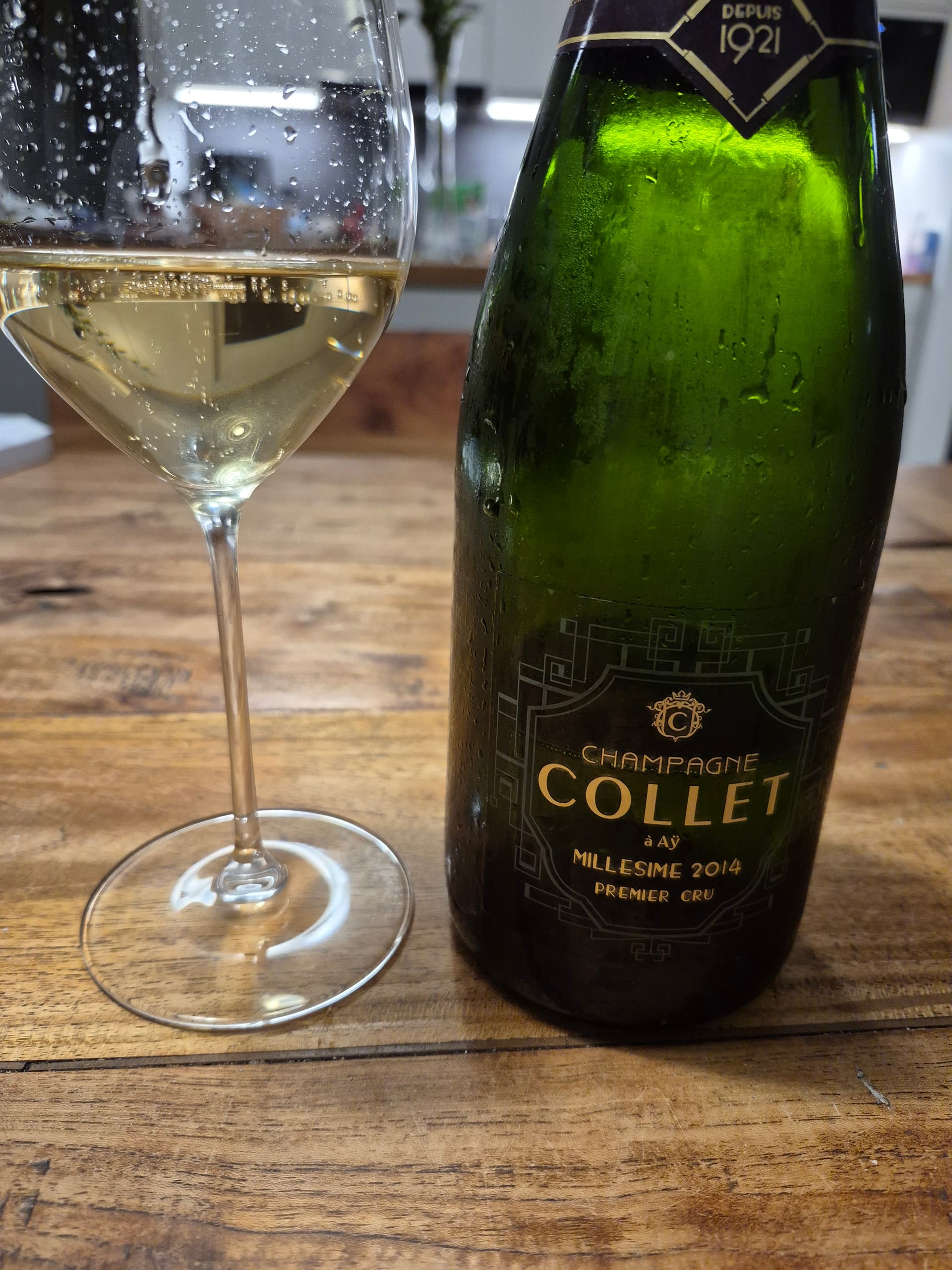
Champagne Collet Millesime 2014
Transparent golden color. Nose is fresh, filled with ripe apples, blood orange, granberries and red currants, brioche and wet sand. On palate you get a mix of lemon, grape fruit, red currants and granberries on a package with gum tingling acidity that tapers towards lemonrind, cowberries and seashell minerality. Fresh and fully satisfying vintage champagne that has plenty of fine drinking ahead
1 Like
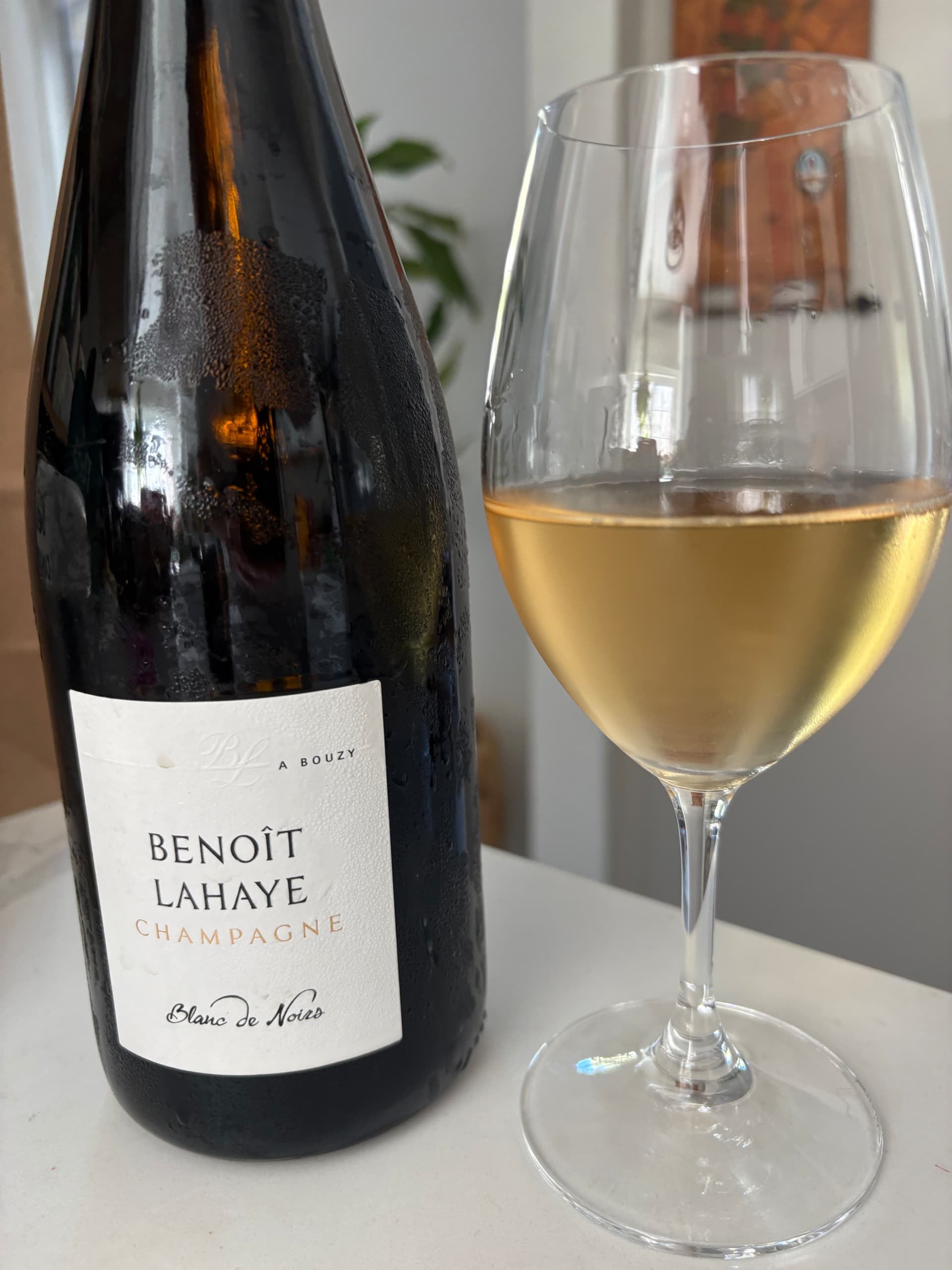
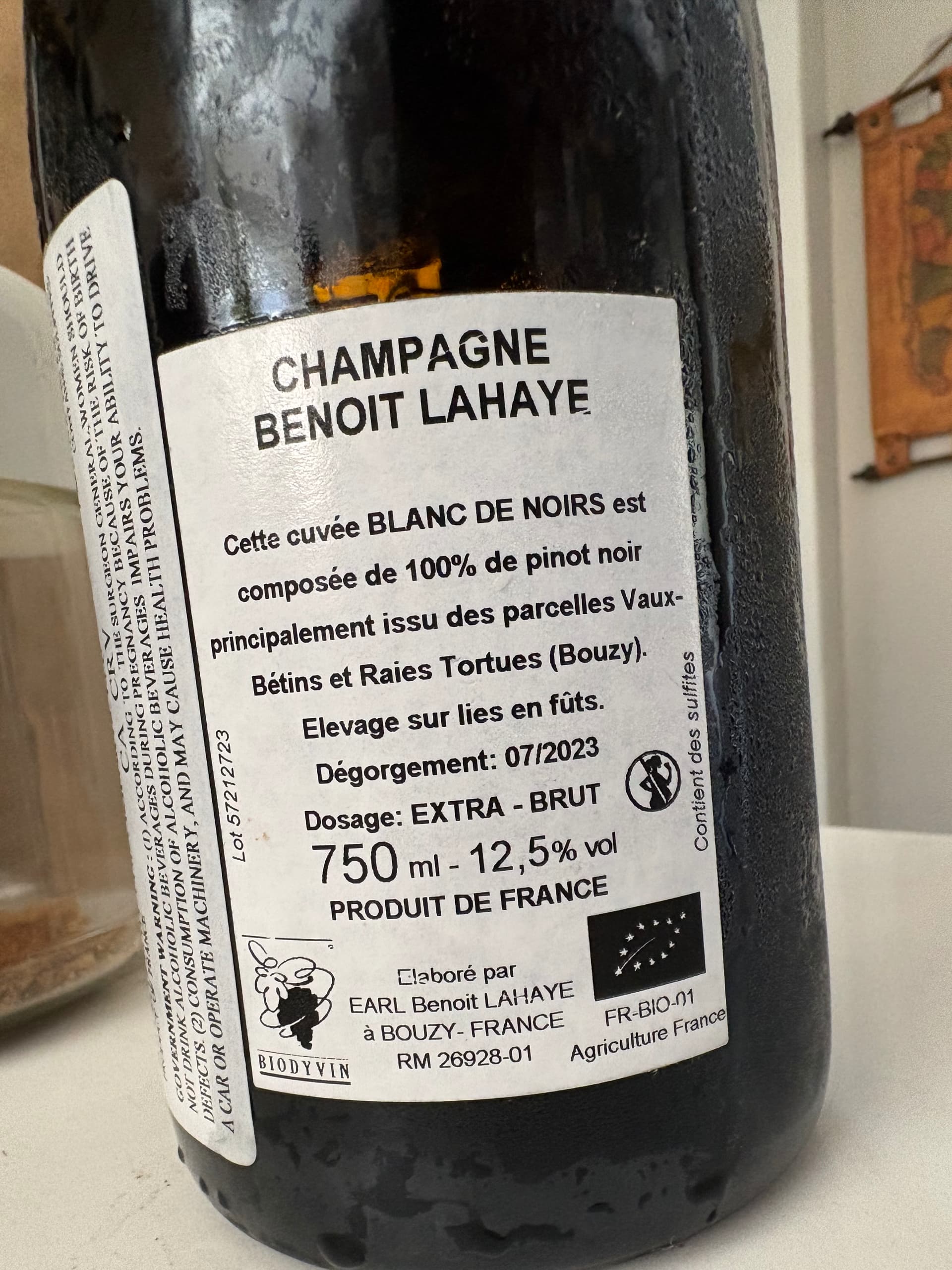
NV Benoît Lahaye Champagne Blanc de Noirs - France, Champagne (10/10/2026)
– popped and poured –
– July 2023 disgorgement –
Light red berries with a creamy edge. Little bit of tertiary creeping-in on the Nose, in the form of light tawny nuttiness. Quite dry. Love this wine!
.
1 Like
I’ll be interested to read about that - I’ve enjoyed both of Françoise Bedel’s wines that I’ve tried (the Entre Ciel & Terre, and the Dis, “Vin secret”). But I don’t recall ever drinking any champagne from anyone dosed higher than Brut!
I enjoyed a bottle of Bedel Dis Vin Secret Extra Brut in early 2020, mostly Meunier as I recall.
-Al