That’s my answer to both this and the favorite wine thread! Specifically the rouge for me. The blanc is fascinating and I look forward to trying more of it, but the rouge is where my heart is.
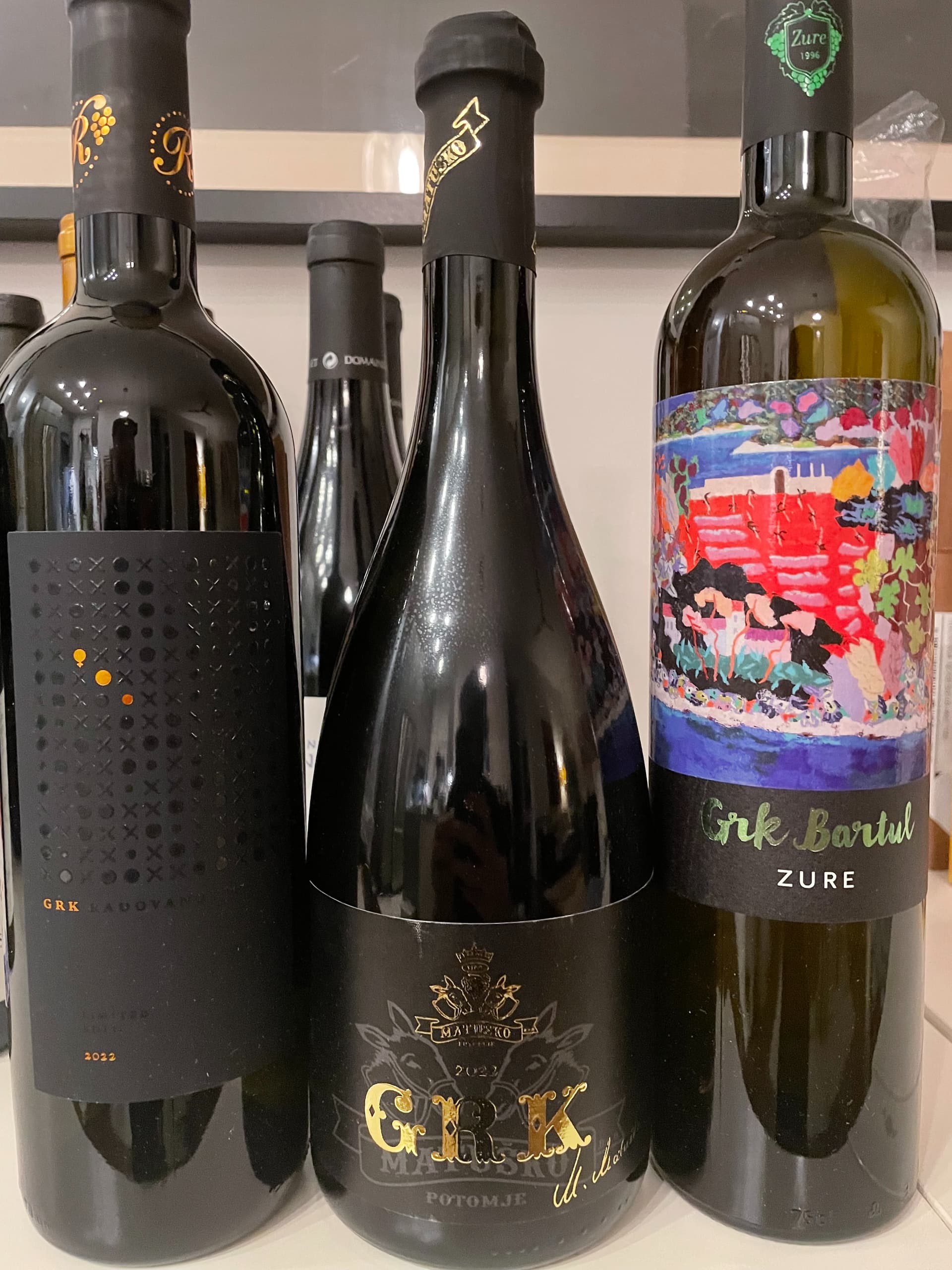
Thanks - just bought a few different Grks to try.
I love Musar as much as anyone on this thread but is it really “non-traditional”? The winery itself is coming up on its centennial anniversary of its founding in a couple of years, which makes them older than almost all wineries in the US, and their white is made up of two indigenous grapes. I think of them as being quite traditional, but just mildly obscure outside of wine geekdom.
1 Like
Read the definition in post #3 in this context.
“Something that’s not “Classic” (I.e. Sangiovese from Tuscany, Cabernet from Napa, Riesling from Mosel, Pinot from Burgundy) etc. To be super specific I’d say maybe something that would not qualify as testable on a Somm blind tasting exam.”
Musar hits that criteria.
I guess I can say Domaine de Trévallon since it was kicked out of its AOC for being a non-traditional blend.
Michigander here… my experience with Michigan wine has evolved over the last few years and I’m beginning to embrace some of the non old world style grape varietals that Michigan offers. The bottom line is that Michigan doesn’t have the climate and terroir to grow some of the traditional grapes we all love like cab, Pinot, Chardonnay, etc and therefore whenever I go to a Michigan winery and try one of these I’m usually disappointed. Instead, through agricultural research Michigan has been able to develop some other unique grapes that do produce good wine if done right, look for Frontenac, Frontenac Gris, and Marquette. I’m not saying every wine of those varieties are good, trust me, but depending on where you go you’ll be surprised.
1 Like
Recently tried Swiss Chasselas and was very happy with it.
Which producers?
Henri Cruchon, Domaine de Beudon Valais, La Maison Carree Neuchantel Auvernier
I would stick with Henri if you want something leaning toward familiar Alsatian rieslings. All of the wines made me want cheese.
For regions (the original OP question):
Kalecik Karasi from north central Turkey. This indigenous grape yields wines that are rather light in body and color, with a pinot-like perfume – surprising for an area that is blistering hot in summer. (Many Turkish wines come from cooler coastal regions.) Now, if the large wineries that make it could just dial back the new oak a bit.
Familiar grapes from places you don’t expect:
Pinot noir from the Finger Lakes. After tasting a number from 2021 – a very difficult vintage where ripening was in issue – I was left feeling that there is big potential here for wines that have the earthiness of Burgundy and no candy cough drop/cola notes that are so common in New World pinots. I want to taste more now from better vintages.
Dry riesling from the Langhe: E. Germano and Vajra have been making first-rate rieslings from vineyards mostly in the Alte Langhe for some time now.
Unheard of grapes:
Passerina del Frusinate from Lazio. A nearly extinct grape that has been revived in Lazio. Great depth and complexity.
Nascetta di Novello from the Langhe. Similar story and somewhat similar wines. The grape was nearly extinct. It produces wines with body and a great deal of complexity that are reputed to age. Cogno was the leader in reviving it, I believe, but Wine Searcher now lists more than 16 producers.
1 Like
+1 I have literally only tasted one in a restaurant during a non-wine trip to western NY. I thought it was really terrific.
I think Pinot has a great future in the Finger Lakes. Much more so than riesling.
1 Like
Beamsville Bench inbetween Beamsville and Jordan Ontario can make stellar chardonnay. Bachelder, Pearl Morissette, Leaning Post, and Cloudsley can make wine that equals the best in Oregon and Burgundy. It isn’t as consistent yet and some years are better than others.
Also Le Petit Chevalier, a little winery near Athens Ohio, makes a chambourcin that is one of my favorite summer wines. I chill it and treat it like a rosé.
Who is the producer to the left? Not to spoil the fun but don’t think either of the other two are grown in the mythical sandy soils of Lumbarda, ungrated in at least some cases. I could be wrong about Zure, though I believe it’s from somewhere nearby on limestone. Their restaurant is a great spot for fresh fish and obviously good wines.
Please post some notes when you pop them!
2022 Radovanović Grk
3 Likes
What Tim said.
1 Like
Interesting, I have only tried Zure’s of the three you have there. Curious to hear how the other are, and when I can get hold of them I’ll try to drink them alongside one from Lumbarda.
1 Like