One friend of mine had began his vinous journey with Spanish wines, so before moving on to other countries, he had accumulated quite a bit of Spanish wines in his cellar. However, at some point he realized he had pretty much lost the taste for these kinds of big, ripe, extracted and often quite oaky wines, so they just remained untouched in his cellar for years and years.
However, last spring he decided it would be good time to make some room in his storage. Even if these wines weren’t something he’d prefer to drink today, it would still be interesting to taste a bunch of them at one go, so he arranged a bunch of these wines for a tasting lineup and threw in a couple of fortified wines just to finish the set.
And, truth be told, many of these wines really weren’t in my wheelhouse either (I guess you can see that from my scores) - yet still I must admit that several of these wines were still very nice, all things considered. I was especially impressed (and surprised!) by Muga Torre, which has always been quite a modernist blockbuster in my books, but with 20 years of aging it had transformed into something complex and even positively rustic! I guess some of these polished, gloopy monster wines can actually do some real magic tricks with bottle age.
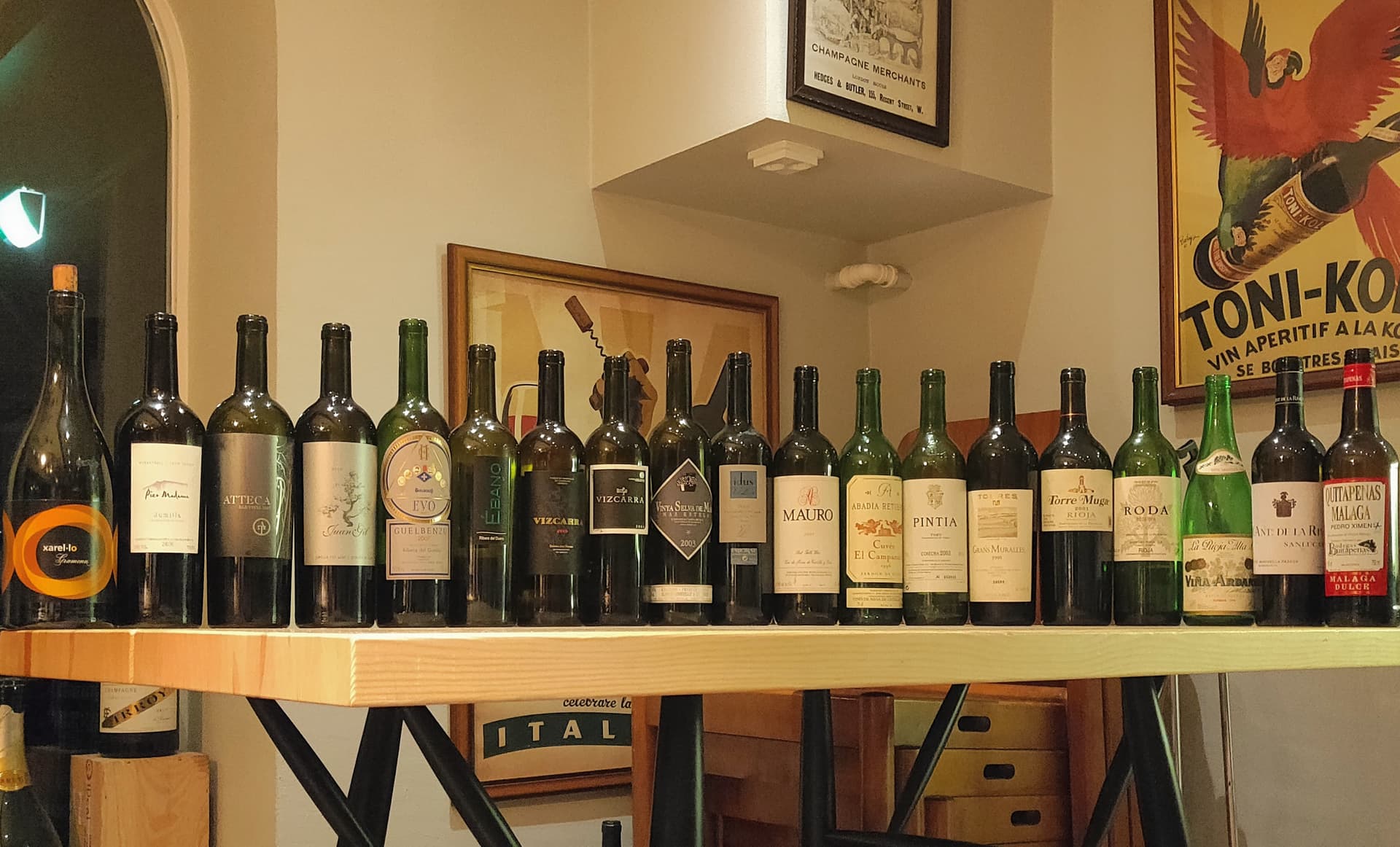
-
2010 Gramona Xarello Penedès - Spain, Catalunya, Penedès (22.3.2022)
100% biodynamically farmed from the Font Jui vineyard. Fermented and aged for 3-4 months in French oak barrels (about 1/3 new, the rest once or twice used). 12% alcohol.
Medium-deep yellow-green color. Ripe, somewhat evolved and slightly Burgundian nose with aromas of fresh apples, some creamy oak tones, a little bit of evolved nuttiness, light toasty notes of smoke and a hint of zesty citrus fruit. The wine is fresh, slightly concentrated and subtly oily on the palate with a medium body and bright, subtly sweet-toned flavors of creamy oak, some apple peel bitterness, a little bit of evolved nuttiness, light sappy herbal tones, a hint of saline minerality and a touch of savory wood spice. Nice high acidity. The finish is fresh, bright and quite long with flavors of ripe white fruits, some apple peel bitterness, a little bit of creamy oak, light toasty and nutty tones, a hint of stony minerality and a touch of sappy herbal spice.
A sophisticated, enjoyably developed and even slightly Burgundian Xarel-lo that has evolved in a nice direction, developing some lovely toasty nuances without getting tired or old in any way. Tasting the 1-year old vintage 2013 back in 2014, I thought the wine could benefit from short-to-medium-term cellaring; tasting now the wine (well, a different vintage) at the age of +10 years, it seems pretty obvious that the wine definitely has benefited from the additional age. This still isn't anything particularly striking or exceptional, but seeing how I'm not the biggest fan of still Xarel-lo and I still think this is a pretty great wine, it definitely succeeds in being a pretty great example of the variety. Recommended.
(92 points) -
2006 Bodegas y Viñedos de Murcia Jumilla Pico Madama - Spain, Murcia, Jumilla (22.3.2022)
A blend of Mourvèdre (50%) and Petit Verdot (50%). Aged for 13 months in oak, Petit Verdot in French oak barrels and Monastrell in American oak barrels. 14% alcohol.
Evolved and almost completely opaque blackish-red color with a developed maroon hue. Big, rather oak-heavy and quite tertiary nose with aromas of wizened cherries, some raisiny tones, a little bit of minty greenness, light gamey notes of meat, a hint of elderberry jam and a herbaceous touch of leafy character. The wine is dry, savory and rather tertiary on the palate with a full body and quite developed flavors of woody bitterness, some peppery spice, a little bit of sweet raisiny fruit, light umami notes of evolved gamey meat, a hint of dried figs and an oaky, bittersweet touch of dark chocolate. The wine has softened up considerably with age - the medium-minus acidity and ripe, fully resolved tannins don't contribute much to the structure. The finish is dry, gently grippy and somewhat bitter with flavors of raisiny dark fruit, some toasty oak tones, a little bit of meaty umami, light peppery tones, a hint of savory wood spice and a sweeter touch of dried figs.
About five years ago I tasted this wine and thought it was quite an impressive and balanced effort for a big Murcian red, showing still some potential for future development. Well, I don't know if there has been just some bottle variation, but this wine was fully tertiary with definitely no room whatsoever for any additional improvement - on the contrary, it feels like it's high time to drink the wine up! Five years ago this was still an impressively big and tightly-knit wine, but now most of the tannic grip has melted away and the overall feel is quite round and soft. Even though the wine is more savory than sweet with a good streak of balancing bitterness, the fruit department is getting rather raisiny and there's definitely some dried-fruit sweetness at the tip of the tongue. This is still enjoyable, but knowing how much better this wine was five years ago, I am somewhat disappointed in its evolutionary trajectory.
(84 points) -
2007 Bodegas Ateca Calatayud Atteca Old Vines - Spain, Aragón, Calatayud (22.3.2022)
100% Garnacha from centenarian vineyards planted at the turn of the 20th century. Aged for 10 months in oak barrels. 14,5% alcohol.
Luminous, deep and moderately translucent cherry red color. Vibrant nose of ripe red plums, some wild strawberries, a little bit of bilberry, light evolved meaty tones, a hint of savory wood spice, a sweet touch of dried figs and a whiff of alcohol. The wine is ripe, solar and somewhat sweet-toned on the palate with quite bold flavors of strawberries, some soft red plums, a little bit of savory wood spice, light evolved notes of meaty umami, a sweet hint of dried figs and a touch of toasty oak spice. The overall feel is textural but also somewhat soft and round, thanks to the medium acidity and sparse, ripe and almost fully resolved tannins that slowly pile up on the gums. The finish is long, somewhat warm and gently tannic with flavors of savory wood spice, some strawberry tones, a little bit of bittersweet dark chocolate, light evolved notes of meaty umami, a sweet hint of dried figs and a touch of ferrous blood.
A juicy and tasty old vine Garnacha that is a bit on the fat side. The wine shows some evolution, but retains still quite a good bit of vibrant, youthful fruit, so for that part it doesn't seem like the wine would fall apart anytime soon. However, structurally the wine has softened up considerably and really doesn't call for any additional aging - even now the wine is a bit too flabby for my taste and could actually use a bit more acidity and tannins. This is good and enjoyable stuff, but the softness and lack of energy keep the wine from being truly great. Even though the wine might keep good for years, I see no upside to keeping it any further - time to drink up.
(87 points) -
2010 Bodegas Juan Gil Monastrell Jumilla - Spain, Murcia, Jumilla (22.3.2022)
100% Monastrell from Jumilla. Fermented and macerated for 25 days with the skins in stainless steel tanks. Aged for 12 months in French oak barrels. 15% alcohol.
Somewhat evolved and slightly hazy pomegranate color with a mature rusty hue. Evolved, dark-toned and rather mature nose with aromas of earthy spices, some wizened black cherries, a little bit of lifted nail polish character, light raisiny tones, an oxidative touch of beef jerky and a touch of dried figs. The wine is ripe, juicy and quite sweet-toned on the palate with a noticeably full body and bold flavors of dried figs, raisins, some strawberry jam, a little bit of oxidative beef jerky, light lifted notes of nail polish, a hint of cherry marmalade and a touch of prunes. The overall feel is so sweet-toned that I start to wonder whether the wine is just so ridiculously ripe, or if there is actually a little bit of residual sugar there? The high alcohol lends some noticeable heat to the palate. With its somewhat modest acidity and medium tannins, the overall feel is soft yet moderately firm. The finish is rich, juicy and quite warm with some tannic grip and lengthy flavors of raisins, some cherry marmalade, a little bit of oxidative beef jerky, light salty-umami notes of soy sauce and a hint of earthy spices.
Ugh, this feels like a Spanish take on Amarone. Even though the wine isn't made from raisined grapes, the substantial body, raisiny flavors, pronounced alcohol and quite conspicuous sweetness make the wine feel very similar to an Amarone. And while the wine isn't over the hill in any way, the fruit department is getting already quite old and there are some oxidative nuances of beef jerky and soy sauce creeping in, making the wine feel already quite mature and somewhat tertiary. Based on how the wine is performing, I'd say it really doesn't need any more age but instead needs to be consumed now or quite soon in the future. Can't really say I'm a fan of this kind of lush, sweet, soft and alcoholic stuff - to me this felt like a rather clumsy wine which hadn't really picked up much finesse or complexity with age.
(81 points) -
2007 Guelbenzu Ribera del Queiles Evo - Spain, Navarra, Ribera del Queiles (22.3.2022)
A blend of Cabernet Sauvignon, Graciano and Syrah from 20-yo Finca La Lombana vineyard in Ribera del Queiles, Navarra. Fermented in stainless steel, aged for 12 months in French oak. 14,5% alcohol.
Evolved, quite translucent and somewhat hazy maroon color. Very developed, dirty, unpleasant nose that is both heavily oxidative and probably corked or otherwise musty. The wine is juicy, ripe and sweet-toned on the palate with a full body and a dull, fruitless taste with notes of gamey meat, some earth, a little bit of extracted woody bitterness and a sweet hint of vaguely raisiny fruit. The wine is quite structured with its rather high acidity and moderately extracted tannins. The high alcohol shows through quite well, since there is no fruit to mask it. The finish is warm, dull and earthy with some tannic grip and a short, earthy aftertaste with no fruit.
Very evolved, earthy and tertiary wine past its peak - and might be suffering from a mild case of TCA as well. There weren't any obvious corky aromas, but based on the dull, slightly musty overall feel and lack of fruit, the wine probably wasn't in a sound condition.
(NR/flawed) -
2008 Bodegas y Viñedos Ébano Ribera del Duero Crianza - Spain, Castilla y León, Ribera del Duero (22.3.2022)
100% Tinto Fino, fermented and macerated for approximately 2 weeks in stainless steel tanks, then aged for 13 months in French oak barrels. 14% alcohol.
Translucent, slightly evolved cherry-red color. The nose feels slightly reductive upon opening with a whiff of gunpowder smoke and struck match, followed by aromas of ripe strawberries, some bretty funk, a little bit of fresh blueberry, light evolved notes of wizened dark fruits and a hint of savory wood spice. The wine is dry, firm and somewhat concentrated on the palate with a medium body and savory flavors of extracted dark fruits, some earthy spices, a little bit of meaty umami, light fruity notes of fresh blueberries, a hint of pipe tobacco and a ferrous touch of blood. The wine feels somewhat muscular with its rather high acidity and gently grippy medium tannins. The finish is long, dry and somewhat grippy with juicy flavors of wild strawberries, some tart red plums, a little bit of sour cherry bitterness, light blueberry tones, a sweet hint of dried fruits and a touch of savory, earthy spices.
While Ribera del Dueros can often be quite bulky, concentrated and clumsy wines, this one managed to show surprising sense of balance and finesse. There's certainly some obvious ripeness and sense of concentration, but the wine is still dry, firm and relatively light on its feet. Good sense of structure that is pretty much on par with the flavor intensity. Although the wine shows some evolution, I have a hunch there is still some room for further development - drink now or keep for a handful of years more. All in all, a good, well-made and thoroughly enjoyable effort.
(90 points) -
2010 Bodegas Vizcarra Ramos Ribera del Duero 15 meses - Spain, Castilla y León, Ribera del Duero (22.3.2022)
The label says just "Vizcarra" on a black background with a large "V", but according to the website the wine name is "15 meses", even though the label doesn't say anything of the sort. 100% Tinto Fino from +20 yo vineyards in Ribera del Duero. Fermented and macerated with the skins for 17 days, aged for 15 months in a combination of French and American oak barrels. 14,5% alcohol.
Slightly translucent and subtly hazy cherry-red color with an evolved rusty hue. The savory nose feels somewhat evolved and slightly meaty with aromas of tobacco, ripe blackcurrants, some toasty oak tones, a little bit of gamey meat, light green minty tones, sappy hint of green herbs and a sweet touch of ripe bilberry. The wine is ripe, savory and quite extracted on the palate with a full body and quite intense, dry flavors of dark plummy fruit, tobacco, some ferrous notes of blood, a little bit of gamey meat, light evolved notes of wizened blackcurrants, a hint of gravelly minerality and a toasty touch of mocha oak. The overall feel isn't young by any means, but the wine doesn't feel old or tertiary either. The overall feel is pretty firm and structured, thanks to the moderately high acidity and somewhat grippy tannins. The finish is savory, slightly warm and moderately grippy with somewhat evolved flavors of wizened blackcurrants, some leathery notes, a little bit of tobacco, light gravelly mineral notes, a hint of gamey meat and a touch of sweet, toasty oak spice.
A very balanced and harmonious Ribera del Duero that is quite big, ripe and extracted - as is expected from wines of the region - yet never coming across as clumsy or overdone. I guess the wine might've been bigger and bolder in its youth, but age has nicely integrated the oak tones, resolved some tannins and granted the wine some lovely aged complexity without making the wine feel particularly old or tertiary. Although the wine might continue to evolve from here for some time, it is in a terrific spot right now and doesn't really call for any additional aging. Nice stuff, recommended.
(92 points) -
2006 Bodegas Vizcarra Ramos Ribera del Duero - Spain, Castilla y León, Ribera del Duero (22.3.2022)
The label doesn't say anything apart from "Ribera del Duero Vizcarra 2004" on a black square label with a white border. Probably this might be the old label for 15 meses? That wine didn't say much either on the front label, but according to the back label this wine is aged for "15 meses en barrica", so it's probable. 14,5% alcohol.
Slightly translucent and subtly hazy blackish cherry-red color - the appearance is slightly more youthful than that of 2010 Vizcarra 15 Meses that was tasted alongside. The nose feels very ripe and sweet-toned with moderately evolved aromas of wizened black cherries, some meaty umami, light sweet notes of dried dates, sweet hints of toasty oak spice and a touch of pipe tobacco. The wine is juicy, silky-smooth and very ripe with a full body and rich, slightly sweet-toned flavors of wild strawberries, some wizened black cherries, a little bit of tobacco, light gravelly mineral tones, an evolved hint of meaty umami and a touch of extracted woody bitterness. The wine is quite high in acidity with ample but also quite fully resolved, round and gentle tannins. The finish is rich, savory and gently grippy with lengthy flavors of meaty umami, peppery spice, some wizened blackcurrants, a little bit of tobacco, light gravelly mineral tones, a sweet hint of ripe strawberry and a touch of dried figs.
A very ripe, lush and quite big Ribera del Duero that shows quite a bit of juicy, sweet-toned fruit, yet never slips over to the too voluptuous side. It's funny how the appearance of this wine was much younger than that of 2010 Vizcarra 15 Meses, but both in the nose and on the palate this wine turned out to be much softer, resolved and more evolved in nature. While the 2010 seemed to still hold some potential for future development, this vintage doesn't really feel like it's going to go anywhere but down. It's more or less at its peak of maturity now - time to drink up. I preferred the less sweet and soft, more savory nature of the 2010, but stylistically both these wines were quite similar.
(89 points) -
2003 Mas Estela Empordà Vinya Selva de Mar - Spain, Catalunya, Empordà (22.3.2022)
A blend of mainly Grenache (50%) with some Syrah (30%) and Carignan (20%). The grapes are destemmed, crushed and cold-soaked prior to the fermentation. Fermented and macerated for 2-3 weeks in stainless steel. Aged for 12 months in French oak barrels. 15% alcohol.
Somewhat translucent black cherry with a pale brick-orange rim. Powerful and somewhat evolved nose with slightly oxidative aromas of raisins, beef jerky, some lifted notes of sweet volatile character, light jammy notes of cooked strawberries and a touch of soy sauce. The wine is ripe, rich and sunny on the palate with a full body and extracted, somewhat sweetish flavors of blackcurrant juice and borderline overripe plums, some pruney tones, a little bit of blueberry, light oxidative notes of beef jerky, a hint of earth and a touch of extracted bitterness. The wine is medium in acidity with quite grippy and somewhat clumsy tannins. The high alcohol makes the mouthfeel quite hot. The finish is rich, juicy and quite grippy with evolved flavors of raisins and prunes, some sweet-toned strawberry notes, a little bit of earth, light savory notes of woody spice and an oxidative hint of soy sauce.
Meh. A super-ripe, clumsy and quite alcoholic mess that is getting past its prime with its somewhat oxidative qualities. It seems this has never been a particularly elegant wine and instead of gaining finesse and complexity, the wine seems to be on a decline now. Too heavy and monolithic for my taste. Better to drink up rather than keep any longer.
(82 points) -
2002 Celler Vall Llach Priorat IDUS - Spain, Catalunya, Priorat (22.3.2022)
This is the second vintage ever of this wine, made mainly with contracted grapes, some from very old - even centenarian - vineyards, harvested between early October and late November. The blend consists of old-vine Cariñena (40%), Cabernet Sauvignon (25%), Merlot (20%), Garnacha (10%) and Syrah (5%). The grapes were crushed and cold-soaked prior to fermentation for 3 days, then fermented for two weeks in stainless steel. After the fermentation the wine was macerated with the skins for another week or so, until it was pressed into stainless steel tanks (50%) and oak casks (50%) for MLF. Finally the wine is aged for 14 months in second use (60%) and new (40%) French oak barrels ranging from 225 to 300 liters in size. Total production 11,760 bottles. Bottled in June 2004. 14,5% alcohol.
Very dark, quite concentrated and rather opaque black cherry color. Evolved, somewhat tertiary nose with rather sweet dried-fruit aromas of raisins, cherry marmalade, some very ripe dark plums, a little bit of blueberry juice, light toasty notes of sweet oak spice, a hint of cranberry sauce and a touch of prunes. The wine is ripe, juicy and somewhat extracted on the palate with a full body and intense flavors of sweet dark plums, some savory wood spice, a little bit of ripe blackcurrant, light blueberry juice notes, a hint of stony minerality and a touch of dried figs. The overall feel is quite firm and muscular, thanks to the rather high acidity and quite ample ripe tannins that slowly pile up on the gums. The finish is juicy, rich and somewhat grippy with a quite lengthy aftertaste of raisins, some prunes, a little bit of dried dates, light gravelly mineral tones, a hint of overripe strawberry and a touch of toasty oak spice.
A rich, firm yet somewhat mellow and quite evolved Priorat that is pretty much peaking now. The wine shows quite good sense of finesse and harmony for such a big and ripe wine, but the overall feel is getting a bit too sweet and pruney for my taste. There's good sense of structure and the wine is brimming with lush fruit, but what remains here, feels quite evolved and raisiny - even if there is some complexity, it still feels a bit one-note. This is tasty and enjoyable stuff, but nothing that would blow my socks off. A nice example of aged Priorat, but the more I taste these, the more I start to think that these wines never were, are or will be particularly interesting - in my experience they are all too often just big, ripe and extracted wines which, at some point, just start to turn pruney, then slowly fall apart. Most likely this wine won't keep for that long before it is goners, so best to drink sooner rather than later.
(88 points) -
1998 Bodegas Mauro Vino de la Tierra de Castilla y León Mauro - Spain, Castilla y León, Vino de la Tierra de Castilla y León (22.3.2022)
A blend of Tempranillo (90%), Syrah (7%) and Garnacha (3%), sourced from outside the DO Ribera del Duero, so the wine is only "Red Table Wine of Castilla y León". Aged for 13 months in French (85%) and American (15%) oak. 13,5% alcohol.
Moderately evolved and quite opaque blackish-russet color. The nose feels somewhat oxidative and a little bit pungent with aged aromas of gamey meat, dried figs, some raisiny tones, a little bit of mushroomy funk, light lifted notes of sweet VA, a hint of smoke and an oaky touch of caramel. The wine is rich, full-bodied and somewhat oxidative on the palate with moderately tertiary flavors of prunes, some raisiny tones, a little bit of porcini mushrooms, light oxidative notes of soy sauce, a hint of dried figs and a sweet touch of toasty oak spice. The overall feel is rather round, soft and mellow, thanks to the quite modest acidity and ripe medium-minus tannins. The finish is rich, long and quite gentle with moderately oxidative flavors of soy sauce and porcini mushrooms, some pruney tones, a little bit of raisiny dark fruit, light gamey nuances, a hint of dried dates and a touch of caramel oak.
A rather old, quite oxidative and rather tired Mauro. About five years ago, when I tasted this wine previously, it came across as rather evolved and even slightly tired, yet still moderately oaky. Well, now the oxidative nuances had overwhelmed most of the oak influence, so you really couldn't call this wine oaky, but it was (unsurprisingly) even more tired and oxidative than before. Although somewhat balanced and quite enjoyable, I really can't say this wine is showing its best anymore. Definitely high time to drink up.
(85 points) -
1996 Abadia Retuerta Vino de la Tierra de Castilla y León Cuvée El Campanario - Spain, Castilla y León, Vino de la Tierra de Castilla y León (22.3.2022)
The first vintage of Abadía Retuerta, a 100% Tinto Fino from Sardón de Duero - a region immediately west of Ribera del Duero. 13% alcohol.
Luminous and rather translucent black cherry color. Evolved, somewhat tertiary nose with sweetish aromas of blackcurrant juice and ripe bilberry, some cherry tones, a little bit of mushroomy funk, light pruney notes, a hint of old leather and a touch of blackberry marmalade. The wine feels dense, savory and quite tertiary on the palate with a full body and layered, aged flavors of earth and meaty umami, some pruney tones, a little bit of mushroomy funk, light crunchy notes of tart cranberries, a hint of savory wood spice and a touch of gravelly minerality. The structure relies mostly on the high acidity, as the ripe, resolved tannins mainly contribute to the silky texture, not to the structure. The finish is long and savory with quite tertiary flavors of meaty umami and mushroomy funk, some wizened forest fruits, a little bit of pruney dark fruit, light gravelly mineral tones, a hint of savory wood spice and a touch of blackcurrant jam.
A balanced, fully evolved Spanish red at its plateau of maturity. The wine is starting to feel very tertiary and there is nothing particularly youthful here anymore. However, despite its aged overall character, the wine doesn't feel like it is falling apart on in a decline yet - it might feel too old for people who prefer more youthful fruit expression, but for palates more attuned to the tertiary flavors, this is in a quite wonderful spot: there are no obvious oxidative off-notes and the fruit department hasn't completely transformed into that dull, raisiny quality. Most likely the wine has reached this plateau of maturity some years ago and probably will stay there for some years longer; the wine can be kept, but it doesn't benefit from any further cellaring, so drinking sooner rather than later is advised.
(89 points) -
2003 Bodegas Pintia Toro Pintia - Spain, Castilla y León, Toro (22.3.2022)
100% Tinta de Toro. Cold-soaked for up to 5 days before the fermentation in oak vats, aged in French (70%), American (25%) and Hungarian (5%) oak barrels for 12 months. Bottle #53846. 15% alcohol.
Dark, almost fully opaque yet still relatively youthful cherry-red color with a brick-orange rim. Very dense, concentrated and dark-toned nose with somewhat evolved aromas of wizened dark plums, some boozy notes of alcohol, a little bit of leathery funk, light tertiary nuances of tobacco, a meaty hint of prosciutto and a touch of forest floor. The wine feels ripe, dense and concentrated with intense and rather sweetish flavors of wizened dark plums, some dried dates, a little bit of overripe black cherry, light raisiny tones, a hint of tobacco and a touch of blackberry or black raspberry. The high alcohol lends some obvious heat to the palate and the structure seems to rely mostly on the tough, extracted and still quite grippy tannins rather than on the medium-plus acidity. The finish is rich, bold and quite grippy with rather pronounced alcohol heat and intense, somewhat evolved and moderately sweetish flavors of prunes and raisins, some savory notes of old leather and a little bit of tobacco, an extracted hint of woody bitterness and an evolved touch of gamey meat.
Contrasting the very evolved and rather oxidized bottle we tasted a year and a half ago, this wine was miles better - not really showing any obvious oxidative notes, just very evolved and moderately tertiary fruit. There's still not escaping the fact that this wine comes from a very sunny vintage in a very hot region, so there's lots of everything - except for perhaps finesse. The wine is big, concentrated and quite clumsy, with way too much alcohol for my preference. Even though the wine is fully drinkable - unlike the previous bottle we had - this still feels more like a caricature of Toro than a wine to be taken seriously. This is good in its own sort of way, but still not my kind of thing.
(87 points) -
1999 Torres Conca de Barberà Grans Muralles - Spain, Catalunya, Tarragona, Conca de Barberà (22.3.2022)
A blend of local varieties Monastrell, Garnacha, Garró, Cariñena, and Samsó (I wonder if this is Cinsaut, since Samsó is a synonym for both Cariñena and Cinsaut) with a little bit of Syrah (10%). The other local variety, Querol, has been in the blend only since the 2009 vintage. Aged for 18 months in new French oak barriques. Bottle #10584 of total 12924 bottles (and 599 magnums). 14% alcohol.
Very dense, somewhat evolved and only slightly translucent dark pomegranate color. The nose feels evolved and slightly sweet-toned with nuanced aromas of wizened dark fruits and raisins, some savory wood spice, a little bit of blackcurrant jam, light cocktail cherry tones, a hint of old leather and a touch of alcohol. The wine is juicy, somewhat concentrated and still surprisingly youthful on the palate with a full body and intense flavors of ripe dark fruits, some black cherry tones, a little bit of savory wood spice, light raisiny tones, a tertiary hint of meaty umami and a touch of old leather. Very balanced overall feel, thanks to the quite high acidity and firm medium tannins. The finish is long, savory and somewhat grippy with ripe yet dry flavors of black cherries, some savory wood spice, a little bit of raisiny dark fruit, light leathery tones, a hint of game and a touch of earth.
A balanced, firm and quite structured Torres red that has a somewhat evolved overall feel in the nose, but comes across as a bit more youthful on the palate. Quite similar to the vintage 1998 that I tasted a few years ago, perhaps coming across as a bit more resolved and thus softer in comparison, but not by much. Otherwise the wines seemed to be aging at a more or less similar pace. Although I'm not a big fan of Torres wines, these older Grans Muralles bottles seem to be quite consistently pretty impressive. Recommended.
(93 points) -
2001 Bodegas Muga Rioja Torre Muga - Spain, La Rioja, La Rioja Alta, Rioja (22.3.2022)
The flagship wine of Muga, made only in vintages great enough. The wine is a classic Tempranillo blend with small amounts of Mazuelo and Graciano. Fermented spontaneously, macerated for two to three weeks in oak vats. Aged for 18 months in new French oak barriques. 14% alcohol.
Dense, concentrated and quite opaque black cherry color with an evolved brick-red hue. Considering how the wine should be a textbook example of a modernist Rioja, it smells surprisingly rustic and funky with aromas of barnyard and horse's arse, followed by evolved nuances of wizened figs, some bretty notes of leather, a little bit of ripe strawberry, light pruney tones, a hint of forest floor, a touch of cherry marmalade and a boozy whiff of alcohol. The wine feels dense, dry and concentrated on the palate with a full body and savory flavors of ripe plums, wild strawberries, some extracted bitter notes of woody oak, light ferrous notes of blood, a little bit of meaty umami, bretty hints of leather saddle and stable floor and a touch of toasty oak spice. The overall feel is somewhat extracted and quite muscular, thanks to the high acidity and still moderately grippy medium-plus tannins. The high alcohol lends a little bit of warmth to the palate. The finish is long, somewhat extracted and moderately grippy with dry flavors of bretty barnyard funk, some ferrous notes of blood, a little bit of ripe cranberry, light sweet pruney tones, a hint of savory wood spice and a touch of old leather.
For a modernist blockbuster - a style I really don't like, especially when it comes to Rioja - this was a surprisingly impressive, harmonious and delicious effort. Surprisingly funky, too - and in a good way! The wine certainly showed some very rustic animale notes, which stood in quite a stark contrast to the relatively concentrated and extracted nature of the wine, which had resolved quite little in these 20 years. All in all, a very serious, well-made and enjoyable effort that was certainly quite big and extracted for a Rioja, but at the same time remarkably harmonious and tasty for such. Highly recommended.
(95 points) -
2005 Bodegas Roda Rioja Roda Reserva - Spain, La Rioja, La Rioja Alta, Rioja (22.3.2022)
A blend of Tempranillo (85%), Graciano (9%) and Garnacha (5%) from vineyards that are 30 yo and older. Fermented in oak, aged for 16 months in new (50%) and once used (50%) French oak barriques. Bottle #83986 of total 94991 bottles. 14% alcohol.
Luminous, slightly translucent dark cherry-red color. Sweet and juicy, red-toned nose with expressive aromas of strawberries and cocktail cherries, some ripe red plums, a little bit of toasty oak spice, light gamey tones, a hint of cranberry sauce, a touch of pipe tobacco and even a whiff of strawberry cotton candy. The wine is juicy, ripe and slightly sweet-toned on the palate with a medium body and quite crowdpleaser flavors of ripe strawberries, some vanillin-driven sweet spice, light cherry marmalade tones, a little bit of savory oak spice, a hint of ripe cranberry and a touch of gravelly minerality. The rather high acidity lends good brightness and sense of balance to the wine, yet still the wine comes across as pretty round and mellow, thanks to the conspicuously sweet-toned flavors and very ripe, soft and gentle tannins. The finish is quite long and rather sweet-toned with no noticeable tannic grip and rather juicy flavors of strawberries, some vanilla oak, a little bit of juicy red plum, light toasty notes of sweet, dark-toned oak spice and a hint of gravelly minerality.
Meh. A sweet and soft crowdpleaser Rioja from the very modern end of the spectrum. This is all about very ripe, red-toned and almost marmaladey fruit wrapped up in toasty French oak. The only good thing here is that bright streak of acidity that stands in stark contrast to the ripe, sweet-toned fruit. Otherwise this feels more like a caricature than a real Rioja Reserva. Although the wine is remarkably youthful for its age and still brimming with energy, I really can't get excited about this kind of wine.
(83 points) -
1970 La Rioja Alta Rioja Viña Ardanza Reserva - Spain, La Rioja, La Rioja Alta, Rioja (22.3.2022)
Translucent and quite pale brick-orange color with a reddish coppery core and an almost yellow rim. The nose feels quite tertiary and even slightly oxidative yet not tired with fully mature aromas of beef jerky, cranberry sauce, some dried cherries, a little bit of plum liqueur, light hoi sin notes, a hint of smoke and a touch of aged funky character. The vanilla notes typical of Ardanza seem to have disappeared over the years. On the palate the wine feels quite aged and tertiary with a medium body and savory flavors of crunchy cranberries and wizened red plums, some oxidative notes of soy sauce, light earthy tones, a little bit of mushroomy funk, a hint of meat consommé and a touch of smoke. The high acidity lends great intensity and sense of structure to the wine, while the fully resolved tannins lend only a fine touch to the velvety texture of the wine. The finish is very long, juicy and subtly grippy with dry tertiary flavors of ripe cherries, some beef jerky, a little bit of old leather, light ferrous notes of blood, a hint of sour cherry bitterness and a touch of soy sauce.
This was the second bottle of this vintage that I've tasted, and this time around the wine seemed noticeably more evolved and tertiary compared to the first bottle I tasted some five years ago. I thought that bottle was surprisingly youthful for its age, showing even a tiny bit of potential for further development, whereas this bottle seemed like it had reached its plateau of maturity years ago and was already on the verge of starting to go downhill. While not as impressive as the previous bottle, coming across as a bit more tertiary than I wanted it to be, this was still holding up remarkably well, showing all of the qualities one looks for in an old Rioja red. Classic, delicious stuff.
(91 points) -
NV Antonio de la Riva "La Riva" Manzanilla Pasada Balbaína Alta - Spain, Andalucía, Manzanilla de Sanlúcar de Barrameda (22.3.2022)
Manuel Antonio de la Riva was an esteemed, historical producer in Jerez founded in the 19th century but which slowly ceased to exist after it was acquired by Domecq in the mid-1950's. However, in 2016 Ramiro Ibañez and Willy Pérez acquired the rights to the name and have worked hard in an attempt to revive this old name. This Manzanilla Pasada comes from a 20-barrel Solera system which Ibañez and Pérez acquired from a Sanlúcar family who farmed a Palomino parcel in the La Blanquita vineyard in Balbaína Alta. The wines were fermented spontaneously and typically aged for 3,5 years in this Solera system before bottled as Amontillado. However, the vineyard was ripped up in 2012 and no more wine was made since. When Ibañez and Pérez acquired the Solera system, they decided to bottle the seven most characterful botas (ie. approximately 2000 bottles) in 2020 as Manzanilla Pasada and let the remaining barrels slowly age more to become Amontillado. This wine is from that saca 2/2020. 15% alcohol.
Deep golden-yellow color. Complex, aldehydic nose of dried yellow fruits and hay, some sorrel, a little bit of mushroomy flor funk, light nutty notes of roasted peanuts, a hint of damp old wood, a touch of caramel and a salty whiff of rocky ocean coastline. The wine feels round, oily and slightly concentrated by the age, yet only medium in body. There are fascinating, dry-ish flavors of hay, mushroomy funk, some developed notes of chopped nuts, a little bit of forest floor, light tangy notes of sorrel and tangy aldehydic salinity, an evolved hint of caramel and a touch of ripe cantaloupe. The medium acidity keeps the wine quite well in balance, even if the overall feel remains rather soft. Despite its quite modest acidity and sense of concentration, the wine feels surprisingly light on its feet. The finish is ripe, round and dry-ish with long, complex of lemon water, mushroomy funk, some aldehydic notes of sorrel and tangy salinity, a little bit of roasted sesame seeds, a hint of ripe cantaloupe and an oxidative touch of caramel.
A very tasty and sophisticated but also quite round and concentrated Sherry that feels sweeter and more concentrated than your typical fresh Manzanilla, yet not as nutty and oxidative as an Amontillado. A fascinating and delicious wine that perhaps works better as a lighter substitute to a Manzanilla or Palo Cortado than a weightier substitute to a Fino or Manzanilla. Enjoyable stuff.
(91 points) -
NV Bodegas Quitapenas Pedro Ximénez Málaga Dulce - Spain, Andalucía, Málaga (22.3.2022)
100% Pedro Ximénez blended from several lots of different ages. The wines are made by first drying the grapes out in the sun, then crushing and pressing the grapes and finally fortifying the wine midway through the fermentation. Then the wine is aged for 12 months in American oak casks. Lot #95605. 15% alcohol, approximately 190 g/l residual sugar.
Very dark, fully opaque blackish-brown appearance of black coffee. The nose is rich and quite unctuous with sweet aromas of syrupy molasses and cold coffee, some burnt sugar tones, a little bit of bruised apple, light apple jam tones, a hint of stewed rhubarb stalks and a touch of lemon curd. The wine is sweet, quite full-bodied and very juicy on the palate with rather intense flavors of raisins, some prunes, a little bit of apple jam, light bruised pear tones, a hint of caramel and a touch of clear syrup. The mouthfeel is somewhat viscous and rather sticky, but there is a good streak of moderately high acidity that keeps the wine balanced and fresh enough despite all its sweetness. The finish is sweet, round and somewhat sticky with rich and persistent flavors of raisins, some bruised apple, a little bit of caramel, light syrupy notes of molasses, a hint of apple jam and a touch of nutty oak spice.
I was expecting a super-sweet, rich and concentrated PX that is all sugar and no acidity. However, this turned out to be a surprisingly balanced and harmonious effort with reasonable levels of sweetness and a nice counterpoint of acidity. This still isn't a particularly high-acid wine, but there's enough sense of balance to keep the wine easily enjoyable through a glass or even two. Not a sensational wine, but nothing to complain either. Will keep for years - maybe even decades - but most likely any development is going to be quite limited. Superb value at 8,15€.
(88 points)
Posted from CellarTracker
 . I’m still not sure if most of them had absolutely no idea what they were doing or if, conversely, most knew very, very well what they were doing