-
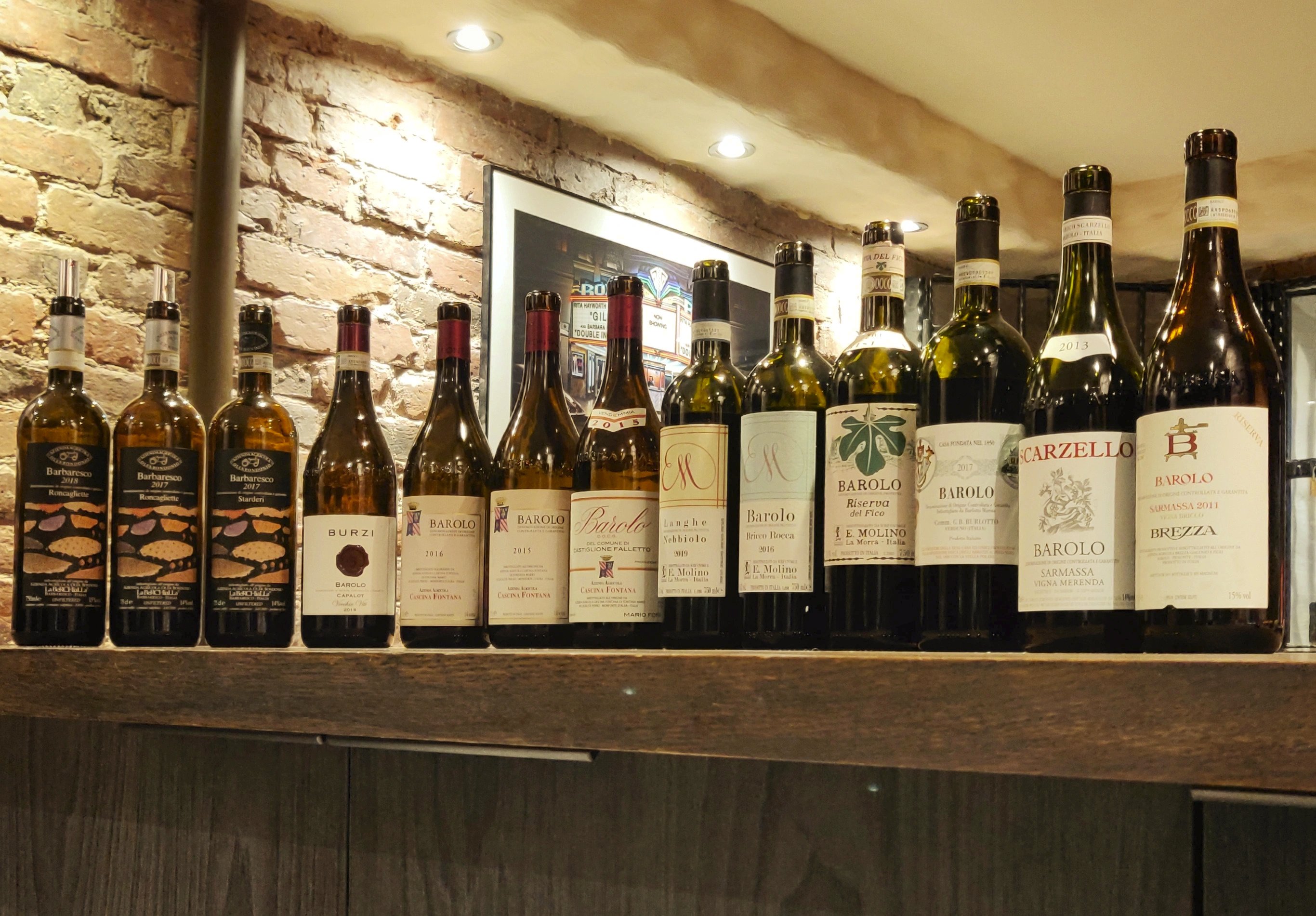
2018 Olek Bondonio Barbaresco Roncagliette - Italy, Piedmont, Langhe, Barbaresco (5.5.2021)
Organic. Made with fruit sourced from the Roncaglie Cru. Fermented spontaneously with indigenous yeasts, macerated for 60 days with the skins. Aged for approximately 20 months in old Slavonian oak bottis. Bottled unfined and unfiltered. 15% alcohol.
Youthful, rather dark yet still fully transparent pomegranate red color. Looks identical to Roncagliette 2017 that was tasted alongside. Youthful, open and even rather perfumed nose with sweet and quite primary aromas of almost marmaladey red cherries, dusty earth, some licorice root, a little bit of black raspberry, light wild strawberry tones, a hint of tar and a touch of sweet boysenberry. The nose has a very ripe and sunny overall impression - feeling also perhaps a bit too youthful for its own good. The wine feels very ripe, juicy and youthful - even primary - on the palate with a medium-to-moderately full body and vibrant flavors of raspberry marmalade, floral notes of roses, some jammy boysenberries, a little bit of red licorice, light gravelly earth tones and a sweet hint of ripe black cherry. The overall feel is rather dry, but the ripe, primary fruit characteristics feel rather sweet especially at the front part of the tongue. The mouthfeel is velvety smooth, but also quite firm and structured, thanks to the rather high acidity and ripe yet moderately grippy tannins. The high alcohol lends some warmth to the mouthfeel. The finish is dry, somewhat bitter and moderately grippy with medium-long flavors of ripe forest fruits, some fresh black cherries, a little bit of tart lingonberry, light ferrous notes of blood, a marmaladey hint of sweet primary fruit and a touch of gravelly minerality. The high alcohol makes the wine end on a moderately warm note.
A rather ripe and sunny Barbaresco, having still a rather rich and primary overall feel. Although the wine is quite structured, it feels like it screams for further aging not for the tannins, but for the all too youthful fruit - you’ll really want the wine lose its sweet, marmaladey character and bring on some finesse to the fore. Although the wine is quite accessible already now, it really doesn’t manage to score a hit with my Nebbiolo ideal. Make no mistake, this is a wonderful old-school Barbaresco by all accounts and shows great potential for future development - it is just a bit too young, sweet and sunny for my taste, especially at the moment. The alcohol feels a bit too much as well. I hope the wine will come together nicely with some age - I’d let it wait at least for another 5-8 years, although the wine is built to last longer. (89 pts.)
-
2017 Olek Bondonio Barbaresco Roncagliette - Italy, Piedmont, Langhe, Barbaresco (5.5.2021)
Organic. Made with fruit sourced from the Roncaglie Cru. Fermented spontaneously with indigenous yeasts, macerated for 60 days with the skins. Aged for approximately 20 months in old Slavonian oak bottis. Bottled unfined and unfiltered. 14% alcohol.
Youthful, rather dark yet still fully transparent pomegranate red color. Looks identical to Roncagliette 2018 that was tasted alongside. However, compared to the 2018 vintage, the nose here is more restrained and less sweet with aromas of licorice root, gravelly earth, some powdered salty liquorice, a little bit of brambly black raspberry, light fresh fruit notes of crowberries and black cherries, sanguine hints of raw meat and iron and a touch of leather. The wine is ripe, juicy and moderately full-bodied on the palate with dry flavors of licorice, dusty earth, tart lingonberries, some brambly raspberries, a little bit of sour cherry bitterness, light ferrous notes of blood and a hint of gamey meat. The bitterness seems to grow in intensity towards the aftertaste. The acidity feels moderately high, but the structure seems to rely more on the ample tannins that just pile up on the gums, making the wine feel very firm and grippy. The finish is dry, grippy and moderately bitter with a quite long aftertaste of sour cherries and tart lingonberries, some brambly black raspberry notes, a little bit of meaty umami, light crunchy notes of crowberries, a hint of licorice root and a touch of gravelly minerality. The alcohol lends a touch of warmth to the finish.
A clean, serious and slightly austere Barbaresco - feels leaner and more forbidding than the fruitier and more open-knit Barbaresco Starderi 2017. Although 2017 was a very hot and dry vintage in Piedmont, this wine is surprisingly balanced and harmonious, although the acidity feels a bit low for a Bondonio - although not low for a Nebbiolo! Despite the hot vintage, the wine feels only ripe, not overripe or too sweet-toned - Bondonio has definitely succeeded in overcoming the difficulties of 2017. The overall feel is quite tough and tightly-knit, making the wine feel like it could benefit a lot from cellaring. As this is definitely not a crowdpleaser, it really calls for both food and aeration if opened now. Expect the score to go up with age - the wine shows good promise for future development. (91 pts.)
-
2017 Olek Bondonio Barbaresco Starderi - Italy, Piedmont, Langhe, Barbaresco (5.5.2021)
Made with organically farmed parcel in Starderi Cru that Bondonio rents from an elderly couple. Fermented spontaneously with indigenous yeasts, macerated for 60 days with the skins. Aged for approximately 20 months in old Slavonian oak bottis. 14% alcohol.
Youthful, very translucent and beautifully luminous ruby-red color. The nose feels quite similar to Roncagliette 2017 that was tasted alongside - savory and somewhat restrained - but in comparison the aromas feel slightly sweeter and more fruit-forward with notes of juicy black cherries, some strawberries, a little bit of sunny raspberry marmalade, light floral notes of violets and a hint of exotic spice. The wine feels somewhat more gentle and open-knit in texture on the palate compared to Roncagliette. The mouthfeel is silky and quite full-bodied with flavors of ripe raspberries and sour cherries, some crunchy cranberries, a little bit of salty liquorice, light floral notes of violets, fresh fruity hints of crowberries and black cherries and a sanguine touch of raw meat. Although the wine feels moderately grippy, the overall feel is quite accessible and relatively mellow for a young Barbaresco, thanks to the medium-plus acidity and ripe and firm, moderately grippy tannins. The finish is long and somewhat grippy while the aftertaste takes a turn to a more dry and slightly more bitter direction with notes of cranberries, gravelly earth, some sour cherry bitterness, a little bit of gamey meat, light tar tones and a perfumed hint of purple flowers. The high alcohol lends a touch of warmth towards the end of the aftertaste.
A balanced, tasty and classically built old-school Barbaresco, but perhaps a bit too gentle, mellow and open-knit for a wine that isn’t even 4 years old. While the wine feels more open-knit and accessible than Roncagliette 2017, the wine lacks the drive and intensity of its sibling, coming across as slightly softer and sweeter. The overall feel is quite similar to the vintage 2016, but without its purity and freshness. I can imagine this will age just fine for a decade or more, but unlike Roncagliette 2017 (and instead like Starderi 2016), this is quite open for business already and doesn’t scream for further aging - although I heartily recommend waiting, if evolved Nebbiolo aromatics are your thing. (90 pts.)
-
2016 Burzi Barolo Vecchie Viti Capalot - Italy, Piedmont, Langhe, Barolo (5.5.2021)
A single-vineyard Barolo from a vineyard in the village of Capallotti, La Morra. 100% Nebbiolo Lampia clone. Fermented and macerated in stainless steel by keeping the cap submerged for 30 to 60 days. Aged in 3000-liter botti casks made of Austrian oak. 15% alcohol.
Dark yet quite translucent brick-red color that turns to orange to colorless towards the rim. Fragrant, expressive and even somewhat surprising nose that stands out in a lineup of 13 Nebbiolos. Aromas of wizened red cherries, some boysenberries, a little bit of sweet cassis and ripe blueberry, light floral notes of roses, a fragrant hint of coniferous forest and a touch of plum liqueur. There are definitely some Nebbiolo elements, but others - especially those cassis notes - come across as somewhat surprising. The wine is quite ripe, dry-ish and open-textured on the palate with a medium body and quite transparent flavors of tart sour cherries, cranberries and lingonberries, some gravelly mineral tones, a little bit of licorice root, light sanguine notes of gamey meat, a hint of earth and a touch of savory umami character. Although the overall feel is ripe, the wine doesn’t come across as perceptibly sunny or sweet-toned. The wine shows good sense of structure with its moderately high acidity and ample, powdery tannins that slowly pile up on the gums, making the wine feel somewhat gritty and angular, but not aggressive. The finish is quite grippy, somewhat warm and lengthy with dry, clean aftertaste of sour cherry bitterness, crunchy cranberries, some juicy wild strawberries, a little bit of ferrous blood, light gamey tones, a hint of earth and a touch of blueberry.
An excellent, serious and structure-driven Barolo that comes across as more sinewy and tightly-wound than the sweeter and softer 2015 vintage. The nose was quite weird here for a Nebbiolo, making the wine’s aromas come across as rather atypical in a Nebbiolo tasting - however, the wine was much more in line with the others on the palate, and even the nose seemed to lose its sweeter cassis notes as it opened up in the glass. Overall the wine is pretty stern, angular and even slightly austere at the moment, although not too forbidding. However, it’s obvious that this wine is not only built to age, but it really calls for some cellaring. Most likely the wine is starting to show its best only after 10 years after the vintage and I can imagine it will improve for much longer. Even though the alcohol is pretty high, it remains surprisingly well-hidden throughout. Despite the slightly odd nose, this is pretty great stuff. Expect the score to go up with age. (93 pts.)
-
2016 Cascina Fontana Barolo - Italy, Piedmont, Langhe, Barolo (5.5.2021)
Made with organically farmed grapes. Fermented and macerated for approximately 25 days in stainless steel. Aged for 2 years in old botti and for another year in concrete tanks. Bottled March 11th, 2020. 14% alcohol.
Quite pale color - even for a Nebbiolo - with a translucent brick-red color, a luminous ruby core and an almost colorless orange-yellow rim. Looks more like a deep red rosé than a red wine. The nose feels savory, somewhat restrained and very classically styled, although from the lighter end. Aromas of wild strawberries and sour cherries, some gravelly minerality, a little bit of phenolic smoke and exotic spices, light pouch tobacco tones, a hint of salty liquorice powder and a touch of tar. The wine feels obviously quite ripe yet very dry and savory on the palate with a rather full body and clean, transparent and somewhat restrained flavors of wild strawberries and juicy raspberries, some sour cherries, a little bit of gravelly minerality, light smoky tones, a hint of dried herbs and a touch of tart red plums. The overall feel isn’t too tough or tightly-knit, nor is the wine particularly soft or mellow, thanks to the moderately high acidity and powdery tannins that initially come across as pretty soft, but slowly coat your mouth and pile up on the gums, making the wine ultimately feel quite grippy. The finish is dry, grippy and subtly warm with long and intense flavors of sour cherries and brambly raspberries, some tart red plums, a little bit of gravelly earth, light notes of exotic spices, a hint of dried herbs and a touch of old leather.
A beautiful, classically styled and very much old-school Barolo, although at the same time the wine is relatively light, delicate and in its own way somewhat “Burgundian”. Although the wine isn’t tough or aggressive now, it isn’t particularly friendly nor accessible either; the overall impression is that of a somewhat closed and restrained wine, and I can imagine the wine will benefit a lot from further cellaring. It was tasted along with Cascina Fontana’s Barolo 2015 and Castiglione Falletto 2015, and this was the leanest and most austere in style, naturally showing the most aging potential as well. A fine wine already now, but this will get so much better once it comes out of this brooding youthful phase. (93 pts.)
-
2015 Cascina Fontana Barolo - Italy, Piedmont, Langhe, Barolo (5.5.2021)
Made with organically farmed grapes. Fermented and macerated for approximately 25 days in stainless steel. Aged for 2 years in old botti and for another year in concrete tanks. Bottled February 26th, 2019) 14% alcohol.
Quite pale and fully translucent raspberry red color and a thin colorless rim. Quite rich, sunny and sweetish nose with ripe aromas of strawberries and raspberries, some wizened red cherries, a little bit of savory meatiness, light notes of phenolic spice, a hint of dark-toned marmaladey fruit and a touch of balsamico richness. The wine is ripe, silky and quite full-bodied on the palate with rich, dark-toned flavors of ripe black raspberries, strawberries and some black cherries, a little bit of raw meat, light crunchy notes of fresh cranberries, a hint of gravelly minerality, a touch of pipe tobacco and an understated nuance of sour cherry bitterness that grows in intensity towards the drier aftertaste. Overall the wine feels balanced with its rather high acidity and moderately grippy medium-plus tannins. The finish is quite dry, firm and somewhat grippy with lengthy flavors of tobacco and gravelly minerality, ripe cranberries and brambly raspberries, some sour cherry bitterness, a little bit of earthy spice, light animale funk, a sweeter hint of wild strawberry and a touch of meaty umami. The tannins make the wine end on a moderately gritty note.
A serious, balanced and quite accessible traditionalist Barolo. In a lineup of Cascina Fontana’s Barolo 2016, 2015 and Castiglione Falletto 2015, this was the softest and most accessible wine - even though even this wine felt like it is still slightly closed and going to improve for years more. However, the difference between the 2016 and 2015 was remarkable: while 2016 was drier, leaner and more austere, this wine was obviously more fruit-forward and aromatically more open with somewhat softer acidity and tannins. In all likelihood this wine is not going to be as long-lived as the 2016 vintage, but instead offering drinking pleasure earlier on. It is quite good already now, but I’d rather let it wait until its 10th birthday. Sophisticated and well-made stuff for the fans of classically styled Nebbiolo. (91 pts.)
-
2015 Cascina Fontana Barolo Castiglione Falletto - Italy, Piedmont, Langhe, Barolo (5.5.2021)
Made with organically farmed grapes. Fermented and macerated for approximately 25 days in stainless steel. Aged for 2,5 years in old botti and for another year in concrete tanks. Bottled May 25th, 2019. 14,5% alcohol.
Rather pale and fully translucent raspberry red color and a thin colorless rim; looks pretty similar to Cascina Fontana Barolo 2015, only slightly paler in comparison. Fragrant and beautifully textbookd Nebbiolo nose with perfumed aromas of sweet red cherries, raspberry juice, some earthy tones, a little bit of dark fruits like dark plums and bilberries, light notes of tobacco, subtly wild hints of balsamico and perhaps phenolic nuances of brett and a touch of savory old wood spice. The alcohol shows a little. The overall feel is quite bold and dark-toned compared to the pale, clear color. The wine comes across as ripe, dry and full-bodied on the palate with classic Barolo flavors of ripe sour cherries, brambly raspberries and dark forest fruits, some floral notes of crushed rose petals, light smoky notes of phenolic spice, a little bit of sweet balsamic richness, a hint of gravelly earth and a brooding touch of juicy dark plums. The high alcohol lends some obvious warmth to the mouthfeel. The acidity feels quite high and the ample but ripe tannins coat the gums, but don’t make the wine feel too tough or aggressive. The lenghty finish is ripe, rather warm and somewhat grippy with rich, juicy flavors of raspberries and black cherries, some sour cherry bitterness, a little bit of floral rose character, light sweet notes of bilberries, a hint of meaty umami and a touch of tart, astringent lingonberries.
A beautiful, harmonious and very classically built Barolo. With a bit lower alcohol, higher acidity and less solar fruit this would’ve been a perfect young Barolo, built to age yet relatively accessible already now. However, now it has a few small blemishes from the hot 2015 vintage that take a tiniest toll on the final score. However, the wine is pretty outstanding all things considered and feels more impressive than the terrific Cascina Fontana Barolo 2016, at least at the moment. While that 2016 Barolo might be better built for the very long run, I can imagine this Castiglione 2015 can age gracefully for years on end as well. In a lineup of Cascina Fontana’s Barolos 2016 and 2015 and this Castiglione Falletto 2015, this particular bottling was the most impressive effort for current consumption and most likely will continue to be so for many more years. (94 pts.)
-
2019 E. Molino Langhe Nebbiolo - Italy, Piedmont, Langhe, Langhe DOC (5.5.2021)
Macerated with the skins for 7 days, aged in large tanks (80%) and small oak barrels (20%). 13,5% alcohol.
Noticeably pale and fully transparent raspberry red color: the wine looks more like a dark rosé than a red wine - the color is much lighter than in E. Molino Barolos. Youthful and somewhat primary yet still enjoyably dry and savory nose with subtly funky aromas of wild strawberries, some perhaps bretty notes of leather, a little bit of brambly raspberry, light notes of tar, a hint of phenolic spice and a touch of Band-Aid. The wine is light-to-medium-bodied on the palate, but surprisingly dense at the same time. Youthful, dry flavors of ripe red cherries and fresh raspberries, some gamey meat, light notes of earthy spice, a little bit of savory woody character, a hint of licorice root and a touch of leather. The overall feel is surprisingly stern and structure-driven for a Langhe Nebbiolo with the high acidity and quite ample yet ripe tannins that bring lovely firmness to the mouthfeel without making the wine feel too tough or grippy. The finish is dry, clean and moderately grippy with a juicy aftertaste of sour cherries, savory meatiness, some phenolic spice, light leathery tones, a little bit of wild strawberry, a hint of dry wood spice and a touch of gravelly minerality.
A tasty, balanced and very harmonious Langhe Nebbiolo. Compared to the E. Molino Baroli that were tasted alongside (Bricco Rocca 2016 and Riserva del Fico 2015) this wine came across as somewhat more simple and noticeably more youthful in style, but for a Langhe Nebbiolo this was a surprisingly structured and serious effort, having a pronounced “Baby Barolo” feel to it. This feels more similar to the stern 2016 Langhe Nebbiolo than to the softer, fruitier and sweeter 2018 vintage. While the 2016 felt quite tightly-knit and really calling for additional cellaring, this 2019 vintage feels more accessible - and thus a bit more impressive - in its youth, even though the wine shows great cellaring potential as well and I can imagine it will gain lots of additional depth with age. A very fine effort for the modest appellation. (90 pts.)
-
2016 E. Molino Barolo Bricco Rocca - Italy, Piedmont, Langhe, Barolo (5.5.2021)
From a vineyard located between la Morra and Castiglione Falletto. Harvested relatively early to keep the sugar levels in check. Aged in untoasted barriques. Total production 1700 bottles. 14,5% alcohol.
Quite youthful and moderately dark yet fully translucent cherry red color. Quite bold, open and rather dark-toned nose with expressive, layered aromas of black cherries, sweet exotic spice, some tar, a little bit of brambly black raspberry, light notes of tobacco, a hint of savory wood spice and a touch of game. The woody tones gain a bit of prominence as the wine opens in the glass, but only so very slightly. The overall feel is ripe, moderately full-bodied and still relatively elegant, coming across as more airy than intense and concentrated. There are bright, fine-tuned flavors of black raspberries, meaty umami, some tart and crunchy cranberry tones, a little bit of tobacco, light earthy tones, a hint of savory wood spice and a touch of tar. The overall feel is quite structured, thanks to the rather high acidity and assertive tannins that readily pile up on the gums. The finish is dry, somewhat warm and quite grippy with lengthy flavors of tart cranberries and lingonberries, sour cherry bitterness, some earth, light roasted game tones, a little bit of gravelly minerality, a hint of dry oak spice and a savory touch of umami.
A very tasty, sophisticated and complex Barolo. Even though the wine is quite tough and structure-driven, the fruit department comes across as relatively light and airy - I guess it’s a combination of La Morra’s more ethereal style and the vintage that made Sergio Molino pick his grapes earlier than usual. Nevertheless, the difference between this vintage and the very sweet and almost porty 2015 vintage is huge. I wasn’t particularly impressed by Bricco Rocca 2015, but this vintage is just lovely. The barrique shows just a little bit, but otherwise the wine is very much traditional in style; I can imagine another 5-8 years in cellar will further integrate those subtle wood notes and resolve the rather tough structure quite a bit, but most likely this won’t be peaking in at least 10-15 years. A great wine made for the long haul. Lovely. (92 pts.)
-
2015 E. Molino Barolo Riserva del Fico - Italy, Piedmont, Langhe, Barolo (5.5.2021)
Made with selected fruit from the Bricco Rocca vineyard located between La Morra and Castiglione Falletto. The wine gets its name from the single fig tree located at the middle of the vineyard. Aged for 2 years in four untoasted barriques, total production less than 900 bottles. 15% alcohol.
The wine looks pretty similar to E. Molino Bricco Rocca 2016 that was tasted alongside: moderately dark yet fully translucent cherry red in color, only showing a hint of slightly more evolved figgy hue. The nose feels very ripe, big and solar with lush, sweet-toned aromas of cherry marmalade and strawberry jam, some notes of tar, a little bit of savory wood spice, light notes of dried figs, a hint of boozy alcohol and a touch of raisiny fruit. The wine feels full-bodied, rather dry and quite substantial on the palate with rich and pretty intense flavors of sweet black cherries, raspberry marmalade, some gamey tones, a little bit of sweet woody spice, light notes of tobacco, a floral hint of violets and a touch of VA that lends a somewhat plum liqueur nuance to the fruit. The acidity feels medium-to-moderately high and the structure relies more on the ample and quite assertive tannins. The finish is quite warm, noticeably tannic and quite powerful with long, dark-toned flavors of black cherries, meaty umami, some ripe forest fruits, a little bit of raspberry marmalade, light pruney notes, hints of savory wood spice and sweeter baking spice tones and a touch of sour cherry bitterness.
A quite big, bold and substantial Barolo Riserva. Compared to the Bricco Rocca 2016, this was a lot bigger and more concentrated, but at the same time softer, sweeter and noticeably higher in alcohol. However, the solar qualities of the 2015 vintage are quite relative here: while this is rather big and sweet for an E. Molino Barolo - just like Bricco Rocca 2015 was - this still isn’t a fat, blowzy or jammy Barolo by any means. Even though the style here is a bit too solar and slightly too low in acidity for my taste, this is a tasty and enjoyably structured effort all the same. Even though the wine won’t ever lose its noticeable ripeness or high alcohol, I can imagine it will continue to improve for another 10 years or so in a cellar. An enjoyable and well-made Barolo that suffers a bit from the rather solar vintage. (91 pts.)
-
2017 Comm. G.B. Burlotto Barolo - Italy, Piedmont, Langhe, Barolo (5.5.2021)
Fermented and macerated with the skins for 2-3 weeks. Aged for 2½ years in large oak botti and 500-liter Alliers oak casks. 14,5% alcohol.
Intense, luminous and somewhat translucent crimson red color. Fragrant, very ripe and quite sweetish nose that reminds me more of new world Nebbiolo than Barolo: aromas of strawberries and cocktail cherries, some raspberry marmalade, light floral notes of roses, a little bit of pouch tobacco, a hint of gravelly earth and a touch of juicy boysenberry. The overall feel is very youthful and fruit-forward. The wine feels youthful, pretty dry and wonderfully vivid on the palate with a medium body and quite intense, sweet-toned flavors of black cherries and other dark fruits, some licorice root, a little bit of stony minerality, light floral notes of roses, a hint of roses and a touch of tar. The overall impression is very fruit-forward and even somewhat primary, yet not too sweet. The acidity feels medium-to-moderately high, so the structure relies more on the ample, assertive and quite mouth-coating tannins. The finish is ripe, sunny and quite tannic with moderately long flavors of ripe black cherries and boysenberries, some licorice root, a little bit of sour cherry bitterness, light primary notes of raspberry marmalade and a hint of stony minerality. The high alcohol makes the wine end on a somewhat warm note.
Although the wine is noticeably ripe and solar in style, the wine is a surprisingly harmonious effort for the hot and dry vintage - although, admittedly, the wine could be higher in acidity and lower in alcohol. Nevertheless, the wine shows good sense of balance, as the ample, dark-toned fruit is nicely offset by the ample tannins that keep the wine from coming across as too soft, lush or fruity. Perhaps in the nose the exuberant fruitiness combined with the almost marmaladey primary character goes a bit over the top, making the wine smell more like a new world wine - the nose here stood really apart from all the other wines in a tasting of 13 traditionalist Nebbiolos. However, I can imagine that with further cellaring the wine will lose its sweetest primary fruit character and thus become more “serious” and savory in overall quality. Although this is not the most thrilling Burlotto Barolo due to the warm vintage, it shows good aging potential and most likely will be much better on its 10th birthday. (89 pts.)
Quite deep and dark yet still rather translucent ruby red color with a slightly evolved maroon hue. Big, bold and rather sweetish nose with very ripe aromas of wizened black cherries, floral notes of crushed rose petals and dried flowers, some strawberry tones, a little bit of blackberry jam, light notes of dried figs and a hint of exotic spice. The wine is dense, quite concentrated and silky on the palate with a full body and rather dry flavors of dark forest fruits and ripe red cherries, some meaty umami, a little bit of exotic spice, light sweet notes of wizened strawberries, a hint of sour cherry bitterness and a touch of tobacco. The overall feel is muscular yet balanced, thanks to the rather high acidity and very ample yet ripe and powdery tannins that bring lots of firmness to the wine without making it too aggressive and angular. The finish is long, moderately bitter and rather grippy with long, savory flavors of tobacco, dark forest fruits, some earth, a little bit of meaty umami, light gravelly mineral tones, a hint of exotic spice and a sweeter touch of ripe red-toned fruit. The ample tannins make the wine end on a rather grippy note.
A classically built, very balanced and thoroughly sophisticated Cru Barolo. Not perhaps the most distinctive effort, just so very old-school and harmonious in style - all the pieces are right there where they need to be. Although the wine is starting to show the very first signs of age, the overall feel is still rather tightly-wound and I get the impression that the wine really calls for quite a bit of further aging before it really begins to resolve. The nose led me to expect the wine was much bigger, sweeter and fruitier than it turned out to be - this is just wonderfully traditional, firm and savory. Excellent stuff - and will get better with age. (94 pts.)
-
2011 Giacomo Brezza e Figli Barolo Riserva Bricco Sarmassa - Italy, Piedmont, Langhe, Barolo (5.5.2021)
The grapes are sourced from the Vigna Bricco subplot in the Sarmassa Cru, planted to Lampia and Michet clones of Nebbiolo. Fermented in stainless steel for a week and macerated with the skins for a further 2 weeks. Aged in 1500-3000-liter Slavonian oak botti casks. The different Sarmassa plots are vinified separately, but normally the wine from Vigna Bricco is blended together with other plots in making Barolo Sarmassa. However, in best vintages, after 2 years of aging in botti (at the time of blending) the wine from Vigna Bricco is assessed if it is good enough to stand on its own - if yes, it is bottled separately and released only after a minimum of 3 years of bottle aging (instead of the normal 1-year bottle aging). 15% alcohol.
Quite deep and somewhat concentrated yet still quite translucent cherry red color. Sweet, open and very ripe nose with lush aromas of wizened black cherries, some sweet forest fruits, a little bit of baking spice, light raisiny tones, a lifted hint of balsamic VA and a perfumed touch of dried roses. The wine is big, ripe and full-bodied on the palate with rich and quite concentrated flavors of sweet dark plums and wizened black cherries, some boysenberries, a little bit of evolved meaty umami, light dried-fruit notes of raisins and prunes, a hint of sour cherry bitterness and a touch of freshly cooked licorice. The overall structure is quite firm but also velvety smooth, thanks to the medium-plus acidity and very ample and moderately grippy but also ripe and round tannins. The finish is rich, long and quite complex with flavors of juicy, plummy fruit and black cherry, sour cherry bitterness, some strawberry tones, a little bit of stony minerality, light brambly notes of black raspberries, a hint of leathery character and an evolved touch of umami. The wine ends on a somewhat warm note while the ample tannins lend a rather grippy feel to the aftertaste.
A big, lush and quite sunny Barolo - although the wine fortunately doesn’t feel as solar as many Baroli from 2015, 2017 and 2018. You can notice the wine is starting to show the first signs of age in both the savory, tertiary undertones that are starting to creep in while the fruit is starting to exhibit sweeter dried-fruit qualities. Even though the wine is a bit too ripe, weighty and hot effort for my taste, the overall feel is surprisingly balanced for such a big and ripe Barolo. I doubt this will be as long-lived vintage as the best ones from slightly cooler vintages, but the wine is still showing good potential for further aging and it is definitely evolving in the right direction. However, I suspect the ample, chewy tannins will outlive the fruit that is already now showing some dried-fruit qualities. A great Barolo Riserva, but I suspect a bottle from a slightly cooler vintage would be just so much better. (92 pts.)
Posted from CellarTracker
![[drinkers.gif]](/uploads/db3686/original/2X/8/82916bed5ad74ac8470bc04089d9758b0c80c9fa.gif "drinkers")

 .
.![[cheers.gif]](/uploads/db3686/original/2X/0/0ff9bfcdb0964982cd3240b6159868fbdf215b1a.gif "cheers")