About a month ago a generous host put on the r/WineEP Summer BBQ and wine tasting. The tasting notes are not my own (I couldn’t possibly write notes this well!) but someone else in the group (Elk) who has kindly let me post them here. All our welcome to come join our Discord (Link: WineEP) and if you are interested in future events like this then please let us know! (Currently have a couple spaces for a dinner in September in London)
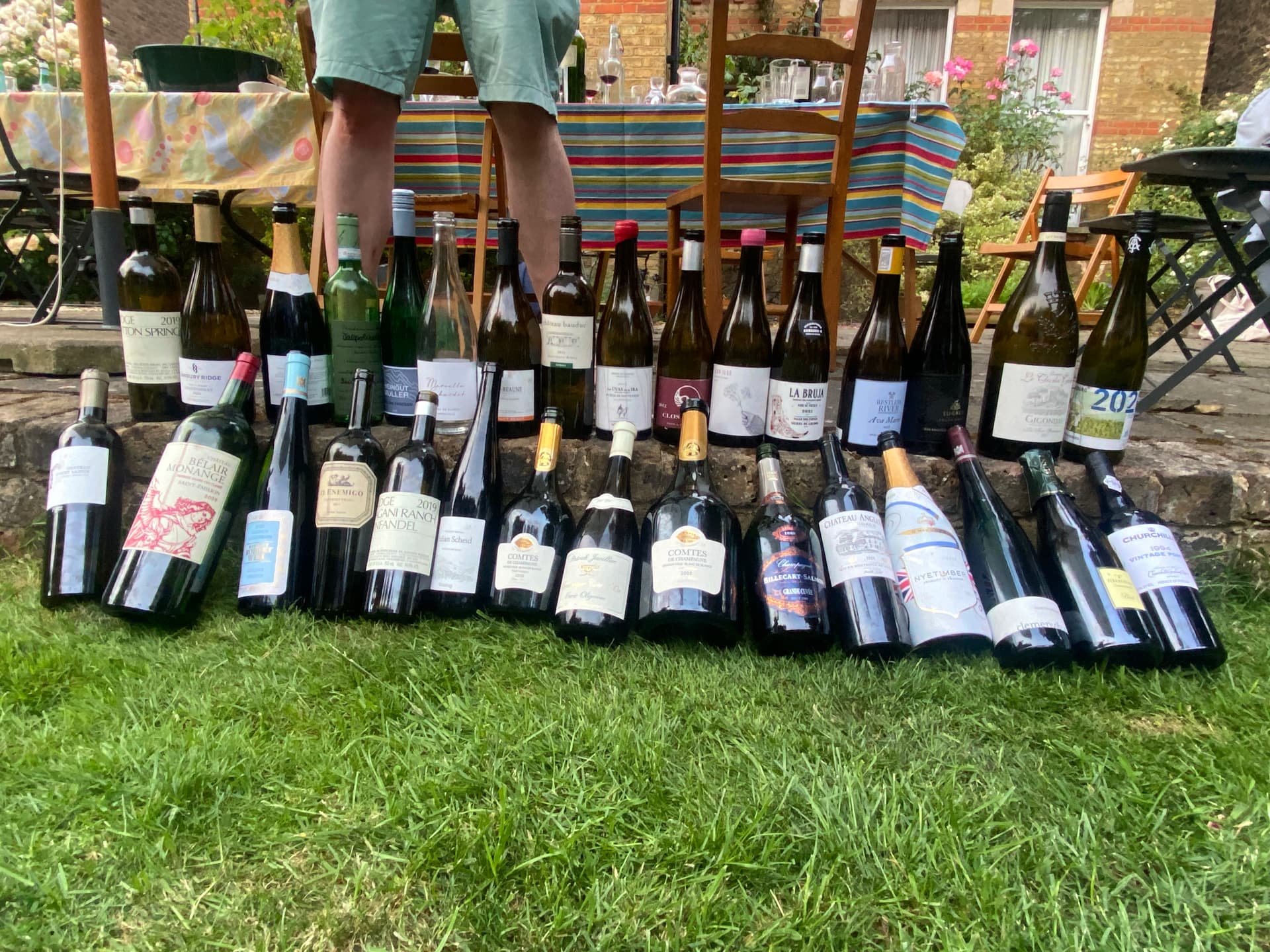
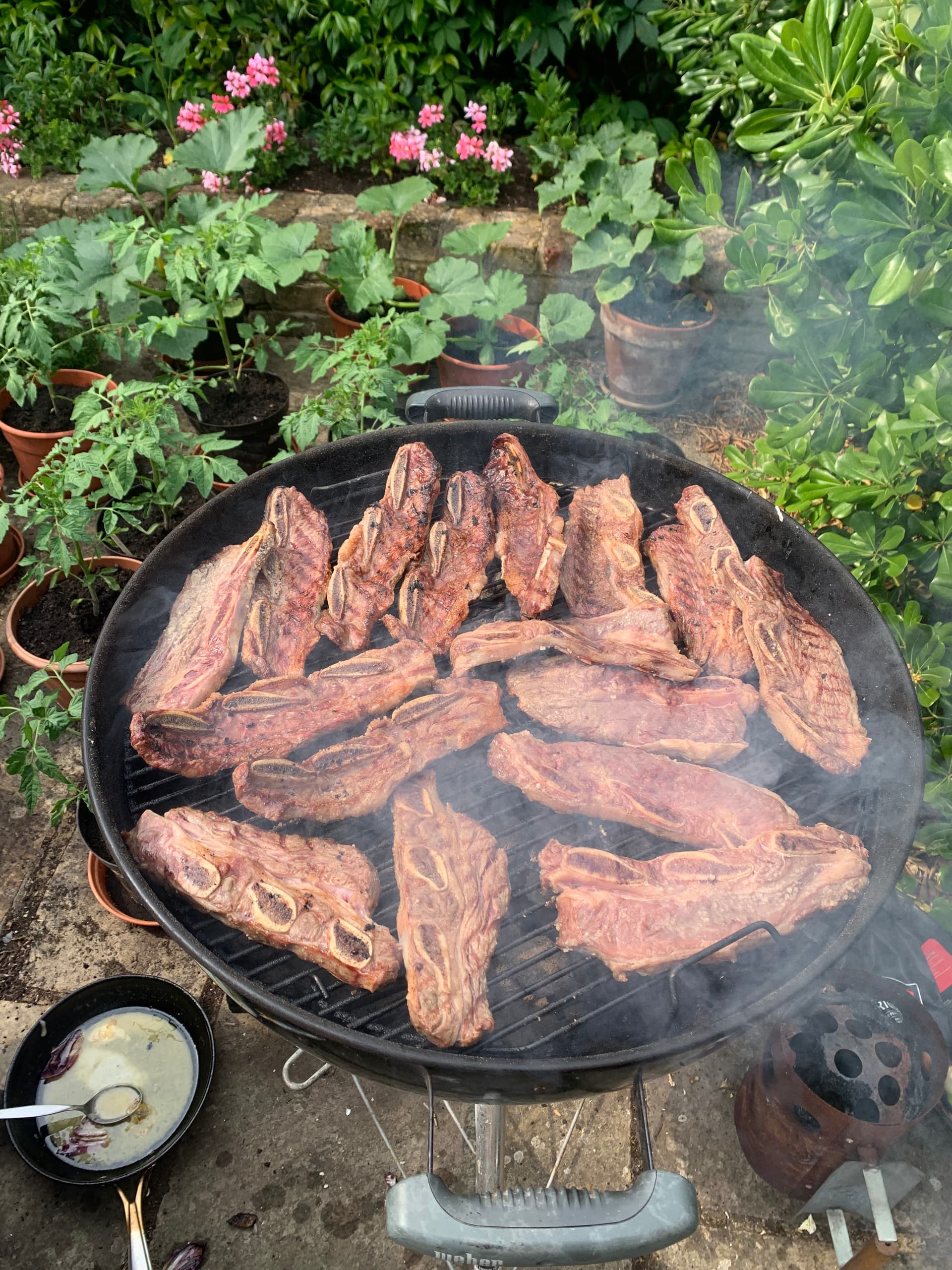

r/WineEP BBQ NOTES
Round 1: Champagne
Wine 1: Taittinger, Comte de Champagne 2008 (one Magnum + one bottle)
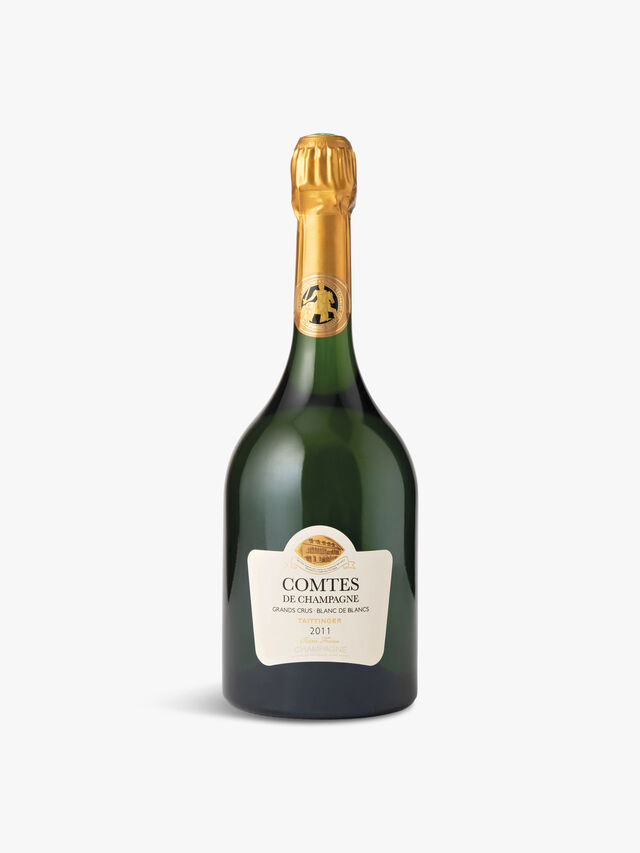
A magnum v bottle showdown for the ages.
Comtes requires no introduction. A proper ‘prestige’ cuvée, released in special bottles which are designed to imitate the house’s 18th century examples. Aged in Reims for at least 8 years before release and derived solely from the “Grand Cru” chardonnay vineyards in the Côte des Blancs.
2008 was a celebrated vintage, and this wine showed it. A gorgeous light lemon/gold in the glass and a fine mousse.
The astonishing feature was the hefty body. Non-vintage champagnes, or English sparkling wine, simply cannot compete with the rich mouthfeel – the oomph – of this wine.
Beyond the usual tasting note suspects - pear, apple, toastiness on the mid palate - the remainder were best achieved by sniffing deeply in the glass. A nuttiness - roasted pecan or hazelnut - was present. So too a fresh floral note: jasmine blossom or honeysuckle. On the palate, the acidity gradually turns from a sharp ‘lemon’ to a fruitier ‘raspberry’.
This was a very smart buy on release. The tertiary elements - particularly the toastiness - will likely continue to develop. I thought these bottles probably have another 10 years in them. Neal Martin is even more optimistic: he gives them another 15 years. If I had one, it wouldn’t last that long.
For those lucky enough to be able to acquire some (£925/6 at Vinum; £950/6 BBX), should you buy a magnum or a bottle?
Votes were mixed in our tasting group and depends upon preference. I went with the magnum, which had a slightly more muted acidity and a richer body. Those seeking a racier acidity should acquire a bottle and serve stone cold. Our test was not completely standardised as the bottle was served colder, and immediately upon opening, whereas the magnum was (by necessity) part decanted. If those flaws in scientific testing require a repeat, I won’t mourn!
A final note: what a joy to hold such sophisticated glassware. The curve of the bell-bottomed bottle would make Norman Foster weep.
Summary: Com(ple)te(ly) unsurpassed A truly special wine. 97-98
Wine 2: Billecart-Salmon, Grande Cuvée, Brut, 1989
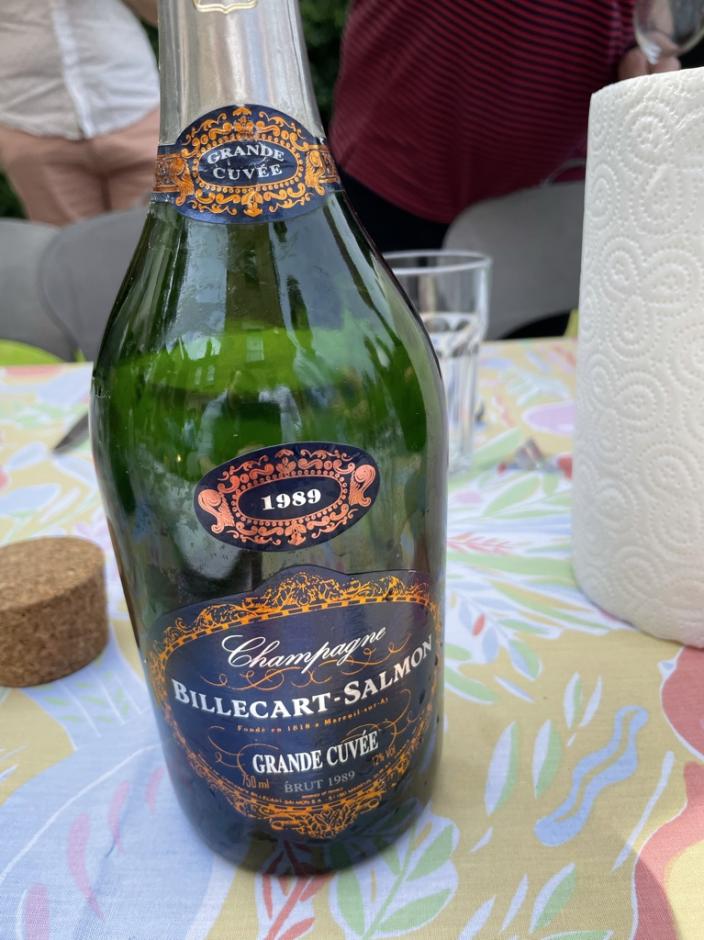
A disclaimer: this bottle was brought, in part, because I asked to try it.
Many good things hail from 1989. Democracy in Eastern Europe; commercial web services; Taylor Swift; and this bottle.
Rumours of the death of this champagne transpired to be exaggerated. I had the honour of opening the bottle and, after some initial resistance from an antique cork, it popped with a low “phut” and a cry of “It lives!”
The bubbles – which were infrequent – were never going to be the main attraction here. Deep golden in the glass – almost the same colour as a young Sauternes. This had a remarkable nose: a wonderful toastiness (a phrase which a younger relative objected to); brioche; roasted hazelnut. Little fruit on the nose – though a review from 1994 (!) indicated there should have been “white peach, nectarine, and Lorraine plum”.
Although some reviews were mixed, I loved this. The density of flavour was remarkable: so much tertiary depth. And the acidity was rich, matched by a smooth mouthfeel. It was really like drinking a fizzy, solera-style white wine, than a champagne. Unique.
Next up: the Grenache contest.
Round 2: INTERNATIONAL GRENACHE OFF
(or should that be ‘garnacha off’?)
Wine 3: Comando G, La Bruja de Rozas, 2020
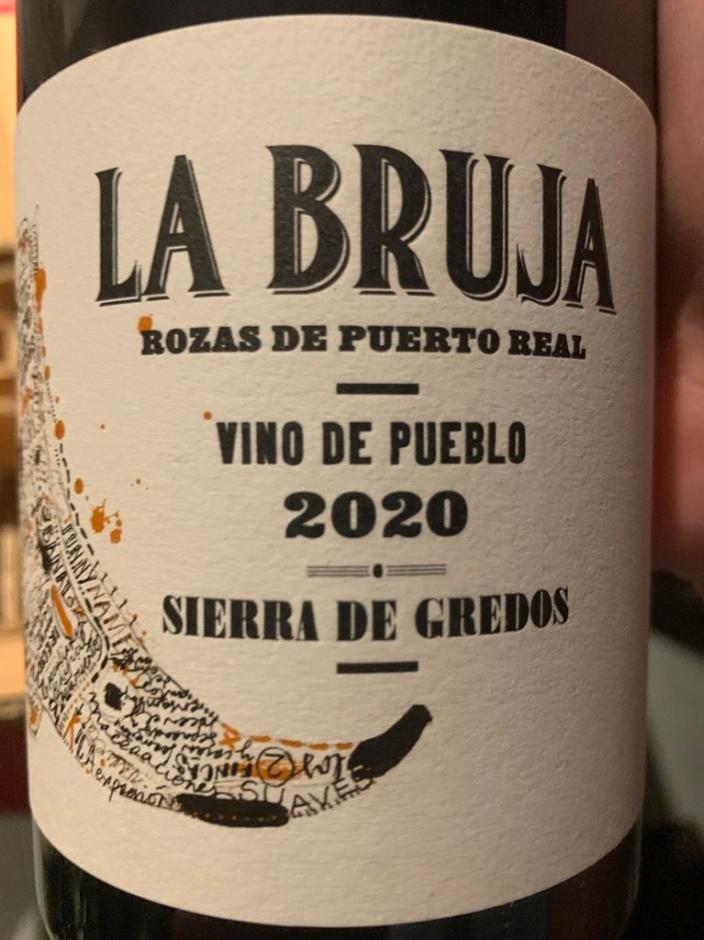
The first contender is a Spaniard, from two vineyards on granite soils outside Madrid. The grapes are fermented separately, using native yeasts. Then five months’ ageing in two 25hL vats and then in 500L barrels.
In the glass: verrmillion – with purplish tints. The darkest of the three grena-champions.
On the nose, rose and sour cherry.
On the palate, a pinot-ish Grenache heavy on rose and sour cherry. Some fine china tannin and a hint of warming spice.
Summary: a perfect weekend wine; probably ranked second of the three.
Wine 4: Daniel Landi, ‘Las Uvas de la Ira’ 2019
Next up: another Spaniard, with a clear penchant for Steinbeck. (‘Las Uvas de la Ira’ = “The Grapes of Wrath”). Nothing about this wine felt particularly wrathful, however. From Daniel Landi in Mentrida.
In the glass: a lighter, paler ruby, compared to the Comando G. The nose was much less open (at first), heavier on rose notes and cherry sweet pastilles. The quality of the fruit notes was purer, though I preferred the Comando. The lightness in colour did not reflect the palate: a zing of sour cherry, and some kirsch base notes. Slightly more tannic, but on a ‘Grenache’ scale quite limited.
I wondered whether some interesting wine-making techniques contributed to the curious combination of muted nose/low intensity colour, versus the cherry fireworks on the palate. Landi presses a third and naturally ferments as a white wine; one third is briefly fermented and then extracted; and the remaining third receives a whole bunch fermentation, with an extended maceration. Then 12 months’ ageing. I suspect this is a wine which might benefit either from more bottle age or a healthy decant.
Summary: one to keep and enjoy in a few years. Or after a few hours in a decanter?
Wine 5: Lourens Family Wines, ‘Lua Isle’ Grenache 2020
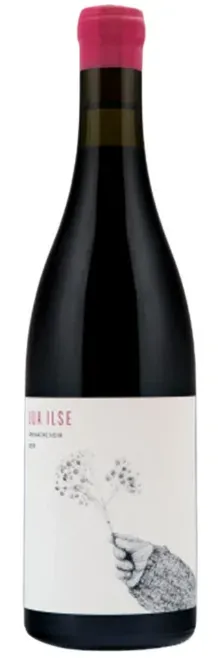
The third challenger was (predictably) South African. We were informed that the production is tiny: about 800 bottles annually.
In my view, this was the Grenache champion. In the glass: a shade of ruby red, somewhere between the other two in depth. Beautiful pink on the rim. On the nose, predominantly rose notes (a sweeter variety – somebody said “Turkish delight” and I agreed); but less cherry. Some wood. Closest to a pinot noir in fragrance and delicacy. This really distinguished itself on the palate: smooth; less tannic structure; very savoury; a pure, red morello cherry base with some plum and sweet notes to accompany.
Summary: clear winner for me.
Round 3: MORE BUBBLES
Wine 6: Nyetimber, Blanc de Blancs 2015
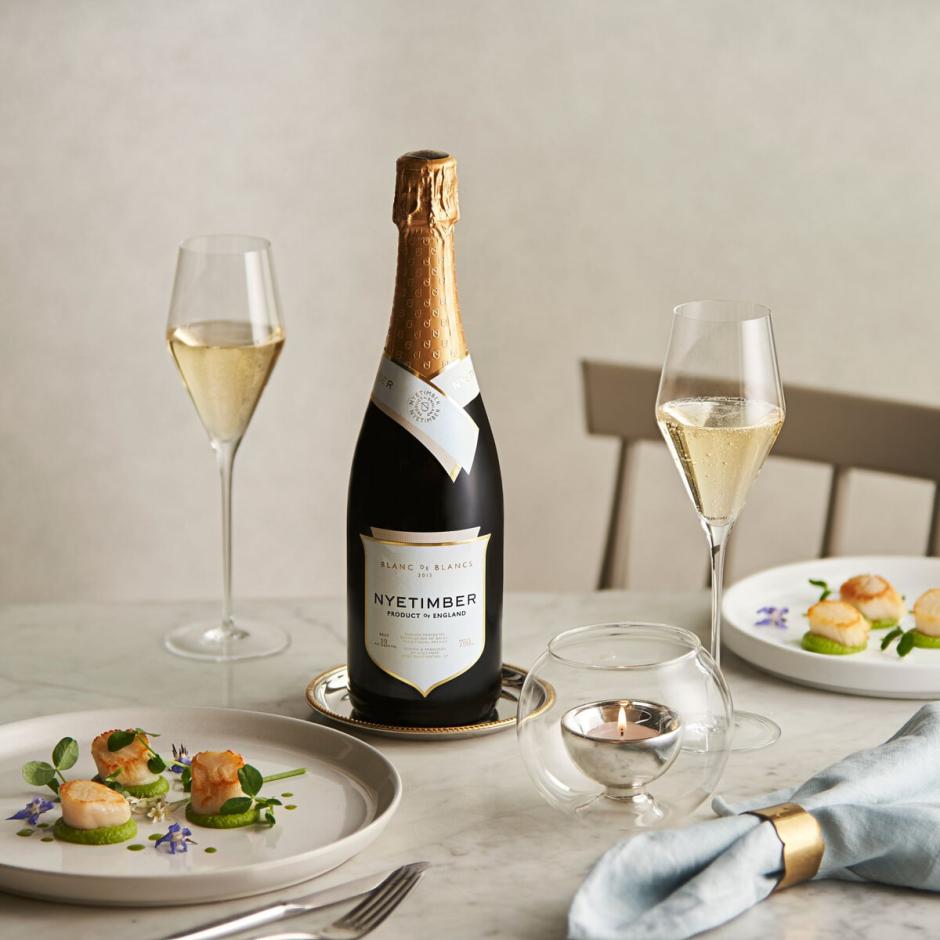
English fizz does vintage. Or should that be fizz-tage?
This is a citrus-forward, slightly pink-on-lemon, fresh English fizz. Without a sample of the classic cuvée to hand, it is impossible to advise on the value proposition, but this is good. It didn’t stand a chance against Taittinger, but is fresh, has a creamy mouthfeel, and the bubbles are fine.
If I were going to pick out individual notes, probably some peach, rich pastry notes (not quite “brioche”), and the liquid you get when you twist a lemon and rub it on a glass.
90-91
Wine 6: Vietti, Moscato d’Asti, 2021
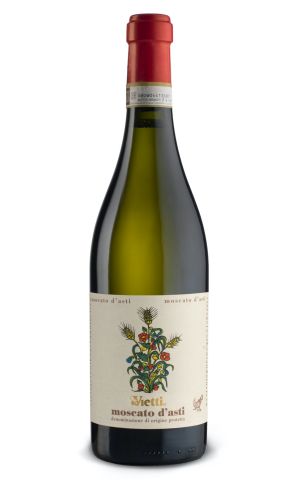
Moscato has a terrible reputation in England, courtesy of student nights in the 70s-90s. Having recently been a student, I can confirm students do NOT drink this. It’s vodka coke now.
Moscato is a really easy wine to produce. Pick grapes, put them in a barrel, let them ferment (with a little hint of fizz), then stop the fermentation really quickly, either by adding barrel-loads of sulfites – the chemical explanation for a student night-morning-after-headache – or chilling. Vietti does chilling.
This wine is likely drinking a fizzy pear. Preferably, a really cold pear. Best served either on a warm day, or with something particularly drying and rich. The Italians serve it with their Christmas pannetone.
NB: this wine does not keep more than 12 hours once opened, and is ideally consumed within about 2hrs. It’s gloriously sweet so, in the event you didn’t finish it, mix with cream and turn into ice cream or add a lemon, some soda water and enjoy a light white spritz. Final note: only 5% alcohol. Therefore a perfect half-glass for those driving home from the summer BBQ.
Vietti probably makes the best Moscato. I can recommend Massolino and Marcarini, too. These wines are difficult to obtain in England, so seize the chance when you can. I know BBR had some Marcarini Moscato at a recent dinner, so there may be some floating around…
Wine 7: Sugrue, The Trouble with Dreams, 2017
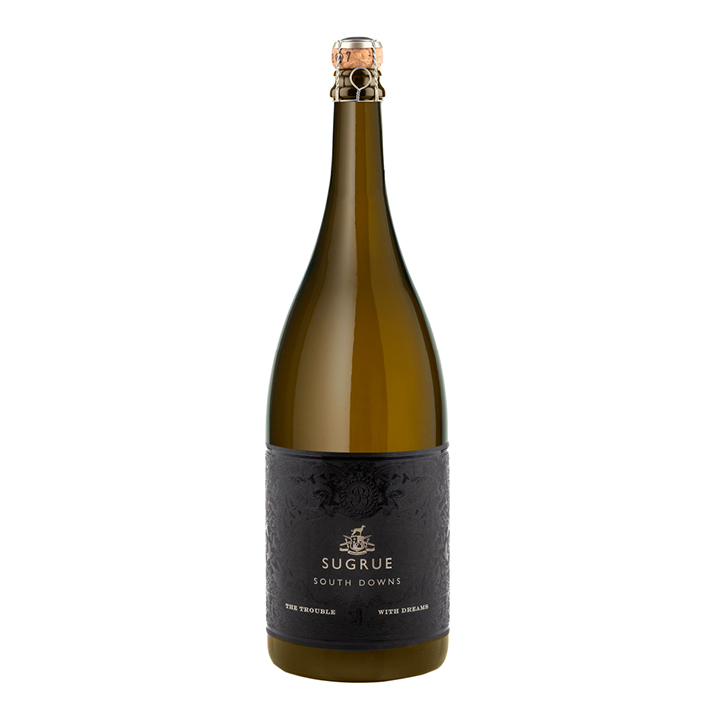
Bonus points for cool, hipster, no-capsule look
This is the pet project of Dermot Sugrue, and is another “English fizz-tage”.
60% Chard; 40% pinot noir, sourced from two South Downs vineyards. Really classy stuff. Light golden in the glass; some fruit (apple??) on the nose, alongside some definite bottle aged hints of toast. The standout feature is the creaminess. My first notes read: “cream. like double cream. with bits of granny smith apple in it”. I cannot approve on that, save to add that there was a more complex layer of lees-ferment which surged through on the mid palate.
This is wonderful summer wine, and really paired well with the Blanc des Blancs. If Nyetimber is the prep-school, smart tie charmer; this is the laid-back cool kid.
Available £49DP at English Wine Collection who has sophisticated but bizarre tasting notes of: “flint, oyster shell, pineapple with crushed grains, hay, and shortbread.” [Sounds like a middle-class witch’s potion recipe. And who knows what oyster shell smells like?]
Wine 8: Ferghettina, Franciacorta Brut NV
There never lived a greater sucker for Italian wines than Elk. Especially sensibly priced fizzy stuff from the North. This hails for Lombardy, which is more famous for its bankers, lakes and Milanese haute couture than wine.
Is made like champange: a chard, pinot blend; aged on its lees in bottle; has biscuit and fruit notes; and went down a treat. Possibly suffered from following the Taittinger. This is the “first bottle to open at a party” wine: extremely light. 12.5%. VGV and easy to acquire.
Round 3.5: The Sole Rosé
Wine 9: Nervi-Conterno, “Il Rosato”

First: a history lesson. Once upon a time, the Gattinara region was internationally respected for its nebbiolo exports. Nervi – as an independent cantina – was founded in 1906. At some point – roughly from the '60s through to the Barolo wars – Barolo and Barbaresco became dominant in the exporting world’s imagination, and Gattinara fell by the wayside. This changed quite abruptly, when Roberto Conterno bought out the Nervi estate and started making Gattinara. Roberto brought the barolo sheen to the region (FYI: if you want to know how the market assesses Roberto’s barolo, look at the pricing for Conterno, Barolo Monfortino Riserva) and has re-awoken interest in another area of Piedmont.
This is not the gattinara. Instead, it is a rosé made exclusively from nebbiolo. Rosé, too, sometimes has a reputational issue (a wine of “off cuts”). This is an extremely hard wine to make. The extraction time from nebbiolo needs to be timed to within a few hours, or else you risk picking up the harsh acidity or tannin associated with the varietal. I don’t know how long this is subsequently processed, but Elio Sandri’s (equally good) rosato then spends a year in concrete vats.
For the record, I did not bring this, but I’m glad it was there, because it’s remarkable stuff. Almost clear – a bare translucent, ephemeral pink in the glass. Best served damn cold.
It picks up the ‘raspberry’ and ‘rose’ end of the nebbiolo aroma spectrum, rather than the deeper cherry (or “tar”) which nebb-heads love in Barolo.
Palate is dry (as a bone) and crisp, with some herbal underlay. I found some roasted strawberries on the mid-palate, and really controlled acidity. A gloriously light summer wine. Though I would have it with fish in the mid-winter quite happily.
If you don’t like rosé, try it. If you do like rosé, buy some.
The BDX Tasting
Wine 10: Chateau Bauduc (Rouge), Bordeaux Superieur ’21
Product of two English expats, Gavin and Angela Quinney. Located 15 miles from Bordeaux. A merlot, Cab Sauv, Cab Franc blend; some vines recently replanted over last 23 years. This wine has quite a good following. It’s been served as the house red at G. Ramsay’s London restaurants and likewise at Rick Stein.
Fruity, and supple. Partially aged with oak, which is discernible but not aggressive. Medium to full. I got a peek at 13%, so nothing which would cause a party-host any problems. Definitely one to consume with food.
Wine 11: Chateau Angludet 2015
Was this the wine that launched a thousand clicks?
The word “revelatory” tends to be used negatively these days, but this was a true revelation. Love at the first sniff.
The depth of scent on this wine was glorious: forest berry; hint of leather; hint of spice; tobacco overlaid. It goes on and on. You could happily spend an hour with a nose in the caraffe. Only decency made me pass it on.
Deep vermillion in the glass, and probably at its prime for drinking.
The palate was not so sophisticated alas: cassis aplenty, but less of the tertiary flavours which the nose indicated.
Farr Vintners say this “isn’t one for long ageing”. I am less sure. I wonder if it might develop even more over the next two years.
However, it was the start of a journey for me. Immediately after the BBQ, I bought a small number of '17 halves; some '11; and then some 19 and 22 still en primeur.
Wine 12: Cantenac Brown 1997
Disclaimer: I brought this one, as a result of a L+W delivery mess up.
I admitted a degree of nervousness: not a stellar vintage (despite being my birth year), and a mid-ranking chateau might have been a prime suspect for some flaw (oxidation or other). Plus, the origin story of this wine lies in a sale from an Amsterdam cellar, occupied by a chap who smokes cigars all day. Hardly the temperature/humidity-controlled dream.
My fears were ill-founded. This wine turned out to be fresh as a daisy. Not complex: rich in fruit (remarkably); slightly drying on the finish; but little tannic structure left. Something recognisable as a Margaux nose. But the colour was like a 5-year-old wine, not a 25-year-old one. Certainly, a success, if not a triumph.
Hilariously, a contemporary critic said, “drink within 5 years”. Ha.
Wine 13: Belair-Monange, 2009 (Magnum)
What a treat this was. A double portion too.
Begin with the terroir here: a striking limestone-based St. Emilion, with master wine-maker Moieux in charge.
The terroir does count: high alcohol but a mouthfeel smooth as silk – almost a thick, creamy, viscous feel.
The tannins were entirely integrated here, and the fruit as ripe as possible. A deep cherry on the palate, with herbaceous undertones.
In my view, this is at its peak. I’m so glad I got to try it!
95 points – RWOTA, on pure wine-making skill.
New World Intermission
Wine 14: Ridge Lytton Springs 2019
I admit this was my first experience of Ridge wines,
73% zinfandel, 16% petite syrah; 7% carignan. On the palate: sweet, almost jammy, fruit. My notes said “plum forward, blackberry pudding on the midpalate”.
Tannins limited, but still did better after some vigorous swilling in the glass.
Over time, some liquorice notes emerged.
Drinking beautifully now!
Wine 15: Ridge Pagani Ranch Zinfandel '19
Uncertain who brought which Ridge. It was an embarrassment of Ridges nonetheless.
This wine has an even higher zinfandel quotient: 90%. Ridge makes quite a lot of the fact that the relevant vines pre-date prohibition.
All round, a bigger, more vibrant, and more acidic wine than the Lytton Springs. Massive body and strong ‘cherry’ notes throughout. I admit I preferred the Lytton Springs, but that reflects a palate-preference for elegance and nuance over power.
For a big wine which will get guests’ eyebrows raised as they sip, £43DP at TWS
Final note: there was something tobacco-adjacent here, which wasn’t present in the Lytton.
Honorable Burgundy
Domaine Tollot-Beaut Chorey-le-Beaune 2015
This was a real joy to drink. It was noted that it would over-perform simply by virtue of being the only burgundy, in a BBQ full of fine wine enthusiasts. It was certainly charming.
Translucent ruby in the glass (fairly typical pinot); and a fairly standard perfumed nose – a floral cherry (cherry blossom), spice, leather base.
The structure was present, but of China delicacy.
Long, and well-balanced in terms of (quite high) acidity.
A delight really. Makes me want to drink more burgundy, until my credit limit intervenes.
Syrah tasting
Wine 16: La Clos des Cazaux Gigondas La Tour Sarrasine 2018 (Magnum)
This almost didn’t get a comment, because an un-named individual said “it would be hilarious if you just didn’t take down any notes”.
This wine rather suffered in comparison with the International Grenach-off (see above)
A deeper grenache than others served. Hints of strawberry, perhaps something herbaceous underneath. L+W call it liquorice, which is definitely not right: crushed aniseed residue would be closer.
I admit I did not enormously enjoy it. But that’s no reflection of the quality of the wine.
Wine 17: Pontet-Labrie 16
This was a charming taste of a wine grown (I believe) by a friend/associate of Honest Grapes. For those new to the group (or those who need convincing to attend a meet-up, one of the really remarkable features of this group is access to people ITB and the winemakers they know. This is, by all accounts, pretty rare stuff. 0.98 hectares; only 3500 bottles produced.
Typical St. Emilion blend. On the palate, I noted it was particularly heavy on the mocha/chocolate notes, atop the usual berry/dark forest fruit ones.
Some really glorious cherry notes too.
I don’t know how you would get hold of some, but I would assume talking to Honest Grapes would be a start.
The Whites (Yes, I know I’ve gone backwards: the reds are easier to review!)
Wine 17: 2020 Riesling, Trocken, Kiedrich Klosterberg, Robert Weil
If somebody picked a pack of Trocken Rieslings, which pack of Trocken Rieslings might they have picked?
Answer: unless you speak German, or have an intimate familiarity with the nomenclature of Rieslings, you won’t have a bloody clue.
I don’t even know who brought it. (Apologies to the donor!)
In any event, it was lovely. Light, limited floral nose. A really pleasant floral and slate-forward palate. The only white wine I had two glasses of. Yes, the acidity is high; and yes, I’m sure you could lay it down. Wiser heads might say you are meant to. But if you like the style, you’ll have a good time. (Is it heresy to say: if it’s too acidic, just cool it down more?)
Wine 18: Danbury Ridge Chardonnay 2020
An English winery on the up. From their second harvest. Marketing from third parties includes the line “surely English’s finest still Chardonnay producer” which, though very possibly true (I don’t have a view either way), seems premature given the small number of said producers!
From southern clay (“loamy”) soils. Whole bunch pressed; aged in big oak barrels; then given time in tank on lees before bottling. Unfiltered.
A buttery chard (possibly courtesy of the 10 months in oak), but some serious, leafy acidity (which might be a product of the whole-bunching?).
The oak in this is like an awkward uncle at a child’s birthday party. Incongruous at first; sits there for a while; refuses to look uncomfortable; and eventually you realise it was meant to be there all along.
An incidental thought: will the high production costs and/or margin of English still wine hamper its international credentials? There are equivalent or better chards from elsewhere with better QPR. Do nascent English winemakers deserve a premium? Answers on a postcard.
Wine 19: 2020 Weingut Immich-Batterieberg Escheburg Riesling
Try saying that after seven glasses!
A young, green, flinty, medium bodied Riesling. A very complex palate, with bursts of pear and apricot mainly. A drinking companion found some melon there. The standout feature is the “minerality” (an inelegant phrase). Further answers on a postcard for what, exactly, wine critics and drinkers are referring to when a dry white is labelled “mineral”.
If you can do better than “I know it when I see it”, in the spirit of Jacobellis v Ohio, you’re doing better than me!
Wine 20: Restless River Chardonnay 2018
A wine-reviewer’s dream, in that all the relevant information is displayed on the label. On the nose: typical chardonnay – a hint of oak, but far from noticeable. This was a multiple fill SA Chardonnay, held partly in amphorae. Winemaking skills on point: picked v. carefully, over long period – 05 Feb to 03 March. Both delicate and integrated. Developed in the glass to something more floral. On the palate, green apple first, then floral. More savoury than the Danbury Ridge.
Wine 21: Clemens Busch Marienburg Rothenpfad 2014 (Reserve)
A stark contrast to the Weil Trocken. This was off-dry. Golden in colour. Spent two years on the lees (possibly resulting in the colour?). Has a great slate/flint nose, which comes across harder than any florality. On the palate, some honey, blossom, apricot, and apple.
Wine 22: Julian Schied, 782, Riesling
Sticking with the Mosel theme, a sweet Riesling from the top of Mr. Schied’s line-up.
This needs air and lots of it. Quite a dense wine, it’s near-translucency belies the complexity on the palate. In about two minutes I wrote down (in no particular order): “jasmine, sage, bergamot, honey-suckle, apricot, some apple (baked?)… when does this end, exactly?”
Which could be the musings of a tired perfume maker at Chanel, or tasting notes for this wine.
I was less of a fan of the nose, which lacked something in my cursory tasting (hence: needs air). Creamy finish.
Here ends the tasting notes. There was a '94 Churchill Port, which I never got to try, and the famous Suideroni. No doubt other forum members would like to hear (a) how they are made and (b) why
We hope you enjoyed these notes and a big thanks to Elk for writing them up!
Again if you are interested in the Discord chat please come say hi! We have groups all over the world
