Starting in late 2024 a friend of mine began a series of tastings in which we went through a relatively large amount of Prunotto wines produced under the helm of the Colla brothers, Beppe and Tino.
To those who not know, the history of Prunotto can be split into four distinct parts:
- In 1904, the winery came together first time as Cantina Sociale Ai Vini delle Langhe, a co-operative of the winegrowers of Serralunga. The first vintage of the co-operative was 1905. However, due to the economic troubles experienced during the aftermath of WW1, the co-operative began facing serious financial difficulties by the early 1920’s.
- In 1922 Alfredo and Luigina Prunotto bought the co-operative and gave it their name, turning it into a successful winery.
- Alfredo Prunotto retired in 1956 and sold the winery to his friend, wine technician Beppe Colla, who ran the winery with the assistance Carlo Filiberti, and later his brother Tino Colla.
- The Tuscan wine powerhouse Antinori took interest in Prunotto in the late 1980’s, first taking care of their distribution beginning in 1989, then taking over the company in 1994 when the Colla brothers decided to retire.
So, in essence, the wines we tasted were from the period often considered to be the finest in the history of Prunotto: 1956-1994, when Beppe Colla was at helm. We also had some fitting extra bottles that could be compared to the wines we were tasting.
This tasting was the first part in our three-part tasting series - the rest will follow in due time.
What surprised me the most was how many of the wines from the legendary vintages were already past their peaks (I’ve had several of them in the past, and they were in a much better shape back then!), whereas some of the best wines in the tasting came from lesser and often overlooked vintages like 1968 and 1973!
And before anyone asks: the wines were carefully double-decanted several hours prior to the tasting and given a good amount of air. Yes, some wines seemed obviously oxidized - and they really didn’t get any better with further aeration. The person who arranged the tasting said that he was initially worried by even more bottles, but said that they were only closed upon opening, but did open up just fine with air. We agreed that the wines that honestly seemed oxidized (often down to the syrupy-brown appearance) were definitely oxidized and past their peaks - no amount of aeration would’ve been able to bring them back to life.
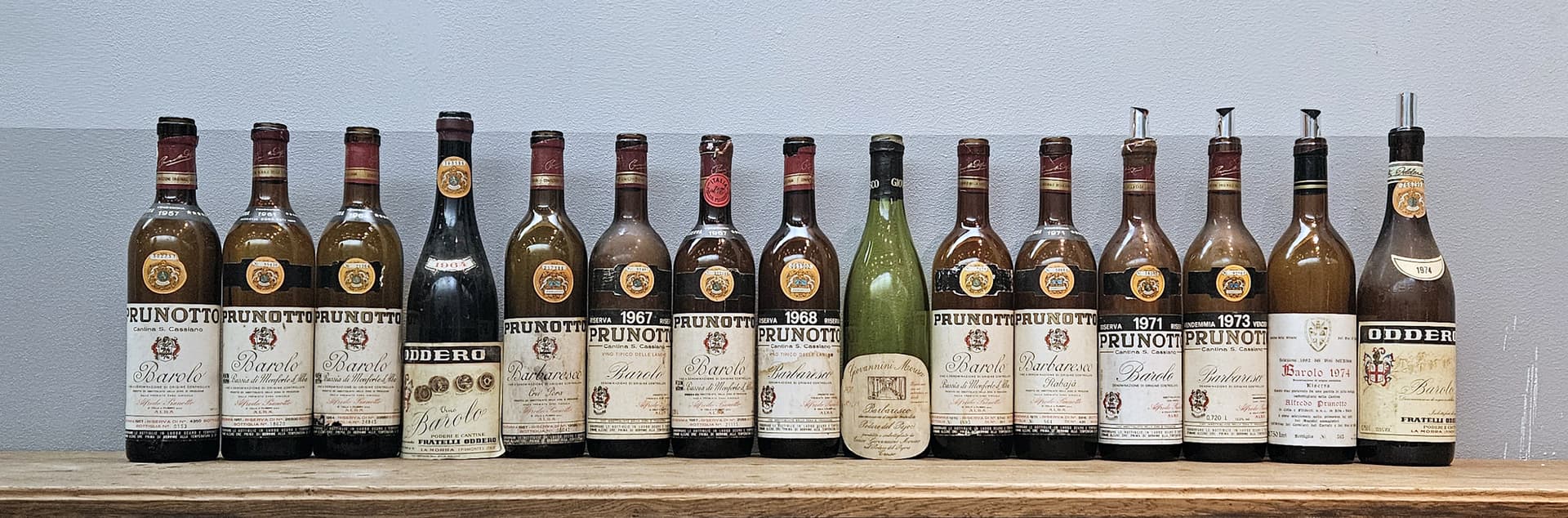
- 1957 Prunotto Barolo Riserva - Italy, Piedmont, Langhe, Barolo (15.10.2024)
100% Nebbiolo. 13,5% alcohol. Bottle #153 of total 4350 bottles.
Luminous, pale and fully translucent brownish-orange color. The nose feels both sweet and quite pungent with pretty oxidative aromas of wizened cherries, some raisiny tones, a little bit of licorice root, light notes of wood tar, a hint of tobacco, a touch of nutty rancio and a whiff of soy sauce. The fruitier nuances gain more presence with additional aeration, but the wine remains moderately oxidized. The wine feels dry, old and quite thin on the palate with a light body and tertiary, even somewhat dull flavors of tart lingonberries, earth and burnt sugar, some rusty metallic notes, a little bit of salty rancio, light balsamic volatile tones, an oxidized hint of nuttiness and a touch of wilted flowers. The structure relies entirely on the high acidity as the tannins are completely resolved and pretty much nonexistent at this point. The finish is long, dry and quite acid-driven with a flat aftertaste of tart lingonberries and cranberries, some metallic tones, a little bit of dried sage and other sweet herby tones, light oxidized notes of chopped nuts, a hint of tobacco and a touch of salty rancio.
This was just way past its peak. As many old Nebbiolos have a propensity of doing, the wine improved to some degree with aeration, slowly adding emphasis on the fruit flavors. However, even then it was obvious that the wine was already quite thoroughly oxidized and hanging by its last thread. At this age, there are no great wines, only great bottles - and this wasn't one. (NR/flawed) - 1961 Prunotto Barolo Riserva Bussia di Monforte d'Alba - Italy, Piedmont, Langhe, Barolo (15.10.2024)
The first commercially released Barolo with a single-vineyard designation, ever. Bottled in a bottle sized 0,72 liters. 14% alcohol. Bottle #18620 of total 26500 bottles.
Fully translucent but also very evolved and rather old, medium-deep maroon-orange color. The nose feels old and tertiary but also quite attractive with aromas of wizened strawberries, some wilted flowers, light sweet cherry tones, a little bit of earth, a hint of red licorice and a touch of pipe tobacco. The wine feels dry, richly textured and quite old on the palate with a medium body and tertiary flavors of sour cherries and cranberries, some old leathery tones, a little bit of ripe red plum, light metallic notes, a hint of tobacco and a touch of gravelly earth. The wine is high in acidity with a gentle, mellow tannic grip. The finish is dry, crunchy and slightly grippy with a long, tertiary aftertaste of sour cherries, some pruney tones, a little bit of crunchy red plum, light metallic notes, hints of leather and pipe tobacco and a touch of earth.
An enjoyable but also quite old Barolo that is already somewhat past its peak and already in a decline. However, despite its somewhat distracting metallic flavor, this bottle was in much better shape than the one we had eight years earlier - that was just fully oxidized and also somewhat aldehydic. This wine still offered some pleasure, even though it was obvious that it was already getting rather oxidative and was not on par with those old Prunotto Barolos we tasted at the same time that were still in good shape. I'm sure this must've been a lovely bottle of wine a decade or two ago, but today only a pale ghost remains. Thus, I'm leaving the wine unrated. - 1964 Prunotto Barolo Riserva Bussia di Monforte d'Alba - Italy, Piedmont, Langhe, Barolo (15.10.2024)
100% Nebbiolo. 13,8% alcohol. Bottle #24845 of total 29860 bottles.
Translucent, medium-deep and quite tertiary maroon-to-brick orange color. The nose feels somewhat oxidized with savory aromas of old leather and loose tobacco, some licorice root, light metallic notes, a little bit of dried dates, a hint of wizened strawberries, a touch of tar and a whiff of roasted nuts. Think of Tawny Port meets old Nebbiolo and that's basically it. The wine feels dry and somewhat hollow with a medium body and quite Tawny-ish flavors of wizened cranberries and sour cherry bitterness, some metallic notes, a little bit of gravelly earth, light sweeter nuances of dried dates, an oxidative hint of nutty Madeirized character and a touch of brown spices. The overall feel is still quite firm, thanks to the high acidity and moderately grippy medium tannins. The finish is long, dry and somewhat grippy with a tertiary, acid-driven aftertaste of wizened cranberries and sour cherries, some malt syrup tones, a little bit of gravelly earth, light Tawny notes of caramel and nuttiness, a hint of beef jerky and a touch of soy sauce.
Getting quite oxidative and tired. Somewhat drinkable, but too old to offer any real pleasure. Leaving the wine unrated. - 1964 Oddero Barolo - Italy, Piedmont, Langhe, Barolo (15.10.2024)
100% Nebbiolo. 14% alcohol.
Medium-deep and noticeably old nutty brown color. The nose feels old, savory and quite tired with very tertiary aromas of raisiny dark fruit and nutty rancio, some licorice tones, a little bit of caramel or syrupy molasses, light pruney notes, hints of tar and smoke, a touch of earth and a malty whiff of Barley Wine. The wine feels old, quite tired and pretty madeirized with a silky texture, a full body and very tertiary yet still somewhat concentrated flavors of pruney and raisiny dark fruits, some madeirized mahogany tones, a little bit of licorice root, light earthy notes, a hint of malt syrup and a touch of dried dates. The overall feel is firm and pretty dry, but the dried-fruit flavors add an illusion of sweetness to the taste. The wine is high in acidity and it still retains an impressive sense of structure with its high acidity. The finish is old, very tertiary and moderately grippy with a long, textural aftertaste of syrupy richness, some licorice root, light earthy tones, a little bit of smoke and wood tar, a hint of wizened cranberries and a touch of sweet pruney fruit.
Seven years ago we had a magnificent bottle of this wine, but only two years ago the wine was getting already very tired and oxidative. I guess that first bottle was just a lucky fluke, since this bottle was more or less similarly tired and oxidative as the previous one. You can how this has been a remarkably substantial and concentrated wine - much more so than the 1964 Prunotto Barolo Bussia we tasted at the same time - and this wine was still in a decent shape compared to the Prunotto, but it is obvious that the days of glory for this wine are in the past. I guess one might still find some bottles that are in sound condition, but based on these couple of past bottles we've had, I wouldn't hold my breath.
(85 points) - 1967 Prunotto Barbaresco Riserva Pora - Italy, Piedmont, Langhe, Barbaresco (15.10.2024)
100% Nebbiolo. 13,5% alcohol. Bottle #5042 of total 13580 bottles.
Quite deep and rather translucent maroon color. The nose feels badly corked with pronounced, stuffy aromas of mildew, water damage, some metallic tones and a sweeter hint of wizened dark fruits. The wine feels dull, richly textured and quite mute on the palate with a full body and hollow flavors of mildew and gamey meat. Quite high in acidity with rather grippy tannins. The finish is dry, short and moderately grippy with a dull, mute aftertaste of dusty earth and mildew.
Corked.
(NR/flawed) - 1967 Prunotto Barolo Riserva - Italy, Piedmont, Langhe, Barolo (15.10.2024)
100% Nebbiolo. 13,5% alcohol.
Quite deep, moderately translucent and rather dark cherry-red color with an evolved maroon hue. The nose feels characterful but also somewhat pungent and rather rustic with aromas of smoky phenolics and almost lambic-like bretty funk, some wizened cherries, a little bit of old leather, light kirsch tones, sweet hints of dark forest fruits and dried figs, a touch of dried herbs and a whiff of wood tar. The wine feels dry, firm and sinewy on the palate with a medium body and flavors bretty phenolic spice, some rather pronounced metallic flavors, a little bit of sour cherry bitterness, light cranberry tones, bretty hints of leather and smoky phenolics and a touch of earth. The wine is high in acidity with somewhat grippy medium tannins. The finish is long, dry and somewhat grippy with an evolved, savory aftertaste of tart lingonberries and sour cherry bitterness, some metallic tones, a little bit of wizened figs, light bretty notes of leather and phenolic spice, a hint of wood tar and a touch of earth.
A still vibrant and relatively fruit-forward Barolo Riserva that suffers from a relatively noticeable dose of brett. I could live with those funky phenolic notes, which lend a somewhat gueuze lambic-like overall feel to the aromas and to the taste, but the rather pronounced metallic taste - that is something which supposedly develops from the bretty phenolics over decades - takes a rather big toll on the enjoyability of the wine. Without the metallic taste, I would've rated the wine easily in the mid-to-low 90's, but now the metallic taste is so pronounced here that you really can't just ignore it. A shame.
(86 points) - 1967 Prunotto Barolo Riserva Bussia di Monforte d'Alba - Italy, Piedmont, Langhe, Barolo (15.10.2024)
100% Nebbiolo. 13,5% alcohol. Bottle #21115 of total 21355 bottles.
Moderately deep and rather translucent cherry-red color with an aged maroon hue. The nose feels old, dull and somewhat meaty with tertiary aromas of raisiny fruit, some game, light figgy tones, a little bit of loose tobacco, a hint of forest floor, a touch of truffle and a whiff of dusty old attic. Every time you let the wine stand a little bit and you then sniff it, the dusty notes come back with greater intensity, making the wine feel duller and less pleasant. The wine feels dry, aged and somewhat dull with a medium body and somewhat understated flavors of sour cherries, some dusty earth, a little bit of truffle and a hint of loose tobacco. The structure relies more on the high acidity than on the rather resolved tannins, although the grip slowly increases with exposure. The finish is dry, a bit dull and gently grippy with a somewhat clipped aftertaste of wizened red fruits, some earthy tones, a little bit of musty and dusty character and a hint of truffle.
There's something off here. Either the wine has just evolved too much, revealing some unpleasantly earthy tertiary notes without any fruit, or it is just suffering from a very mild case of TCA, making the wine lose any obvious fruit flavors, yet not feel obviously corked. Whatever the case, this didn't feel like it was a sound bottle. A shame.
(NR/flawed) - 1968 Prunotto Barbaresco Riserva - Italy, Piedmont, Langhe, Barbaresco (15.10.2024)
100% Nebbiolo. 13,5% alcohol.
Quite pale and fully translucent brick-red color with an aged brownish-maroon hue. The nose feels expressive, characterful and quite attractive with rich aromas of tar and coniferous forest, some truffle, light black cherry tones, a little bit of old leather, sweet hints of ripe figs and wizened dark berries and a touch of balsamic VA. The wine feels evolved, complex and open-knit on the palate with a medium body and quite delicate flavors of ripe figs and wizened sour cherries, some pipe tobacco, light balsamic notes of sweet VA, a little bit of old leather, a hint of wood tar and a touch of truffle. The structure relies almost solely on the rather high acidity as the gentle, supple tannins feel more or less completely resolved. The finish is evolved, silky and subtly grippy with a long, tertiary aftertaste of wizened red fruits and ripe figs, some sour cherry bitterness, a little bit of wood tar, light leathery tones, a hint of pipe tobacco and a sweet touch of balsamico.
A supple, richly-textured and harmonious Barbaresco at full maturity. It feels like this must've been a bit lighter vintage in its youth, since the wine comes across as somewhat lighter in style compared to the other Prunottos from the 1960's and 1970's we tasted at the same time - but it is also wonderfully vibrant and still on its plateau of maturity, unlike so many other bottles that had already oxidized and started to fall apart. Most likely the wine has been on its plateau of maturity for decades and hasn't improved at all for a long time, but I'm still happy to see the wine is holding up just fine. This isn't the most complex or impressive old Nebbiolo out there, but a bottle in sound condition is a delightful and delicious example of aged Nebbiolo at full maturity all the same.
(90 points) - 1970 Giovannini Moresco Barbaresco Pajoré - Italy, Piedmont, Langhe, Barbaresco (15.10.2024)
100% Nebbiolo. 13,5% alcohol. Bottle #3495 of total 25315 bottles.
Luminous, fully translucent syrupy-brown color. The nose feels dull, old and quite oxidized with aromas of malt syrup, some herbal Fernet Branca notes, a little bit of caramel, light nutty rancio tones and a hint of mushroomy funk. The wine feels dry, old and quite unpleasant on the palate with a full body and tired flavors of earth and oxidized nuttiness, some malt syrup tones, a little bit of porcini mushroom, light beef jerky notes, a malty hint of Barley Wine and a touch of dried cherry. The moderately high acidity and medium tannins still lend some sense of firmness and structure to the wine. The finish is old, tired and quite grippy with a long, oxidized aftertaste of nutty rancio, some soy sauce, light malt syrup tones and a hint of mushroomy funk.
This was completely dead and in pieces. It was fully oxidized and flat upon the first sniff and didn't change into anything more enjoyable over the whole evening.
(NR/flawed) - 1970 Prunotto Barolo Riserva Bussia di Monforte d'Alba - Italy, Piedmont, Langhe, Barolo (15.10.2024)
100% Nebbiolo. 13,5% alcohol. Bottle #4895 of total 6740 bottles and 817 magnums.
Luminous, still relatively youthful and fully translucent cherry-red color with a pale and moderately wide brick-orange rim. The nose feels dark-toned, savory and moderately evolved with layered aromas of dark forest fruits, some loose tobacco, light funky notes of old leather, light sweeter notes of ripe black cherries, a hint of wood tar, a touch of licorice and a hint of fresh bilberry. The wine feels quite ripe and somewhat concentrated with a full body and quite intense flavors of ripe dark fruits and licorice, some ferrous notes of blood, light mineral nuances of gravel and salt, a little bit of something metallic, a hint of sour cherry bitterness and a touch of tart lingonberry. The overall feel is balanced and enjoyably structured with the rather high acidity and firm yet moderately resolved medium tannins. The finish is long, moderately evolved and rather grippy with a savory aftertaste of ripe dark fruits and sour cherries, some saline mineral tones, a little bit of licorice, light tertiary nuances of beef jerky, a hint of old leather and a touch of something metallic.
A fine, tasty and balanced old Barolo - although the light metallic note in the taste does take a toll on the enjoyment. The wine is still in a good shape, but still a behind the more vibrant and expressive Prunotto Riservas from the 1971 vintage that we tasted at the same time. Without that metallic note this wine might've been great; now it was just good.
(89 points) - 1971 Prunotto Barbaresco Riserva Rabajà - Italy, Piedmont, Langhe, Barbaresco (15.10.2024)
100% Nebbiolo. 13,5% alcohol. Bottle #864 of total 5616 bottles and 435 magnums.
Very pale, evolved and fully translucent syrupy-brown color with a faint brick-red hue. The nose feels very meaty with aromas of beef stew and wood tar, some gravelly mineral notes, a little bit of bouillon cube, light sweeter nuances of plum jam and dried black cherries, a hint of pipe tobacco and a herby touch of Fisherman's Friend. The wine feels textural and dry yet surprisingly ripe on the palate with a rather full body and harmonious flavors of plum jam and sour cherry bitterness, some black cherry tones, a little bit of licorice, light smoky notes, a hint of wizened dark berries and a touch of wood tar. The wine is quite high in acidity with still relatively firm and moderately grippy tannins. The finish is long, moderately evolved and rather grippy with a nuanced aftertaste of sour cherries and crunchy cranberries, some dried dark fruits, light smoky tones, a little bit of meaty umami, a hint of wood tar and an evolved touch of meat consommé.
A balanced and still quite vibrant Barbaresco showing good sense of harmony and depth of flavor at the age of +50 years. The nose felt strikingly meaty with relatively little fruit, but on the palate the wine showed much more balance, having some ripe fruit flavors counterpoint the more savory meaty and smoky nuances. Not the most complex or impressive effort, but a very enjoyable and tasty effort all the same. Won't improve with additional aging, but probably won't be falling apart in the next handful of years, either. Drink now or within the next 10-ish years.
(91 points) - 1971 Prunotto Barolo Riserva - Italy, Piedmont, Langhe, Barolo (15.10.2024)
100% Nebbiolo. 13,5% alcohol.
Translucent, medium-deep maroon color with a syrupy-brown core. The nose feels quite evolved, somewhat sweet-toned and pretty attractive with layered aromas of caramel and earth, some tertiary smoky and meaty tones, a little bit of wood tar, light black tea tones, a hint of fried mushrooms, a perfumed touch of dried flowers and a whiff of licorice root. The wine feels dry, firm and savory on the palate with a medium body and quite evolved flavors of tar and salty beef jerky, some black tea, a little bit of tart cranberry, light savory notes of meaty umami, a hint of sour cherry bitterness and a sweeter touch of dried dark fruits. The wine retains good sense of structure with its high acidity and somewhat resolved yet still moderately grippy medium tannins. The finish is long, dry and quite grippy with a complex, rather tertiary aftertaste of tart cranberries and sour cherry bitterness, some black tea, a little bit of salt-cured meat, light savory nuances of mushroomy umami, hints of smoke and wood tar and a sweeter touch of pruney fruit.
A classic, harmonious Barolo at full maturity. The nose was surprisingly savory and non-fruity, but on the palate the wine showed good sense of balance with the vibrant and at times even somewhat youthful fruit flavors. As the wine is firmly on its plateau of maturity - and probably has been there for many years, perhaps even decades - it is safe to say the wine won't improve with further aging. However, I don't expect the wine to wither away anytime soon, so there is no real hurry with this wine. Drink now or within the next decade or two.
(92 points) - 1973 Prunotto Barbaresco - Italy, Piedmont, Langhe, Barbaresco (15.10.2024)
100% Nebbiolo. 12,5% alcohol.
Evolved, luminous and quite translucent medium-deep brick-red color with a maroon core and an almost colorless rim. The nose feels wonderfully rich, complex and somewhat sweetly-fruited with aromas of wizened black cherries, some pipe tobacco, light fragrant notes of fennel, a little bit of old leather, a hint of wood tar and a touch of licorice. The wine feels dry, firm and textural on the palate with a medium-to-moderately full body and intense flavors of ripe black raspberries and wizened cherries, some licorice, light elderberry tones, a little bit of old leather, a tart hint of crunchy dark plum and a touch of sour cherry bitterness. The wine feels still quite stern and remarkably structure-driven with its rather high acidity and assertive, grippy tannins. The finish is long, savory and quite tannic with an intense aftertaste of fresh dark plums and ripe black raspberries, some tart cranberry tones, a little bit of old leather, light earthy notes, a hint of wood tar and a touch of black tea.
A beautiful, harmonious and classically styled Barbaresco. I was honestly surprised that in a tasting of old Prunottos, mainly Barolo, the best wine of the evening was a Barbaresco from an indifferent vintage! After quite many wines that were already past their peak, and another handful of wines that were hanging on their last threads, this wine was an impressive effort, showing good sense of ripeness, an impressive structure and still wonderfully vibrant - at times even remarkably youthful - fruit, at least for the age of the wine. Seeing how well the wine is holding up, I don't see it falling apart anytime soon - even if it is now fully mature and won't improve with further aging. Drink now or whenever - I expect the wine to last still for another decade or two.
(94 points) - 1974 Prunotto Barolo Riserva Cavalieri del Tartufo - Italy, Piedmont, Langhe, Barolo (15.10.2024)
100% Nebbiolo. A special selection of Prunotto's Barolo that had been kept in casks for 8 years. Bottled in 1982 for Cavalieri del Tartufo. 13,5% alcohol. Bottle #565 of total 2030 bottles.
Quite deep, dark and moderately translucent maroon color; the wine looks aged, but not too old. The nose feels sweetish, dark-toned and somewhat understated with attractive yet quite subtle aromas of wizened cherries, some evolved notes of hoisin and beef jerky, light salty liquorice tones, a little bit of pipe tobacco, a hint of wood tar and a touch of savory wood spice. The wine feels dry, silky and moderately evolved on the palate with a rather full body and quite ripe flavors of juicy black cherries, some gamey tones, a little bit of saline minerality, light evolved notes of beef jerky and hoisin, red-toned hints of tart red plums and wizened cranberries and a faint touch of bittersweet dark chocolate. The wine comes across as pretty stern and structure-driven with its high acidity and ample, still quite grippy tannins. The finish is rich and juicy yet still dry and pretty grippy with a long, savory aftertaste of black raspberries and ripe cherries, some tobacco, light licorice tones, a little bit of gamey meat, a sweeter hint of wizened dark fruits and a touch of sour cherry bitterness.
A fine, attractive and harmonious Barolo Riserva at full maturity. It's a shame the nose is so light and understated, because the aromas are very lovely and wonderfully complex, showing beautiful depth and sense of evolution. On the palate the wine is still remarkably firm and fresh with good fruit intensity and an impressive structure. Most likely the wine is on its plateau of maturity now and won't evolve from here, but I don't see it fading away in the near future, either. Drink or keep. Lovely stuff, recommended.
(93 points) - 1974 Oddero Barolo - Italy, Piedmont, Langhe, Barolo (15.10.2024)
100% Nebbiolo. 13,5% alcohol.
Luminous, translucent brick-red color with an evolved maroon core. The nose feels old, pungent and very oxidative with rather odd and slightly smoky aromas of bbq-flavored potato chips and loose tobacco, some beef jerky, light nutty notes of rancio, a little bit of wizened dark berries, a hint of roasted carob and a touch of dried cranberries. The wine feels old, tough and somewhat hollow on the palate with a medium body and dry flavors of bbq-flavored potato chips and gamey meat, some smoky tones, a little bit of nutty rancio, light earthy notes, a ferrous hint of blood and a touch of wood tar. The wine is moderately high in acidity with still very stern and grippy tannins. The finish is long, dry and grippy with a rather oxidized aftertaste of bbq spices and sour cherry bitterness, some smoky tones, a little bit of loose tobacco, light gamey notes, a hint of earth and a touch of wood tar.
This was past its peak. The tannins have not resolved one little bit, but the fruit has faded away - and it did not come back with any amount of air - making the wine feel dry, tough and hollow, with a weird aroma and taste of potato chips flavored with slightly smoky bbq spices. I actually found the wine rather amusing, since the nose really reminded me a lot of a local brand of bbq-flavored potato chips. Anyways, our bottle was pretty much dead and quite oxidized - a far cry from the wonderfully vibrant and very much alive bottle we had back in 2017. I suppose that bottle wouldn't have fallen apart this badly in seven years, so most likely at this age it's just bottle variation. After all, at this age there are no great wines, only great bottles.
(NR/flawed)
Posted from CellarTracker