Quinta do Noval is mostly known for their vintage ports, particularly the legendary and pricey Nacional, but they also make very fine table wines (as do most of the port producers outside Taylor Fladgate), and indeed, for my taste this might be one of the best sub-15€ Douro reds out there. The nose is gobs and gobs of black fruit - juicy, sweet yet remarkably fresh, with no hint of heat or jamminess. There’s a subtle undergrowth of spice, and the palate is seamless and lithe, with silky tannin, judicious acidity and a vibrant, fresh, elegant mouthfeel. I’m not sure if it’s the 25% Syrah (the remainder being traditional Douro grapes - both Tourigas and Tinto Cão) or the peculiarity of the Noval terroir where these particular vines are grown - likely nowhere near the port grapes - but this is an excellent, and affordable, response to those who might fear the Douro is the home of blockbusters and rustic beasts, while not being as self-consciously restrained as the wines from Niepoort. Just perfect with our Tuesday night lasagna.
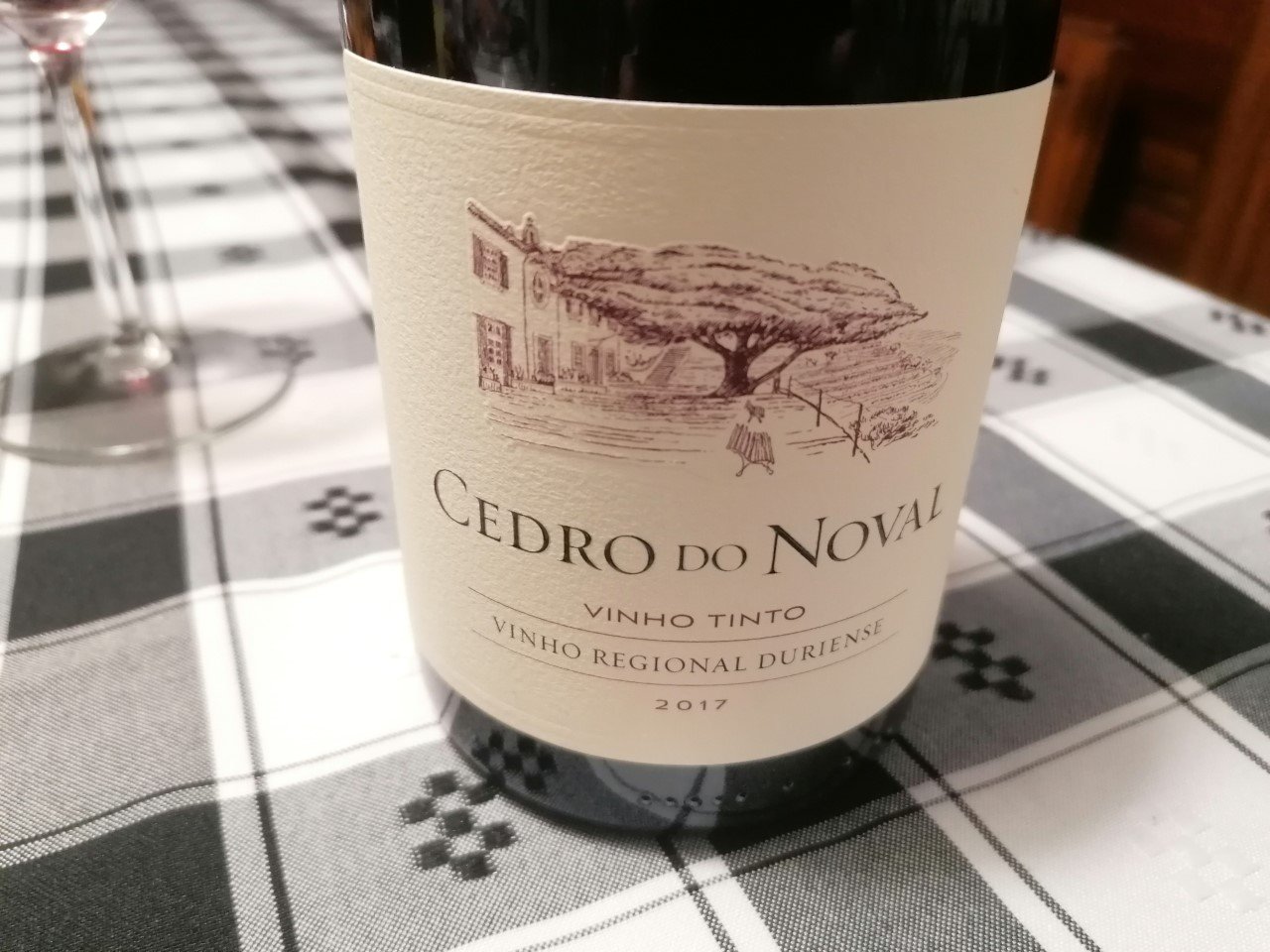
I too love their table wines. Ripe but not overdone. Much like California wines of the 1960’s and 70’s. I believe their Durinese wines have some Syrah in them. The Douro DOC wines are all native cultivars of course. Drinking wine under that cedar tree is a treat!
I have the white Cedro and the 2017 and 2018 red Reservas, but they are likely still too young at the moment. Many higher end 2017s have this unyielding structure to them.
I’ll have to check but I believe some (most?) of the grapes don’t come from the Quinta itself but from the Roncao Valley. Which is just north-ish and near the top of the Quinta.
As a side Noval goes up the hill much farther than what most people think. Christian drove me up through it a few years ago and I was surprised at just how far up it went. Even having been there many times, I had no idea. It wasn’t all planted to vines, but larger than what one expects.
That makes sense, although the label specifically mentions the fact that Syrah has been grown at Noval since the year 2000, and given the size and variability of the estate (in terms of altitudes and exposures) I assumed the lion’s share of the grapes would be from the estate. It’s not a given, though.