Kutch
On Saturday morning, we got up, braved the switchbacks back down into Napa Valley, and started the day with truly excellent pastries and coffee at Bella Bakery in Calistoga. From there we made the trek over Diamond Mountain and down into Sonoma, through Santa Rosa, and finally out to Sebastopol. We arrived an hour later at the Kutch Estate Vineyard, where Jamie and family have planted a ~12 acre vineyard on the former site of an apple orchard.
We quickly determined that Jamie is an awesome guy to hang around with. To begin with, he was doing us an enormous solid by meeting us Saturday morning at all, given that he is usually home in SF on the weekend. By happenstance, when I made a last minute entreaty, Jamie promptly responded that we were in luck because his family was hosting a pair of traveling Swedish chefs that evening and so they’d be up at the vineyard and in need of open bottles of wine. (This was a very happy coincidence as these were absolutely the wines of the trip, and in the midseason lead for my top wine discovery of 2026.) And on top of that he cheerfully agreed when we proposed to add another couple (same wedding) to the tasting.
Even aside from his scheduling flexibility and generosity with his time, Jamie just oozes passion and excitement for every aspect of the work from the vineyard to the bottle. He is also one of the best communicators of “wine 201+” concepts that I have come across – my wife is very patient when I get into the geekery with a winemaker, but often feels left a bit in the dark (my fault more than anything). Jamie effortlessly worked in super easy to understand explanations of these moderately more advanced concepts (punchdowns vs. pumpovers, reduction vs. oxidation and effect of lees on chardonnay elevage, etc.) that made it very easy to follow his responses.
We started the visit with a tour of the garden, which Jamie explained was inspired by biodynamic farming’s conception of the vineyard as part of a farm, biodiversity on said farm, etc. Jamie is deeply committed to what he calls “holistic farming” – which is his term for taking the parts that make sense to him from biodynamics, regenerative, etc. schools of thought without committing to any particular dogmatic program.
The garden is absolutely killer lights out beautiful:
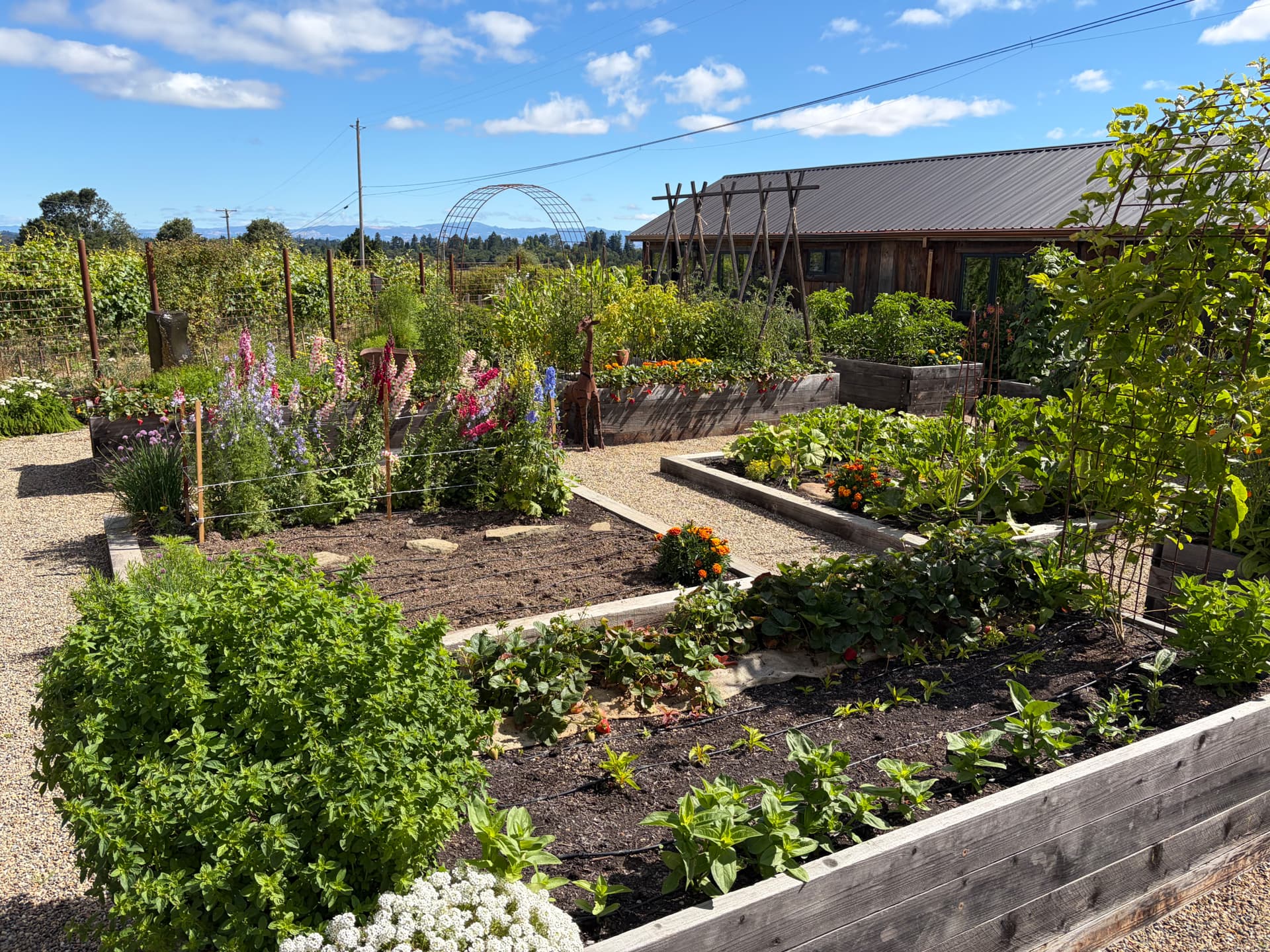
Originally it was planted nearly all to food, but they found they couldn’t keep up with it even with liberal giveaways. They’ve since planted part of it over to flowers, and let me tell ya:
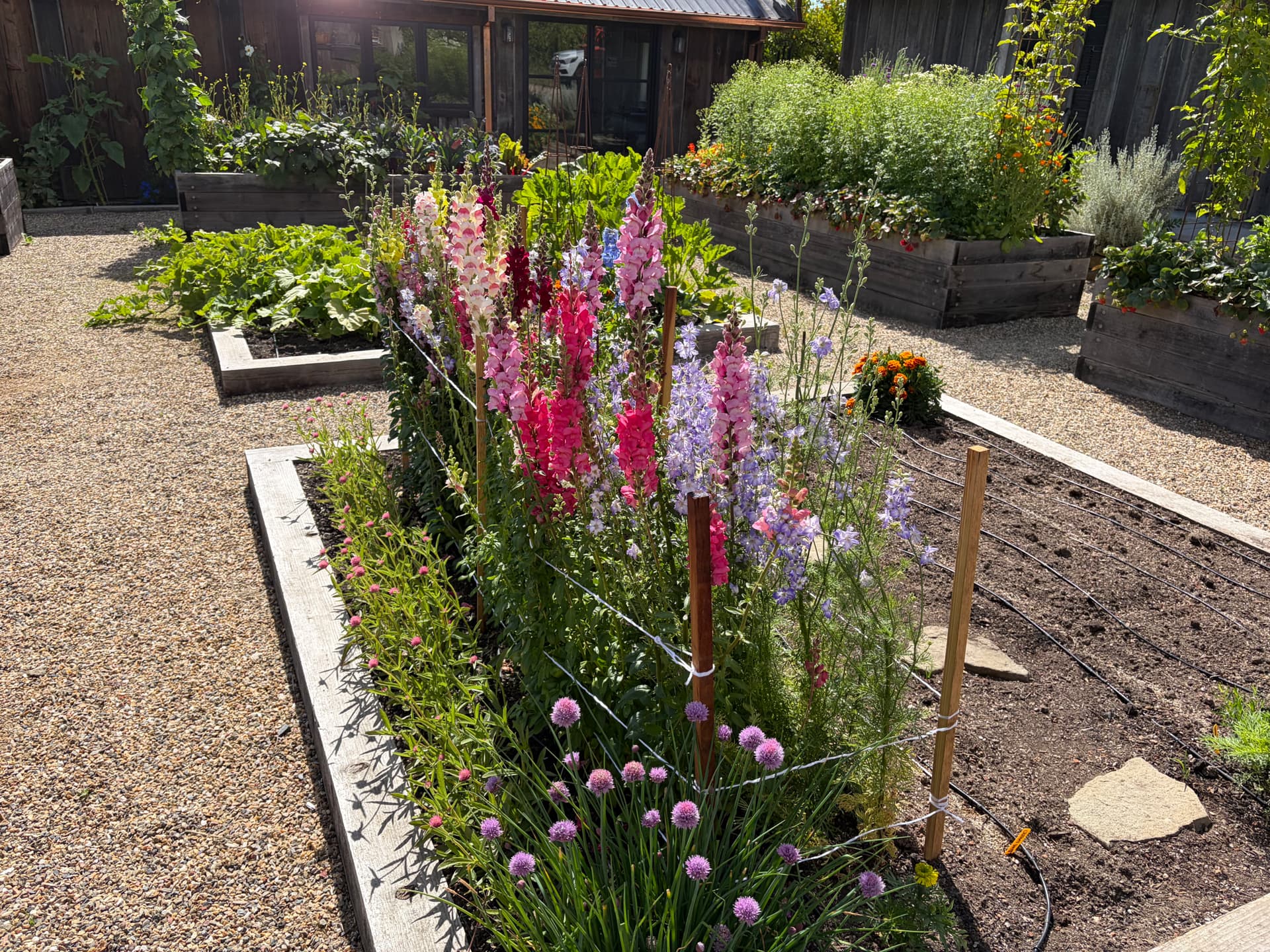
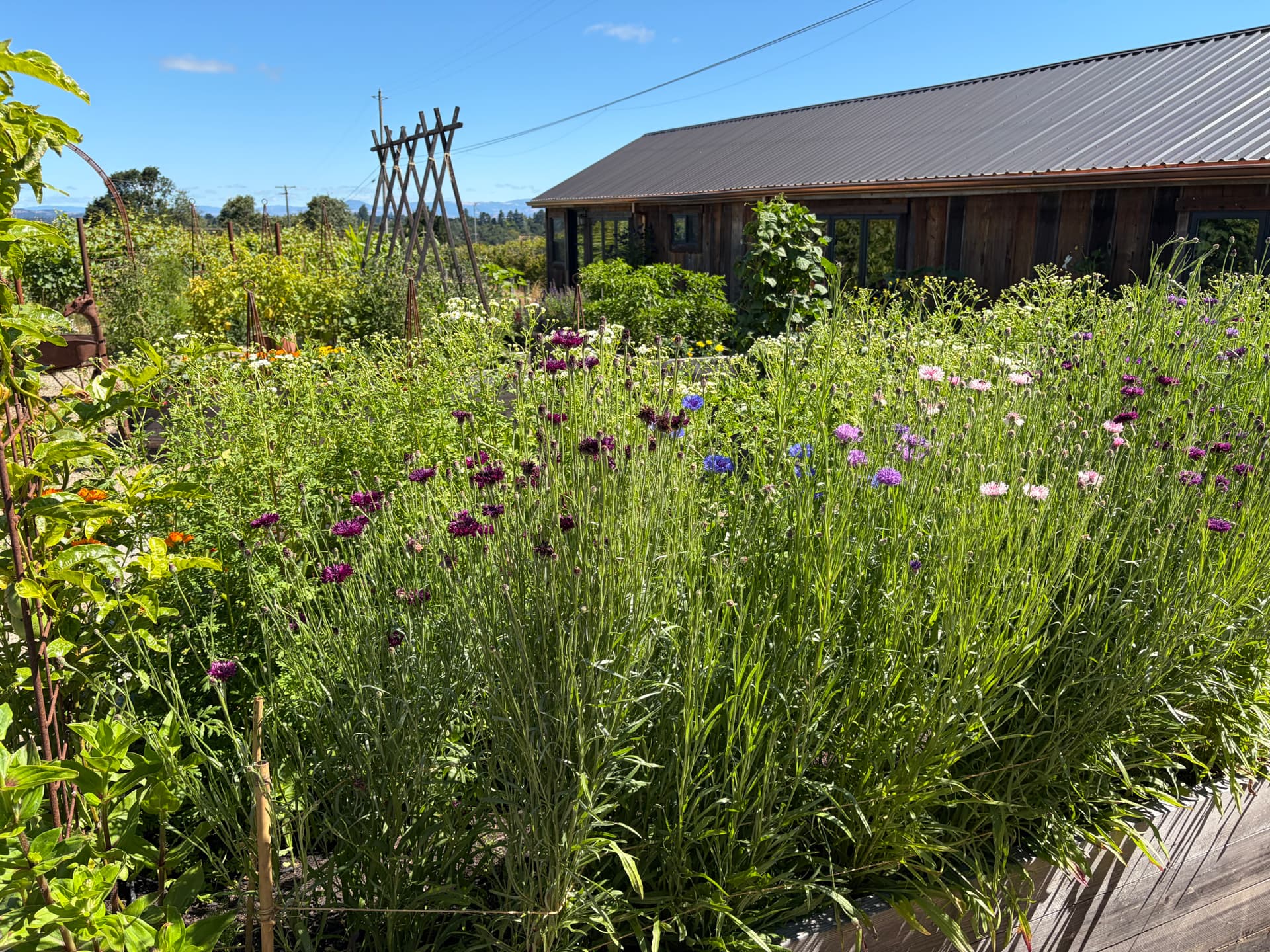
Jamie encouraged us to try a strawberry; it had been probably 20 years since I had a ripe strawberry off the vine and I almost wish I hadn’t.
After a walk through the garden, Jamie showed us his current obsession: a large vermicomposter in which 10s of thousands of earthworms were vigorously converting a load of vineyard, garden, and kitchen scraps into worm castings for use in the garden and vineyard:
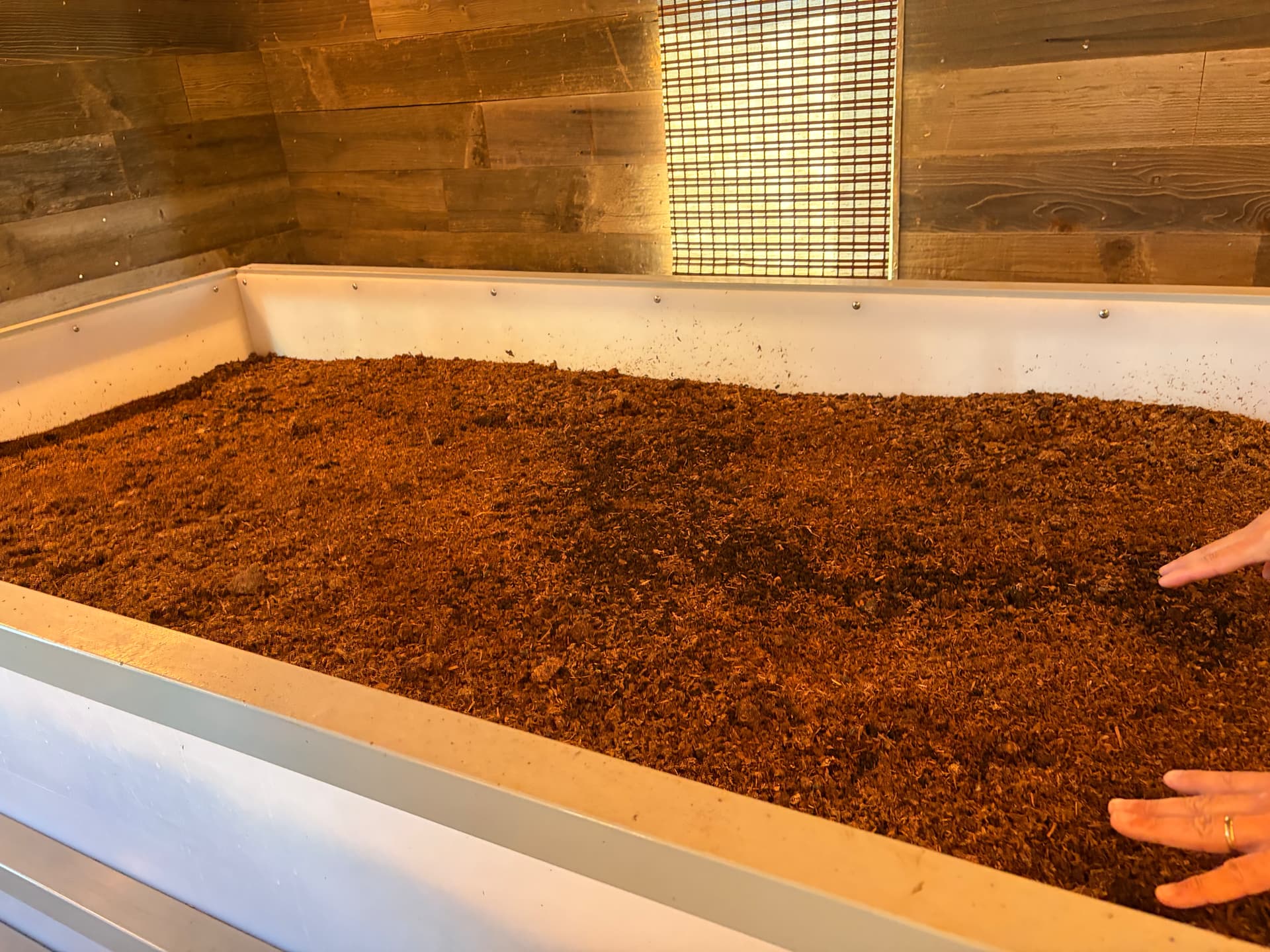
Jamie pulled up a handful to show us what the worms were up to:

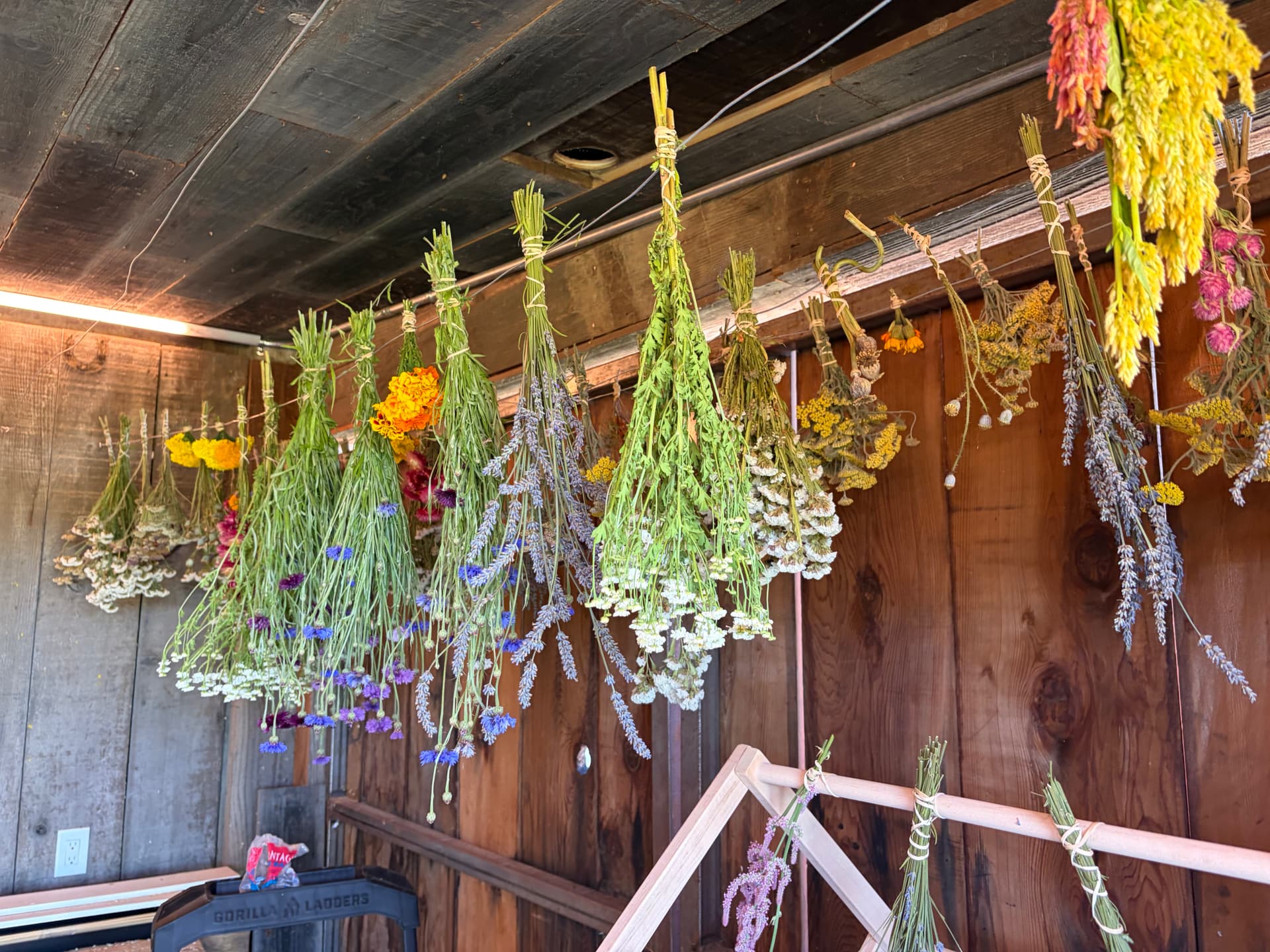
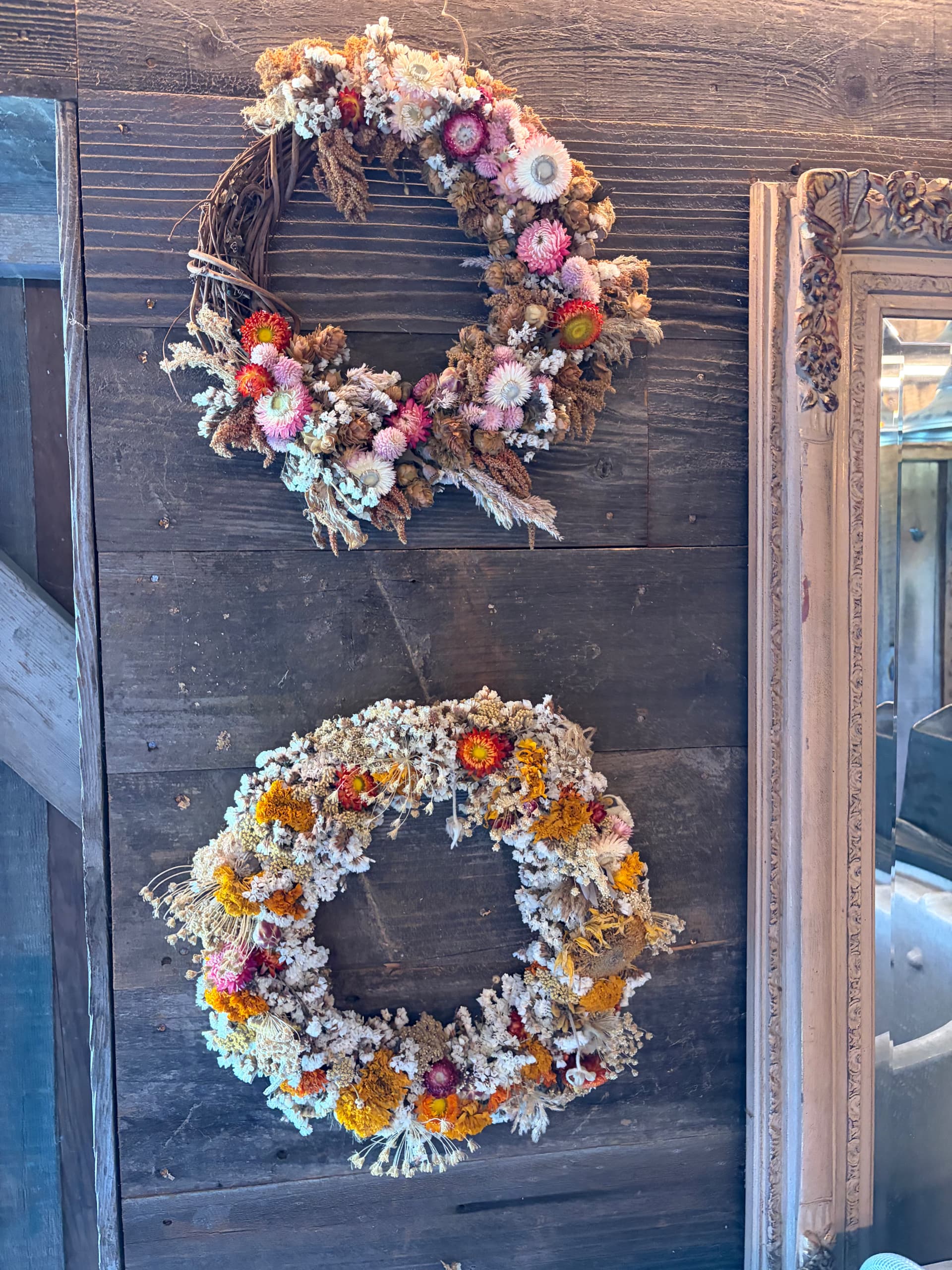
The other end of the compost room featured a truly awesome array of dried flowers, which are used for various decorative purposes including these pretty wreaths (with vine clippings as the backing of course):
From there we walked the edge of the vineyard while Jamie talked us through this new phase of his project. The vines have been in the ground for four years now, and Jamie plans to harvest usable fruit this year. The vineyard is all organically (and holistically) farmed. While the vines are young there is still some light irrigation when they deem it necessary for survival but they are trying to urge the vines to drive deep. As you can see in the picture below, every other row was tilled while the vines remain young. However, the ultimate plan is to move to a dry-farm, no-till system.
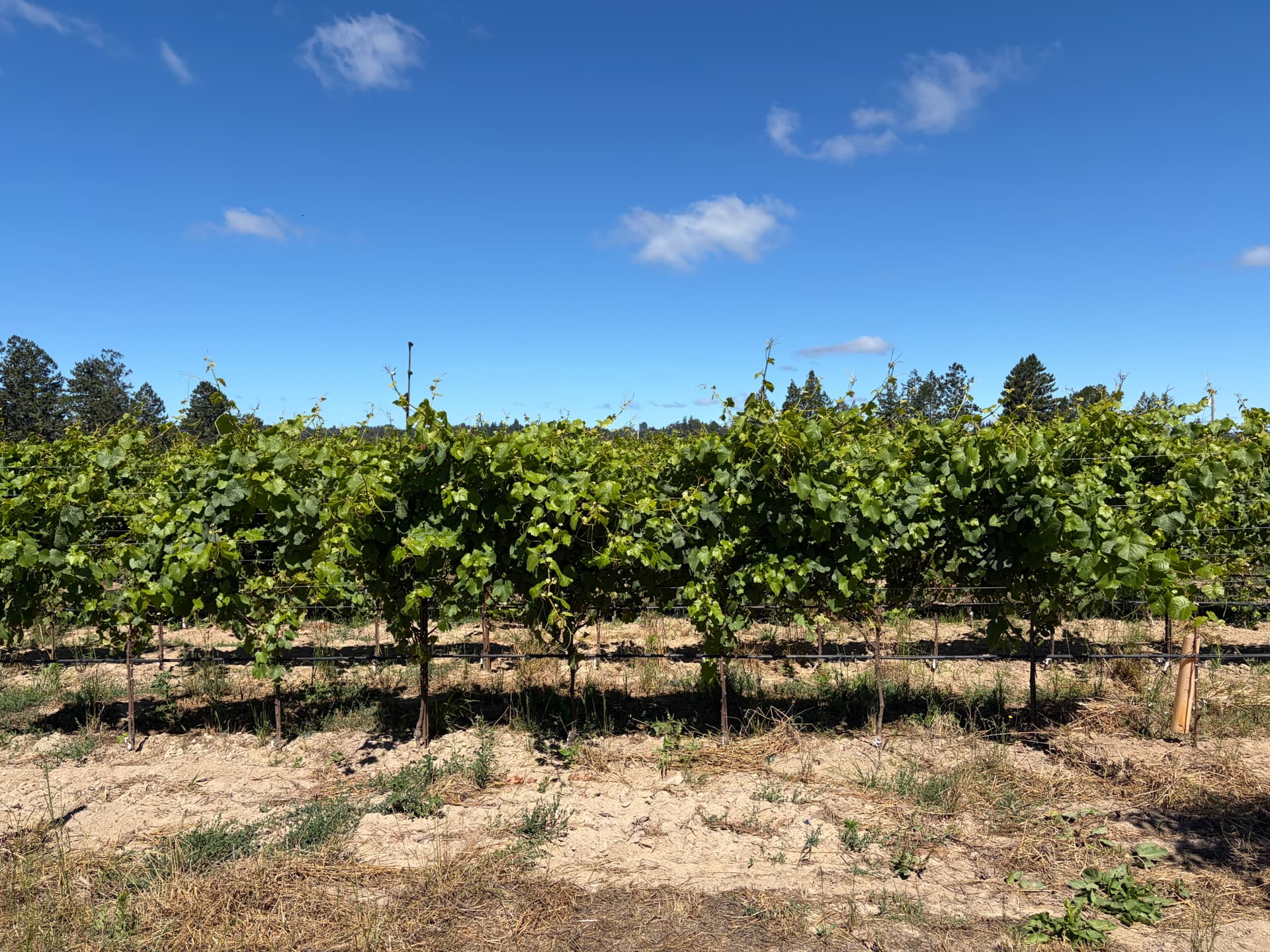
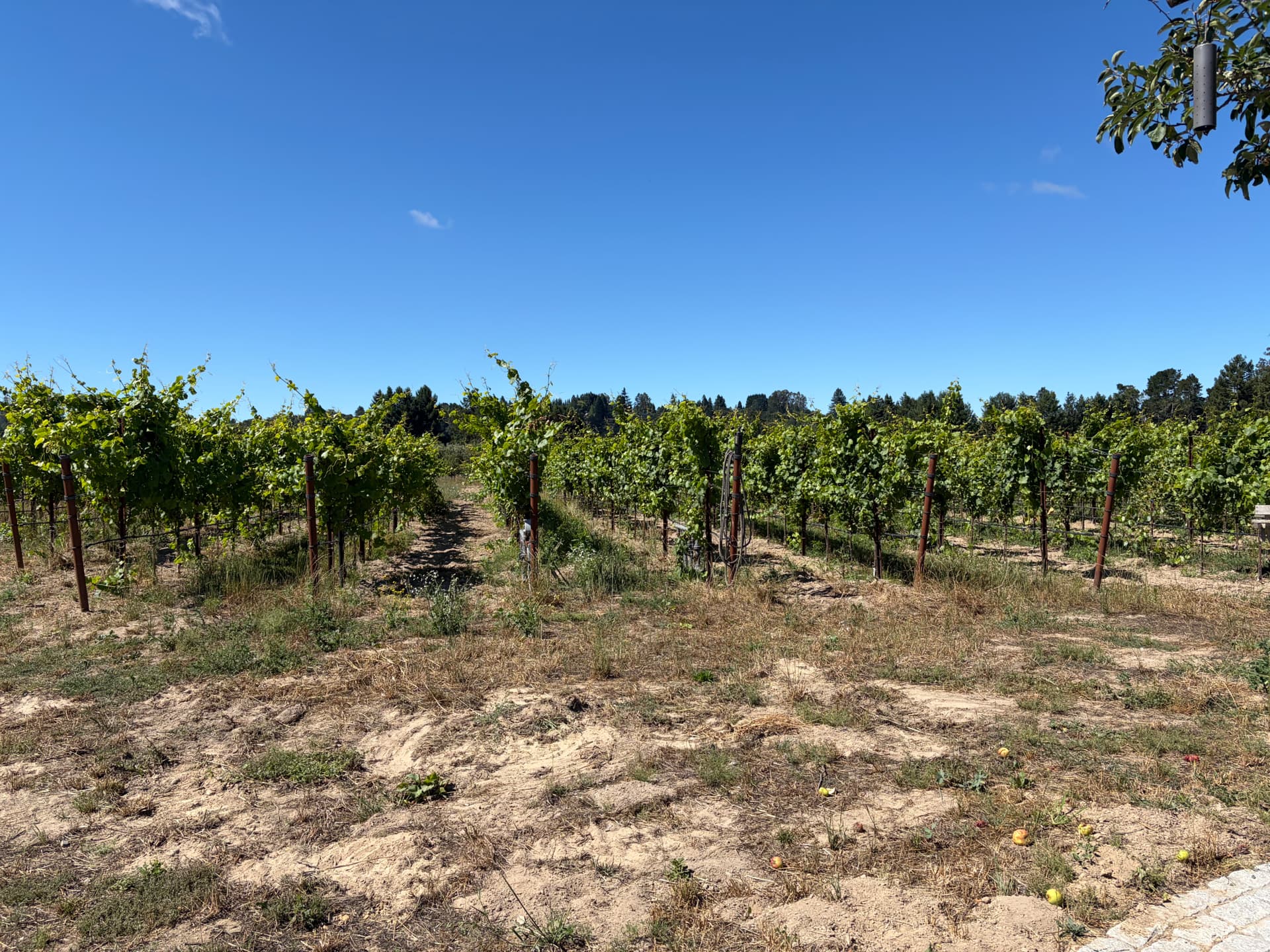
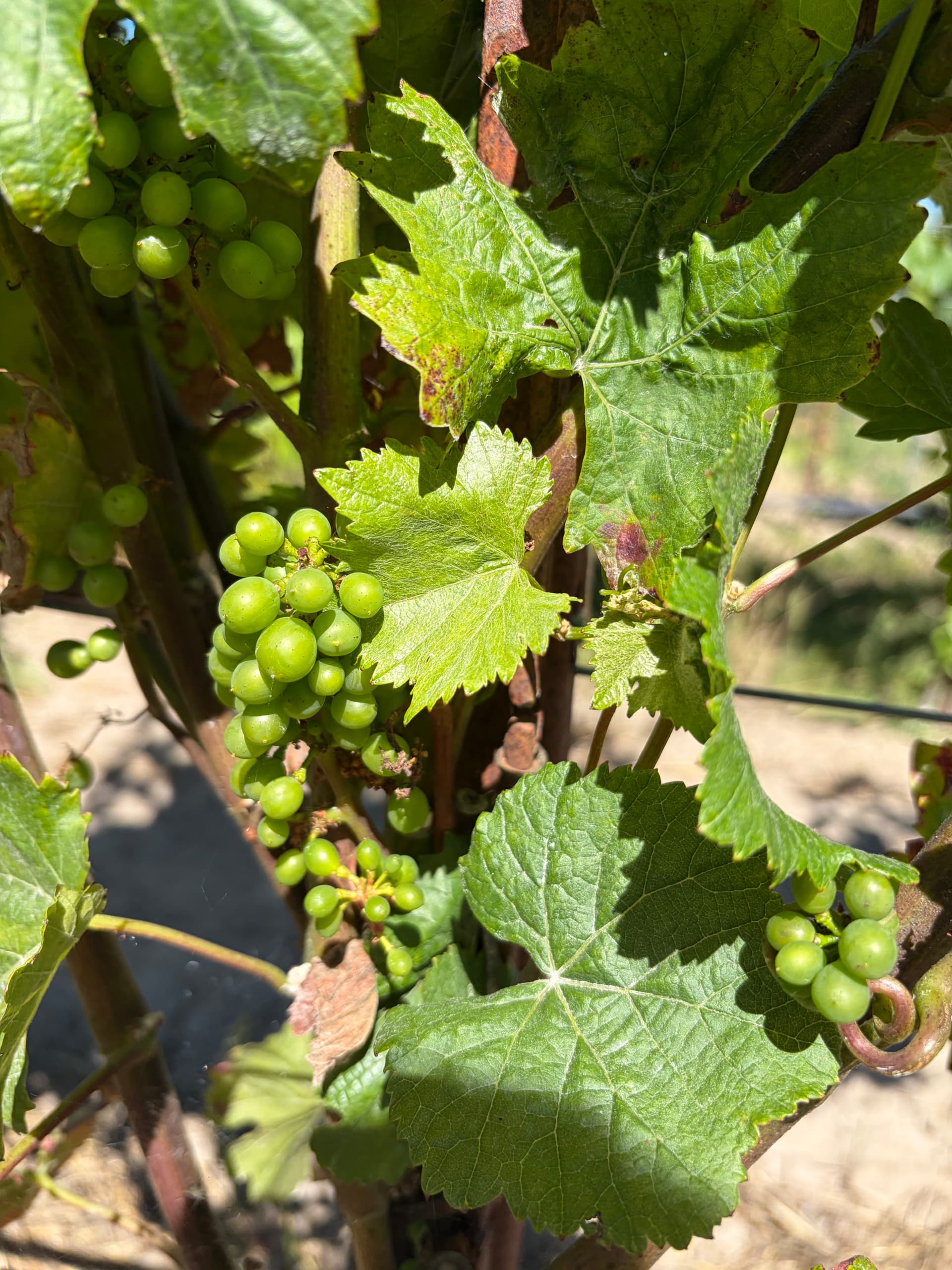
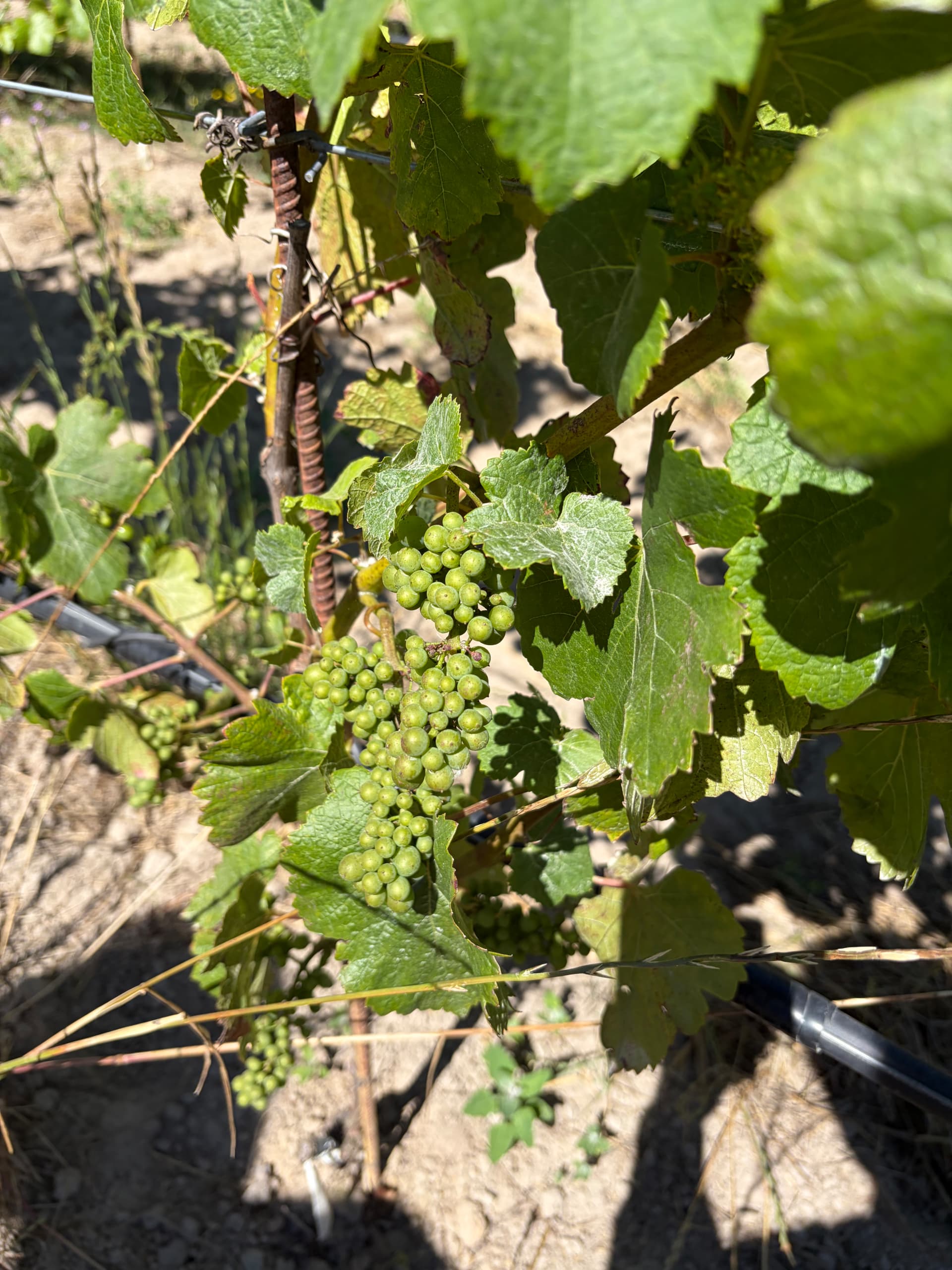
Two thirds of the vineyard is planted to a mix of Burgundian Pinot clones; one-third is planted to old shot-berry Wente Chardonnay. I forget the rootstock the vines are on, but it was selected for its devigorating characteristics; the goal is small plants, small clusters, small berries. The vineyard soil is powdery and sandy, very well draining, and will hopefully force the roots deep.
After a walk along the vineyard we sat down on the porch of the family house to taste some wine. I had never tasted any of the Kutch wines before, but I immediately understood why they have such a passionate fanbase on this forum. The pinots are bright, electric, and lithe in a way you don’t see much in CA. And the chardonnays are a trip, marrying the taut minerality and kiss of noble reduction that you see in many of the board (and my) favorites from Oregon with just a touch of California sunshine to the fruit.
Pinot Noir
Jamie briefly ran us through the winemaking on his Pinot Noir, starting with an early pick, around 50% stem inclusion layered in the tank, foot treading for most lots, and minimal hand/foot gentle punchdowns combined with a few pumpovers. The wines are fermented in multiply-used oak barrels with the goal of no meaningful aroma or flavor impact on the wine (which I actually believe in this case based on tasting – I often sense a bit of oak in ‘neutral’ elevage wines.)
2010 McDougall Ranch Pinot Noir
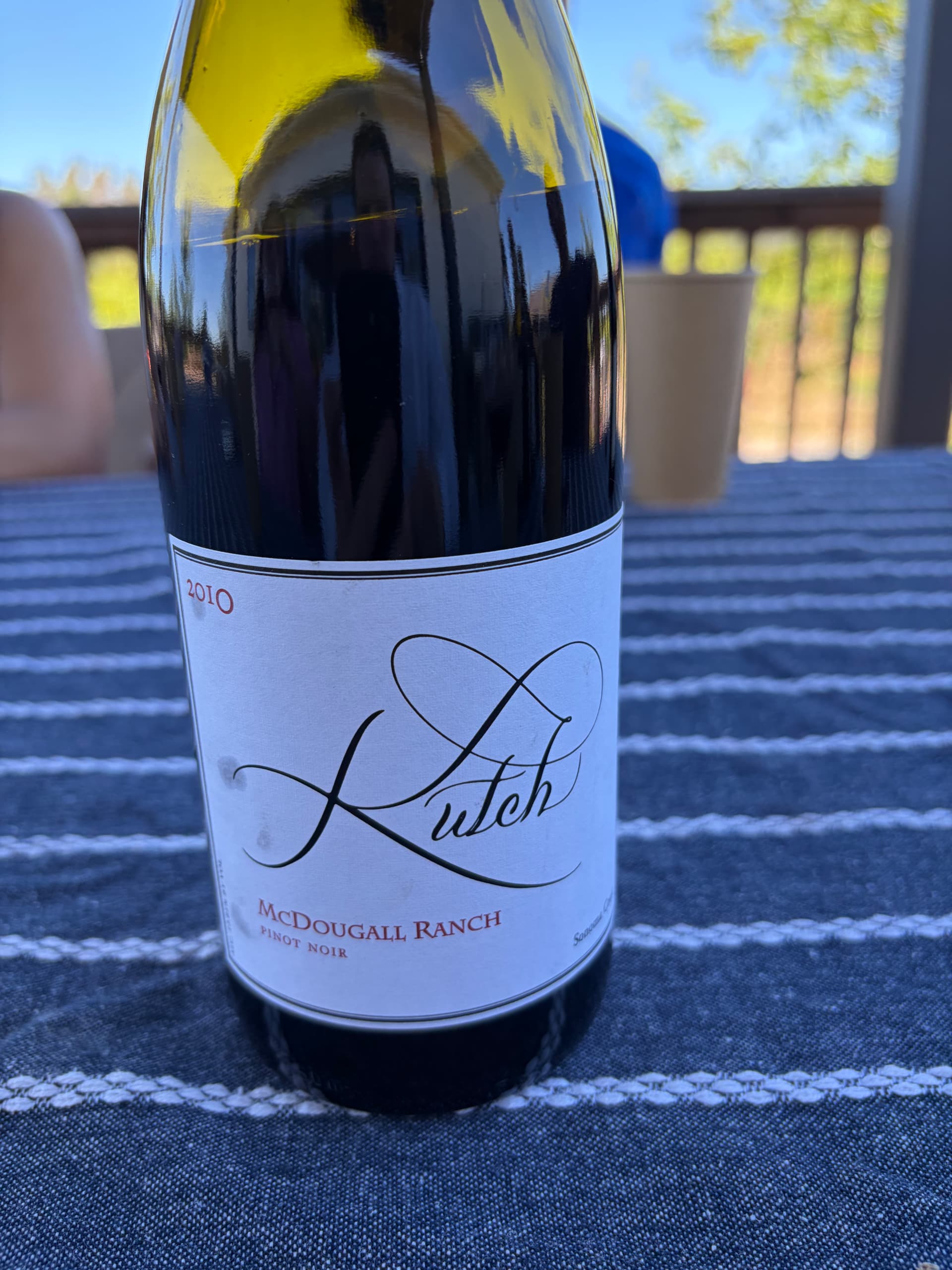
Wow! Floral, glorious perfume that leaps from the glass. Spices. Beautiful deep red fruit.
On the palate delicate and medium bodied with a genuinely very elegant presentation, the wine floats and fans out across the palate. Cherry and strawberry and black tea. Tannins are soft but fine. Acid level med plus. A little bit of pleasant bitterness. Amazingly fresh and vital at 16 years, this library pinot is firing on all cylinders.
2024 Mindego Ridge Pinot Noir
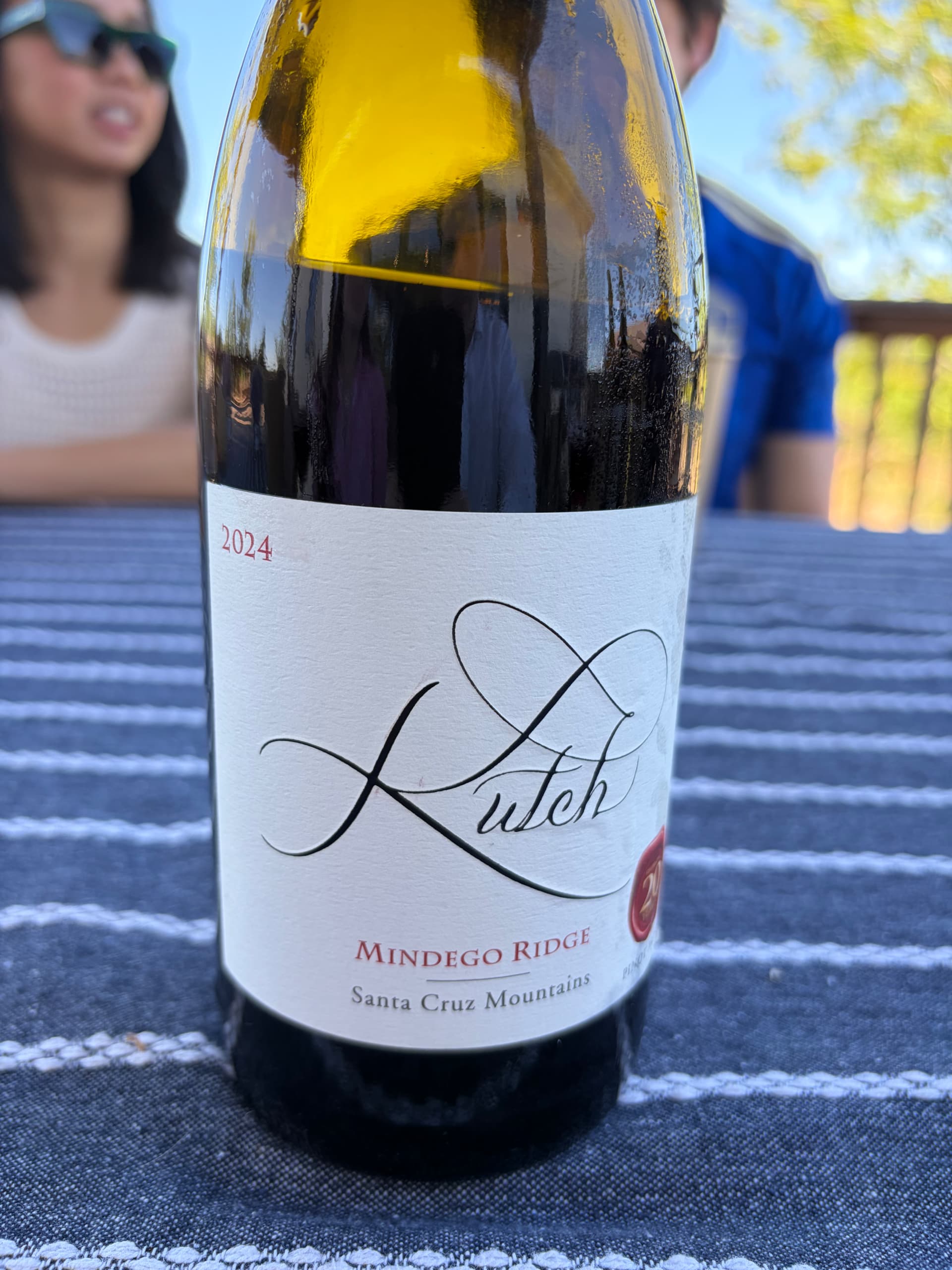
Bright herbal spice and savor on the nose.
On the palate alive and lithe, brimming with energy. Bright acidity, red cherry, strawberry, spices, roses, tea. Grippy fine tannins with a bit of stemmier presentation. Long.
2024 Sonoma Coast Pinot Noir
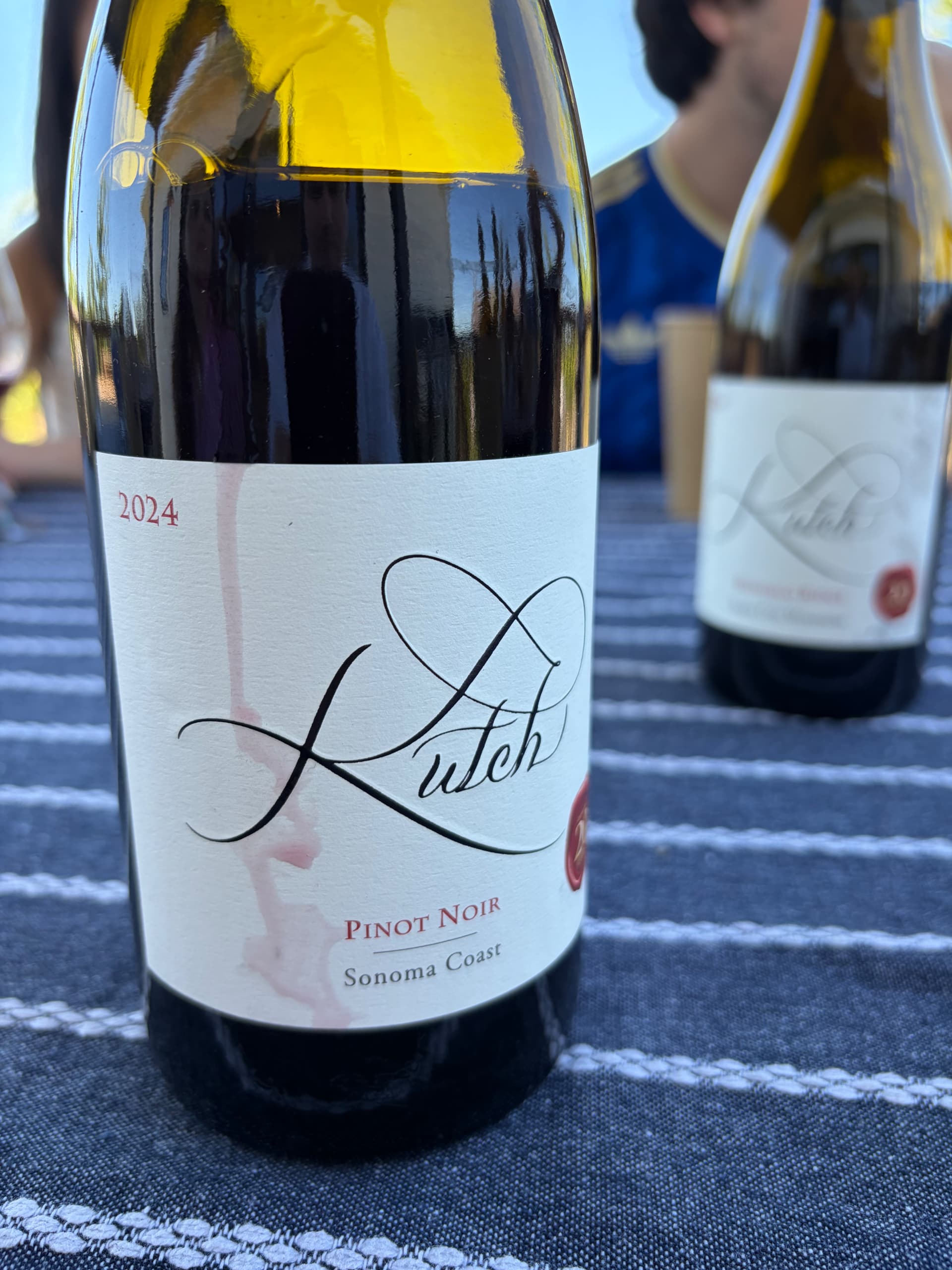
A bit less aggressively whole cluster/herbal nose than the Mindego Ridge, tea and strawberry.
On the palate a tiny bit softer and rounder (though still super lithe and energetic - just a tiny notch) than prior Mindego. Beautiful delicate red fruit, good mid high acid. Again the tea like tannin. Great at $42.
2024 Falstaff Pinot Noir
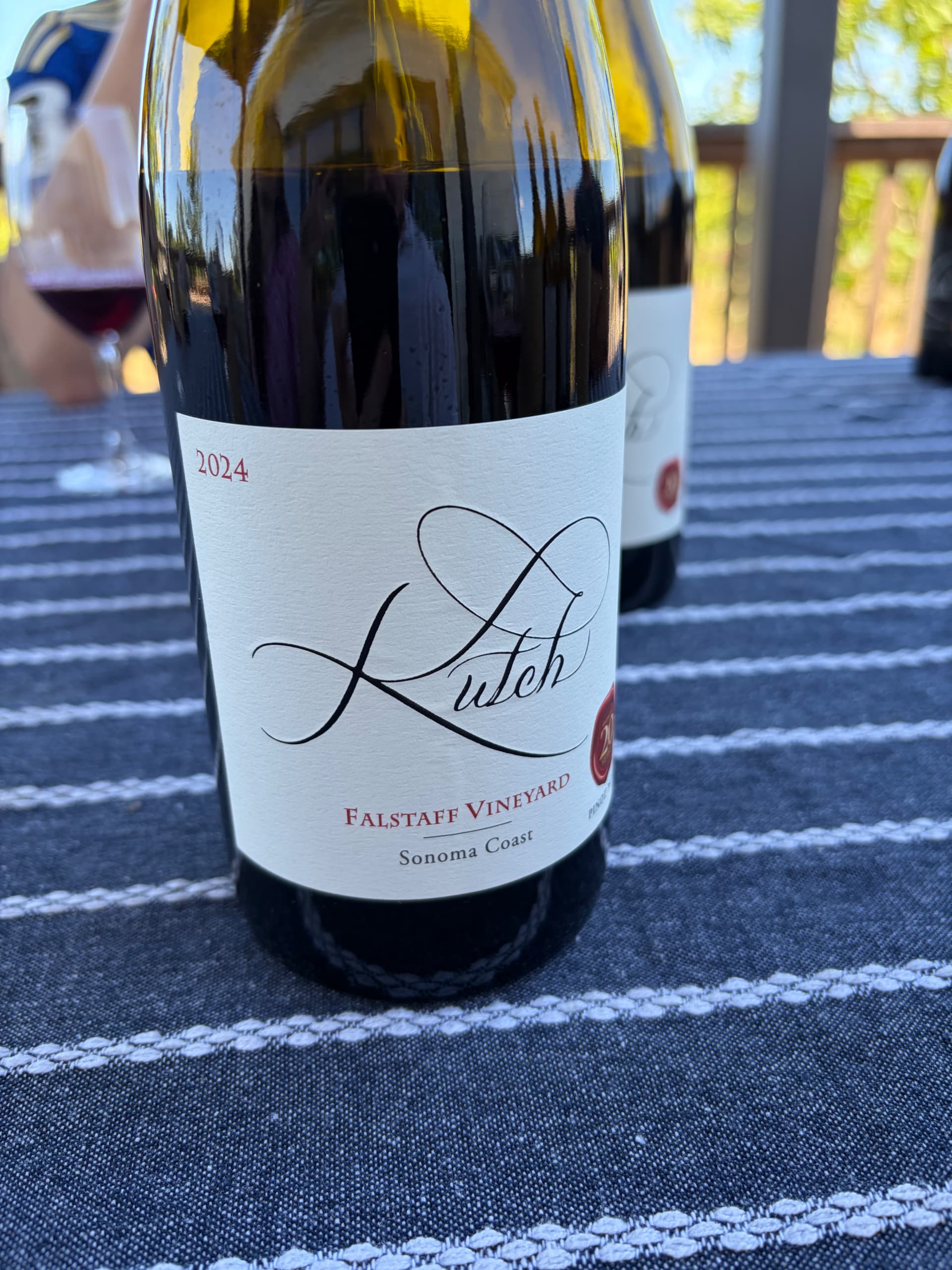
Wow! Bright and defined cherry and strawberry fruit, tea, spices.
Electric on the palate with a very slightly weightier body than prior wines, a deep red fruited and spicy palate, long, ultra fresh.
2024 Bohan Vineyard Graveyard Block Pinot Noir
[missed a photo but this has a black label to distinguish it from the main bottling]
Sub block of Bohan Vineyard, this is more the power block vs. the more finessed main vineyard.
Darkest fruit tones on the nose here, some spice and earth but the main impression is dark fruit with a great deal of depth.
By far the most powerful wine of the lineup, this shows tons of black cherry and a bit of blackberry. There’s some peppery spice tone and the tannins are quite firm. Lots of rocky minerality.
Chardonnay
The Chardonnays are made in what I mentally categorize as the “nouveau Meursault” style also popular among the better Oregon producers. Jamie shoots for a hard fast press with a lot of extraction of solids, browns the juice, barrels down with a good amount of lees (some new oak, 20% or less, on the chards), 12 months in barrel, followed by 6 months in stainless tank to build tension. He reports that he likes a touch of reduction, but it is sort of year by year whether it comes through or not.
2024 Sonoma Coast Chardonnay
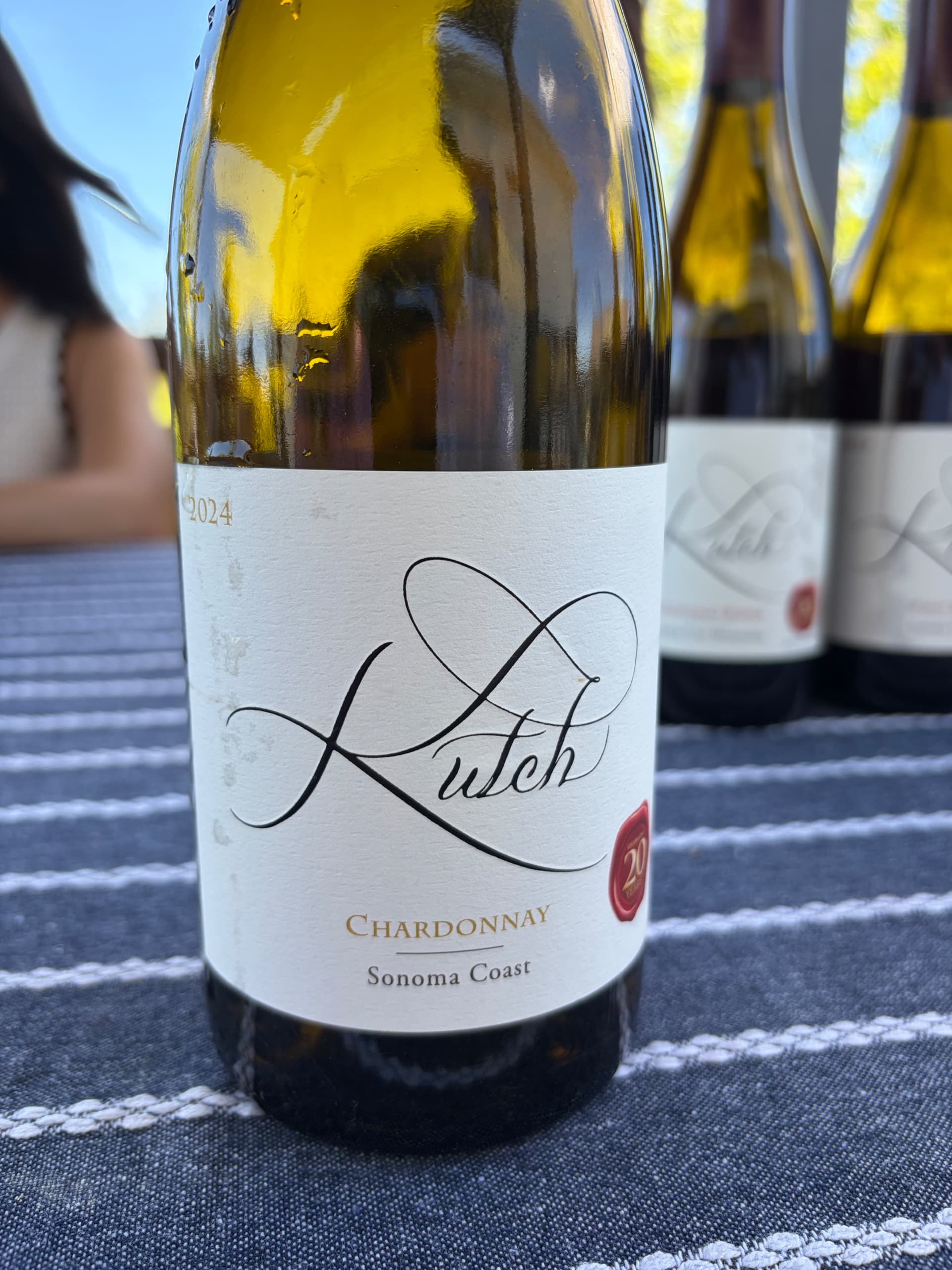
Great QPR at $42.
On the nose bright lemon, oyster shell, bit of oak spice.
On the palate the wine is coiled and energetic, ultra beautiful with a touch of CA sunshine sweetness to the lemon fruit but overwhelmingly more chalk and stone character.
2024 Bohan Vineyard Salt Point
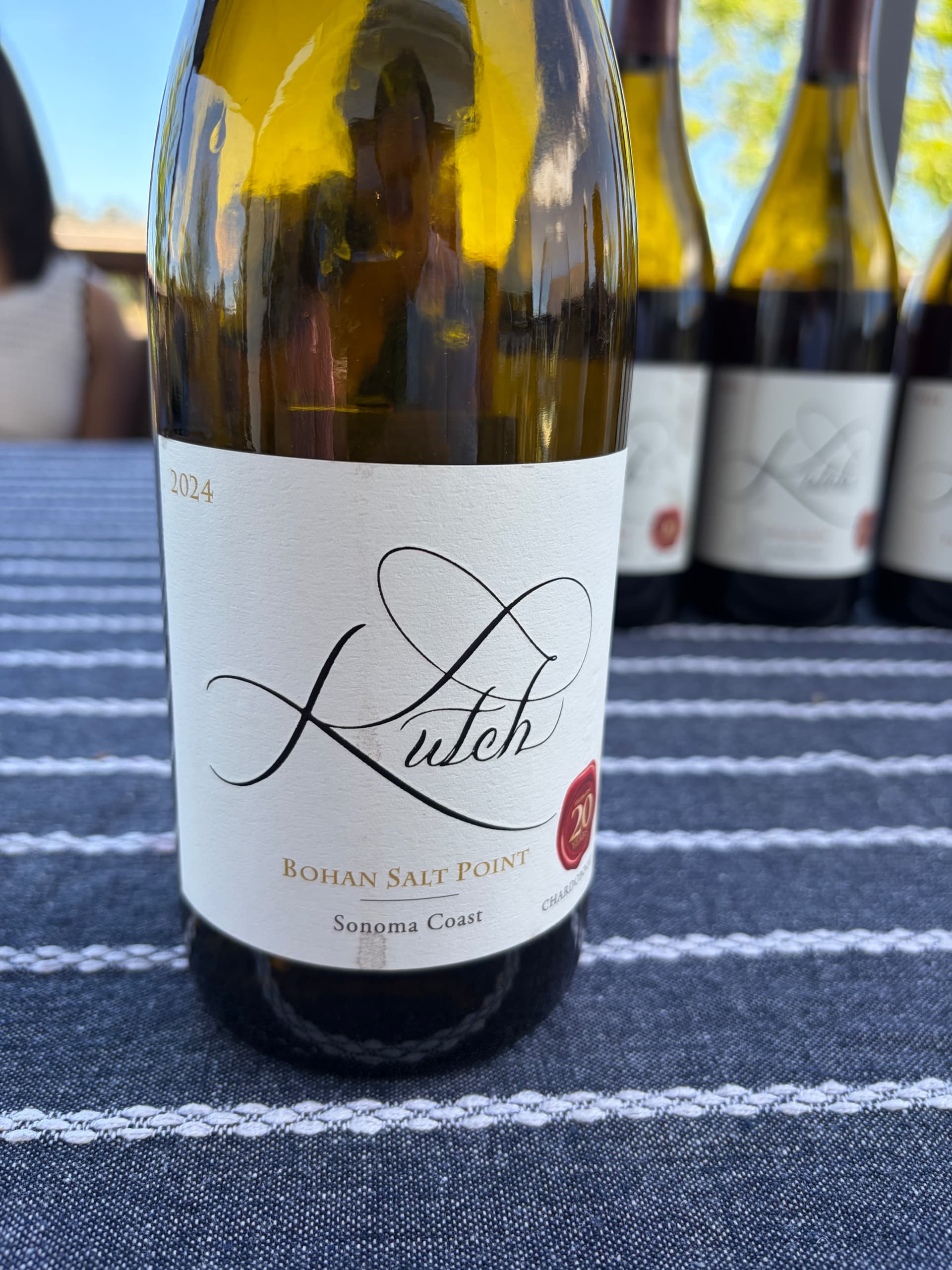
Opened 5 days prior, about half the bottle left. Drinking well!
Some noble reduction on the nose with a steely character; there’s a load of yellow lemon and green apple fruit; just a little oak in there.
On the palate just a lightning strike of chalk and acid, super mouth coating mineral grip. Salty, as promised!
2019 Trout Gulch Vineyard Chardonnay

Jamie bought this bottle off of WineBid, as the production numbers on Trout Gulch are small and he has trouble holding bottles back.
On the nose this is uncoiling and pretty open as against the younger chards. No reduction, not really any oak, just an explosion of sweet yellow fruit.
Amazing sweet lemon and apple fruit, the wine just glides across the palate and expands out like crazy. A touch fuller and richer than the Salt Block, this has a slightly rounder palate shape and a more silky and sumptuous texture. Still lots of mineral impact, just a few notches richer.
//
Amazing visit, absolutely the highlight of the trip. Thank you to the many folks on this forum who sing the praises of these wines, and thank you again to the man himself for accommodating us!