Anyone else try the Aquafaba substitute for egg white? I was a skeptic at first, but I will swallow my words and reach for that amazing chickpea liquid as often as possible.
Whisky Sour from last night made with Aquafaba
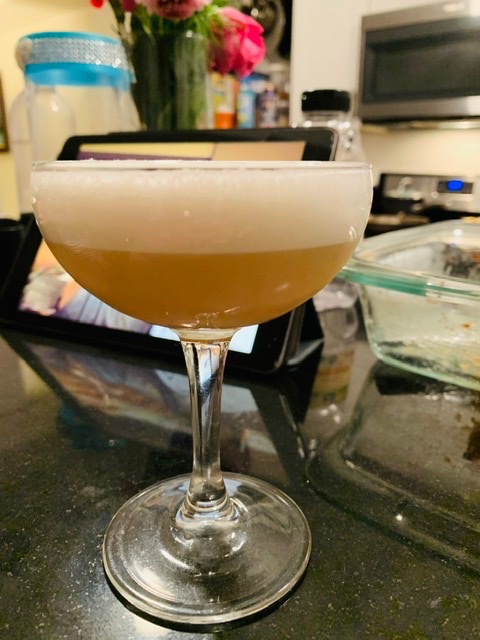
Anyone else try the Aquafaba substitute for egg white? I was a skeptic at first, but I will swallow my words and reach for that amazing chickpea liquid as often as possible.
Whisky Sour from last night made with Aquafaba
Bon Appetite article on Aquafaba What Is Aquafaba? - Bon Appétit | Bon Appétit
In cooks Illustrated they add cream of tartar when whipping, but’s that is used for baking. CI also recommends shaking the can of chick peas before straining. What Exactly Is Aquafaba, and How Do I Use It? | America's Test Kitchen
Jorge, what is your technique? I’m interested but haven’t tried it.
Then again there’s always better living through chemistry https://punchdrink.com/articles/better-froth-cocktail-vegan-aquafaba-fee-brothers-foam/
Tom,
No real technique to speak of. We save the liquid from canned chickpeas in a glass ramekin, cover and store in fridge. Use about 1/2 oz. In a cocktail to get a beautiful, super white, thick head on our Sours.
I like Negroni but i cant make the best one at home
I tried it in bar but i do something wrong at home
Do you stir your drink at home? It took me awhile at home to realize that I needed to achieve proper dilution to match the taste I get at a proper bar.
Wife got tired of wine every night and asked that I become a mixologist during our very extended quarantine. Based on this thread I picked up these two books and tons of ingredients (I drink scotch, irish, and gin & tonics, so no fancy cocktail ingredients). It has been so fun reading the Death & CO. book, making cocktails, and learning these ingredients. I’d never had Chartreuse, Luxardo Maraschino liquer, Creme de Violette, Amaro, Fernet-Branca, etc.
I really appreciate the suggestions. I’ve made all sorts of great cocktails and these two books are spot on with flavors. What a blast!
I’ve been tooling around with Aviations and Bella Lunas from Death & Co’s book. I would recommend Sipsmith or Botanist. They have good complexity and are silky smooth without having a super dominant flavor that skews the balance of those cocktails. If you want something a little different, try Martin Miller’s Westbourne Strength. If you are looking for massive florals to make the drink more aromatic, consider Hendrick’s Midsummer Solstice. If you want more citrus, try Malfy Limon or for a bit more subtlety and a bit higher quality, Roku.
@John - great to hear. I think those two books work together exceptionally well - Death & Co has a great storyline and more complex drinks (i do like their variations of daquiris, as well), Regarding Cocktails nails technique and simple cocktails.
Sounds funny, but some of the incredibly simple drinks are actually incredibly difficult to make. See: Sazerac.
Boozehounds,
My lockdown/quarantine/self-isolation project has been the long overdue development of my mixology skills. You already know from the Epicurean Exploits thread how much I enjoy cooking and baking, what is mixology but the liquid version of the same skillset? All I needed was the time and experience to curate the flavors, recipes, tastes and methods. I thought I’d share a little of my journey.
I took my major step when I taught myself how to infuse brandies to make my own homemade Grand Marniers which I’ve posted about in a separate thread. Of course those were not cocktails but they were spirit bases and the first step towards understanding how classic spirit bases meld with other flavors.
Next was understanding the basis of the cocktail itself. Surprisingly, culling the recipes was rather similar to my recent thread on homemade barbecue sauces. It was just a matter of understanding what the bases were and how to mix them. But what makes cocktails surprisingly easy is that they can be broken down into a simple 6 categories of ingredients which are helped by five of them matching our 5 basic taste groups as follows:
Once I slotted the ingredients into easy to remember categories, the recipes became astoundingly easy to memorize. No joke, I already know 24 by memory alone in just a week’s time and I have a horizontal spreadsheet listing every single recipe I’ve gathered broken down by these easy categories. Good example a classic Jasmine. 2 parts gin (spirit), .5 parts Grand Marnier or Cointreau (liqueur), .25 parts Campari or vermouth (bitter) , 1 part lemon (sour). No sweetener. Shake with ice, strain and serve. Really not that difficult. And once you have the formula down, it’s easy to switch things out and come up with something new. I’ve done the Jasmine subbing the gin with Chartreuse, my homemade fruit brandies, Kirsch, Rum, Canadian Whisky and Calvados as an example. Every variation has been excellent though some are markedly sweeter than others. That’s a matter of preference.
Now comes the monkey wrench. IMHO, what separates a true professional mixologist from just a hobbyist is the ability to take an ingredient that doesn’t match the categories above and craft the cocktail around its specific flavors. For example, using an herb like basil or rosemary; a vegetable like cucumber, or a fruit like watermelon, tomato or jackfruit. The reason I feel this way is that because once you throw in the exotic or foreign ingredient, you can no longer rely on the easy slot formula I listed above. Instead, you have to twist and bend the necessary flavors and textures around the new ingredient and make sure that everything is flavorful and complementary. That step is coming next. Before then, I’d like to continue crafting my current skills with the formula above.
This has been a very fun journey so far that has added some much needed diversion and enjoyment under our current trying circumstances. I’d like to share some tips I’ve come up with along the way:
You don’t need all the fuss of making simple syrup or buying superfine sugar. Just blend sugar away in your blender until it becomes a fine powder. This is all superfine sugar really is and it dissolves instantly in a shaker. You can substitute in the superfine sugar instead of simple syrup by using exactly half the amount of superfine sugar than that called for simple syrup in a recipe. Remember, simple syrup is really just 50% each water and sugar so you’re only using half the amount of required sugar.
I know there’s a constant debate over whether to use your expensive premium spirits or some cheap mixer in your drinks. Some feel using premium is like throwing money down the drain because you can’t tell the difference in a diluted cocktail. Do you really want to use that Pappy Van Winkle 23 that you savor slowly neat or over ice or with just a drop of water to open it up for that Bourbon Old-Fashioned or Mint Julep? That Don Julio 1942 in your Margarita? Your Zacapa 23 in that Mojito or Daiquiri? Others argue that premium ingredients equals premium taste. After having experimented with both, I must fall on the premium side. I use the highest quality food ingredients I can afford in my cooking, why would I do less with my mixology?
But isn’t that a hell of an expensive cocktail, you ask? Yes, yes it is. I have two counter-arguments to this. One, you’d pay the same amount at a bar which will serve you the absolute cheapest spirit they can put in there while gouging you for the same amount of money. Two, you know how you slowly savor that spirit on its own? Maybe you should be savoring your cocktails slowly the exact same way. You’re a Wine Berserker, not a penniless college student anymore. The point of a cocktail and spirits in general for that matter isn’t to down as much as possible in an attempt to get sloshed. You should be over that already. Think of that Manhattan made with Pappy 23 as a foie gras or filet mignon of cocktails and take your time to enjoy it.
Since we’re on it, always use the best and freshest other ingredients you can afford as well. What’s the point of using an expensive vodka, rum or gin to make your variation of a premium Moscow Mule, for example, only to dilute with cheap Canada Dry ginger ale that doesn’t even use real ginger in it? Why not just pay the $4-6 for a premium bottle of ginger beer at your local craft food store or Whole Foods? Why use that Pappy 23 for a Manhattan and then use cheap Cinzano or Martini instead of a premium craft Vermouth? You know how I make my club soda for cocktails? I carbonate Evian or Fiji spring water with my Sodastream. I need tonic water? I add in some premium Tonic syrup. Ice? I freeze less expensive bulk bottled spring water. If I have to use tap water, I boil it first to get rid of the gas impurities. I need orange or lime or lemon juice? I squeeze actual oranges and lemons and limes. It drives me crazy when I look at an expensive bar and see Tropicana, RealLemon and RealLime bottles there. I wouldn’t serve drinks with those reconstituted abominations to anyone else, let alone make you pay for it.
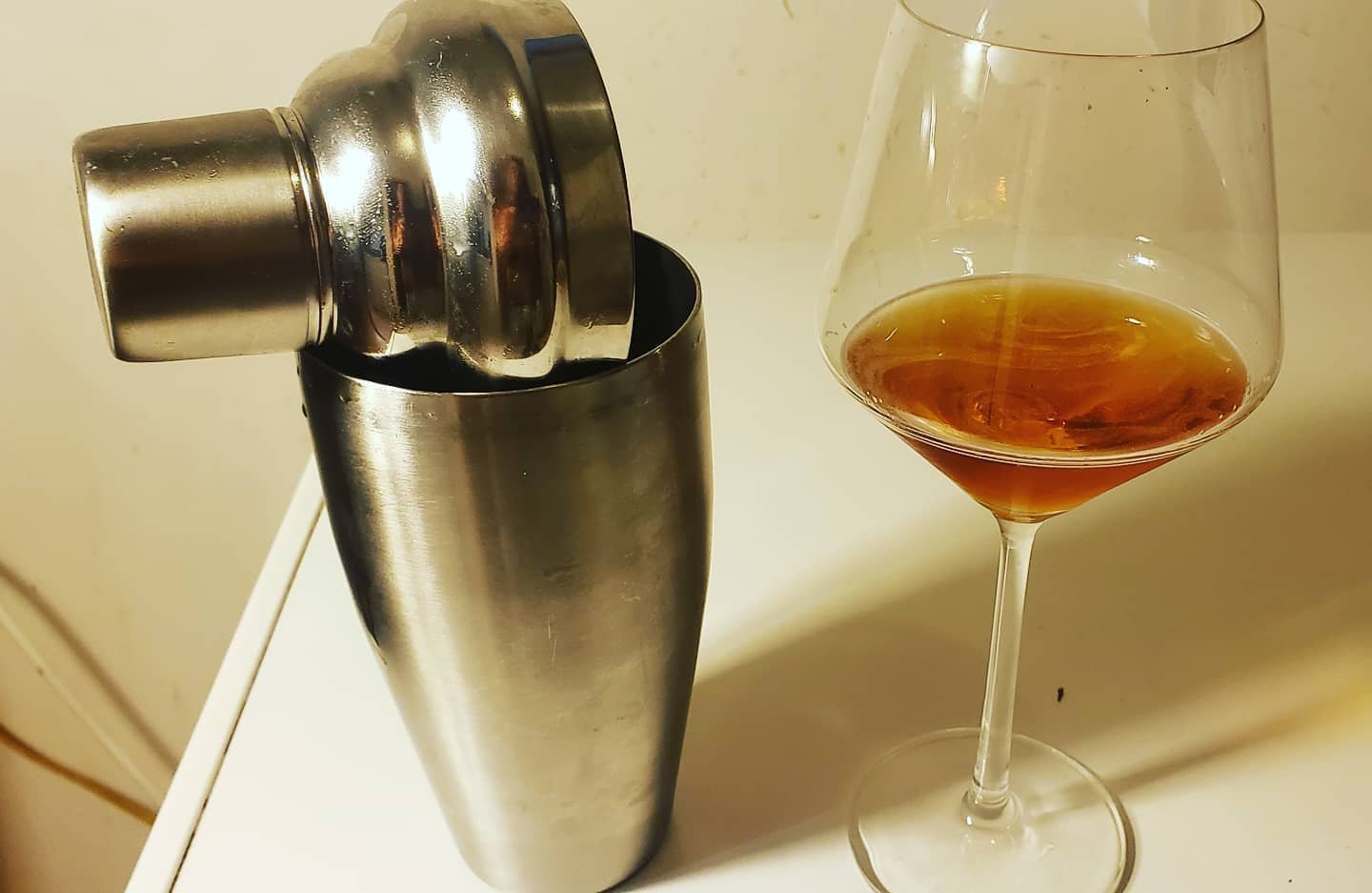
Invest in a good shaker. Get a premium quality all metal one. Not a glass one, not one with recipes listed on the side, just a plain gleaming solid steel shaker with built in strainer and shot measure lid like the one in my pic below.
Looking forward to the continued amount of info and anecdotes in this ongoing thread.
Tran,
I appreciate the tip on subbing super fine sugar for simple syrup. VERY useful.
Thanks, Jason. Oh, one more tip for everyone concerning bitters:
The fabled Angostura bitters are absolutely no different in flavor, texture or ABV content than a high quality Amaro. So much so that I was actually a bit disappointed when I excitedly opened the bottle and tasted a dash. Which means if you already drink Amaro, you can easily do a straight 1:1 substitution. Of course, how you’re going to measure dashes out of your full bottle of Amaro is an issue. You might want to consider buying a clean eyedropper dispenser bottle or reusing the one from your current bottle of bitters if it uses the eyedropper and not the dasher style of bottle like Angostura does. Even if you don’t drink Amaro, you’ll find a 500 - 750 ml bottle of Amaro and an eyedropper bottle is far more economical that 5-7 bottles of bitters in the long run depending on the price.
Note that proper bitters are also 40% ABV like a spirit is so you will have to use a high quality Amaro like Fernet Branca or Unicum that has the same ABV. Any Amaro that has less ABV content is not a spirit – it’s a liqueur which is different. The difference in body is likely made up with more sugar and commercial caramel so try to avoid them. My personal go to blend for Amaro is an equal mix of China-China, Unicum and Fernet Branca but you certainly don’t have to blend one. Any of these individual products or your own personal favorite should do.
And while we’re on it, you know what Vermouth is? It’s 40% bitters or Amaro that has been diluted down to 15-18% via the addition of wine and sugar and caramel. An easy way to make your own Vermouth is to blend your favorite sweet wine with your favorite bitters or Amaro. Done and naturally sweetened without the addition of sugar.
Death and Co. cocktail book has a great flavors guide that identifies things that go with the odds and ends ingredients you note above.
Amaro means “bitter” but is not the same as Angostura bitters. I think I’m just misunderstanding your post because there is a broad range of Amaros that have varying levels of sweetness, ABV, bitter, and supporting flavors. A Paper Plane with Amaro Nonino makes sense, but substituting that for Fernet Branca would destroy the cocktail. Making a Frisco Club with Amaro Nonino would kill the cocktail where Fernet Branca helps the grapefruit sing with gin.
I use RealLemon and RealLime at times because taking the time to squeeze a bunch of produce is a bitch. That said, I usually stock up on limes, lemons, and grapefruit so that I can have fresh juice because I do agree that it makes a difference. The comment on liquor is a no brainer for me. Premium makes a very real difference. Go make a Oaxacan Old Fashioned from Death & Co with cheap Mezcal and Tequila. Even mixed gin drinks carry very different flavor profiles depending on the drink. If I want a bigger floral note on a Water Lilly (from Regarding Cocktails), I will use a Hendricks Midsummer Solctice. If I want more citrus pop on, I grab Roku. Something with honeysuckle and chamomile and an orange hint? Silent Pool. Death & Co. appears big on this, and breaks down recipes with Plymouth Gin, Beefeater, and Martin Miller Westbourne for their very different flavor profiles.
What a fun ride, right? I’ve had a blast. Convinced my wife that a real Daquiri with good run and fresh lime is glorious. That rum and gin are far superior to vodka. And that grapefruit in a cocktail can be lovely even if grapefruit is not your preferred fruit.
Great post! I agree about fresh ingredients (especially citrus). I come out the other way on premium liquor in cocktails, but not because it’s expensive. I find that distinctive spirits don’t play very well with other ingredients. For my tastes, Rittenhouse makes a better Manhattan than Sazerac 18.
I agree on premium whiskey/whisky being served neat, etc. but my objection is based more on it being a waste.
I object to using a cobbler for shaking a Manhattan, there’s no fruit juice in a Manhattan. Buy a set of matching metal shaking tins like a real bartender, no glass it degrades the temperature. And stir not shake.
I’m going to make that Oaxacan Old Fashioned with Don Julio Blanco and Jose Cuervo Platino. Yum!
It’s definitely a fun ride, and funny you should mention the Daiquiri. I swear, by sheer coincidence, I made my first one this past Tuesday night by shaking 2 parts Flor de Cana 18, 1 part fresh lime, a touch of superfine sugar and 4 large ice cubes and it was GLORIOUS! The artificially flavored and colored urine that passes for Daiquiris in college bars are one of the things that turned me off of cocktails in particular and alcohol in general when I was in school. Now that I’ve had a real one, I had an epiphany and realized that a Daiquiri is really just a fresh homemade limeade that has been spiked with rum. Add in some sparkling water and fresh muddled mint and you’ve got a great Mojito which is a sparkling mint limeade. The key difference makers here being premium and fresh.
We’ve been doing happy hour Quarantinis since March.
(Mostly old school stuff)
Here are some
Boulevardier
Negroni
Perfect Manhattan
Paloma (May 5)
Dark and Stormy
Vieux Carré
Sazerac
Hemingway Daiquiri
French 75
Algonquin
Ward Eight
Painkiller (On the day I was supposed to take my students to Orlando)
Between the Sheets
Monkey Gland
Man of War
Sidecar
Champagne Bowler
Corpse Reviver No. 2
Corpse Reviver No. Blue
Nevada
Mojito
Margaritas, Daiquiris, Lots of Fever Tree tonic…
Have replaced the Paper Plane with the Oaxaca Old Fashioned as my drink for the summer. Using Don Julio Laphroaig for the tequila and Leyenda Guerrero for the mezcal. Probably over the top for this, but I like the smoke and it’s pretty much straight liquor.
Made my first Dark & Stormy of the year last weekend. Brugal Añejo & Trader Joe’s Ginger Beer.
Delicious.