There have certainly been insinuations that the cork industry wasn’t equitable in it’s distribution of differing quality corks, from favouring the home market to dumping poorer quality to new world producers. Mostly anecdotally driven opinions, but there has also been testing & producers noting their own experience.
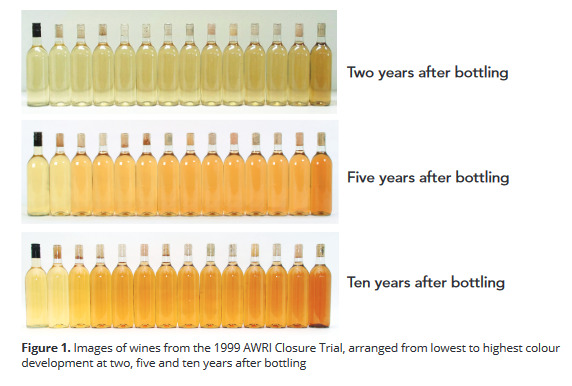
The Aussie experience though was striking, and nowhere more so than with Hunter Semillon. The failure rates there weren’t great for TCA, but most strikingly were catastrophic for premature oxidation, with one very illustrative photo I recall of a full case with bottles lined up of shockingly different colour, yet all were from the same vintage. IIRC one producer poured ~ 1/3 of the library stock down the sink. No wonder they switched to screwcap.
Aaaaand after a super clean year with only one or two corked bottles, I had two in a row last night! The only two bottles of the night that weren’t under Diam or screw cap. Maddening.
Jinxed myself by bragging about no corked wines in 3-4 years. Last night opened first of 5 bottles of 2017 Señorío de Villarrica Rioja Delicia de Baco Crianza, Spain, La Rioja, Rioja - CellarTracker, cork itself was saturated/soft and smelled wet dog almost even before opening. Wine was the same or worse. I poured a half glass, swirled it and stunk up the whole house. Back in the bottle with the cork installed. Might save this one to teach friends what a corked wine is.
For those who didn’t click on the link, these photos from a 1999 publication of the Australian Wine Research Institute vividly show the variability of oxygen penetration with natural cork (leaving aside TCA issues). This was Hunter Valley Semillon. Want to know why so many Aussie wines come under screw cap? This is the reason.
This image stuck with me when I first saw it years ago.