So, my SO and I visited Japan in last May. Unlike on our previous trip in 2018, when we checked out a bunch of wineries and wine bars, we didn’t visit that much either of them on this trip.
In Yamanashi, the heart of Japanese wine production (where we were in 2018), it was quite easy to visit lots of wineries at one go, since so many of them were located right next to each other - or at least within a short walking distance. However, as we didn’t go to Yamanashi, the possibilities for winery visits were quite limited this time.
Fortunately we were staying for a few days in Nagano, which is the second largest wine-producing region in Japan after Yamanashi, responsible of 23% of the domestic production. However, unlike in Yamanashi, where the producers are concentrated on a relatively small region, the wineries are much more spread out in Nagano, where there might be only one winery per village, the next one some 15 km / 10 miles away. That’s why we chose to visit just one winery.
To those who know anything about the wines of Nagano, it probably doesn’t come as a surprise we (well, I) decided to visit Obusé Winery; not only have I had a few positive experiences with their wines in the past, but it is also considered to be among the best - if not The Best - winery in Nagano!
Anyways, let’s get the report going!
This was our first morning in Nagano - we had arrived to the city of Nagano the day before from Kanazawa. We were staying in a tower hotel near the railway station and naturally the first task of the day was to check out the breakfast buffet on the top floor of the hotel.
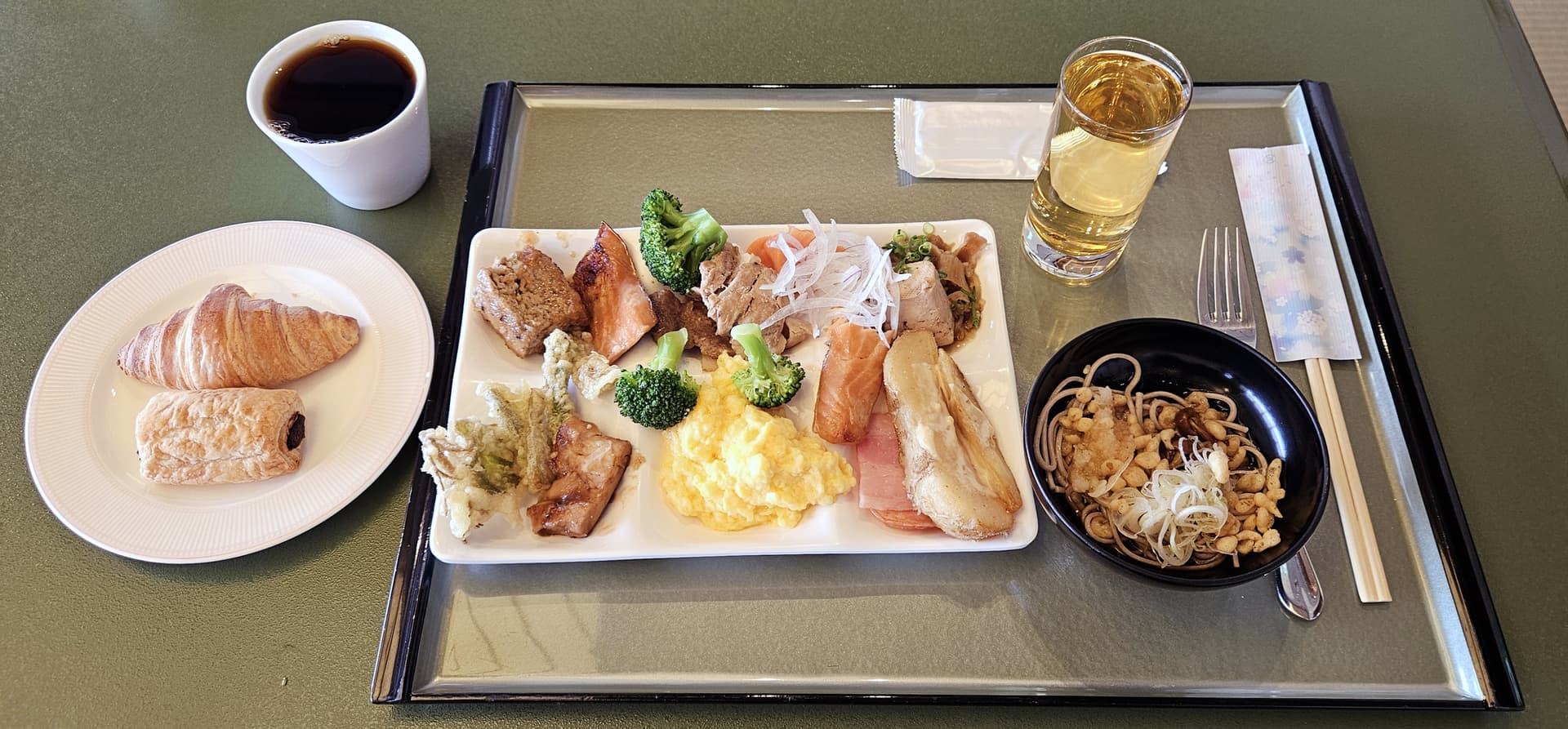
Not too shabby!
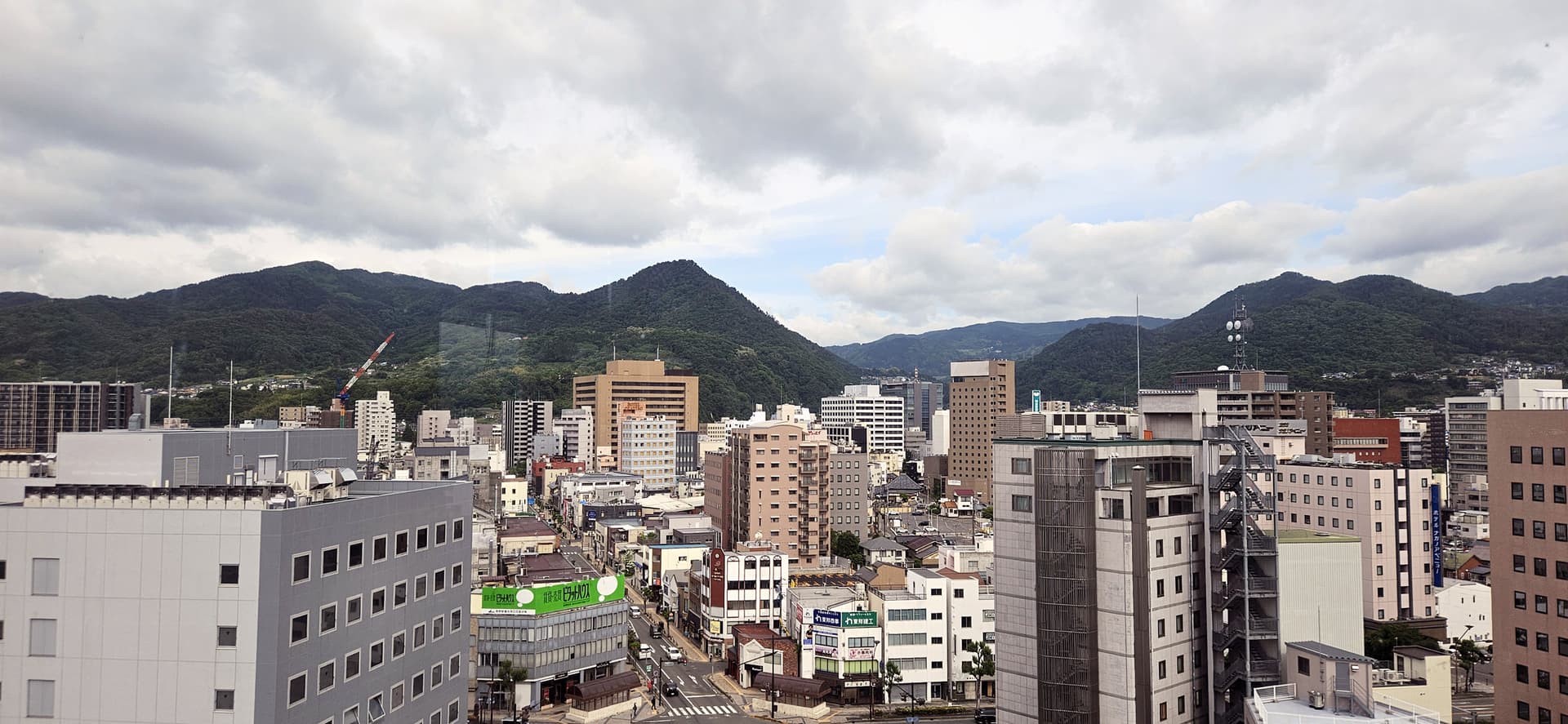
The views from the top floor were pretty impressive! Here are the views towards northwest…
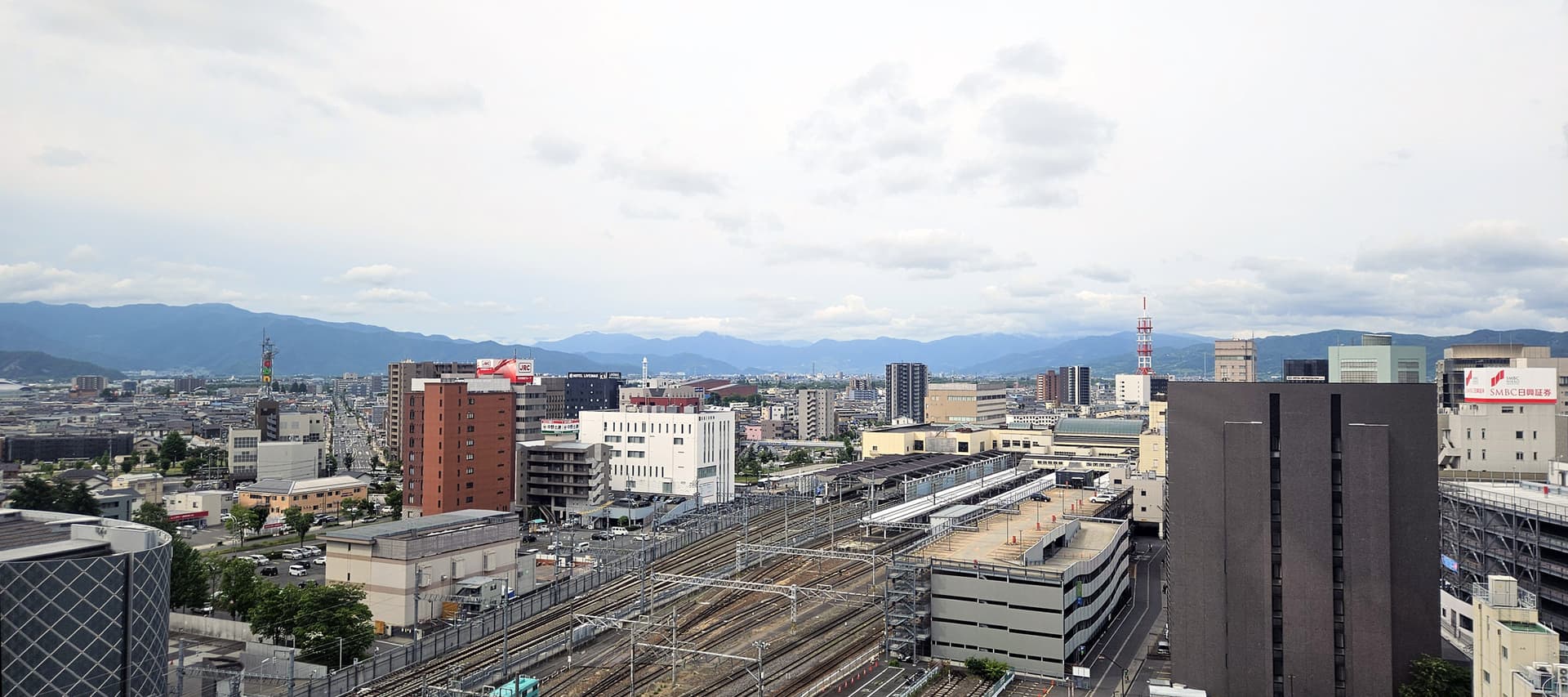
…and south, over the main railway line.
After our breakfast we headed to the railway station and hopped aboard a local train bound for a northeasterly direction, where the small town of Obuse - and Obusé Winery - was located.
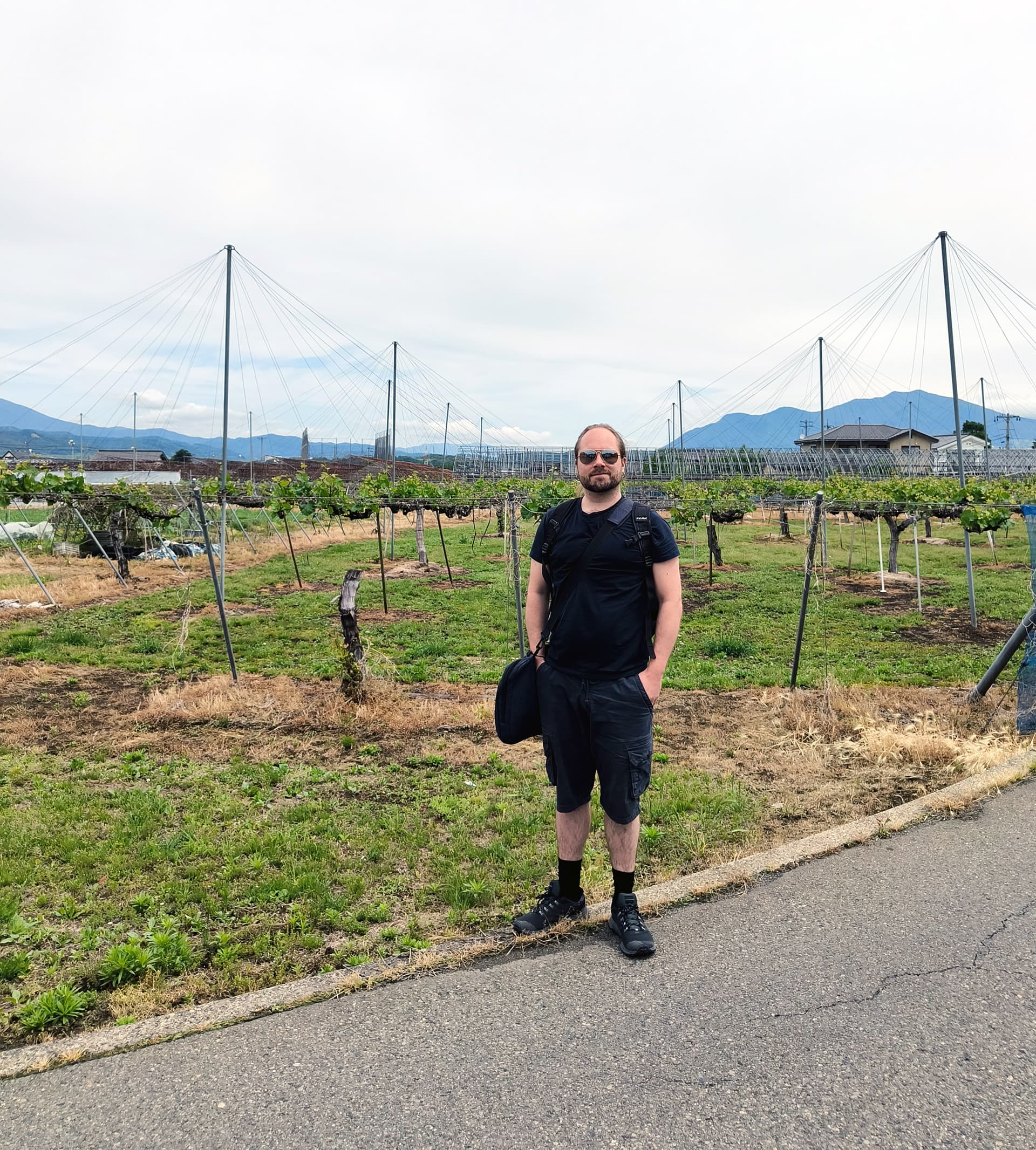
Yours truly in Obuse, in front of the very first vineyards you can see when you hop off the train at the Obuse-Tsusumi train station (which is not actually a train station, just a small concrete platform in the middle of vineyards and a sleepy suburb of detached houses).

The bustling Obuse-Tsusumi train station.
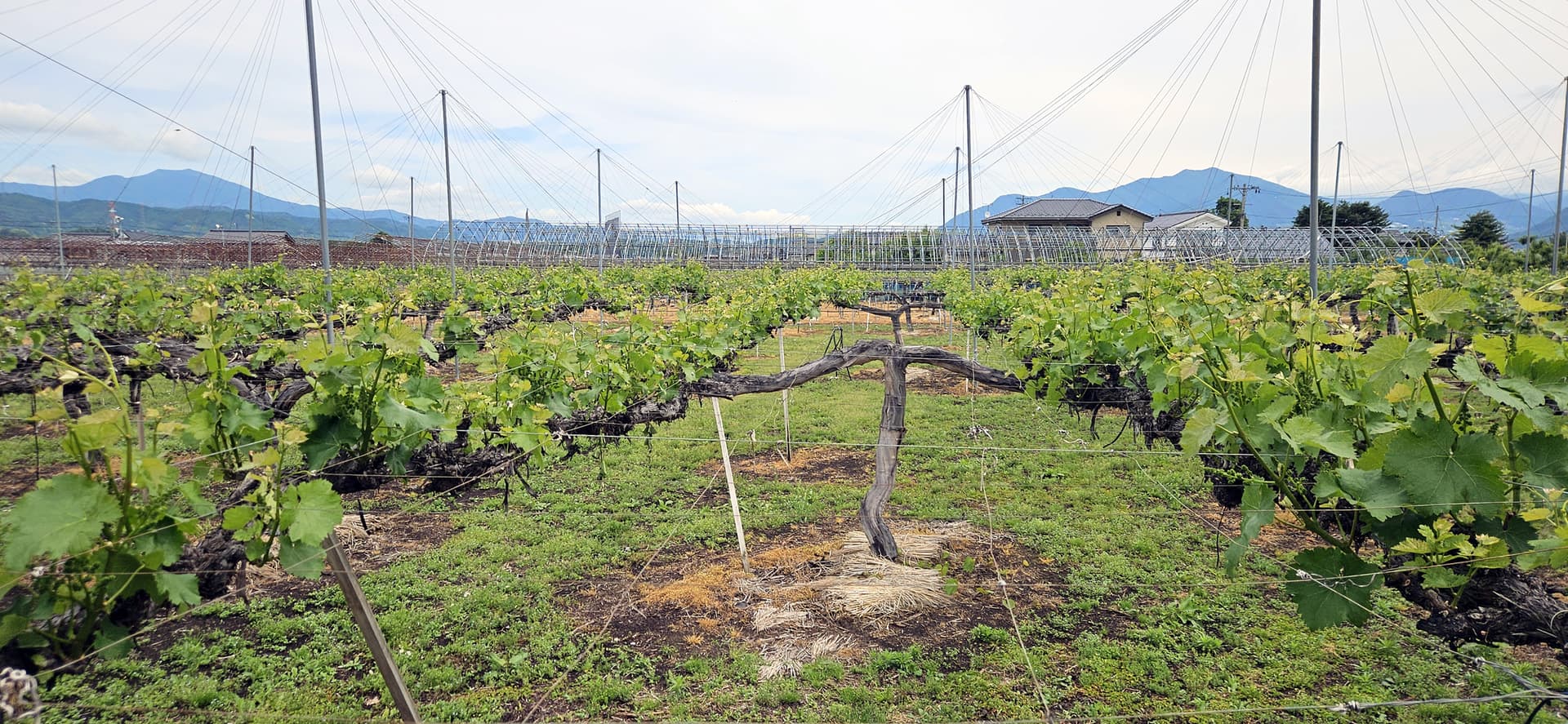
Here you can see the unique way how the vineyards are farmed in many parts of Japan: in this tanashitate (or tanajitate, 棚仕立) trellising system there are only a handful of vines per hectare, which are spaced widely apart and the canopy of one single vine covers a very large area. They are often trellised approximately 1-2 meters (3,5-7 feet) above ground, but I’ve seen some vineyards where the grapes grow even at 2,5-3 m (8-10 ft) above ground! This system allows for sufficient ventilation in the considerably humid climate of Japan - but also supposedly helps in minimizing damage from typhoons.
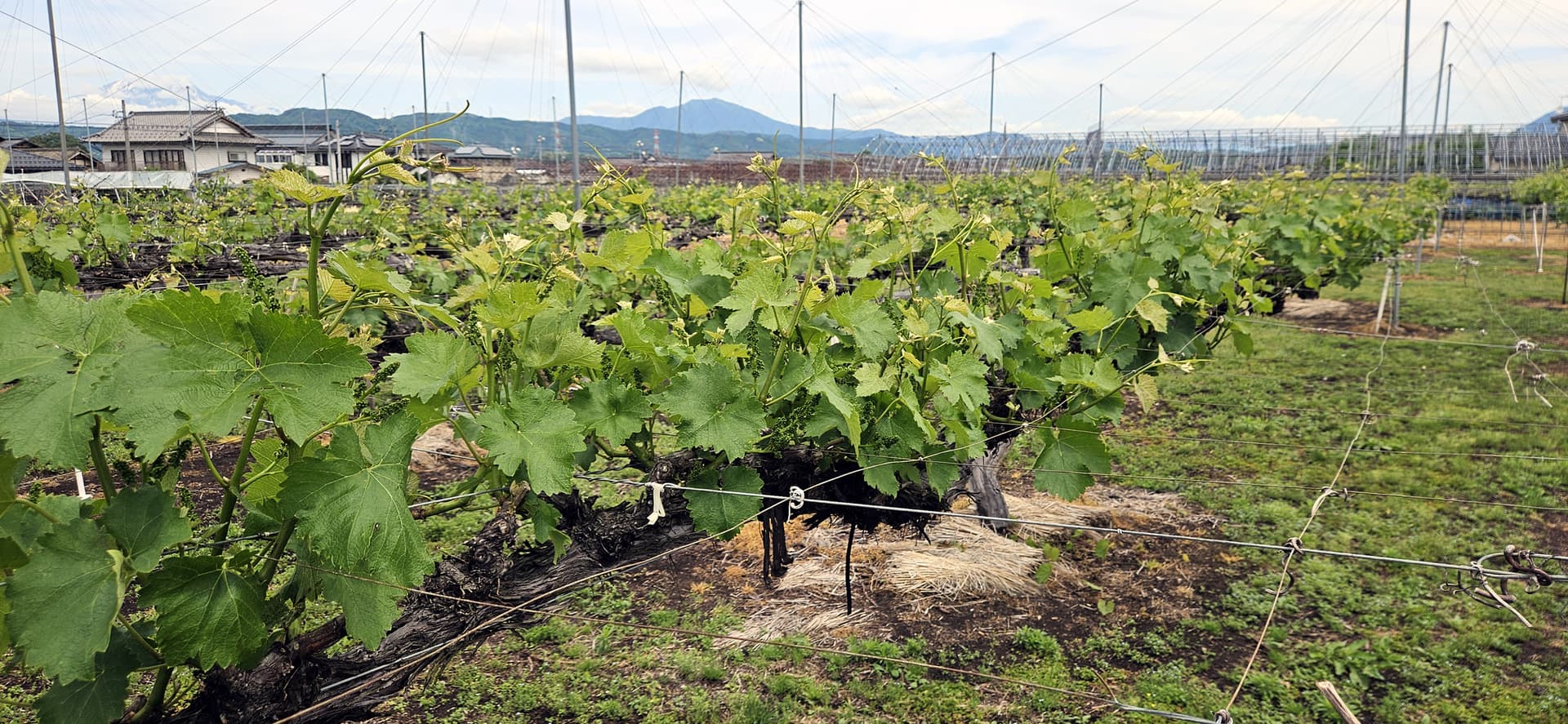
Here you can see how many inflorescences one horizontal trunk can produce - and how thick those trunks can get!
Yes, this is basically all I did there.
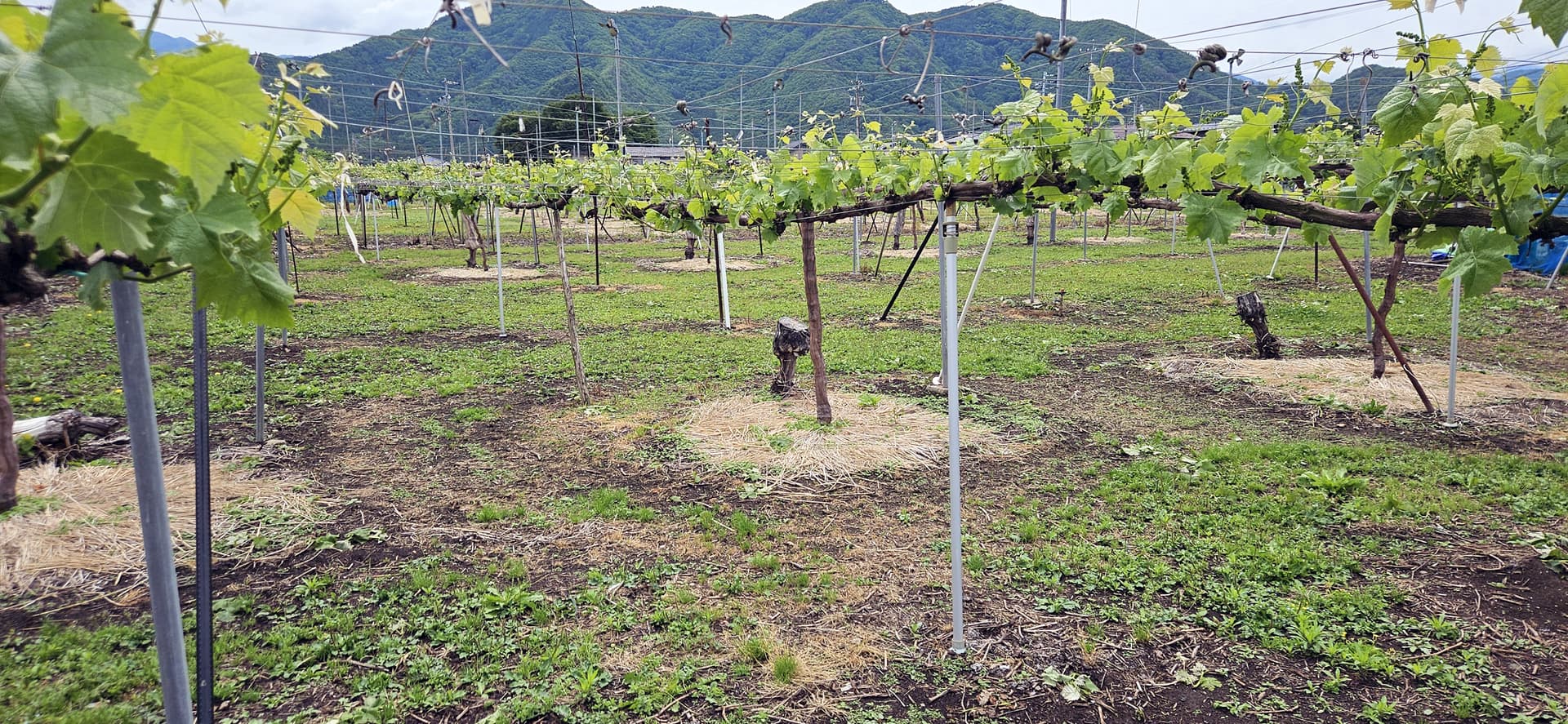
Apparently when an old vine dies, it is just cut down and a new one is planted somewhere nearby.
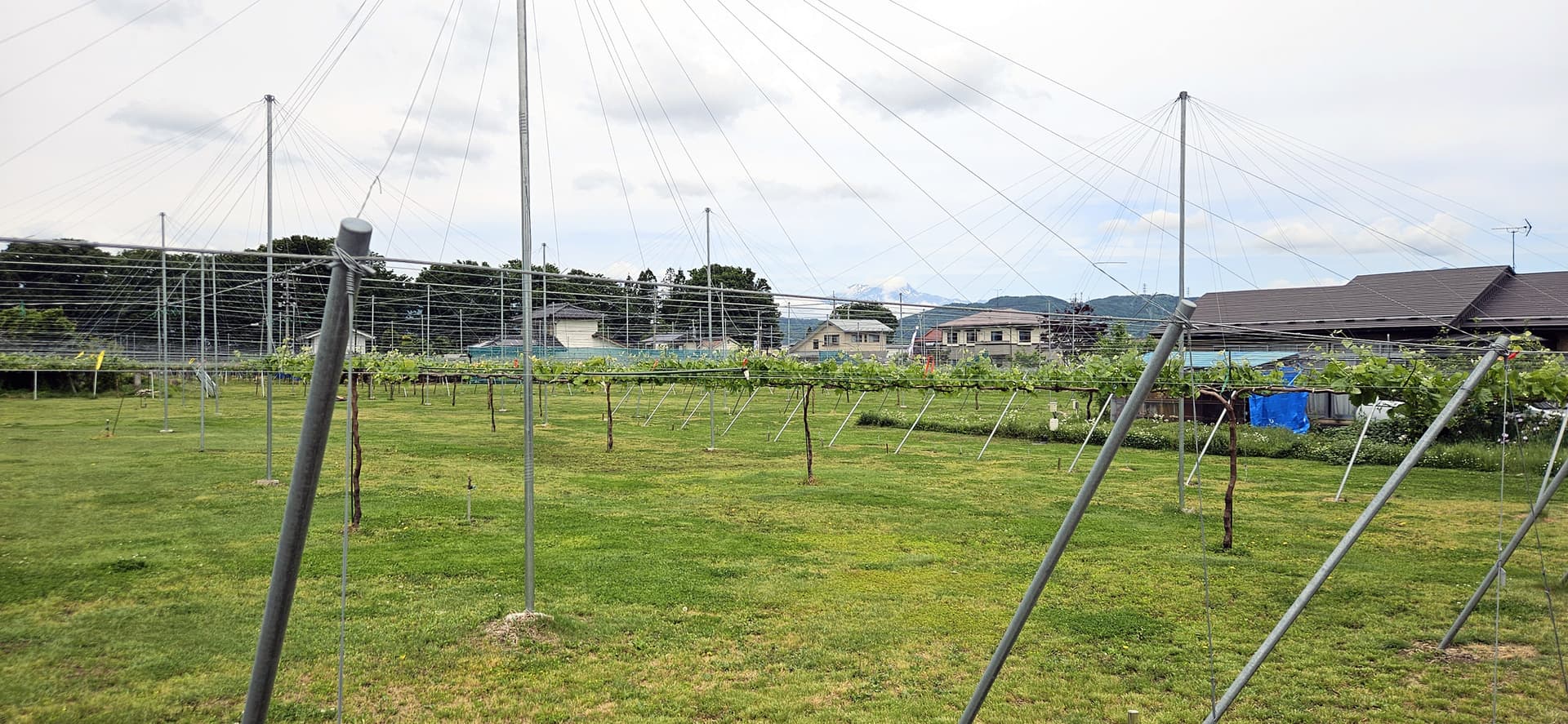
Here’s a young vineyard where you can easily see how widely apart the vines are planted here.
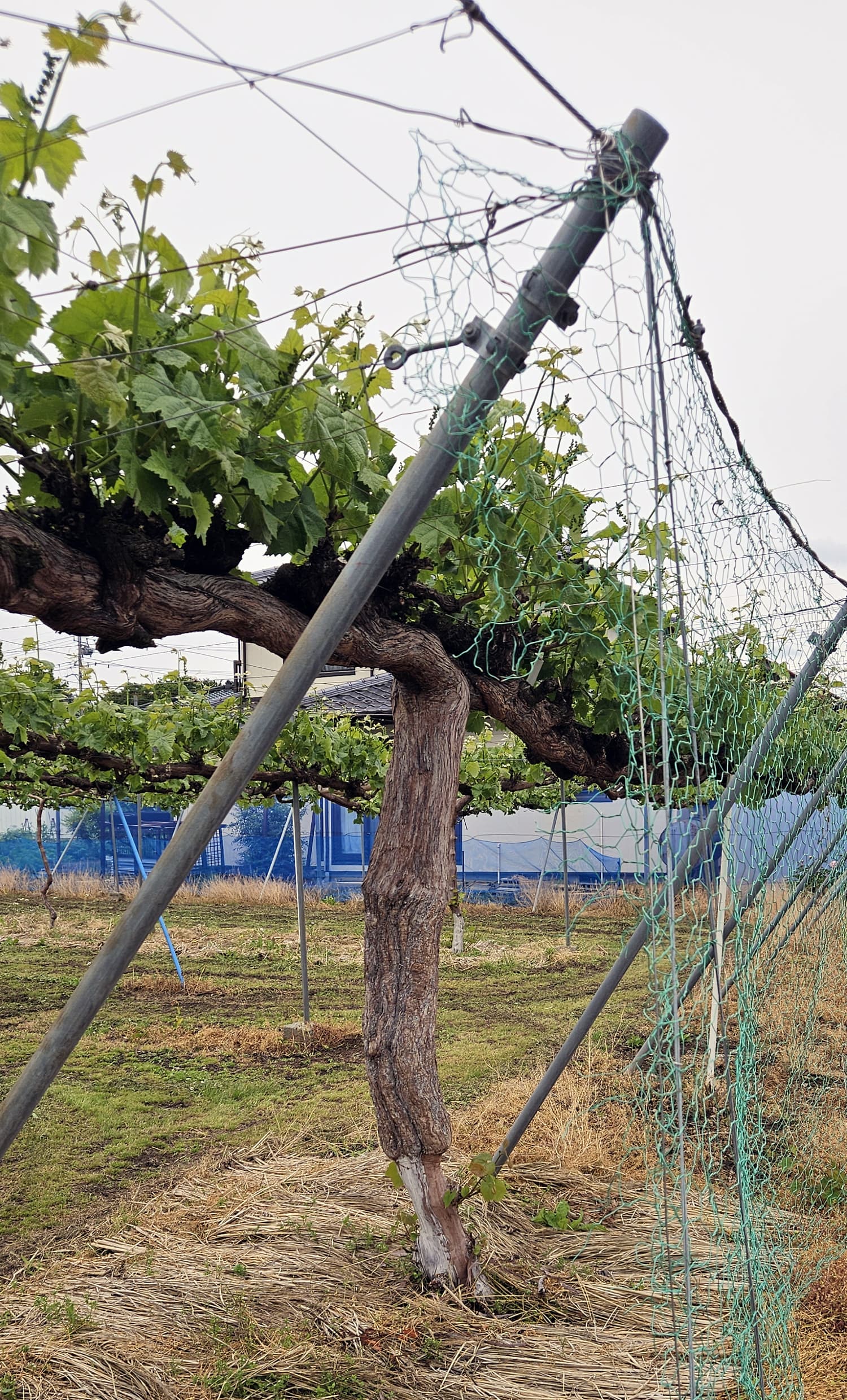
And the old vines look more like trees.
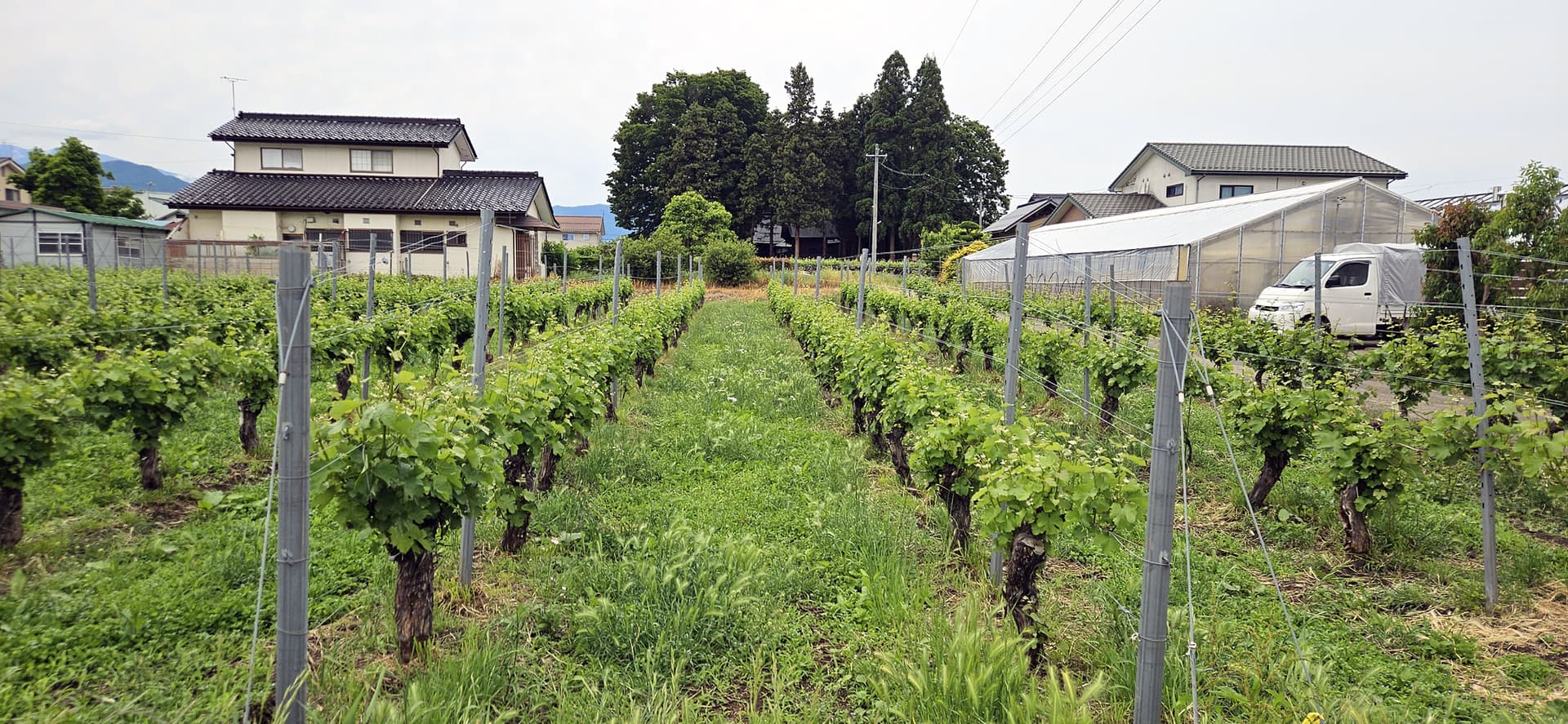
A rare sight: some closely planted rows of head-trained vines!
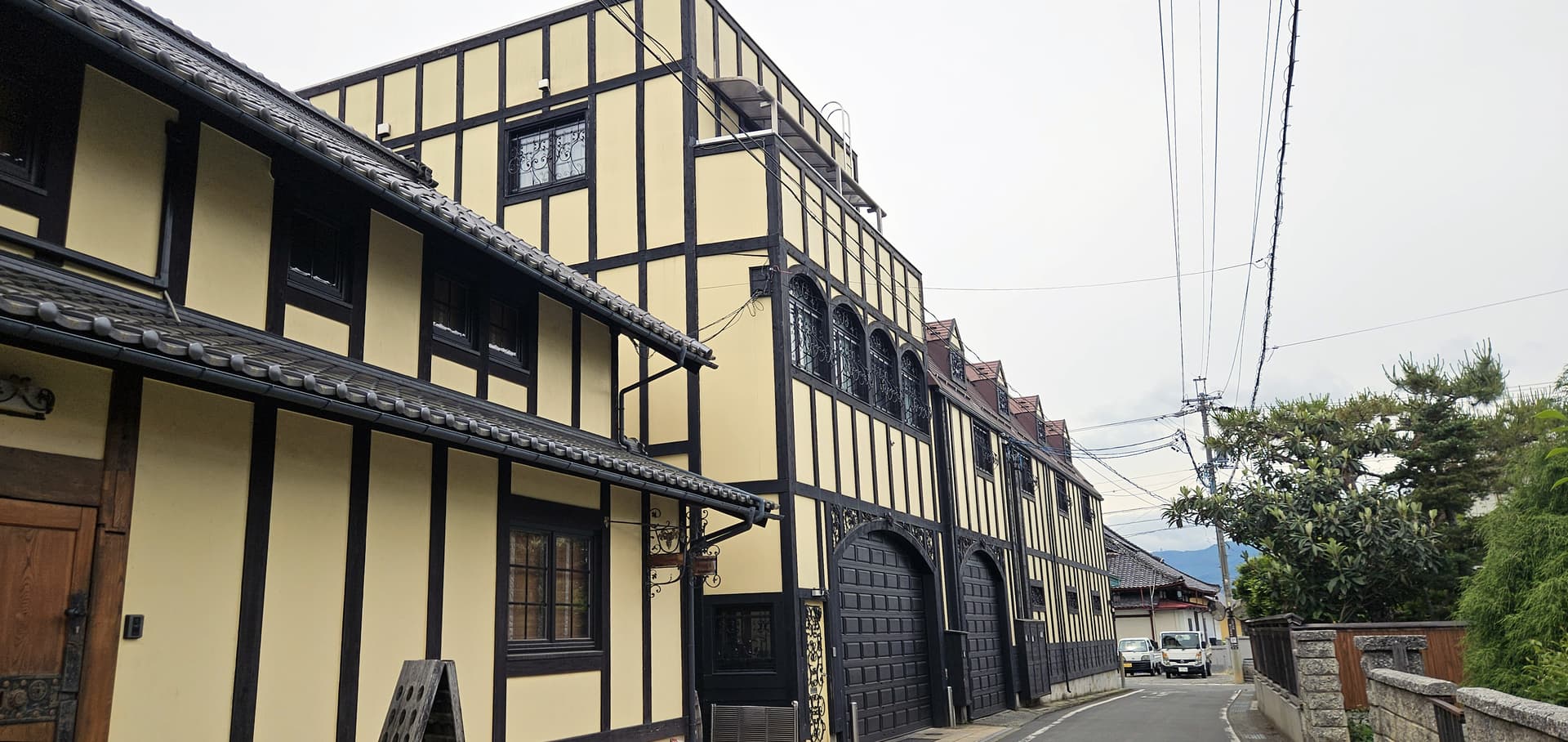
Finally, we managed to find the Obusé Winery!
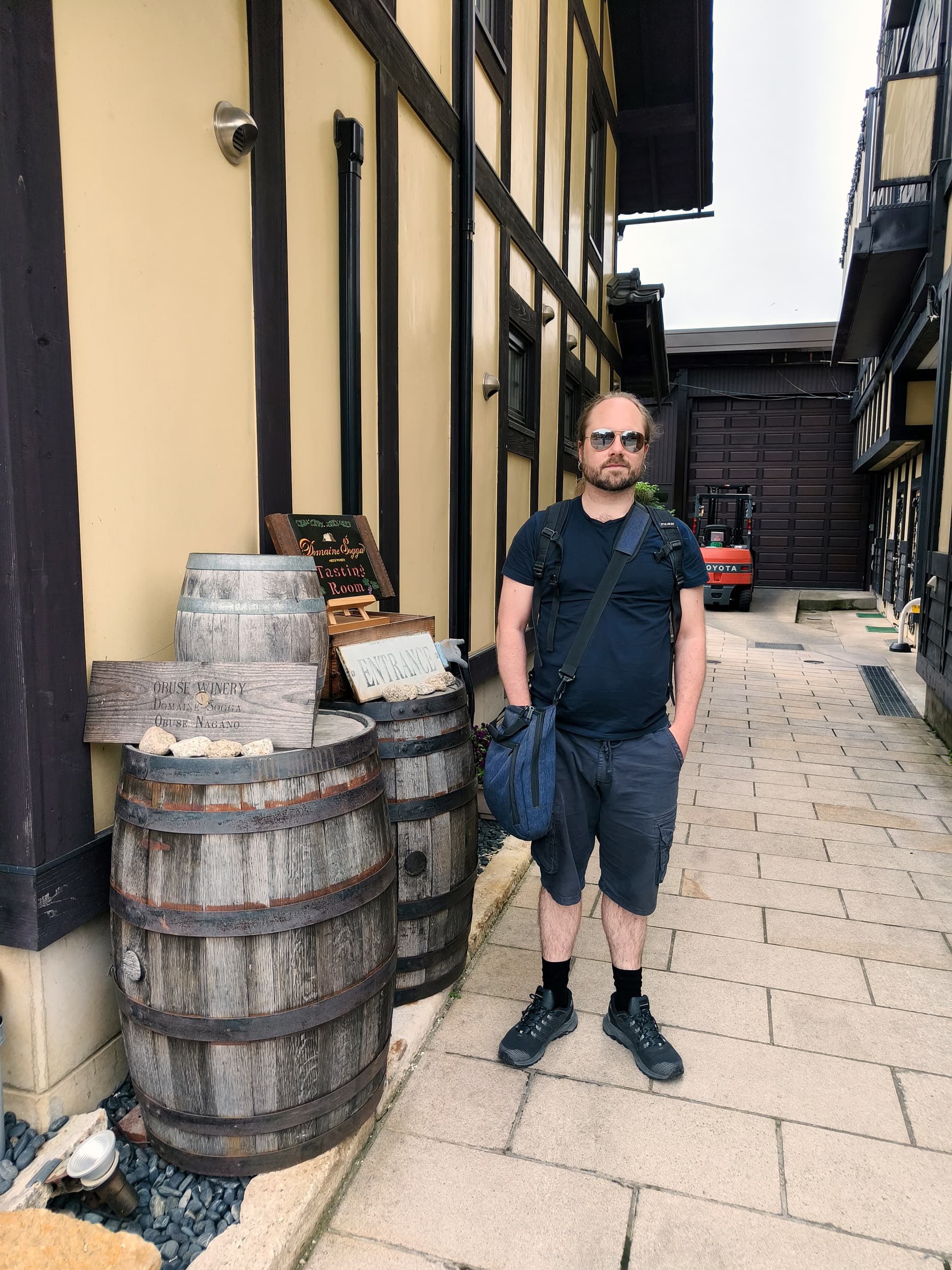
Almost at the entrance…
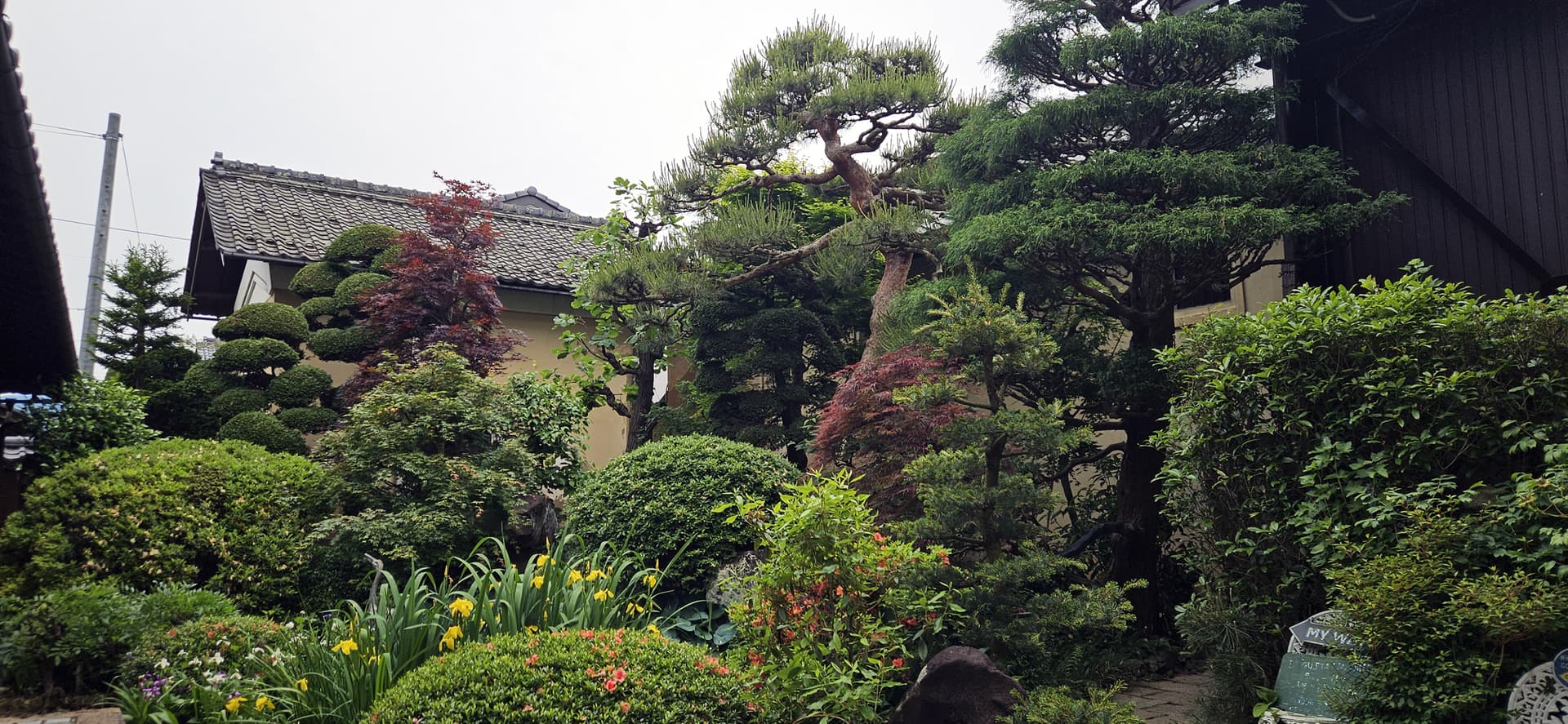
…which was actually behind this impressive old garden that was tucked away between all the winery buildings!
Domaine Sogga / Obusé Winery
-
The history of Obusé Winery goes all the way back to 1867, when the oldest parts of the modern-day winery facility were constructed as a sake brewery. These facilities were used for the purpose of brewing sake and cider until 1942, when the Soga family also started producing some wine under license.
-
The winery is run today by Akihiko Soga (who is the older brother of Takahiko Soga, famous for the cult-ish Nana-Tsu-Mori Pinot Noir from Hokkaido). It was the grandfather of the Soga brothers who originally became interested in producing quality wine in Nagano and began farming vineyards by planting some suitable table grape varieties in the 1970.
-
Akihiko Soga also became interested in wine, studying first viticulture and winemaking at the University of Yamanashi’s Institute of Enology and Viticulture, then having a stint abroad at Domaine Long-Depaquit, Chablis.
-
Encouraged by his experiences in viticulture, Soga planted some “serious” grape varieties in the 1990’s, beginning with Merlot in 1995. In the 2000’s he also began experimenting with organic viticulture - something often thought as impossible in the extremely humid and rainy climate of Japan - and today approximately half of Soga’s 8 hectares (20 acres) is farmed organically.
-
Inspired by so many French producers, Soga’s estate wines are bottled under the Domaine Sogga name, whereas the wines made with purchased fruit are bottled under the Sogga Père et Fils négociant name. The wines made with fruit sourced from the organically farmed vineyards bear an extra designation of “Vin Sans Chimie”.
-
I’ve understood that Soga’s winemaking is pretty natural, ie. the wines are fermented spontaneously and typically the whole process from the vineyard into the bottle is pretty much hands-off. To my understanding, they use a little bit of SO2, just to keep the wines microbiologically stable - but the amounts they use are low enough to warrant a warning that “Our wines must be kept cold. If the temperatures exceed 20-30°C, the cork may come off. Keep the temperature below 15°C.” at the winery!
-
Naturally the production volume is very low for almost all the cuvées Soga produces. Most of the stuff he makes is quite allocated and he doesn’t have an online shop, nor does he export. He mainly sells either directly to restaurants or at the cellar door - but even at cellar door the purchases are limited to just one bottle per label. I’ve understood that he’d rather focus on viticulture and making good wine rather than have any extra publicity - which is why it is very hard to find much information about the winery or Akihiko Soga himself!
When we arrived at the winery, we were greeted by a lady at the cash register. The staff at the winery didn’t seem to know much English, but fortunately with our very limited Japanese we managed to purchase two tasting sets - a regular one for my spouse and an expanded one for me. There was also a basic tasting set of a couple of entry-level wines, but that one we passed, naturally.
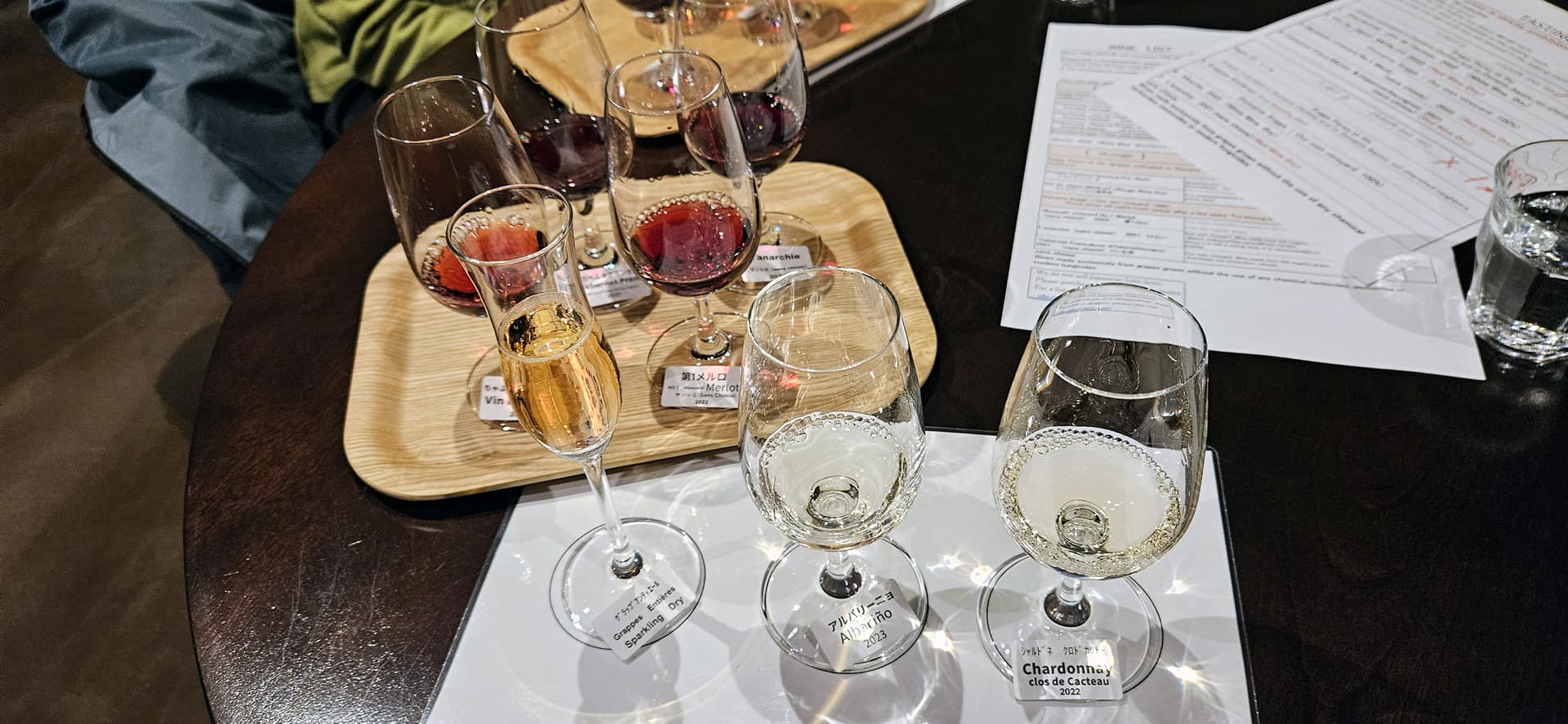
- NV Sogga Père et Fils Obusé Winery Pressurage des Grappes Entières Rosé Brut - Japan, Chūbu, Nagano (26.5.2025)
A sparkling rosé wine made with red Vitis vinifera grapes - the names of the grape varieties are not disclosed, "to eliminate any preconceptions". The grapes are sourced from Domaine Cacteau and Domaine Aquiou, Domaine Sogga's grape-farming neighbors - which is why the wine is bottled under the Sogga Père et Fils négociant label. The wine is made with the traditional method, ie. refermentation in bottles. Disgorged by hand.
Pale seared salmon color. The nose feels a bit restrained with light aromas of red Fuji apple, some ripe raspberry tones and a little bit of leesy yeast. The wine feels clean, refreshing and slightly understated on the palate with a medium body and bright flavors of ripe Golden Delicious apple, some saline mineral tones, a little bit of tart Granny Smith apple, light leesy nuances, a toasty hint of nuttiness and a faint touch of rubbery reduction. The ample mousse attacks with a big initial fizz, then settles down to a soft, creamy tingle. Brisk acidity. The finish is dry and persistent with a moderately long, palate-cleansing aftertaste of sweet Golden Delicious apple, some leesy tones, a little bit of red-toned cherry fruit, light nutty notes of slivered almonds, a hint of tart citrus fruits and a touch of sharp Granny Smith apple.
A balanced and refreshing rosé bubbly. Quite serious in style, but maybe lacking a bit in intensity and depth. I'd say this is comparable to a decent, inexpensive rosé Champagne. Good, but nothing truly memorable. Maybe the wine could pick up some depth and complexity with additional aging? Priced according to its quality at ¥3850 (23,70€).
(90 points) - 2023 Domaine Sogga Obuse Winery Albariño - Japan, Chūbu, Nagano (26.5.2025)
100% Albariño from estate vineyards. 13% alcohol.
Rather neutral whitish-green color. The nose feels sweet, expressive and quite tropical with youthful aromas of banana and guava, some cantaloupe, light pineapple tones and a primary hint of ripe pear. The wine feels dry, fresh and lively with a medium body and bright, slightly tropical flavors of steely minerality, some primary notes of pear, a little bit of tart Granny Smith apple, light Muscat-y floral tones, a hint of phenolic bitterness and a touch of borderline under-ripe banana. The brisk, zesty acidity lends good sense of freshness and intensity to the wine. The finish is crisp, long and lively with a dry aftertaste of sharp Granny Smith apple, some banana tones, a little bit of cantaloupe, light floral nuances and a hint of phenolic bitterness.
A brisk and refreshing Albariño that is still very youthful and maybe a bit too primary. Not too much, though - the wine is already pretty enjoyable. However, I'd let the wine age at least a few years more, just to get it to blow off those candied estery notes. A clean, harmonious and tasty effort. Priced more or less according to its quality at ¥3850 (23,70€).
(89 points) - 2022 Sogga Père et Fils Obusé Winery Chardonnay Clos de Cacteau - Japan, Chūbu, Nagano (26.5.2025)
100% Chardonnay made with purchased fruit from Domaine Cacteau, which is why the wine is bottled under the Sogga Père et Fils négociant label. Fermented and aged in oak barrels. 12% alcohol.
Youthful, pale yellow color. The nose feels quite toasty with aromas of nutty wood, some sweet appley tones, a little bit of banana marshmallow, light smoky and flinty nuances, a hint of creamy oak and a floral touch of apple blossom. The wine feels quite toasty but also a bit thin on the palate with a light-to-medium body and dry flavors of sharp Granny Smith apple and creamy oak, some primary notes of pear drops, a little bit of tangy salinity, light floral apple blossom tones, a hint of apple peel bitterness and a touch of nutty wood. The high acidity lends a good amount of freshness and zip to the wine. The finish is crisp, dry and salty with a refreshing aftertaste of sharp Granny Smith apple, some nutty oak tones, a little bit of smoky toast, light sweeter notes of ripe white peach, a hint of tangy salinity and a touch of creamy oak.
A youthful and quite tasty Chardonnay that seems to have a bit too little fruit and body for the oak it has seen. The overall style is pretty Chablis-like with its brisk green apple flavors, tangy salinity and high acidity. However, there's quite a bit of oak there as well, making the wine come across as quite woody with all those nutty and creamy oak tones - I think a bigger Chardonnay with more fruit and body would've carried this much oak pretty effortlessly, but I think the wine comes across as a bit unbalanced now. I hope those oaky tones could integrate with the fruit with enough aging. Priced somewhat according to its quality at ¥2750 (16,93€).
(87 points) - 2022 Sogga Père et Fils Obusé Winery Merlot Ordinaire - Japan, Chūbu, Nagano (26.5.2025)
100% Merlot made with purchased fruit sourced from Domaine Cacteau and Domaine Aquiou - which is why the wine is bottled under the Sogga Père et Fils négociant label.
Pale, fully translucent raspberry red color with a broad, colorless rim - this looks more like a dark rosé than a red wine. The nose feels fresh with aromas of brambly raspberries, some savory meaty tones, a little bit of sweet cherry and a hint of fresh red plums. The wine feels dry, simple and savory on the palate with a light body and flavors of meaty umami, some dark forest fruits, light crunchy notes of tart red plums and a hint of tobacco. The overall feel is supple and pretty mellow with the medium acidity and very light, almost nonexistent tannins. The finish is dry, light and savory with a medium-long aftertaste of dark forest fruits, some meaty umami tones, a little bit of tobacco, light earthy notes, a hint of brambly raspberry and a touch of old leather.
A pleasant, light and simple little red. Nothing challenging, nothing particularly complex. Quaffable, if anything. Doesn't have much in the way of structure, so this is more like an easy-drinking weekday red when you just want to have something light and refreshing - not something that calls for food. Most likely the wine will continue to keep for some years, but I doubt it will evolve or improve much with further aging. Priced more or less according to its quality at ¥1760 (10,83€).
(85 points) - 2022 Domaine Sogga Obuse Winery Merlot Vin Sans Chimie Murasaki Numéro Un - Japan, Chūbu, Nagano (26.5.2025)
100% Merlot from the Murasaki vineyard that Akihiko Soga farms without any pesticides, hence "Vin Sans Chimie" in the label.
Beautifully luminous, translucent and quite deep ruby red color. The nose feels youthful with fruit-driven aromas of raspberries and wild strawberries, some brambly blackberry tones, a little bit of savory wood spice, light plummy tones and a hint of meaty character. The wine feels fresh, crunchy and quite savory on the palate with a light-to-medium body and dry flavors of tart lingonberries and fresh red plums, some redcurrant tones, a little bit of gravelly minerality, light notes of tobacco, a savory hint of meaty umami and a touch of darker fruit. The overall feel is balanced with the high acidity and firm medium tannins. The finish is dry, savory and slightly grippy with a rather long aftertaste of crunchy redcurrants and tart red plums, some savory notes of meaty umami, light gravelly mineral tones, a little bit of loose tobacco and a hint of juicy blackberry.
A sophisticated, fresh and savory Merlot that is stylistically much closer to, say, a Burgundy Pinot Noir than a new world Merlot. The wine is bright, dry and acid-driven with a relatively light body, good sense of balance and a somewhat savory or meaty overall feel. This is not a big, voluptuous or burly Merlot, but instead a fresh and fine-tuned wine that can be enjoyed by itself, but also paired with all kinds of lighter fare. Most likely the wine continues to age and even improve for some years more, but I'd say the wine is going to peak by its 10th birthday. Priced according to its quality at ¥3850 (23,70€).
(91 points) - 2021 Domaine Sogga Obuse Winery Cabernet Franc, Merlot et Cabernet Sauvignon - Japan, Chūbu, Nagano (26.5.2025)
A blend of mainly Cabernet Franc with some Merlot and Cabernet Sauvignon from vineyards that Akihiko Soga farms without any pesticides, hence "Vin Sans Chimie" in the label.
Deep, youthful and quite opaque blackish-red color. The nose feels meaty, savory and a bit wild with layered aromas of tobacco, some ripe red plums, light woody tones, a little bit of fresh blackcurrant, a herbaceous hint of bell pepper and a touch of redcurrant juice. The wine feels juicy, firm and dry on the palate with a medium body and moderately intense flavors of tobacco, some savory notes of meaty umami, a little bit of ripe redcurrant, light crunchy notes of fresh red plums, woody hints of savory oak spice and a touch of game. The overall feel is enjoyably fresh and balanced with its high acidity and somewhat grippy medium tannins. The finish is dry, juicy and somewhat grippy with a moderately long aftertaste of ripe redcurrants, some gamey tones, a little bit of tobacco, light crunchy notes of fresh red plums, woody hints of pencil shavings and a herbaceous touch of bell pepper.
A balanced and thoroughly enjoyable Nagano red that feels more like a traditional Loire Cab Franc than a Bordeaux imitation, despite the varietal composition in the blend - the wine just comes from such a cool climate that making a bold faux-Bordeaux just isn't feasible. Additionally, the wine shows that distinctive - and even somewhat pronounced - savory, meaty quality that seems to be so very typical of Japanese reds. I don't know what that is or where it comes from, but it seems to be a characteristic that is present in almost all red wines made from Japanese Vitis vinifera grapes. It doesn't bother me one bit - on the contrary, these savory qualities suit the wine pretty nicely - but it is definitely something you can't help but notice once you taste Japanese red wines a bit more. All in all, this was a pretty lovely effort and even if the wine is in a great spot right now, I can imagine the wine can evolve and improve from here over the next handful of years, perhaps even for a decade or so. Recommended. Priced according to its quality at ¥4400 (27,93€).
(92 points) - 2021 Domaine Sogga Obuse Winery L'Anarchie - Japan, Chūbu, Nagano (26.5.2025)
A blend of mainly Merlot, Cabernet Sauvignon and Petit Verdot from vineyards that Akihiko Soga farms without any pesticides, hence "Vin Sans Chimie" in the label.
Quite deep, dark and moderately opaque blackish-red color. The nose feels juicy and slightly sweet-toned with aromas of fresh dark plums and blackcurrants, some bilberry tones, a little bit of gamey meat, light woody notes of savory oak spice, a faint smoky hint of reduction or perhaps phenolic spice and a sweeter touch of ripe strawberry. The wine feels dry, juicy and balanced on the palate with a moderately full body and vibrant flavors of ripe blueberries and fresh blackcurrants, some woody notes of pencil shavings, a little bit of gamey meat, light savory or saline nuances, a hint of wild strawberry and a touch of gravelly minerality. The wine is medium-to-moderately high in acidity with balanced, supple medium tannins. The finish is dry, crunchy and somewhat grippy with a rather long aftertaste of bilberries and wild strawberries, some crunchy blackcurrant tones, a little bit of gamey meat, light woody oak tones, a savory hint of salinity and a sweeter touch of ripe dark fruits.
A harmonious, balanced and quite elegant Nagano red that feels a bit more ripe than any other Sogga red wine I've tasted - it packs a bit more fruit and richness compared to the typical domaine style, but it also comes across as slightly lower in acidity as the normally so high-acid reds of Domaine Sogga and Sogga Père et Fils. Although nowhere near the normal style of contemporary Bordeaux, I guess this wine could be likened to a slightly warmer-vintage Loire red or a cooler-vintage Bordeaux, like 2014 or 2008. While flavor-wise coming across as somewhat similar, the overall feel here isn't as burly and muscular as it is with Bordeaux - the style of this cuvée is more akin to a Bordeaux that nods to the general direction of Loire or Burgundy. Enjoyably fine-tuned and pleasantly savory. It's hard to say whether the wine will just evolve, or if it is also capable of improving and getting more complex with additional aging - I'd say the wine might reach its peak within the next handful of years and is best drunk within 10-15 years. Good stuff, solid value at ¥4400 (27,93€). Recommended.
(93 points)
Posted from CellarTracker
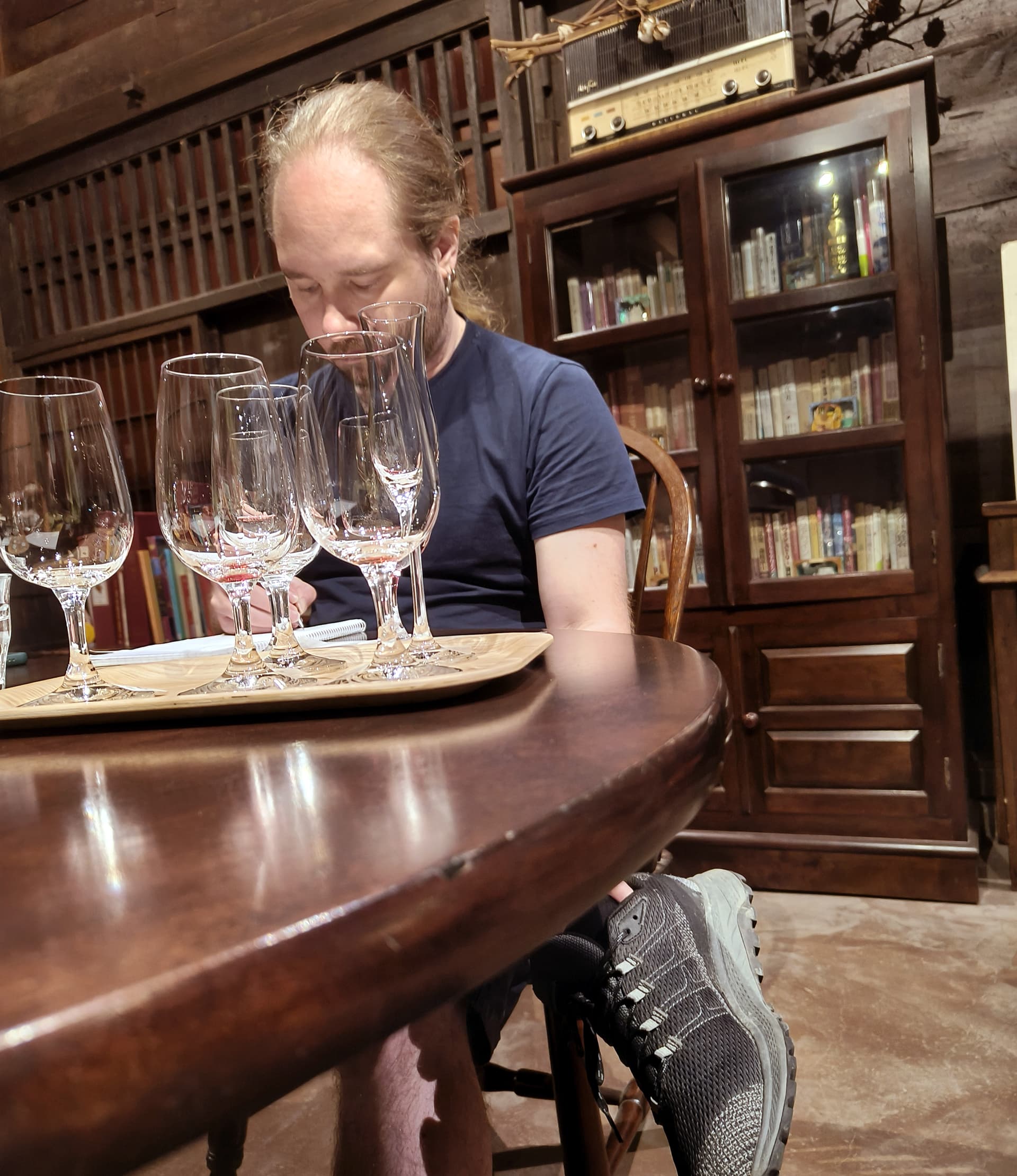
Me doing my thang.
After we had tasted the wines, we checked out the selection of wines at the cellar door shop. I bought a few wines which I’ll have in a tasting later this year and then we thanked the kind ladies at the shop and went to see the rest of the Obuse town!
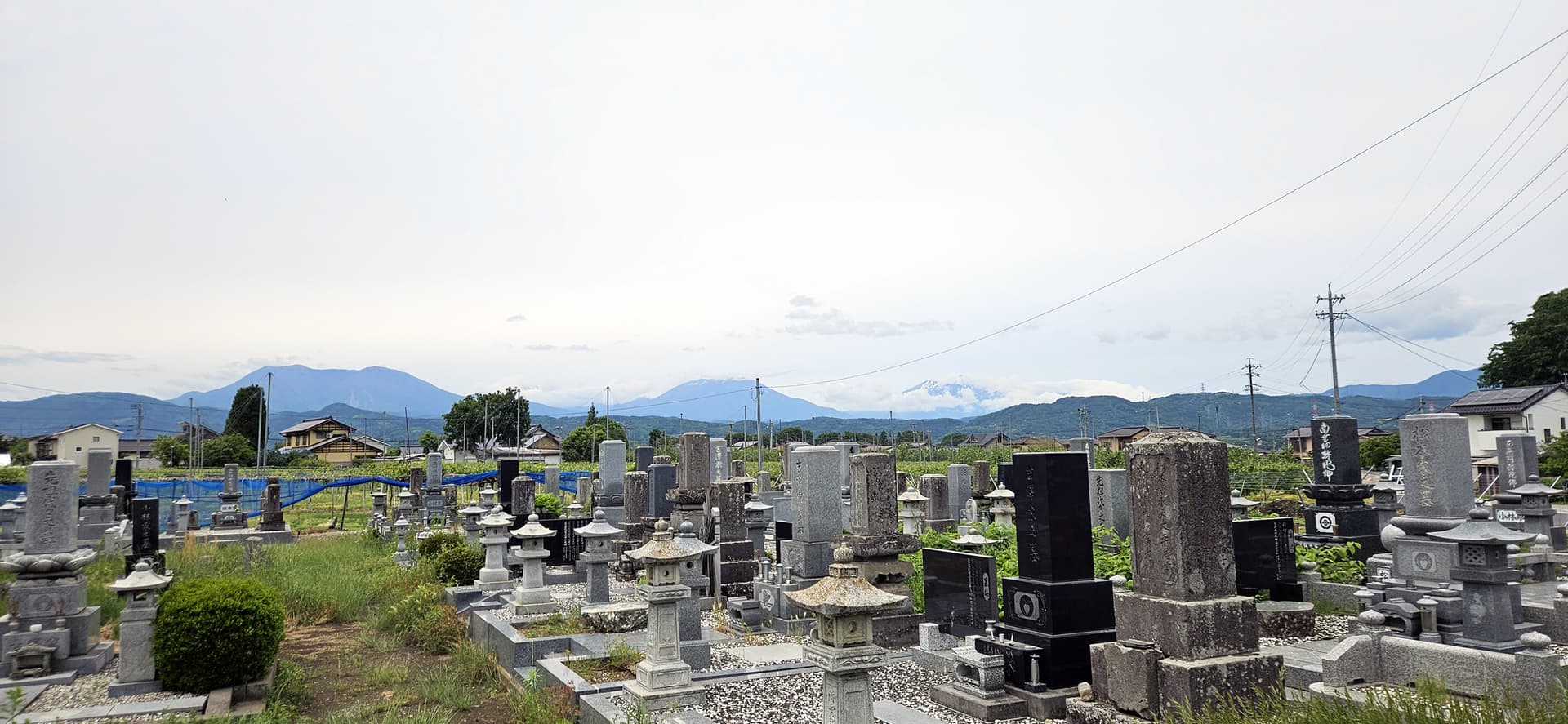
A quiet graveyard and the stunning Japanese Alps (that surround you in all directions) in the background.

Some more vineyards and more Japanese Alps.
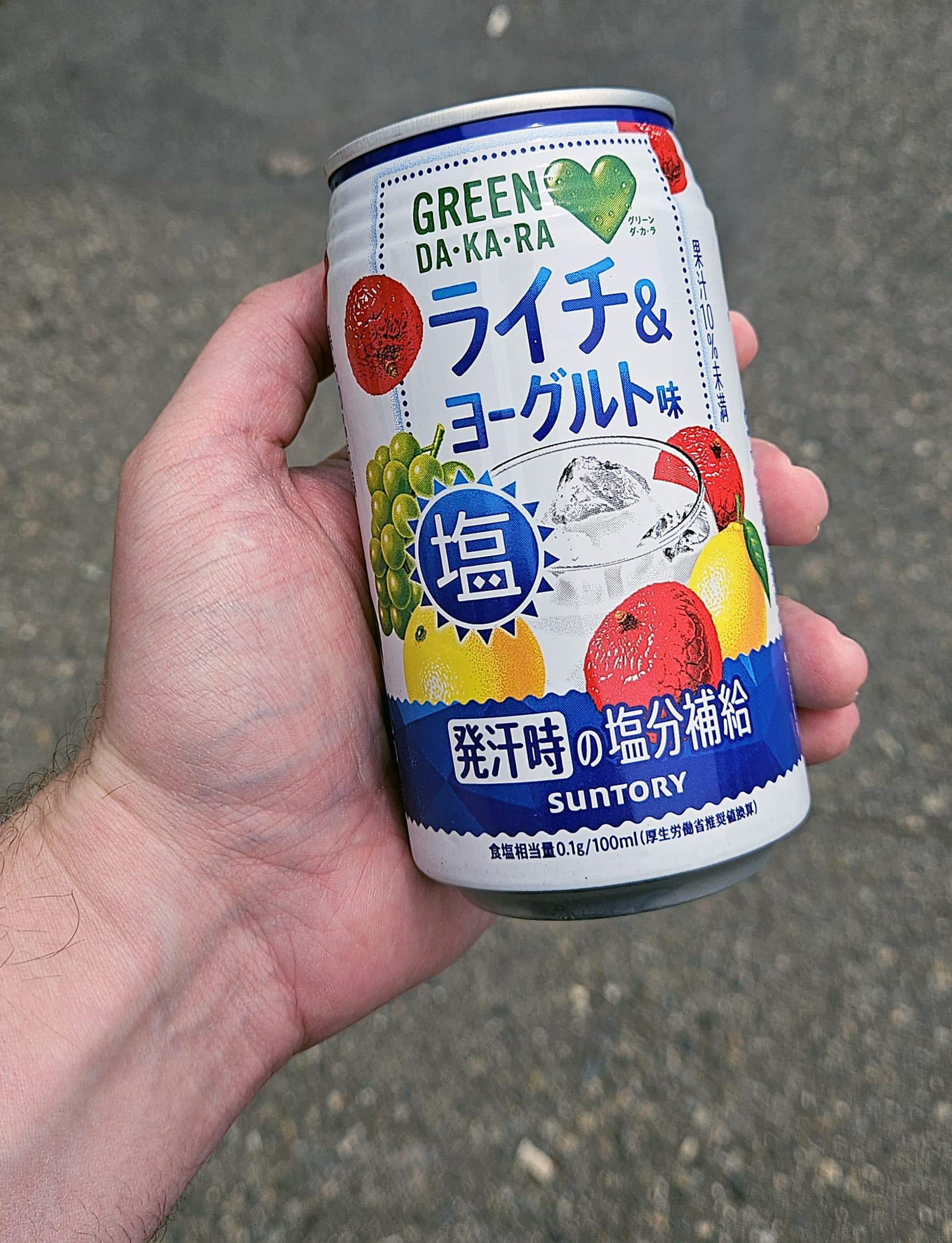
They sell all kinds of crazy stuff in Japan - and almost everything imaginable is available in vending machines! So I guess it comes as no surprise that when I saw a salty lychee-flavored yogurt soda, I simply had to check it out!
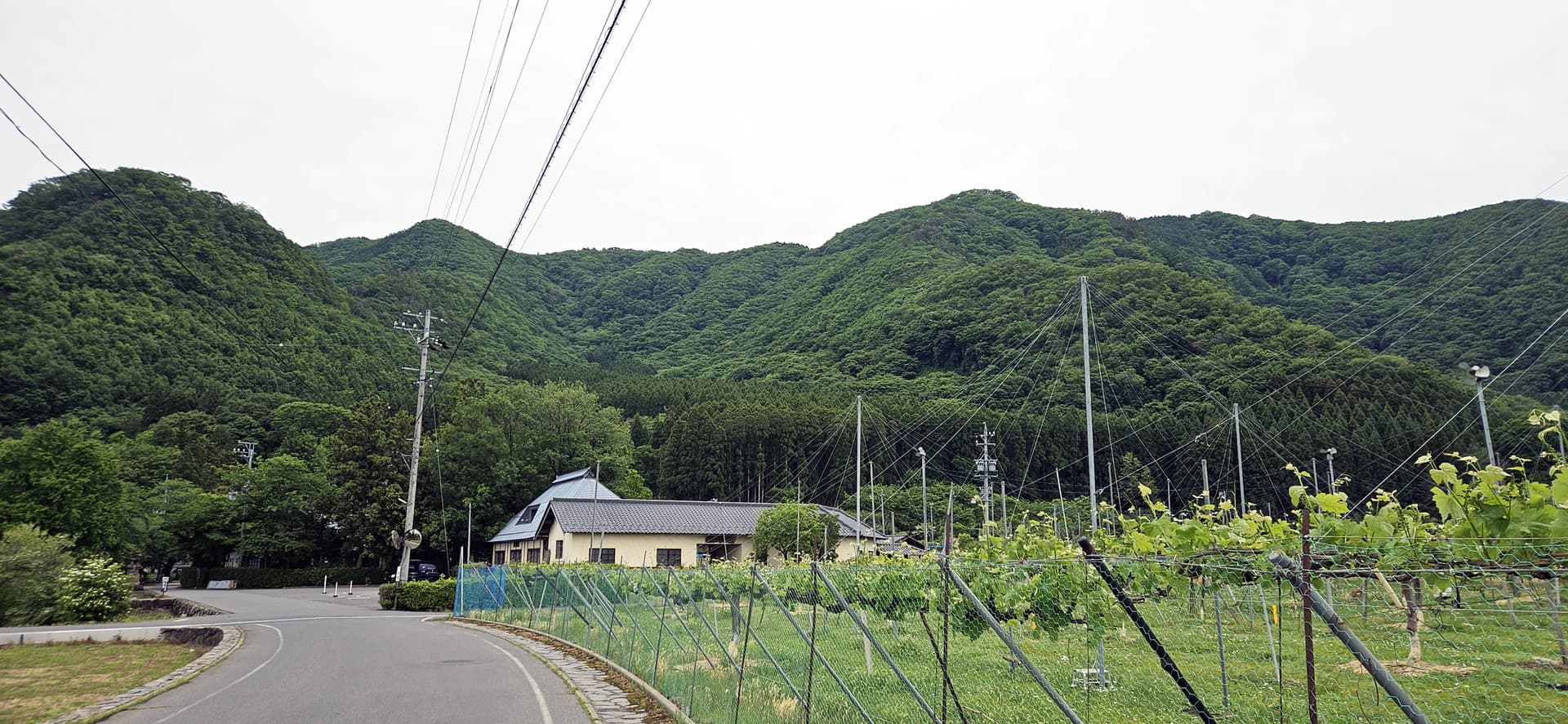
Our next stop was Gansho-in, a Buddhist temple located at the foot of these forested mountains.
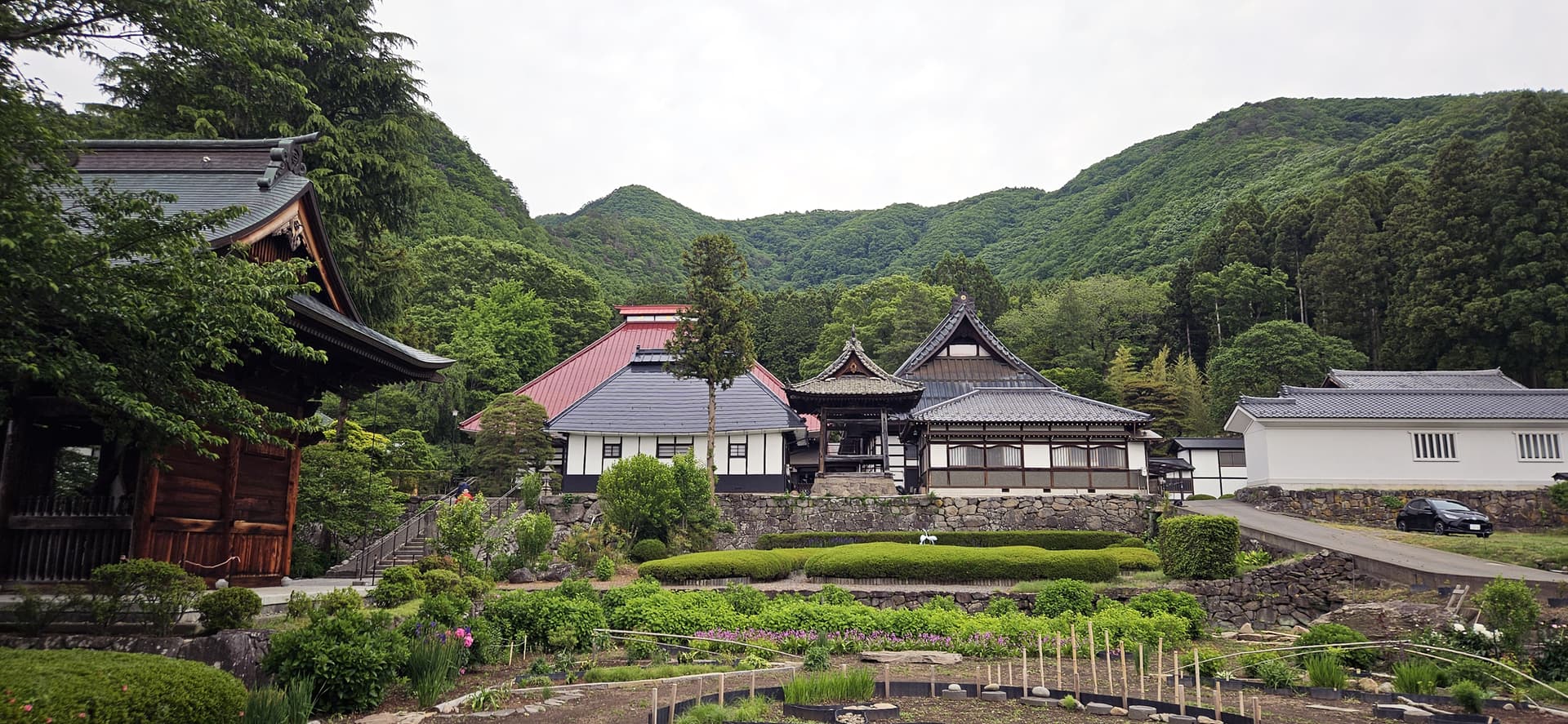
Gansho-in. They have a huge painting of a phoenix bird by Katshushika Hokusai, the famed ukiyo-e artist, painted on the ceiling of the temple. Hokusai painted the ceiling in 1848, at the age of 87, only a year before his death. Photography within the temple was not allowed, so no photos of the painting, sorry!
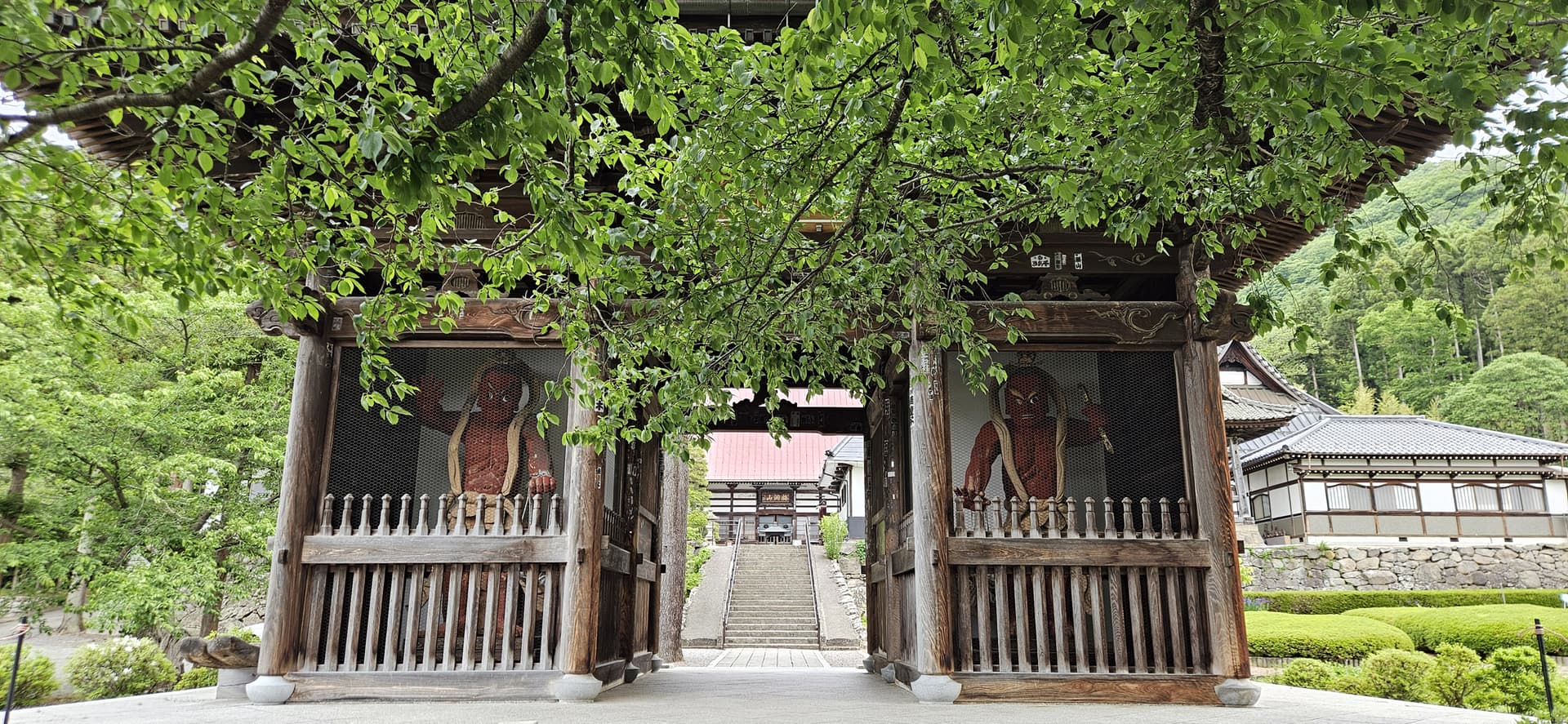
The entrance gate to the temple grounds was pretty epic - as seems to be typical with many Buddhist temples!

Normally in the Japanese countryside you just have to rely on snacks because restaurants are very few and far between. However, we were in luck, because we found this lovely little tofu restaurant right next to the temple we were planning on seeing next!
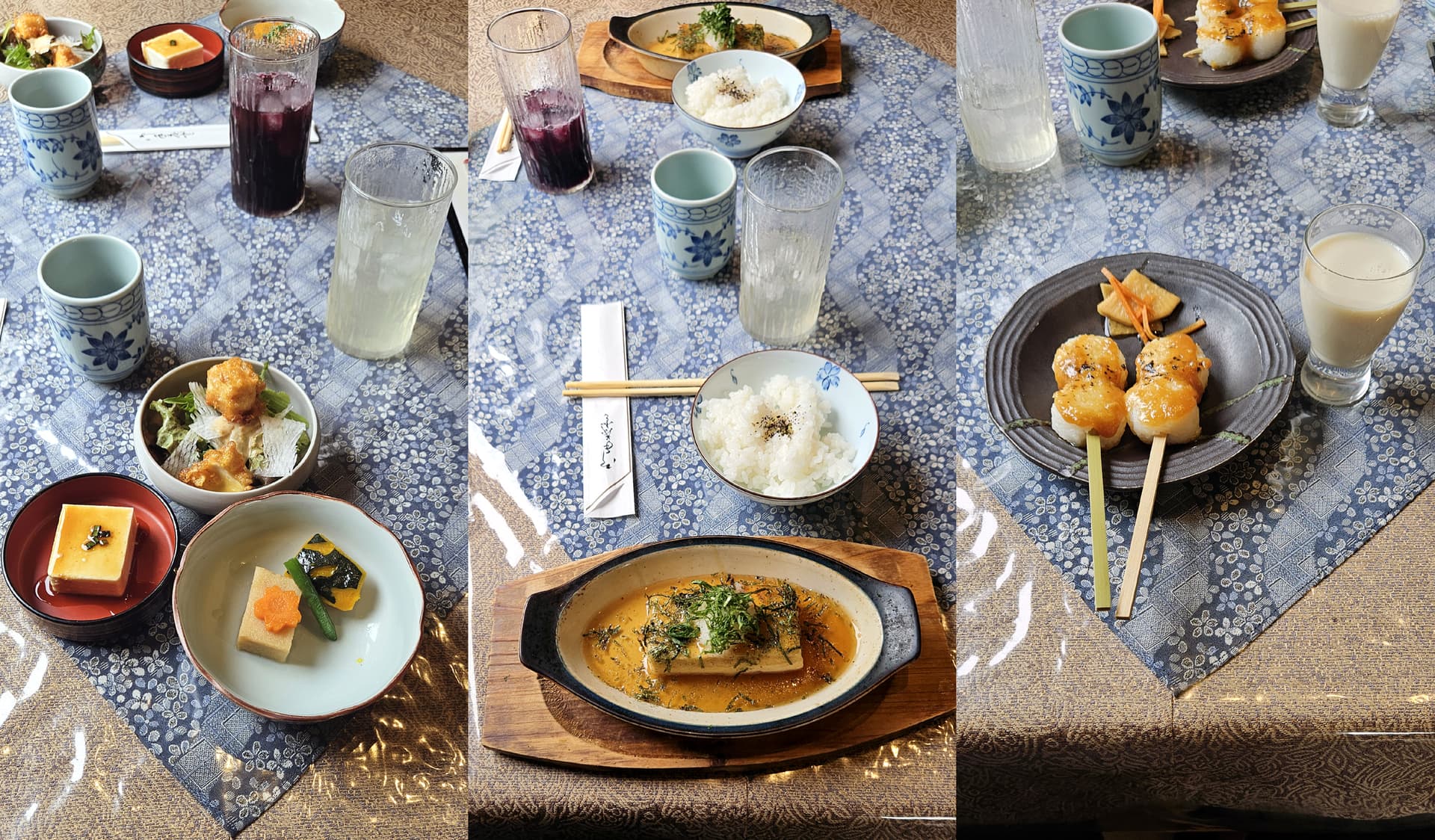
Everything here was so delicious - and we ate here only for a song. The total bill for the two of us was ¥3500, ie. something like $25.

I may not look like it, but I’m happy and full.
I guess the restaurant didn’t see much westerners here, because when we went to pay, they asked us how on earth did we found the restaurant and what we were doing there. With our best effort, we managed to tell them we were there to taste local wines, to see the vineyards and the temples and to admire the views - and we happened to find the restaurant while browsing Google Maps!
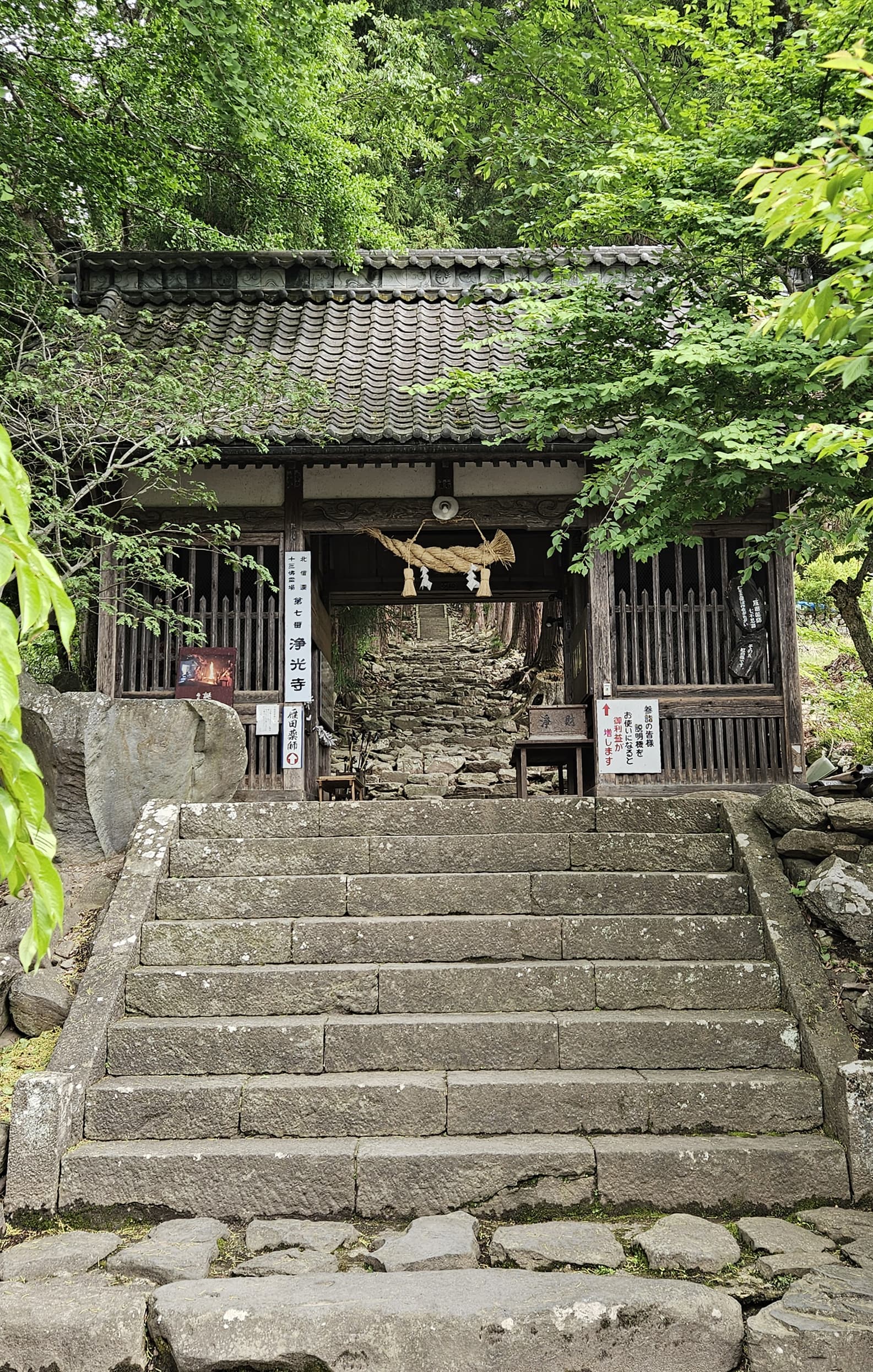
The next temple, Joko-ji, was located next to the restaurant, right behind this gate…
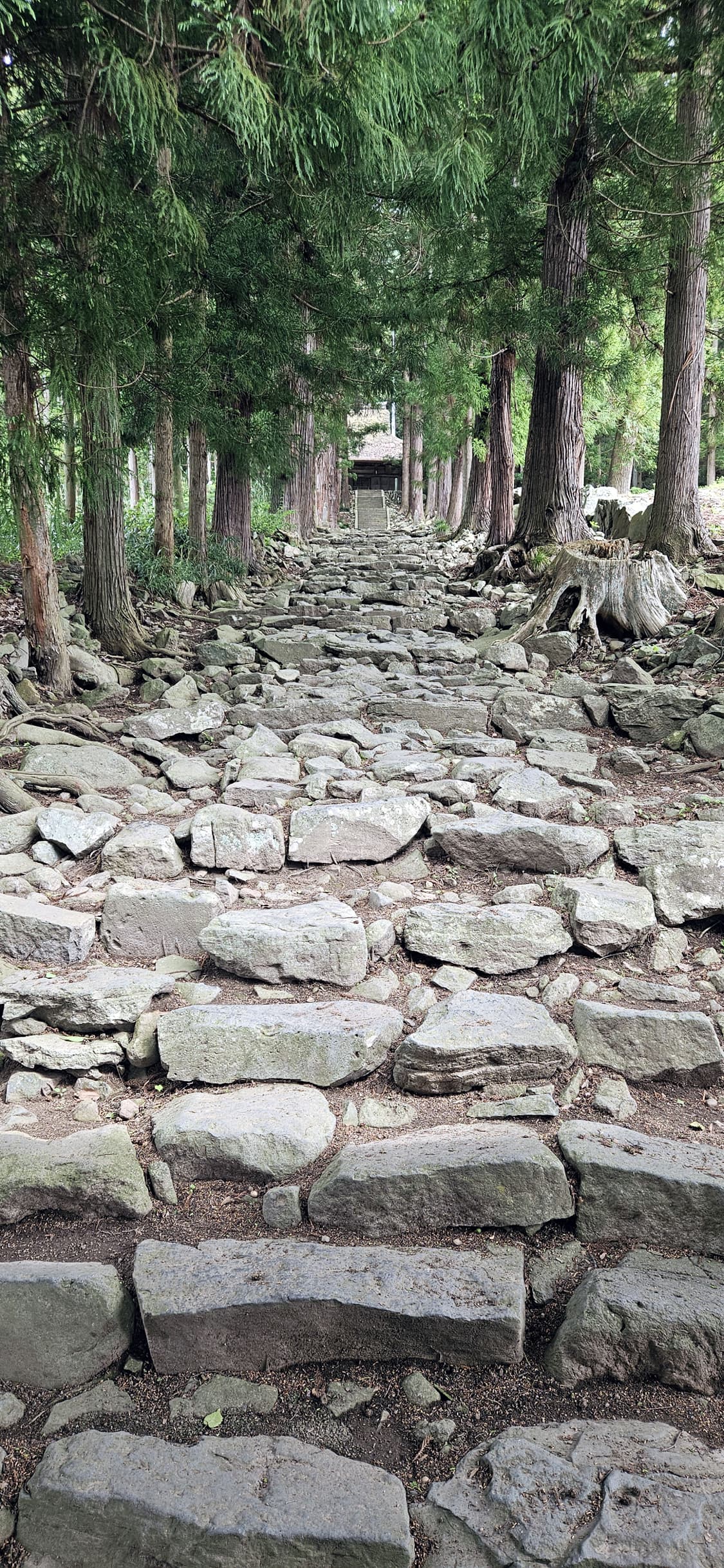
…and these endless, rugged stone stairs…
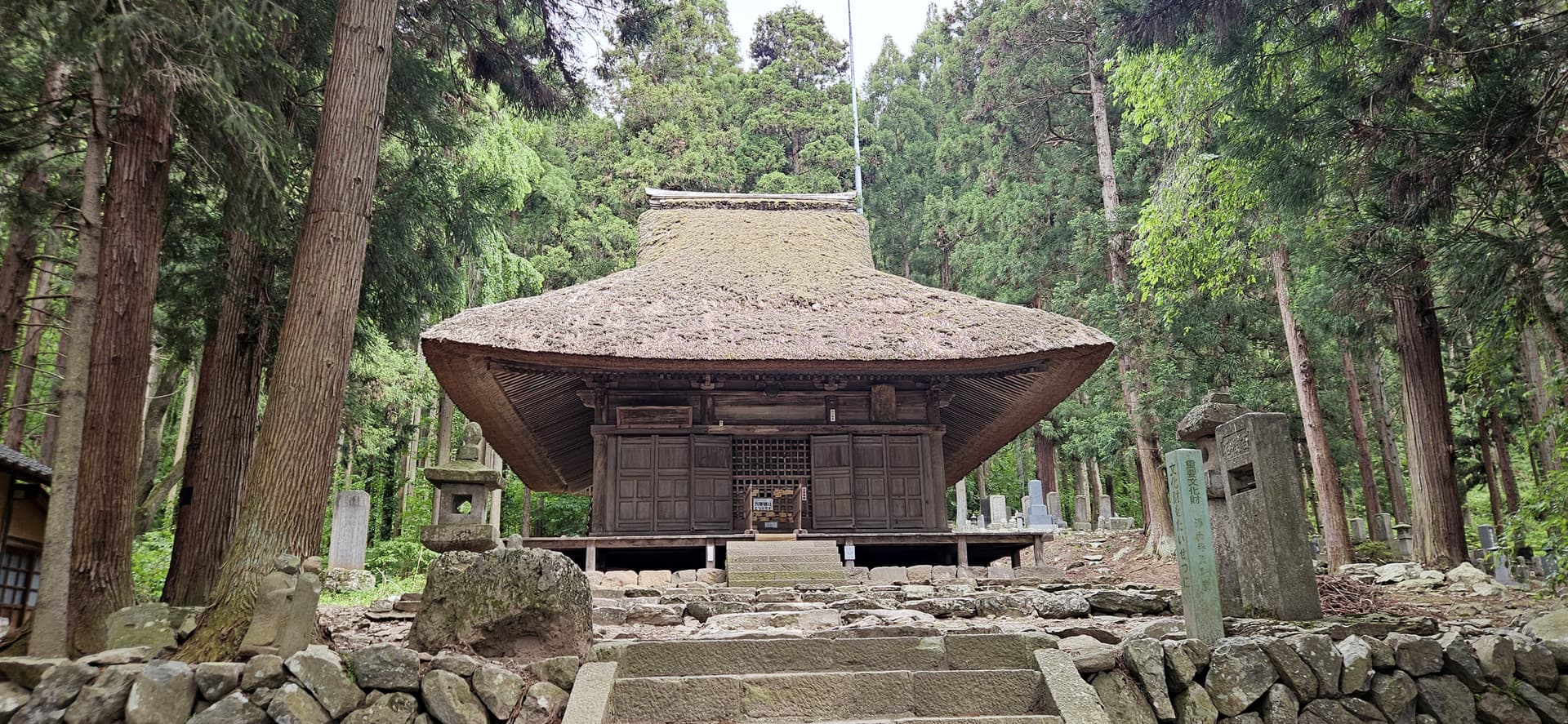
…there we go.
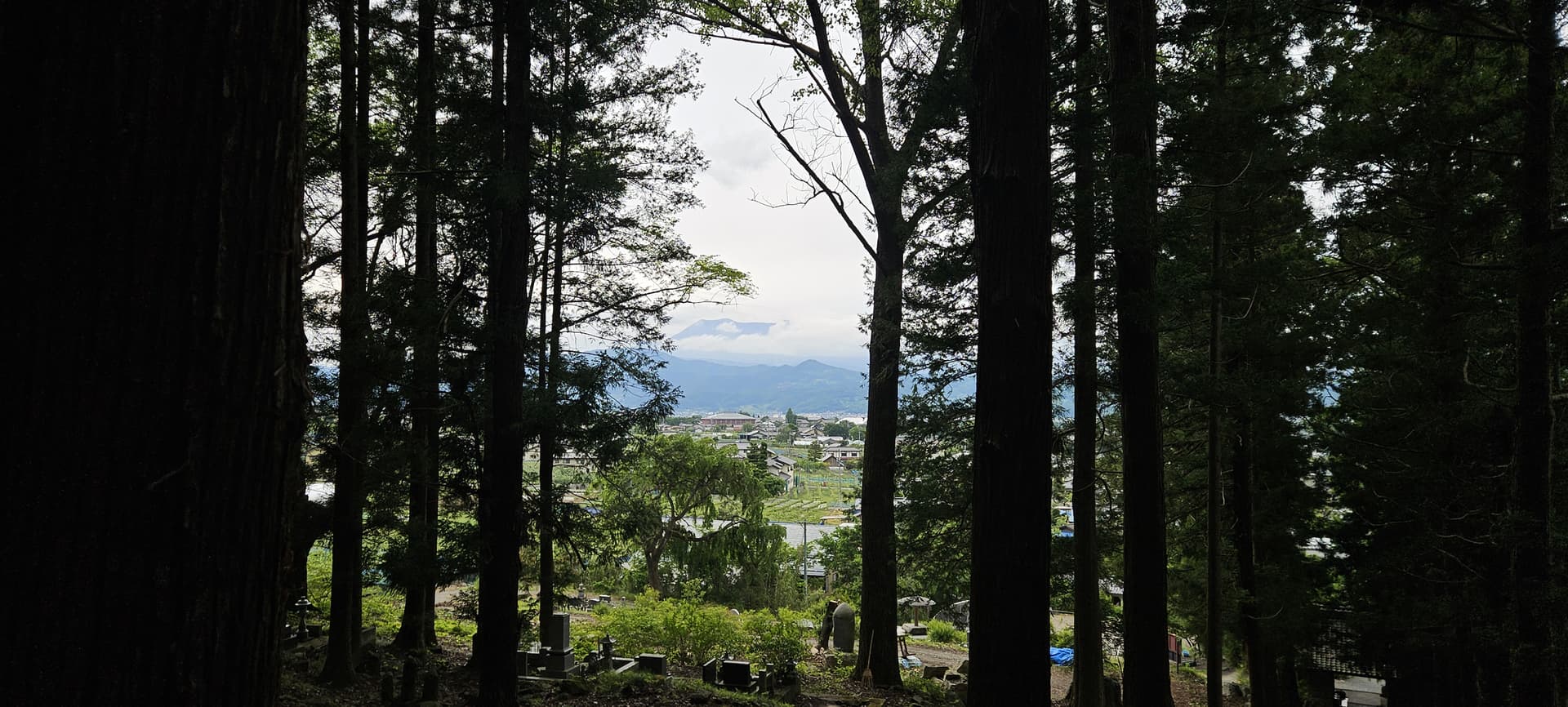
The views from up here, over the valley, were not too shabby.

After hiking so much in the nature, we thought it would be nice to be a little while off our feet, so we headed to Anakannon-no-yu, a local hot springs facility, for some welcome simmering in hot volcanic waters while admiring the spectacular views over the Nagano valley and the Japanese Alps.
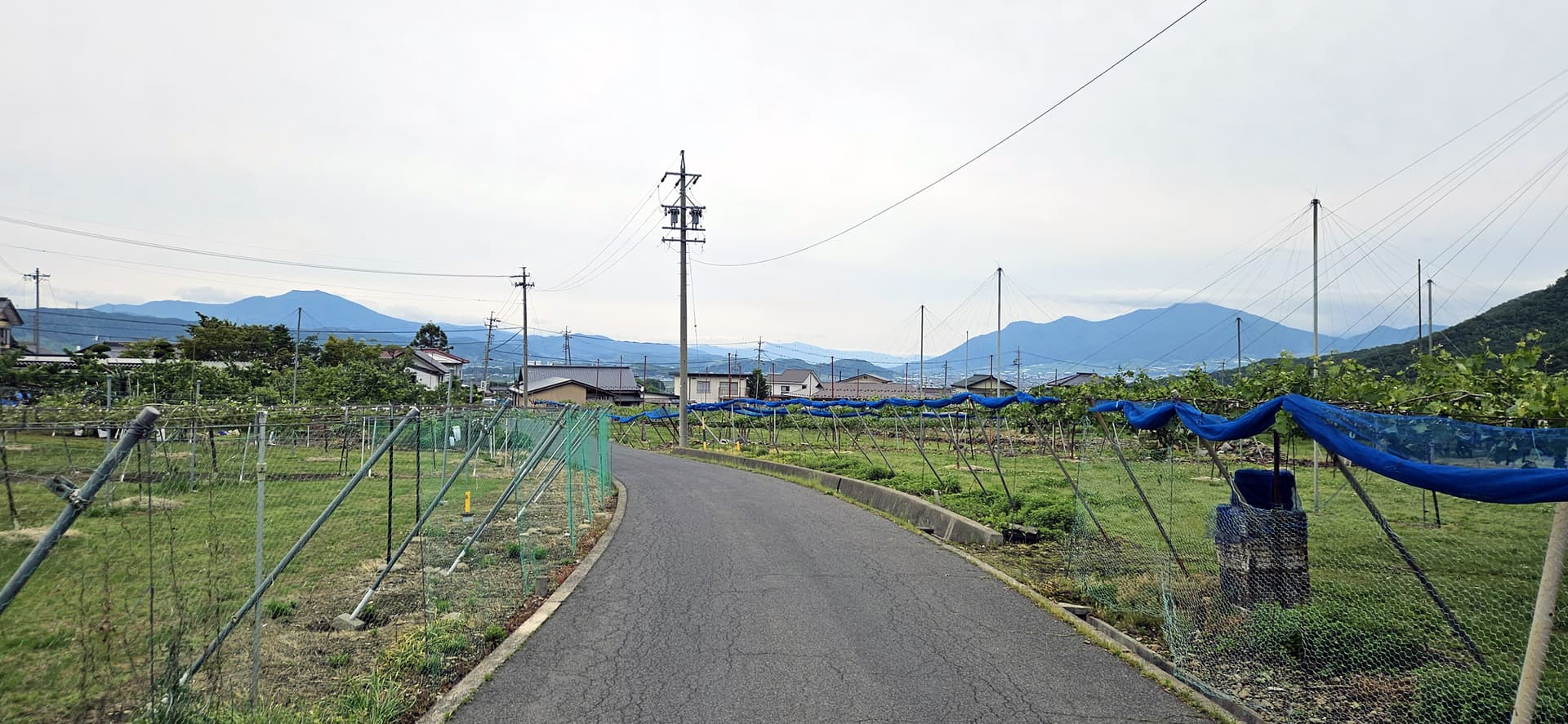
Here we are walking back to Obuse center, after a relaxing hour-long hot bath.
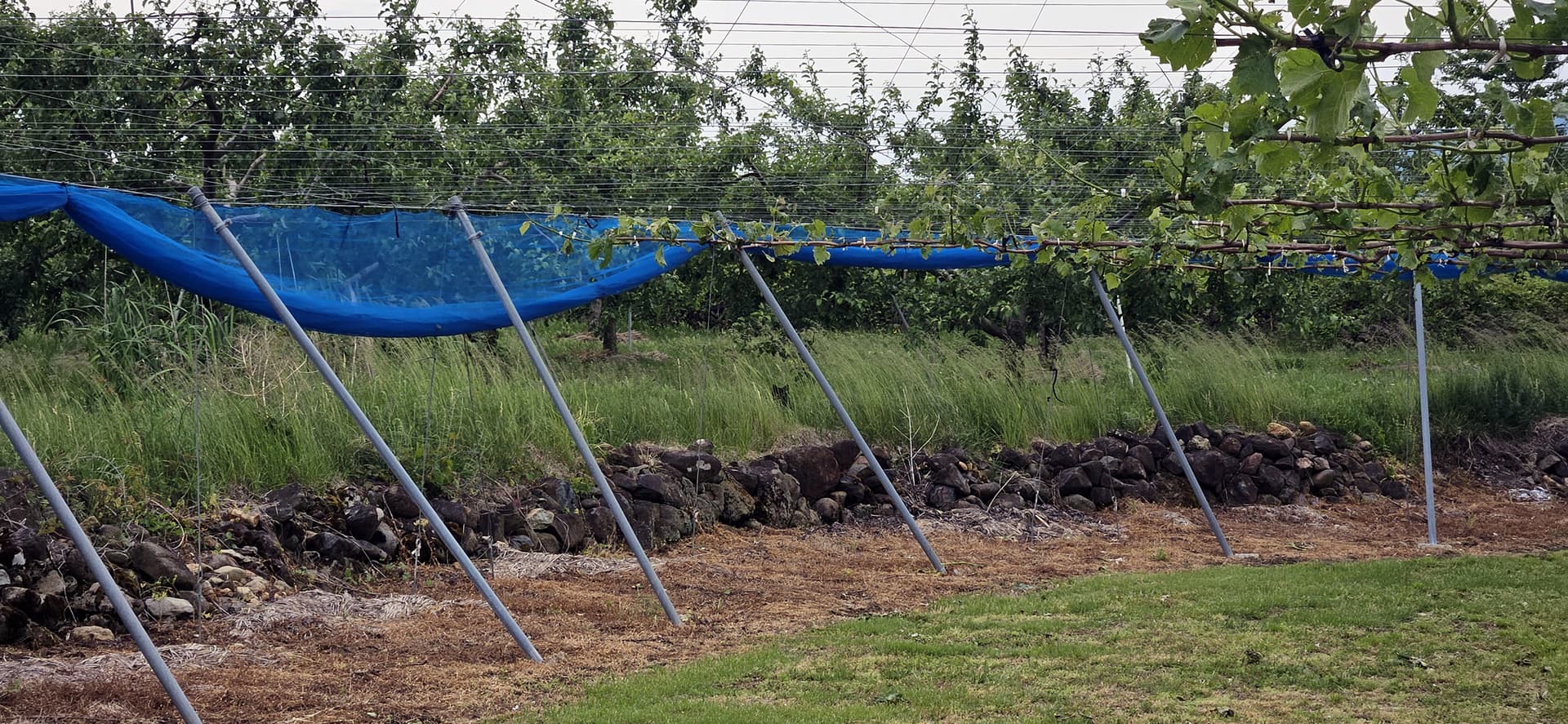
We also noticed a sneaky cat spying on us from a distance.
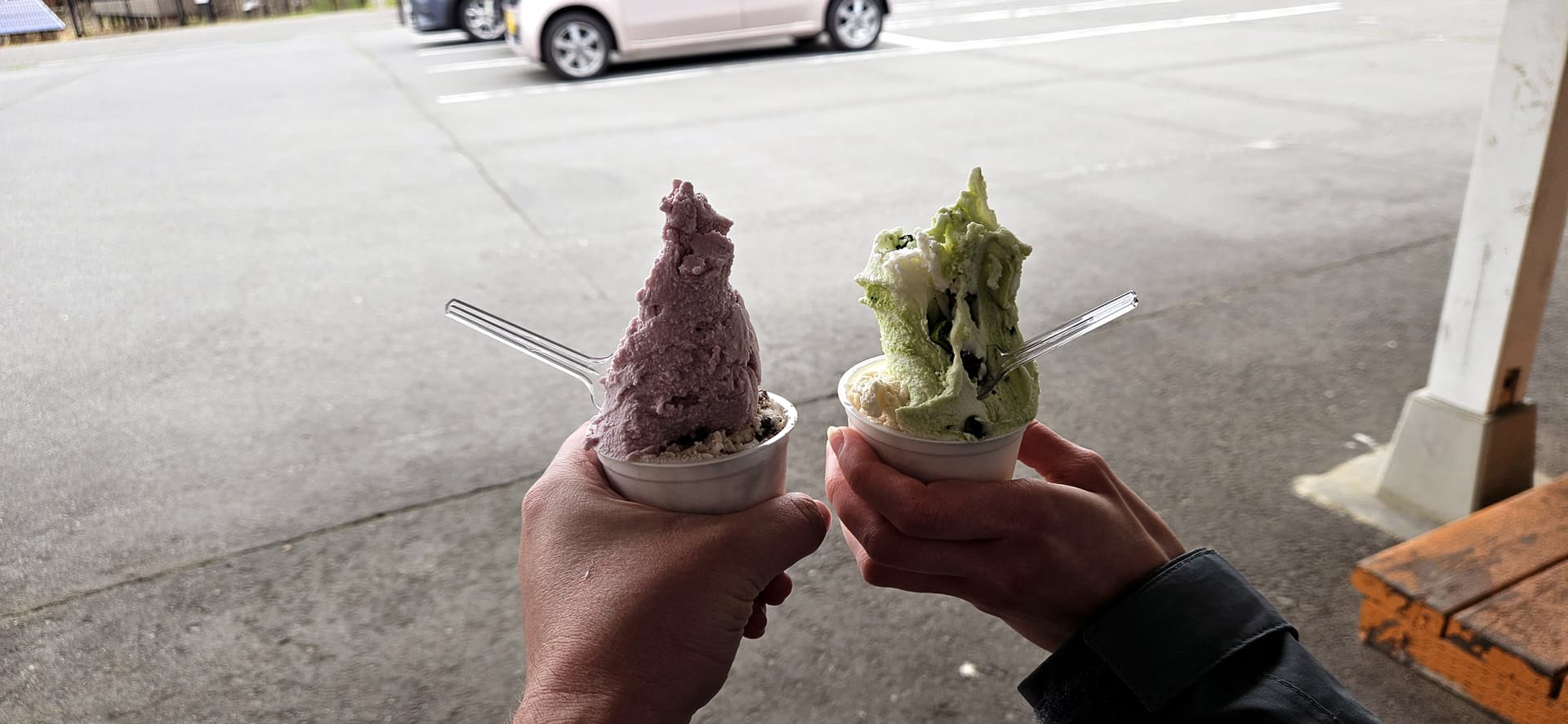
Of course we had to stop for a gelato when we walked by a gelateria!
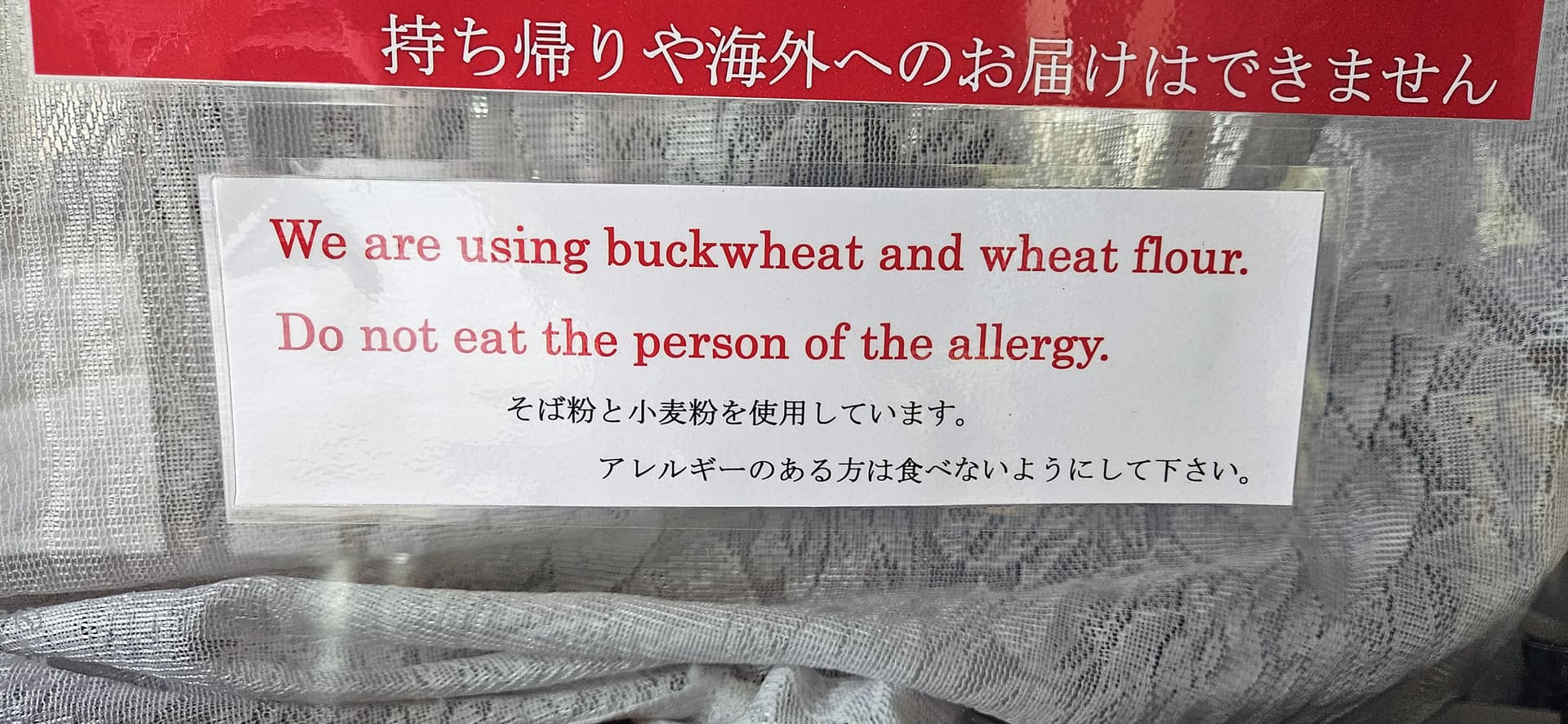
This was also an important thing to remember.

Finally at the Obuse train station. The views from the train platform did not cease to amaze me for a single moment.
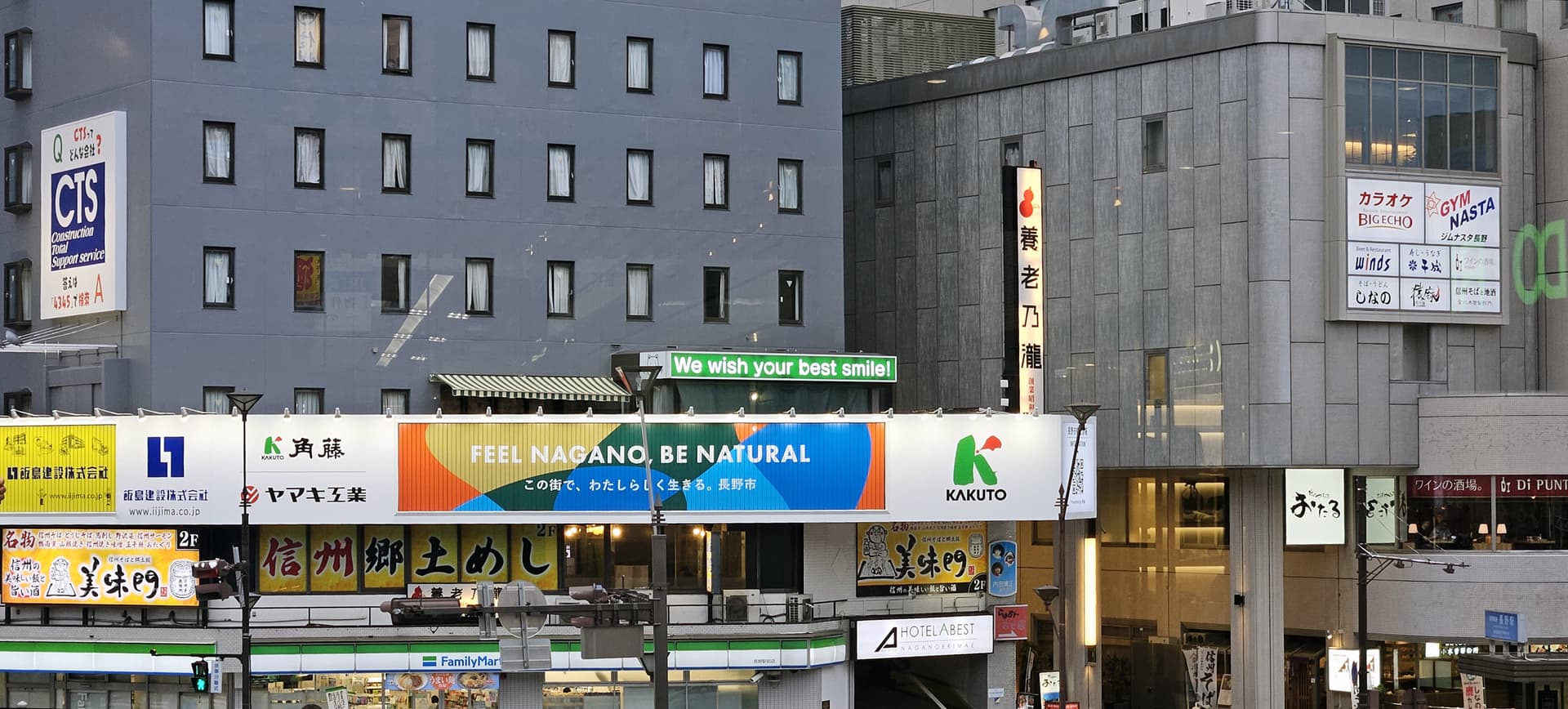
Alright, back in the city of Nagano. What a day!
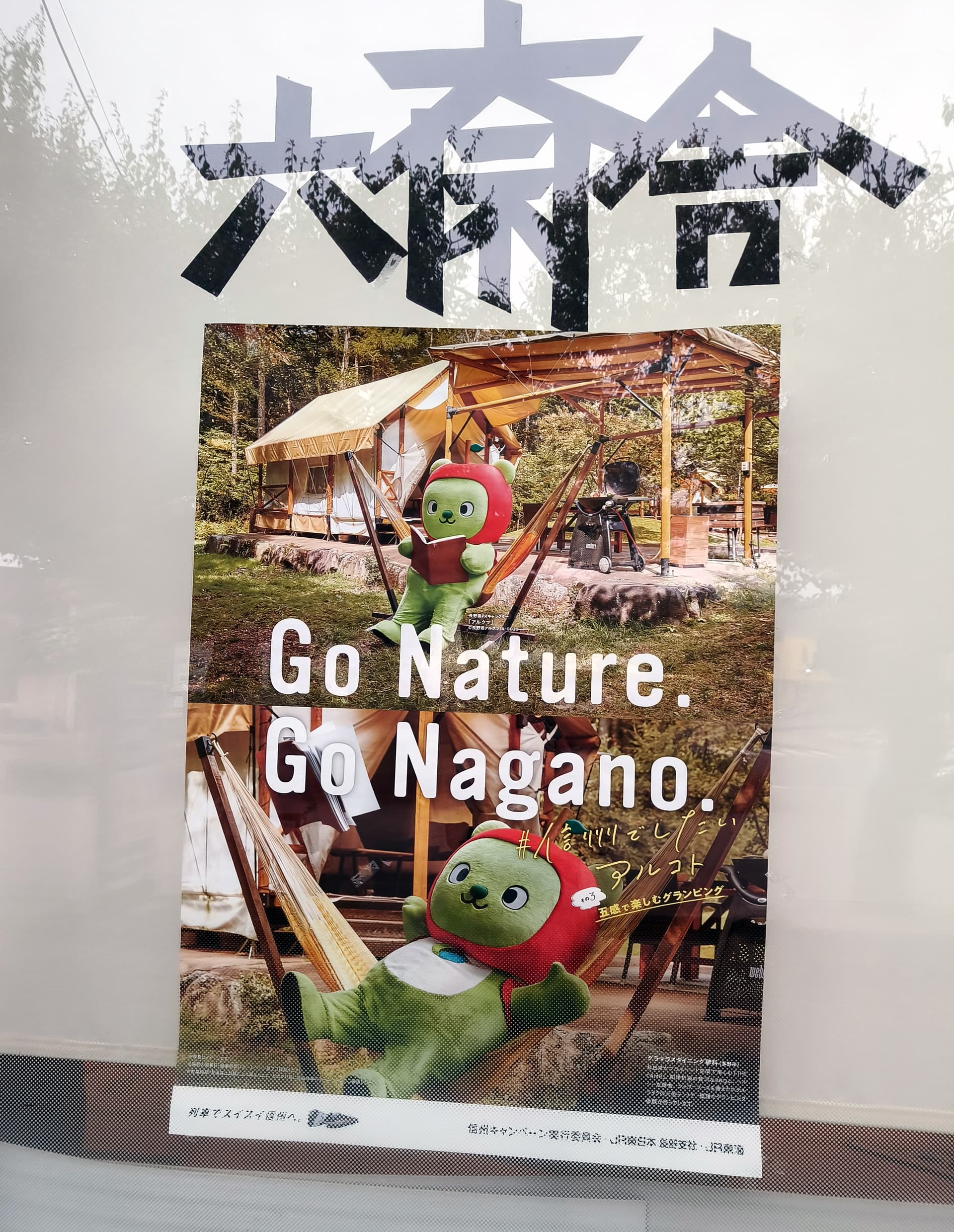
Yeah, I’m pretty sure we did that.
So, a little bit different kind of travelogue this time, less wine-heavy and with more pictures. I hope you enjoyed!