Saw a bunch of writeups about Nacra and the emphasis on farming. As a third generation farmer, I am quite bewitched around the excessive mentions about farming practices in the reports so I reached out for a visit. Early May in Mt. Veeder was gorgeous: perfect 67°F, breezy winds, and sunny all the way on my drive from SF. The journey itself was already a treat on its own: verdant lushness of California coastal oaks and beautiful redwoods lined on both sides of windy roads, casting beautiful mosaic of shades and resplendent sunlight peaked through the gaps.

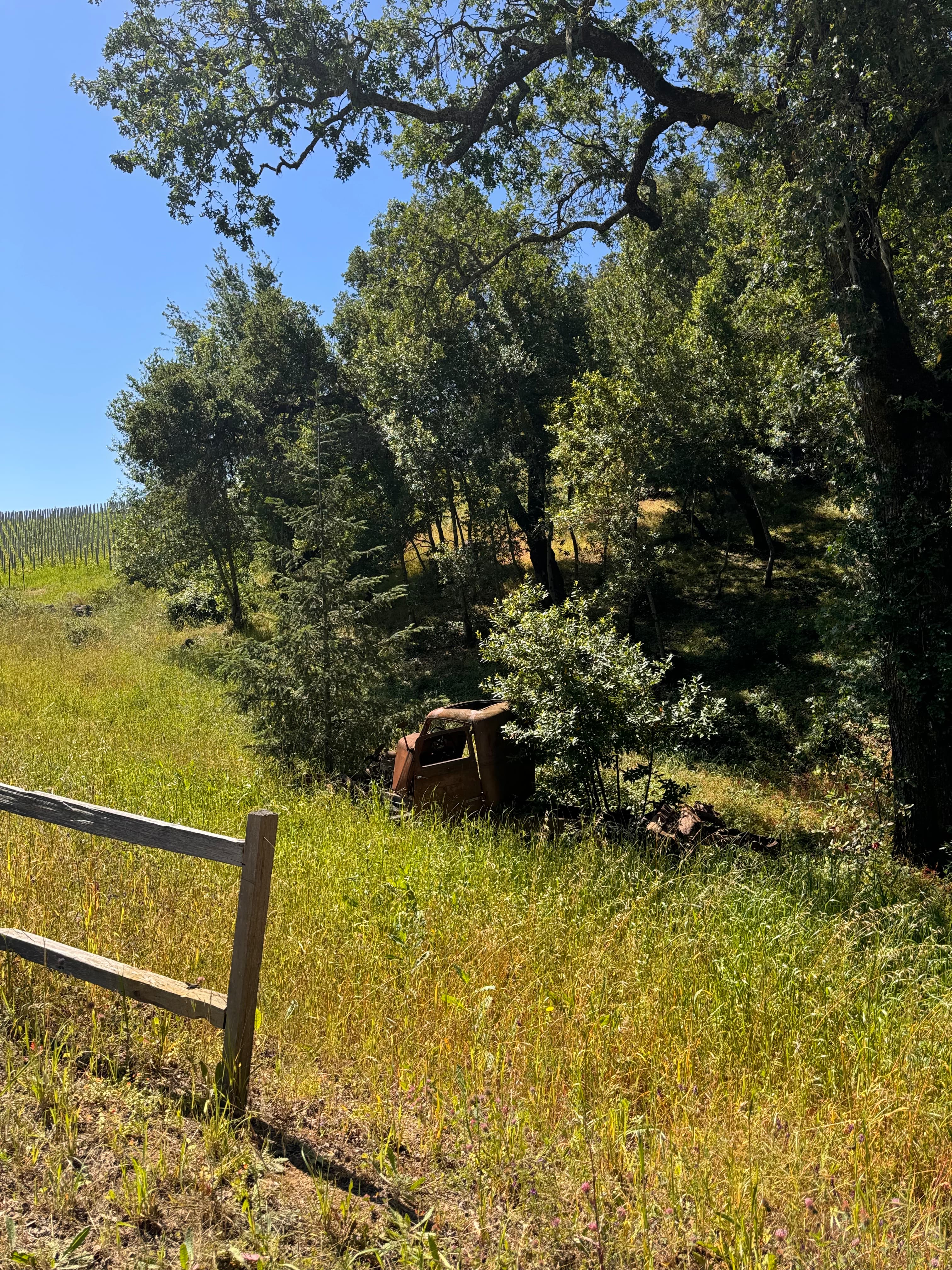
Nacra is a 100+ acres property that has been in the work for over 10 years. Gavin told me he held the chainsaw to work the land as much as clipping the vines. To Gavin, building a relationship with the land itself is pivotal to understanding the micro-terroir of his property. Which means every madrone, every oak tree is taken care of as much as every vine. Gavin spent a good first few years rehabbed the land by pulling out all the junks in the creeks and establishing healthy soils before he thought of growing grapes. I remembered Gavin mentioned wild strawberries grows on his land, which is the indication of pristine and close-to-nature quality of his stewardship.
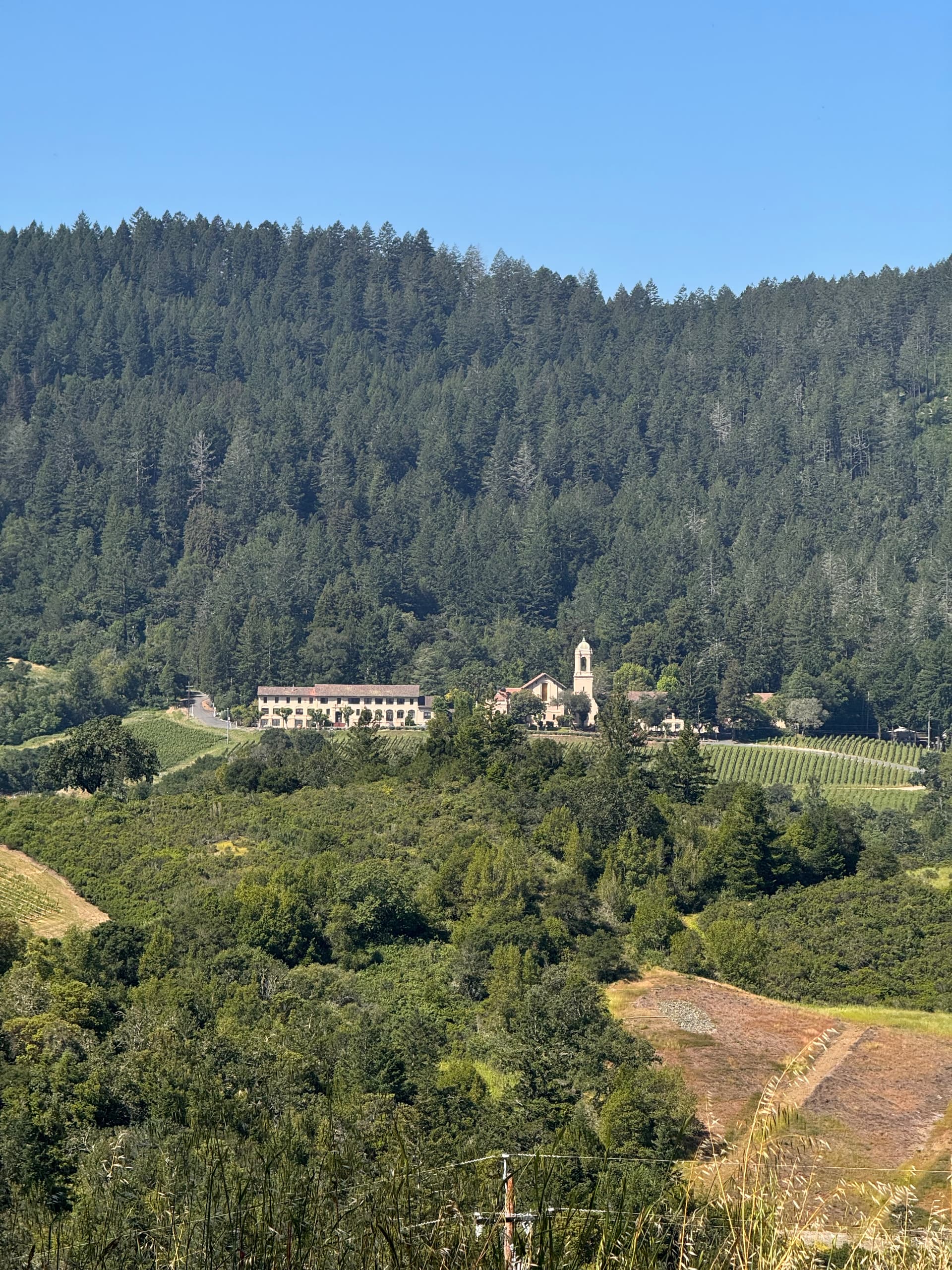
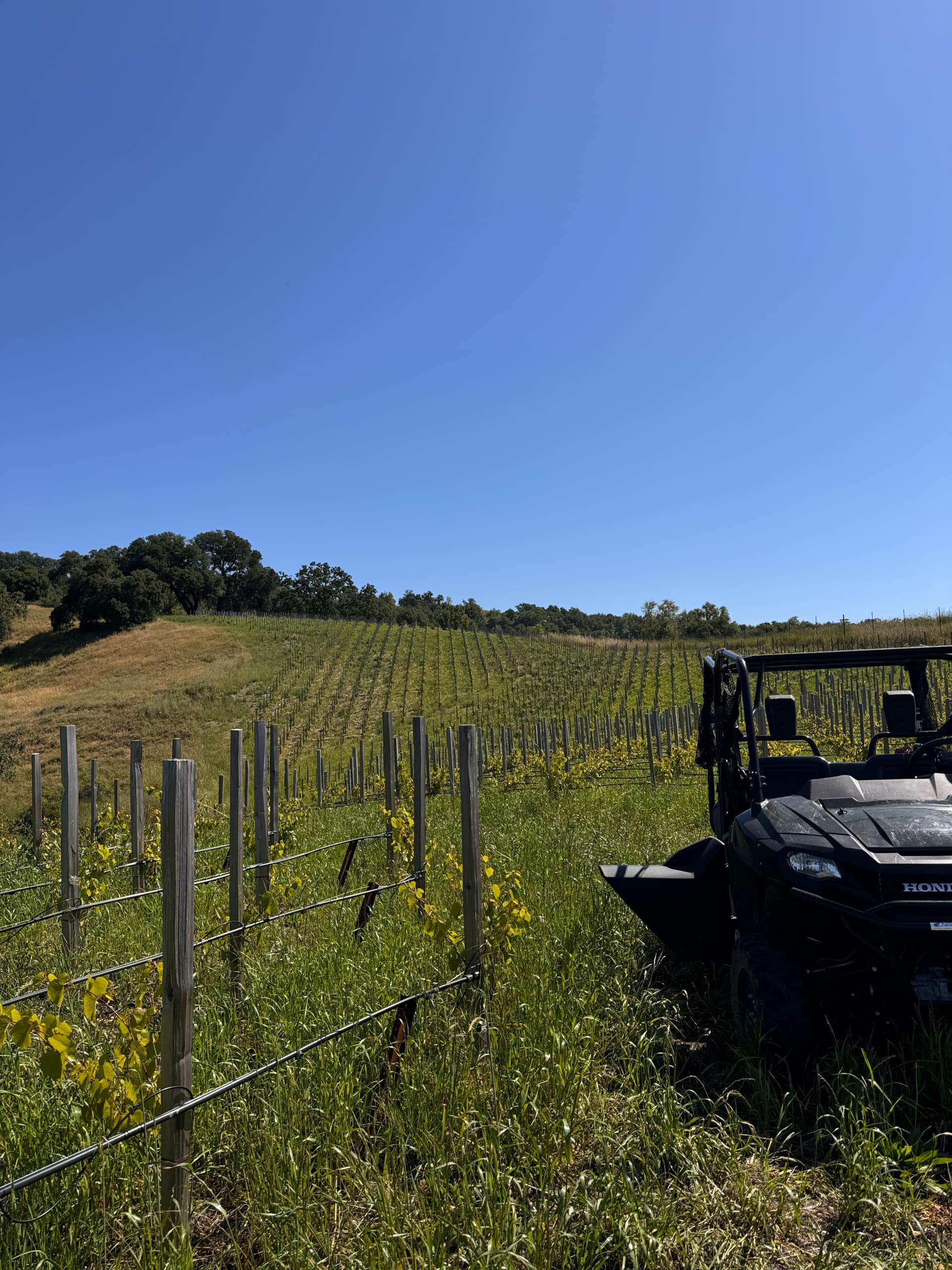
The property itself is very difficult to farm, with different soils and veins of rock that cut through the steep slopes. Gavin wants to maximize the potential of his vines down to the soil they thrive on, and none of the vineyard managers wanted to work on such a difficult property, hence this is all of his work. Taking inspiration from Mosel’s steep slopes and apply to Mt. Veeder terroir, he tailored the vines’ care to the soil they sit on: different care for the shallow shale and sandstone on top and mid-slope, and different care for those heavier clay and loam for the vines at the bottom of the hills.
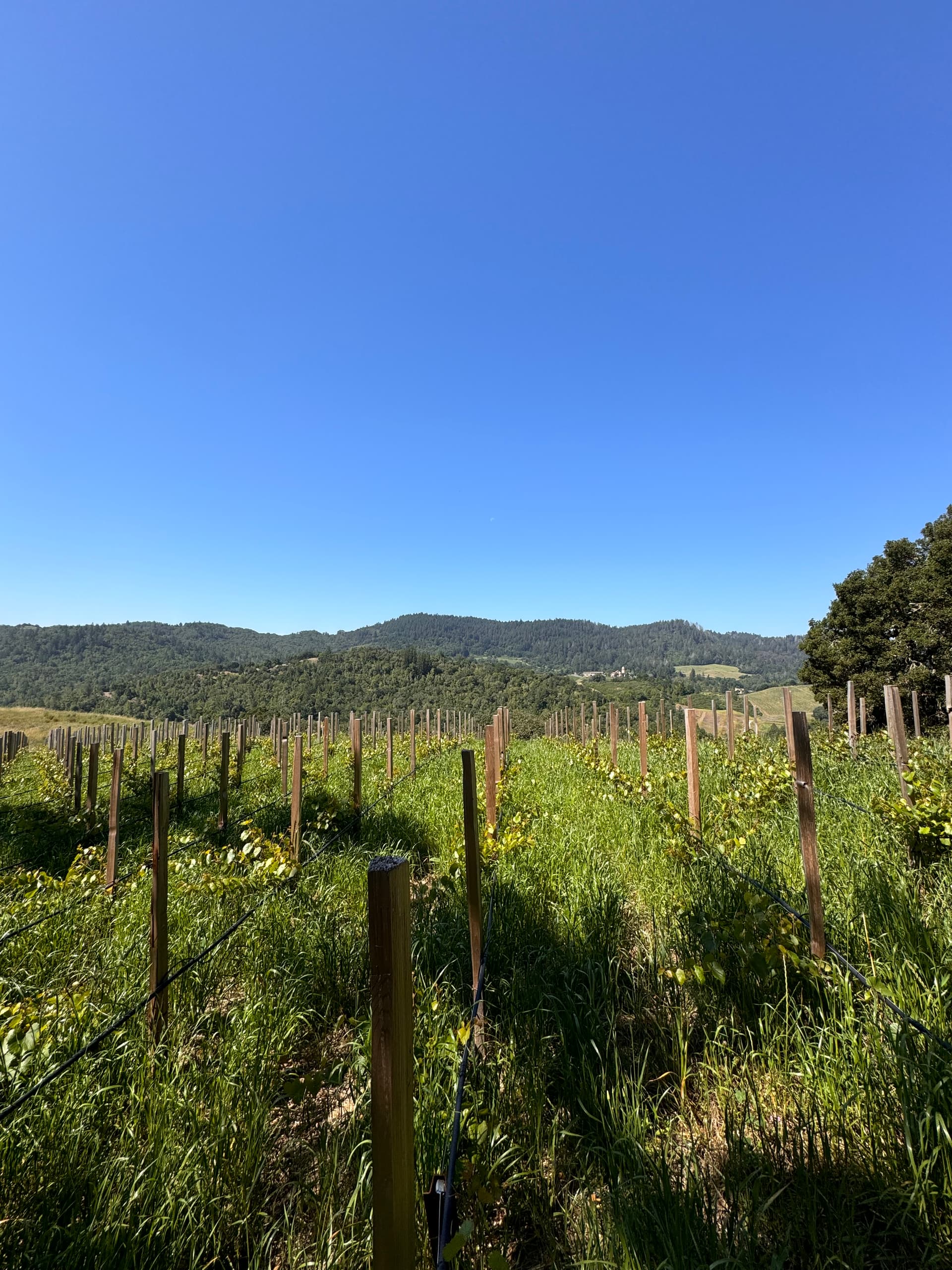
We briefly talked about Californian versus French viticulture and terroir. Lots of vineyard practices are based on the French because, French. In many instances they are not optimized for California terroirs. 200 years versus over a millennium of grape growing, there are a lot to discover, especially with the sheer size of California. Understanding Mount Veeder terroir is Gavin’s mission, and the journey is as much, sometimes even more fulfilling than the destination itself.
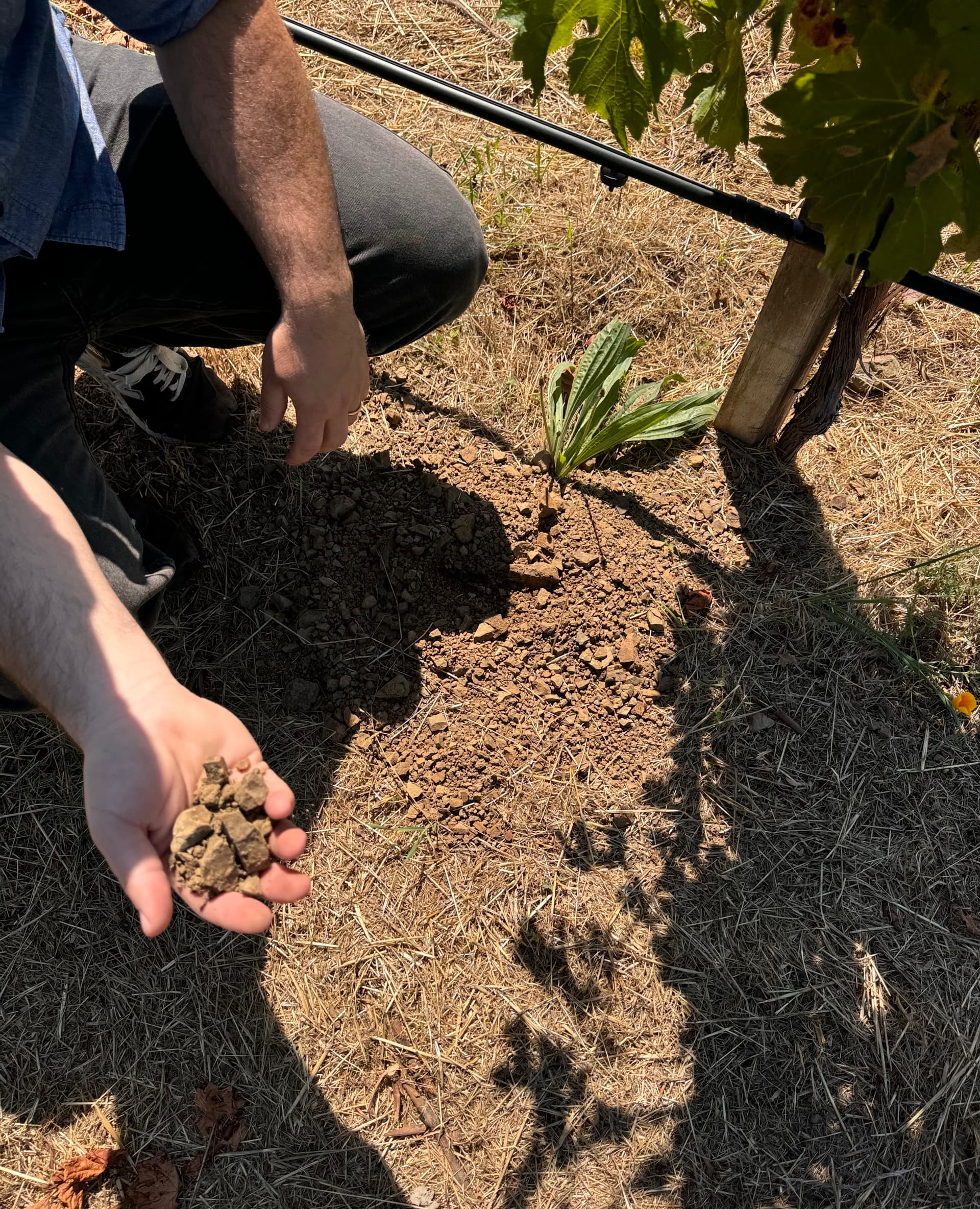
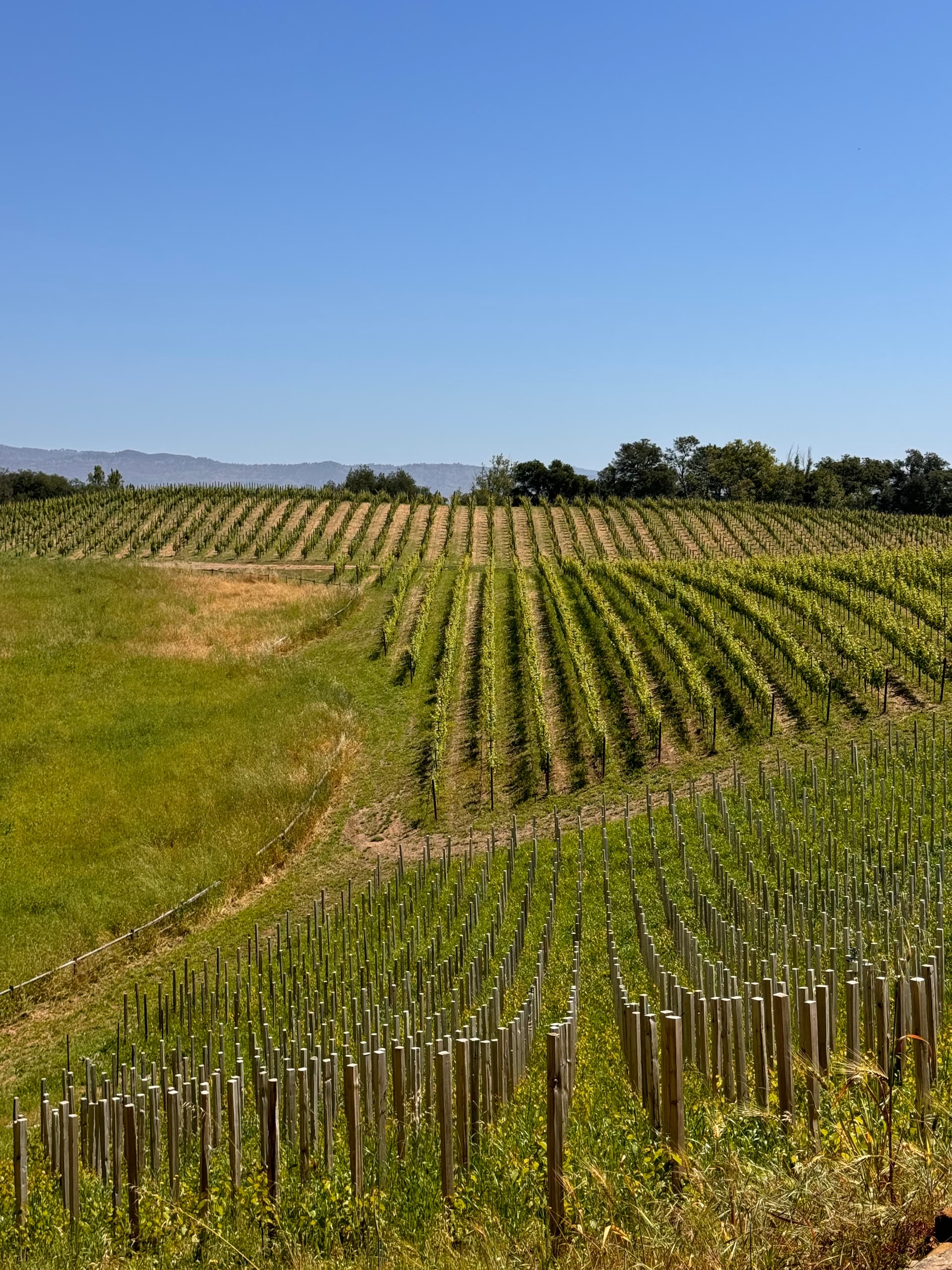
Let’s start with the soil. Mt Veeder receives between 35 and 50 inches of rain annually. But due to the slopes, water runs off the hills, taking the smaller particles which carries nutrients down to the clay-heavy bottoms. What’s left on the slopes are nutrient poor soil with bad water retention. To retain the soil and break down the large chunks of dirt, Gavin focused on heavy cover crops. His philosophy is that the roots of the cover crops will hold the soil together while establishing a network of mycelium, bacteria that helped pushing the water and nutrients down to the barren soil. With every year, the organic layer that he mows over will build up and disperse a nutritious network that will fuel the vine itself. The heavy layer of organic matters sitting on top of the soil keeps the soil cool, and in turn, protects the young vines from natural elements such as droughts and flood. To the clay soil, the mycelium network will break the inert clay soil and free the nutrients for the vines to absorb. Only then did he start with the rootstocks, it took 4 years for the roots to establish themselves by digging in deep and tap into that mycelium network. I saw quite a few high density blocks under development with such fascinating method.
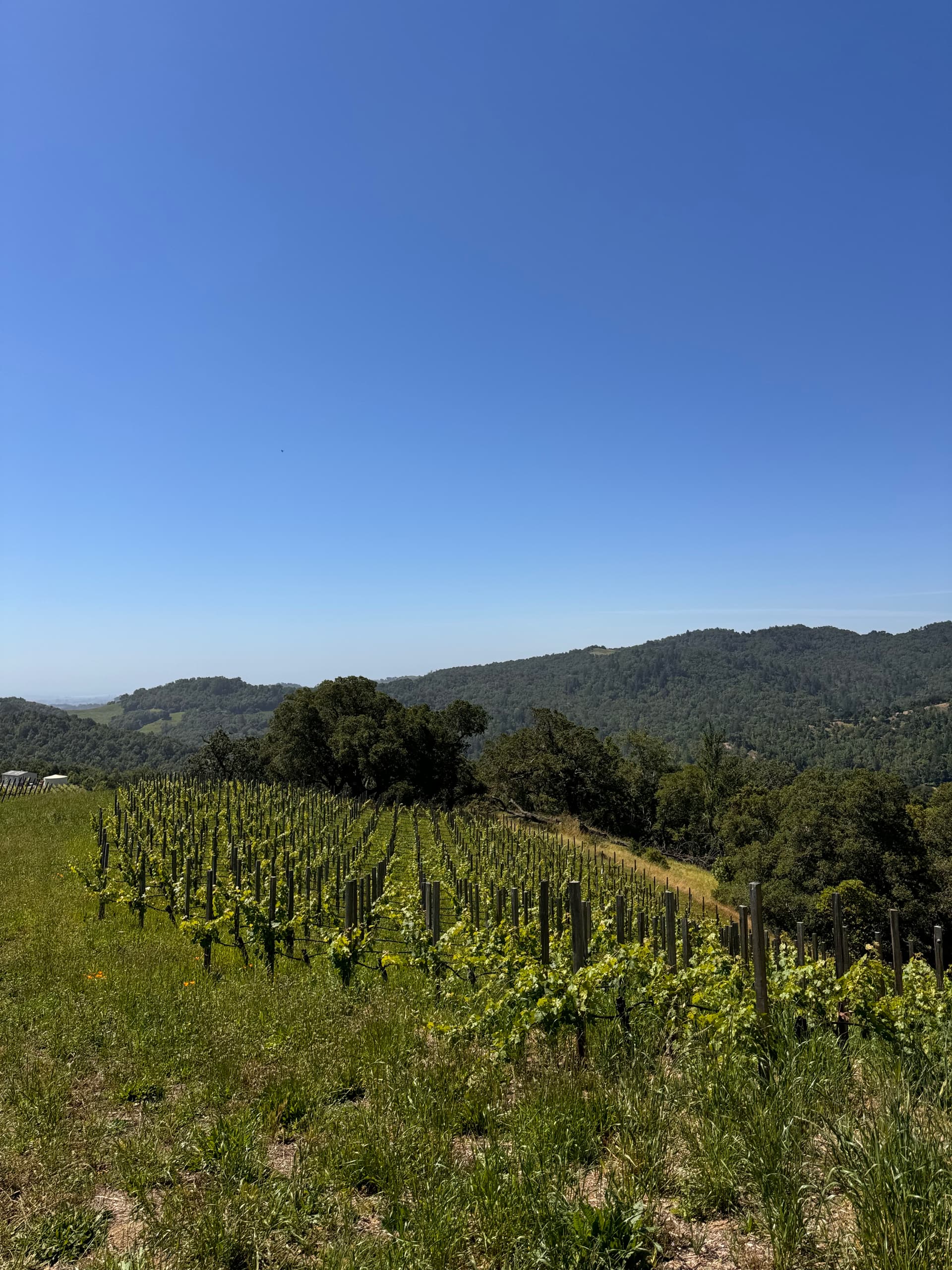
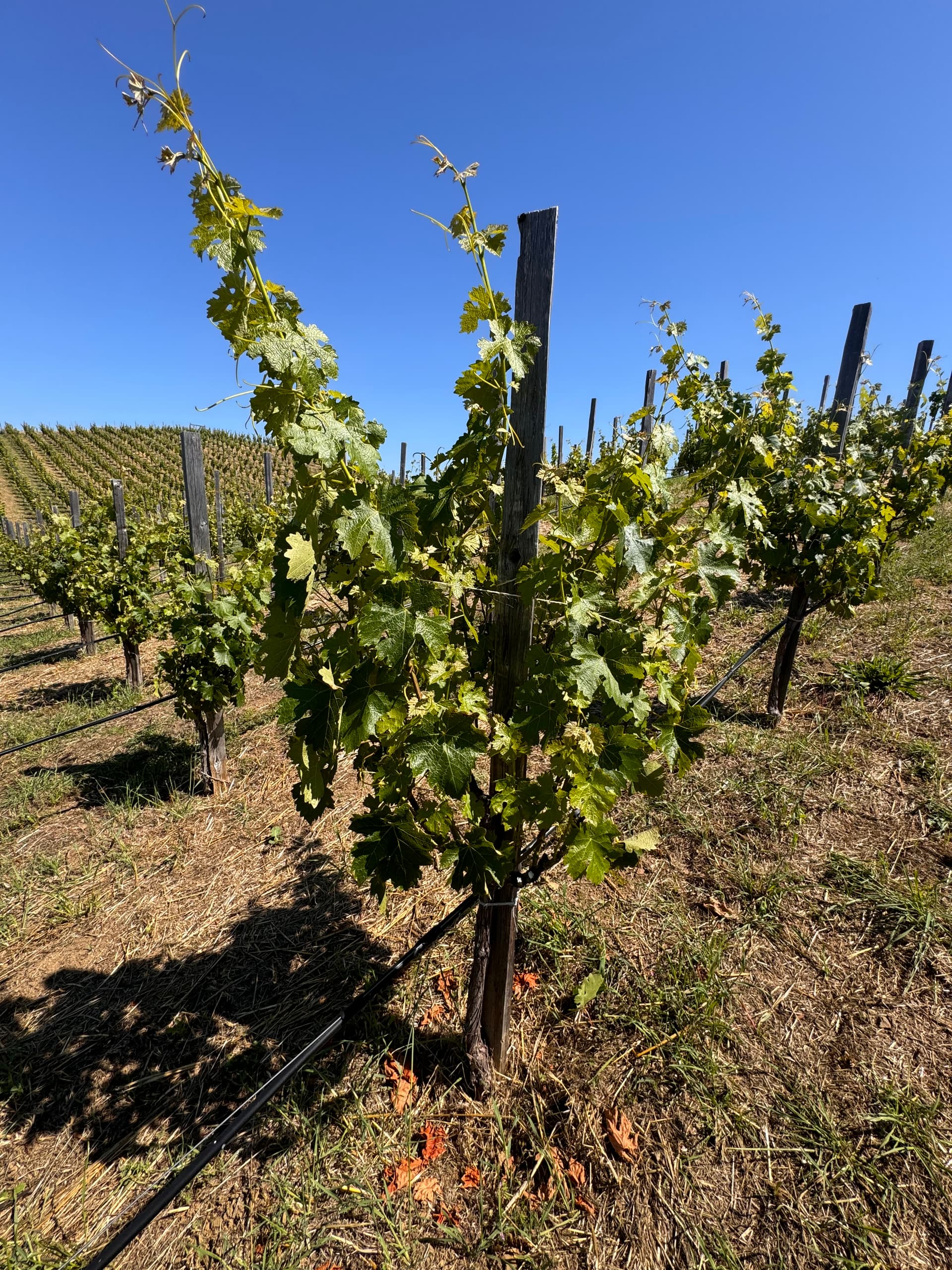
The vines are around 10 years old with different training methods. Some vines are Guyot trained, some are head-trained. Gavin thinks that the Guyot doesn’t encapsulate the vine’s growth as holistic as head-trained. To him, the head-trained received the sunlight more equally than the Guyot, which in turns, produce “better” grapes. This is not based on any objective number or result, purely on a personal belief that creates a “better expressed” wine.
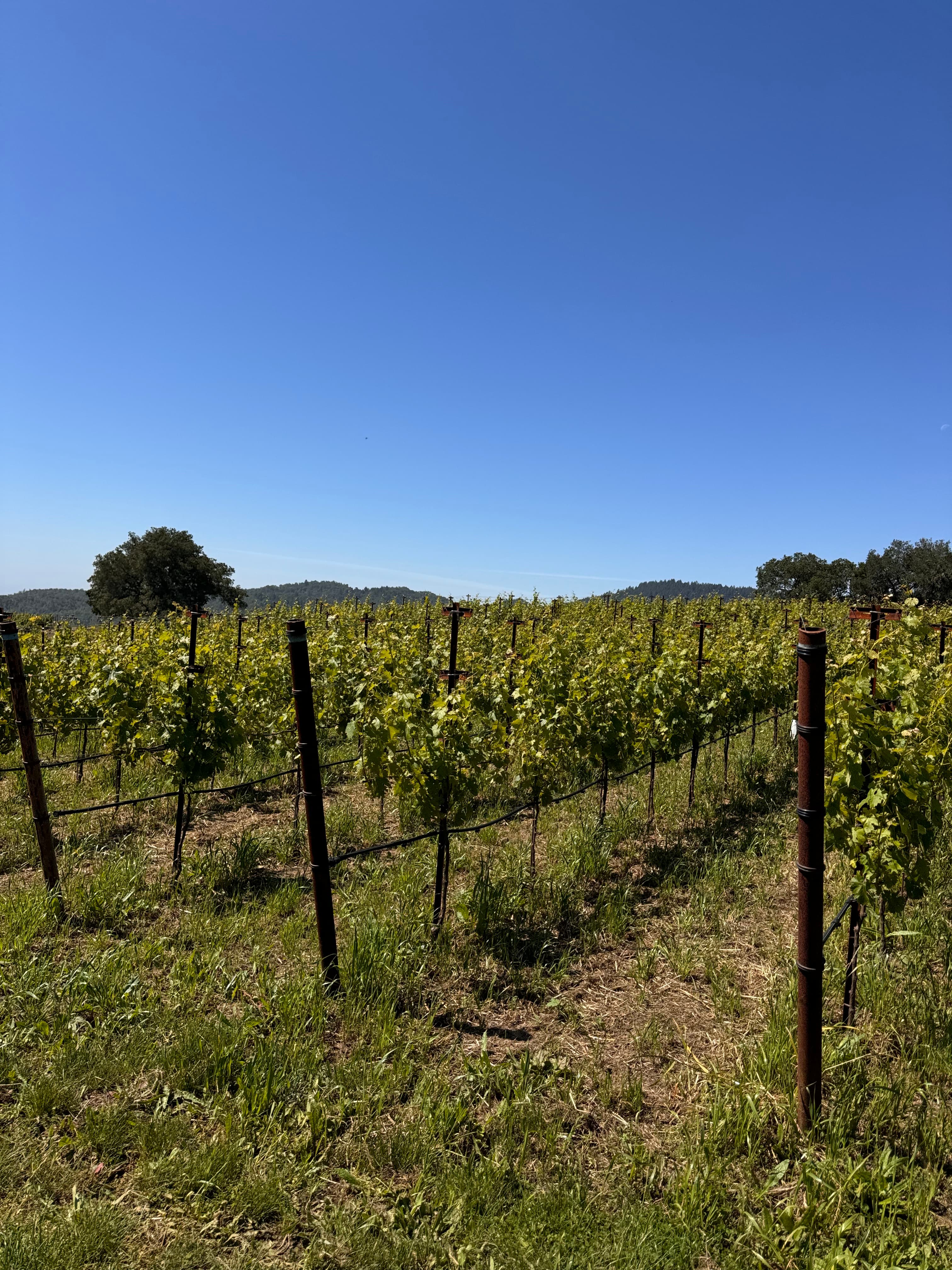
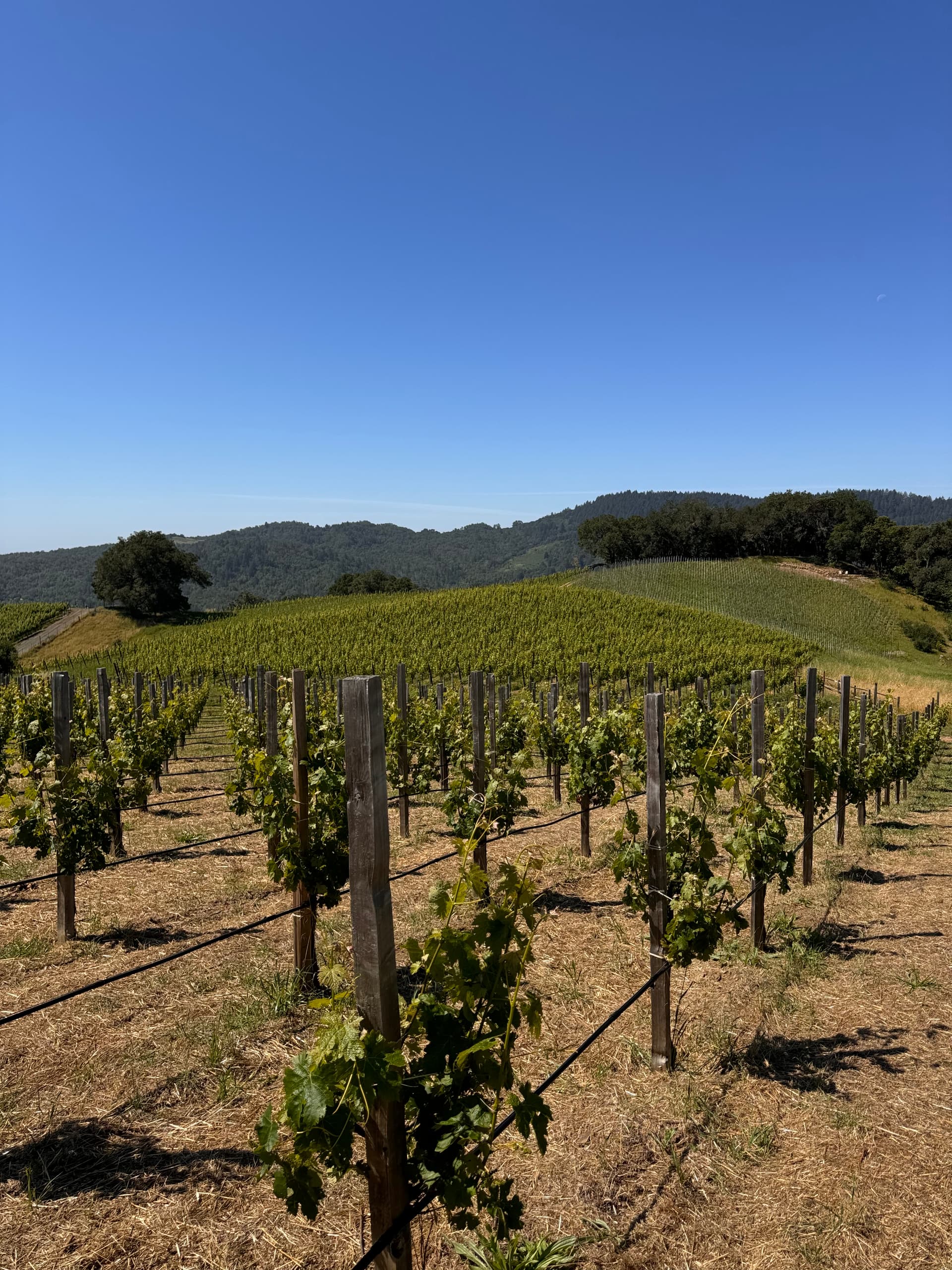

Vines density. The more established vines are planted on 1000 vines/acres. He thinks with Mt. Veeder terroir, having some extra spaces will let the vines speaks more of their own characters: less competition, more room to flesh out it’s own colors. Then Gavin borrowed some ideas from Burgundy. What if the vines have to compete with each other on an already (relatively) deprived soil? Does it build more characters to the grape itself on top of Mount Veeder’s and his land’s terroir? That’s when he grew a few 2000 vines/acre blocks. The latest developement is 9000 vines/acres, which will take at least another few years to come online. It’s a long experiment but all is fair in love and war, but this time it’s the pursuit of maximizing terroir expression.

Ok, enough of the farming nerdy talk. My memories started to get hazy from the sheer amount of farming knowledge.
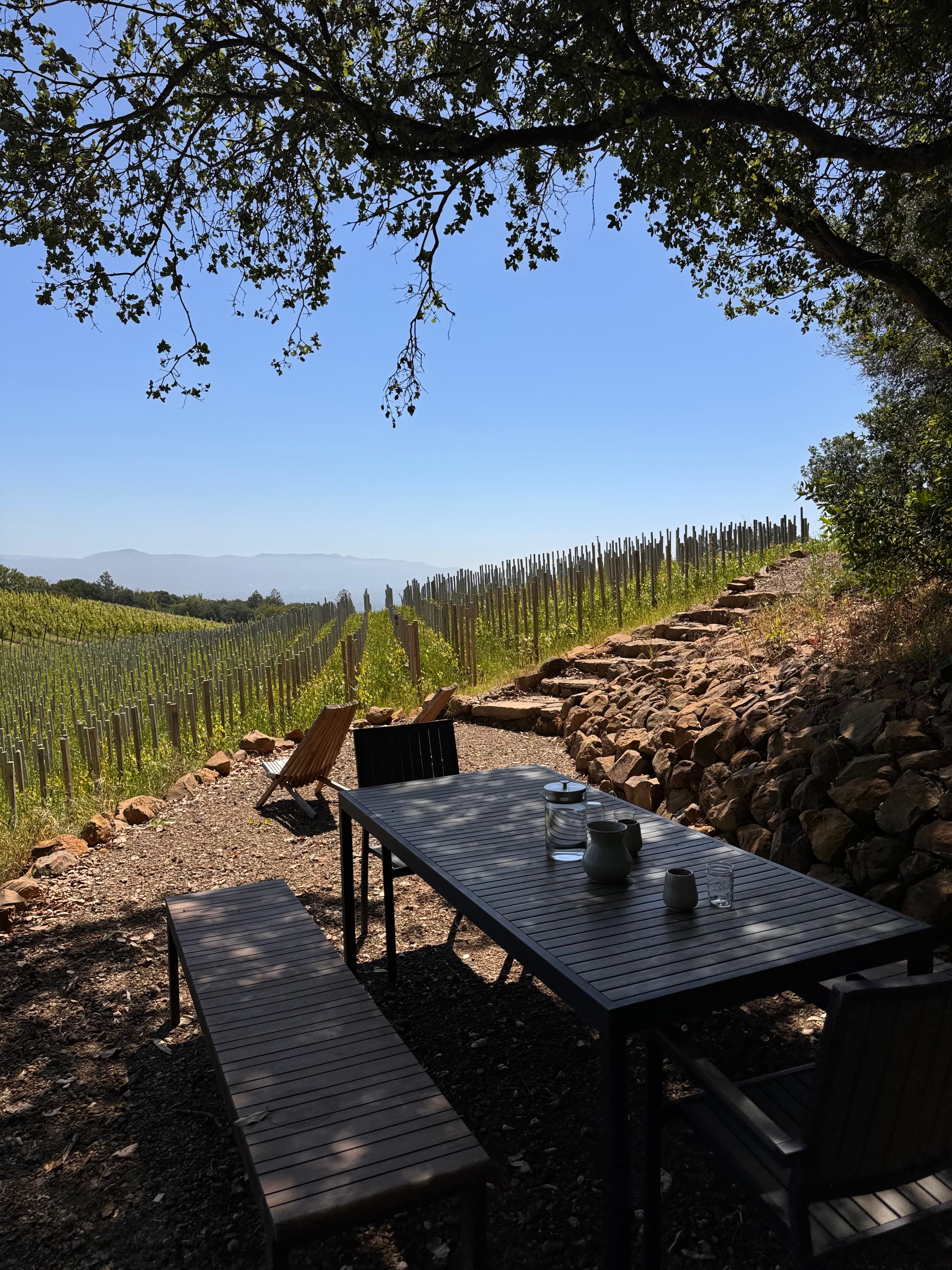
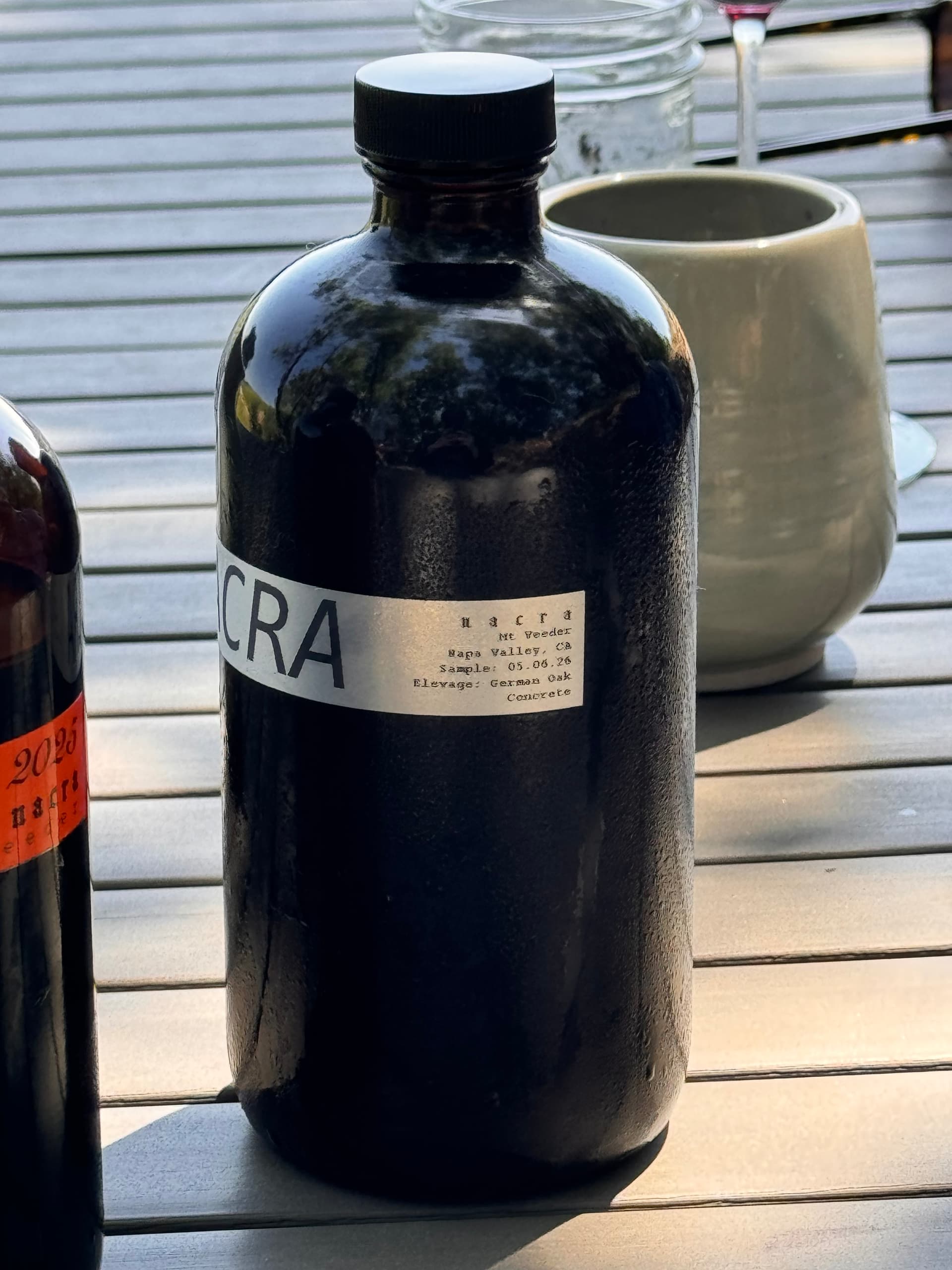
Gavin took me to a really nice lookout of the vineyard. I was presented with 3 samples: Napa Heritage Selections which are the 1000 vines/acre headtrained blocks; Eisele which are the 2000 vines/acre Guyot trained blocks; and the 90% complete 2024 Nacra sample. No Cab Franc sample because Gavin said it was too closed off.
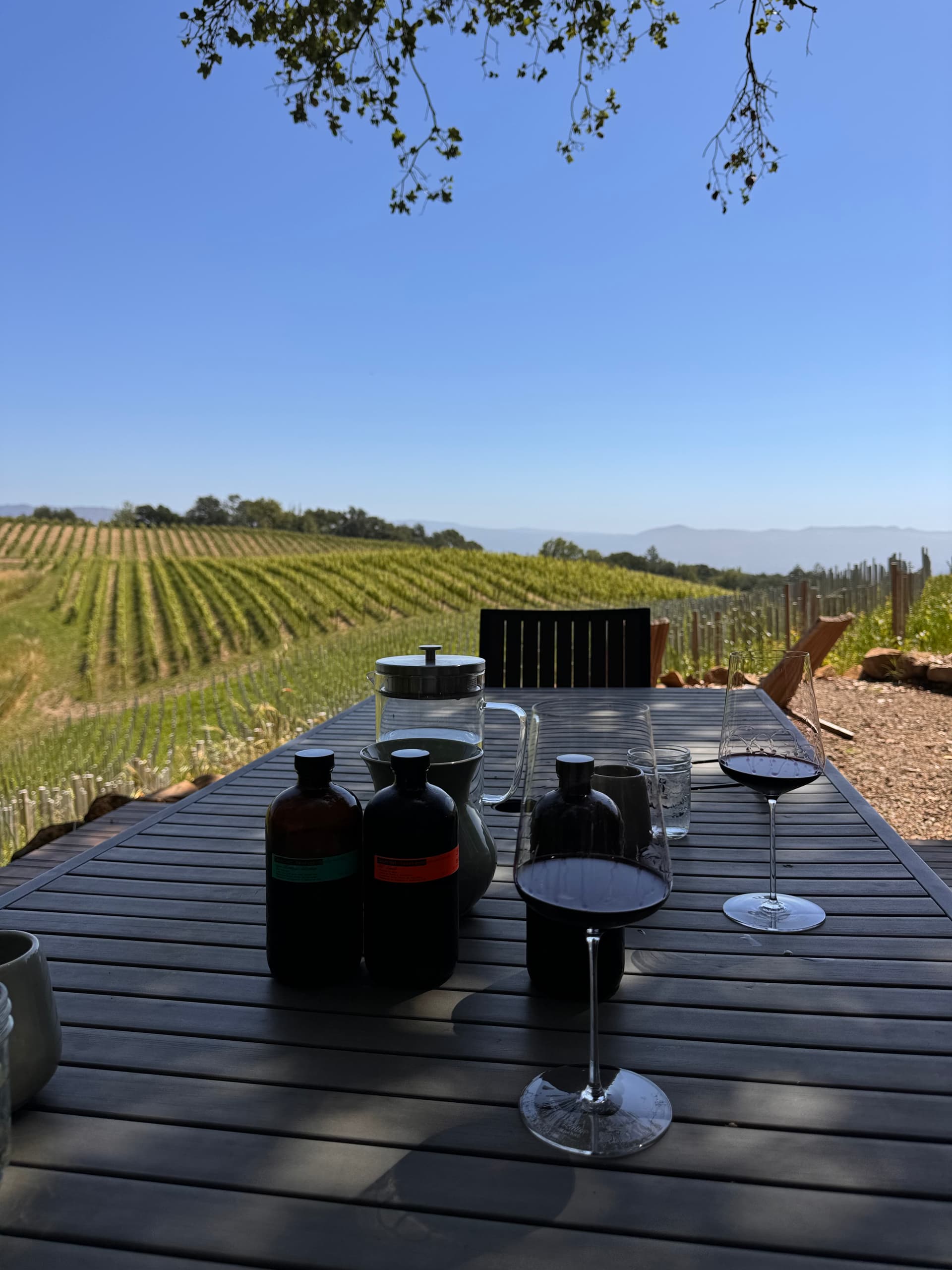
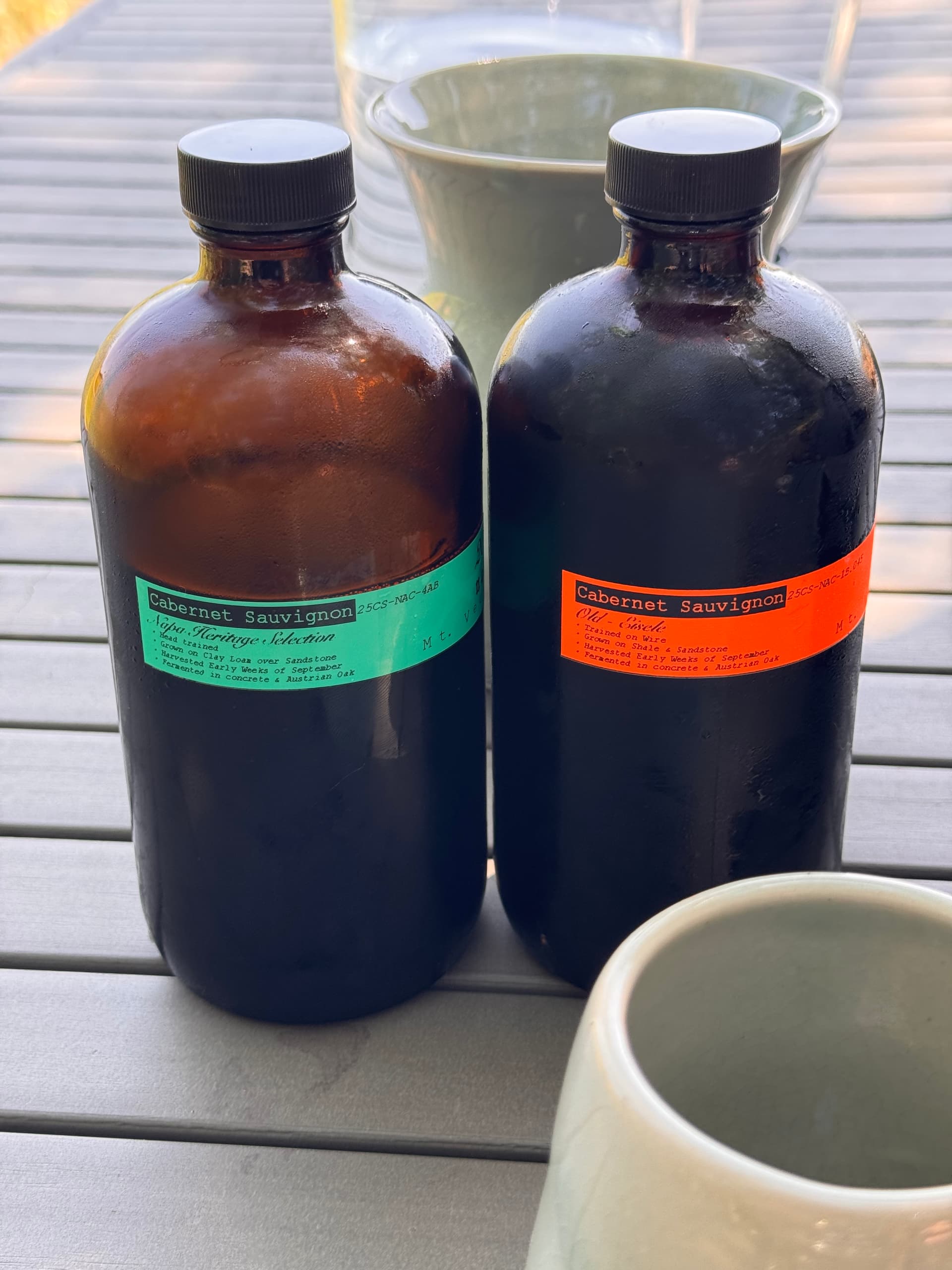
Napa Heritage Selection: 13.5% alc, neutral Austrian oak. Most fruit forward but to CA standard, it’s not that fruit forward at all, with notes of brambles, redcurrants, blackberries, menthol, Mediterranean herbs and bay leaves. Some chocolate and tobacco, some dried rose petals. Very savory with strong salinity indeed, with powerful acid that followed the wall of tannin. The tannin was insane; this is mountain powered puckering tannin that dried out my mouth like I just chew on sand.
Eisele: 13.2% alc, neutral Austrian oak. Less fruit forward, more acid and salinity driven. Fresh bay leaves, yes, bay leaves. Slightly unripe black fruit, strong tobacco and that undertow of herbs and dried rose that carried the insane acid to the finish like. Tannin, again, was relentless, and that savory quality exhibited even stronger here.
90% ‘24 Nacra: 14%~ish alc, neutral German oak. First whiff reminded me of single malt Scotch twice my age that I took a sip everytime I visit my dad’s cellar (I’m 24 lol). Me and Gavin chalked down to the power of the wine itself: the harmony of the bouquet of herbs, the acid bites, and the fruit lurking in the background gave me such first impression. Again, this is still a very savory, herb-driven wine but with a touch more black and red fruit due to 2024 being a solar year.
Gavin doesn’t believe in using new oak, and he steers clear of French oak here. He just like me for real, love the journey off the beaten paths. You can mask the terroir and quality of the fruit itself with even slightly too much oak, and Gavin wants a complete expression of his site hence he only uses neutral oak here. His oak philosophy is that oak is just a vessel of exchanging oxygen, and he focuses on the density of oak fibers that can last a long time over what the oak can imparts into the wine and cover the inherent beauty of the wine. Hence he picks oaks from colder forests, with tighter rings and fibers that will hopefully last a lifetime. Oak is like a lipstick, you can put as much oak on a wine as you like, but no one with an ounce of discernment will confuse a natural beauty pageant over a pig that just went to a beautician.
Overall, it was quite an intellectual visit. This is why I love supporting winegrowers with full control over farming and cellar work. Again, I don’t cellar much Napa Cabs, but Nacra will be my 3rd annual Napa purchase next Spring.
Inauguration release will be around 150 cases, but when all the vines come online, annual release will be around 1500 cases. No pricing discussed.
Also next year will mark Gavin’s first Chardonnay vintage from his vineyard in wind-swept Occidental, 4 miles from the ocean. Can’t wait for my next visit.