We recently did a reorganization of the case open storage section of the cellar, which is a low-ceilinged alcove off the main aisle. Up to this point, we’d added cases as they arrived, with the result that the oldest wine was at the back and the youngest at the front, which is, obviously, the opposite arrangement to what we want for drinking purposes in general. So we pulled it all out and swapped back to front. At the same time, we decided to add information to some of the boxes themselves, particularly the disgorgement dates on NV champagne, so that we can drink the oldest first, in general, and have the info to hand when it doesn’t happen to be printed on the label or contained in a bottle code. I also tried to add the information to my bottle/purchase notes in CT so I could know what to look for when I head to the cellar to pull some bottles.
In the process, I couldn’t help but notice, and occasionally be confused and frustrated by, what I found in the disgorgement data: there are so many different versions of these wines, it’s not even funny, and consistency is very rare. Some producers seem to be on a pretty regular schedule with consistent time on lees and disgorgement. Until they aren’t. Some producers seem to disgorge more when they feel like it or need more for an importer. The result is that it’s often difficult to tie a particular bottling to a tasting note or a review. Let’s not even start on different lots within a bottling…
For instance, I went to label a few case boxes of Lilbert Blanc de Blancs based on what the label said – 50% base 2016, 50% reserve wine, disgorged summer of 2020 – but noticed that there are reviews from @William_Kelley for a 2017 base disgorged in summer 2020, with a note on 2016 base disgorged in spring 2019. Okay, no big deal, they disgorged some 2016 base in 2020 – lucky me, more time on lees! But still a little frustrating, if I want to be able to compare my impressions to his note.
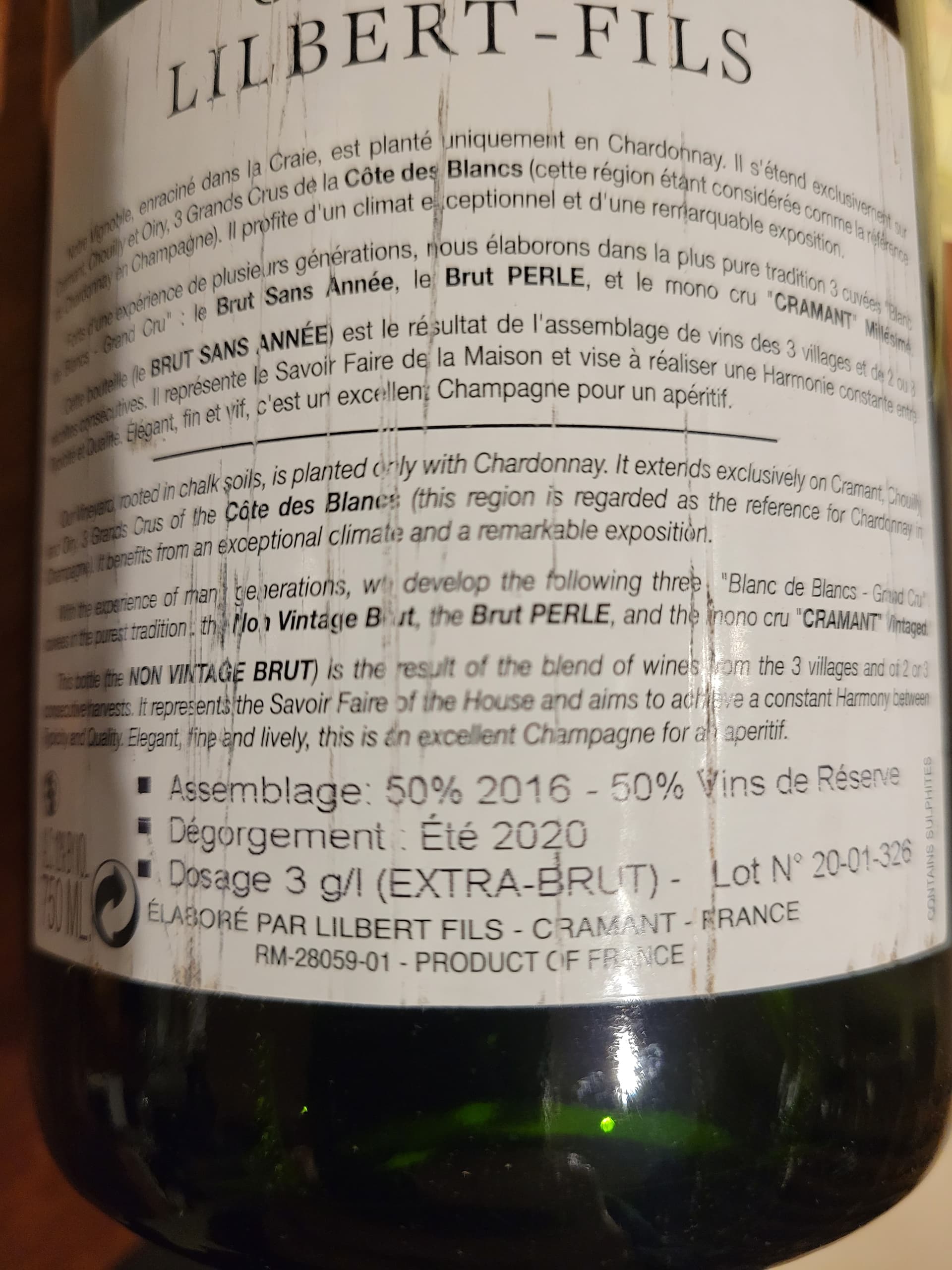
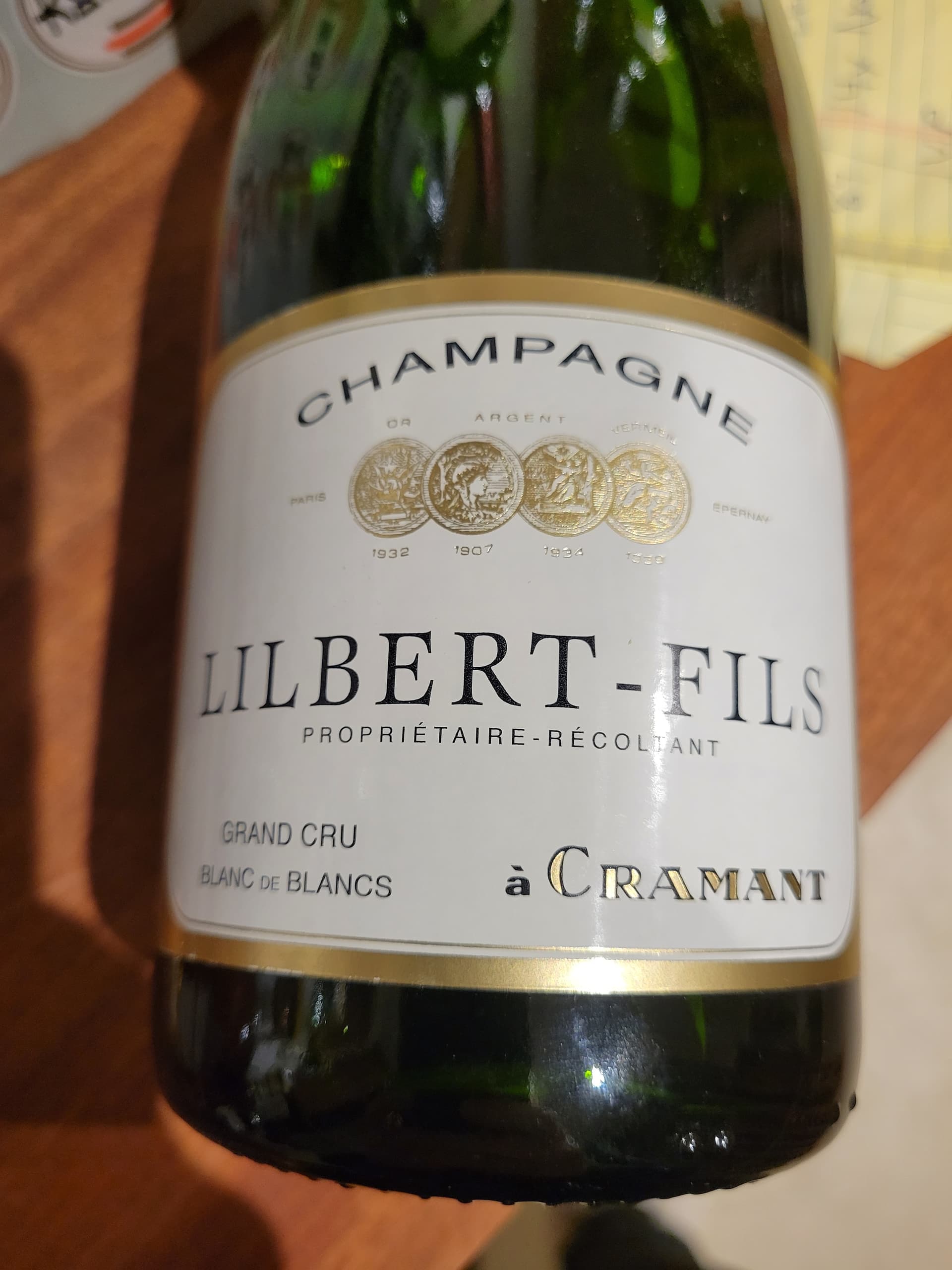
Or I recently got the next year’s allocation of Filaine Sensuum Vertigo that I thought would be the next vintage, but turned out to be more of the 2016, but with another year on lees. Again, cool for me, but necessitates keeping careful track, especially when there’s nothing on the label and you just have to keep records somewhere after a bit of a treasure hunt to figure out what you’ve got.
Now, part of me finds all this randomness fun and fascinating. I’m not a slave to particular disgorgements any more than I am a slave to vintage. But part of me finds it a little stressful and confusing, as the organized nature of my brain wants to be able to tie what I’ve got to what others have written about. It also makes buying more opaque as, short of confirming with the seller, it’s sometimes tough to tell what you are getting, even if there is a disgorgement date listed on the website! I manage to keep good records in my own CT notes (I wonder if there could be future functionality that has entry fields for disgorgement date, though I realize that could be a slippery slope because what then about base? Assemblage?), but find myself getting confused when I step away from the cellar and read other notes and records.
In the end, it’s all part of the endless complexity that is learning about champagne, and unless you are on the hunt for a very specific bottling, it’s all good in the end (or at least it usually is), but it sure makes things complicated!

