As an FYI depending on time of course, if you ride your bike to Lieser and continue on till the bridge that crosses the river from Mulheim, the bike trail that goes to Wittlich HBF from there isn’t nearly as bad as riding up the hill on B50 which is the road that goes in front of Markus Molitor. Also, the Saar is a fun area to bike around to get a good picture of the vineyards. We used to park our car and get on our bikes at the Kanzem train station where you had a great view of the Kanzemer Altenberg.
2 Likes
Thanks for the advice! I’ll probably do that when I visit the Mosel again in early April next year, though ideally I would like to rent a car then. It’s almost impossible to get around easily to nearby Traben-Trarbach, Punderich, Trittenheim, Dhron/Piesport without a car, and even getting from Bernkastel to Urzig takes a good while.
I was shocked you were doing the Mosel without a car.
Not about Keller or your experience with the Keller bottle, but I’m with you on this topic. I get it when one talks about old wine with unknown provenance, but “bottle variation” is overused as an excuse for mediocre showing of wine with esteemed labels. It’s one type of label bias at the end of the day.
I’ve also come to believe that many experienced wine drinkers (and sometimes even somms) do not understand wine fault well and reductive or corked bottles are dismissed as just “closed” or “shut down”
Everything works out well for now since I am just visiting near Bernkastel and in Saarburg. Public transport is a bit of a hassle, but it works regardless.
That is because many sommeliers aren’t well trained enough. Or because nowadays with technological improvements and precise winemaking faults are becoming rarer, so people forget.
As for the Keller, I am giving it the benefit of the doubt because some good friends of mine (who are very picky) praise it very highly. I have another bottle so I will try again once I get back to the UK. If this bottle also falls below expectations, I think I may need to reconsider.
1 Like
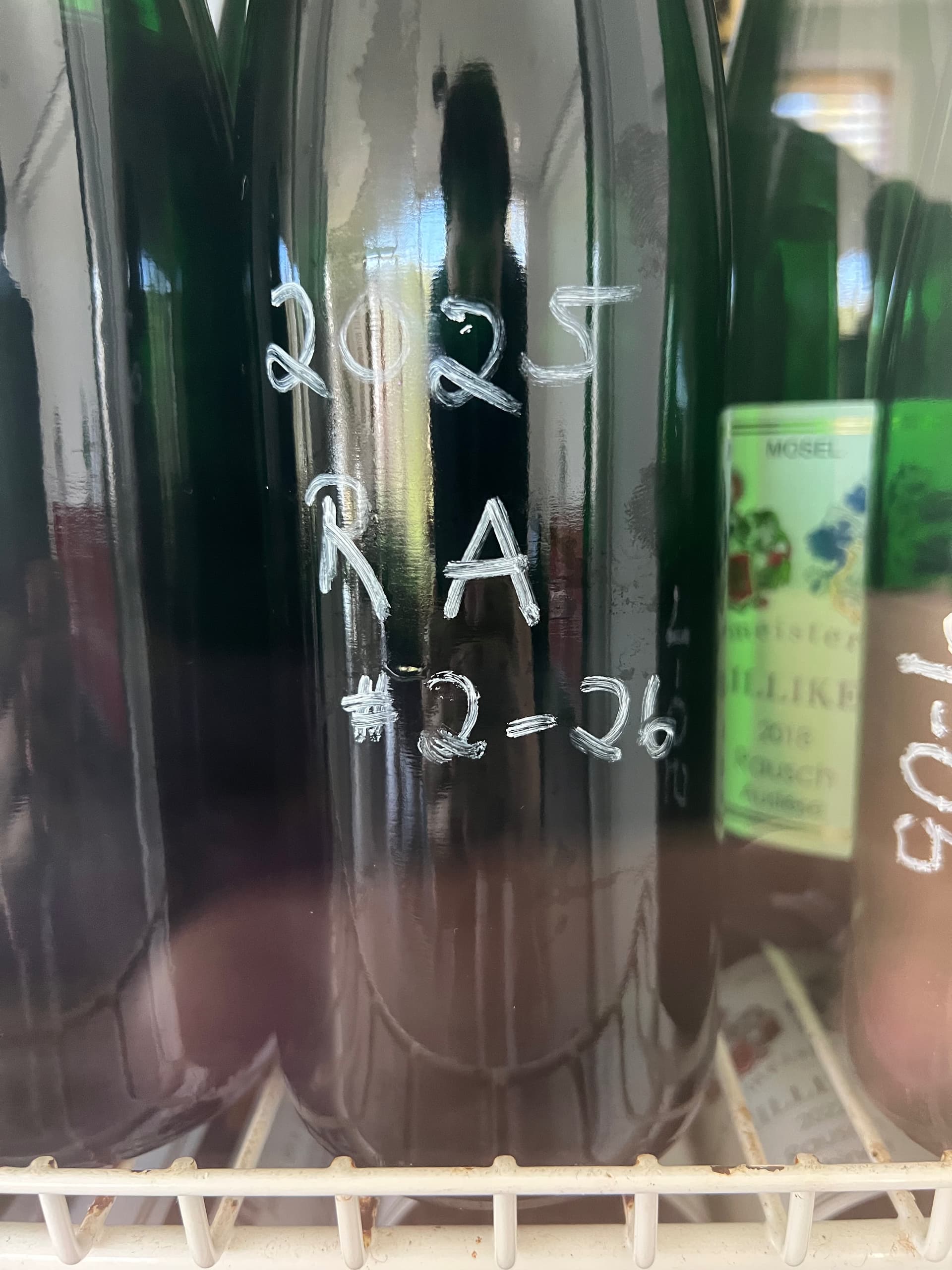
I will sleep early tonight and get up very early to write up today’s report. It is very, very exciting and even longer than day 2. A preview:
1 Like
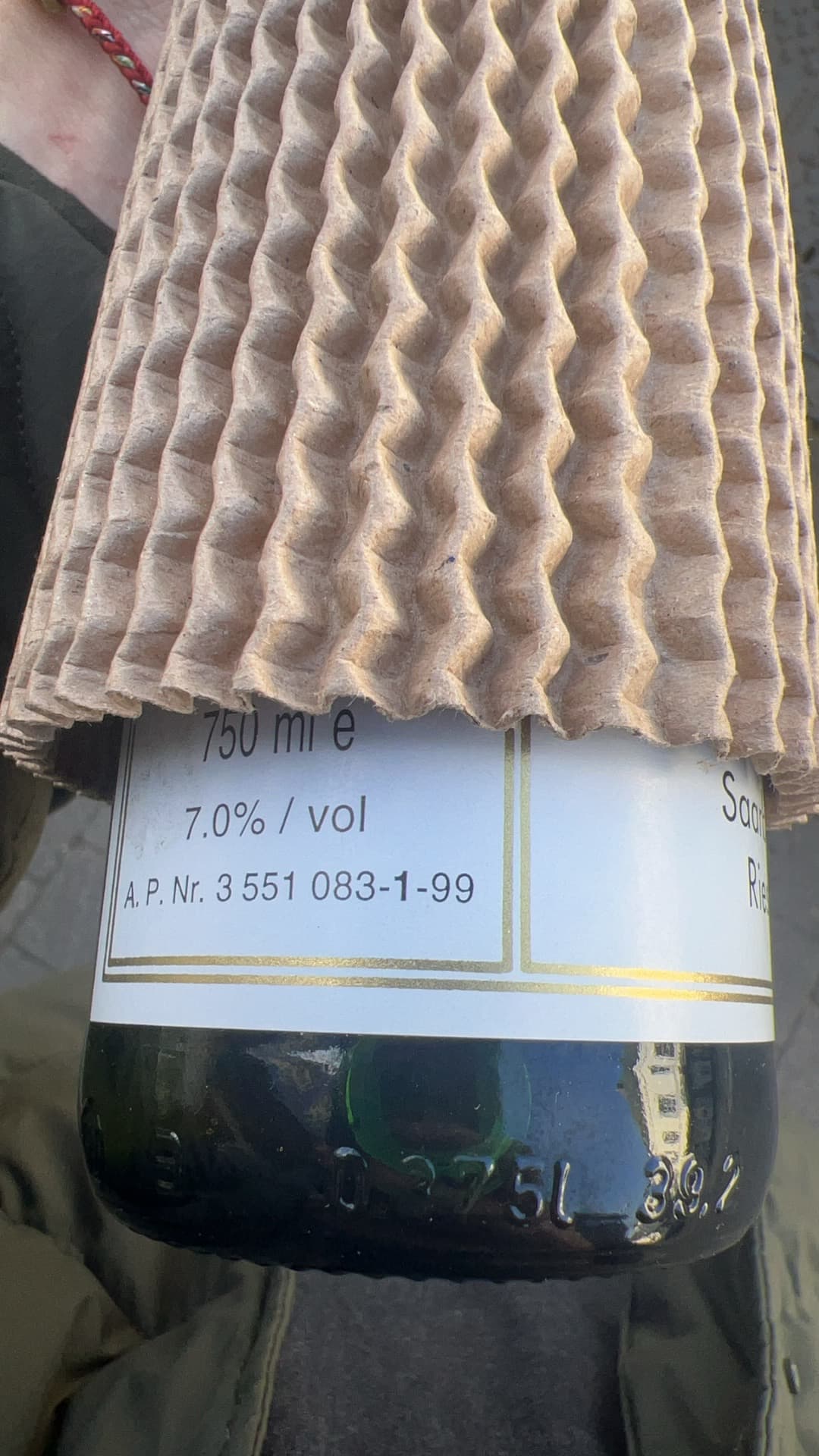
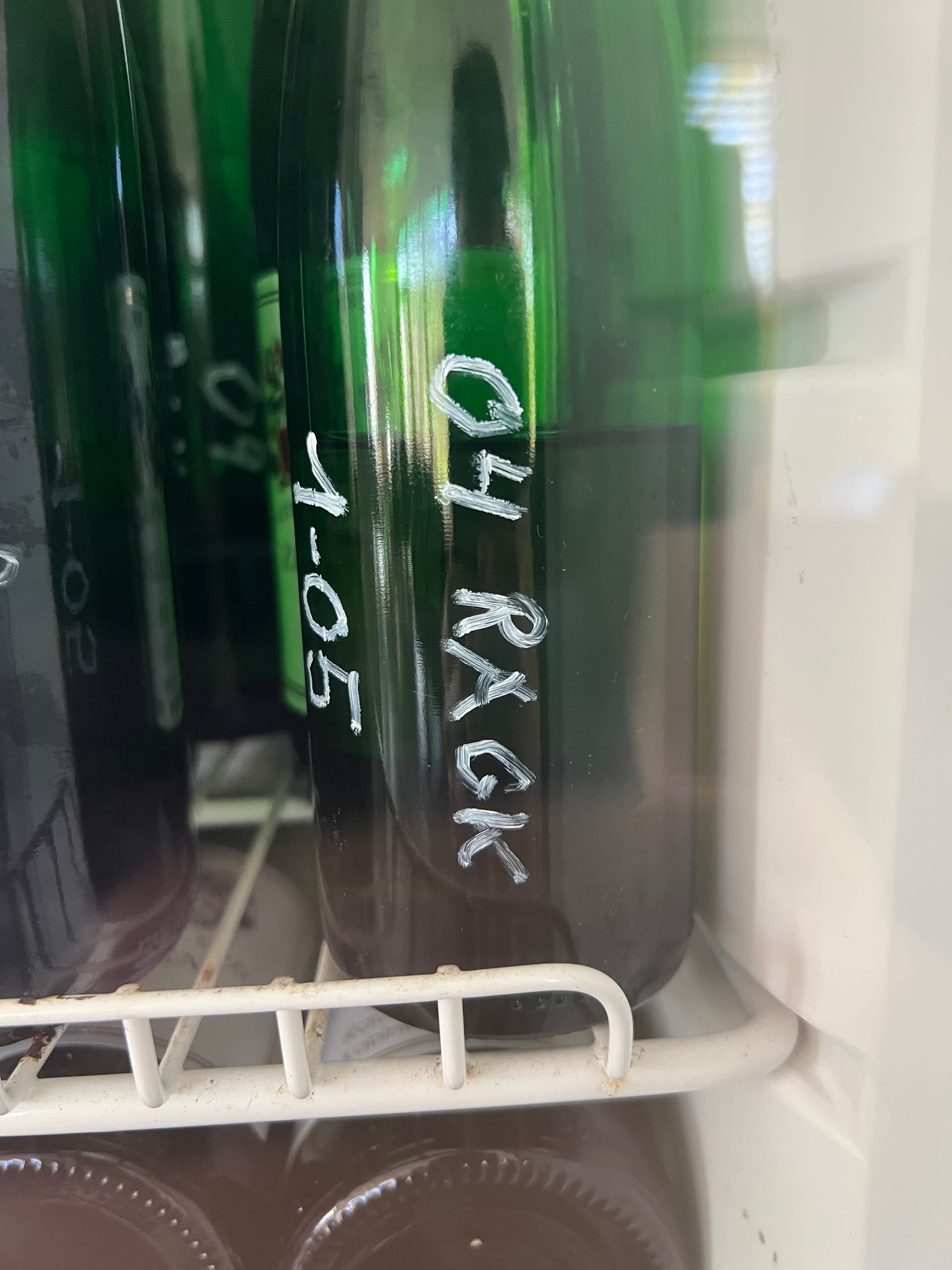
Curious if anyone can guess what AP 01 99 is… My memory is getting hazy since we tasted too many wines today, but I do believe Hanno said that it was an auction wine?
Saarburger Rausch Riesling Auslese Lange Goldkapsel
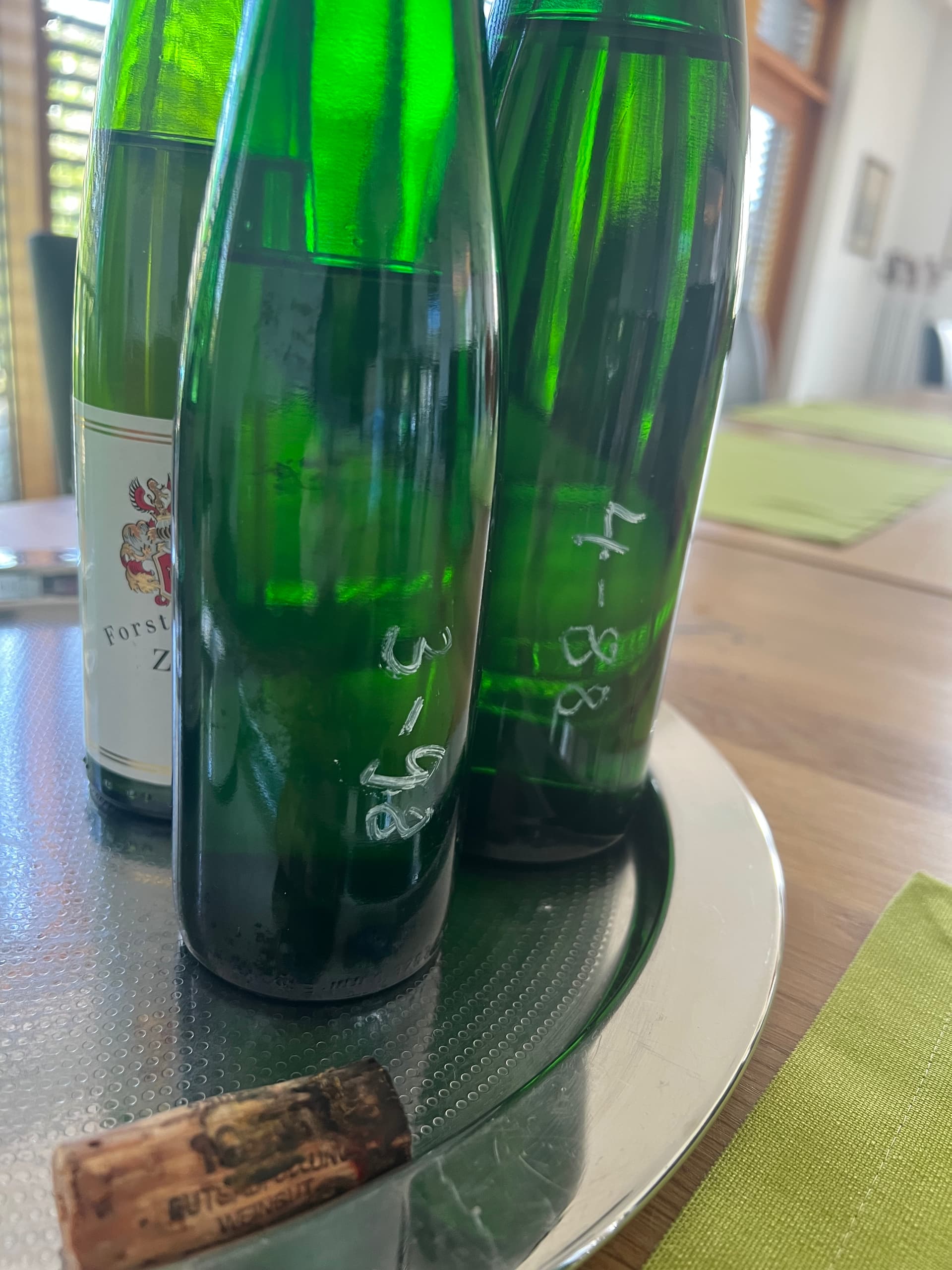
Close but not right! We did taste 3 vintages of the LGK, but the 01 99 was not that. I will reveal tomorrow, but if you look up 02 99 you should realise that it is the 1998 Saarburger Rausch Riesling Eiswein, which might give a hint to the identity of the 01 99.
I just re-tasted the Keller again that has been in my fridge for 24 hours. I think I may have found the problem. There seems to be some very low-level cork taint going on here which I initially didn’t identify. It has completely marred the fruit, but the wine itself isn’t immediately musty. I only just picked up a slight hint of it now.
But who knows—maybe I was just looking for a reason to justify why this supposedly miraculous wine didn’t show so well 
1 Like
Yeah, I couldn’t imagine going there without a car.
That would make sense. Keller Abts is a spectacular and consistemt wine that I have had over 100x. I have never had a bad bottle.
AP 01 99 from Zilliken is their auction Eiswein from 1998. Hanno told me that they made 3 Eisweins that year, with 01 and 02 being harvested at above 150 Oechsle, and labelled as Eiswein. 03 99 was harvested at around 140 Oechsle, and downgraded to Auslese LGK (or GK? I don’t remember exactly).
My notes will follow shortly, and today I will be tasting at Willi Schaefer, Joh. Jos. Prüm, and Otto Pauly!
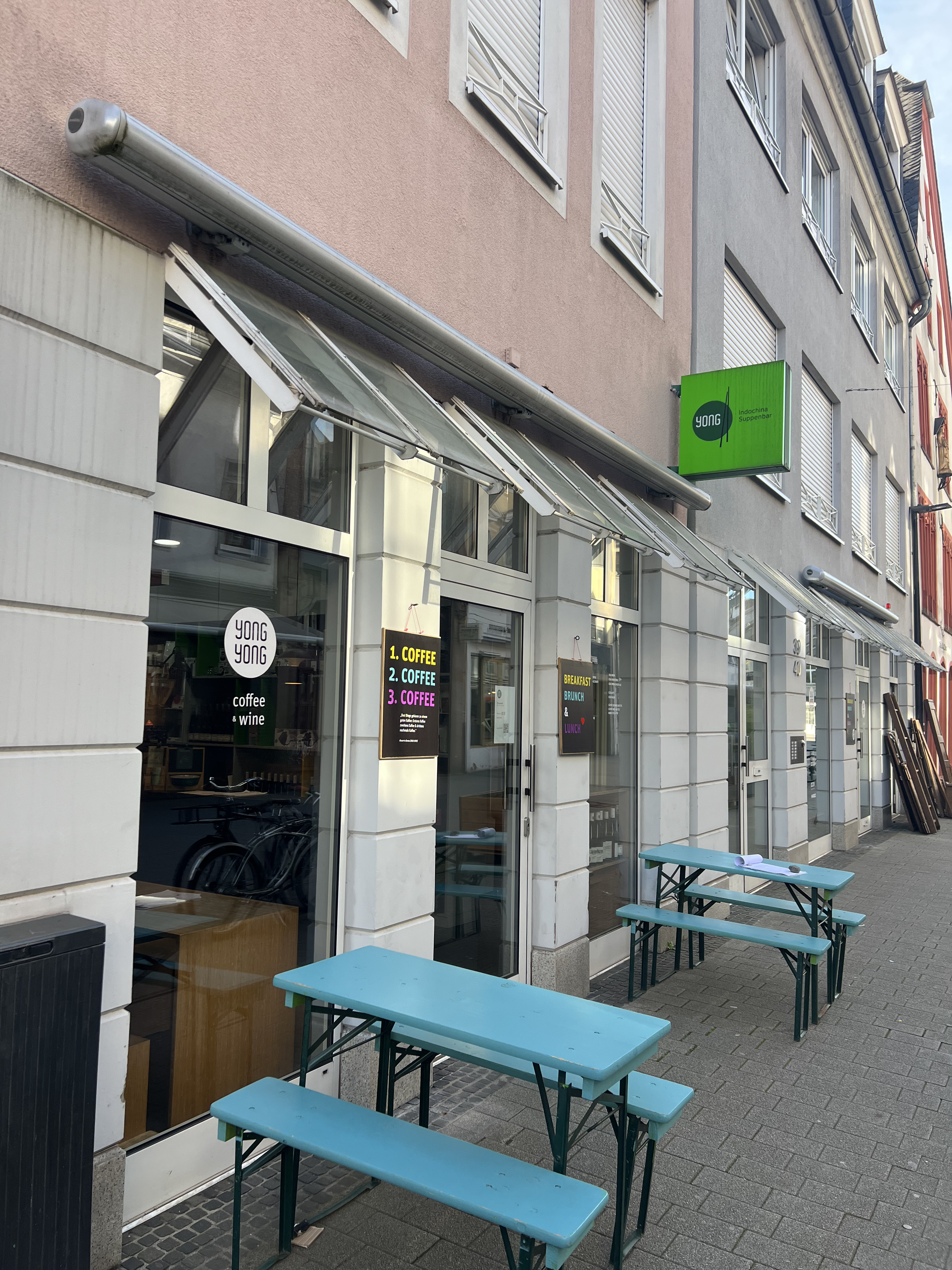
Did you go to Yong Yong?
It can definitely be actual issues. On the other hand bottle variations is real thing, I drink enough non-esteemed labels to not feel the need to excuse the wines  or hesitate to open another bottle to test it.
When it comes to certain varieties, including Riesling many winemakers do feel that the wines go through phases of shutting down. Levi Dalton captured that in quite a few of his interviews.
1 Like
I did! Sorry for the delay in posting… Super busy day.
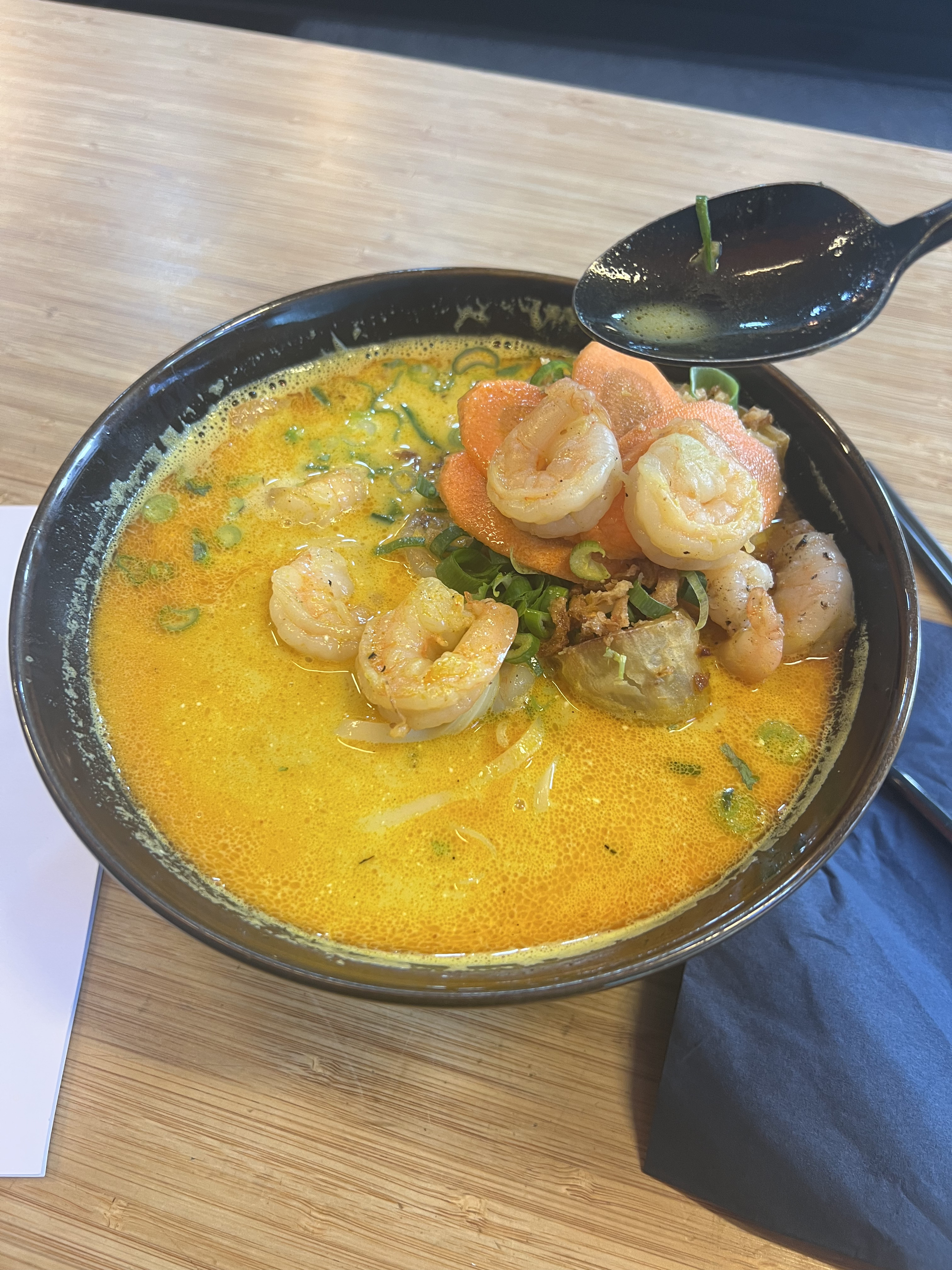
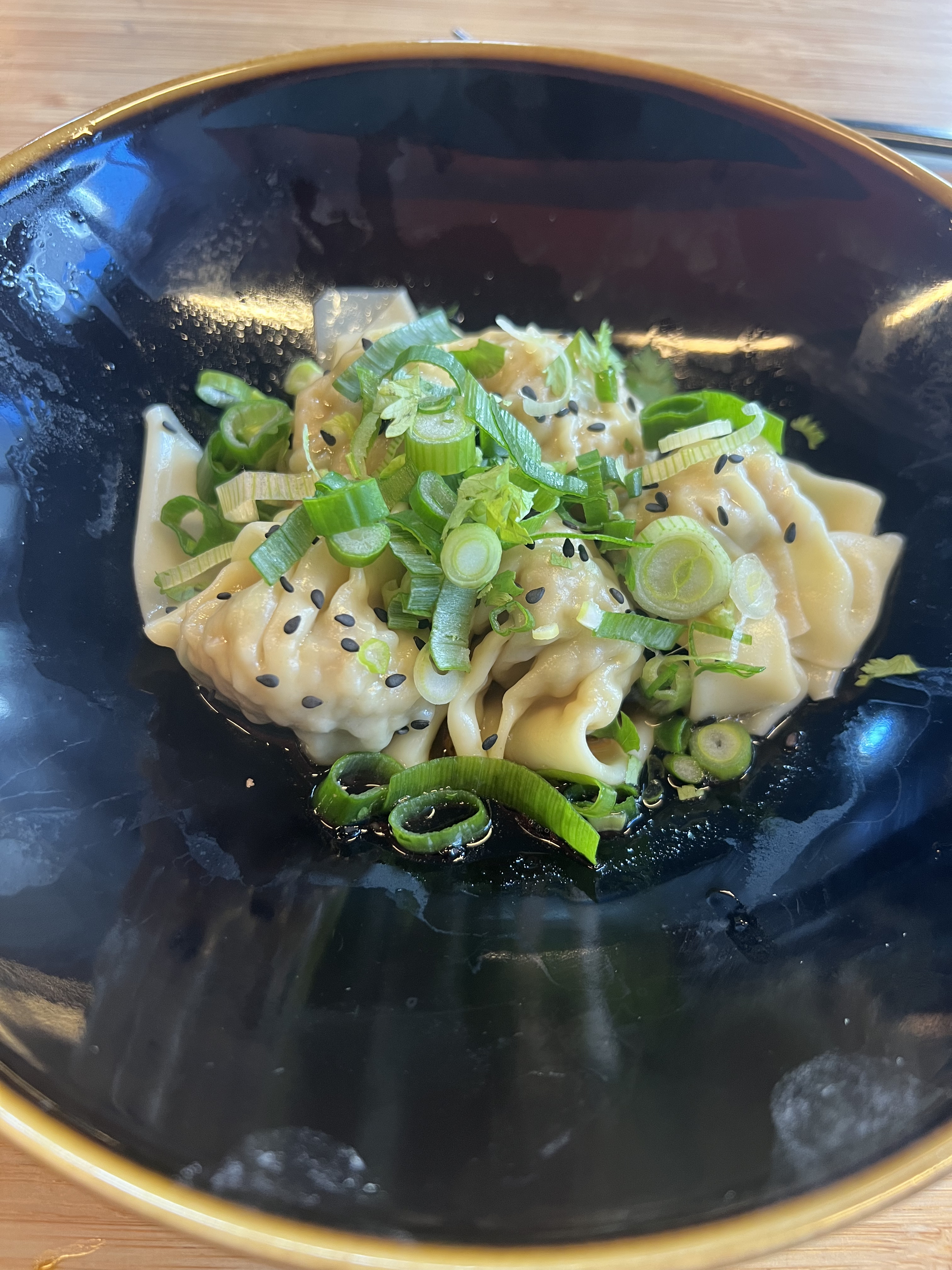
I ordered the large curry soup noodle with shrimp and the Wan Tans. Coming from someone who is Chinese, I love the Wan Tans (though I usually spell it as Wontons). The curry soup noodle was also wonderful and fresh and I finished it all, but in my opinion could use just a touch more salt.
2 Likes
Finally the report for day 3 is here! This is definitely one of the biggest highlights of the trip, and I can hardly imagine that I will ever have a tasting as memorable as this again.
The morning started with the frantic scramble with public transport to try and get to Trier–see this note I posted above.
Fortunately, because the taxi was quick, I was able to get to Trier much earlier than I expected. I did a walking tour in Trier, starting with the Porta Nigra.
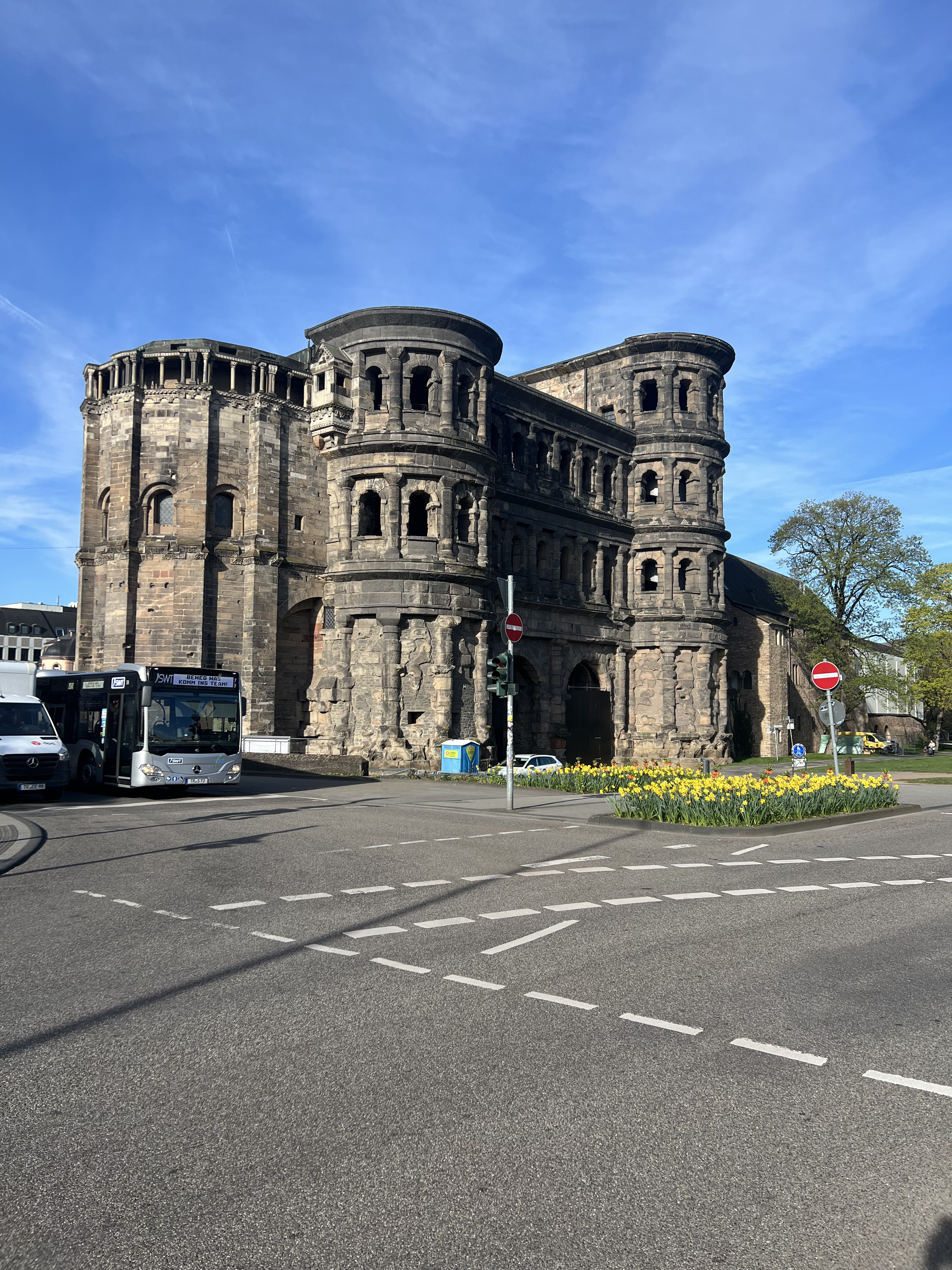
Weinbar Trier listed on MFW’s recommended shops wasn’t open yet, so I moved on to my next stop.

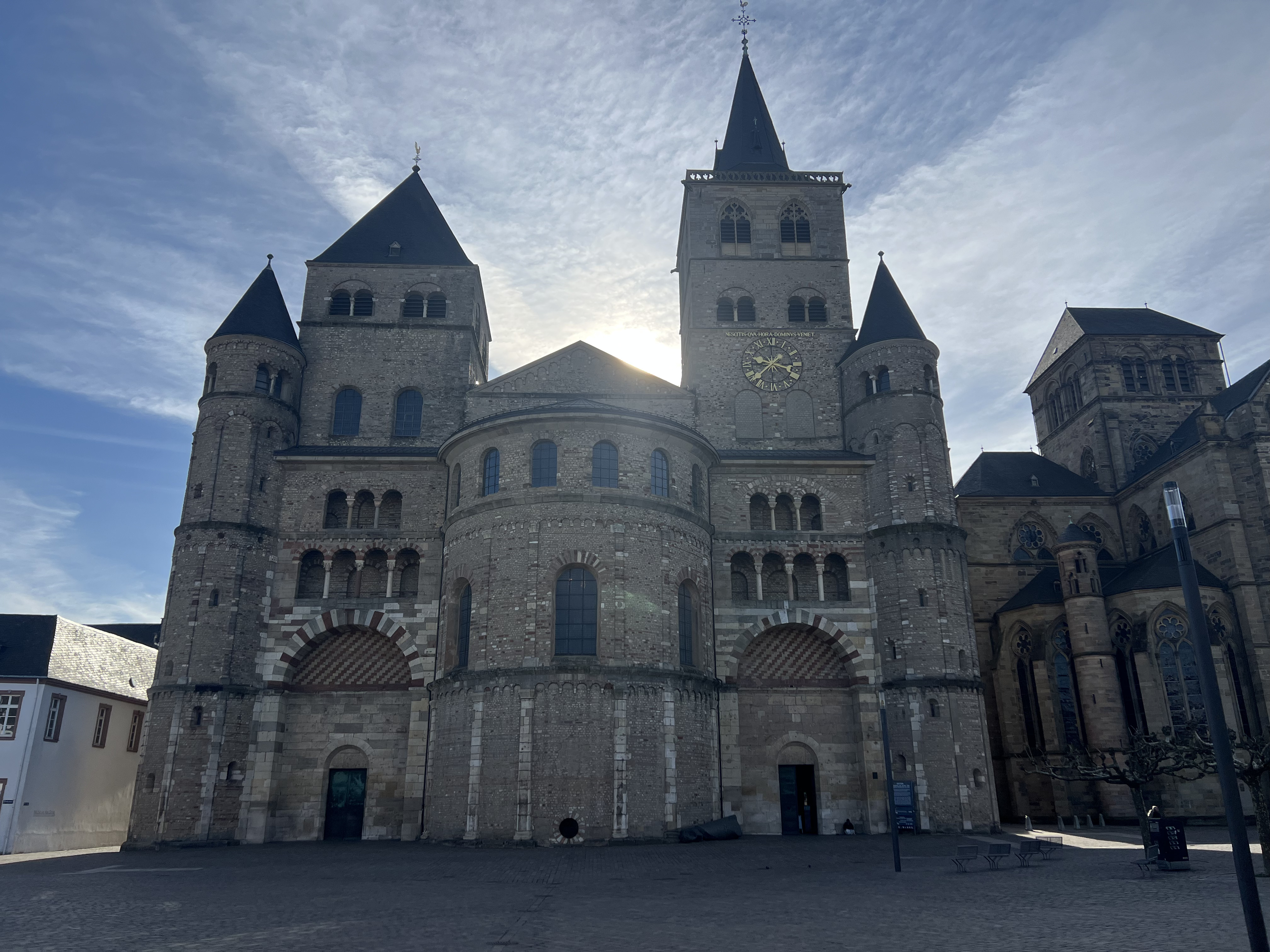
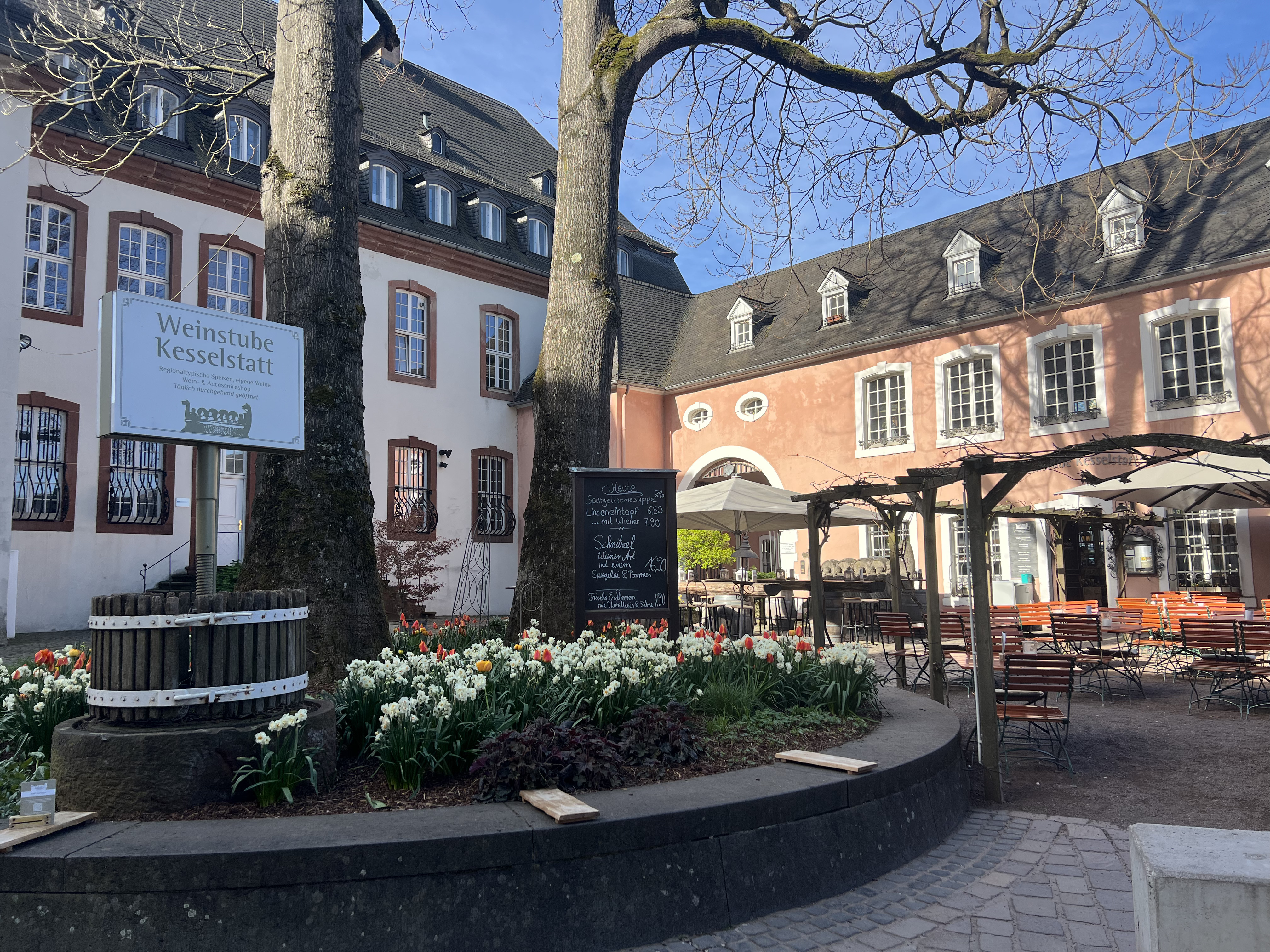
I then walked by the Trier Dom, Church of Our Lady, and the Weinstube Kesselstatt on my way to Das Weinhaus and Karl Marx House. I saw some recommendations online for the Weinstube Kesselstatt as a good place to get some hearty local food for good prices, but I had brunch planned at Yong Yong so I moved right on.

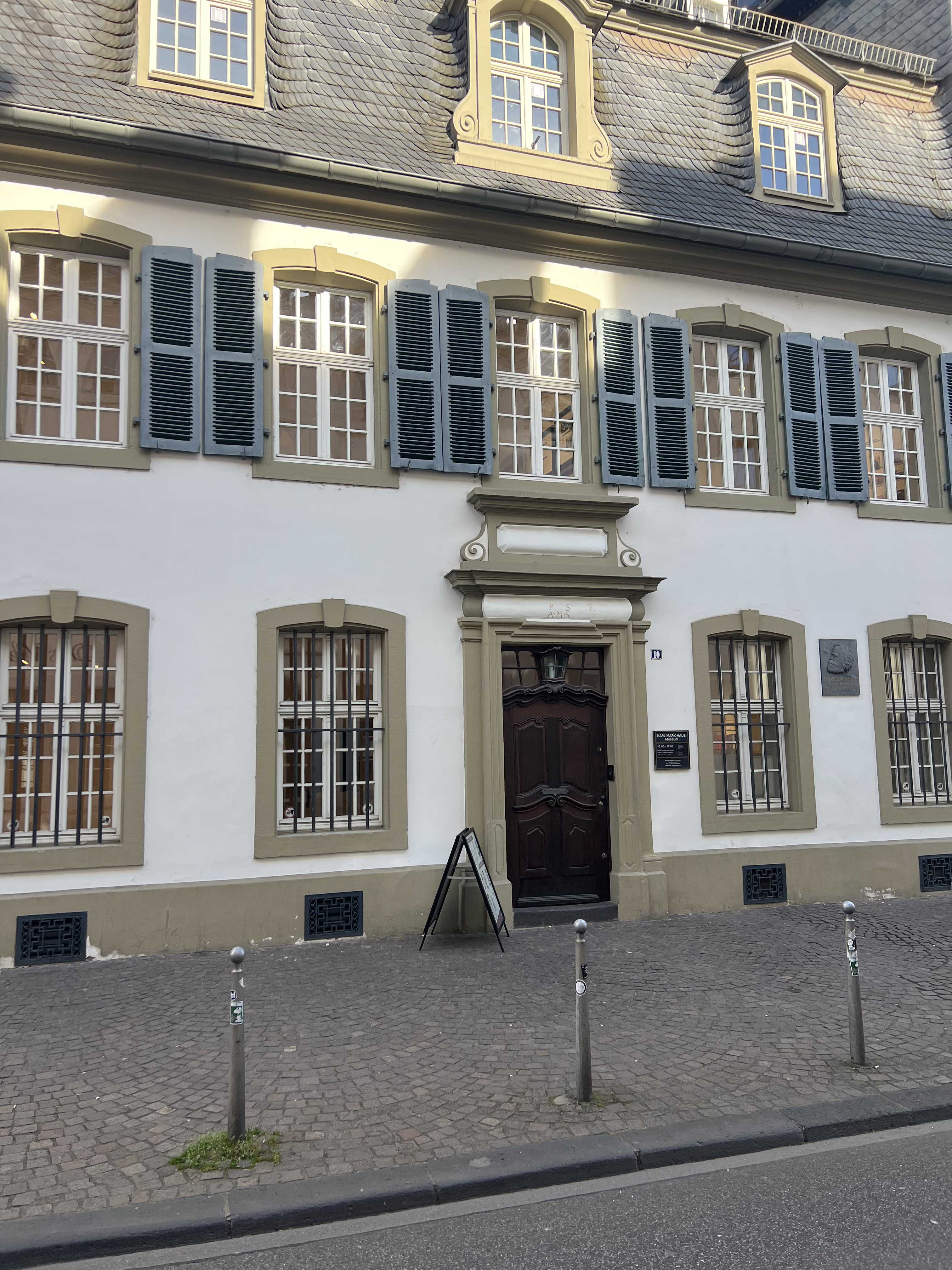
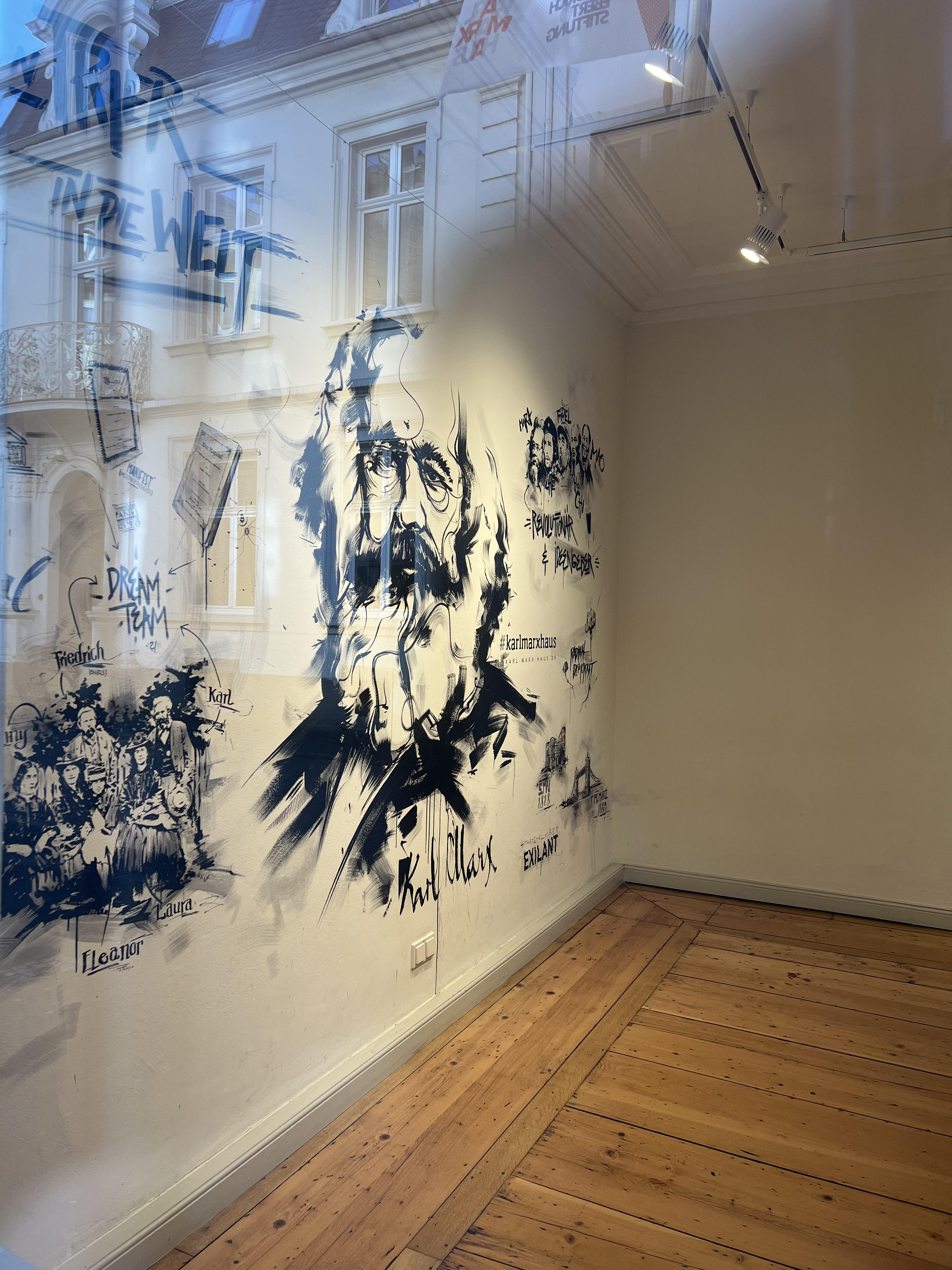
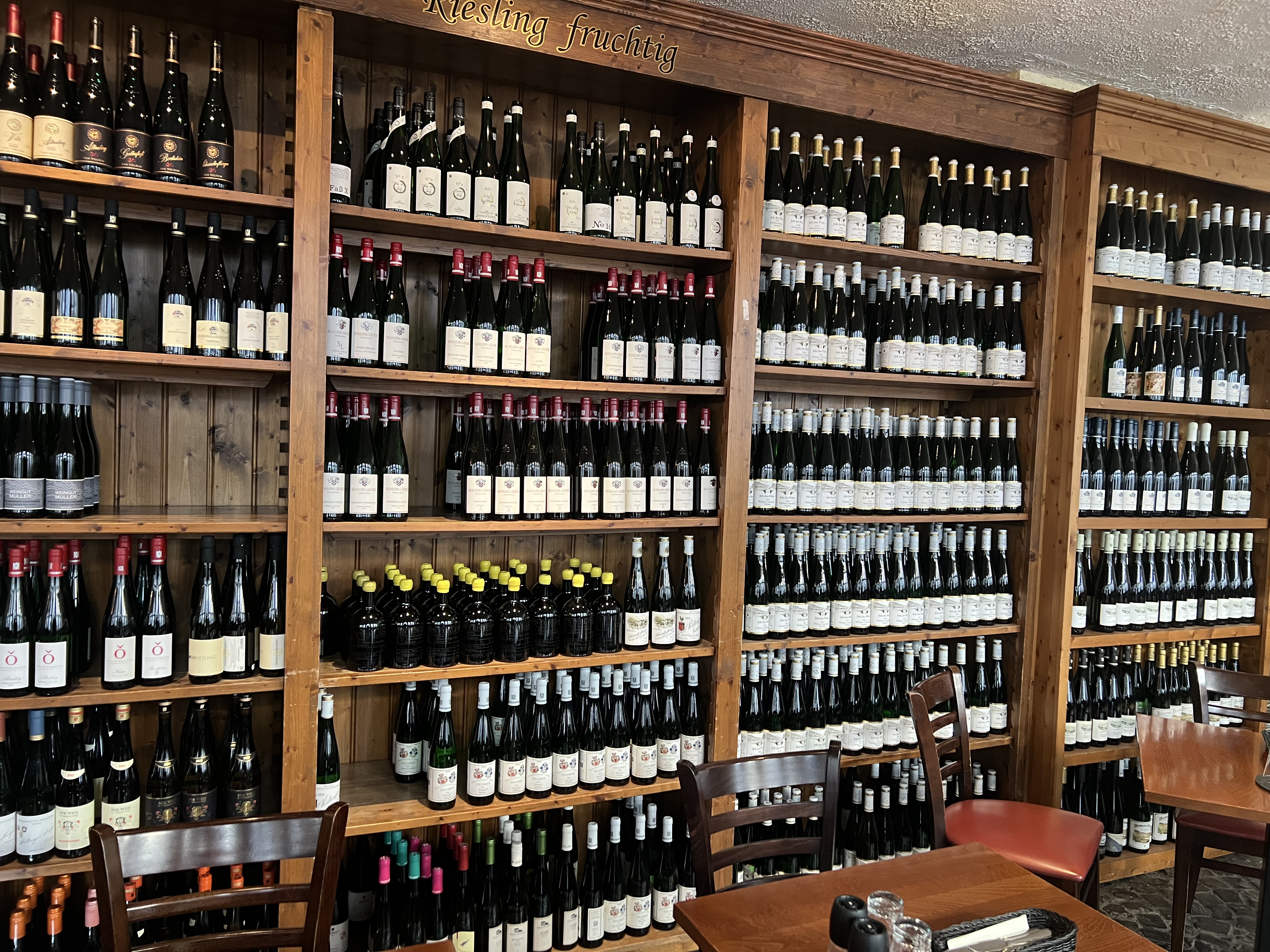
Karl Marx House is an unassuming little house that you wouldn’t notice at all if you walked by. Das Weinhaus, on the other hand, has a large sign and is quite the opposite. Inside there are plenty of wines from good producers. I had gotten many recommendations from friends to buy something here, but unfortunately I didn’t find anything which I piqued my interest.

And finally to Yong Yong for brunch!!! Thank you to @Robert_Dentice and @Lars_Carlberg for the amazing recommendation. I brought your good wishes to Yong! As I mentioned above, the Wan Tan (i.e. Wontons) were just wonderful, juicy, and flavourful. The curry noodles were also fresh and hearty, but could use a touch more salt. In hindsight, I probably should have ordered the normal broth noodles with chicken breast, but regardless a great way to start the day. Yong looked a bit shy, but he carried a very warm energy with him.
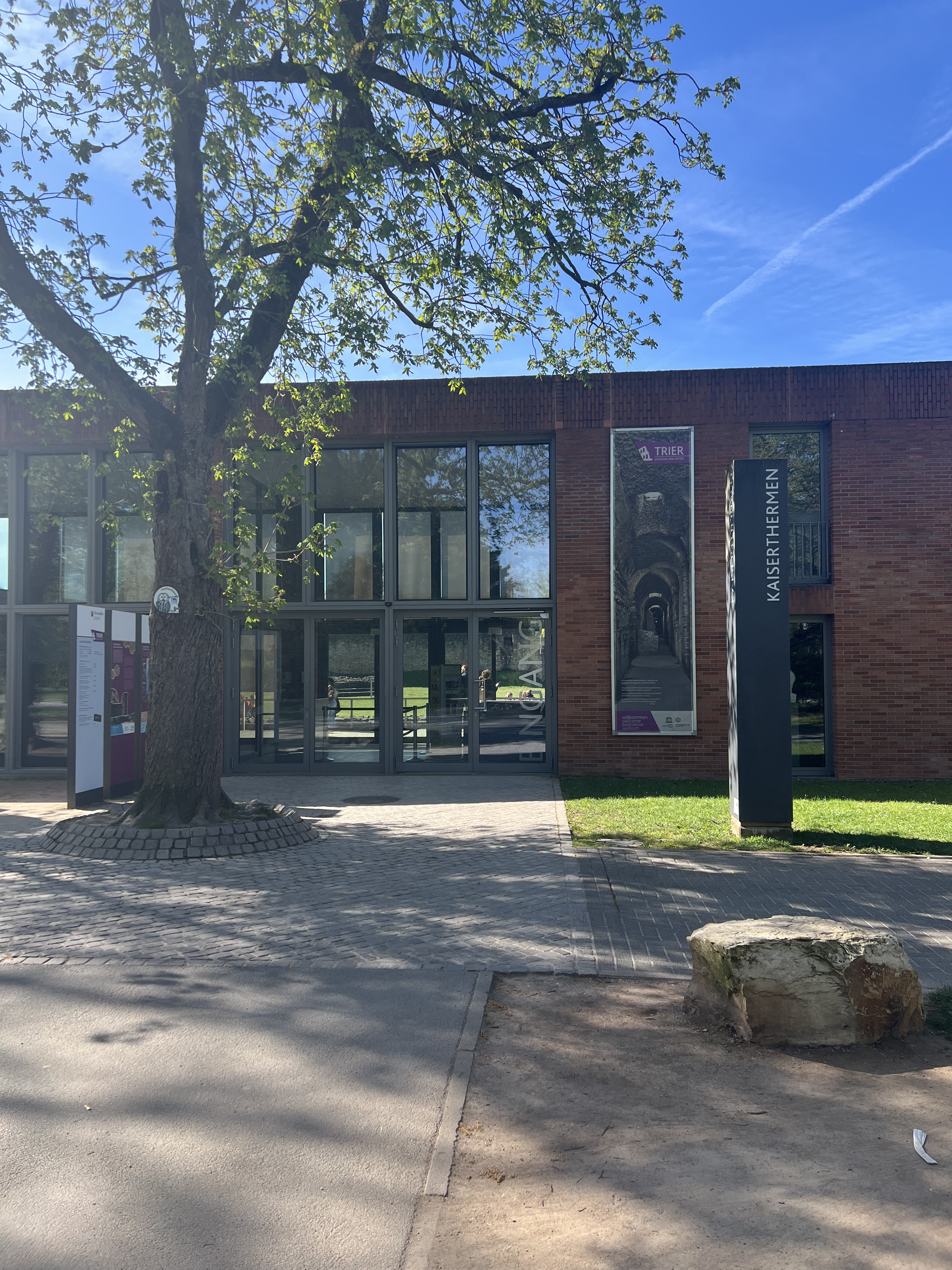
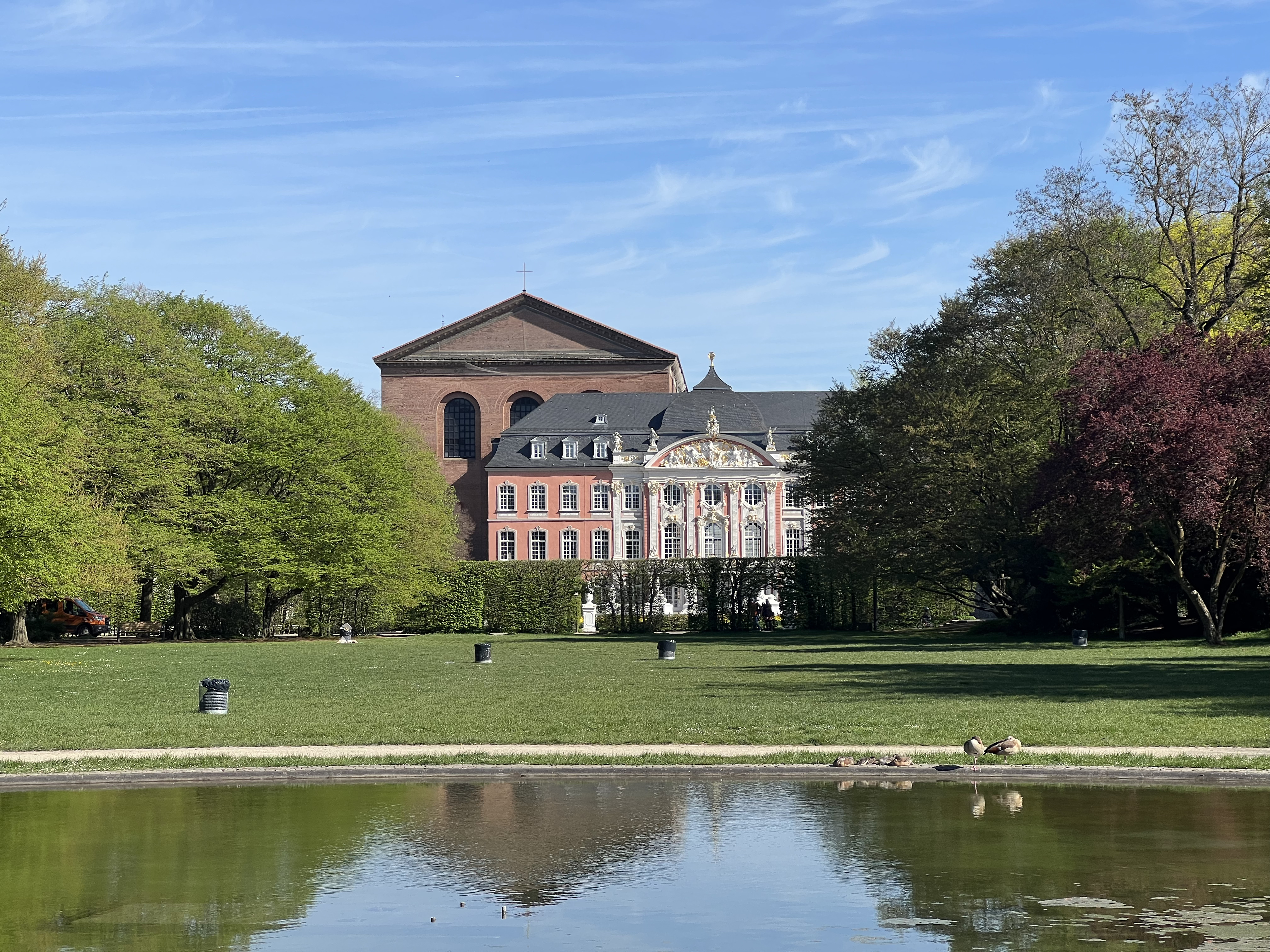
Finally, on my way back to Trier Hauptbahnhof to catch my train to Saarburg, I passed the Imperial Baths and Palastgarten.
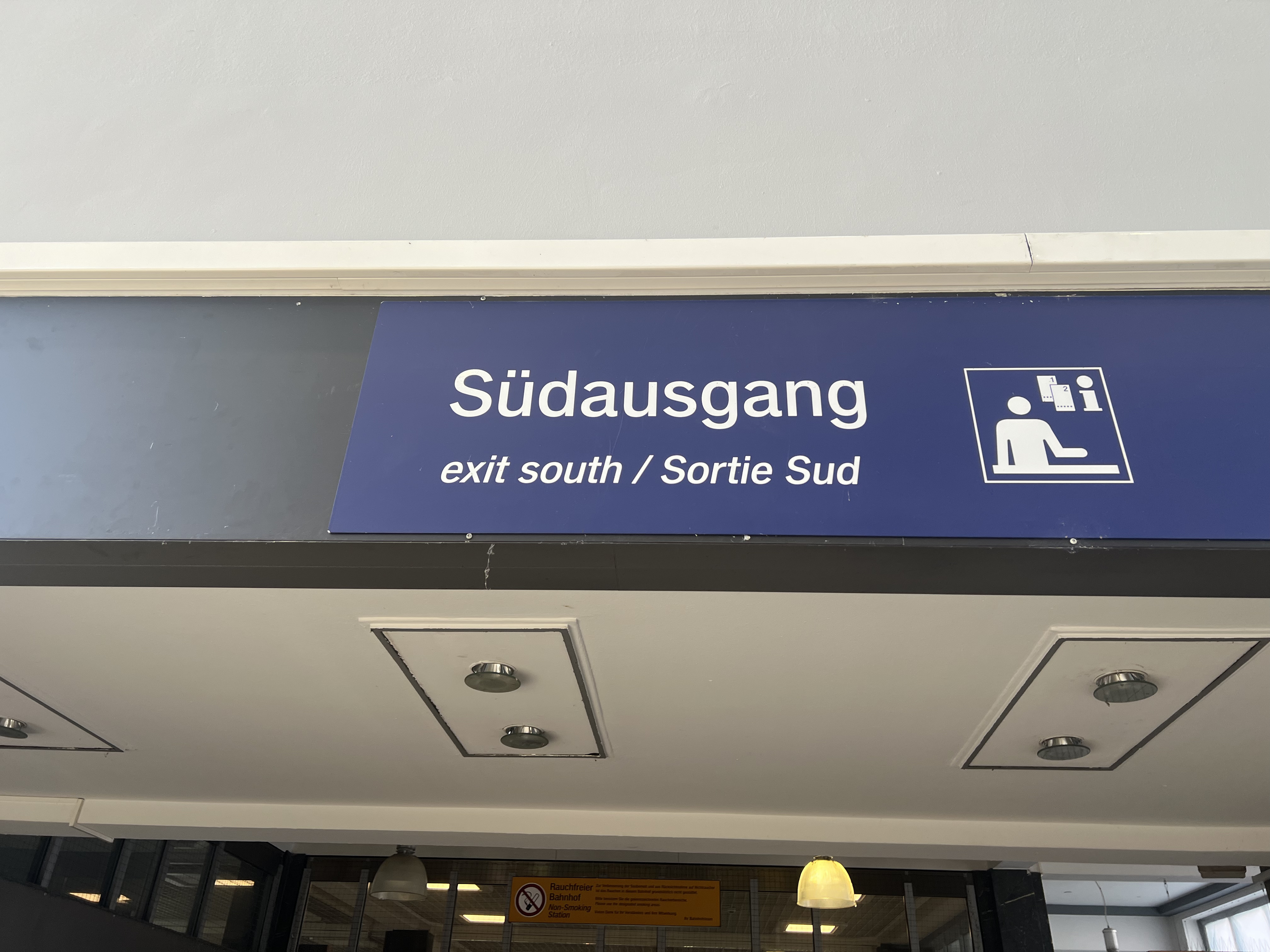
I noticed something interesting at the Trier Hauptbahnhof. Since we are getting close to the Luxembourg and French borders, there is now French and English on the signs.
Overall, Trier seems to be a city with lots of people (in comparison to Bernkastel-Kues, at least), but some of the shops are just very deserted–perhaps because I visited on a Thursday morning?
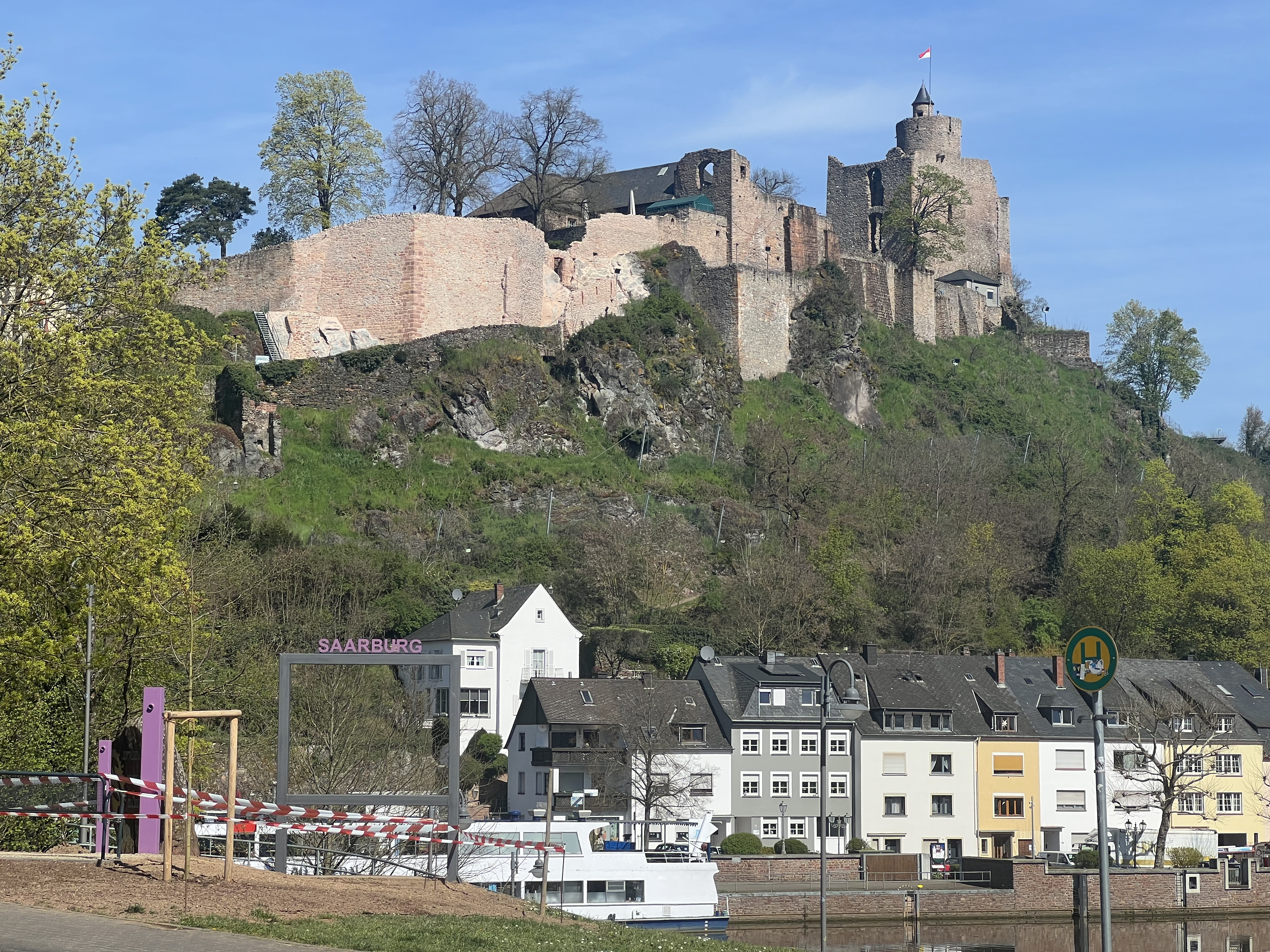
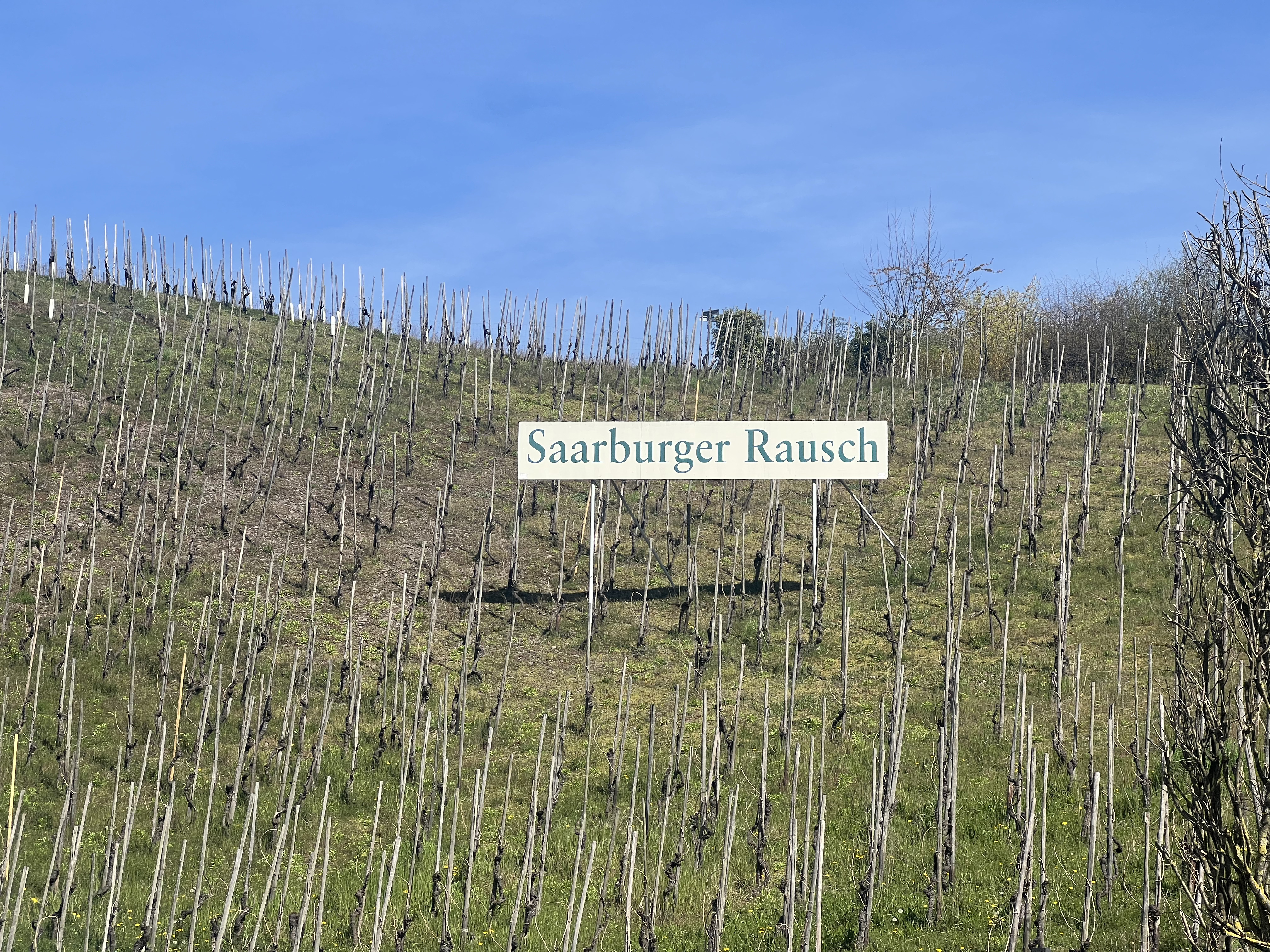
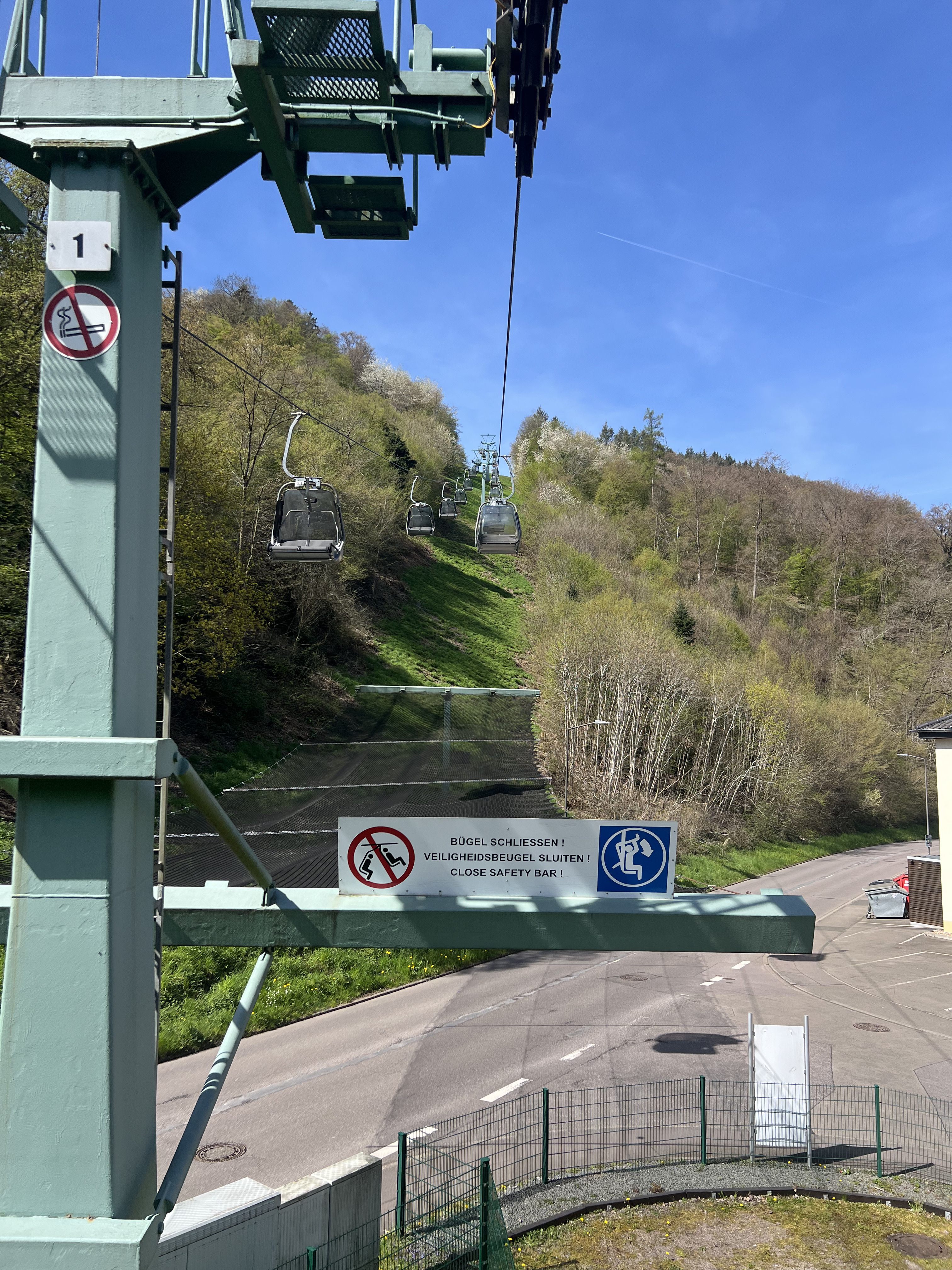
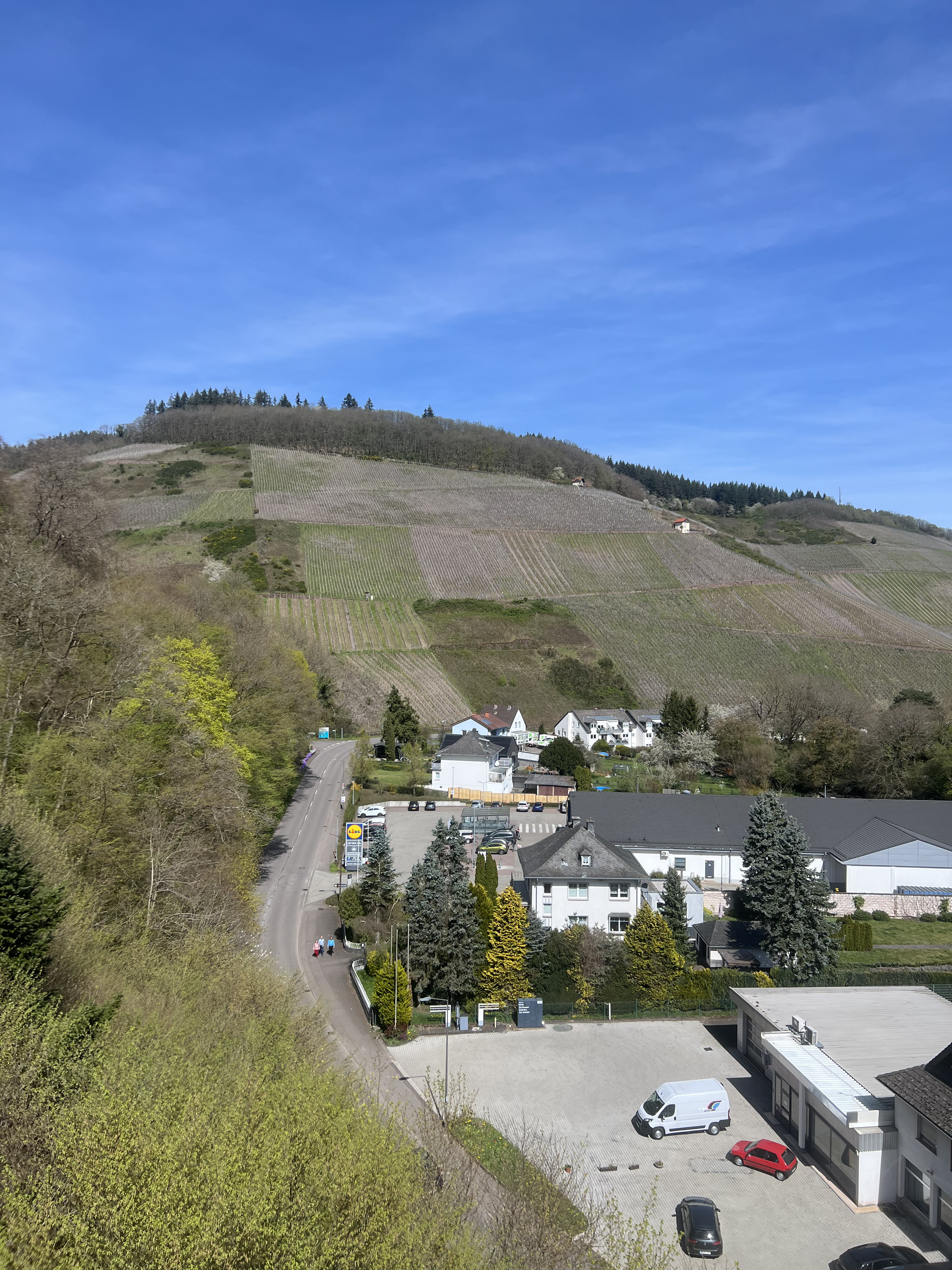
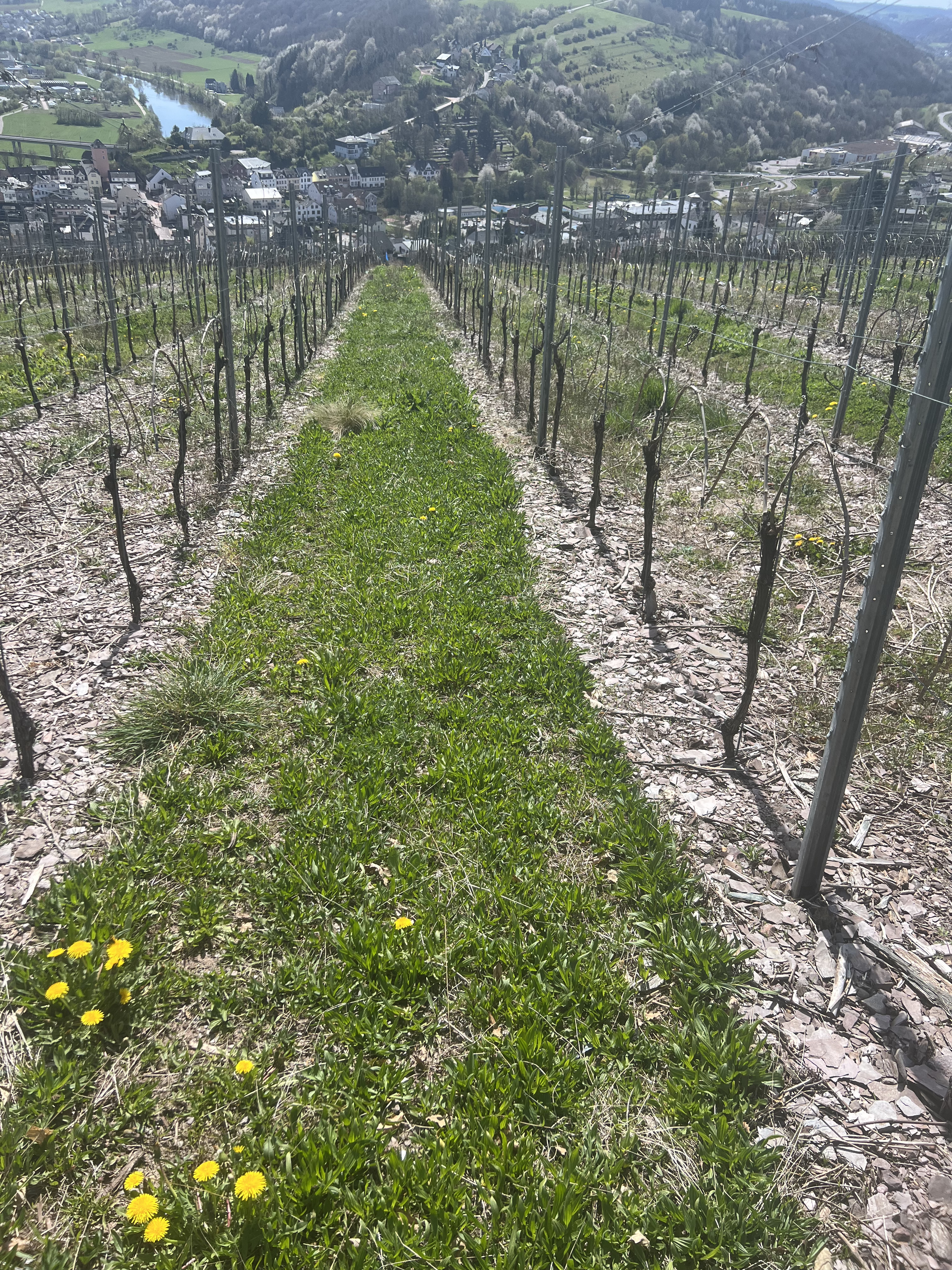
Saarburg was amazingly sunny when I arrived, and I had about 2 hours until my tasting at Zilliken. I decided to hike up (hardly a hike really, since it lasted about 2 minutes…) Saarburg Castle. Very nice views. Even better views were to come from taking the Saarburger Sesselbahn (Cable Car) up the Rausch vineyards. I then hiked down the vineyards and took a look at some of the vines. No budbreak yet.
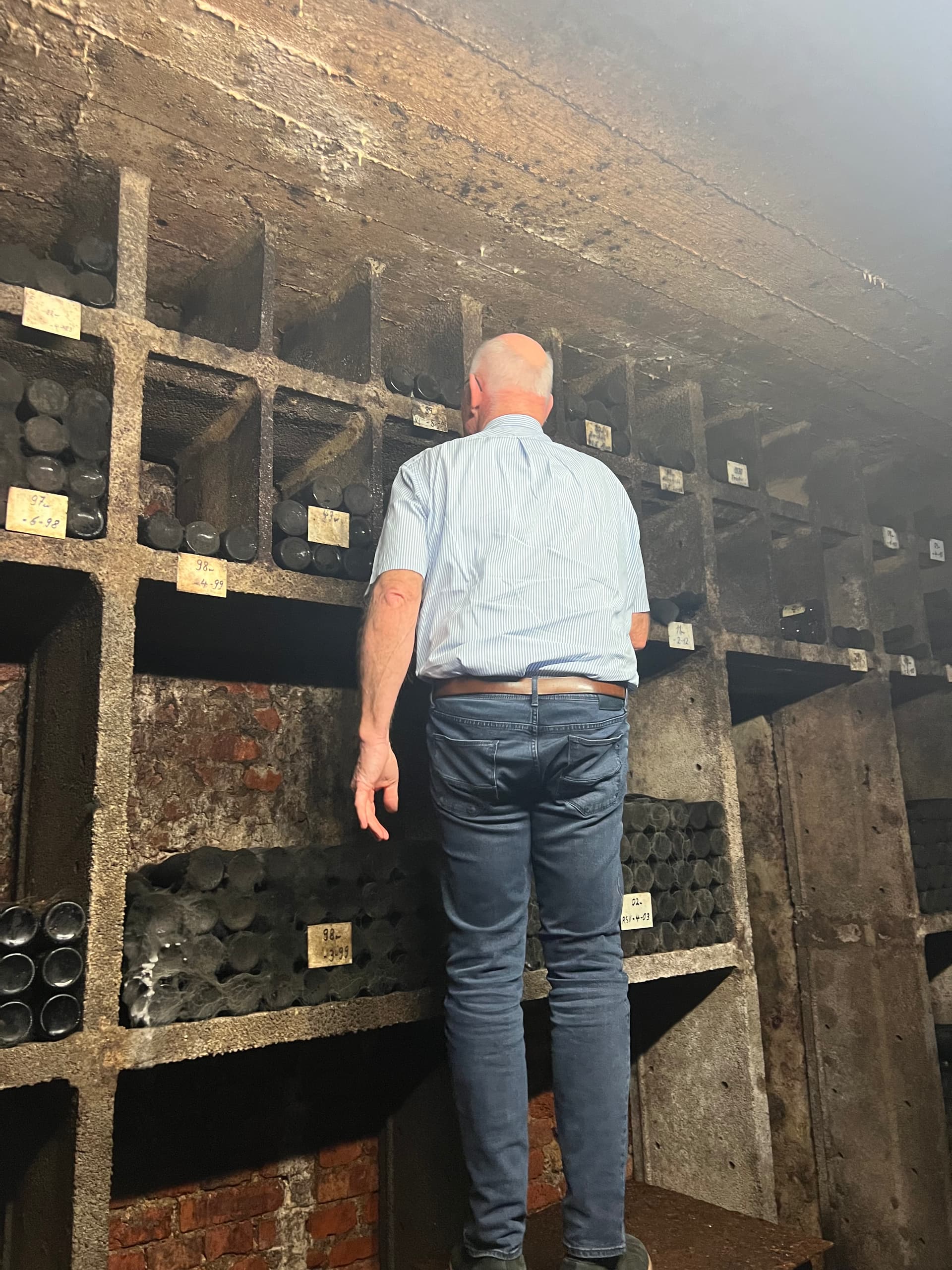
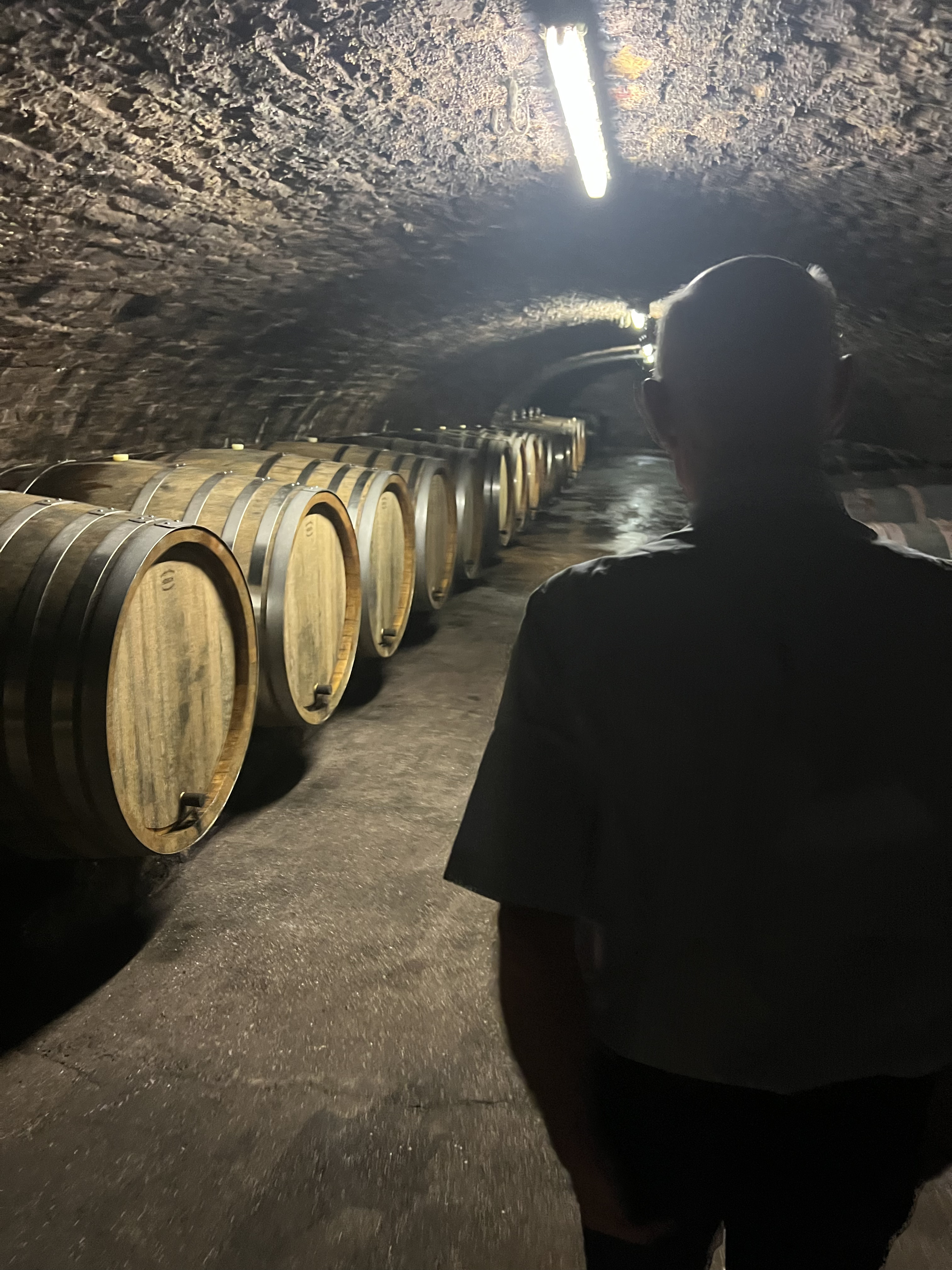
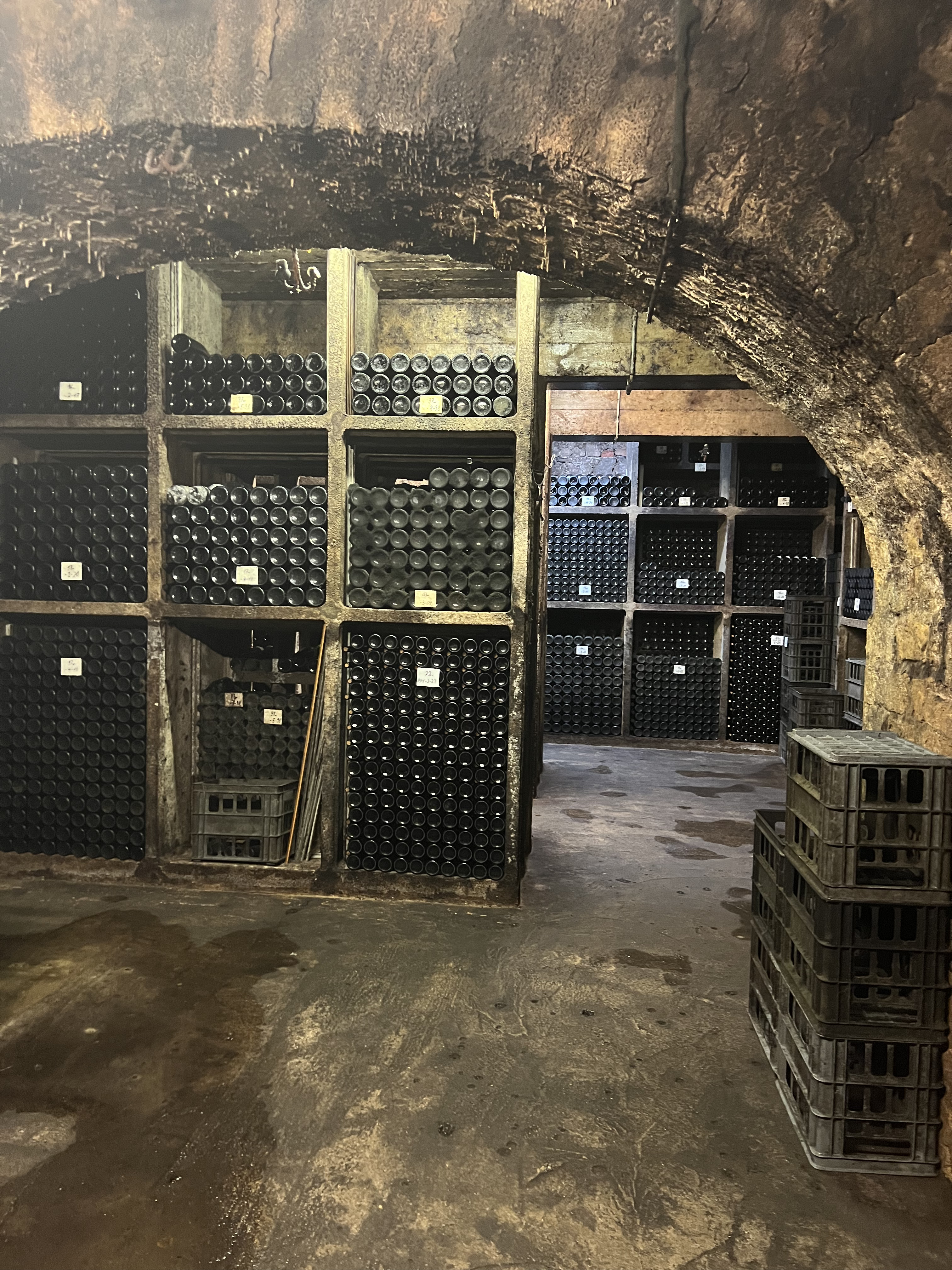
By then, it was almost time for my tasting at Zilliken, so I headed right on over, where I was greeted by Hanno and Ruth Zilliken. They are some of the most extraordinarily nice people that you will ever meet. This tasting went over what I expected in every single possible way, and lasted over 3 hours. We started with walking through the cellar, which was built in the 1920s and started being used in the 1940s after their old family estate was destroyed in WWII. This cellar we came to back and back again throughout the tasting… All wines are fermented spontaneously and matured in Fuder, from 13 hectares of land in Saarburger Rausch and Ockfener Bockstein. The oldest parcels are over 140 years old!!! Here’s a summary (if you can call it that) of what we went through:
For Zilliken, Hanno called 2025 a very lucky year, comparable to the great 2015. However, the highest Pradikat produced was Auslese GK.
2025 Riesling trocken
Harvested at 80 Oechsle. 11.5% ABV, 7.4g/L TA, 6g/L RS. Lots of yellow fruits. Very rounded palate but with amazing acidity. Aromatic and fun! Extraordinary quality for such a humble estate wine.
2024 Saarburg trocken alte reben
10.5% ABV. This is very pale and much leaner, almost watery. Personally, I didn’t like this wine as much as the estate wine in 2025. I think this is to be expected with such low alcohol in a dry wine. However, this is packed with minerality. Hanno said that 2024 was a difficult vintage for the Saar and Ruwer, with some producers losing up to 90% of their crops in the spring frosts.
2022 Saarburger Rausch GG
12% ABV, 7.3g/L TA, 7g/L RS. Lots of the smoky, herbal character I often associate with spontaneous fermentation. Most producers I have visited do spontaneous fermentation, so I guess it really depends on the parcel and vintage. Hanno calls this character a “freshness component”. Lots of dry extract. Very mineral. High acid and extremely tight. This is a wine I really love and look forward to seeing development in.
A temporary detour onto the topic of “freshness components”:
When I asked Hanno what he thinks of German wine law changes in 2007 relabelling Mosel-Saar-Ruwer as just Mosel, he didn’t seem very happy about it. He thinks that there is quite a fundamental difference between wines in the Saar and in the Mittelmosel.
Mosel is very aromatic and fruity, accompanied by fine acid. Saar wines are built around “freshness components”, while accompanied by aromatics and fruit.
When I asked Hanno about what he means by “freshness components”, he says that acid, minerality, citrus flavours all fall into this rather vague category. It is something which balances the opulence in higher Pradikats and gives lower Pradikats their charm, playfulness, and lightness. He says that looking at TA and RS isn’t everything, and that wines with more “freshness components” can be refined and elegant even with a lower TA. I think he is right–indeed all of the wines from Zilliken are wonderful, yet their TA is not as high as one would expect from the Saar.
2023 Auf Der Rausch GG
There is a special type of volcanic basalt called Diabas in Rausch, and it appears most prominently in the Auf Der Rausch monopole Gewann (i.e. somewhat similar to the Burgundian concept of a lieu dit). Usually, their GGs are matured for 9 months in Fuder and aren’t bottled until July/August the year after (unlike March/April for the Pradikatsweine). However, this special bottling was matured for 21 months in Fuder. Hanno remarked that this wine has some subtle wood tannins because of this. Personally, I don’t have much to say about this wine because it was quite closed. I think it will need some time to open up.
2025 Butterfly
11% ABV, 7.7g/L Ta, 16g/L RS. Butterfly is their medium-dry estate Riesling, which has been made since the early 2000s. This certainly does not taste like it has 16g/L of RS, and yet the TA is not immensely high (compared to the plenty of Kabinetts with 8-9g/L). Hanno says that this is where the “freshness components” come into play. I found this wine yellow fruited and quite smoky. Very delicious.
2022 Rausch Diabas
These are from wines that were originally meant to be for the GG, but which stopped fermenting at an off-dry RS level. First produced in 2009. Very spicy and mineral and quite creamy. I liked this very much but thought it was distinctively different compared to the GG.
I will mostly stop giving technical data from here on other than the occasional mention of must weight at harvest.
2020 Saarburg Kabinett
Citrus and honey water. Classic Saar character and very drinkable now.
2025 Saarburg Kabinett
Quite a bit richer than the 2020. Lots of ripe peach and candied lemon. Also slightly more structured than the 2020. I like this!
2025 Ockfener Bockstein Spatlese
Harvested at 97 Oechsle. This is very closed. Needs a bit of time.
2025 Saarburger Rausch Spatlese
Also harvested at 97 Oechsle. The nose is even more closed than the Bockstein, but the palate is tight and compact. Intense, structured, and admirably long. I liked this a lot more than the Bockstein.
2011 Saarburger Rausch Spatlese
2011 was very much like a less extreme 2003. This is a very quiet wine. There is not too much other than the clear development character of cream and toffee. The sweetness is beginning to recede and there is a slight bitterness on the finish. Hanno says that some of these wines go through a closed phase and take a long time to open back up again.
2006 Saarburger Rausch Spatlese Auction
I saw this bottle lying in the cellar labelled AP 02 07 and pointed out to Hanno that 2006 is my birth vintage (I am younger than most of you think…) Hanno thought it would be nice to taste it together. He remarked that 06 was overshadowed by the great 05 and 07 vintages, and that nothing above Auslese GK was produced. What a shame for me… This was much fresher and more herbal than the 2011. I really like this.
A small detour about AP numbers at Zilliken: Hanno says that in some vintages multiple bottlings of the same wine may be made (this is especially true in 2005, with 3 or 4 different LGKs). AP numbers are given in decreasing order of Pradikat, with auction wines taking precedence. Therefore, in 2005, AP 01 06 is the TBA Auction.
2025 Saarburger Rausch Auslese
8.5g/L TA, 97g/L RS. Lots of tropical fruits and a very floral character. This is not as mineral as the other wines. Very flashy and aromatic. Juicy and fresh!
2009 Saarburger Rausch Auslese Auction
Opened 2 weeks ago. This was the first wine that was quite disappointing for me. There was no obvious VA, but there is some mustiness and lactic aromas. Not so fresh after being opened for this long.
2025 Saarburger Rausch Auslese GK
8.6g/L TA, 115g/L RS. This is the highest Pradikat produced in 2025 (AP 01 26). Very juicy and very long. Some green tea?
2004 Saarburger Rausch Auslese GK Auction
I disagreed with Hanno about this wine and this vintage in general. Everyone I have met seems to think that 2004 is a very good vintage (including Carine at Joh. Jos. Prüm and Otto Markus Pauly at Weingut Otto Pauly). I wholeheartedly disagree after tasting some of these wines. This wine is very different than some of the others in the tasting. Very opulent with a hint of petrol. There is something that is not so fresh about this (which I have found with many other 04s).
Starting from around here I stopped spitting the wines 
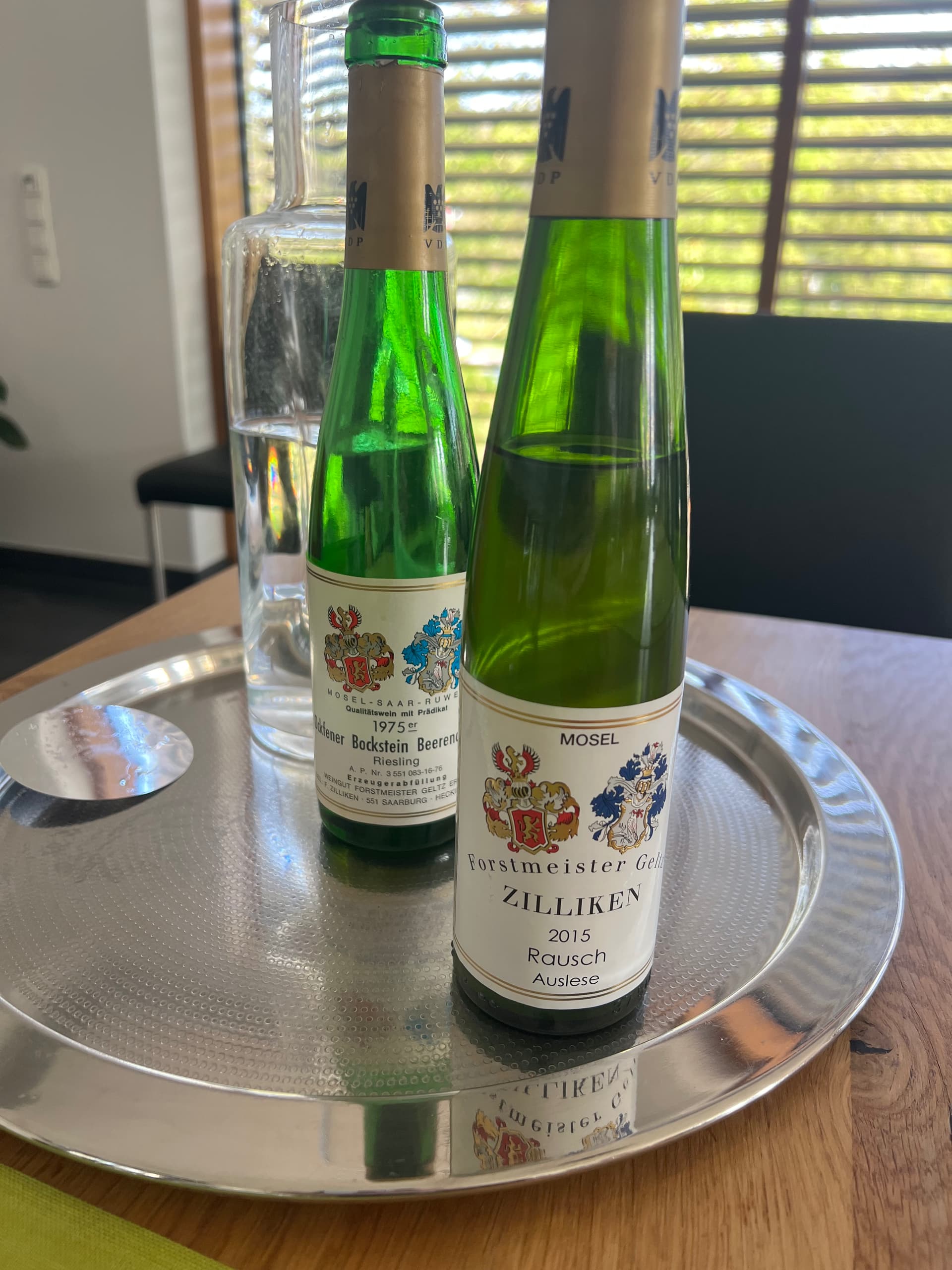
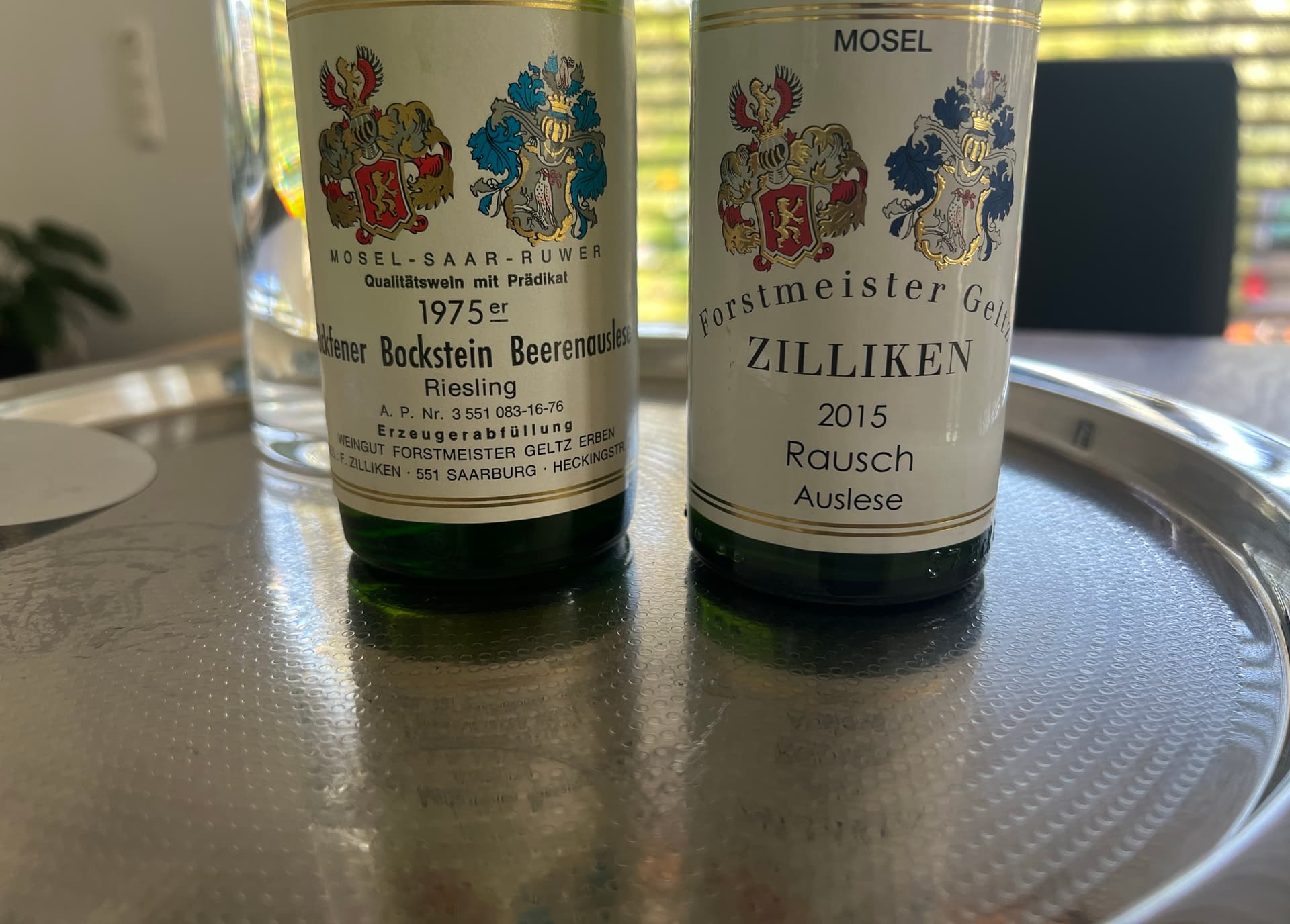
2015 Saarburger Rausch Auslese LGK
This is actually a wine I brought from my own cellar. I have previously had the 05 LGK Auction and was wondering how the 15 is doing. There is a massive saltiness and minerality to this wine. Slightly raisined and opulent but this wine is also so ethereal and light at the same time. Extremely long. Both Hanno and I loved this wine, so I left this for him to keep using in the tasting room. I also liked this marginally more than the 1997 Saarburger Rausch Auslese LGK that we opened later, though at this moment 2005 beats them all. But who knows with time? Zilliken’s LGKs sit at the heights of German wines, and are consistently one of the best bottlings I have had.
1975 Ockfener Bockstein Beerenauslese
This was a bit musty when it was just opened, but got slightly better. Harvested at 115 Oechsle, so probably not even an Auslese GK by today’s standards. Burnt butter and hazelnuts. Neither much opulence nor much elegance here. This is not showing well and I certainly don’t think it will get better.
1997 Saarburger Rausch Auslese LGK Auction
Absolutely wonderful! This was tasted semi-blind, and I guessed 1983. This wine showed a bit older than expected, but will probably still age for much, much longer. It’s just that potential-wise I don’t think it can reach the staggering heights of the 2005 or 2015.
I do believe we had a few more wines but they were so good that I focussed on the wines rather than writing notes…
It is quite well known that Hanno’s best vintages are 1983 and 2005. However, near the end of the tasting I asked Hanno an unexpected question–what was his worst vintage? He says that 1980 and 1987 were pretty dreadful. This is unfortunate for Dorothee Zilliken, whose birth year was 1980. Coincidentally, I had Hanno’s 1980 Saarburger Rausch Riesling Kabinett-Eiswein Auction, which I thought was wonderful (despite MFW’s low score). Regardless, the need to freeze grapes to make something of Kabinett ripeness shows how horrible 1980 was. The 1987 I had never tasted before, so Hanno thought that getting a Kabinett from 87 was a good idea to compare for me.
1987 Saarburger Rausch Kabinett
This wine was marred by something TCA-like. Even without that the structure is long gone. Hanno agrees with me, but says that this is his last truly bad vintage.
In light of this, we talked a bit about global warming and its impacts. Hanno says that so far, Saar is mostly winners of global warming (except of course the frost in 2024). He is much less worried about it getting too hot, and more worried about extreme weather (rain, frost, hail, etc.) Even with these extreme weather events, Zilliken has managed to obtain some sort of biodynamic/organic certification over the past few years. Hanno was very proud when telling me about this, but he didn’t know the English word for the exact certification (he said biologie?)
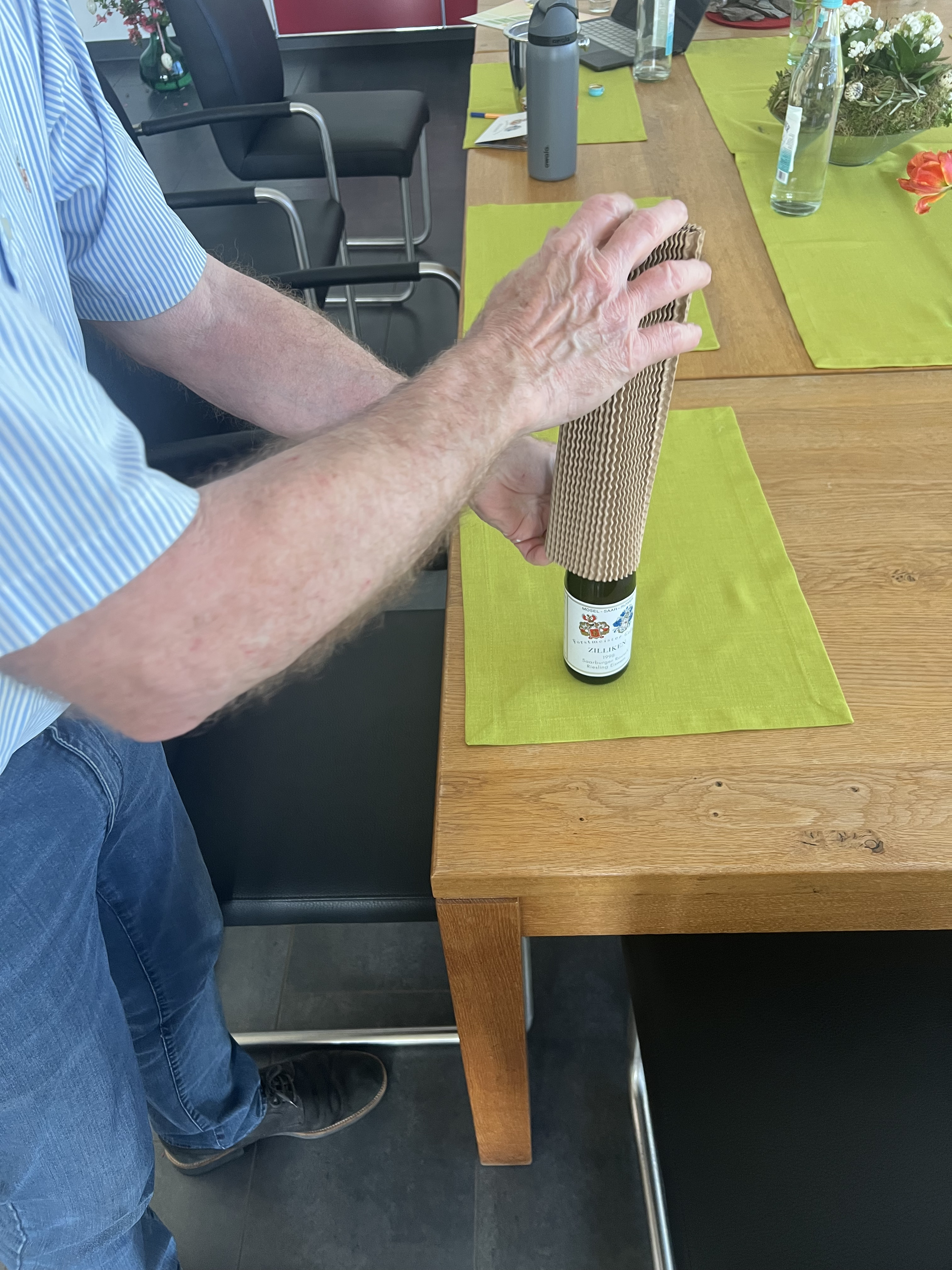
Now with the tasting wrapping up, Hanno offered me something in his cellar. I had no clue what I could ask for. To be honest, I wanted a 1983 Eiswein Auction or another bottle of the 2005 TBA Auction which I already have, but I’m afraid it is too big of a request. So I asked Hanno to choose something which he thought was “fairly old and interesting”. This was the biggest surprise of the day!!! He came walking back from the cellar with AP 01 99. I think my brain was not working very well yesterday when I said I don’t remember what it was… I must have been confused when compiling my photos since this was NOT part of the tasting but instead something which I brought home. It is a true rarity: 1998 Saarburger Rausch Eiswein Auction. As I said above, AP 01 and AP 02 are TBA-Eisweins, while AP 03 is a Beerenauslese-Eiswein downgraded to Auslese LGK.
In fears of this not surviving the trip back to the UK and into my cellar, I will drink this tomorrow at Schanz (3 star Michelin in Piesport). I mentioned earlier I couldn’t get a reservation at either of the 3 stars in the Mittelmosel, but something interesting happened today which I should update in my next report.
With the 2025 vintage now mostly bottled, this marks Hanno’s 50th vintage (he started in the legendary 1976). Congratulations Hanno!!! And so much gratitude to him for being extraordinarily generous with his time and wines, and being so patient with me.
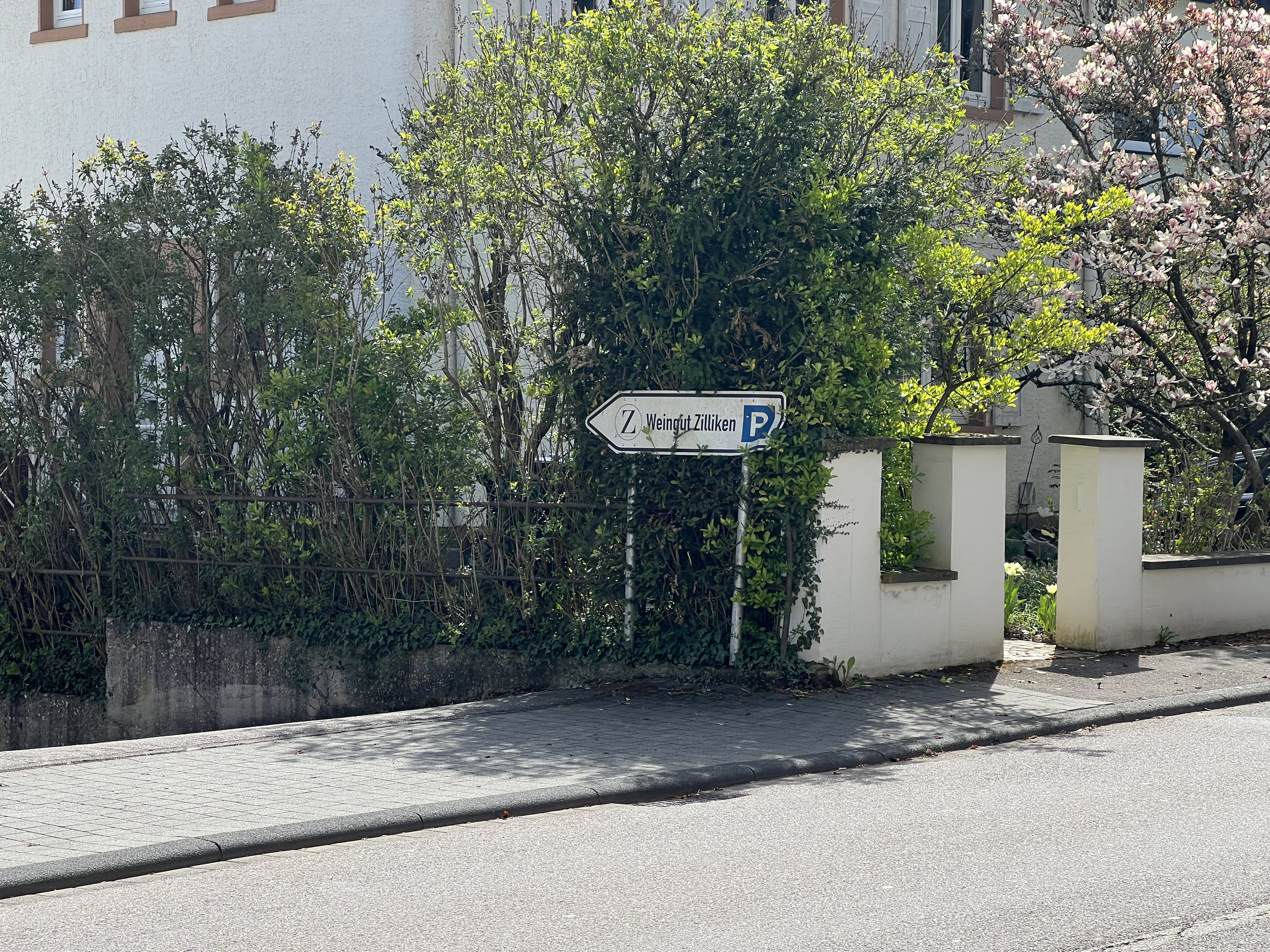
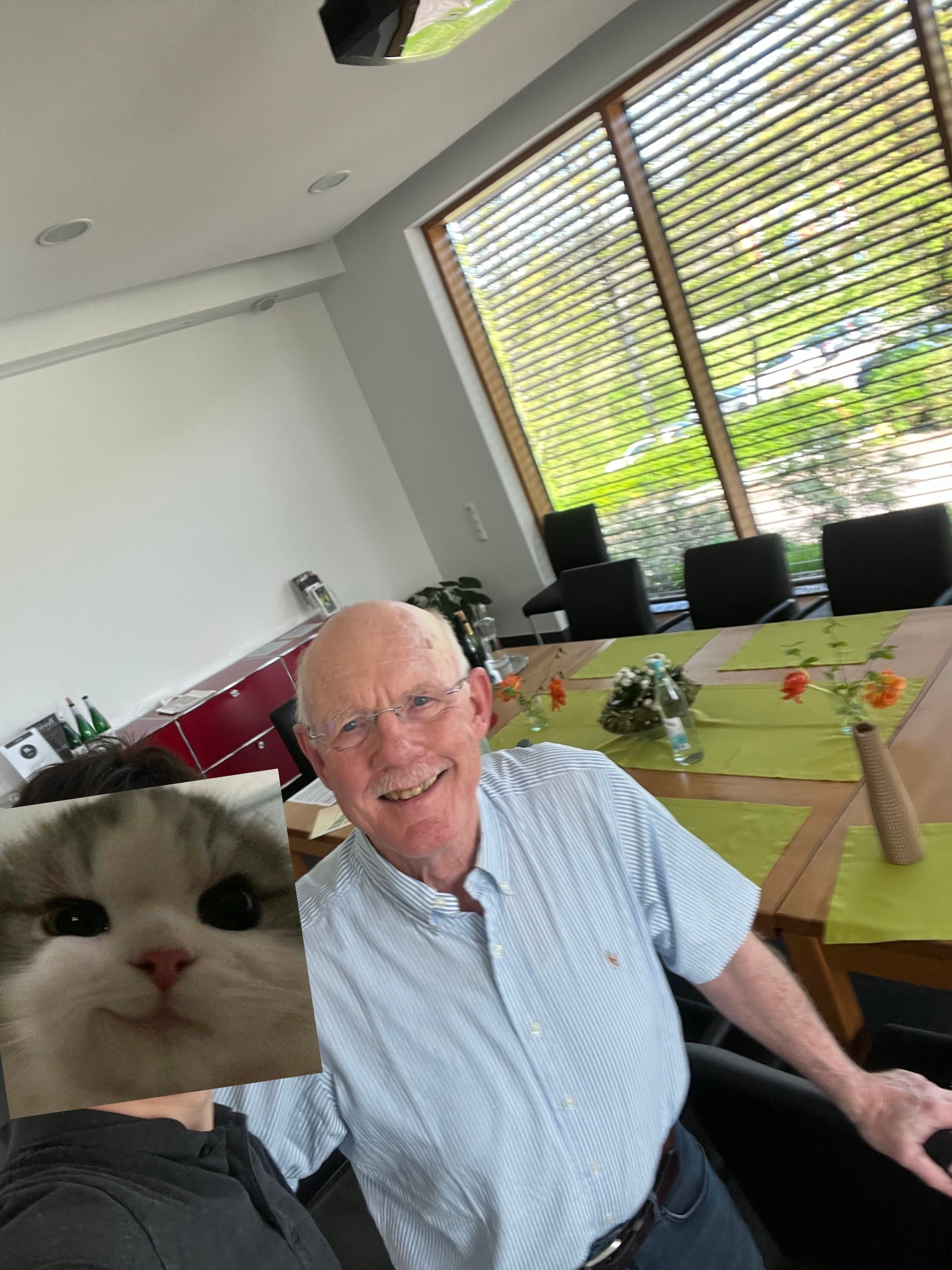
By the time I finished this tasting, I was completely exhausted and overflowing with joy… I visited Vinothek der Saar on my way back to the train station, but it was a much smaller shop than some of the other ones I had visited and there also wasn’t anything I was interested in. Fortunately, the train from Saarburg back to Wittlich was not delayed, and that marked the end to a very exciting day!
5 Likes
Ahhh, for people reading my previous post and wondering what Kabinett-Eiswein is, I should mention that when the German wine law established the Pradikats in 1971, Eiswein was not one of them. Instead, it was (for the most part) seen as a method to achieve better ripeness in cold, green years. Hence, “Eiswein” is appended to the Pradikat to specify this. However, since 1982, the German wine law has been amended to include Eiswein as a separate Pradikat with the same must weight requirements as Beerenauslese.
And my day 4 report now finished as well!
I woke up early in the morning to get breakfast at Burgblickhotel–very good and consistent with my notes on day 2. However, today was a cloudy day 
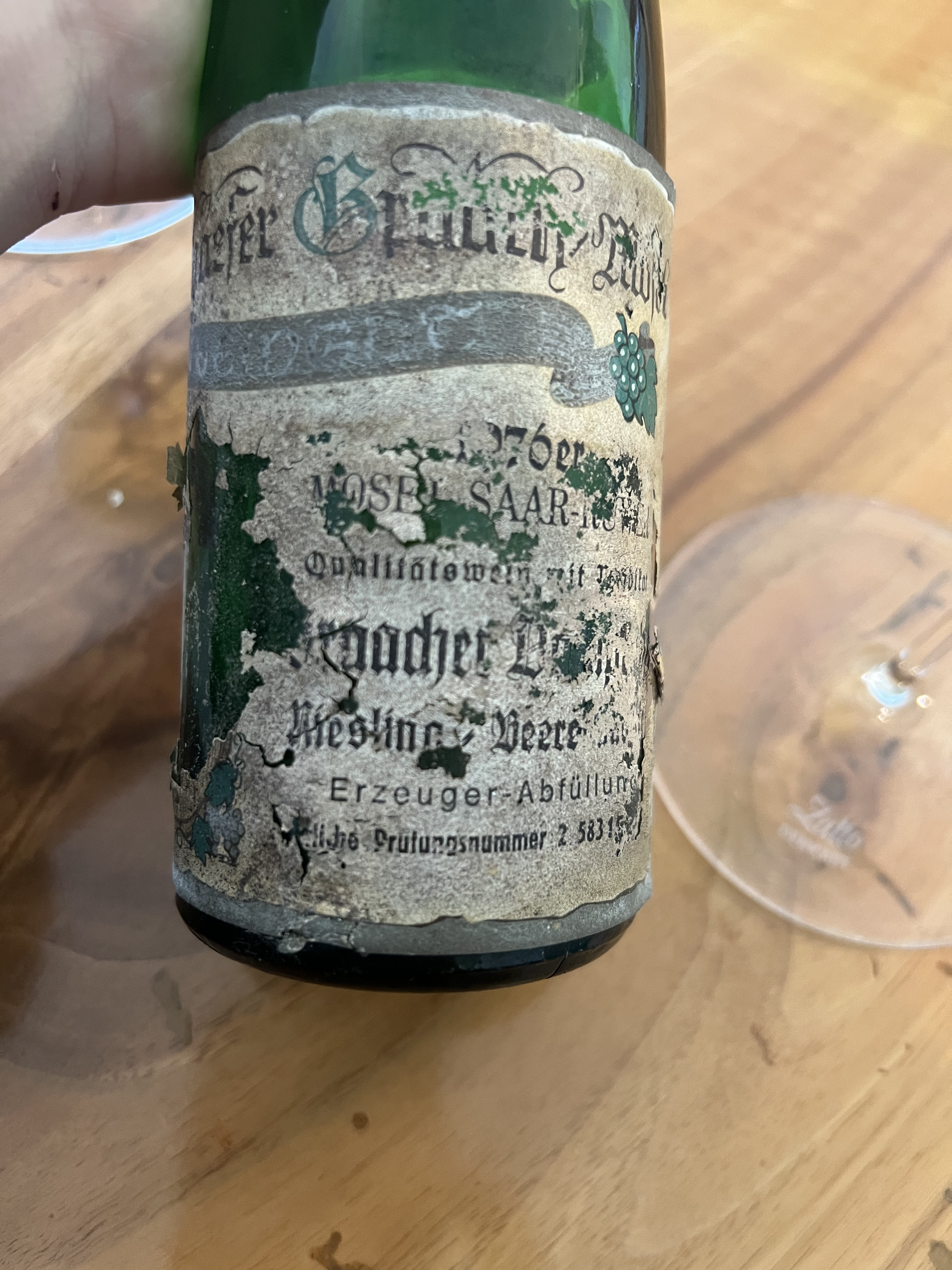
I then biked to Graach for an early morning tasting with Willi Schaefer. Andrea Schaefer greeted me at the door and invited me to a quaint little tasting room with an open half bottle of 1976 Graacher Domprobst Beerenauslese. I brought along my 76 Auslese I had from Zeltinger Hof to have with lunch, but this seemed to be a nice opportunity to compare. I poured Andrea and Christoph a bit blind, and we compared it. Turns out that the wine has declined quite a lot, but even if it hasn’t, there was no comparison at all. It was literally like water in front of the BA.
1976 Graacher Domprobst Beerenauslese
Opened a few days ago. Medium gold. Not even amber at all. Their wines truly are distance-runners. The nose is also very primary. How could this even be possible? Very intense and very long, but with the signature purity and elegance of Willi Schaefer. They are one of the few that carries this sort of lightness in the Mittelmosel. Tastes a bit like their 2006 Domprobst BA which I had two months ago, but even more pure. There is every reason to believe that this wine will last at least another 50 years.
A bit about their vineyards/winemaking/etc.:
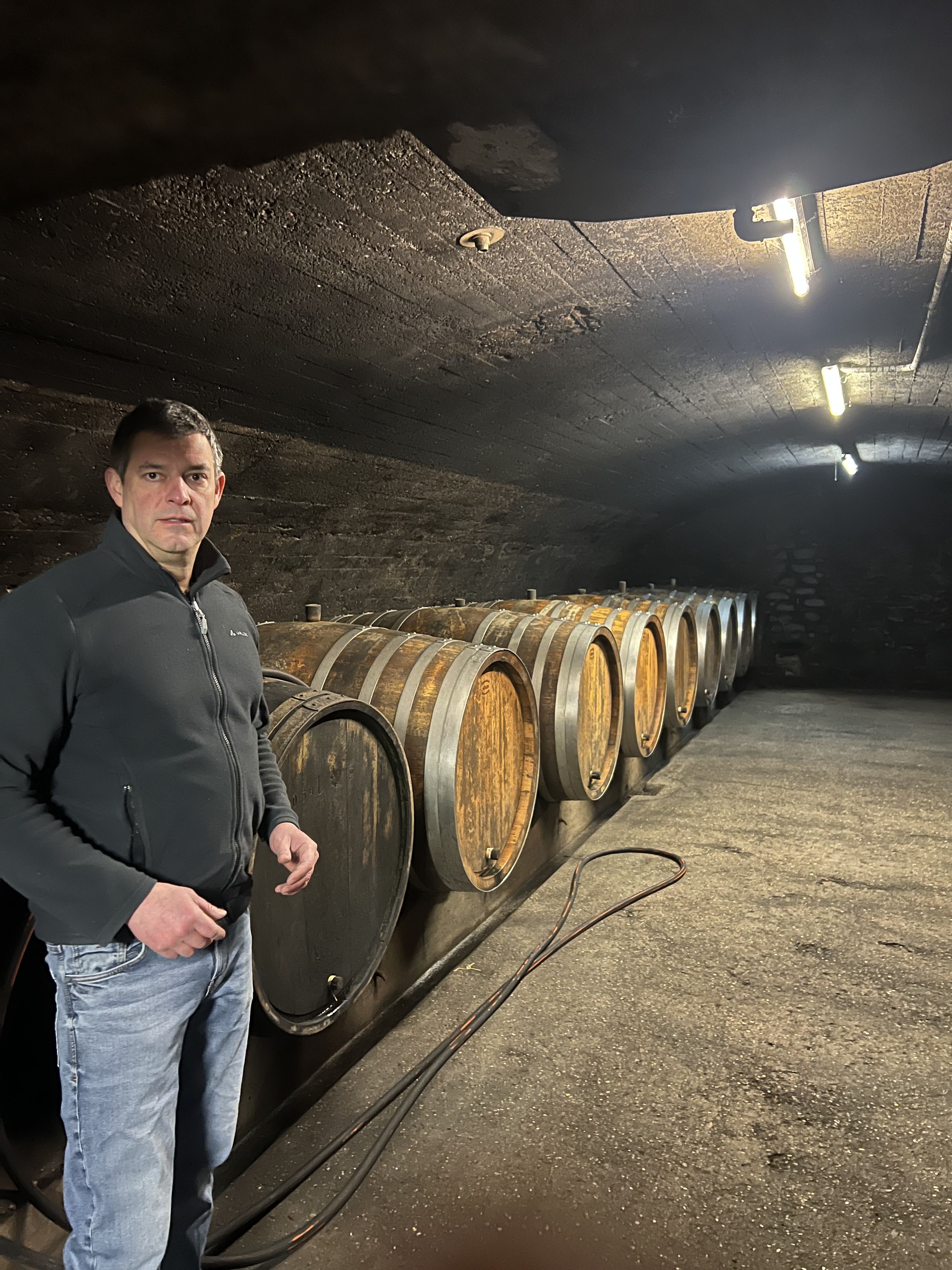
They hold 5 Ha total in the Graacher Domprobst, Graacher Himmelreich, and Wehlener Sonnenuhr. Some parcels are young plantings and others are 100+ years old. Domprobst and Himmelreich have lots of water veins, which makes it good for dry years. Production is usually between 15000 and 35000 bottles. They ferment 100% wines spontaneously in Fuder, and mostly use natural corks. Andrea, like many other producers, said that she experimented with some screwcaps in the early 2000s after some problems with TCA (for producers in general, not them specifically). However, she decided that natural corks are better for ageing, and that they have gotten a lot better since.
We tasted through all the 2025 bottlings, and she said that they will be bringing two wines to the VDP Auction in May 2026, Domprobst Kabinett and Wehlener Sonnenuhr Auslese.
2025 Graacher Domprobst Kabinett
Very, very juicy with lots of ripe peach. Candied lemon. Extremely mineral as well. This is a bit more opulent than the 24s that I’ve had.
2025 Graacher Himmelreich Kabinett
Very smoky and herbal. Super salty. Restrained fruit and compact structure.
2025 Graacher Domprobst Spatlese AP 10 26
Willi Schaefer usually has two bottlings of their Spatlese, AP 10 and AP 05. This is AP 10 26, which is supposed to be more elegant and classy. Right now, this wine is a bit closed. On the palate very linear and compact, but packs a big punch!
2025 Graacher Himmelreich Spatlese
Also a bit closed. Quite creamy on the palate and a bit more showy than the Domprobst. But smoky and herbal as well like the Kabinett.
I think both of these Spatlesen will be exceptional with sufficient time.
2025 Graacher Domprobst Spatlese AP 05 26
AP 05 is supposed to be the riper and more opulent bottling. This is extremely similar to AP 10 on the nose, but on the palate quite different. Compared to the AP 05 which is linear and compact, this wine is juicy and already quite obvious. I think it is very drinkable now but Andrea says that this needs a long time.
2025 Wehlener Sonnenuhr Spatlese
This wine is much more open. Saar-like I would say. Citrus and honey water. Some floral character. Andrea says this has lots of juicy peach compared to the other wines, which is clear on the palate.
2025 Graacher Domprobst Auslese
Only 500L of this produced. Extraordinarily mineral, with restrained fruit character. Andrea says this one needs a lot of time to come round. I agree with her, since the acidity and sugar both stand out (how can that be?) and need time to integrate. Once well integrated, this will be a great wine. But not too drinkable now.
2025 Wehlener Sonnenuhr Auslese
Only 150L produced! I think all of this will be auctioned next year. Very closed. Much sweeter on the palate than the Domprobst. Very pure. Andrea tells me that this comes from 100% noble rot and raisins, with no yellow berries! I think this is much more drinkable now than the Domprobst, but better in 10 years.
I find that Willi Schaefer makes wines that are almost completely unique in the Mosel. They have a very distinct house style which embodies absolute purity and elegance. Hence, in their youth some of the wines can seem quite acidic and hard to taste, but which shine with time. The 1976 BA is testament to this. The tasting ended with Christoph Schaefer showing me the cellars. This was a slightly short tasting since they had a tasting right afterwards, but Andrea and Christoph were super nice people. I remember when I initially emailed Andrea she was extremely receptive and gave me lots of advice about Taxi companies and places to rent E-Bikes. Thank you Andrea!
Next up is Joh. Jos. Prüm, one of my most favourite producers and one that I consistently buy from the most again and again. The reason is very sentimental–my first ever Riesling (and one of my first ever wines) is their 2020 Graacher Himmelreich Kabinett. This wine was love at first sight… I have since tasted bottlings of Auslese LGK, BA, Eiswein, etc. and everything I could get my hands on.
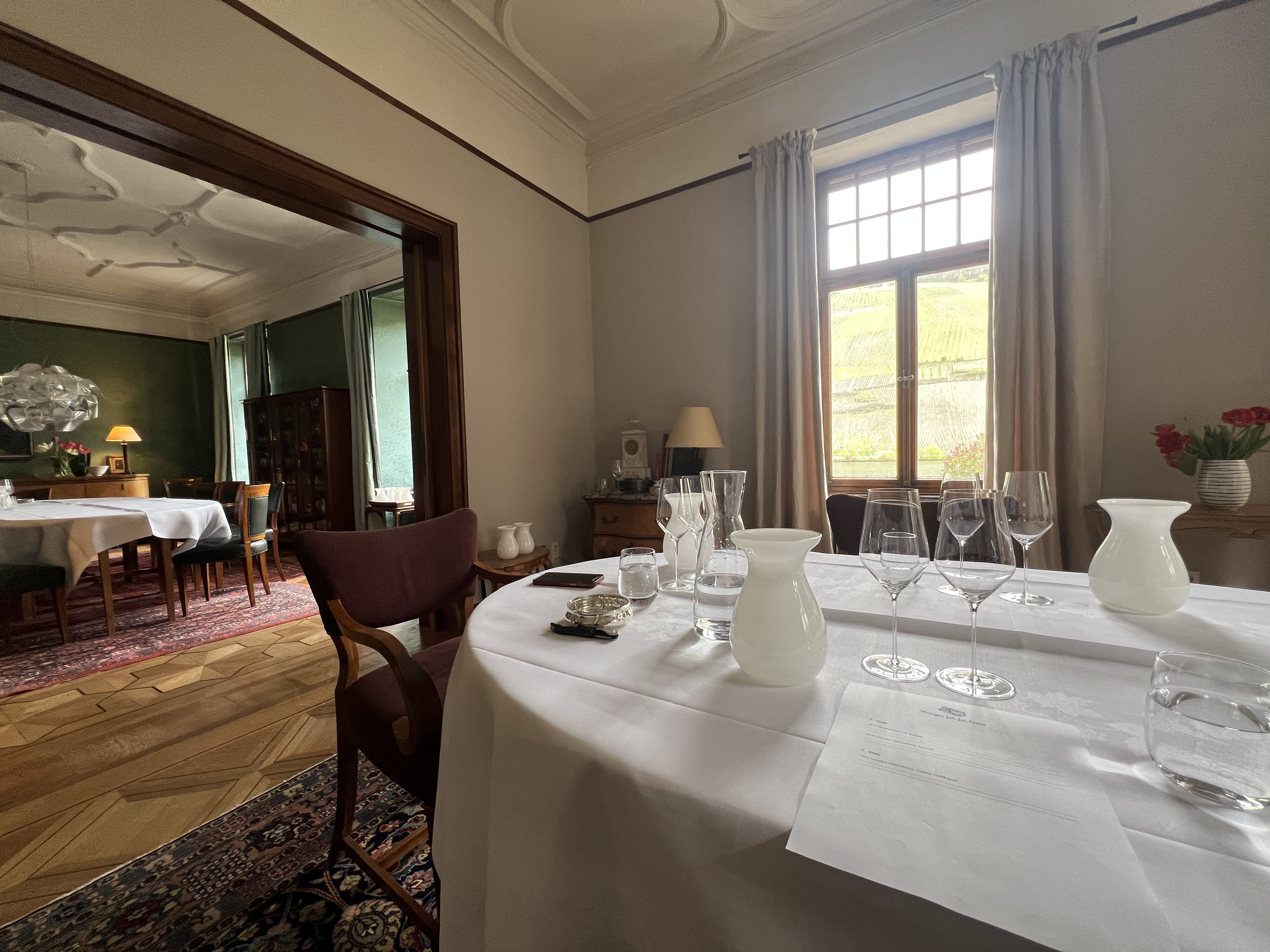
My tasting was a very intimate one hosted on a small table in the tasting room which had an amazing view over the Wehlener Sonnenuhr. I was initially met at the door by Amei Prüm, and welcomed in by Carine Patricio and Dr. Manfred Prüm, who are some of the most hospitable people that I met so far. Originally, we were supposed to finish at 1PM since they were off to Nahe for a tasting at Schlossgut Diel at 4PM, but we went on for another hour! When I mentioned that I couldn’t get a reservation at either of the 3 star restaurants, Carine very kindly called Schanz and was able to convince them to add an extra table for me! Thank you Carine!!! She and Manfred were also so kind to gift me with a case of their 2006s from Graacher Himmelreich (Spatlese, Auslese, Auslese GK). It is such a shame that I can’t take these home with me because of my luggage limit…
A quick summary:
- Everything is spontaneously fermented in stainless steel (which they switched to in the 1980s)
- No botrytis at all until GK
- Approximately 21 Ha of vineyard holdings in the Zeltinger Sonnenuhr, Wehlener Sonnenuhr, Graacher Himmelreich, and Bernkasteler Badstube (which includes the Lay and their Eiswein parcel, the Johannisbrunchen)
- We did not taste any 2025s yet since they have not even started blending. Usually the new vintage will only be bottled until much later in the year, unlike many other wineries which bottle in March/April.
I really loved almost all of the wines here. The ones I didn’t fall in love with immediately are the 2023s, which have an interesting rubbery and smoky character I find difficult to describe. This vintage is in general fairly closed so I am sure this will resolve with time. The only reason that my tasting notes are very short is because we had such lively conversation and were too short on time…
2024 Wehlener Sonnenuhr Kabinett
Classic Mosel Kabinett. Some white peach and herbal character. Very high acid! Good intensity. Probably needs a bit of time for the acid to integrate better.
2023 Wehlener Sonnenuhr Kabinett
Much more mineral. Hint of VA? Rubbery. Lots of iodine. A bit of a weird wine for me and I am curious how this will develop, but I have a feeling it will come round with time.
2024 Wehlener Sonnenuhr Spatlese
Candied lemon, green tea, and lots of spice. Some red berries even.
2023 Wehlener Sonnenuhr Spatlese
Rather ripe, but in character very similar to the Kabinett
2023 Graacher Himmelreich Spatlese
Lots of spiel. Much lighter and airier than the Wehlener Sonnenuhr Spatlese. Quite herbal and smoky. Very, very long. This is without a doubt my favourite of the three 2023s for drinking now.
2015 Graacher Himmelreich Spatlese
Just a hint of development on the nose, but otherwise very similar to the 23. Very long and intense as well.
2019 Bernkasteler Lay Auslese
I thought this showed a bit weird. Very lactic. Carine thought it was ok, but I think I will need to try this wine again.
2019 Graacher Himmelreich Auslese
Initial impression seems quite ripe for the Graacher Himmelreich, but I guess it is typical for 2019.
2003 Graacher Himmelreich Auslese Goldkapsel
This is a wine which has finally come round with time, and shows that even wines with *relatively* low acid can be distance-runners. While fundamentally different than the 1976, 2003 was a very hot and dry vintage as well. Some nice tertiary development and a wine I thought showed really well. Oddly enough, after asking around, this seems to be a wine they love to show at tastings. Does anyone know why?
Earlier on when tasting the 2024 Kabinette and Spatlesen, I had remarked that I thought it was a very classic and elegant vintage, and that I liked many other producers’ lower Pradikats over the higher Pradikats. At this point in the tasting, Carine brought up my remark again and surprised me by saying that they were very happy with 2024 since they produced Auslese Goldkapsels from basically every vineyard. She then went back to the fridge and grabbed the three GK bottlings to taste.
2024 Bernkasteler Lay Auslese Goldkapsel
Very, very juicy with lots and lots of ripe peach. Usually an Auslese GK can be painful to drink at such a young age but this is very enjoyable already!
2024 Graacher Himmelreich Auslese Goldkapsel
A bit lactic which I found odd. Somehow this blows off with air (?) Very pure and noble botrytis. Very structured and long. My favourite of the 24 Goldkapsels.
2024 Zeltinger Sonnenuhr Auslese Goldkapsel
Similar to the Graacher Himmelreich, but a bit riper and a bit less lactic.
And finally the following wines blind
2010 Graacher Himmelreich Spatlese
I thought this wine was something from 2011, 2016, or 2018. Otherwise did not have too much of an idea about the vineyard. Very fresh and young but just a whiff of TDN here suggesting a fairly sunny vintage.
1998 Bernkasteler Lay Auslese
I thought this wine was between 20 and 30 years old, but couldn’t find any obvious vintage characteristics other than the fact that the acid was quite high. The sweetness really has integrated on this wine. Manfred was able to guess perfectly!!!
And we finished off with something I brought myself. This is the first bottle from a case in my own cellar, and this bottle has been shipped a few times now so may not be in perfect condition. I was curious how the Eisweins are developing so I thought tasting this together at the estate would be nice.
2002 Graacher Himmelreich Eiswein Lange Goldkapsel
This is a rather Nahe-like style of Eiswein which is quite opulent (but maybe less so than Rheingau) rather than airy and elegant. Not showing well initially, but got much better with time. I still think it wasn’t a perfect bottle, but Herr Prüm remarked: “Sehr gut”
Close to the very end of the tasting I asked Manfred what he thought the best ever vintage was, and he hesitated between 1949 and 1959. I think maybe one day I will be able to taste these wines, though they are getting more expensive by the day! Also one interesting thing I heard from Carine was that Fongyee Walker MW and Edward Ragg MW will be tasting at Joh. Jos. Prüm in a few weeks time! This is a really big coincidence since Fongyee was one of my teachers when I did the WSET Level 3 in China last year. Edward, on the other hand, trained me early this year when I was on the varsity team for the Cambridge vs Oxford Blind Wine Tasting Match!
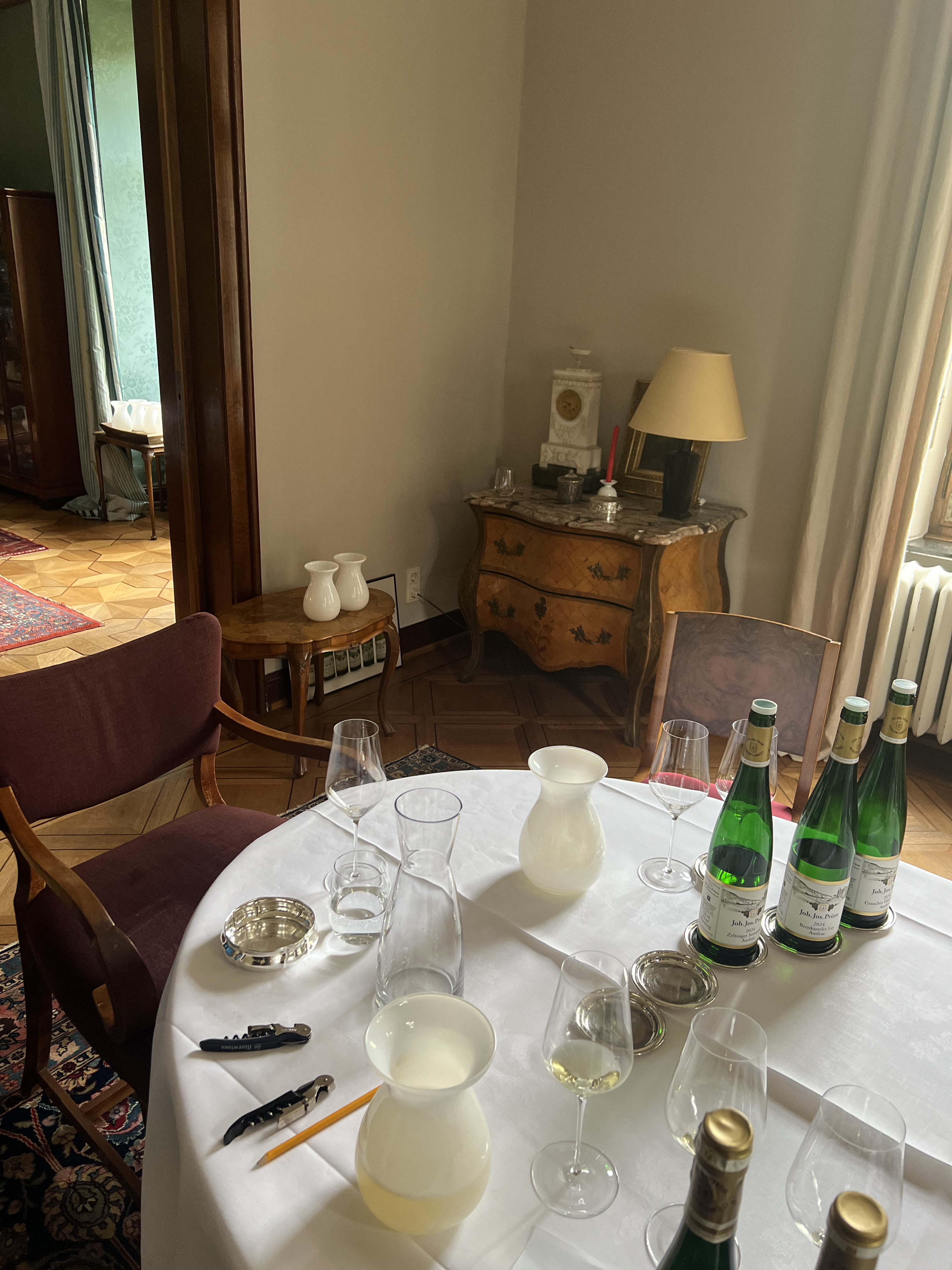
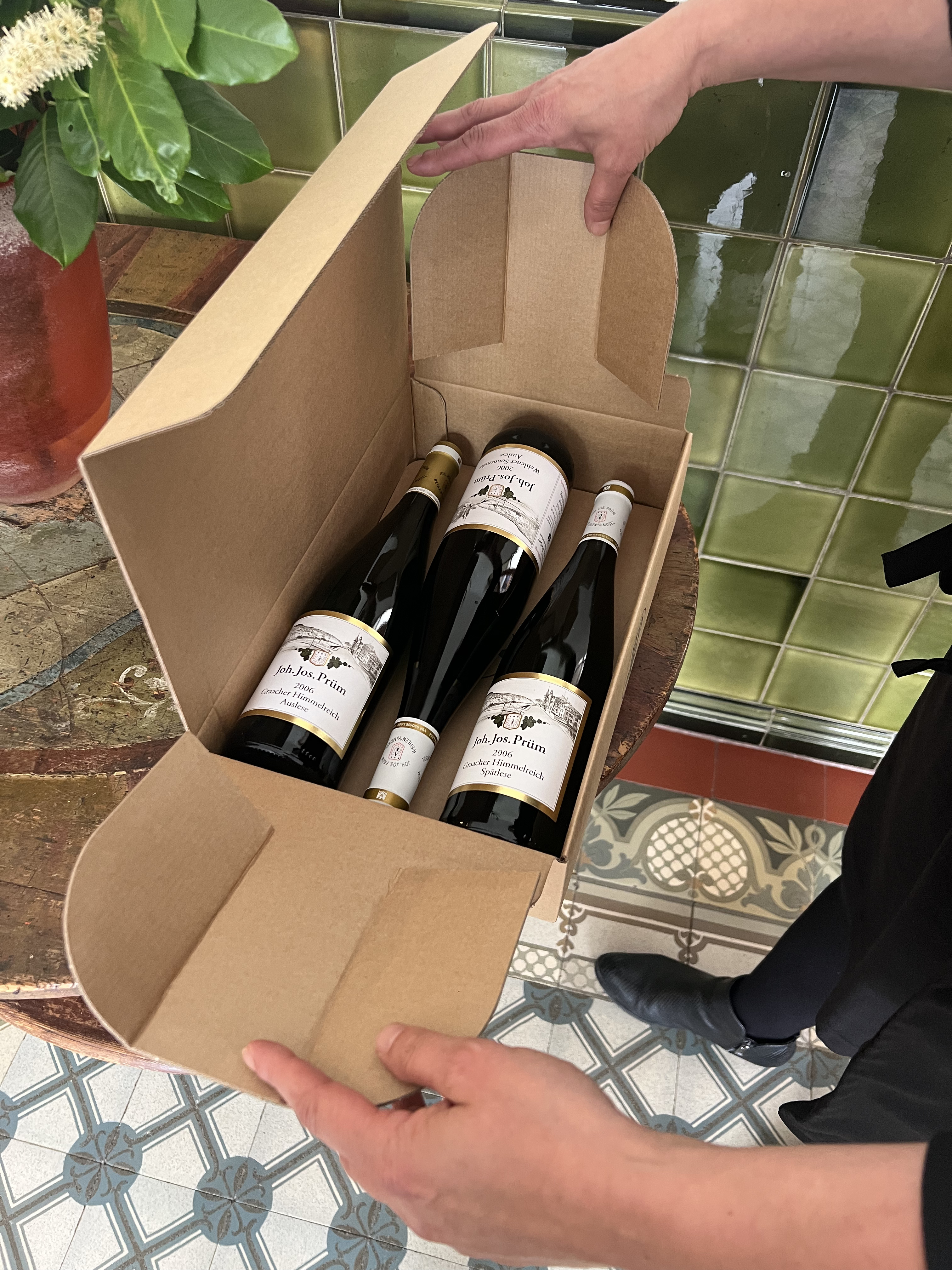
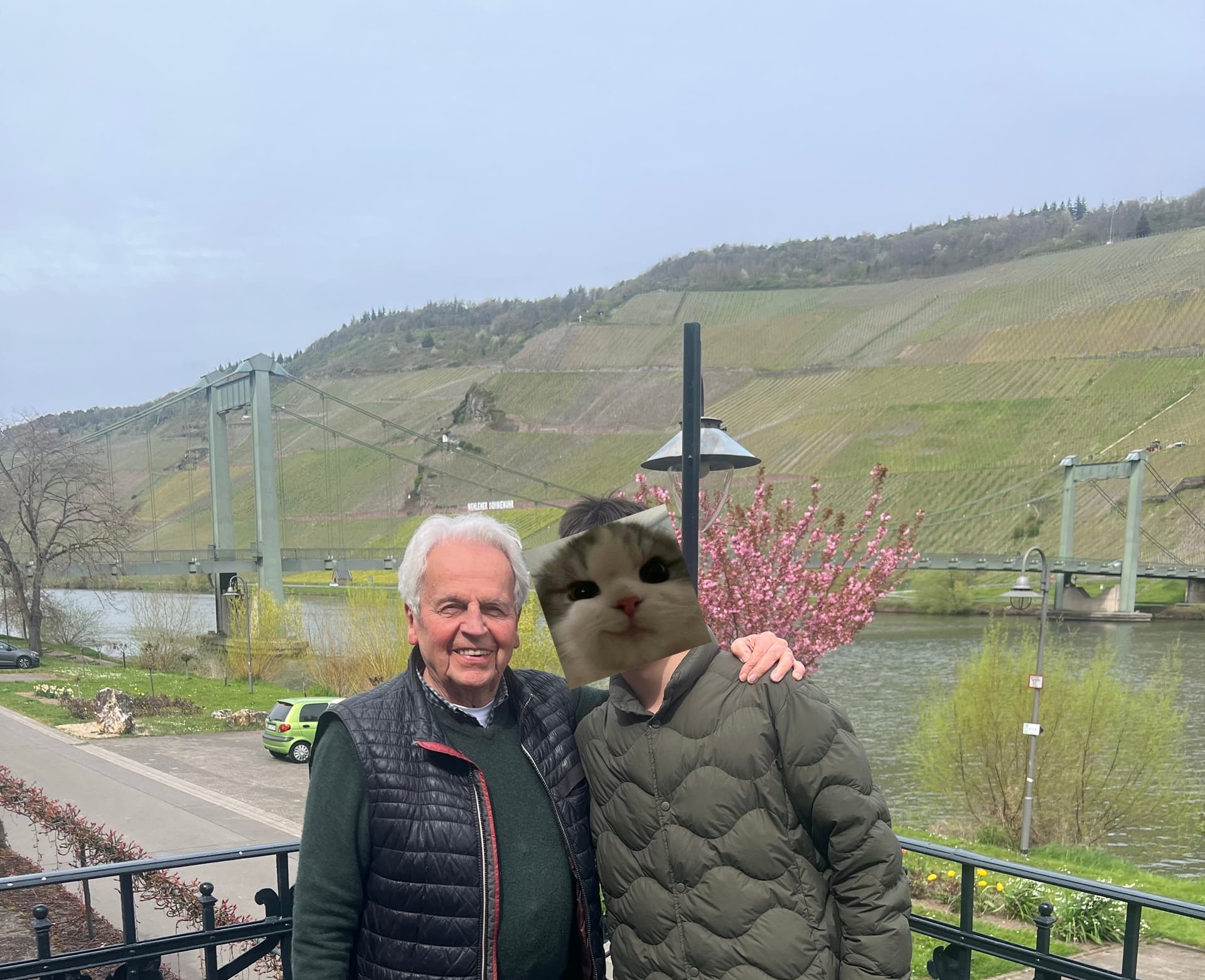
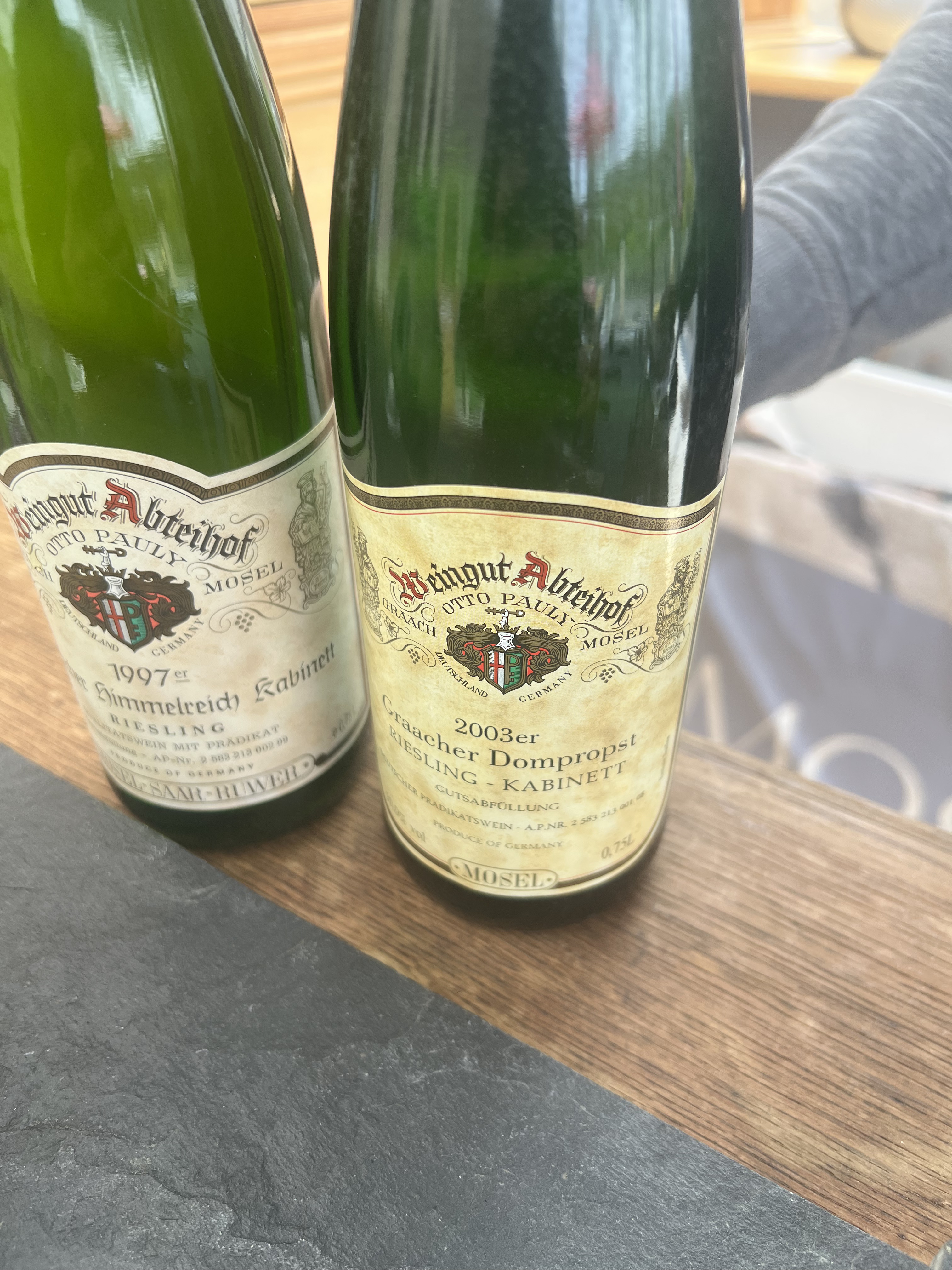
I skipped lunch today since I was running very late after Joh. Jos Prüm. I had my final tasting of the day at Weingut Otto Pauly in Graach. I walked into this tasting not knowing what to expect because I have never had or seen their wines in the UK/China before. This was actually a tip I got from reading some wonderful reviews on reddit, and it was certainly worth the stop. I had a great conversation with Otto Markus Pauly, who took over in 1999. The tasting was held on their terrace just at the edge of Graach, overlooking the river. Absolutely beautiful view and impossible to miss it when travelling from Bernkastel to Zeltingen. Unfortunately it was still cloudy in the afternoon…
Honestly, by this time my teeth started becoming a bit uncomfortable with the acid, and I had already gotten a bit tired of tasting Riesling (OUCH!!! I never would have imagined this day) so I stopped keeping detailed notes…
I told Otto that I should probably limit myself to things I haven’t tried and just a few bottles (i.e. maybe an old Kabinett or something). Turned out not to be the case since Otto was super generous and hospitable and we opened bottle after bottle. He is very popular as well! He held a wine tasting right before I came and people kept arriving asking for tastings while I was there.
During the middle of the tasting he said he had something interesting and walked back with an unlabelled bottle that turned out to be a 1976 Graacher Himmelreich Beerenauslese… Wow, two of these in one day! This is noticeably riper and more evolved than the Willi Schaefer this morning, but still a very interesting learning experience!
In terms of the wines, some of them were a bit heavy for my taste (Fruity styled Pradikatswein reaching alcohol levels of 10%). However, the pricing on the older wines is incredible and if you want to have an affordable education into the wonders of maturing Mosel then this is something you cannot miss.
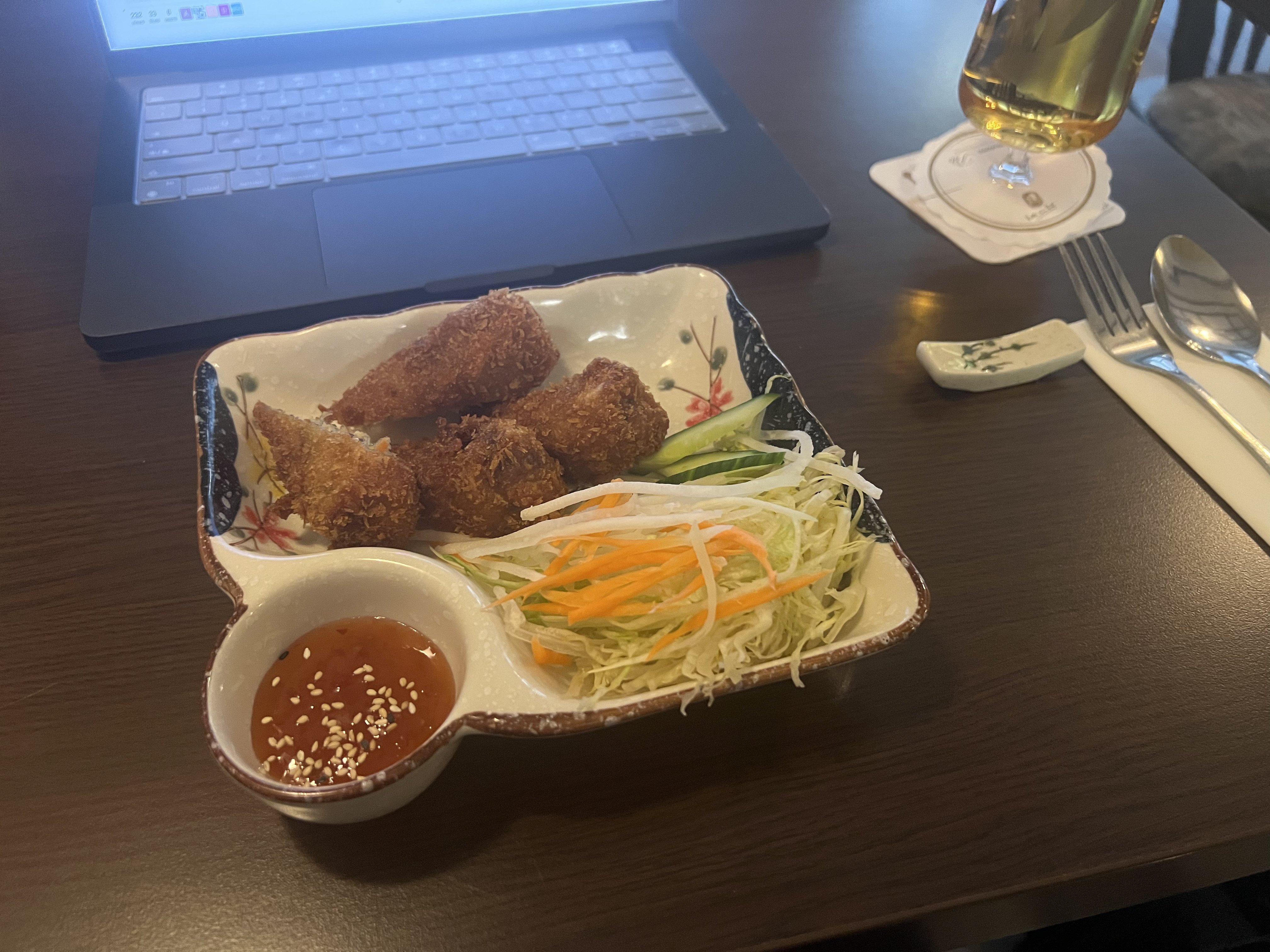
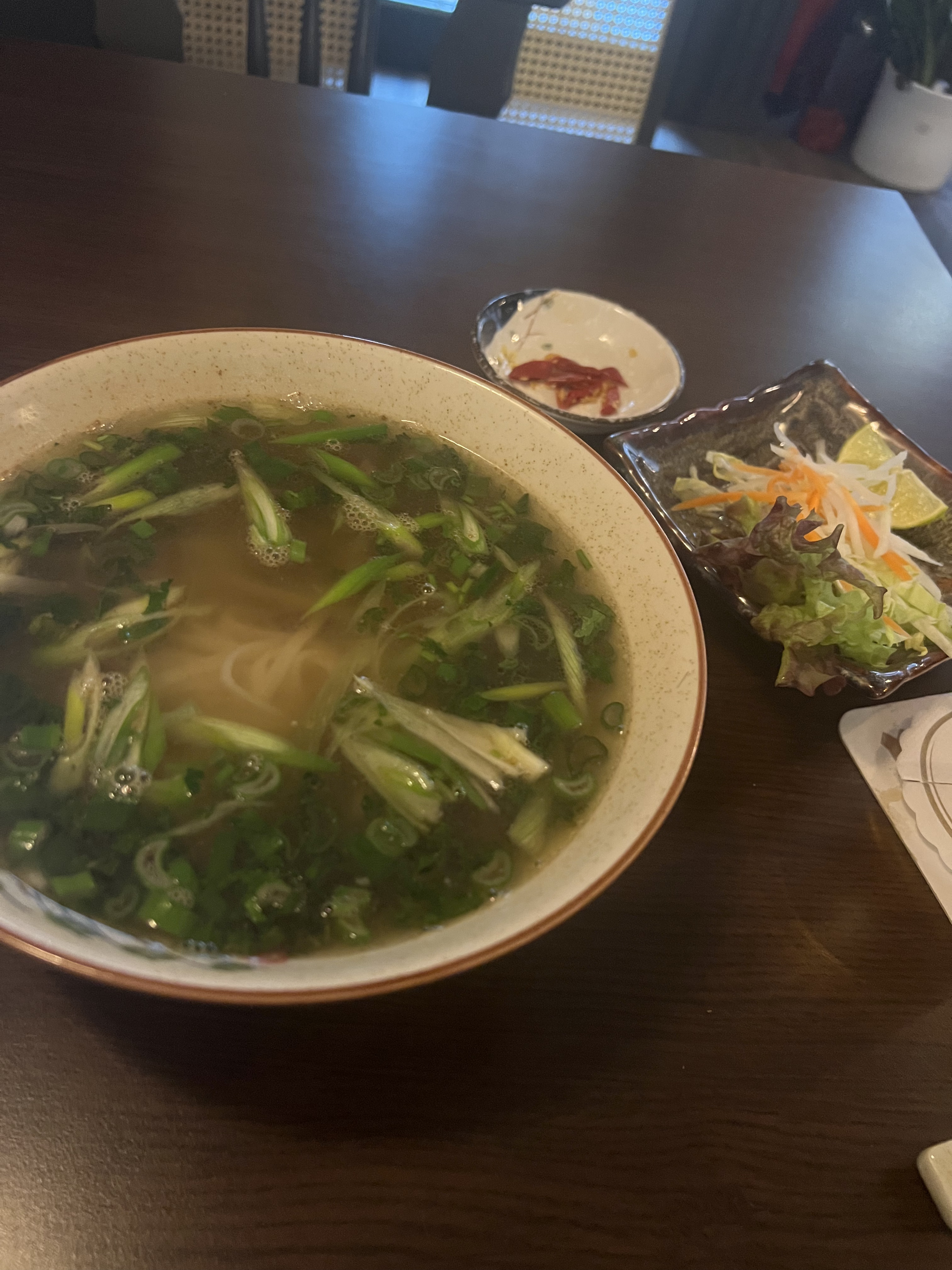
For dinner, I went to a Vietnamese restaurant in Bernkastel called Misoka. Delicious spring rolls and pho at decent prices. However, the portions are a bit small compared to some of the other restaurants.
Really looking forward to Schloss Lieser and Max Ferd. Richter tomorrow! I have some friends who have personal connections to them so will be bringing good wishes to them from many people 
5 Likes