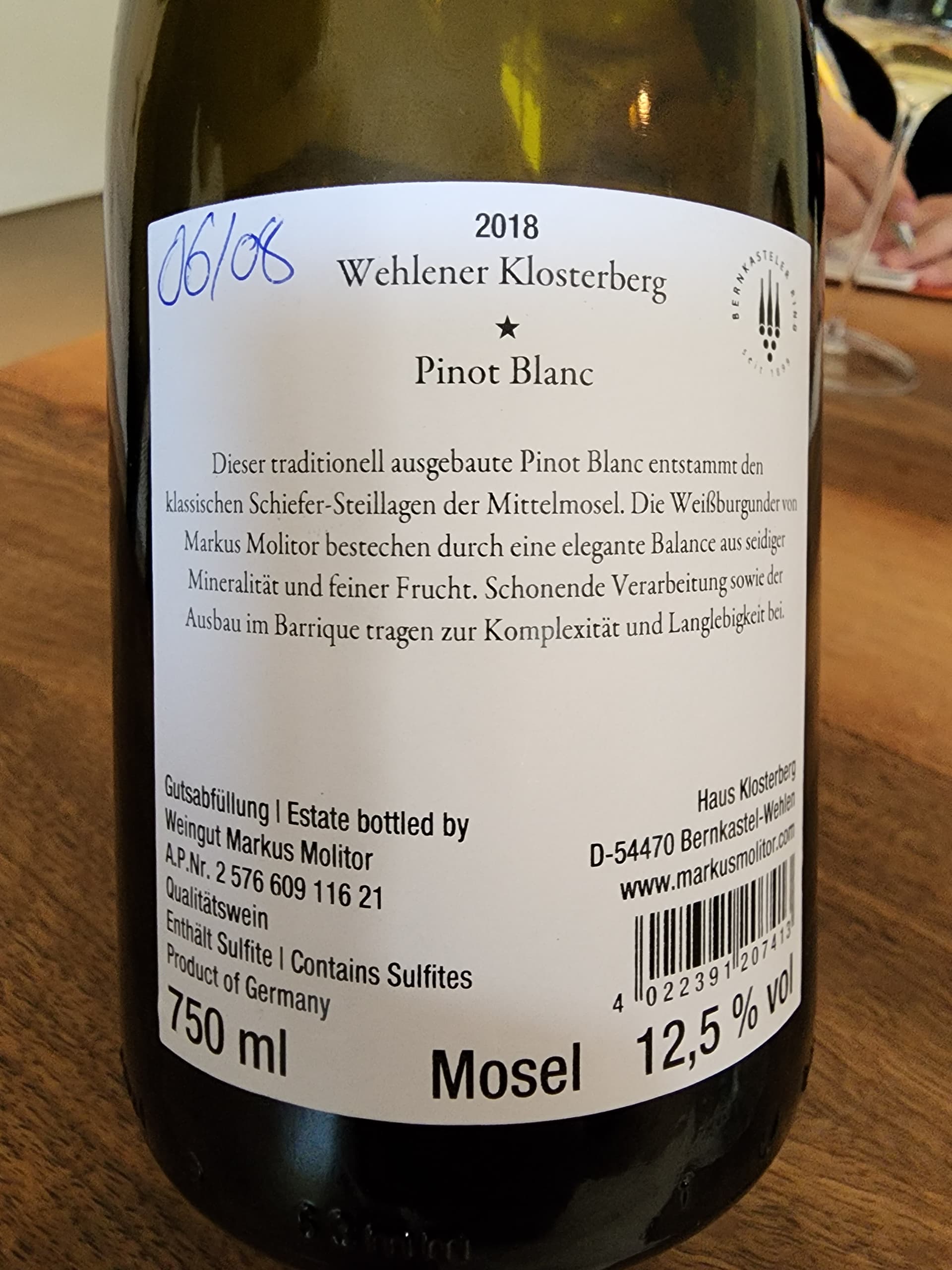
I should know more about this having just been there a couple months ago and did ask some questions about it. But trying to recap for others I find I am missing some detail and I’m sure folks here can fill in the gaps…
I hadn’t really seen or noticed this prior to visiting and doing flights with producers.
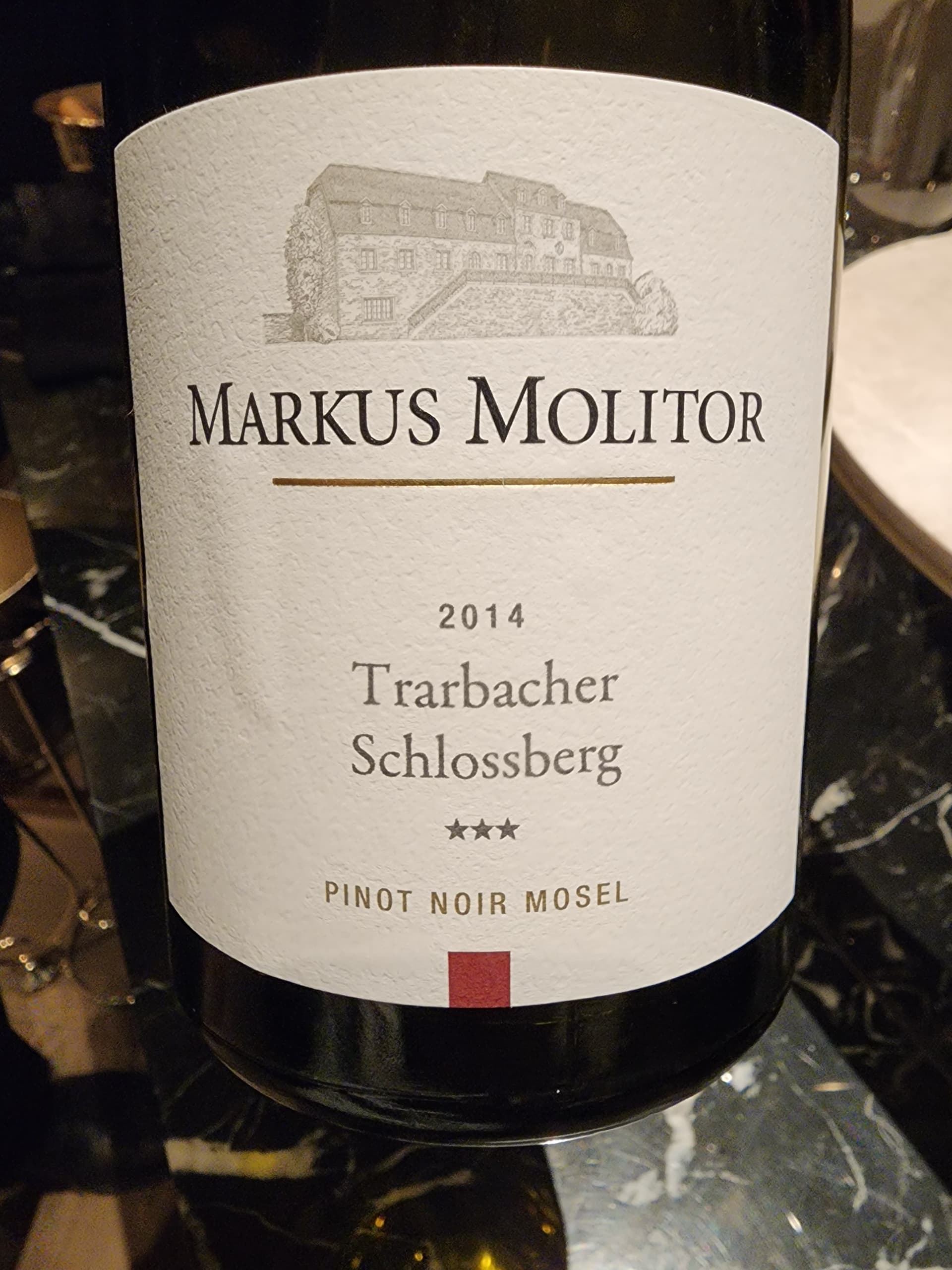
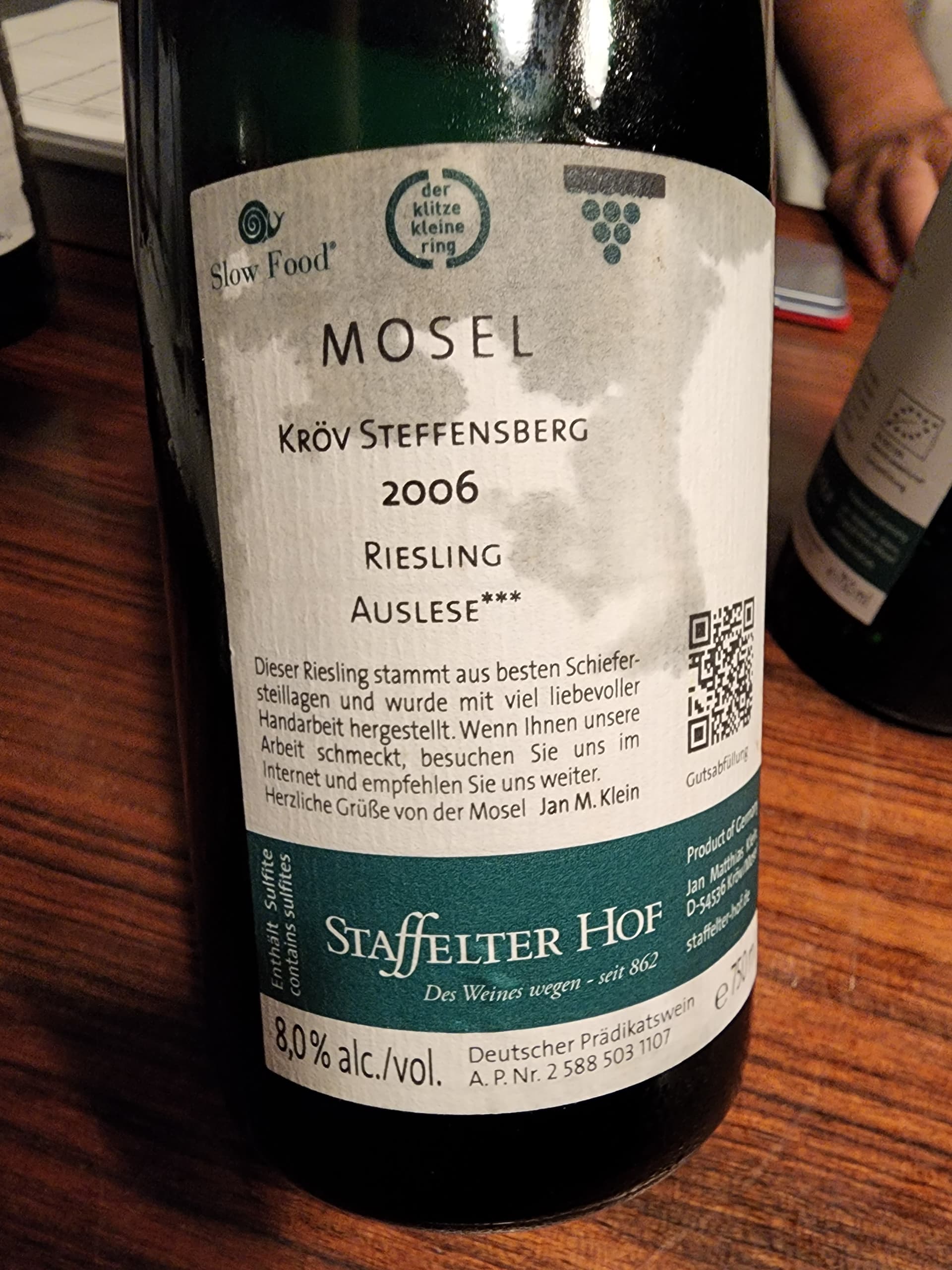
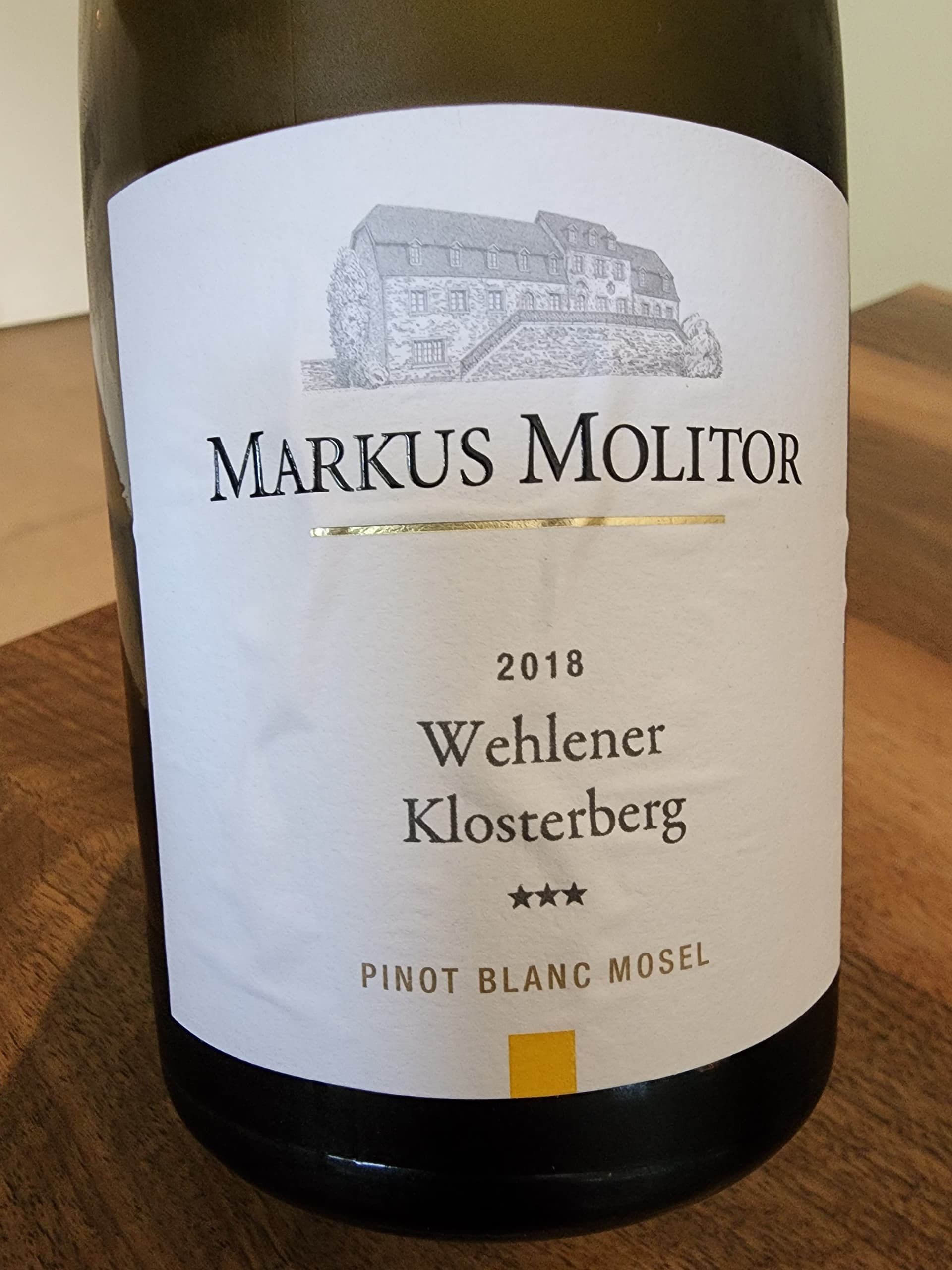
There are several wines/producers who use an internal *, **, *** system (I hear there are **** but did not see any, myself.). This seems to be in and around the Mosel region, and applies to various grapes. I get that these are probably handy for a producer to highlight good, better, best on a given bottle… but what differentiates them from the producer side?
Particularly - how does one producer get different * ratings on the same vineyard and vintage? Is it picking in the vineyard at different times, more of a sorting thing for better fruit, or fermenting separately and then deciding… or any and all of tha?
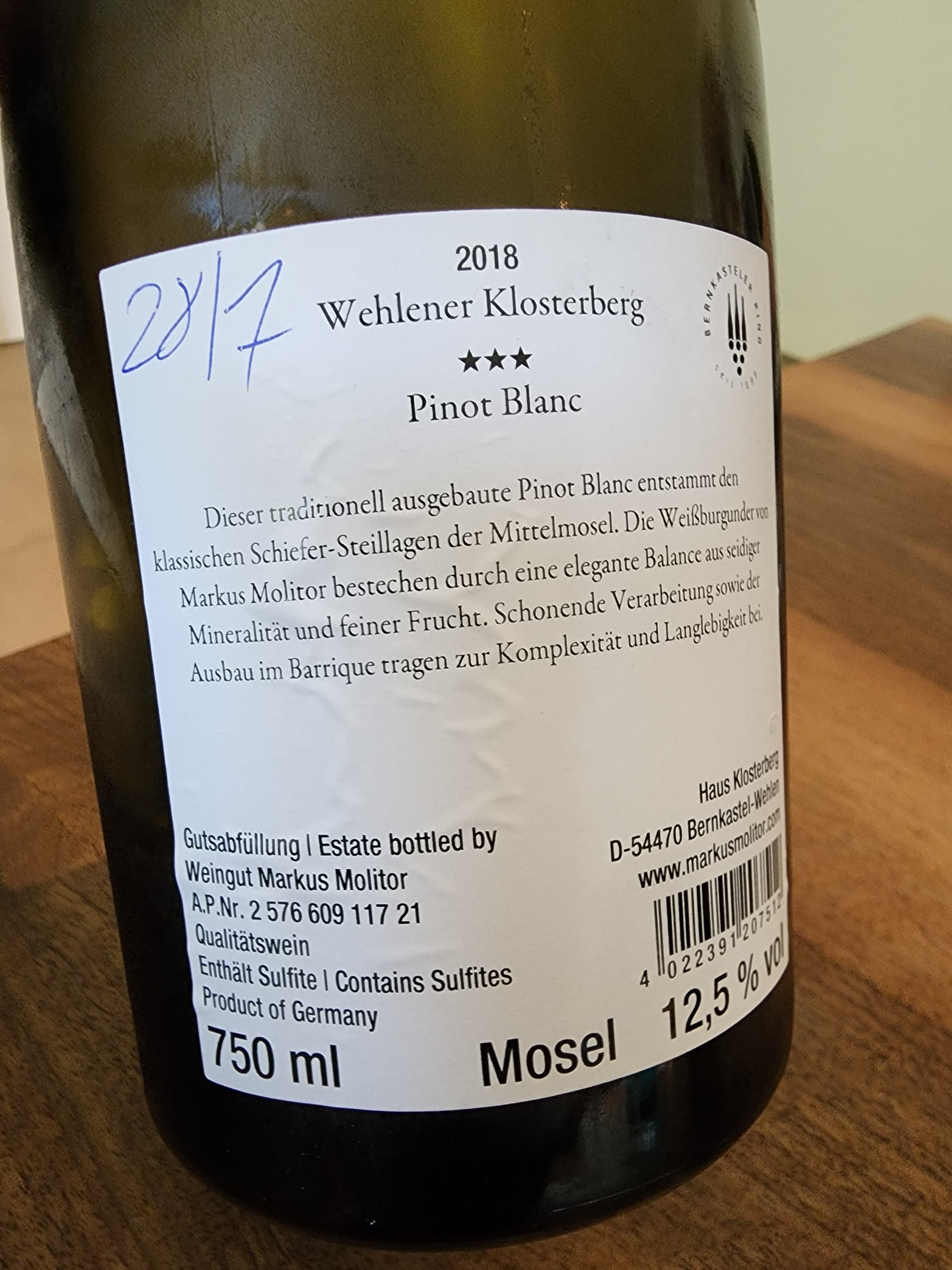
Some pics here for folks who may not be as familiar with how the *s show up… Note the Molitor Pinot Blanc with 2 diff * ratings for the same vintage/vineyard.
Any inputs on how these ratings are used, applied, etc.?
On a very simplistic level it can be thought of as more stars=better, but that is not necessarily true. Sometimes with Rieslings it’s a way to differentiate higher ripeness or greater prevalence of botrytis, so a *** of a given wine is much more of a “dessert style” than a * or zero star wine. With Spätburgunder/Pinot Noir the botrytis is not the thing (hopefully!).
FWIW, I see fewer * bottlings where producers use specific parcel names. That doesn’t mean a producer won’t do stars, but they might highlight certain wines with that name rather than making a *, **, or ** bottling to spike it out.
The most important thing is there is no standardized system.
Just what Mosel needs - another layer of unintelligible, arbitrary, random, capricious, high-handed rating system, as if the useless two ones they already have weren’t enough?
It’s not really fair to call the system “arbitrary, random, capricious, high-handed.” It’s nothing if not orderly. But it is unintelligible to those without a degree in German wine labeling law.
In fact, the stars were invented by producers because the labeling system wasn’t complex enough to differentiate special cuvees.
Do you know producers other than Molitor who use both? I know Molitor does, but their cap system is entirely different than the traditional use of gold caps.
Forgive me for quoting myself, but I wrote about Stein’s use of stars on my website many years ago.
Their dry quality wines (with no Prädikat) are given a rating of one to four stars. “The history is a little complicated,” Piet says. The brothers were frustrated at the inflated Prädikatsweine, such as cheap Spätlese or Auslese sold at discounters, so they decided to bottle their wines without Prädikats, but some of their clients objected. As a compromise, they started labeling all their dry Qualitätsweine, those mostly under the Haus Waldfrieden logo (Alfer Hölle, Neefer Frauenberg), without Prädikats and with stars instead.
I don’t know if this is true today, though. Ulli might have changed it.