Thanks for kind words, Mike.
I don’t get around as much as you do, but I hope I continue to have half as much fun as you do when you travel!
Ex-cellar seems long a thing of the past at chez MG, unfortunately.
Thanks for kind words, Mike.
I don’t get around as much as you do, but I hope I continue to have half as much fun as you do when you travel!
Ex-cellar seems long a thing of the past at chez MG, unfortunately.
Kent, when we got to Paris for the flight home, we all ate a lot of Japanese.
Come visit L.A. sometimes and we can get some killer pho. Bring your mate Jeremy!
Nikolaj:
I’ve still got a little gas left in the tank. But all good things come to an end …
This travelogue has become a bit longer than I expected, but I’m an ex journalist so I tend to ask a lot of questions and make a lot of observations. It can make my traveling companions nuts at times, but it provides good fodder for posts like these …
When my Grandfather sold his business and retired, my Grandmother was so nervous that he wasn’t going to have anything to keep him occupied. Upon retiring, he started renovating/redecorating their house one room at a time. And when he finally got done with the last room, he started to redesign/redecorate again from the beginning one room at a time.
Said another way, I’d be thrilled to listen to you tell the story again, but using some different anecdotes!
if it’s a great vintage where the growing condition was perfect and bounty was plentiful - prices will go up
if it’s a poor vintage and crop was short - prices will go up
if vintage ends in a number - prices will go up
this ain’t a decade ago when prices would go up and down in burgundy depending on the quality of the vintage. Now there’s always a reason for the price to go up every year
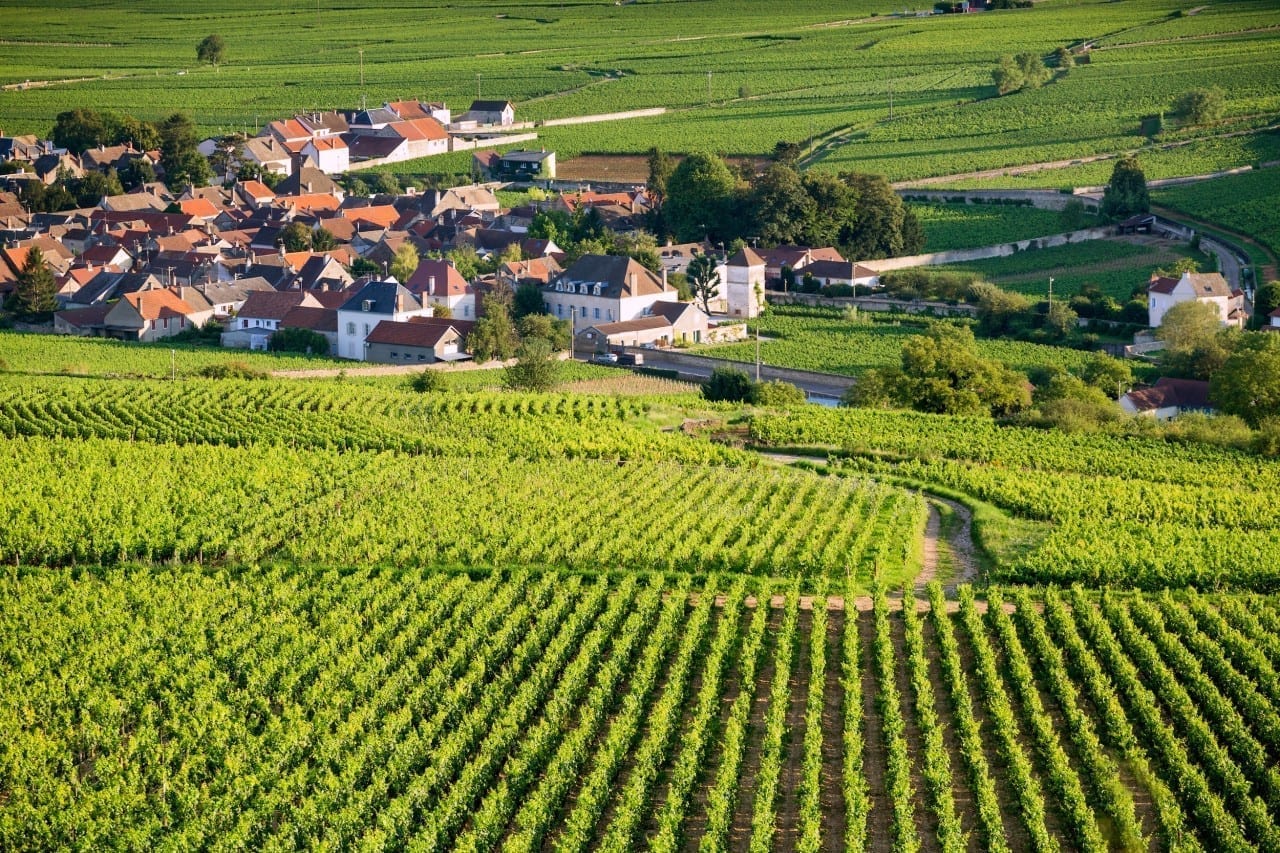
A visit to Chassagne Montrachet
My regular Burgundy crew tends to taste blind during our semi-regular get-togethers. First, someone sets an over-and-under as we try to tease out the vintage. Then we zero in on commune and producer. I usually have a much harder time with white than red.
I find it relatively easier to spot the difference between, say, a Nuits St. George and a Chambolle. Clearly delineating among Chablis, Puligny, Meursault or Chassagne in white proves more elusive. My best stab at Chassagne is usually by eliminating the others – the best Chablis have that cool tension and greenish flecks of color; Puligny that linear, mineral quality; Meursault that rounder, nuttier feel. If it’s not one of those, it must be Chassagne!
When you hit it blind, you feel like a stud. When you miss – often badly – you feel like a fool. Nothing like calling grand cru Raveneau as a village Pernand. Fail.
Obviously, this is very broad generalization. I’ve drunk many flabby Puligny wines and many rocky Meursaults. If I had to pick out one marker for Chassagne that works well for me it’s a certain note of lime zest/lime blossom.
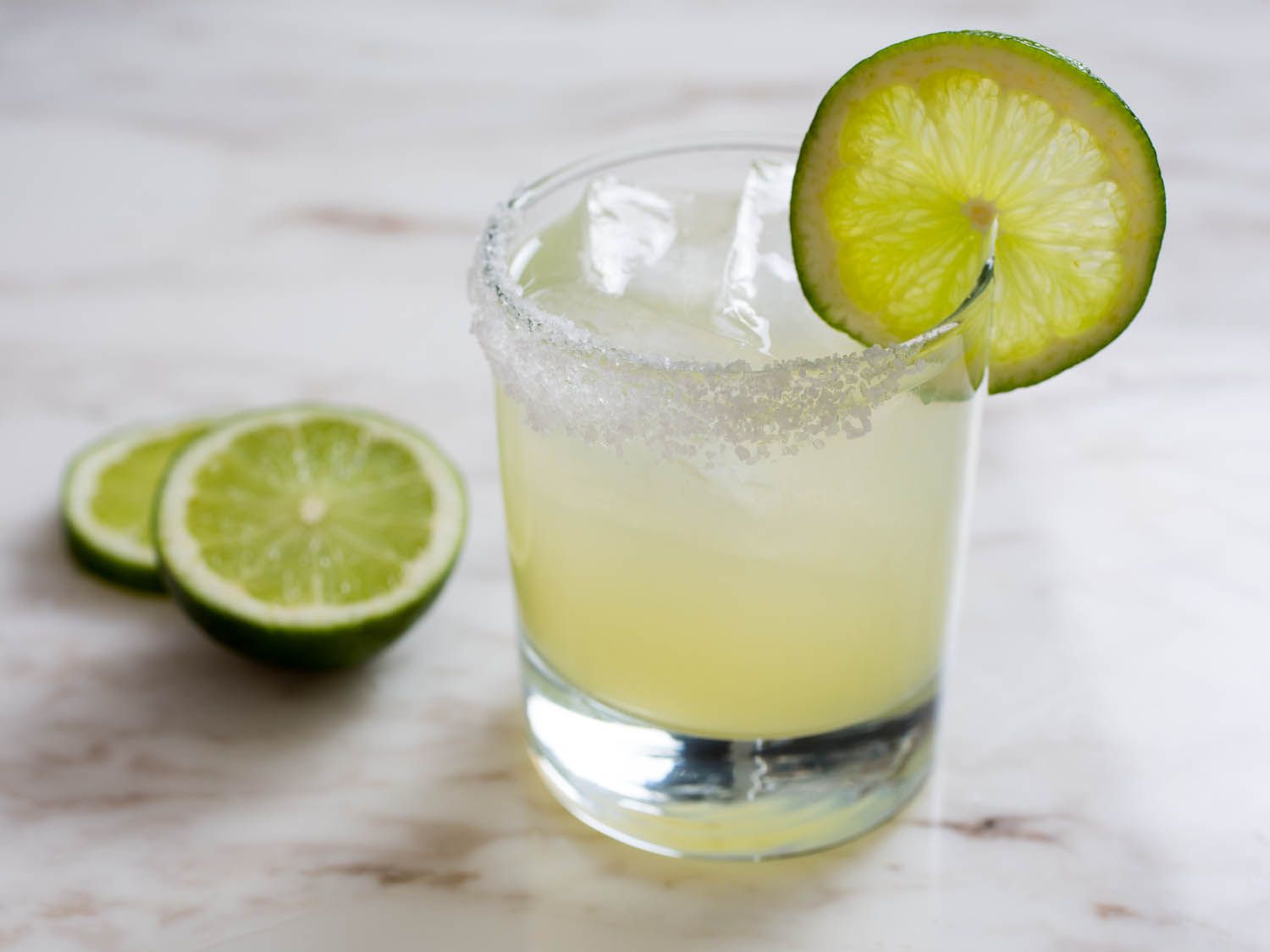
With its slightly underdog character, Chassagne remains my favorite white village. They have just the right amount of plumpness/sweetness, balanced by that piquant lime note. Just like my favorite cocktail – a proper Margarita (tequila, lime juice, and a touch of agave syrup only please!).
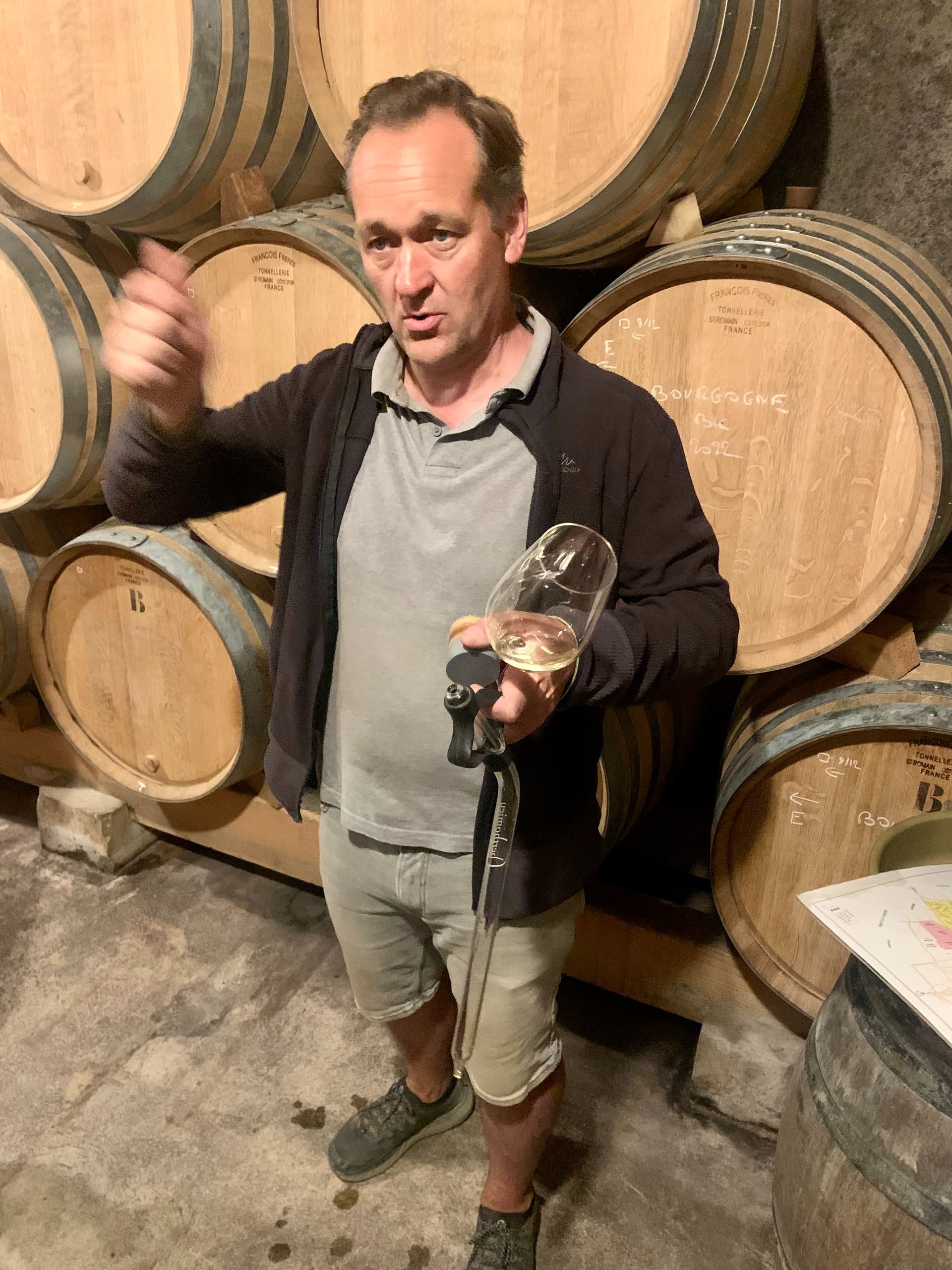
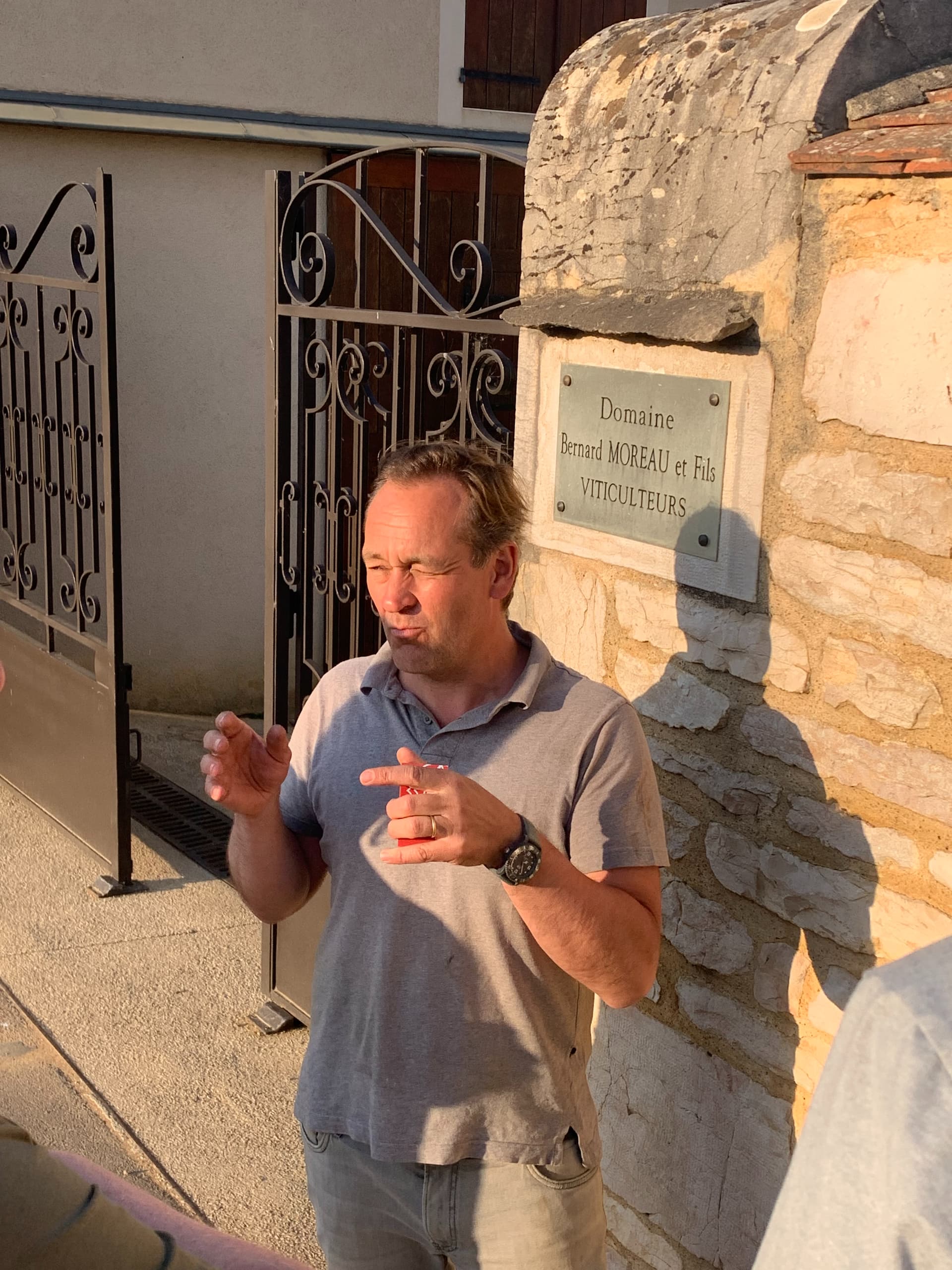
Truth be told, I kinda felt like a Margarita when we paid our first visit of the trip to Chassagne – to Bernard Moreau. We had a 5:30 tasting appointment with the affable Alex Moreau, who now runs the estate.
Last time I saw him he was wearing a gray suit somewhat stiffly at the gala Paulee dinner in NYC this past spring. This day, he looked much more relaxed in his home element. He greeted us on the driveway in gray shorts and a polo shirt, just back from the vines.
As his field crew packed up for the night, I noticed something telling. Even after long day in warm weather working the vines, they were all smiling. They seemed so content as they played grab-ass and joked around with Alex – a good sign that he runs a happy shop.
It’s not surprising, Alex is a total down-to-earth and hard-working dude. If I had to pick one Burgundy vigneron with whom to go to a hockey game or close a bar down, it just might be Alex. He’s bright, opinionated, and loves to talk story. Even though he’s nipping at Ramonet’s heels, he’s totally laid-back and humble. My kind of guy.
He tasted us on an enormous range of 2022s from barrel in both colors. I couldn’t believe it. After a long day in the dirt, he wouldn’t let us leave. He reminded me a bit of a proud father, willing to discuss the strengths and weaknesses of his offspring. Or of those audiophile nuts we all know who run around their LP collection, pulling disc after disc and asking you to geek out with them on the nuances of various tracks.
Alex is obsessive about farming and healthy grapes, employing a number of biodynamic practices. Long and slow in the cellar seems to be the mantra, yielding wines of great precision. It’s a familiar routine – low intervention, low oak, low battonage, natural yeasts – but it works.
Some skeptics used to knock the wines in the past as being a bit unbalanced, a bit screechy/acidy, but I never see that. To me, the wines can be opulent at times, but they also have finesse. They are supple and high-toned. They have the stuffing to age if you like, but truth be told, I like my white Burgundy young.
Alex farms about 12ha and makes more than 20 different wines, from Bourgone Blanc to Chevalier Montrachet. So tasting through all the premier crus you get a real master class in the various terroirs in CM. His vines are old, with some stock planted in the 1930s.
Clos St. Jean is open and airy; the Chenevottes deeper and chalkier; the Maltroie more direct and citric; the Champs Gain more floral and vibrant/oscillating (a favorite!), the Morgeot more full and round; the Vergers with more cut and linearity. The big boys are the Caillerets and the Ruchottes, which are rockier and almost Grand Cru in intensity and length. All the 1er wines are excellent, with terroir-based nuances.
The Grand Cru wines hold much more in reserve, brimming with dry extract and potential. The Batard seemed a bit narrower to me than the Chevalier, which has so much flesh and presence. But the star was a surprise tasting of a Criots, a new bottling for Alex. I assume it’s purchased fruit, but. I didn’t get the details. The finish is very long and radiates with energy. It’s more treble than bass and has a sweet succulence I found very appealing. But my heart lies with the domaine 1er crus, which seem to have just a bit more edge than the GCs, which I believe are negoce.
Before moving onto the reds, we chatted a bit about how Burgundy has changed over the years. Alex, who began in the fields with his father and brother as a teenager in the 70s, has distinct memories that tie to climate change.
Like me, he has a mid September birthday. (Come to think of it, he does have Virgo-like perfectionist qualities!). He remembers being a grade-school boy and having relaxed birthday parties because the harvest would come weeks later. In his 20s, he remembers more tentative/cancelled celebrations because harvest started hitting near his birthday. Now he is able to fully enjoy the day with his family because all the grapes are in and settled in their tanks/barrels. With dark humor, we noted one small benefit of rising temperatures – carefree birthdays!
At this point, my companions might have been fine saying our goodbyes. Their Neanderthal palates do not appreciate the simple pleasures of Chassagne rouge. Fortunately, Alex found a true believer in me. It does seem a bit harsh to swing from Criots to village CM rouge, but one muddles through.
Seriously, Alex puts as much care and thought into the reds as the whites, though the market hasn’t caught up. The CM rouges have more of a chunky, clay-like feel than Ramonets red, which are more airy and stony. I prefer the Ramonets, but the Moreau reds remind me of Grand Cru Beaujolais. They are fruity and not overly complex, which isn’t always a bad thing. They are honest wines that scratch the Burg itch on a budget. They are weeknight reds for a simple roast chicken or beef stew.
Besides the CMs, he makes various Volnays and Pommards. Then the maestro hit us with his coda – a taste of another new wine, a Clos Vougeot. I’m not sure which section the grapes come from, but this was no middling CV. It wasn’t Mugneret either, but the elegance and depth of the wine surprised me. Nicely red fruited and spicy. I might’ve guessed Vosne. Bravo!
Believe it or not, after nearly two hours in the cellar, there was no more wine to try. Our palates a bit fried, we trudged upstairs back to the driveway. The early summer sun was now starting to set. Rays of splintered light filtered through the Champs Gain vineyard, which sits right in front of the family home. It all felt very pastoral, a fitting end to a day well spent. Squinting into the dying sun, Alex couldn’t help but give us one last mini-tutorial about his home vineyard. He then wished us well and headed back inside.
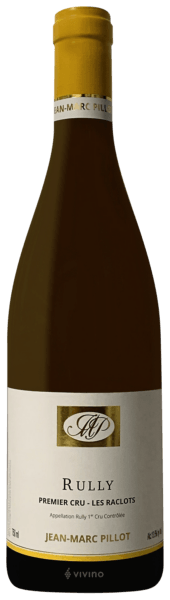
We had one more visit in Chassagne during our trip, making a stop at the relatively unheralded domaine at Jean-Marc Pillot. The producer is a bit of a sleeper. One of my companions adores the QPR play here and successfully slides in the flagship white – the old-vine Vergers Clos St. Marc – as a Grand Cru ringer at our tastings.
I don’t want to sound superficial. You drink what’s in the bottle after all. But I do have to say this domaine ranks with Domaine de l’Arlot for the most underwhelming labels for some of the most overperforming wines in the region.
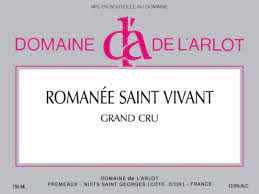
Anyway, we had a very early appointment here – 9 a.m. Nothing like pain au chocolat and CM rouge to get your morning going. We were a little green around the gills after a long night before, and our host looked a bit the same.
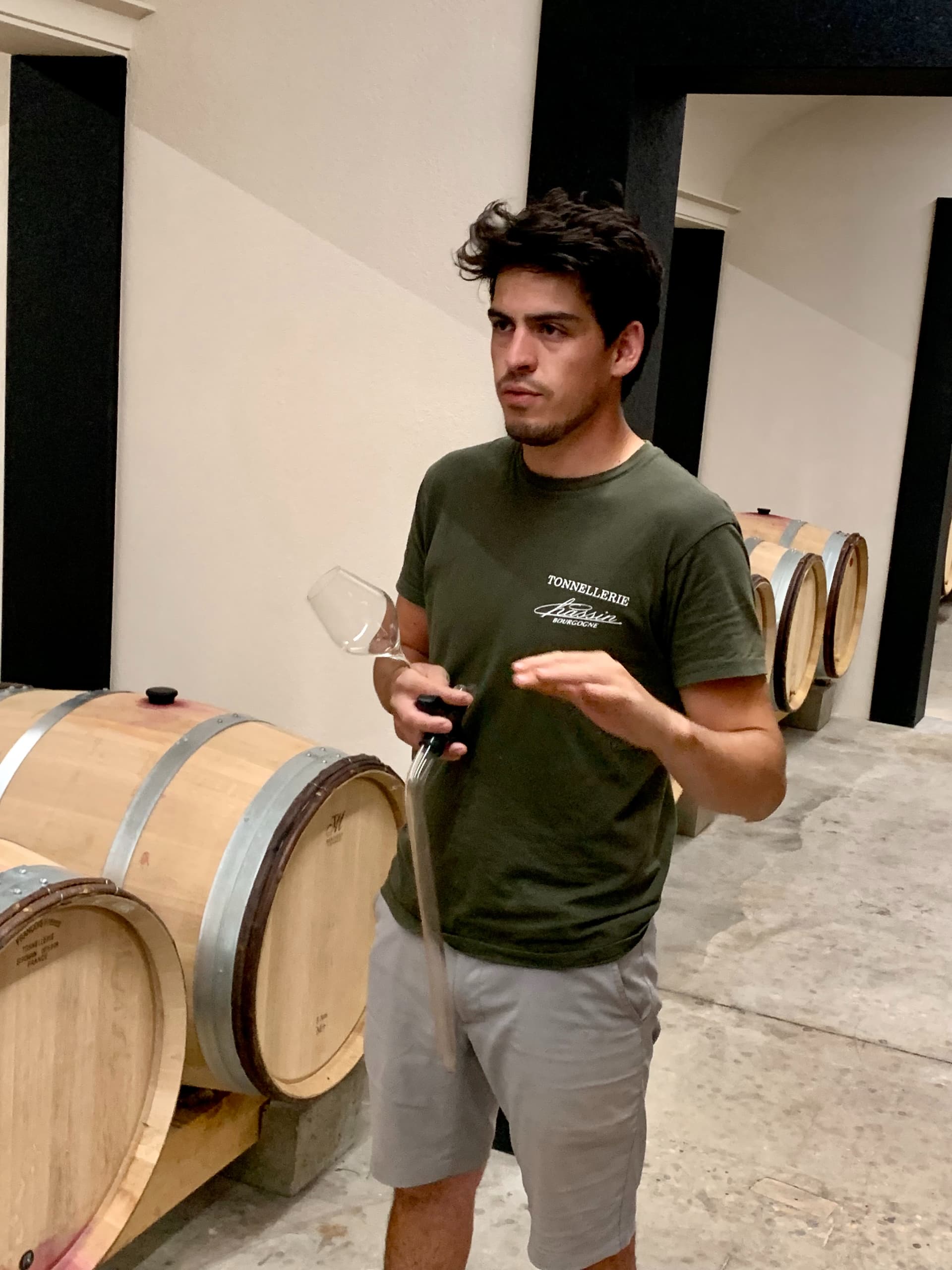
Jean-Marc’s son Antonin had a big smile on his face when he greeted us, but he did look like he had just rolled out of bed. We had met Antonin at an event in L.A. last year hosted by Rosenthal, their U.S. importer. With a sly grin, he recounted how much fun he had had exploring our local nightlife.
Another tangent: Antonin is a seriously hunky guy, as if Aaron Rodgers and John Mayer had a baby. My wife normally has little interest in my wine travels. Romanee Conti, Romanee Schmanti! But later when I was scrolling through my phone to show here a few photos of a vineyard, she stopped me cold as I shuffled through the Pillot shots. “WHO IS THAT,” she demanded to know.
During our tasting I kept looking at the guy, admiring how he spends his day in the fields with his dad and wondering how he fills his care-free nights. Oh to be young again.
Enough of that. Onto the wines!
The family has invested in a just-completed modern winemaking facility. So while the style is classic and traditional, improved farming and the son’s lighter touch means the wines continue to get more refined.
The 1er whites from Chassagne are the domaine’s sweet spot, with wines from Chenevottes, Macherelles, Vergers, Morgeot, Caillerets, Maltroie and Champs Gain. Most of the vines are about 30-50 years old, with fermentation and aging in barrel. The new oak ranges from 10-30%. Then to steel tanks for six months and then bottling.
The wines we tasted were a bit brassier and broad-shouldered than Moreau’s wines from the same vineyards. But the wines have floral noses that belie the intensity of some of the crus. They are balanced Old School wines that seem to cry for some time in bottle to fully unfurl.
The stars of the show are the wines from the Vergers holdings. The old-vine intensity and concentration shine through. The Clos St. Marc white comes from 100 year-old vines, which ripen early from the enveloping warmth of the low stone walls that encircle them. The rouge from this plot gets my vote for the best CM red made in the region, along with Ramonet’s Clos de la Boudriotte. It’s spicy and sappy, with real persistence. The grapes are destemmed but they remind me of a baby Dujac village Morey. Plump, velvety, with just a touch of grit and wildness.
Then Antonin played one last card. He blinded us on a red from barrel. In real-time, I was stumped. In hind sight, it makes sense. More crunchy. More red-fruited. More spice. More elegance. More airiness. The reveal: Vosne Suchots! Antonin said his dad has always loved this vineyard and the wines that come from it. He jumped at the chance to buy some grapes recently. It’s only one barrel – 300 bottles – so who knows if it will ever leave France. But if you see it, don’t hesitate.
Next: A few thoughts and tips on eating, drinking and staying in Beaune. Bonus feature – the worst single dish I’ve ever been served in my life.
That is a tremendous observation and highlights your ex-journalist background. Well done!
This is an amazing post. I love Roulot, Moreau and JM Pillot, really enjoyed your take! I always describe Roulot as tasting like rainwater…something special and different. Some of JM Pillot Suchots hit the NYC market last year.
i have to remind myself often, but a decade ago was 2013… did prices ever go down? maybe 2005 vintage was the modern turning point… older folks would know better than I.
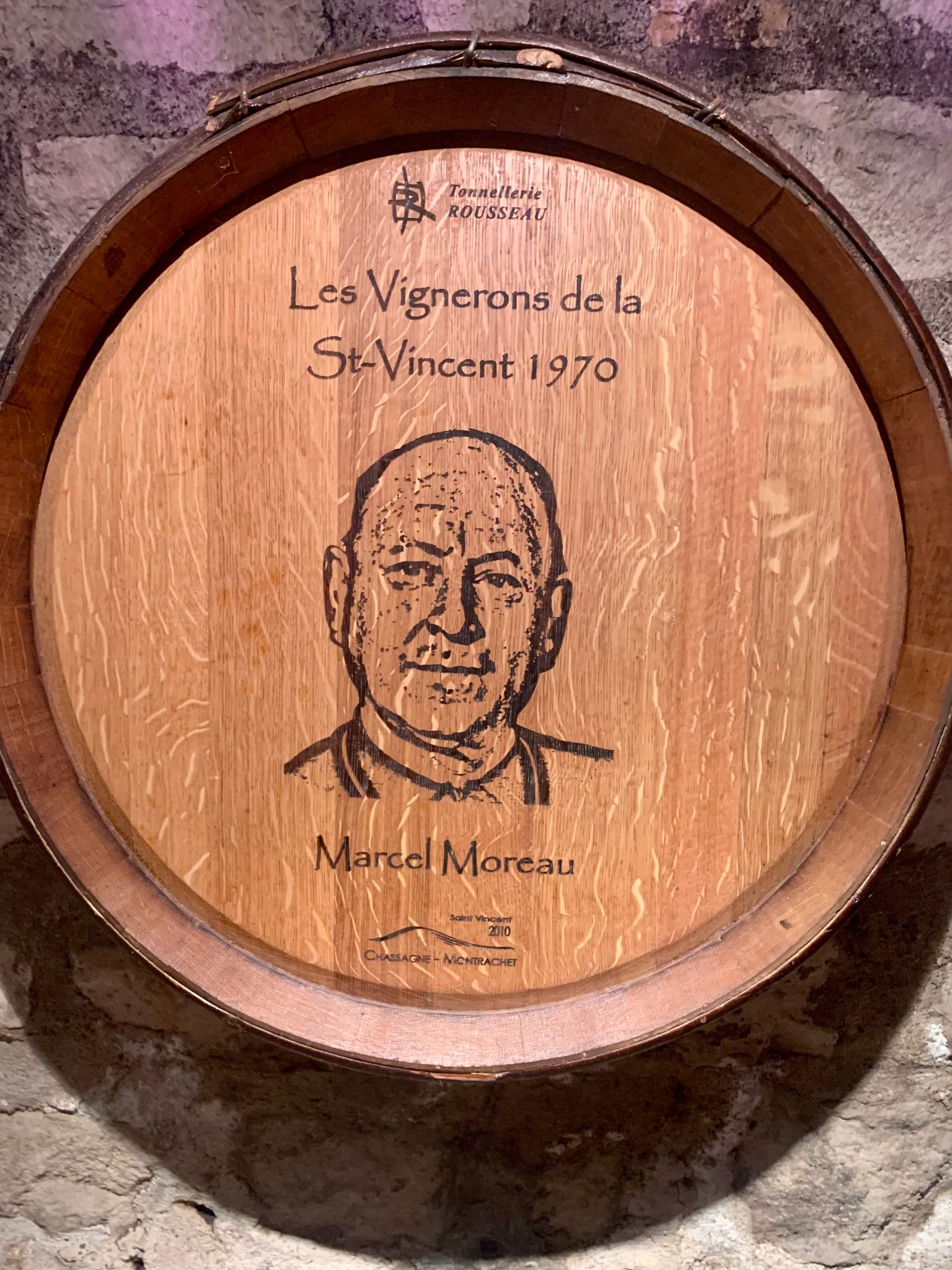
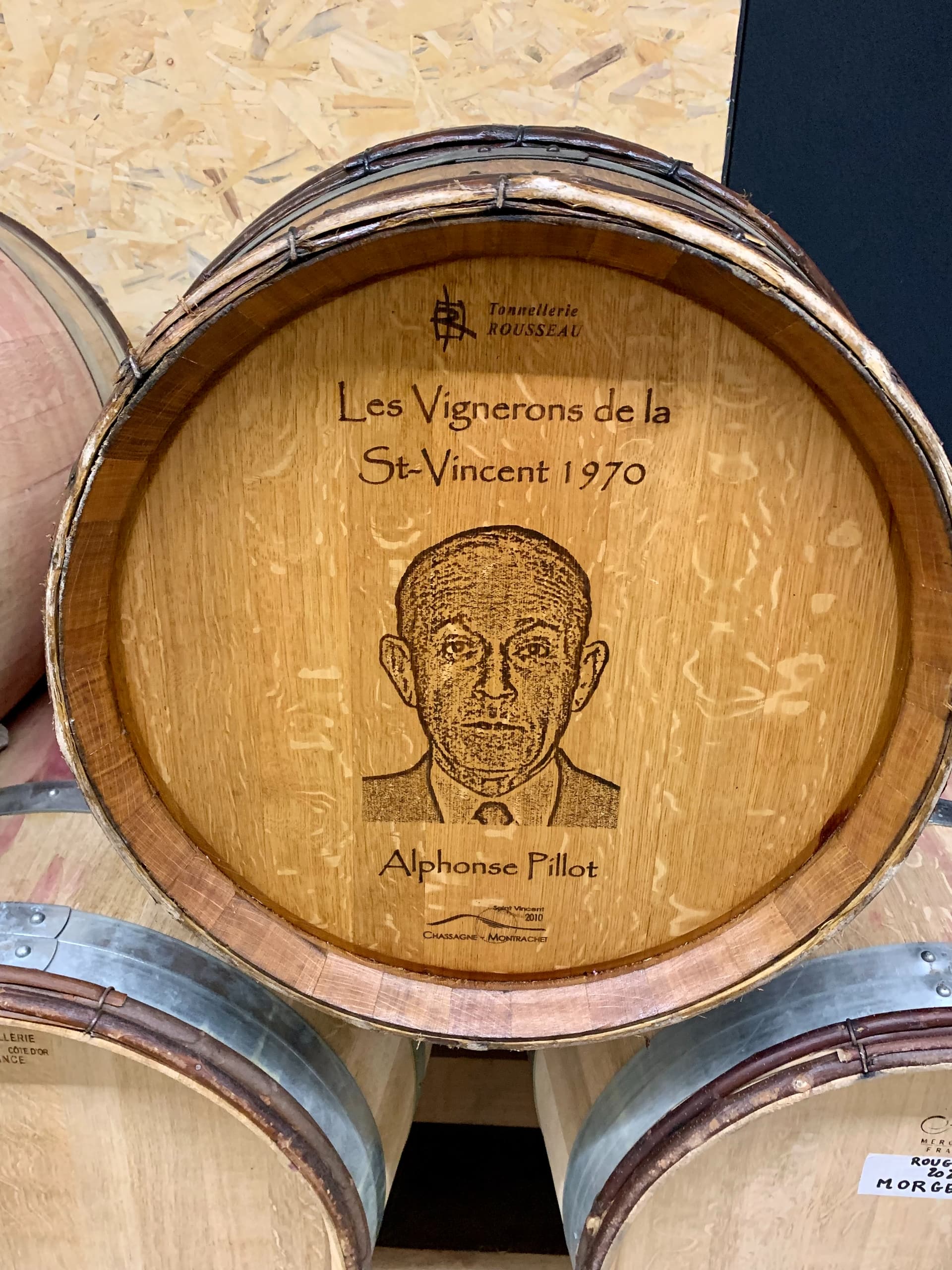
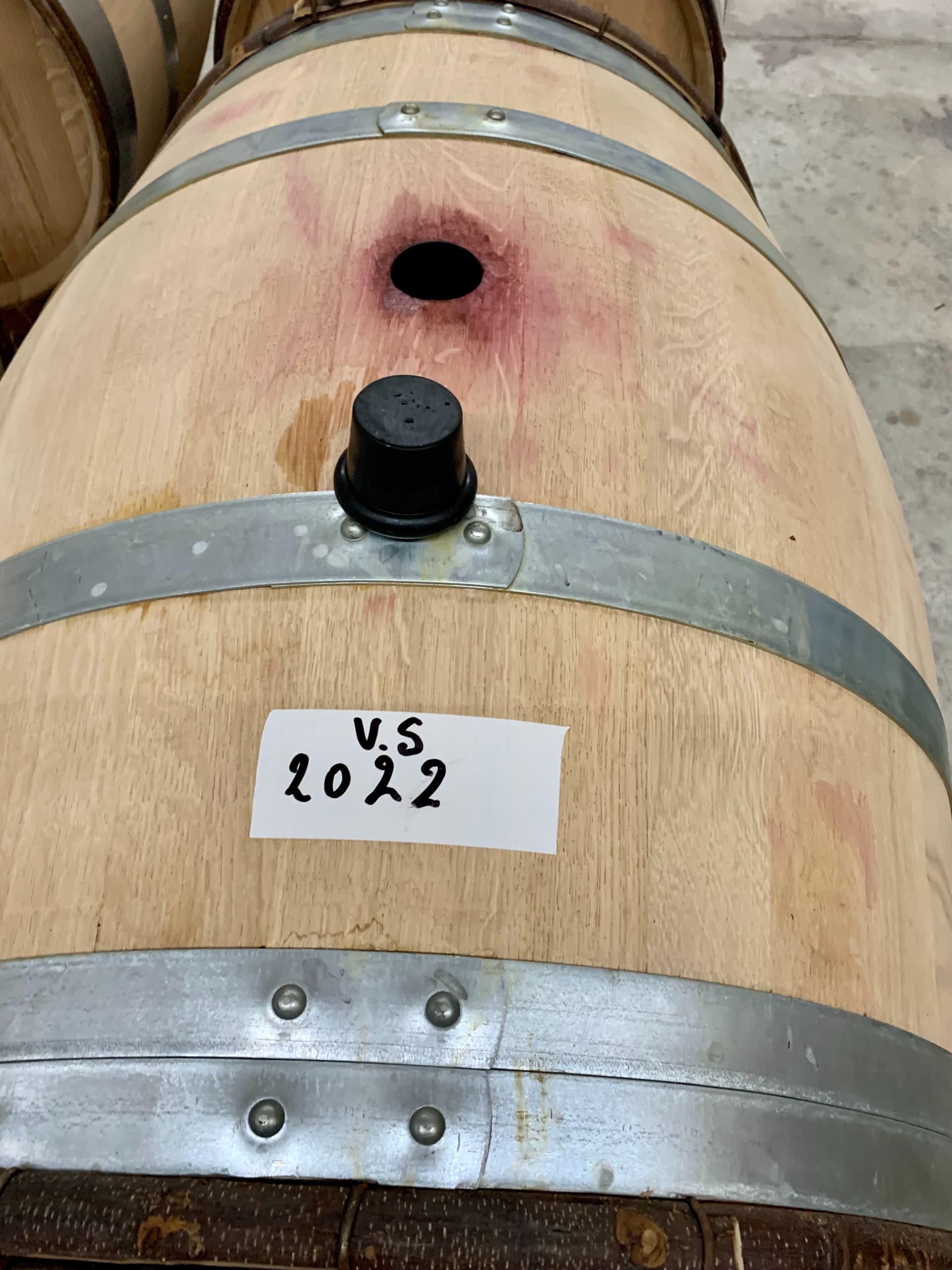
phenomenal update - thanks for taking the time to write all this out. that barrel makes me think the Pillots are Breaking Bad fans.
A fantastic restaurant. I’ll be there next week!
I’ve always found the JM pillot chassagne reds too oaky.
I had a pretty good chat with a Burgundy wine “commercial” here in France. He resales some high- end stuff (d’Auvenay, Coche-Dury, etc.) all the way down to villages from the Mâconnais.
He was talking about 2022 as a vintage saying it was quantitative (high yields) and thus, as it normally is, good for Chardonnay. Pinot Noir is gonna be another story (pick your ponies).
So I was telling him that the only sure bet in Burgundy was that prices were gonna rise. He surprised me by saying he didn’t think so. Obviously, super star producers or GCs and tiny 1er will go up. But he was saying that Burg producers are somewhat a different breed. They basically walk into their cellar and look at volumes: if there are too many bottles in there, they look to get them out and adjust pricing. He was saying that Burgundy has a history on adjusting prices based on yields and not perceived quality of the vintage.
His assessment is that 2022 will bring lower prices on lower cost Burgs, mainly Macônnais but also throughout Burgundy. He thinks that producers that fail to adjust will end-up with stocks and will discount them to get them out.
He’s also appaled at the prices that lower quality Burgs sell for.
One man’s opinion but at the same time, he made a career of it. I’m taking it for what it’s worth.
if by appalled he means high, then he just contradicted himself.
I translated “dégoûté” to appaled and yes it was regarding high prices.
If only the problem with crazy prices were due to Burg PRODUCERS… 
Yeah exactly. I will guarantee we won’t see anything resembling lower prices through the 3 tier system in the US. Now a couple of years down the road if there’s really that much, we may see some closeout specials.
Yah pls for d’auvenay close out sale!! 
Yes, he wasn’t talking about the 3 tier system and his remarks were around lower end (price wise) of the spectrum i.e. non-allocated wines that come from bigger production vineyards.
10% off the Aligoté?
If you can’t wait, the mix-pack of whites is still available in OWC, 2 for 1 coupon does not apply:
https://www.vinsgrandscrus.fr/orginal-wooden-case-of-12-domain-d-auvenay-composed-by-3x-bourgogne-aligote-2014-3x-auxey-duresses-blanc-2007-3x-meursault-les-narvaux-2011-3x-en-la-richarde-2009-900cl.html
absolutely. 06 was way cheaper than 05. then 06-08 stayed relatively the same. Then a price jump in 09. 2011 was prob the last one where some wine was cheaper than 2010, but from that point on it’s just been up up and away