Champagne Work Trip

As some of you may know, I am the one of the owners of Caveau Selections, a Portland Oregon based importer of Champagne and Burgundy. A few times each year, I travel with my wife or partner (or both) to each region meeting with the 45 producers we work with - trying the wines, sharing a planche of charcuterie, watching the kids grow up. Generally one of these weeks, we take clients along to do a deep dive (basically work alongside but with way better dinners and lodging). I thought it might be fun to share this current trip in Champagne - a daily dump of the producers visited and standout wines, any notable restaurants, and really anything else of interest. I will keep this brief with regards to the producers and their backgrounds - for those details please go to our website - www.caveauselections.com. Sound good?
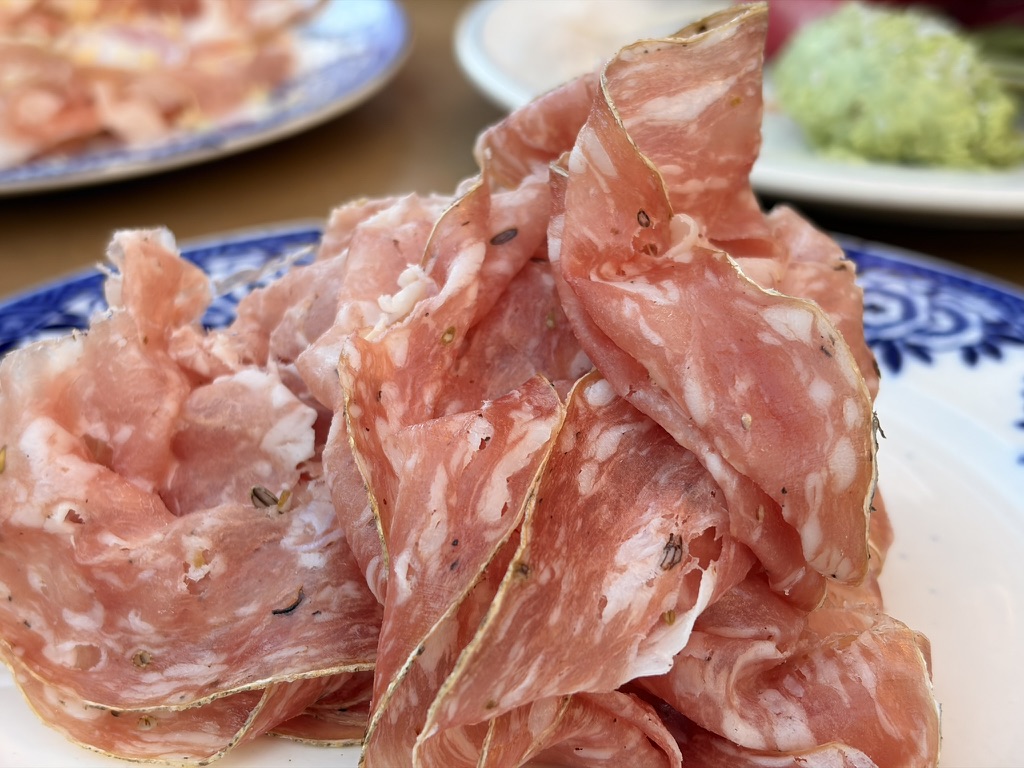
Day 1 - Vallee de la Marne. From Reims it was a 45 minute drive to our first stop at Chevreux-Bournazel La Parcelle nearby the town of Connigis. This bio-dynamic power couple, Stephanie and Julien (along now with son Ben), has gone from strength to strength over the last 5 years. We tasted 6 wines - Coteaux Champenois 21/22 (outstanding), La Parcelle 2022 (50% CH, 50% PM), Connigis 2022 (100% PM), Connigis 2022 (100% PM), La Parcelle Millesime 2019 (CH, PM), La Parcelle Millesime 2018 (CH, PM). What interests me here is that all these are essentially vintage although they do not name them as such unless specified with “Millesime” and use a black label. So the “younger” vintage are basic vintage wines and then these Millesime are late disgorged. With a total production of under 400 cases it is amazing all they do. From here we went a few miles for lunch to Le Bastidon, a one man operation - purchaser of all local ingredients, chef, carpenter, stain glass maker…. The ham is to die for. He did break one rule in his buy local mantra - enough people complained that they did not want Chicory coffee that was grown in the onsite garden but rather get real coffee. Off to MG Heucq in the town of Fleury-La-Riviere. Guillaume has just completed his new winery attached to his old house - makes for a nice commute he says. He has plantings of all three main grapes plus Petite Meslier, which he has started to bottle on its own - and this is a very compelling wine. We tasted 8 wines - Fossile (3 cepage), Tandem (CH, PN), La Fontaine (CH), Le Haut Betivart (PN), Les Clos du Gout (PM), La Roquette (Meslier), Fossile Rose, and Les Velours (saignee). What showed in this tasting was the consistency in the 2019 base vintage wines which were all the single cepage bottles. Really neat to have very different profiles yet appreciate the similarity in structure and finish.
I will start a new line to allow this last stop to sink in - Vincent Laval, of famed Georges Laval (and now his own label as well). We were first treated to a walk about of his new winery in construction. Holy Shit (am I allowed to say that) this place is phenomenal. He thinks his three presses will be enough to handle his few hectares - he laughs. This truly is a work of art and when completed is a must stop for any Champagne lover. The wines - Garennes 13-23, Cumieres 2023, Les Chenes 2022, Les Hautes Chèvre 2021, Les Longvioles 2014, and under his label Mon Oncle 21/22. All are works of art to be sure. So why his own label you ask - he recently purchased a parcel from his uncle (hence the name) and currently it is not organic and for various legal reasons it cannot be under the Georges label at this time. It was my WOTD.

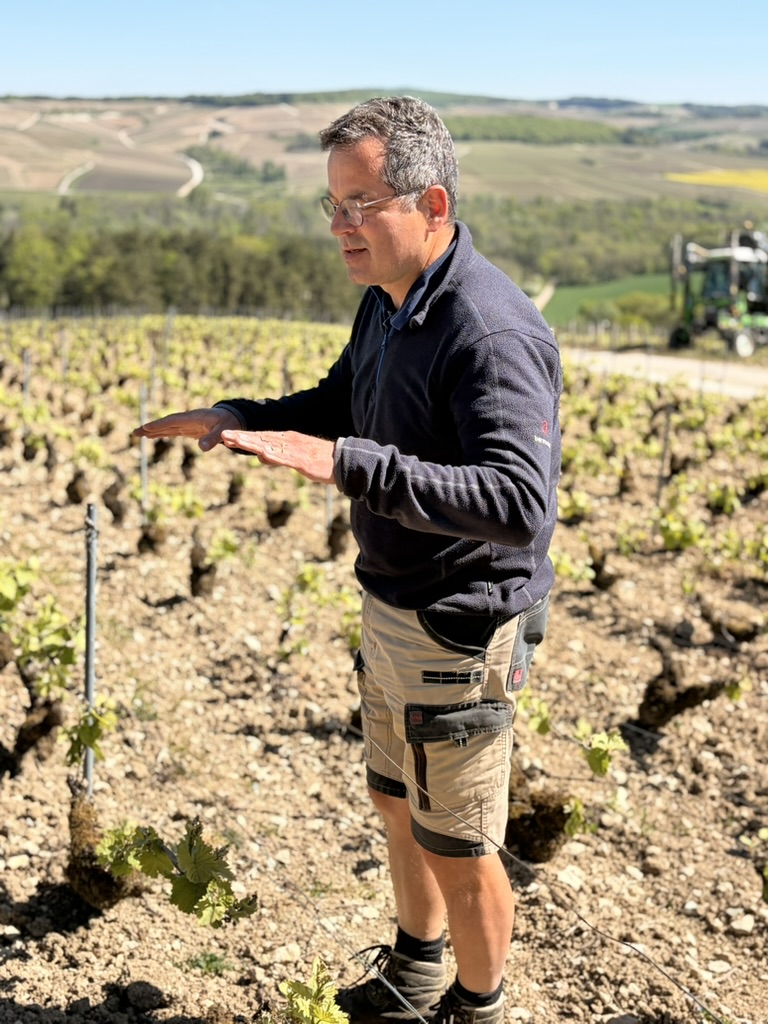
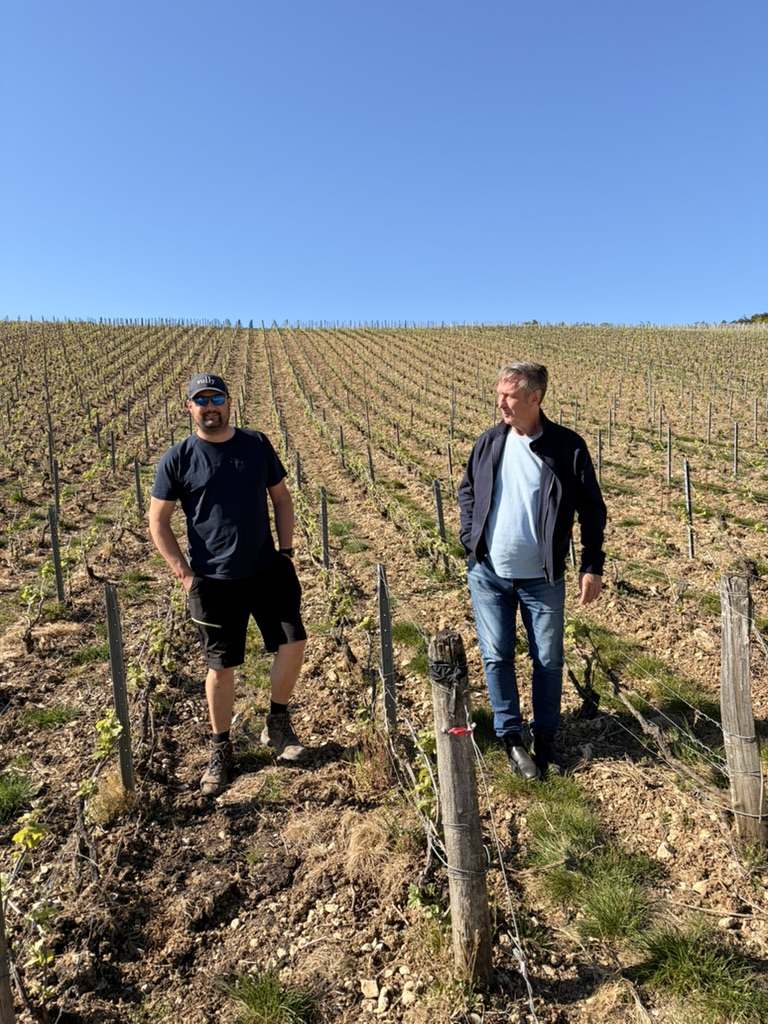
Julien, Stephanie, and Ben
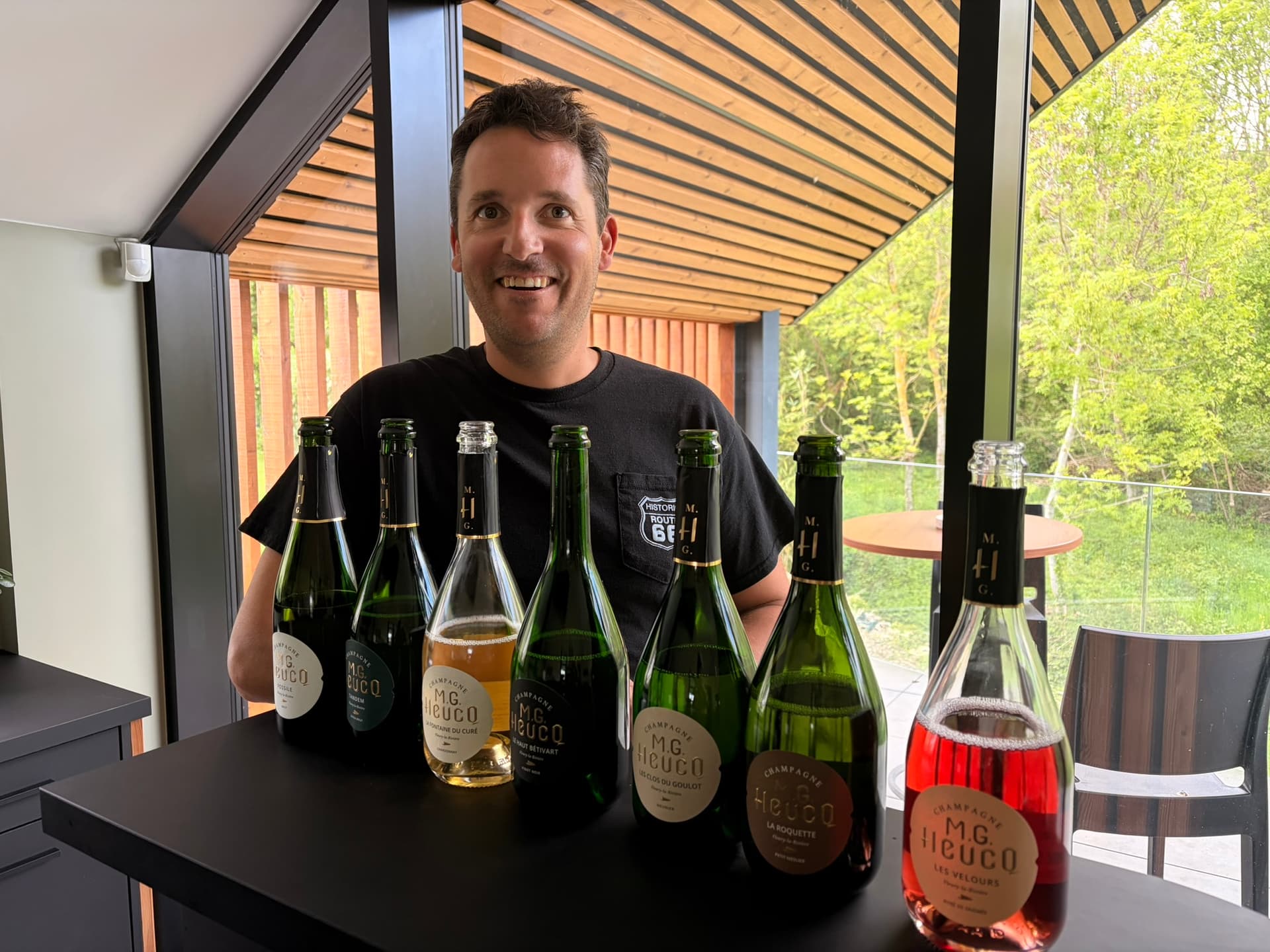
Guillaume Heucq
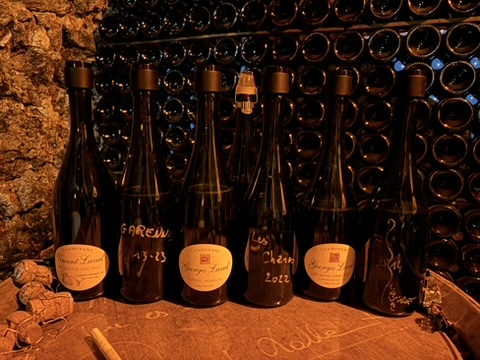
Laval LineUp
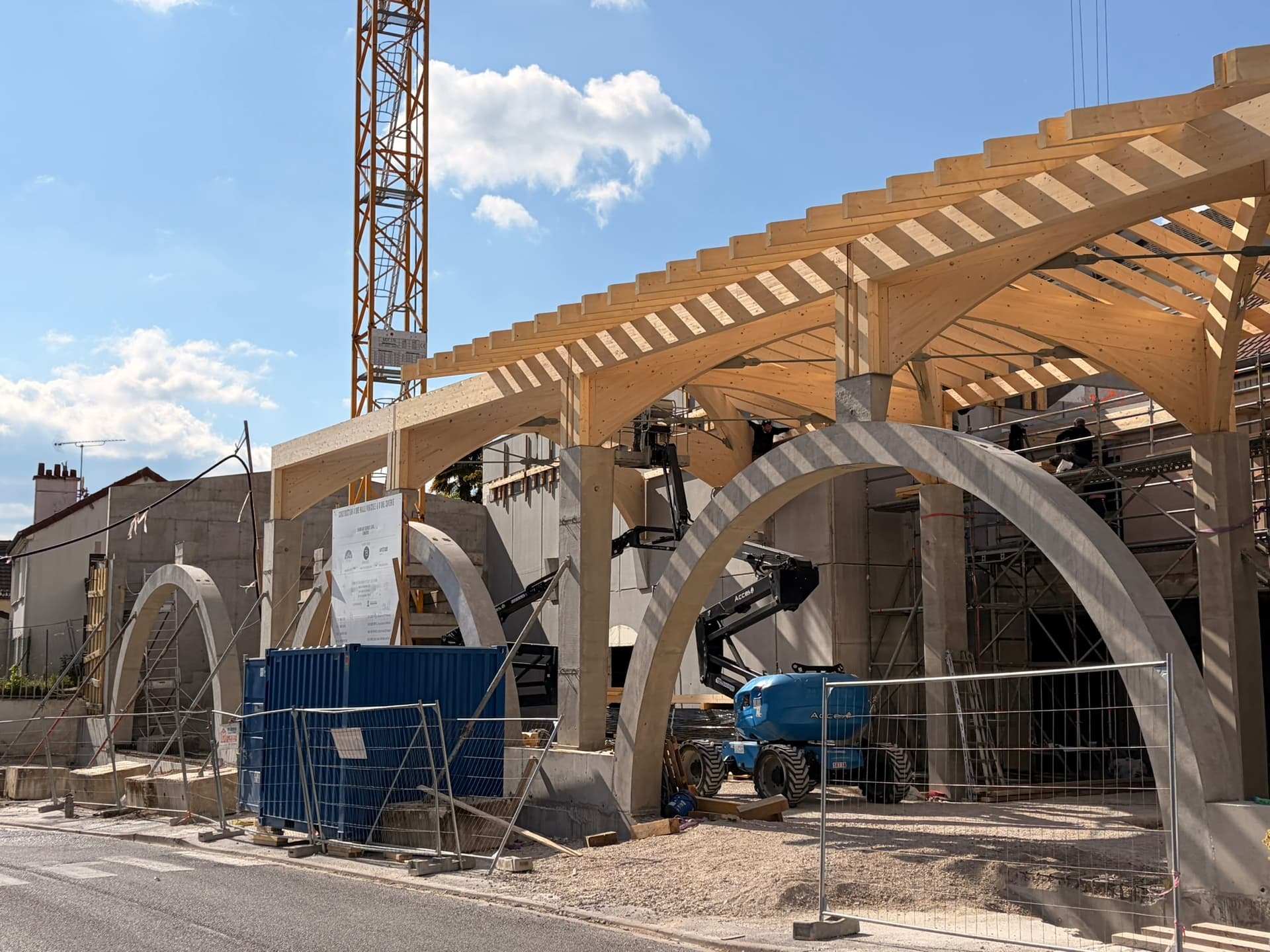
New Winery in progress - WOW
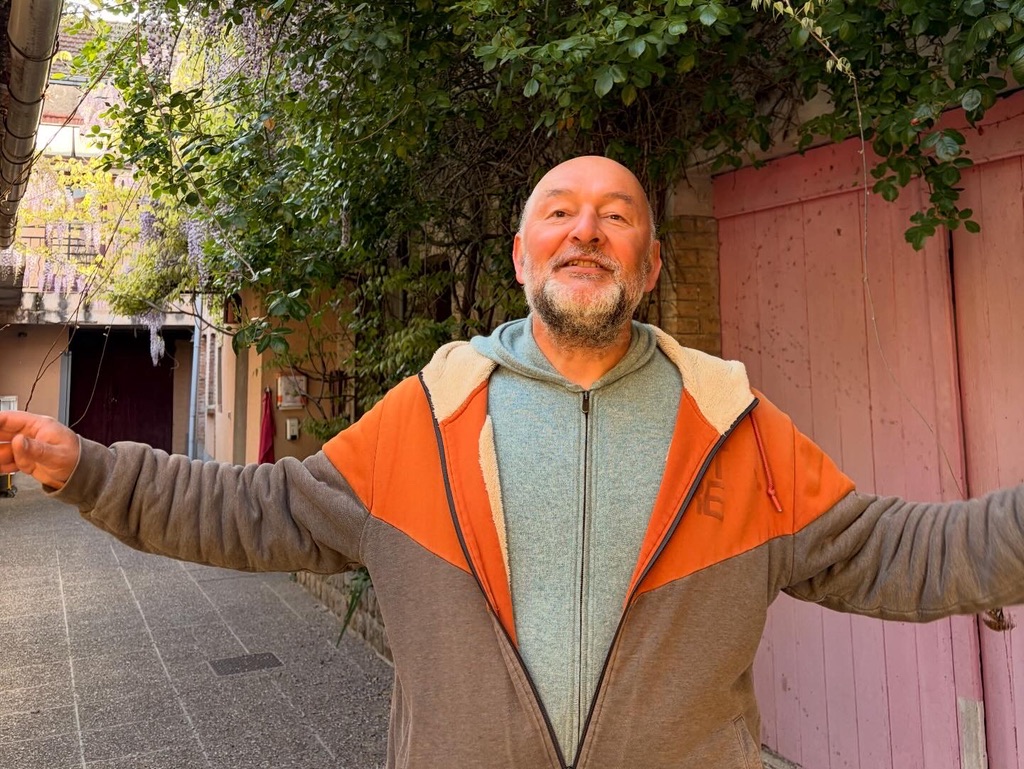
Vincent in all his glory
12 Likes

Day 2 took us to Henriet-Bazin and JM Goulard.
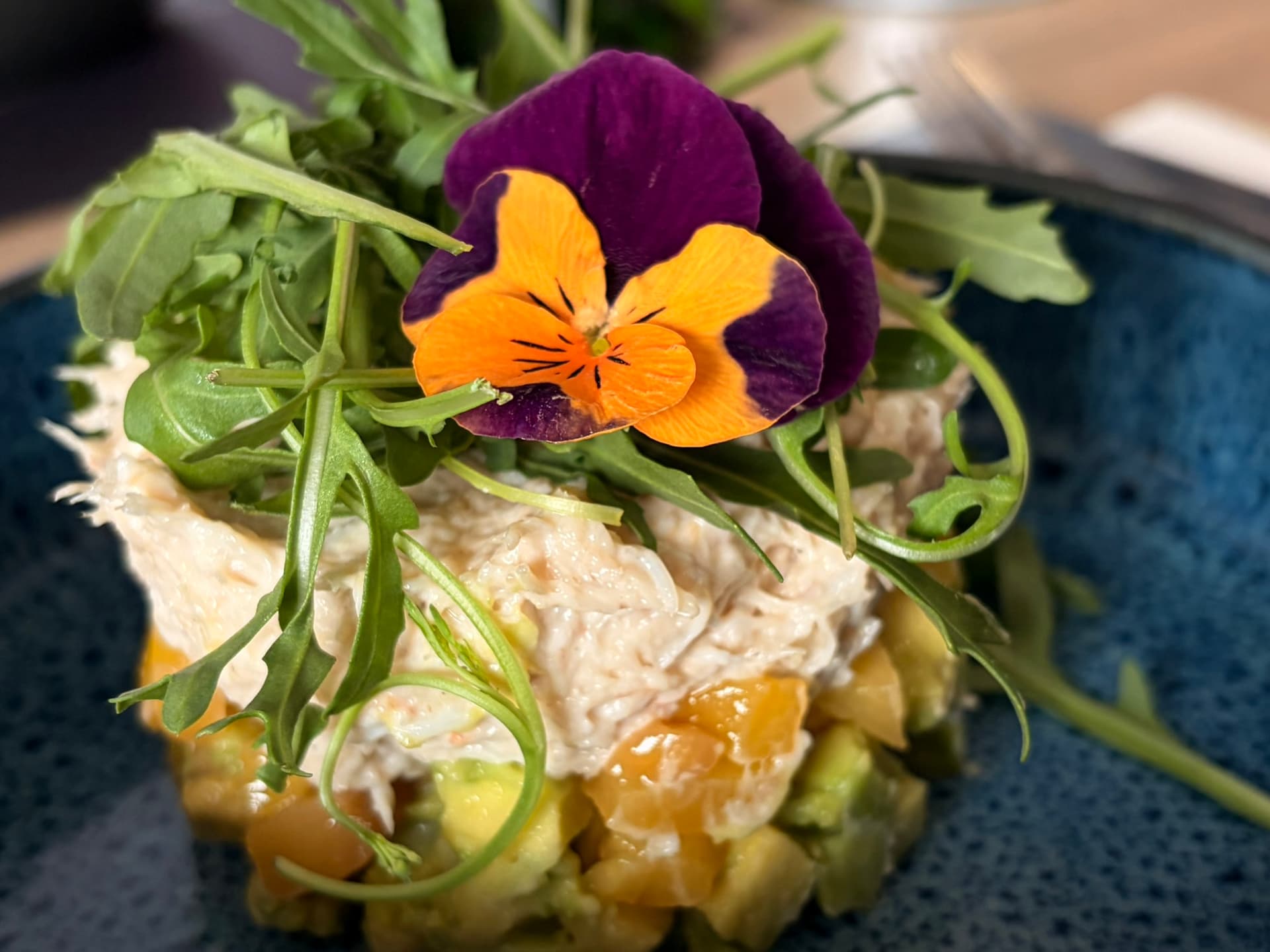
Henriet-Bazin is owned by Nicolas and Marie-Noelle (she the winemaker, and local mayor, and he everything else). This is a 4th generation producer with 9 hectares on the northwest side of Montagne de Reims - think Verzy and Verzenay. After an hour discussing everything from shells in the soil to American politics to mountain biking in Oregon we tasted through the available lineup which due to a few small crops was slight this year. The Blanc de Noirs was still the pillar of consistency and maybe my WOTD (and by far the best value). The Marie-Amelie (named after their daughter) is pure, zero-dosage, 100% Chardonnay from three old-vine premier cru parcels in Villers-Marmery planted in the 1960s - stunning. Afterwards they treated us to an amazing lunch at their local family owned restaurant where the “piece du boucher” was a highlight - of course I forgot to get that pic but I did get the Tartlet of avocado and crab.

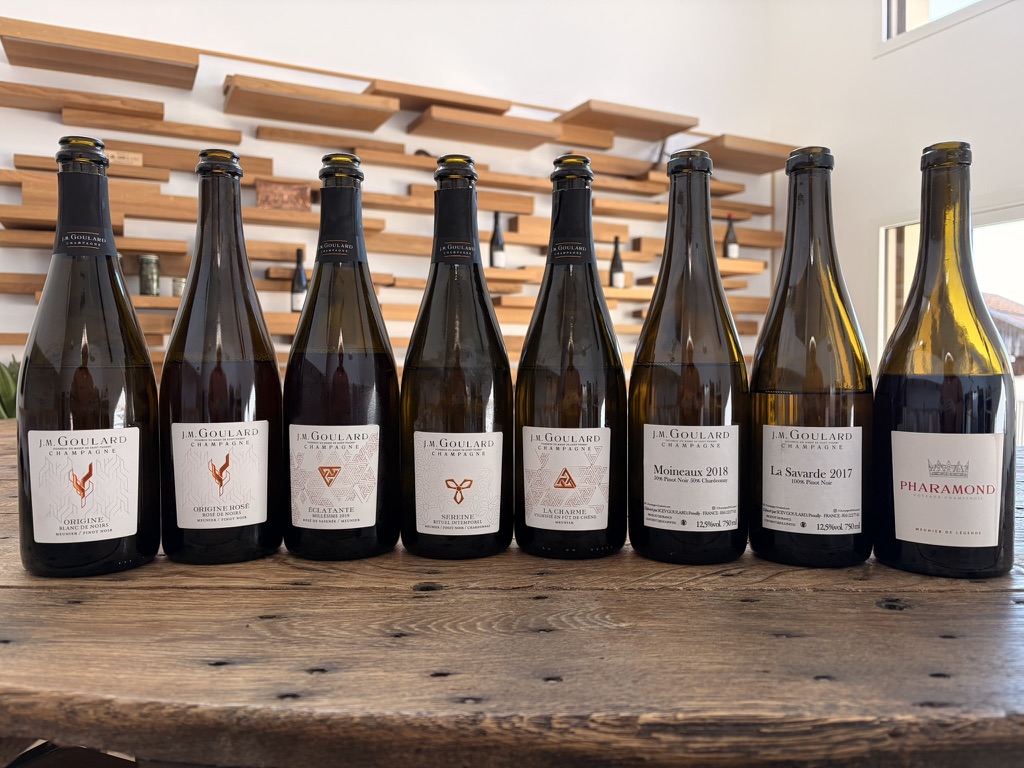
JM Goulard is now run by Damien who in my opinion is a rising star. He is not one for dogma which prompted his departure from Special Club and intro into APEX. He is most at home in the vineyard and for this he and I share a kindred type of connection. The range includes all three grapes and his plots come both with sand and marl. Special this year was his introduction of two parcellaire wines - Moineaux (literally “less water”) set on dry sandy soils and La Savarde (does not really translate but more or less means the wild land) set on marls. A really interesting contrast of finesse vs power. Keep an eye on this guy before the prices shoot up.

Nicolas Rainon herding us to lunch

Avocado and crab tart

Damien Goulard

JM Goulard line up

11 Likes

Great notes, keep em coming. I’m planning a trip in June and will follow this closely

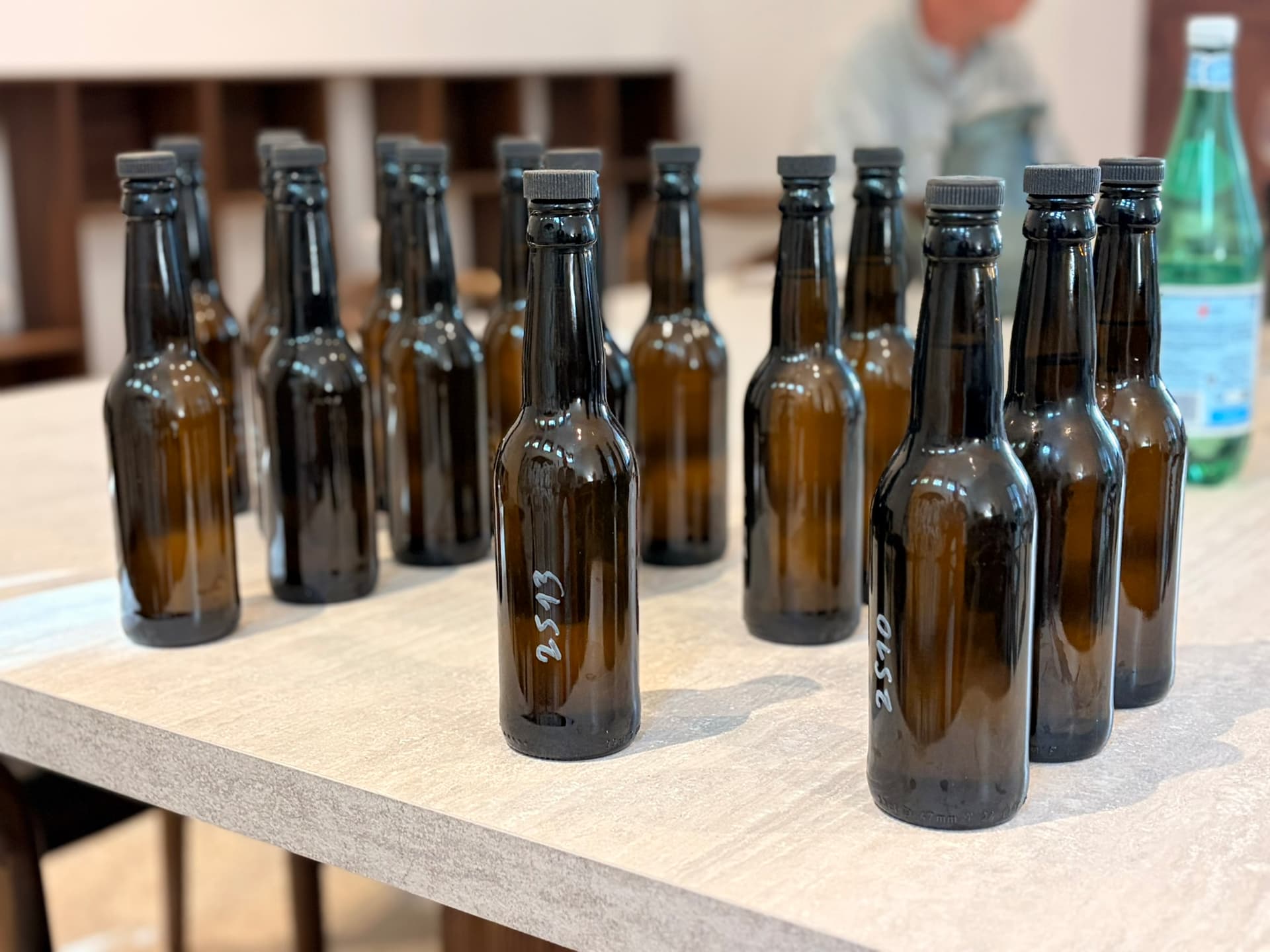
Day 3 - Only one producer but what a long day. Today we arrived at Champagne Paul Launois after an incredible lunch at La Gare in Mesnil. You may ask why only one today - well we have a very long history with them and many projects and we only tackled one today for 4+ hours. It is called the Single Barrel, a project started back in 2016 and we were there on day 1. Each year they put juice from L’allermand and Haut Voiles into single new barrels with different toasting levels and different types of wood to do that toasting (either oak which is traditional or grape vines). First we were tasked with deciding the disgorgement dosage level for the second release of the 2019 vintage. Blind, we tried 0, 1, 2, and 3 grams. Ultimately we blended the 1 and 2 and liked it - so call it 1.5g. To verify though we did the 0 and 3 and found equal enjoyment. Next up was the first disgorgement of the 2023 vintage. Using the same grams, we really could not decide. After conversation we feel the best path is for another year on lees. If nothing else this then becomes a true vintage champagne as it will past the 36 month age test. So until next year my friend. Lastly we had to pick a new 2025 barrel. There are 20 barrels - do the math. Plus many re-tries. Finally it was decided to use fruit from their mid slope plot using Medium Vinewood Toast. Such a crazy good combination of bright stone fruits and supple oak. We will see how this stunning Chardonnay evolves into a Blanc de Blanc.

2025 Single Barrel samples

Julien aka The Beard

5 Likes

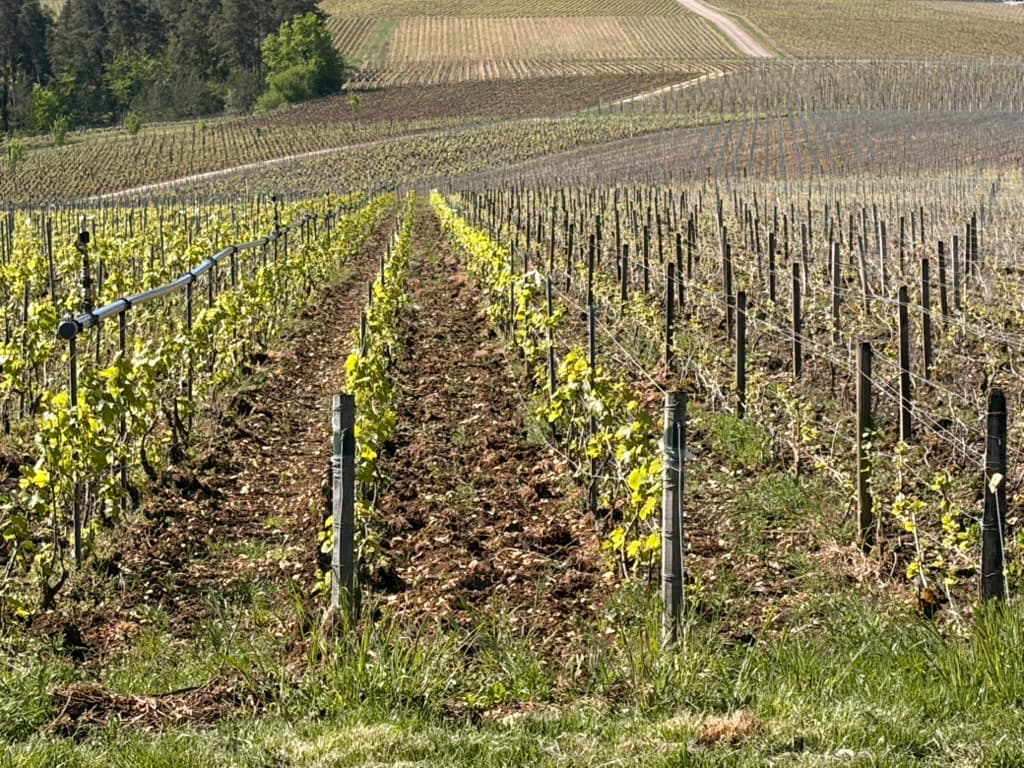
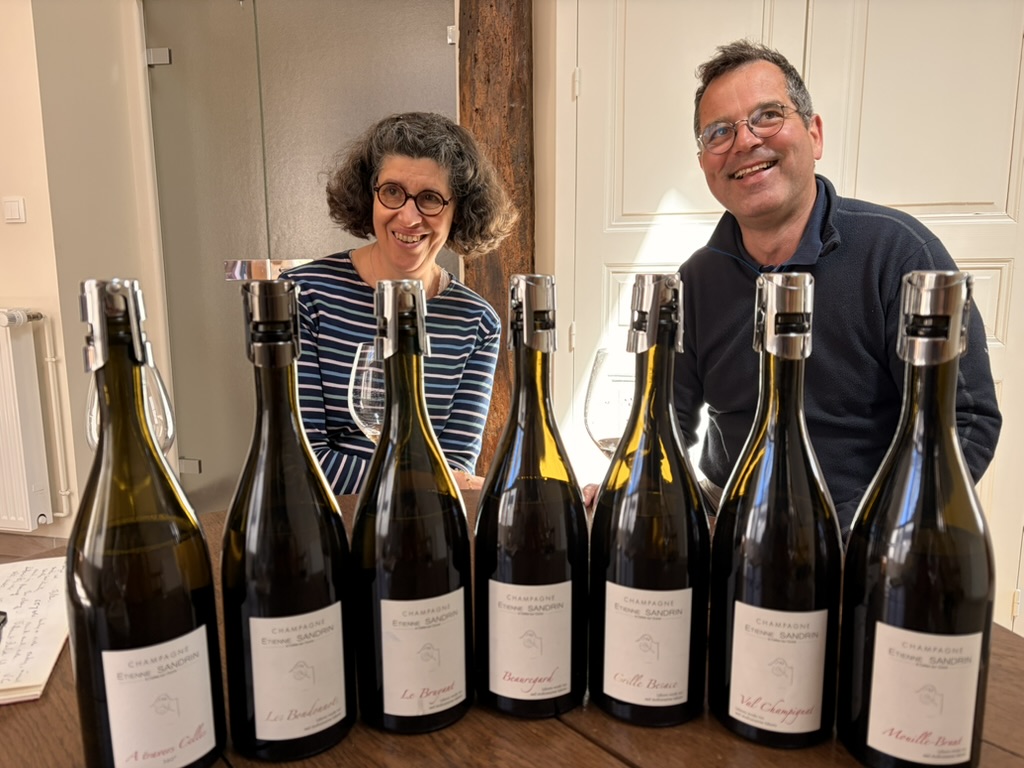
Let’s get on with Day 4 - following an enjoyable evening in the medieval town of Troyes, we headed down to the Aube region. We knew today would be fun as both of our visits were with producers that we were the very first to bring to America. Our first visit was with Etienne and Anne Sandrine in Celles-Sur-Ource. Starting with a vineyard tour we were shocked and saddened by the frost damage. It is much more significant down here relative to up north; they are looking at about a 50% loss, Chardonnay more than Pinot. It was very interesting to note how well the overhead water sprayers really work (see photo below). Those producers seemed to fare just fine. Back to the house, we tasted through the 2021 single vineyard wines and the 2022 assemblage. Outstanding across the board with a purity and clarity Sandrine is known for - quite the contrast to his more famous neighbor. It’s a hard to trick to marry ethereal elegance, seductive fruit and bright minerality all together, but these wines are just plain achingly beautiful. Then lunchtime - we were intended to go to La Garde Champetre which is our favorite restaurant here but something happened so we went to perhaps the only other restaurant, L’union. It was fantastic and crowded - this is what happens when a group of 12 from Chicago invades the town. After a brief conversation with them we found that we would all be dining at La Garde Champetre that evening and bid a fond au revoir.

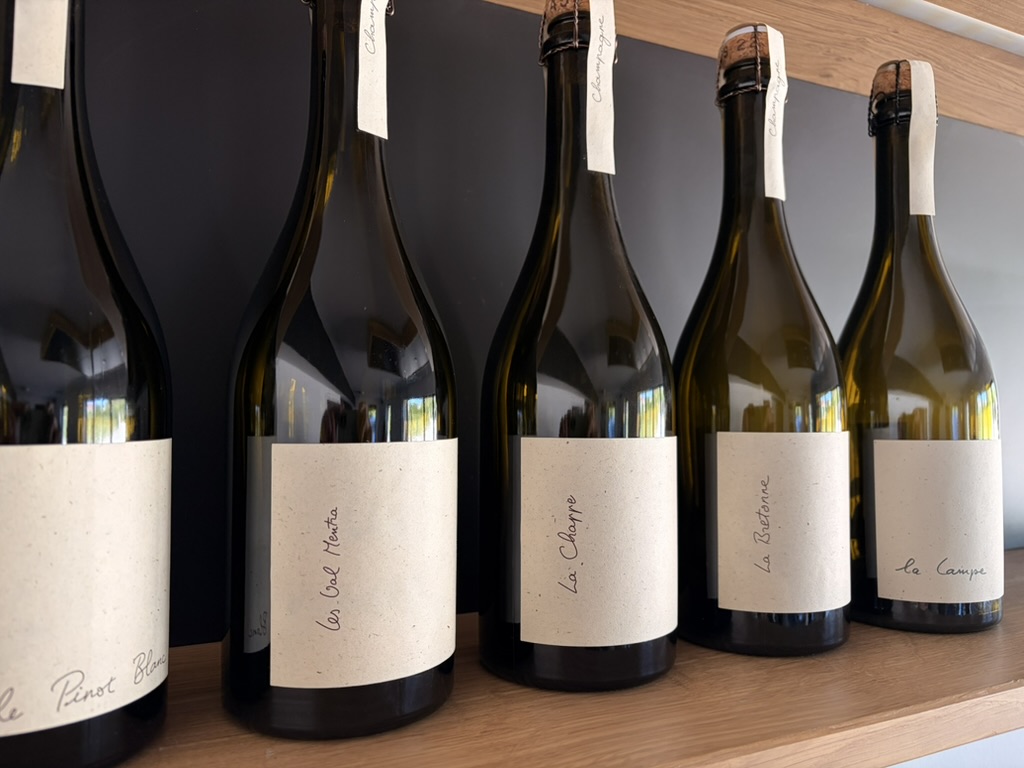
Our next stop was at CH Piconnet. Clem and Agathe are an amazing couple we now call dear friends. They along with their two daughters made the trip to Oregon last year to put on a few seminars and dinner for us at Caveau Selections. We then returned the visit with a handful of clients later in the year. This year sitting in his winery/tasting room we started with the wines and boy oh boy did these shine. Such transparency into the grapes and site, yet with full spectrum fruit and tension with a slightly lighter mousse, which I personally enjoy. He has a newish single vineyard range that get more exciting each year with two blancs and two pinots. The stand out for me was the single vineyard pinot noir from La Lampe - in many ways it carried the beguiling aromas and flavors I experienced earlier in the week at Laval. We then took the vineyard tour and it confimed all we saw that morning. It was be a small yield in 2026.

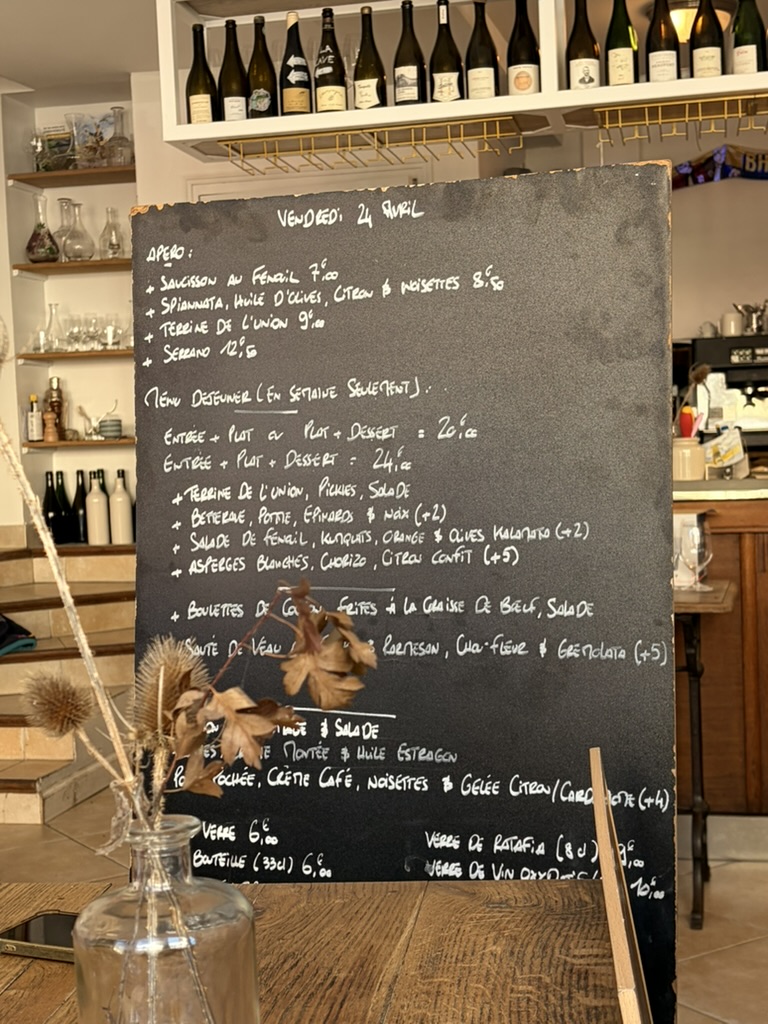
Well, we had our hopes up for a grand dinner at La Garde Champetre but unfortunately it was fully booked - damn that Chicago group. So Clem, Agathe, and their youngest daughter, Camille, took us to the only other restaurant, L’union. Thankfully the menu was different.

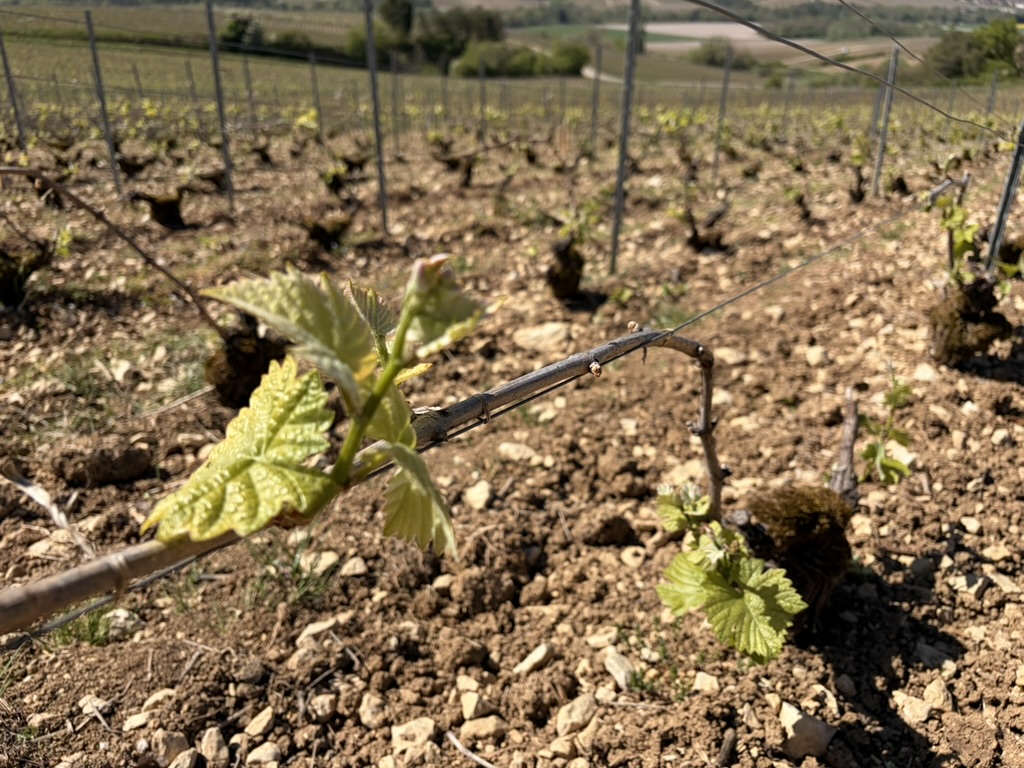
Clear example of protecting vines from frost using overhead water

Anne et Etienne Sandrine and the lineup

Etienne explains it all on Beauregard

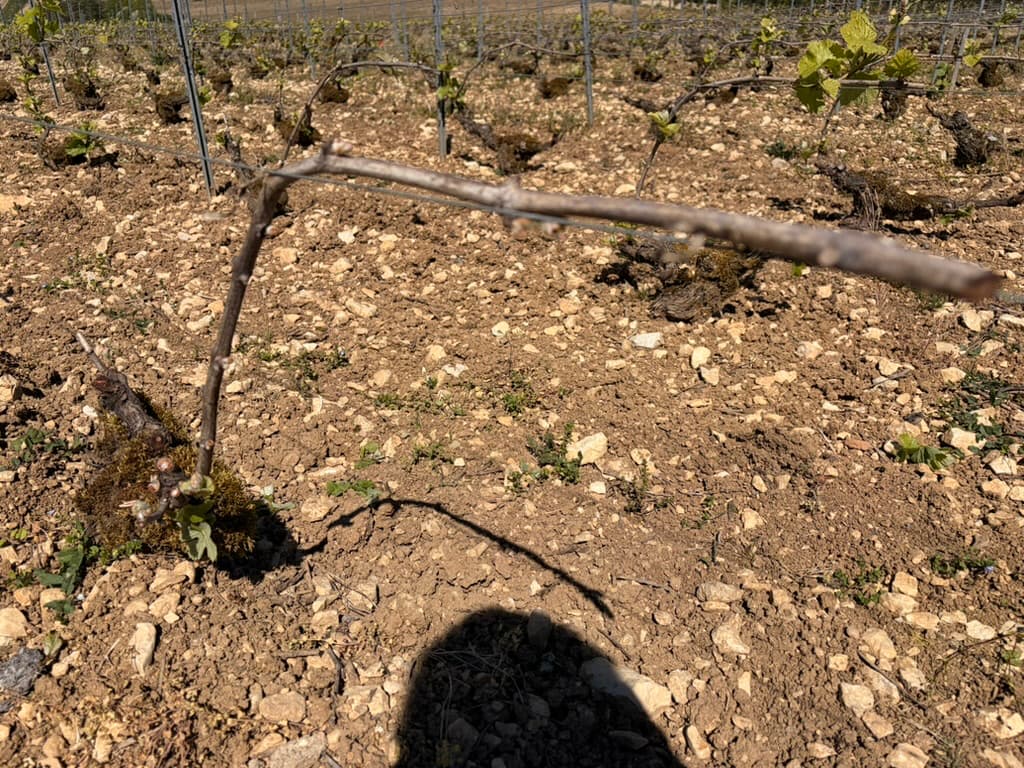
Frost damage - very sad

Highly recommended

Just in case you don’t believe me

Michael walking La Lampe with Clem

More frost damage - it is serious this year

Piconnet single vineyard wines

5 Likes

Great thread, Mark. You’re hitting so many of my favorite subjects; Champagne, travel, thoughtful cuisine, the Pacific Northwest, and mountain biking. I subscribed on the Caveau site. Keep them coming.

Cheers,
Warren

2 Likes

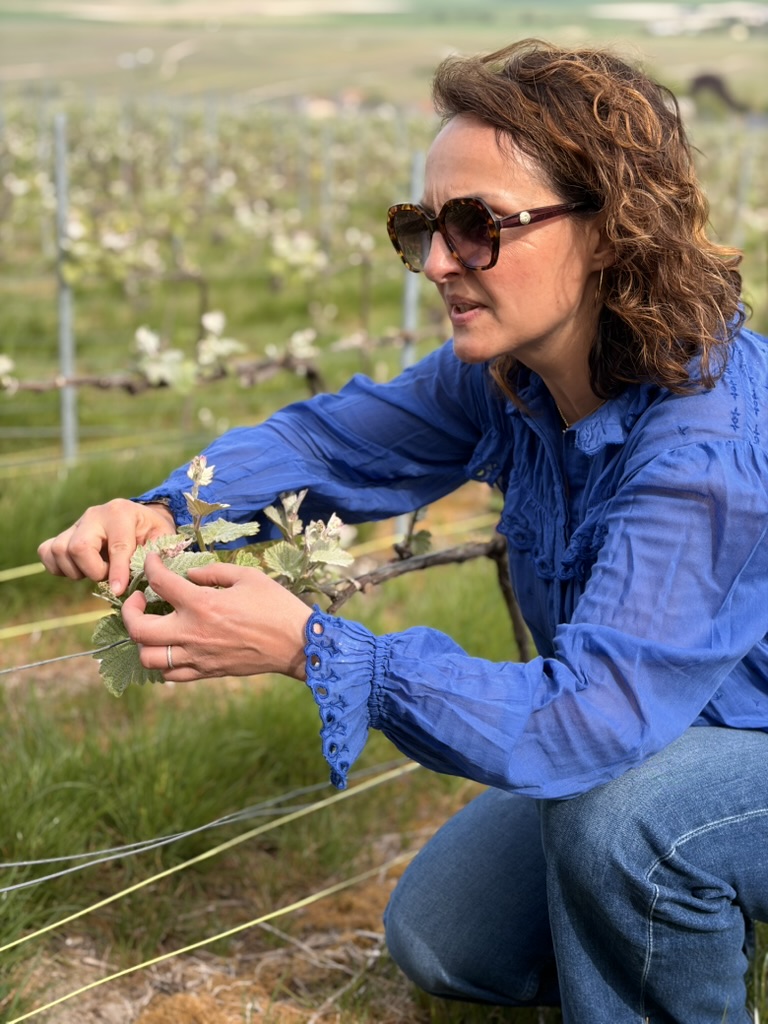
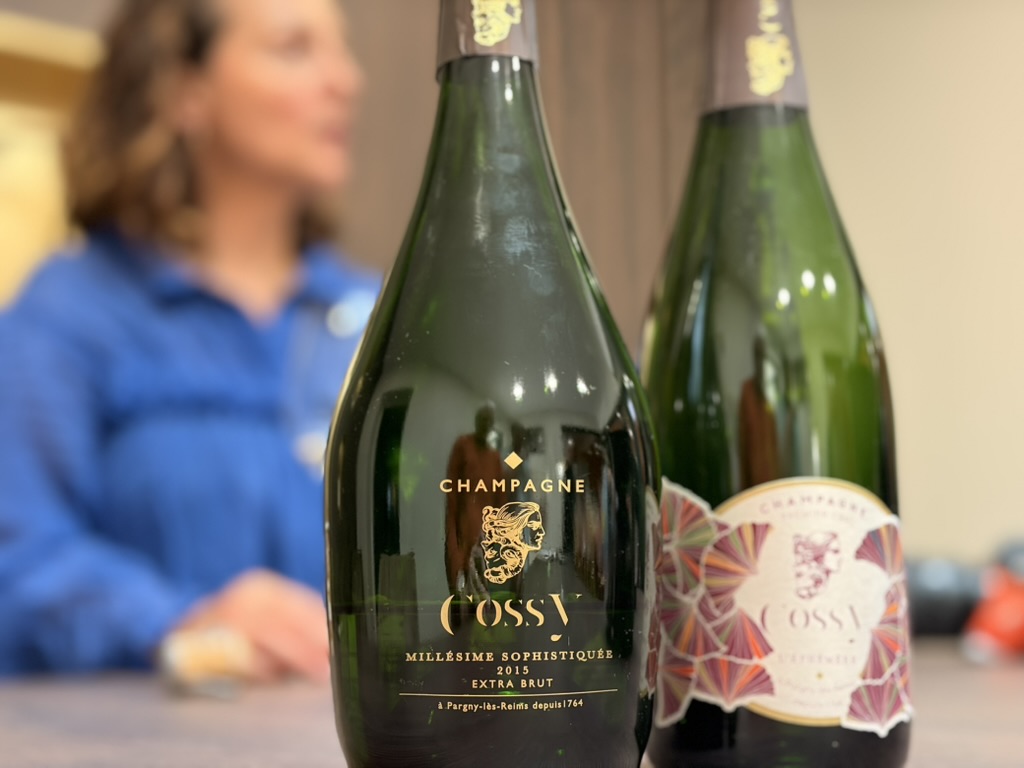
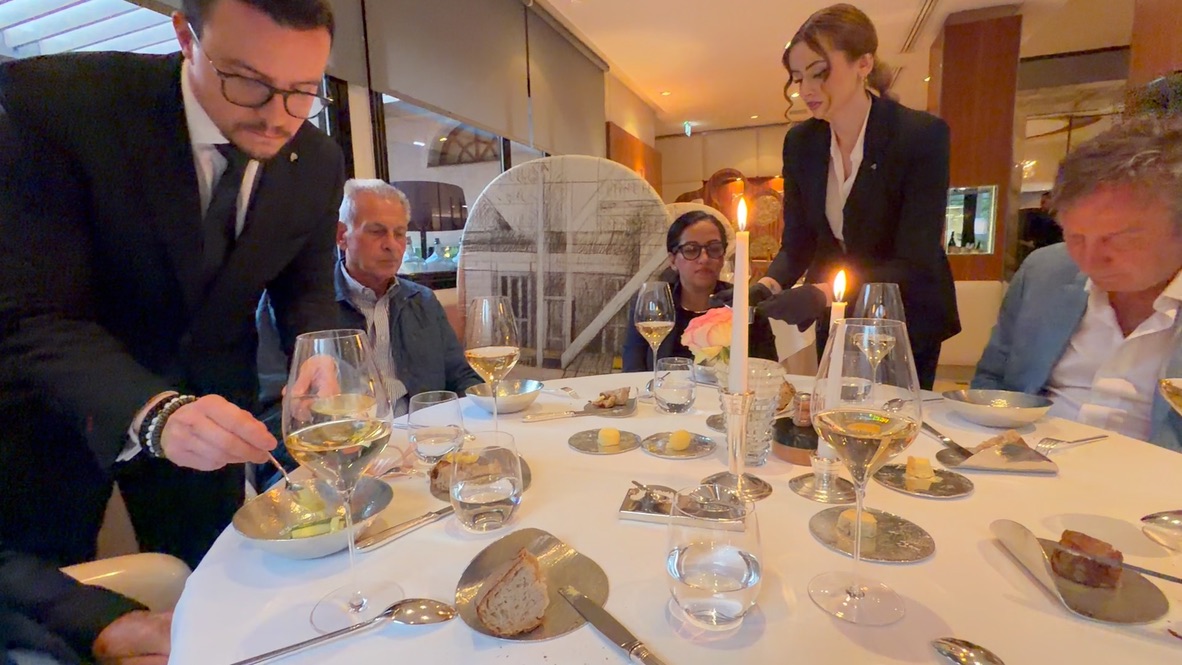
After a nice weekend off, we welcomed Caveau clients to Champagne. Our first day was a gastro day with lunch at Brassiere de Jardin and dinner at L’Assisett Champenoise (***). In between though we were treated to a special visit with Sophie Cossy. She has vineyard holdings in the premier cru villages of Pargny-lès-Reims and Jouy-lès-Reims and farms the main three cepages. The family has been farming their vineyards since 1764,Sophie’s wines show an exceptionally graceful touch – elegance, finesse and full of charm. One of the best values in Grower Champagne to be found anywhere. We had the pleasure of visiting her newly constructed winery on the same grounds that her grandmother lived. Her parents still live across the street.

Sophie Cossy in her vines

Tasting with Sophie

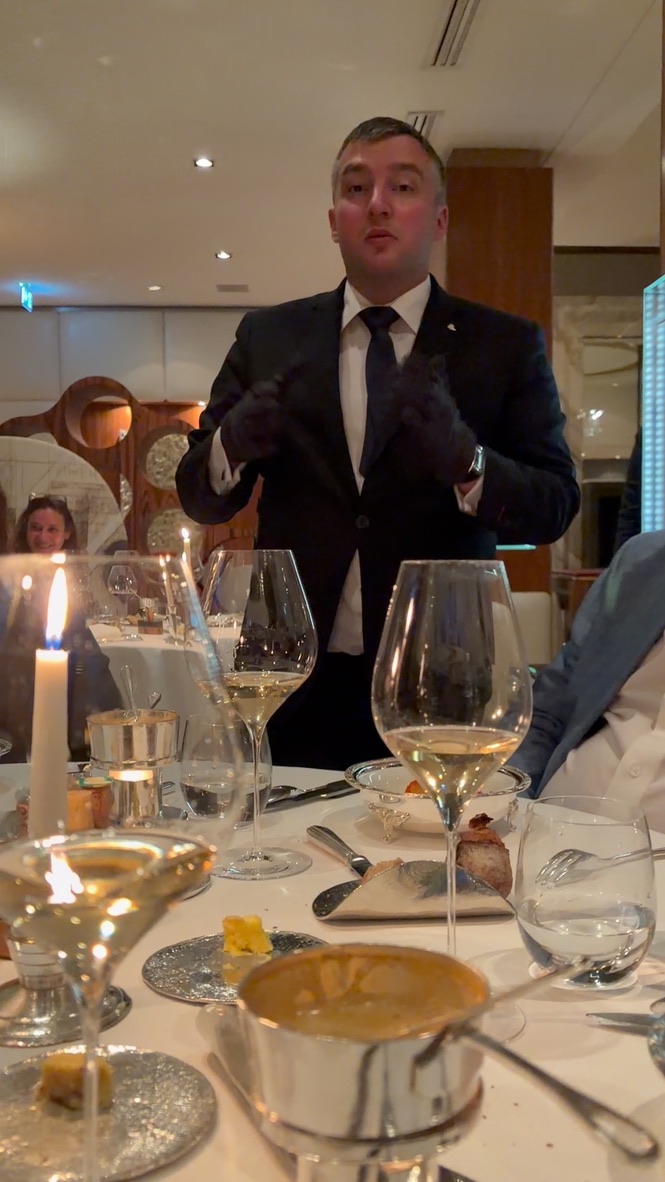
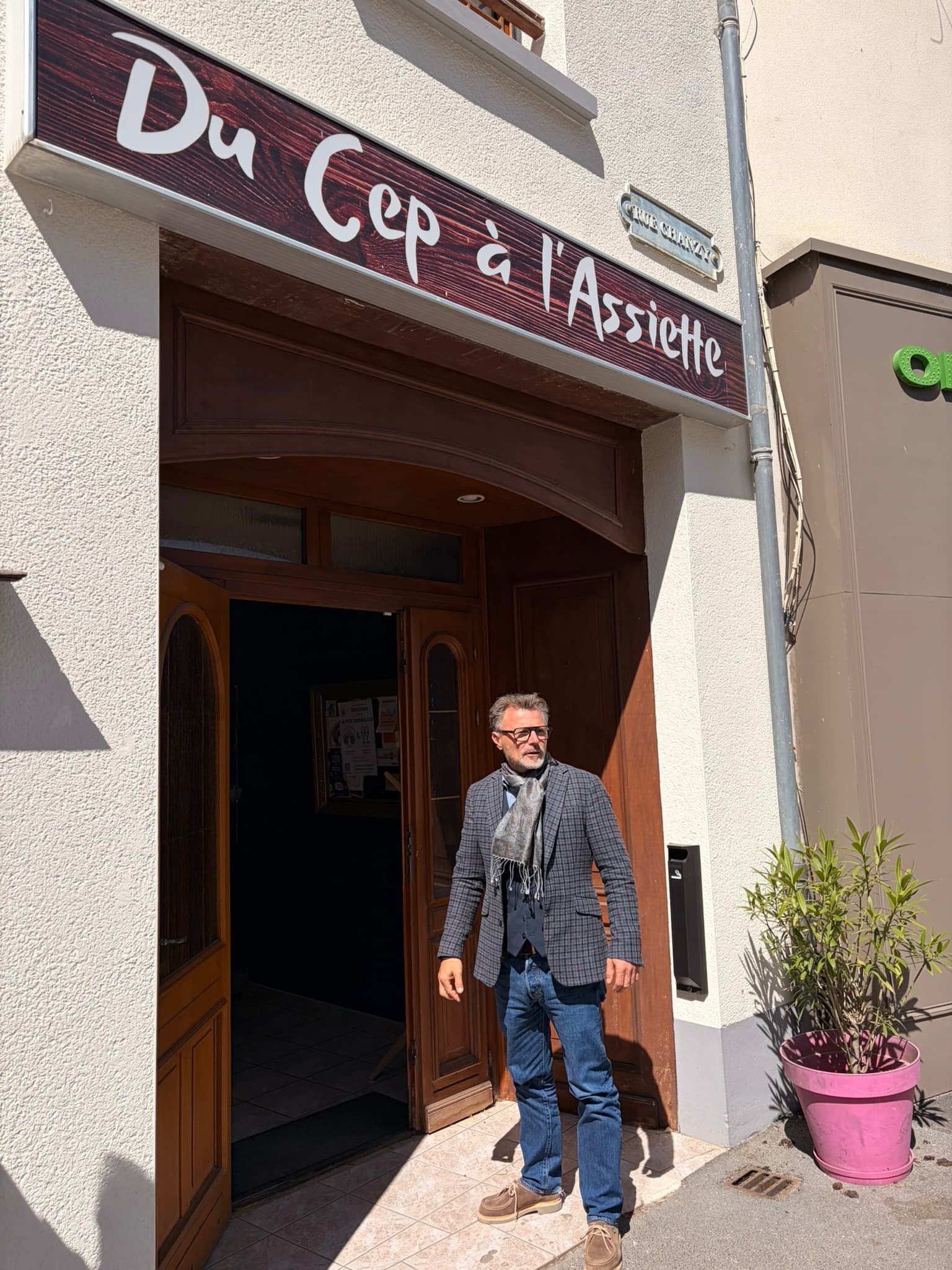
Dining at L’Assiette Champenoise

6 Likes

Wonderful and detailed report. Thanks for sharing!!

Incredibly generous of you to share your notes with us. Santé!

Really enjoying reading all this. I’m heading out that way in June, can’t wait.

Today is all about Chardonnay in Cote de Blanc. We start in Avize with a most fun and unusual appointment. We have been the first and perhaps still exclusive importer of a little known brand called Domaine des Maladreries. We’ve been paying a visit to Gaetan Gilet twice a year for nearly the past 7 years, watching his cellars fill to the rafters with bottles, and asking him when we could buy some wine. His reply was always something mumbled about working on a label, but maybe next year he would be ready.

In a Groundhog Day scene, we’d return again six months later, hear the exact same story, and leave empty-handed.

But then a couple years ago, something wonderful happened. Gaetan’s partner in crime Anne-Sophie got involved, and agreed to sell us some wine. Her idea. Her label. She thinks it is finally time for the world to slowly start to see what is going on in that dark, dank cellar in the center of Avize that is filled with bottles (Gaetan estimates there are nearly three quarters of a million now) dating back to 2013.

In the years to come Gaetan will fully launch a brand called “Domaine des Maladrèries”, named after the parcel of land where his winery stands. But in the meantime, it is Anne-Sophie that has convinced him to begin disgorging about 1,000 bottles per year from their stock that is quietly accumulating in their dark cellars of the Chateau d’Avize.

She told us that they’ve finally started releasing some wine “so they can have some fun.”

This is pure Grand Cru Chardonnay from the villages of Chouilly, Cramant, Avize, Oiry, Oger, and Mesnil-sur-Oger. Bottled in March 2014 after 6 months in barrel and just 1024 bottles were disgorged in December 2023 after nearly 10 years on the lees. Wow. Dosage was just 2 grams, keeping this an extra brut, but it is not labeled that way.


And, yes we are tasting these $$$ wines in the parking lot.

And, yes their pet, Jean-Patrick has his own IG - jeanpatrick_the_mini_pig - check it out

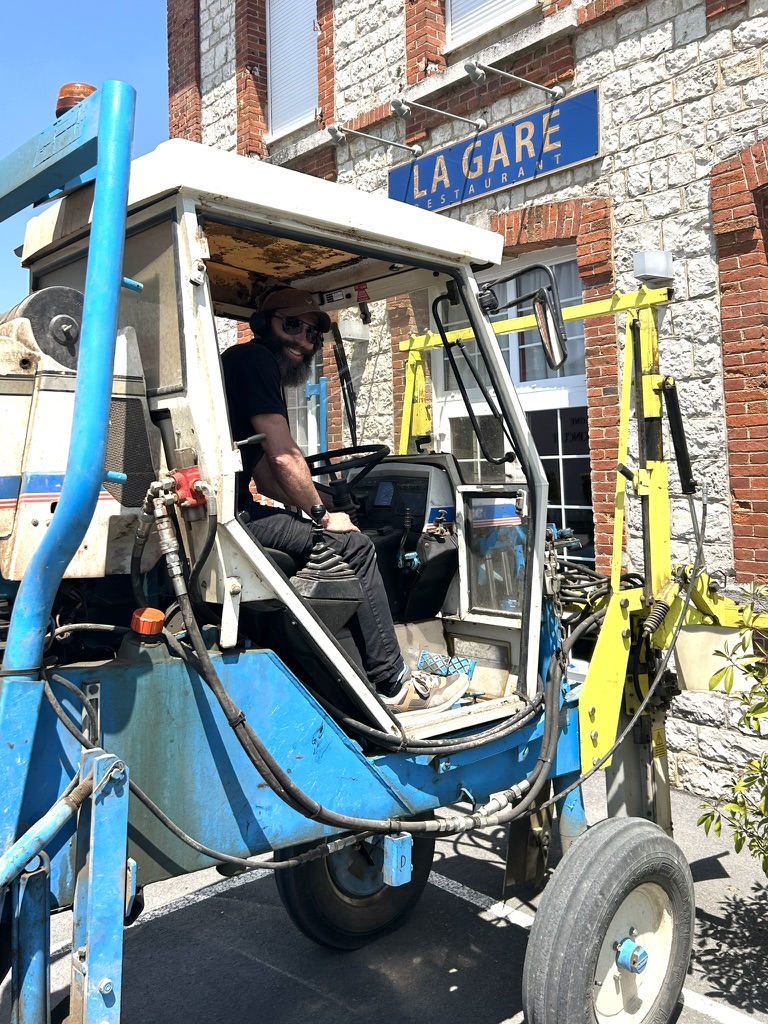
Lunch was at the only place in town, La Gare. Although Julien Launois could not meet us for lunch, here is a photo of him pulling in straight from the vineyard during out last visit.

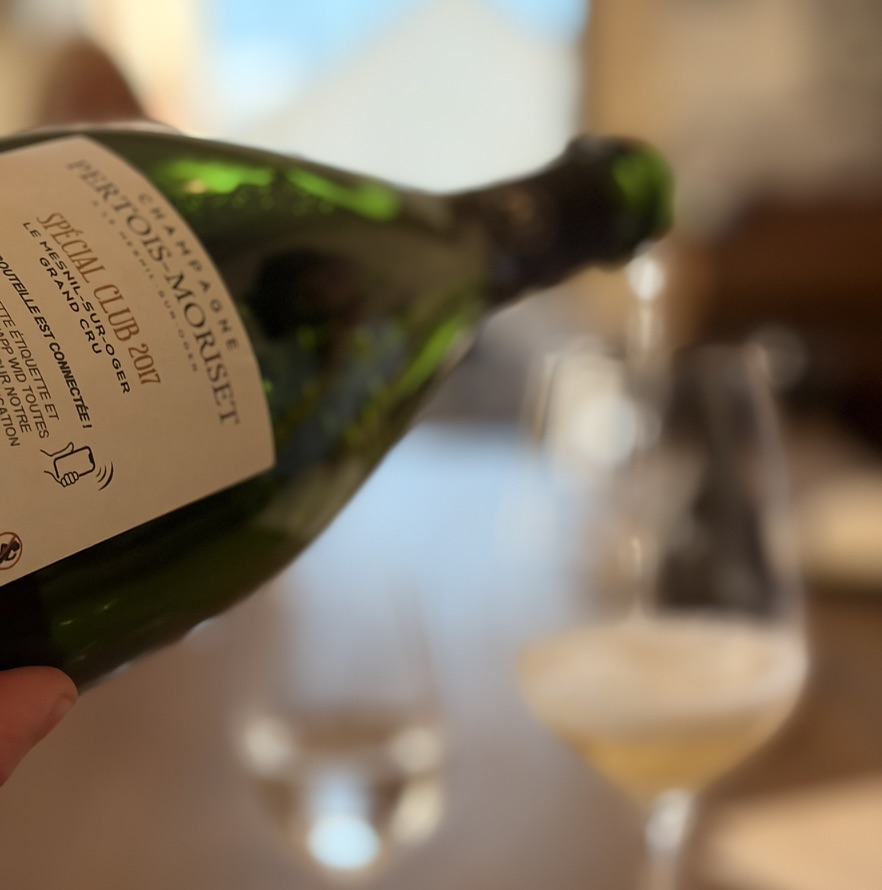
Our afternoon appointment with Vincent Bauchet at Pertois-Moriset was amazing as usual.

Champagne Pertois-Moriset was born in 1951 with the marriage of Yves Pertois and Janine Moriset, each of them offspring of vigneron families in Champagne’s Côte des Blancs that go back several generations. Is is now their granddaughter Cécile and her husband Vincent who have taken over the estate and turned it into one of the most exciting new producers in the region.

This is not a tiny operation - Pertois-Moriset has 45.69 acres of vines, a whopping 29.64 acres of which are Grand Cru Chardonnay in the legendary villages of Mesnil-sur-Oger, Oger, Cramant and Chouilly - Champagne’s “High Rent District”. (Grapes from here are the most sought-after and most expensive in Champagne, if not the world.)

They’ve built a state of the art new winery and barrel cellar, a huge new bottle cellar, and have doubled the workforce in the vineyards to improve quality and work organically. They have the region’s first all-electric tractors (the Tesla of the vineyards?), a lovely modern tasting facility, and have completely re-thought and re-vamped their entire production from the ground up.

As of 2018 the new Pertois-Moriset has essentially nothing to do with what came before - it’s a whole new ballgame. New cuvées, new winemaking protocols, new labels, new bottles, even. Most importantly, a new level of quality in the wines that I found absolutely irresistible. We’re honored to be the very first importer anywhere on the planet to introduce the all-new Champagne Pertois-Moriset.

This year’s line-up was impressive - L’Assemblage (OK so there is some pinot here), Les Quatres Terroir (Chardonnay from 4 villages), the three single village wines - Cramant, Chouilly, and Oger, Special Club 17, and then the single parcel masterpiece, Les Hautes Mottes 2017.
As a Chardonnay fan, I can say these are impressive and Grab them while you can.

We headed up the road to Paul Launois (yes we visited with Julien et Sarah last week but a client tour is not complete with Sarah’s home cooking). First, we visited the Single Barrel room and vino-tek and Julien gave the story behind the program. Basically he makes 20 or so barrels each year using different toast levels and material (oak vs grapevine) and fill them with either Chardonnay or Meunier. As a purchaser since the first year (2016) we get the earlier crack to pick a barrel and usually end up with a Medium level toast and this year we choose the grapevine toasting. Supercool program and unusual as you would not think 100% new oak would make a great Champagne - but it does. Julien grabbed a bottle of our 2017 vintage, disgorged it on the spot and we experienced the non-dosage cuvee with joy.

Julien followed this with bottlings of Composition, Monochrome, Portrait, and Illustration. Each a different expression of Grand Cru Mesnil - truly a delight.

Dinner followed and suprise surprise Julien brought out an interesting assortment of non-Champagne, non-French wines to pair. I am glad I did not have to drive the 45 minutes back to the hotel.

3 Likes

Great thread. Love it.

1 Like

Our next day took us to a visit with Aurelien Laherte. Full education from vineyard to bottle. No other producer in our portfolio is more focused, dedicated, and relentless in their pursuit of quality.

Laherte Frères was founded in 1889 by Jean-Baptiste Laherte, although the Laherte family sold grapes to the local cooperative for many years. Michel Laherte, the father of current proprietors Thierry and Christian Laherte, began to bottle champagne under his own label, and when brothers Thierry and Christian took over the estate, they appropriately changed the name back to Laherte Frères. Since 2002, they have been joined by Thierry’s son Aurélien , who represents the seventh generation of his family to grow vines in this area and is now fully in charge of the estate.

Many of Laherte’s champagnes demonstrate the distinct character of the Coteaux Sud d’Epernay, the area just to the south and southwest of the town of Epernay that falls between the Côte des Blancs and the Vallée de la Marne. The chalk in this region is noticeably softer and more friable than the hard chalk found in the Côte des Blancs, and here it’s usually covered by 50 centimeters to one meter of clay, often mixed with other elements such as silex, limestone, schist and marl. Combined with the diverse array of different expositions offered by the numerous folds and twists of the rolling slopes here, this creates a distinctive character in the wines that distinguishes them from those of the surrounding areas. “Our pinot noir is finer than that of the Vallée de la Marne because we have some chalk,” says Aurélien Laherte, “and our chardonnay is rounder and fruitier than the Côte des Blancs because we have some clay.” At the same time, this region is far from homogeneous: Laherte identifies 15 different terroirs in the village of Chavot alone, and vinifies each separately in order to preserve its individuality of expression.

Ever inquisitive, the Lahertes are not averse to experimentation in either the vineyards or the cellar. The average vine age here is about 30 years, with the oldest vines over 60 years of age, and as some of these have gradually needed replanting, the Lahertes have replaced them with ungrafted vines, chosen from a sélection massale. They now have close to 500 individual vines on ungrafted rootstock, scattered over several parcels, and as the vines are all quite young, the Lahertes are still waiting to evaluate the results. In addition, they have planted a parcel in Chavot called Les 7 with seven different varieties—pinot noir, meunier, chardonnay, arbanne, petit meslier, pinot blanc and fromenteau (pinot gris)—which are field-blended, farmed biodynamically and vinified in barrel for a cuvée of the same name.

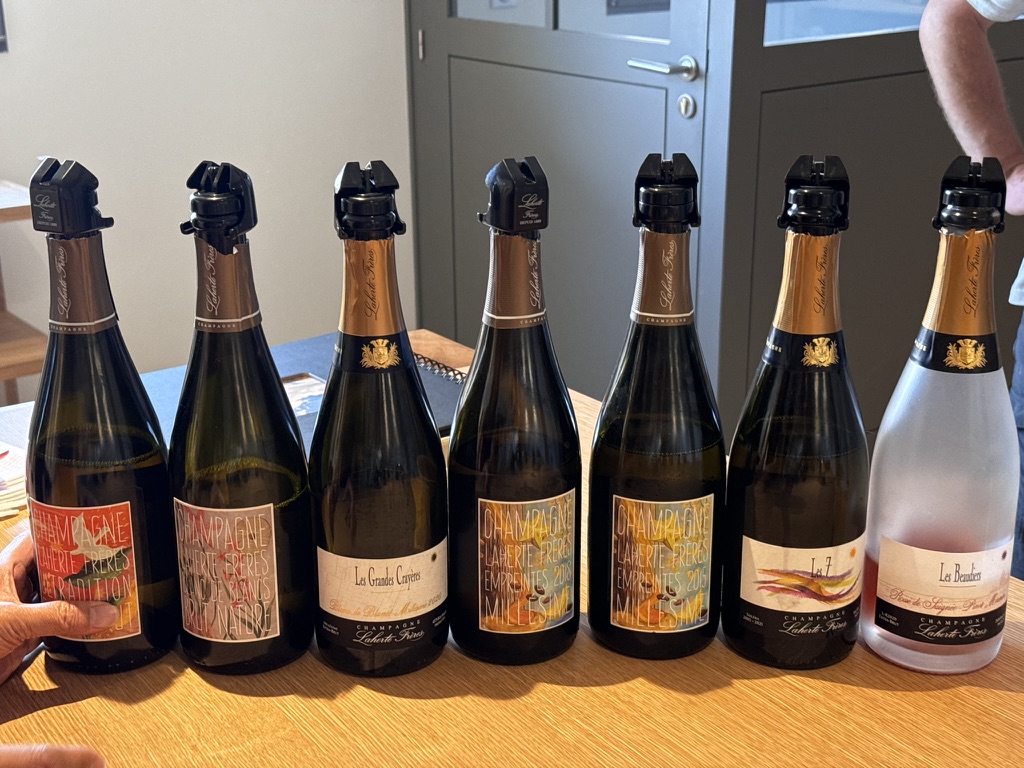
It is always hard at these tastings to walk away with a favorite as they pretty much all qualify.

The line-up

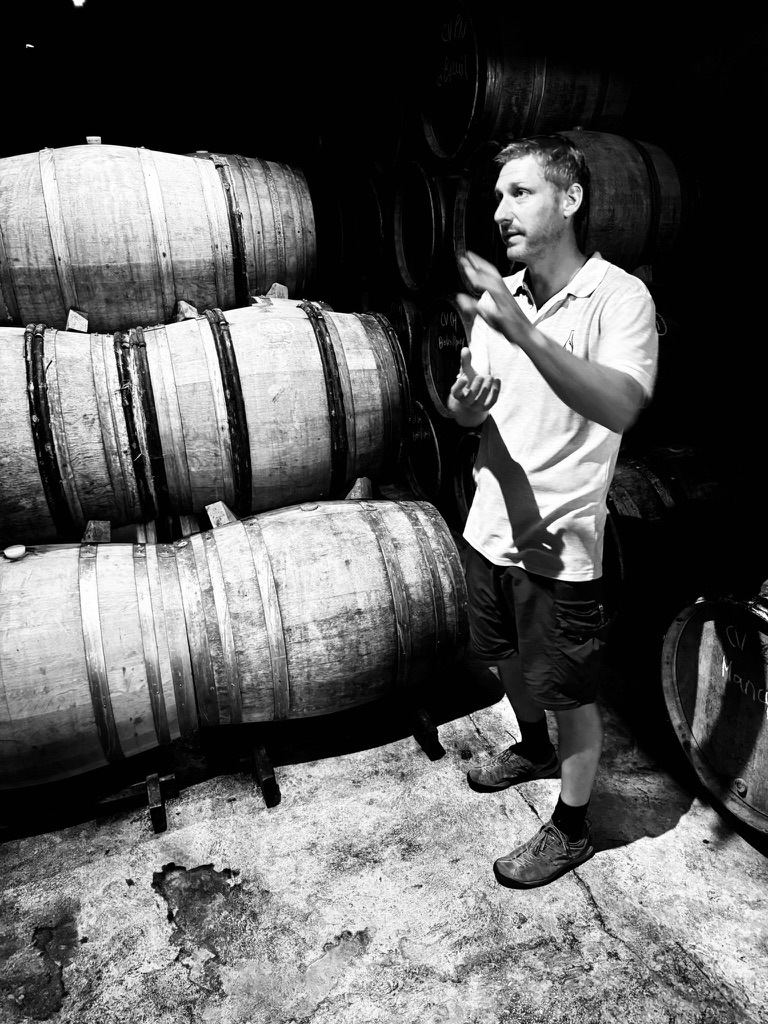
In the cellar

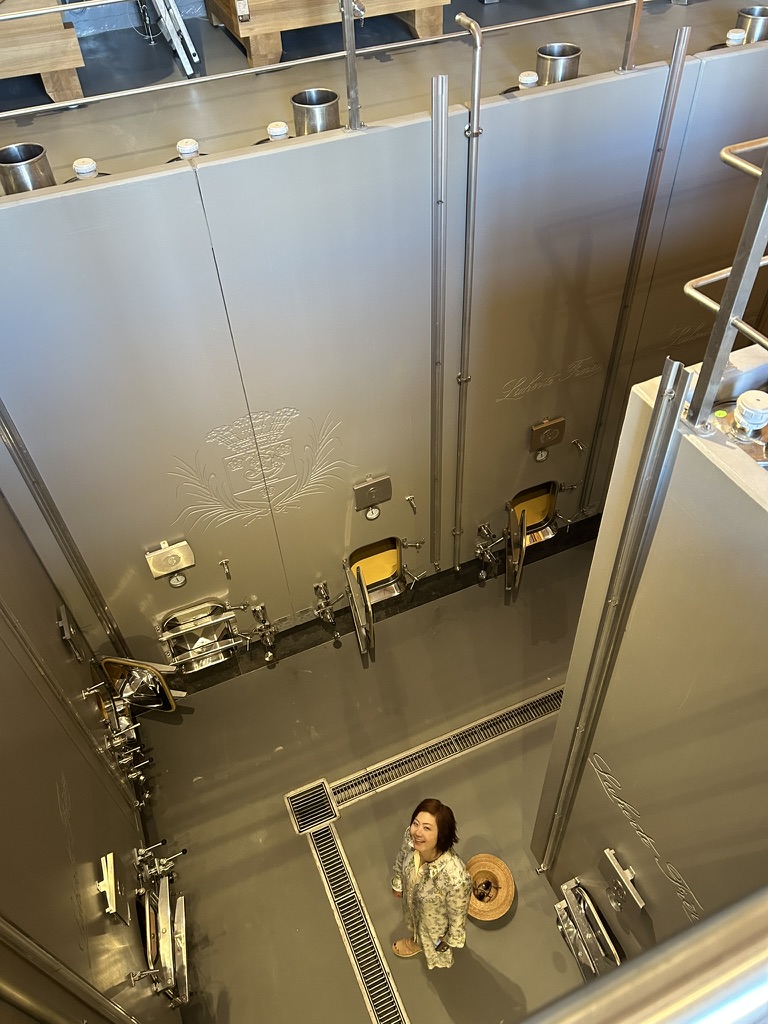
The new specially built concrete holding tanks- pretty amazing

3 Likes