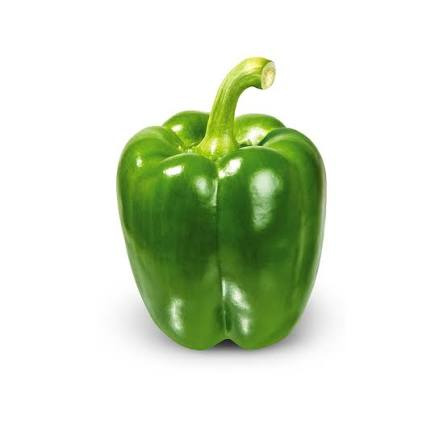
I’m not one to champion use of hyper-specific fruits in tasting notes, but the lack of specificity with this one sometimes leaves me scratching my head.
What comes to mind when you see “capsicum” in a tasting note? Pyrazine-y green bell peppers? Sweeter red or yellow bell peppers? Capsaicin-loaded jalapeños or habaneros? They’re all part of the genus Capsicum, and they’re all very clearly different to me.
Capsicum means bell pepper in Australian. I never hear non-Australian use that word in any colloquial context, really. So that would be my interpretation.
I had shingles about 15 years ago. My wife read about how applying capsicum cream can help relieve the symptoms. So after I got out of the shower at the gym, I applied some to my chest and back.
It was like you turned a blowtorch onto my skin. I hurriedly left and started driving home and it got worse and worse, I wasn’t actually sure I could make it, but then stopping wasn’t going to make things better either. I somehow made it home, filled a bathtub with ice water, and laid in there until it finally settled down. It was one of the scariest and most miserable feelings I’ve ever had.
Anyway, capsicum cream is derived from hot chili peppers. Capsicum refers to the overall family of peppers, which includes both bell peppers and hot peppers. I guess in India and Australia, the term in ordinary parlance just refers to green bell peppers. I think when people use the term (at least outside Australia), they’re referring to some chili pepper type spice in the wines? That’s how I usually read it anyway.
To me, the term “capsicum” in a tasting note refers to just the general, somewhat pyrazine-y aromas and flavors of the capsicum genus, including bell peppers, chilies and the like, not going into specifics. Basically the same as “red fruits” or “spicy”, if there are no obvious notes one way or another.
However, quite often it’s more bell pepper than the others, because a) that Australia thing; b) bell pepper is the context I’m most familiar with, so it naturally pops into mind easily.
I think not. Wines normally don’t have any kind of chili pepper type spice (ie. heat from capsaicin). I think when tasting notes say capsaicin, it’s the aroma or the flavor, not the taste. I’d imagine people would say something like “chili heat” instead, if there was any of that kind of thing in the wine.
I think the point that it means something completely different in Australia is interesting. For me, I’d guess Capsicum means peppery, like black pepper. I’ve started to see more wines mention bell pepper, which to me I’d label under vegetal. So yeah, I’m not sure.
Some wines take the pyrazines into more exotic territory beyond the traditional green bell pepper. Many 80s wines can get a smoked poblano or hatch chile note (something far, far better than green bell pepper), that I sometimes refer to as capsicum. Sounds cool.
Capsicum is the genus that includes bell peppers. Vegetables. Black pepper is a spice, not the vegetable.
I guess this confusion has something to do with the English language where you have the term “pepper” denoting both the vegetables (bell pepper, chili pepper) and spices (black pepper, white pepper).
However, the term “capsicum” should make it clear to the reader that this time it is not the ambiguous “pepper” but the vegetable pepper, not the spice pepper.
What’s interesting is that’s not the way most Americans would read that. In The US, Capsicum refers to the chemical substance that’s used in Bear spray. It is the chemical that makes spicy food spicy. So here it reads as exactly the opposite of sweet vegetal pepper.
Oh, sorry, I thought you were correcting me when you chimed in the first time. Despite misspeaking between Capsicum and capsaicin, I know both words and the difference before you all spoke. So I assumed you were intentionally being rude. Looking back at the first post I see you misunderstood what I was saying. I stand by my original comment, in the US, people will only understand vegetal if you say bell pepper. If you use capsicum, most people will assume the flavor you are describing is spicy like capsaicin. (which was kind of the point of the original post). Here, the Latin Capsicum, is only used by botanists and overly intense gardeners.
Are you sure about this, and you are not only mirroring your own personal experience? Because this is the first time I’ve heard of this. I’ve seen many US people describe vegetal bell peppery flavors as “capsicum” in CT, but it wouldn’t make sense to think of them describing them as having chili heat, because wines don’t have that.
Even google searches on the term give results where bell peppers are always among the first examples. I’d love to hear from the other forumites if this is the case - do you associate the term “capsicum” with chili heat, or with the genus that contains bell peppers, chilies, etc.?
I wonder why people would even describe the heat as “capsicum” when they can say “chili” or some other specific hot variety of capsicum?
I have to admit my first thought when I see capsicum is capsaicin, probably because of capsaicin research I was involved in many years ago. In the context of a wine TN, unless there are other descriptors describing chilis, I quickly get past that to the bell pepper concept.
I see obvious differences between green vs. red bell peppers. After reading the responses here I’m getting the sense that green bell pepper is the most common meaning.