Does anyone have experience with the more recent Forman wines? Mine ends I the early 90s when they were still really good
Laurel glen held out for a long time until the winemaker changed
Now we have Vincent aiming to make Napa cab in the style of the 70s and IMO doing a really good job of it though it will be a while before we khow they age
There are others , mt Eden, corison, I’m sure many I’m just not familiar with.
I visited Forman probably around 10-15 years ago. The wines were still quite good, but probably had higher alcohol that the Sterling wines had. I don’t know whether they will age as well as the old Sterling wines have done.
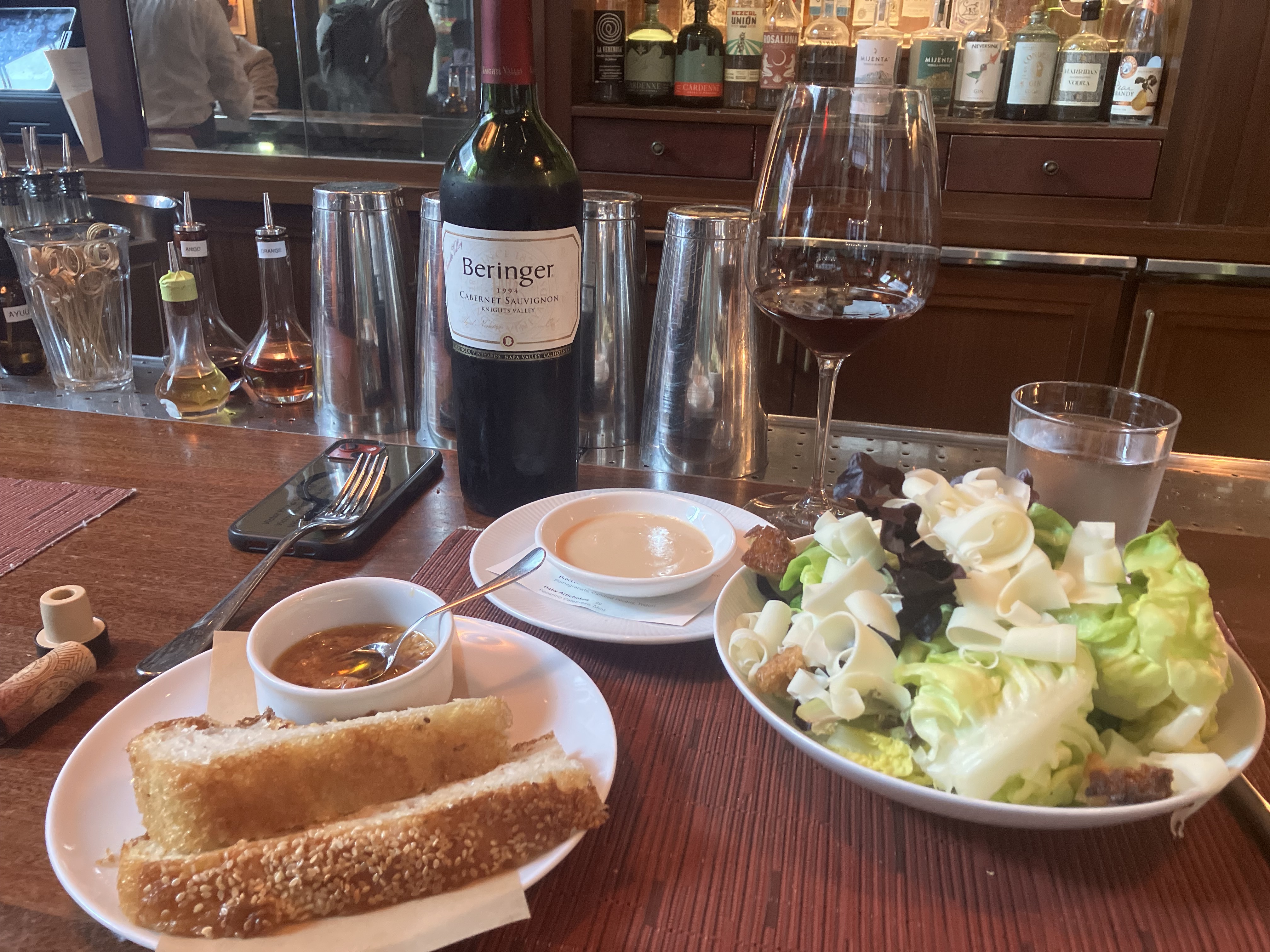
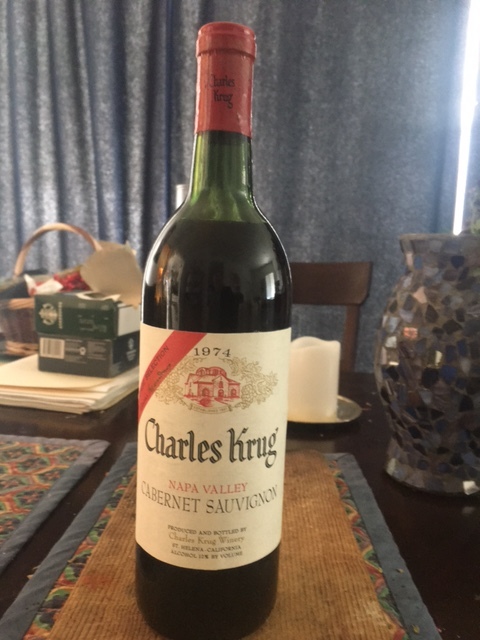
Brought the C. Krug '74 to the restaurant the other night. Severer expertly opened it and the bouquet was terrific, unfortunately the wine was corked and undrinkable. We bought another bottle off the list, and the server waved the corkage for the Krug. Too bad.
I get that often enough. Not that there isn’t tell tale TCA on the nose - just that the quality of the wine is very much there. Most recently it was a true unicorn wine, a '59/'60 SCM Cab. A friend found them and we split them. My first bottle opened was tired, very faded. This year, a few years after opening the first, I popped one and it showed a great wine, despite being corked. So, at least there’s hope one of the other bottles has held up as well without being corked.
Interesting! Ive been able to drink a wine when its ‘lightly corked’…but i cant say ive ever described the nose as being great. IMHO…the smell is usually the worst part of corked wine for me
It’s more that some bold wines don’t seem to be muted by TCA. The wines can be a lot more than “slightly corked”. With some bold wines the TCA can be buried in the mix, where most people aren’t detecting it (at first, at least). For me, I get a tactile sensation that builds up at the tip of my tongue, along with the taste/smell building up. That can quickly get worse than the upfront aroma and linger for hours, so I pretty much won’t take a sip of a corked wine.
I’ve had the same experience many times – a wine that is clearly corked but where you can still see that there’s a fine wine underneath that can still yield some pleasure. (This assumes that you aren’t repelled by TCA, which some people are.)
My surmise is that it’s because of the complex interaction of different chemicals, and that TCA interferes/suppresses some wine components but not others, so that some wines end up flat and dominated by TCA while others retain much of their original character. Given the hundreds of compounds in wines, it’s not surprising if some react differently when paired with TCA.
The effect is on our brain’s data processing. I think it’s more when other things interfere with our perception. One example would be extremely spicy-hot food. If you’d eaten something way above your normal heat tolerance you may no longer be able to taste the food. It’s a complex system with a huge amount of plasticity and relativity. So yes, perhaps some compounds in sufficient concentration are deemed important enough by our sensory processing to not get muted.
One thing our brains do when we smell is turn down the attention to bolder smells after a few seconds, allowing us to detect more subtle smells. That’s a survival mechanism to help us find potential poisons/contaminations. Another survival mechanism is to highlight potential poisons by making them prominent, so we perceive them as unpleasant. Like, there’s some correlation in nature between bitter and toxic. But, some things that are bitter are mixed, like that’s an anti-microbial or anti-pest feature of the plant, where a certain amount of that bitter compound is beneficial to us, like perhaps precisely because of the anti-micobial nature. Or, that it’s a needed food source, so our sensitivity to that compound adapts. Our bodies’ warnings and reactions aren’t perfect and aren’t always direct. TCA itself isn’t harmful, but we are being warned. It sure does make sense that it would be a red flag. Similar to an evolutionarily experienced bad thing, or a good correlationary marker, or just something outside normal parameters of foods. Something’s funny - you might not want to be consuming this.
I think the spicy food example is somewhat different from scents.
Unscented laundry detergent has things added to mask the inherent smell of the detergent (which is usually masked by perfumes).
If you light a match in a bathroom, the sulfur doesn’t eliminate bad odors – it simply interferes with your ability to detect them.
Given all the aroma compounds in a wine, it seems very plausible that TCA may completely mask some but not others, so some wines can “survive” TCA infection better than others and show more of the flavors you’d expect. (I’d have to check, but I think Jamie Wolff has written this.)