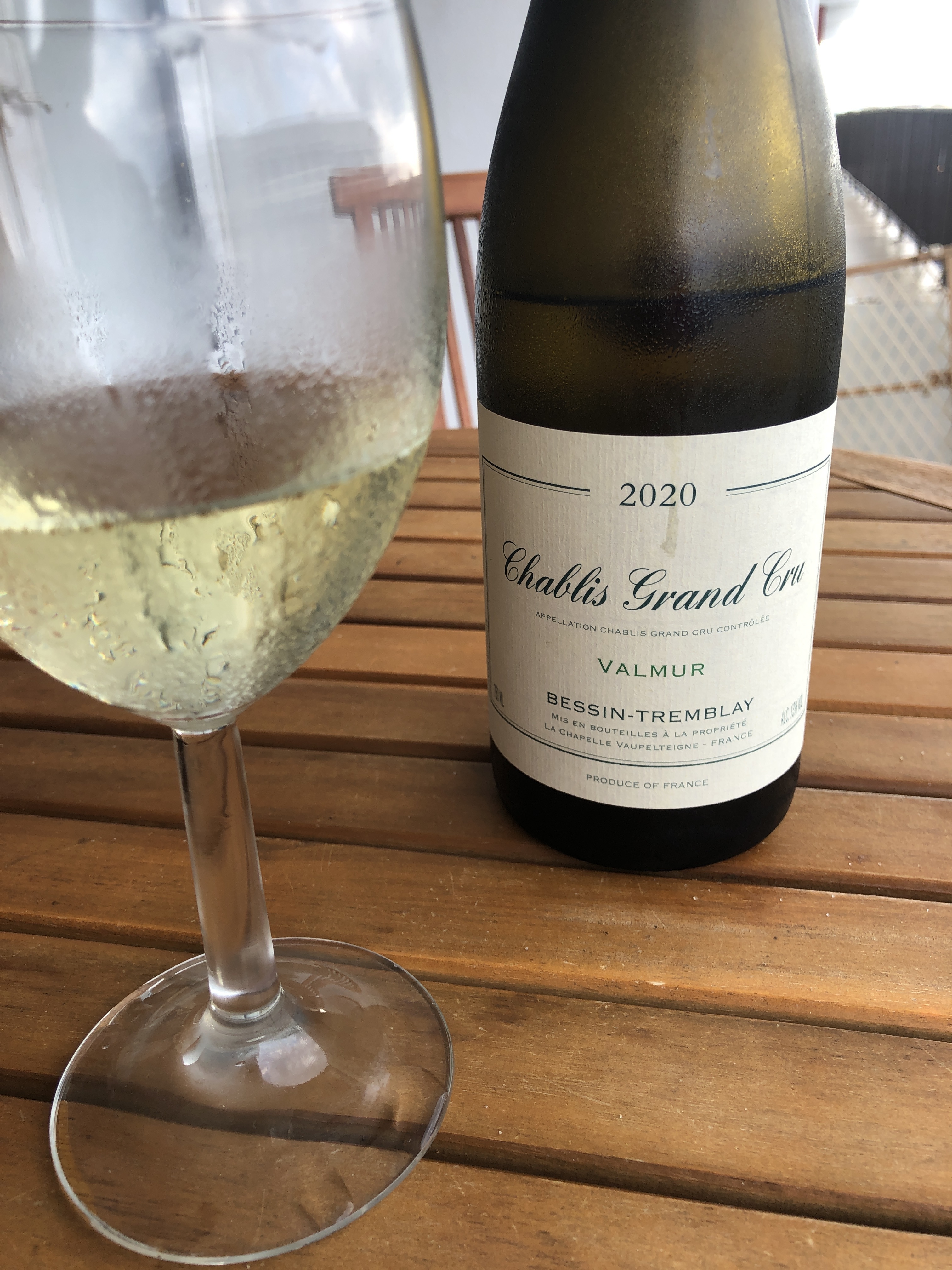
Nice straw color. I definitely get peach and nectarine on the nose with some hints of orange blossoms. The palate has more tannins than I expected with very good acid. All minerals on the palate but with more air showed stone fruits and almonds. I didn’t get oyster shells like some people mentioned. But I did experience the long iodine finish. Very very nice wine, a bit young so I’ll sit on my other bottles for maybe 3-5 years
2 Likes
tannins? Not something I’d expect.
Me either but I got a puckering in the mouth and I always attribute that to rannins
1 Like
It’s the acids.
2 Likes
There are tannins in white wines, but they give a dryness in the back of the mouth and sides of the tongue like they do in reds, and like you would get in a cup of over-steeped tea. The puckering is more from acids. I have some of this wine–I don’t remember it as being particularly phenolic (or tannic). Its very good, but not nearly as good as the 2017, which is stellar.
2 Likes
Your tannins is my dry extract?
1 Like
Could be, although I don’t claim to be able to taste “dry extract” in a wine (unless I was able to evaporate the wine and see what was left over).
2 Likes
I’m think that it’s probably the acidic structure? Struggled to put a word on it myself, then I saw a note by WK using the term: acidic structure. Was spot on for what I experienced as texture and weight in a white wine other than amber wines.
1 Like
Thanks for the note. I had this wine in June and found it very good. I have been really enjoying Bessin’s wines recently—great up and down the range with the '19 Foret being a particular fave. Looking forward to seeing what '21 holds; just grabbed 3 Valmur.
1 Like
Haven’t seen WK’s note, but, if we’re talking about the same thing–in other words not the puckering (which is acid), I would have called it the non-acidic structure.
1 Like
For me (and what I’m referring to), it’s not about the puckering. It’s something I quite frequent come across in Riesling, very textural, structure which seems to be related to the acidity. I found the note from IG below and you also have the link to the post below (including my ahaaa moment)
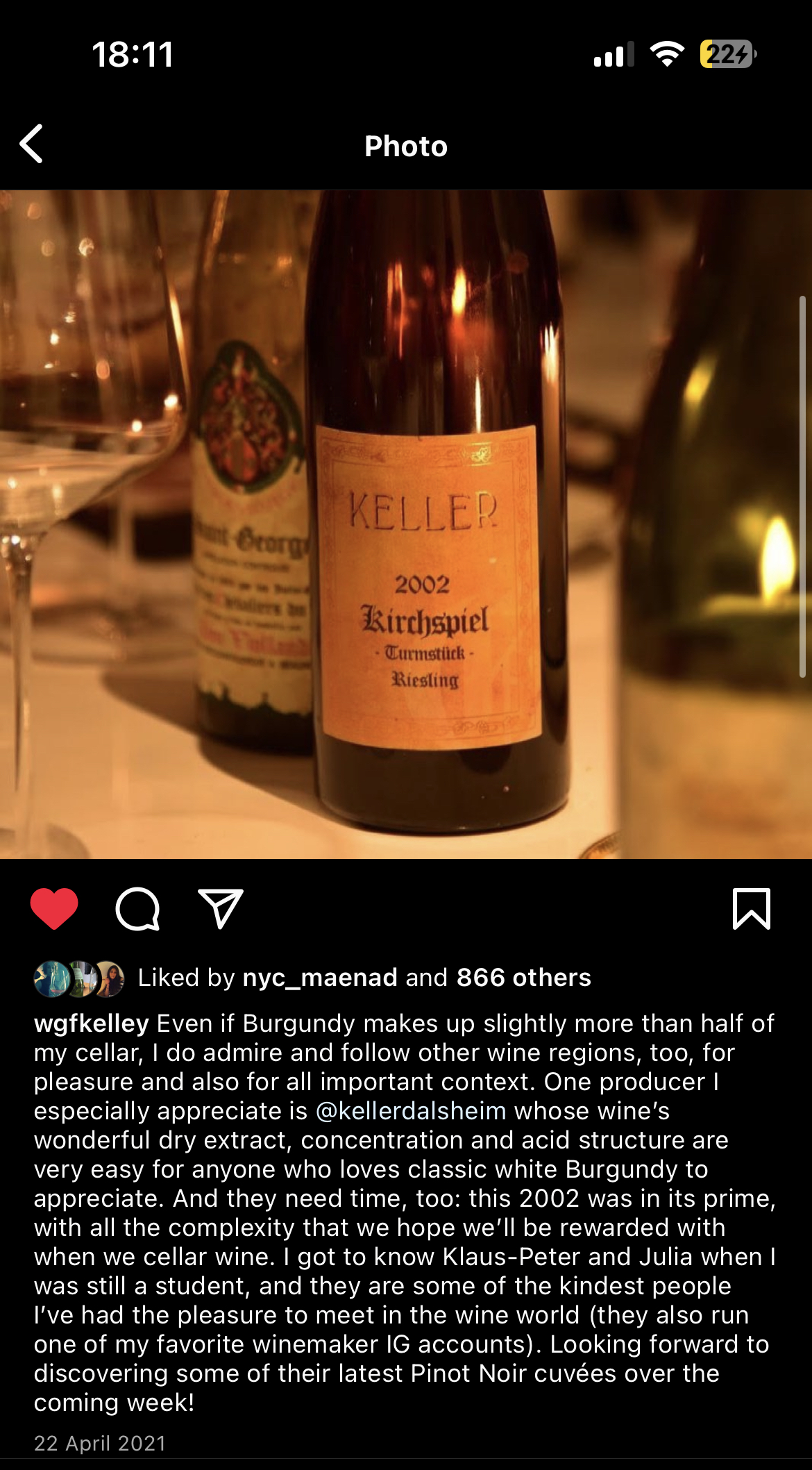
https://www.instagram.com/p/CN-op0ZLf-0/?igshid=MzRlODBiNWFlZA==
1 Like
Thanks, Mikael. that’s helpful to read. It’s interesting how we all taste pretty much the same things, and all speak a similar wine language, yet come up with sometimes quite different descriptors. I would have said that the textural stuff you are finding in some rieslings is the dry extract part of things. I don’t use ‘dry extract’ as a descriptor–it seems a little too clinical and a bit vague, but it’s probably mostly because I just didn’t “grow up” as a wine appreciator using it and tasting it. Most of my wine tasting notes are primarily for my own consumption, so I can remember how a wine showed. Luckily, I don’t have to write them professionally–God forbid. But when I taste a white wine (often riesling) that has more non-acid texture, like perhaps the skins had a little longer contact, or a few grape seeds got squished into the mix, I call the wine “phenolic”, again for my own purposes. I doubt if anyone else uses this term, at least in this way, but it conveys to me in a reproducible way what I’m getting.
Actually, now that I think about it, the way I use “phenolic” to myself does actually convey a mildly pejorative sense, so maybe I should start using something like “dry extract” instead.
John, it’s quite fascinating. And just that description was something I had been wanting to find a way of express for quite some time. Couldn’t properly express it and when I saw WK’s note…. A, there it is.
Thought I read/saw somewhere about expressing flavors in Asia vs a western perspective…
What you mentioned for the skin contact (if with enough time to make a noticeable impact), I would probably refer to that as tannins.
Exactly, although I think there are other things that can give a wine more of a textural feel than tannins, but that are included in the categories of “dry extract” or “phenols/polyphenols”. Yet those are sort of grab bag terms, so if folks are getting something more specific, like tannins, it’s nice for them to indicate that in their notes. (It’s a little like the discussions about using “minerality” in one’s tasting notes.)
1 Like