We’re in Melbourne, Australia Ken. Let me know if you’re passing by 
1 Like
Thanks Owen. The 2012 Brovia was heat affected or premoxed or both. The 2016 was sufficiently giving to not feel like a waste at this early stage of its life.
I’ve found most good 2016s to be shut down for the past 4 or 5 yes so it was good to see this bottle emerging. I really like young Barolo and the 2016 actually looked like a very young Barolo.
1 Like
Hey Chris, I am unsure on how the lineup was selected. The Winery Director was in attendance but the wines were chosen by the host. I believe he selected from his stock and purchased the 1931 from a client. These riserva wines are sold through La Place so the local distributor didnt have them in stock. With that being said it was a fun and educational lineup and everything showed relatively well!
1 Like
Black capsules. Whats the difference?
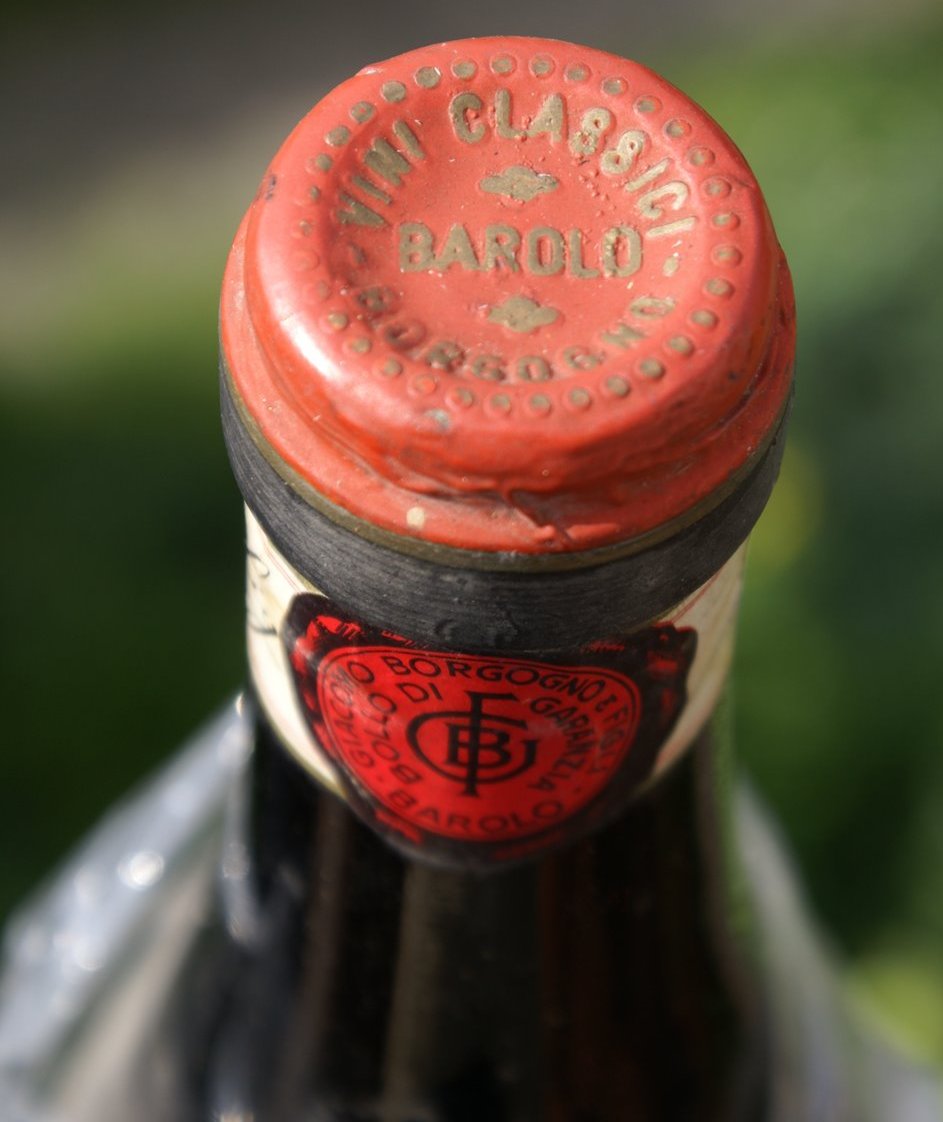
Red top are original release. Black top are reconditioned/recent library releases. The collector cognoscenti prefer red top. Red or black capsule top; all capsules are black.
3 Likes
Got it thanks!
Wish I could!
- The Borgogno Library Wine Program:
- Starting during World War II, the Borgogno Winery held in its cellars at least 20% of each Barolo vintage bottled. Barolo from this time through the 1990 vintage is now released periodically under their Library Program.
- Before these Library release wines leave the winery, they are decanted to remove sediment, then topped off with wine from the same vintage, then recorked.
- Original releases are wines that were released not long after the vintage. Typically (at least through the 1990 vintage), original releases have a red top to the capsule.
- Library releases should have an all black capsule and a decant declaration on the back label, that is a statement of the date that the wine was decanted, topped off, and recorked for sale.
- The Library Release wines must be at least 20 years past the vintage. For example, during 2011, bottles from the 1961, 1967, 1978, 1982, 1985, and 1988 vintages were released as part of this program.
- Also, Barolos from 1995, 1996, 1997, 1998, 1999, and 2000 were released under a newer version of this program for wines in the 10-20 year old range.
Do you have any close-up photos of those bottles?
This is what the red top looks like on the original releases:
4 Likes
Thanks for the info. Unfortunately I don’t have any closeups and the wines were opened and poured prior to guest arrival. The host did mention that the 1961 was a library release.
1 Like
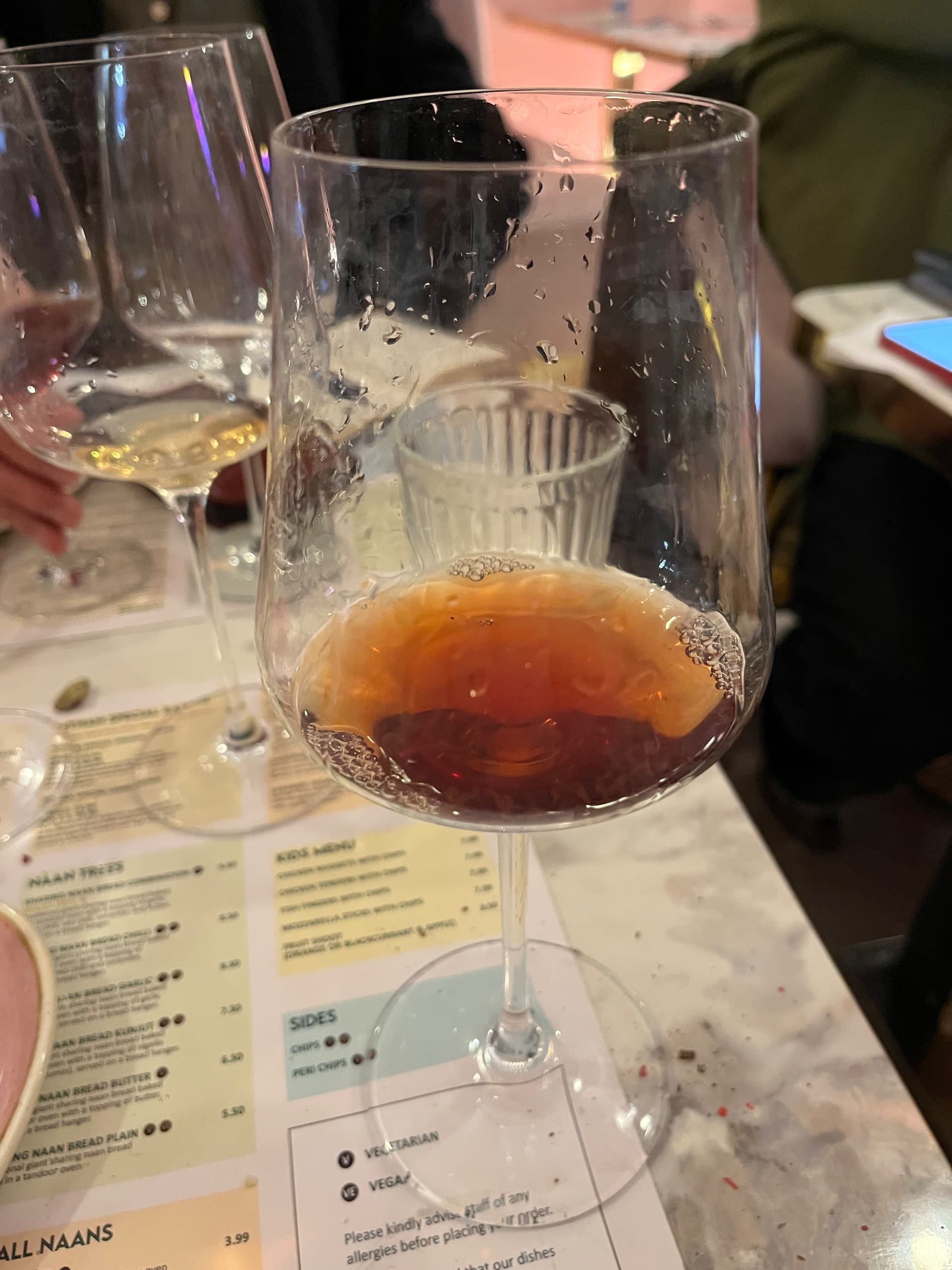
I have been lurking and following this thread with interest. Earlier this month we had our annual - North London Wine Society - ‘Golden Oldies’ dinner and the 1943 Borgogno Riserva - presumably library release - was the star of the show (pipping an immaculate bottle of 1967 Haut Brion). It had a bright orange translucent hue with notes of sweet spices, incense and gardenia. It was light on its feet and mesmerising. Not fading in the slightest. A privilege and a thrill to behold and drink, not least because it was made during the German occupation and various upheavals and civil and external conflicts.

13 Likes
I wonder what it was like growing and making that wine in wartime Italy!
1 Like
2004 Cavallotto Barolo Riserva Bricco Boschis Vigna San Giuseppe: Quite dark in appearance. The nose has plenty of smoky/tarry notes and some balsamic volatile lift. The palate is deep and chewy. There’s black cherry at the core and some bitter chocolate and licorice. It has a hint of truffle development and a finish that is dry, earthy and long.
6 Likes
Someone brought a 1945 Richebourg to a dinner. It was a special experience. Later, I looked up the producer. Turned out, he had collaborated with the Nazis and had his winery taken from him after the war.
1 Like
How do you feel about this bottle as representative of medium-young/early-aged Vigna San Giuseppe?
The note is great, it reads like a good bottle, I just have no clue how to fit it into a schema of understanding the aging curve of VSG.
Appreciate any input!
1 Like
Hi Owen, plenty left in the tank but a very good showing now. I have one more which I’ll hold for a few years.
kind regards
Jeremy
2 Likes
I had the Borgogno 61 a couple of years ago and it was absolutely superb.
Some more mundane, but still very fine, fare from yesterday here;
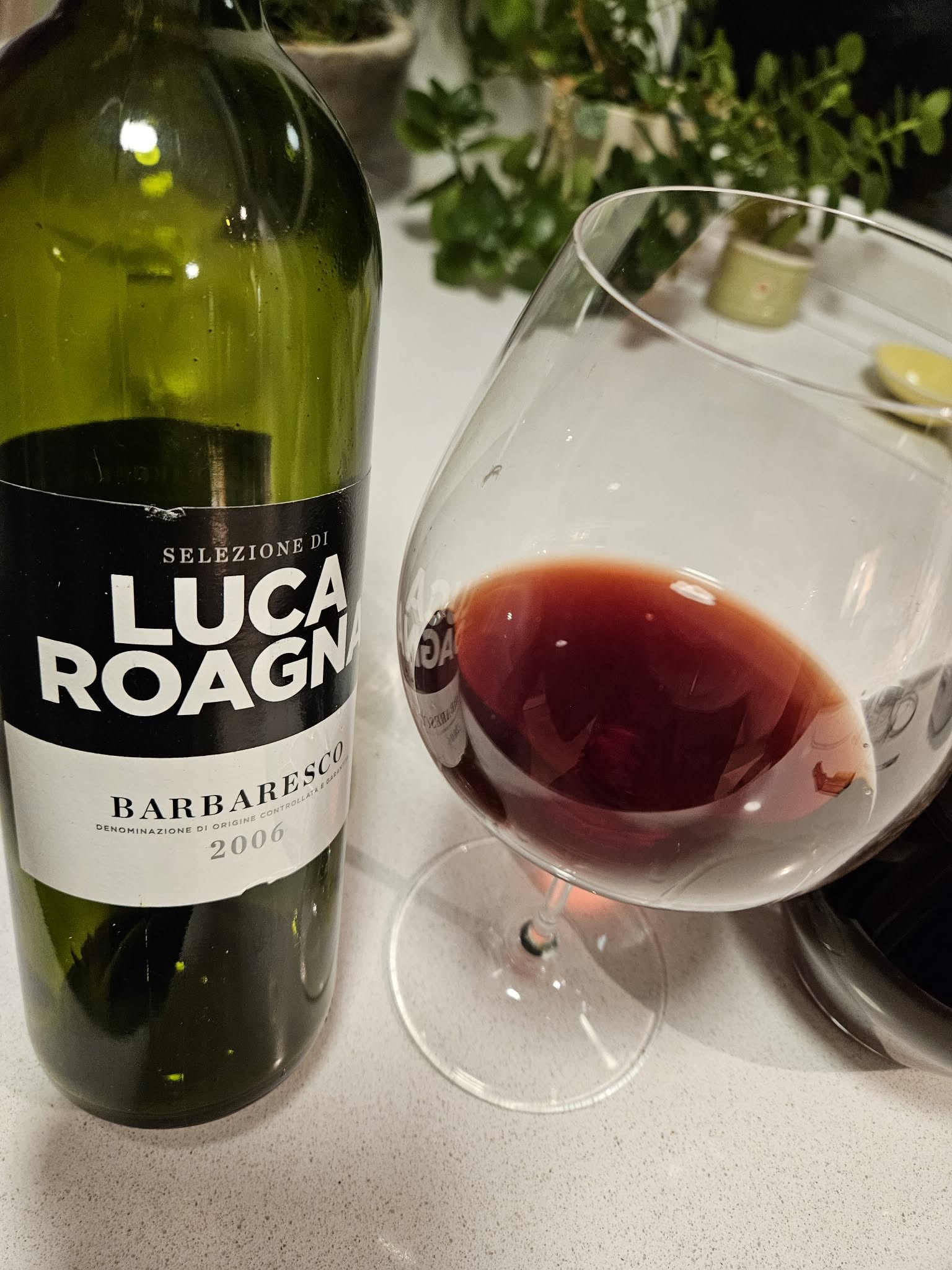
Roagna Barbaresco Selezione 2006
This is a Barbaresco vinified by Roagna for the Norwegian importer based on grapes he has selected and purchased. Beautiful transparent red color with light hints of mahogany that indicates a wine that is perfectly mature. The nose is extremely attractive with deep red fruit, minerals, spice, forest floor and flowers, extremely lovely and complex. The taste is mature and balanced with perfectly integrated tannins and hints of minerals and strawberries. Almost Burgundian in style.
What the aftertaste maybe lacks is the acidic precision of a good Burgundy, yet the aftertaste is very delicate with a fine length. Still, an absolutely excellent wine in a vintage that is generally somewhat rustic; it is not easy to notice this here except perhaps in the length and precision of the finish.
3 Likes
Thanks so much Jeremy!
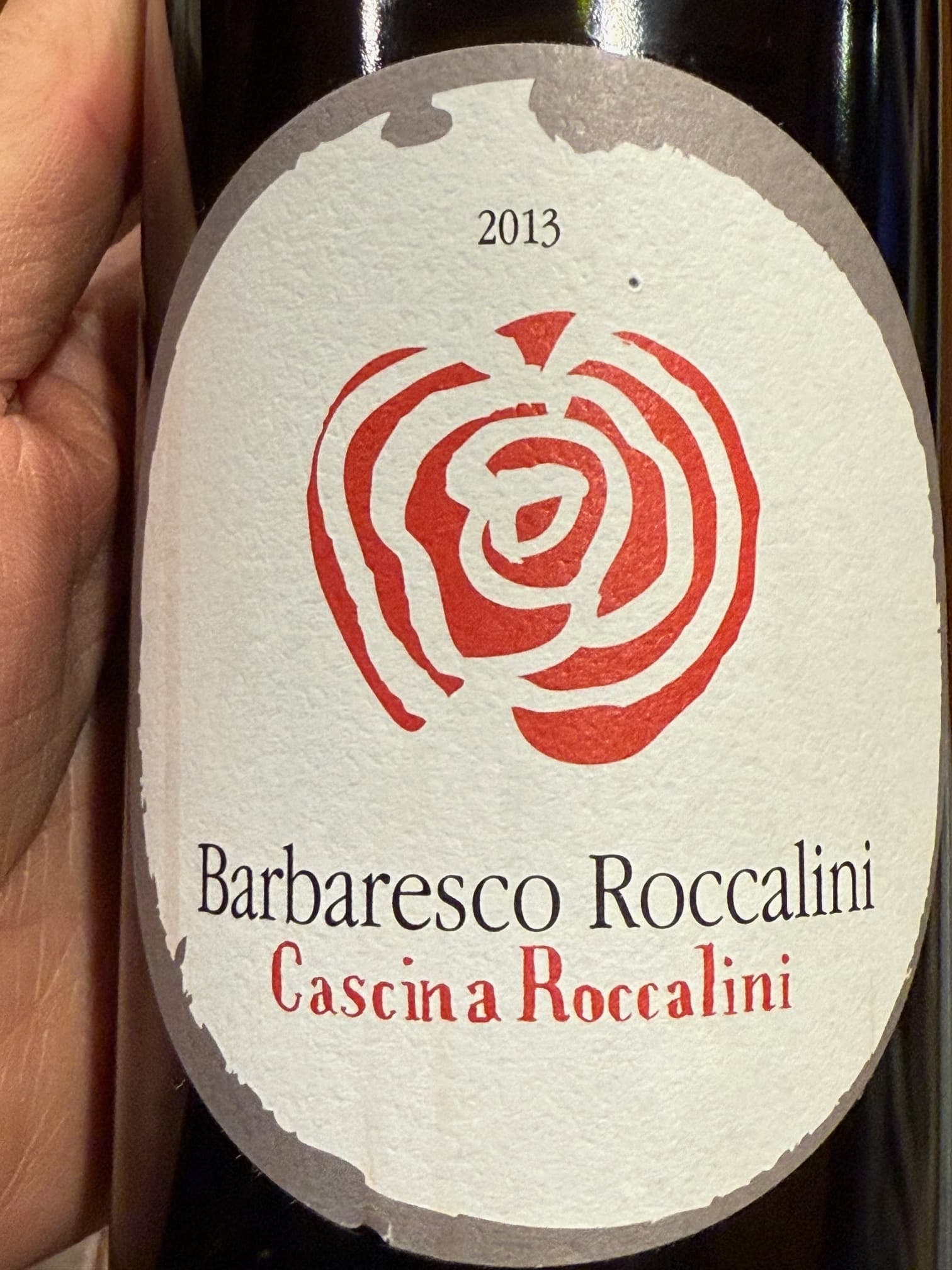
Having seen great reviews for this wine, including by @Otto_Forsberg in 2018 and 2020, I was really excited to have a six pack quietly sitting in my cellar. Except there was that very disappoint third note by Otto in 2023. Unfortunately, my first bottle matched his third one. While the wine had certain positive elements that would have been promising, it was heavily bretty with one hour’s aeration. My wife refused a glass. By day three it had become undrinkable. Dirty barrels? I hope the other five bottles will not also be going down the drain.
1 Like
Very sad to hear this! This vintage of this wine has been my absolute favorite Nebbiolos of the past 15 years or so, but that last bottle was very disappointing! However, all my previous experiences with this wine have been from freshly opened bottles, whereas this disappointing bottle had been open for more than a day, so based on that fact, I probably wouldn’t let the wine breathe too much, knowing the direction it might go.
Although I have to admit I haven’t tasted any freshly opened bottles for some time, so it is possible that the wine hasn’t evolved the way I hoped it would…
I will try straight to the glass next time. But you will agree that a quality Nebbiolo should never be falling apart after being open one hour. Usually, the more likely outcome is that nastiness blows off with air. Not in this case!
2 Likes