They really impressed me when we visited almost a decade ago. Both husband and wife seemed friendly, yet with a steely determination to constantly improve the wines and food respectively… whilst also raising their children. For me, a very nicely under the radar producer, and a good value spot for dining.
I forget the oak/fermentation regime, but they didn’t strike me as particularly modernist, but rather the more open-minded approach that emerged after the initial battle for hearts and minds.
Even 2nd and 3rd pass are still going to kick off some oak flavors. I don’t have experience cleaning botti but do know that if not cleaned properly they are prone to harboring nasties that can foul a wine. Some wineries are more aggressive with cleaning than others so I wonder if even later uses can still present some oaky components if they are scraped or sanded too much.
But beyond that, I still think very young Nebbiolo can sometimes have some oaky flavors. I’ve had it several times direct from used botti so there was no shell game involved.
That is very much the normal treatment of Italian place names in Italian language - they do not pluralise. However whatever you want to do in your own language is entirely up to you, the Italians being so wonderfully pragmatic. So by all means refer to Barolos, Barbarescos etc.
When pluralising, it’s normal to refer to bottiglie, etichette, bicchieri etc. as you can have multiple bottles, labels, glasses etc. but there is just one Barolo, one Barbaresco etc. so it doesn’t get pluralised, despite the concerted efforts of one strident American poster here in times gone by.
This is drinking so beautifully right now and come across with a clear sense of high class and quality. I did not need to stand it up as it had zero sediment. I opened the bottle, didn’t decant, and have been pouring myself one ounce pours to slowly savor. The nose really seems to be a classic lighter Nebbiolo of roses and red fruit. Only the palate kicks in with more of that Alto Piedmonte iron and spice…
Nebbiolo 70%, Croatina 20%, Vespolina 10%
Maceration 30 days for Nebbiolo and Vespolina, 16 days for Croatina
28 months in 10 hl Slavonian oak casks
2021 Giuseppe Cortese Barbaresco was excellent last night. Nose a bit shy initially but opened up with time. The purity of the fruit reminded me a lot of 2016s early on.
To update my note on the Schiavenza, I should add that it improved over the course of night two and even three. This was surprising, first, because I often dislike reds after more than 24 hours open due to an increase in oxidative notes, and, second, because I’d rather expected this to just fall apart given that it was showing advanced on night one. It still seemed a bit advanced but at least was showing more Barolo characteristic. Odd showing regardless, but less of a disaster than my first impression.
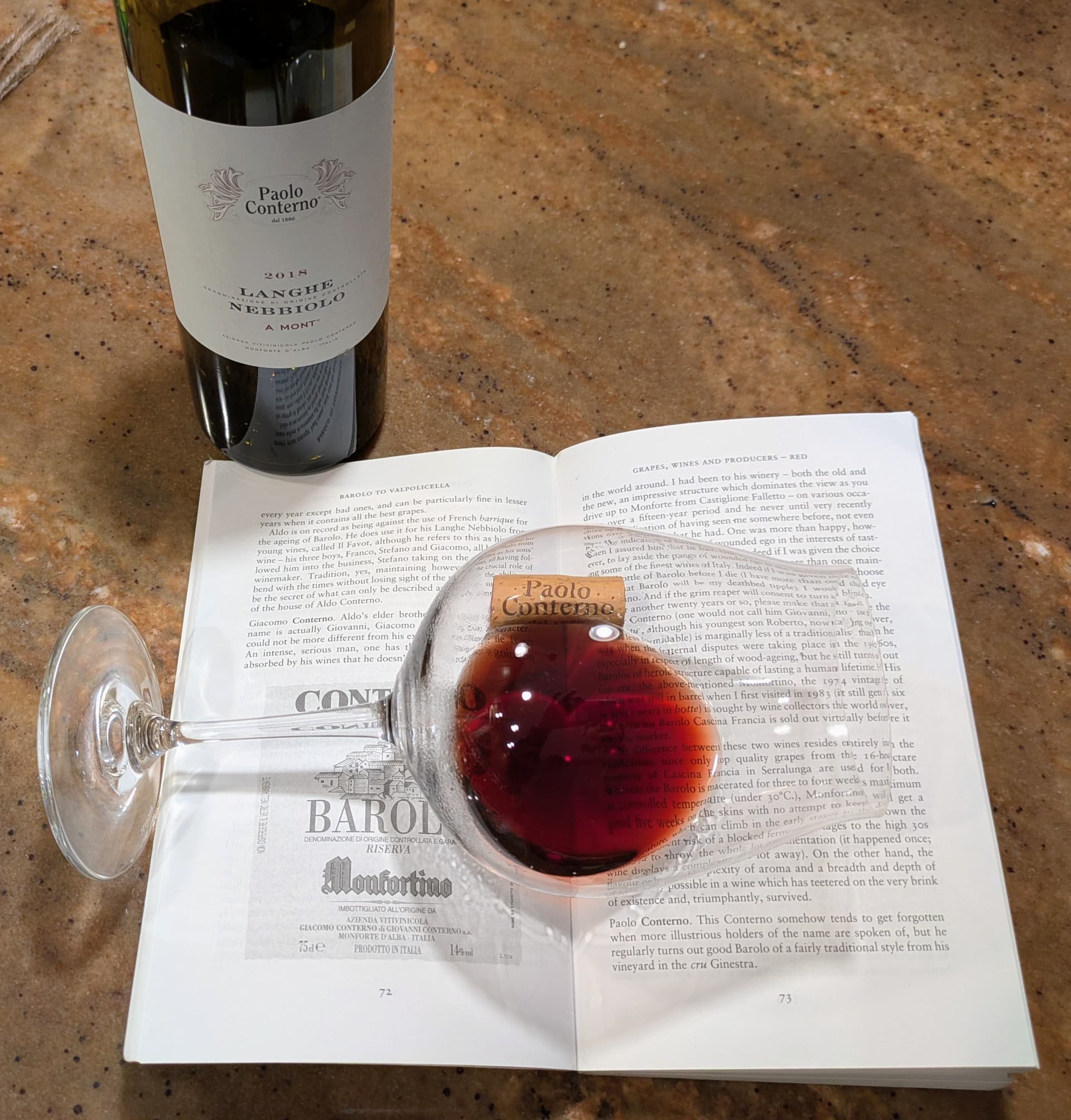
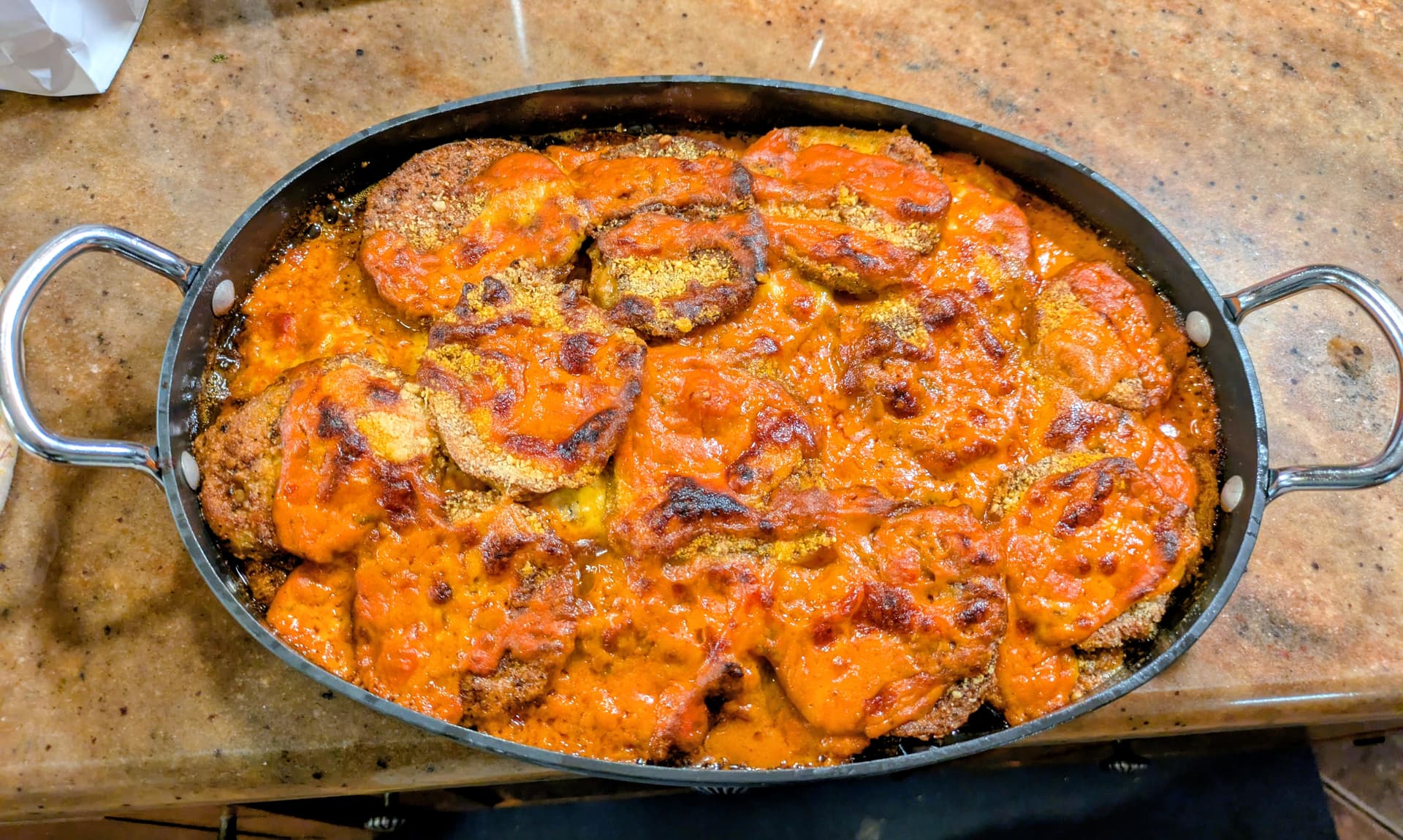
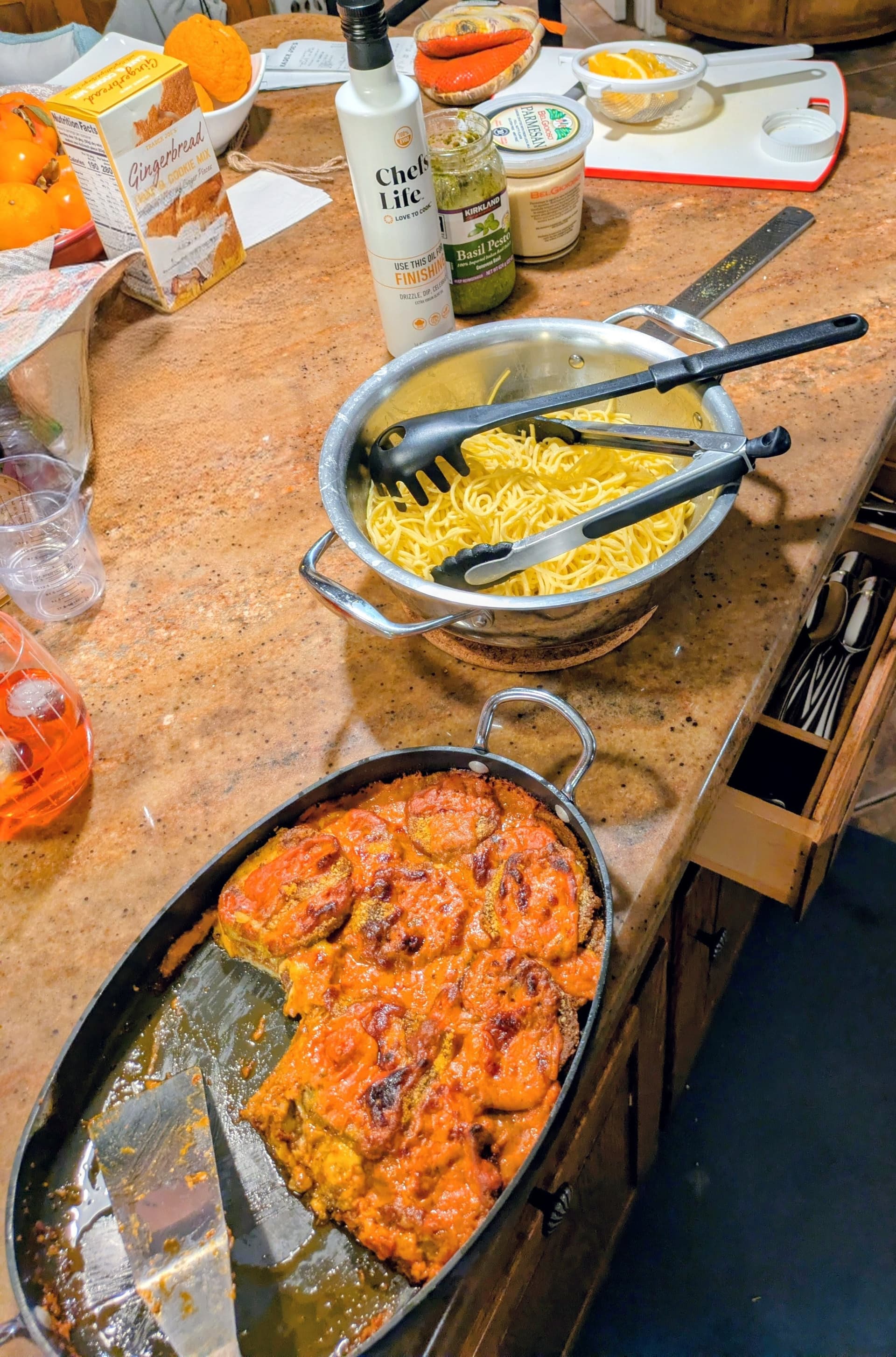
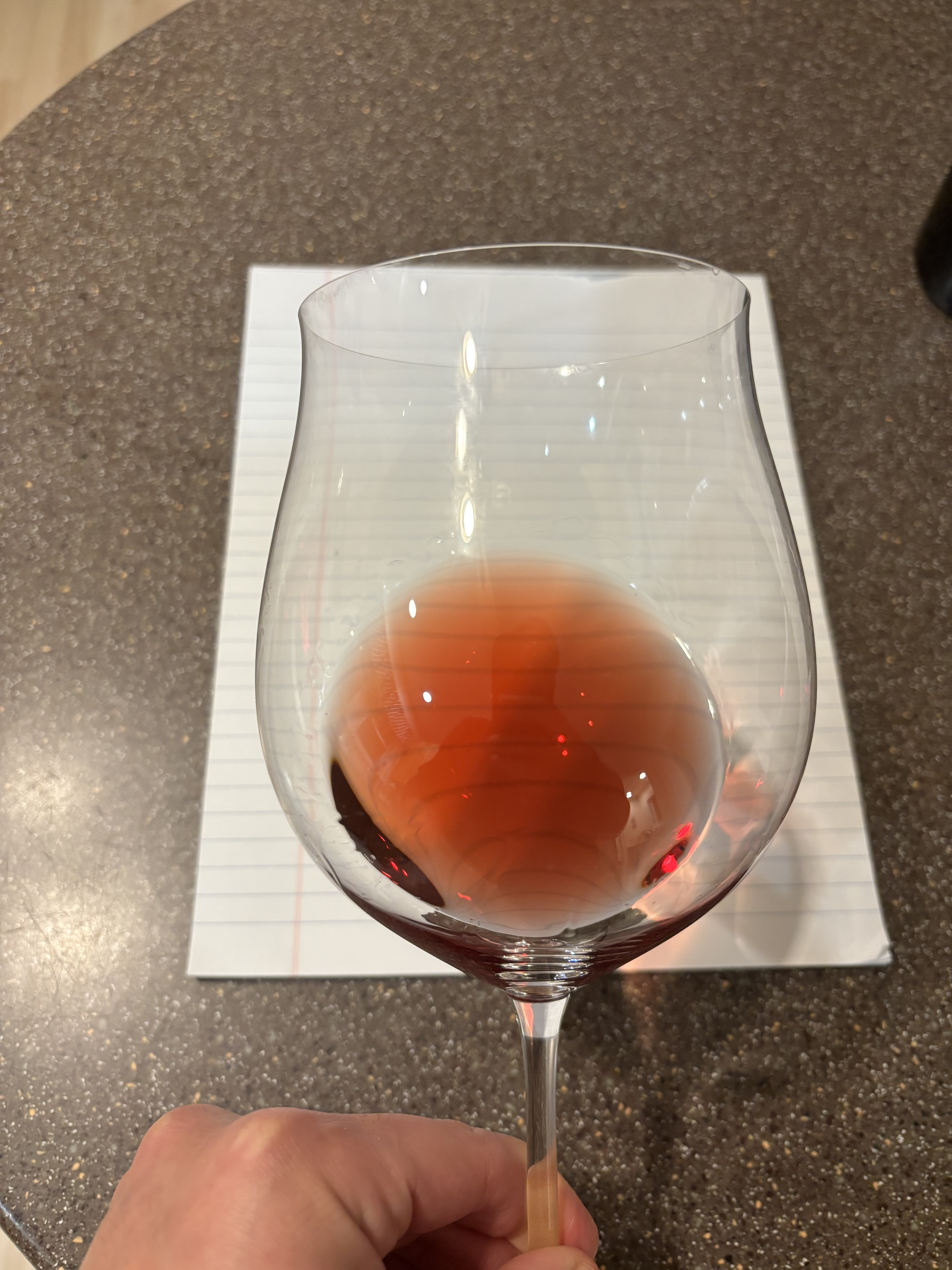
Over a couple of midweek nights I had the 2018 Paolo Conterno ‘A Mont’ [Langhe Nebbiolo] with a homemade eggplant parmigiana. Piedmont, and her entry point wines, are generally an unfamiliar region for me, so I’m sure I bought this thinking it was associated with the more famed names. But after checking Kerin Keefe’s and Nicolas Belfrage’s books, I realize this is a different family in another cru that merely shares a common name. But in any case, this ‘A Mont’ bottling was solid offering a nose of juniper/bitter almonds/gin with a structured grip on a medium bodied translucent garnet frame. It wears the 14.5% abv well, perhaps balanced by the high tannin, lively acid, and lean pomegranate fruit. There are floral violet notes here too. The vineyards feeding into this are 20 years old, with east/west exposures, on a clay and calcareous base. I don’t taste any wood, nor would I expect any, given the large botti elevage. Overall, this is very likable, but perhaps more appealing to WB fans of traditional Barolo than a typical oenophile. For my tastes, I’d slot it into the B+ zone, but would not repurchase. I thought it needed an hour or so to open up. Natural cork with almost no color soaked in and no sediment/particulates.
When I visited Aldo Conterno in 2005 with an ITB friend and a couple of the wines seemed oaky, one of the sons offered the same possible explanation – a new botte. (He didn’t say this very definitively, which I thought was odd. If that was the case, why would he not have noticed it and confirmed it rather than saying “maybe.”) I remain skeptical given that this oak note has occurred more than occasionally over an extended span, and there are lots of barriques at the winery (in theory for barbera and chardonnay).
Also, producers who don’t want oak on their nebbiolo sometimes put a vintage or two of barbera through their botte to absorb the oak notes before putting in the nebbiolo.
There are other cases where producers deny using barriques on nebbiolo and claim that the barriques are for their chardonnay or barbera.
As for Elio Grasso, there was a thread (or two) some years back, sparked by some posts of mine about their 2011 and 2012s tasting very oaky when tasted blindly. (Many in my tasting group picked it up.) Someone who had visited the winery recently counted botte and pronounced that there were enough to contain a full year of Barolo production. The problem is that Barolo must spend 18 months in wood, so that was only half as many botte as they would need!
Had my first '21 Barolos last night. First of which was the Vajra Coste di Rose. While it certainly can be crushed it is less so than the '20 but not in the negative sense. It traded a little bit of generosity/roundness for precision/complexity. Have 2 left but will be on the lookout for more as I don’t think I’ll have the control to keep my hands off of them.
The second was not in the same league but fun nonetheless - a $20 Kirkland Barolo. I don’t think I had the '20 but the '19 I found closed/austere initially and opened up nicely the following day. The '21 was open for business and lighter in color than I recall the '19 being. Certainly rougher on the edges and not as expressive as the Vajra but can’t beat it for the price.
I don’t make this the exact same way every time, since it tends to be a ‘clean out the cheese drawer’ tactic, but the basic template is:
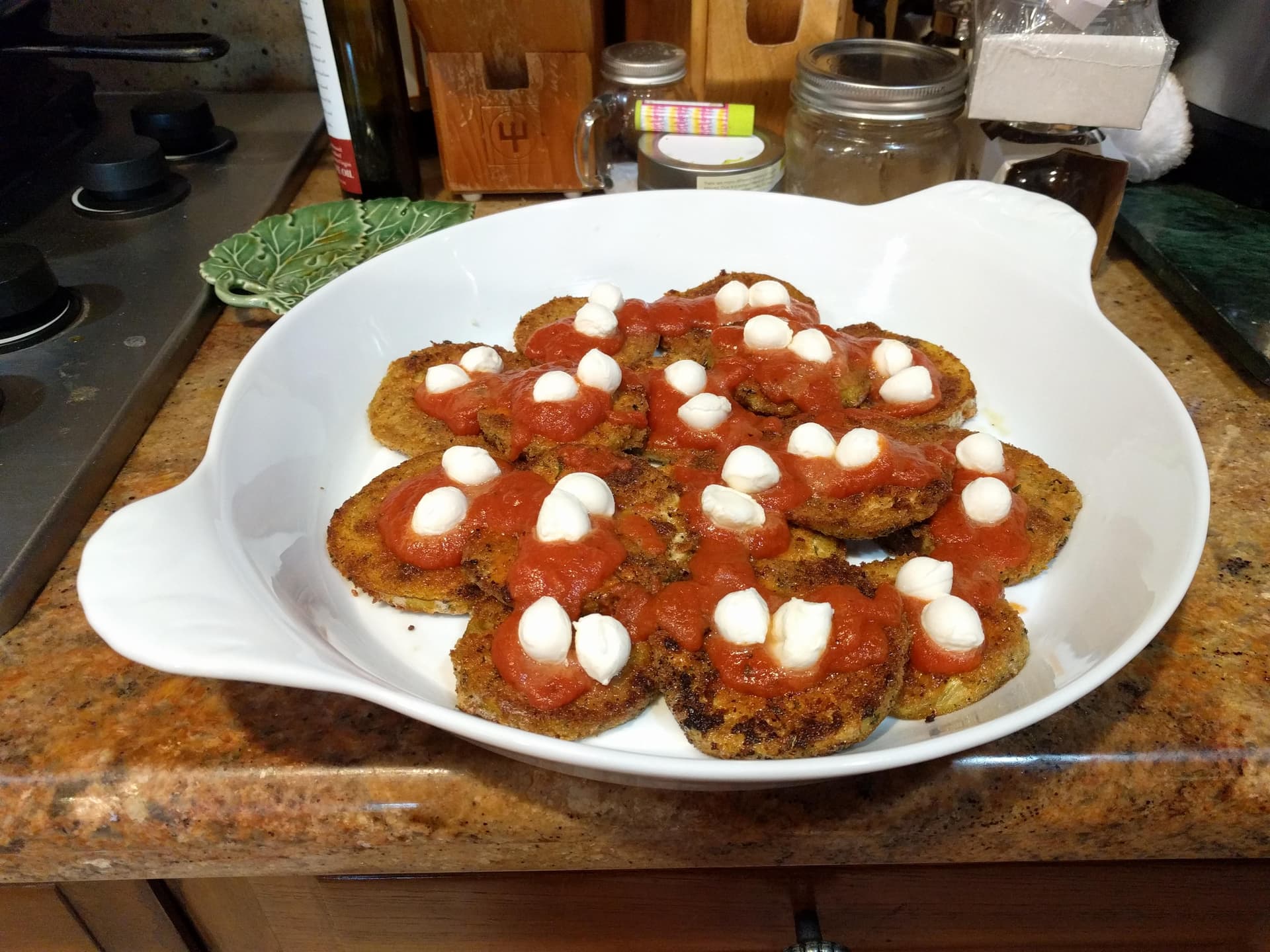
take two Italian globe eggplants and peel, slice into rounds, and salt onto a parchment covered baking sheet. (I use a small jar of lavender salt I’ve had forever for pretty much only this recipe)
after 30-60 min pat the eggplant rounds dry with paper towels, and prepare two dipping/dredging trays, one with an egg bath and the other with a blend of grated cheese, flour, and seasoning. (this time I used powdered parmesan and Stew Leonard’s ‘Pizza Seasoning’)
shallow fry the (now dipped & dredged) rounds in olive oil and (ideally) place on a wire rack. (this time I just put them back on the parchment paper baking sheets. I used olive oil and a couple of non stick fry pans)
assemble a baking tray/pan/casserole with the eggplant, sauce, and cheese. I rub some solid fat (butter/Crisco/Parkay etc.) on the sides to avoid sticking. When I mentioned that this tends to never be the repeatable, that is because I’m using up whatever is laying around in the fridge. (This time I had a half open jar of Bertolli vodka sauce, a few slices of deli cheese, etc.) It really only needs dabs of tomato paste/sauce/chunks, rather than being slathered.
bake til ooey / gooey. (I typically use 30 min at 350F). this is usually a solid vegetarian main course but it’s hard to make it vegan. Lots of vegetarians in my family so I am unusually mindful of that.
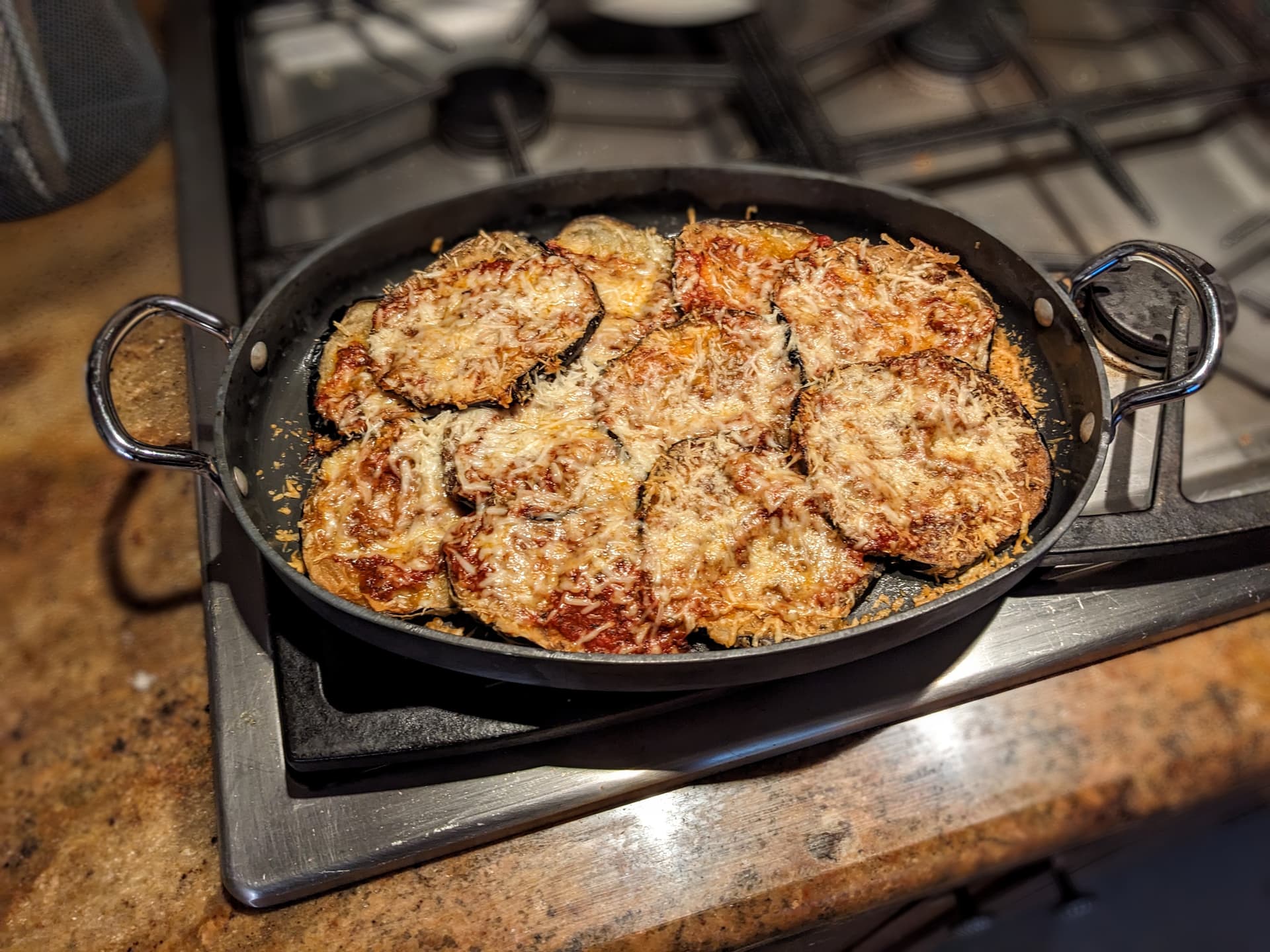
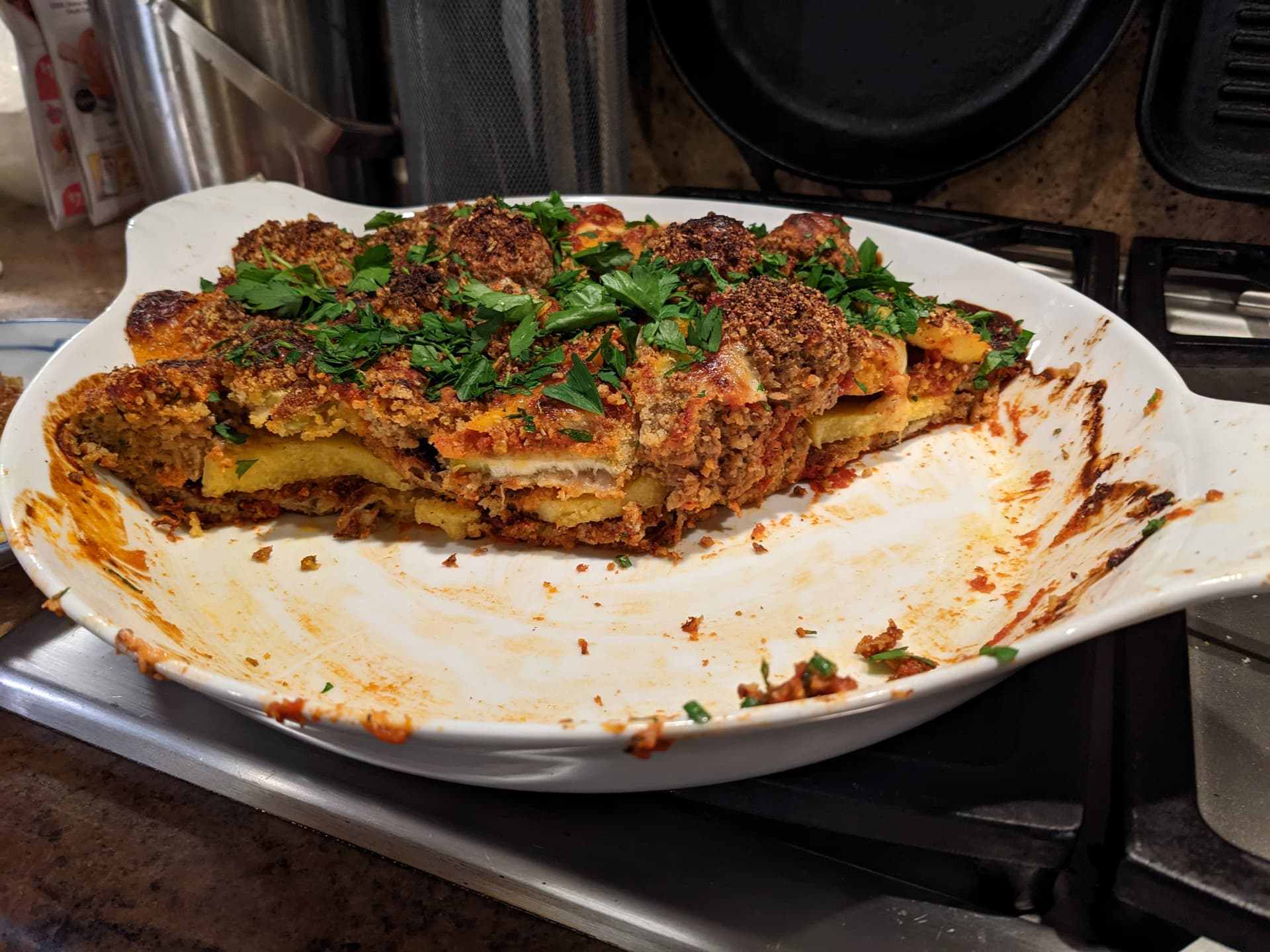
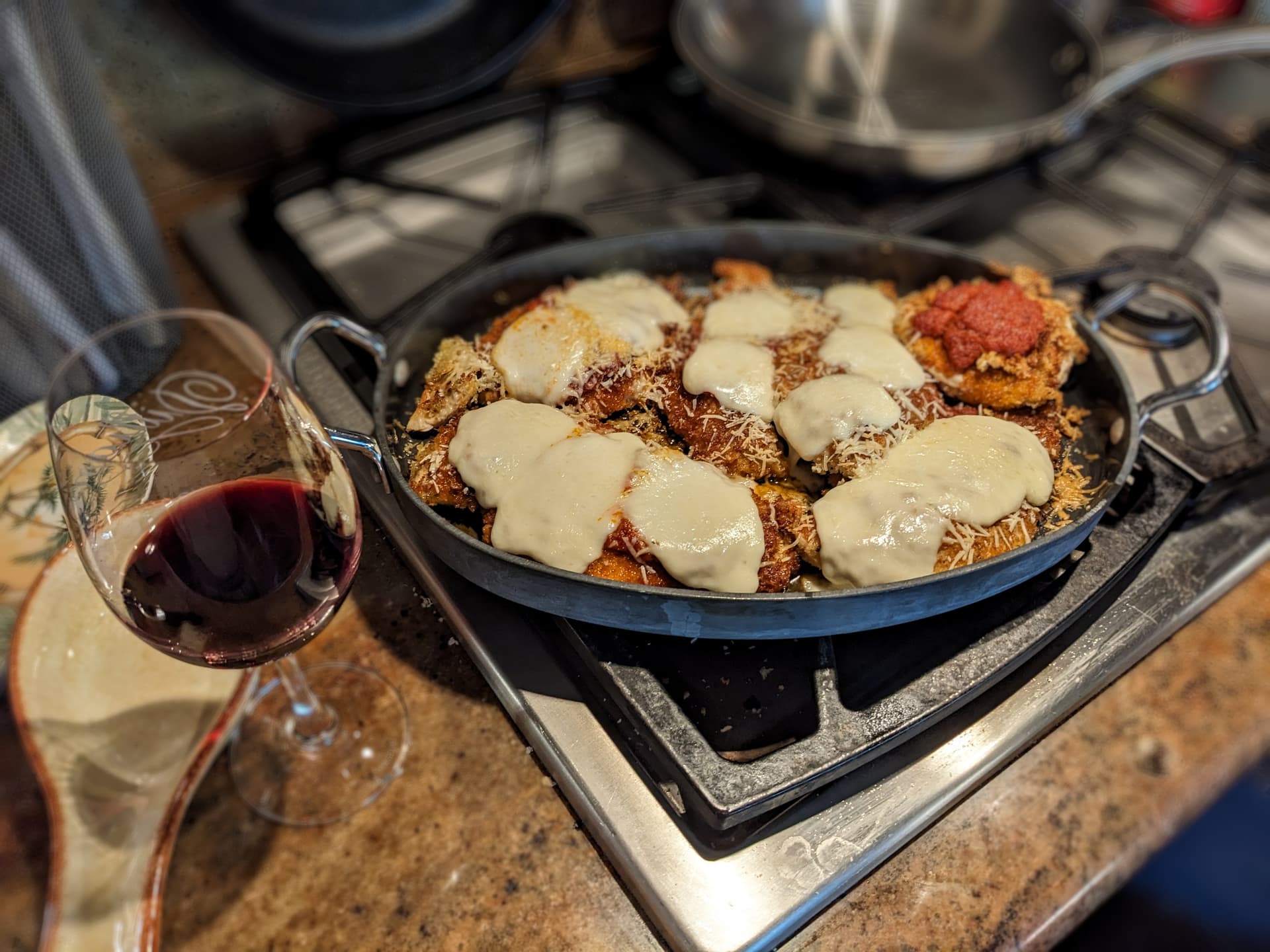
I looked in my google photos and here are some other expressions of eggplant parmigiana artistry.
Kirkland Barolo is made by Fontanafredda. Not sure I agree with being unable to beat it on the price, as I’d likely just as soon have the Vajra Nebbiolo Langhe which can be had under $20, or some other nebbiolo options still available at this price, to say nothing of going just a touch higher. That is of course just personal preference.
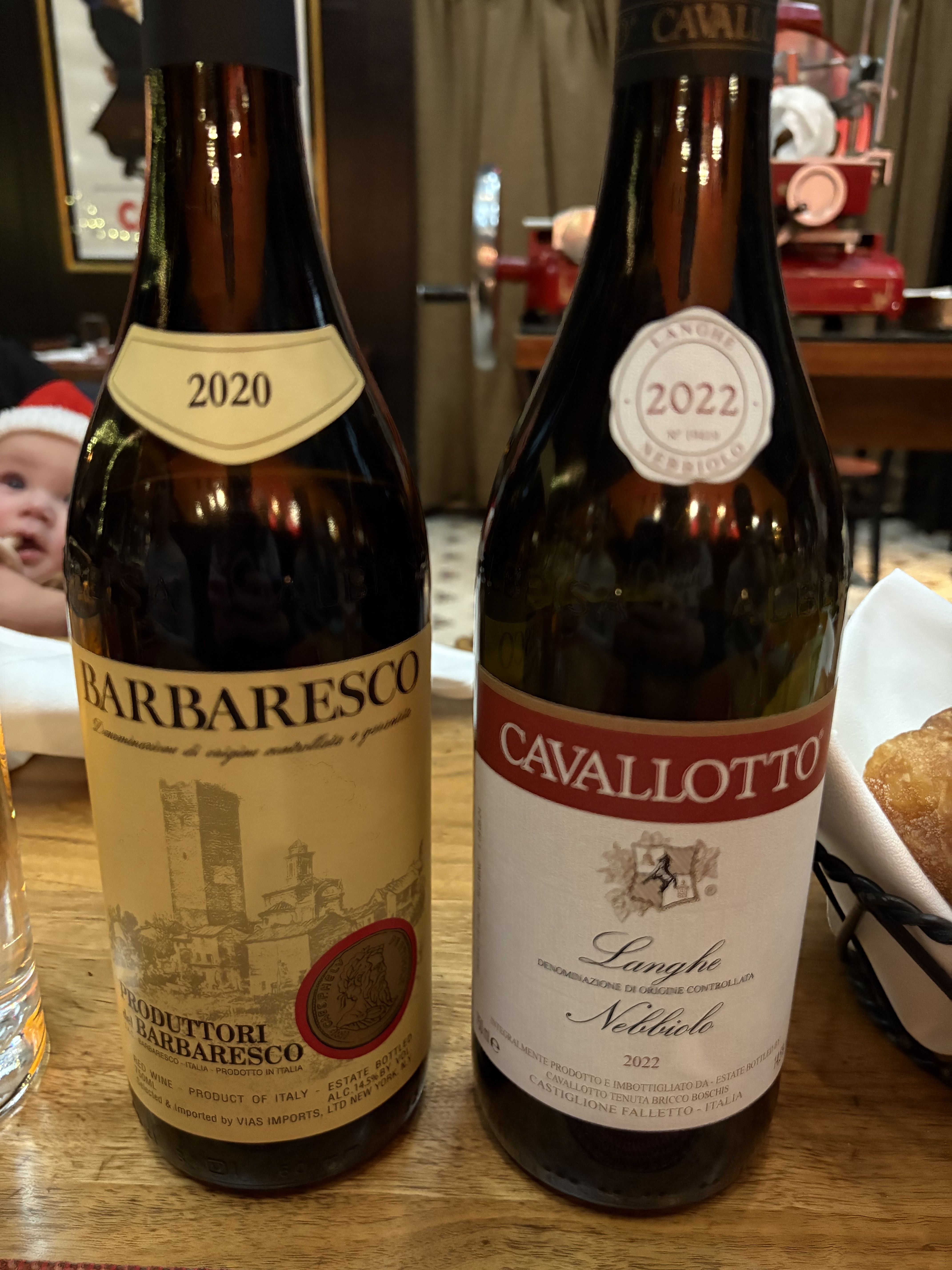
Cavallotto appears to have serious potential. Fuzzy tannins (if ever there were such a descriptor) that mellowed into crunchy red fruits as the dinner progressed.
Produttori always seems to deliver and 2020 is showing very well right now.
Wide open for business. Very floral aromatics and then a blast of dried cherry on the palate. Didn’t evolve much over the course of the evening, no rush on these.
2019 G.D. Vajra Barolo Albe: Served from Magnum, this was beautiful. Light, elegant and ethereal. Almost ‘Vosnesque’ with its spice and texture of vinous silk. Red fruited and defined. Just the right amount of flesh. Balanced and persistent.
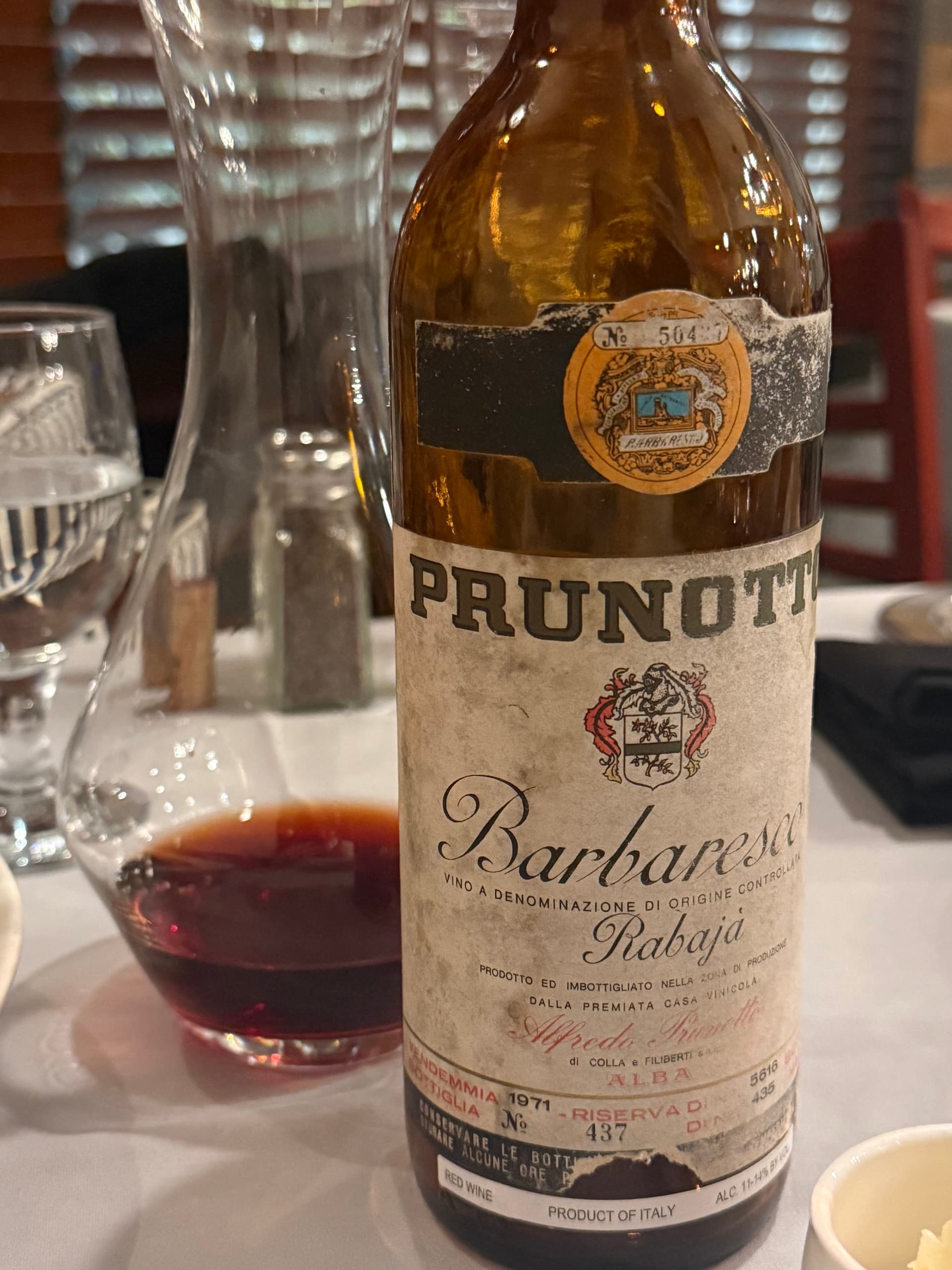
I am always grateful to taste the wines of Beppe Colla. Few wines can do what his wines do, and this was no different. Plenty of life left in this 1971 Rabaja. Wish I had more, because this could easily go another decade, likely 3 more. Lost quite a bit from sediment, though I believe i had this stood up for a few weeks.
As you expect from Rabaja, fairly intense, dark fruited, dried roses, hint of tar that dissipated with air, slightly ferrous, lovely nots of cloves, and still fairly tannic. Decanted for sediment at 10am, left it in a wide based decanter for a bit, then let it slow ox until 5pm, before putting it back in a more narrow based decanter for an hourish. Left the rest of it to one of the owners at La Parma II in Huntington. He likely got the best of it, and it may have improved even through day 2, which is not uncommon of Beppe’s wines from that time period.
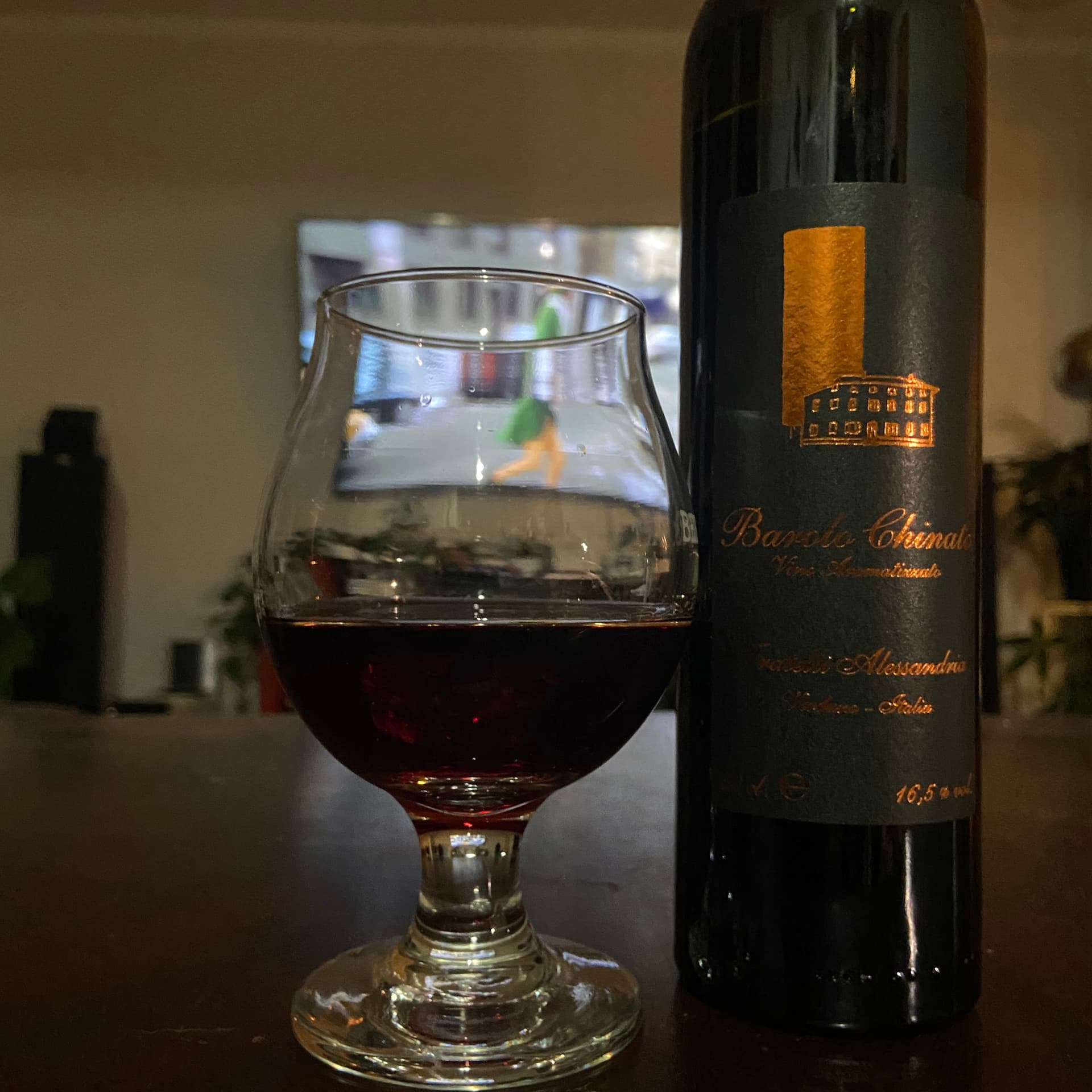
Finally my first run at Fratelli Allesandria’s Barolo Chinato. Only had this glass so far, but my first impression is that it is somewhere between the Maregherita Otto/ Bartolo Mascarello (red fruited and cinnamon notes) style and Cappellano (dark fruited and licorice notes). Not sure when this was bottled, but I don’t imagine it was long before I bought it a few years back. We’ll see how it shows over the coming weeks, but it is off to a good start.
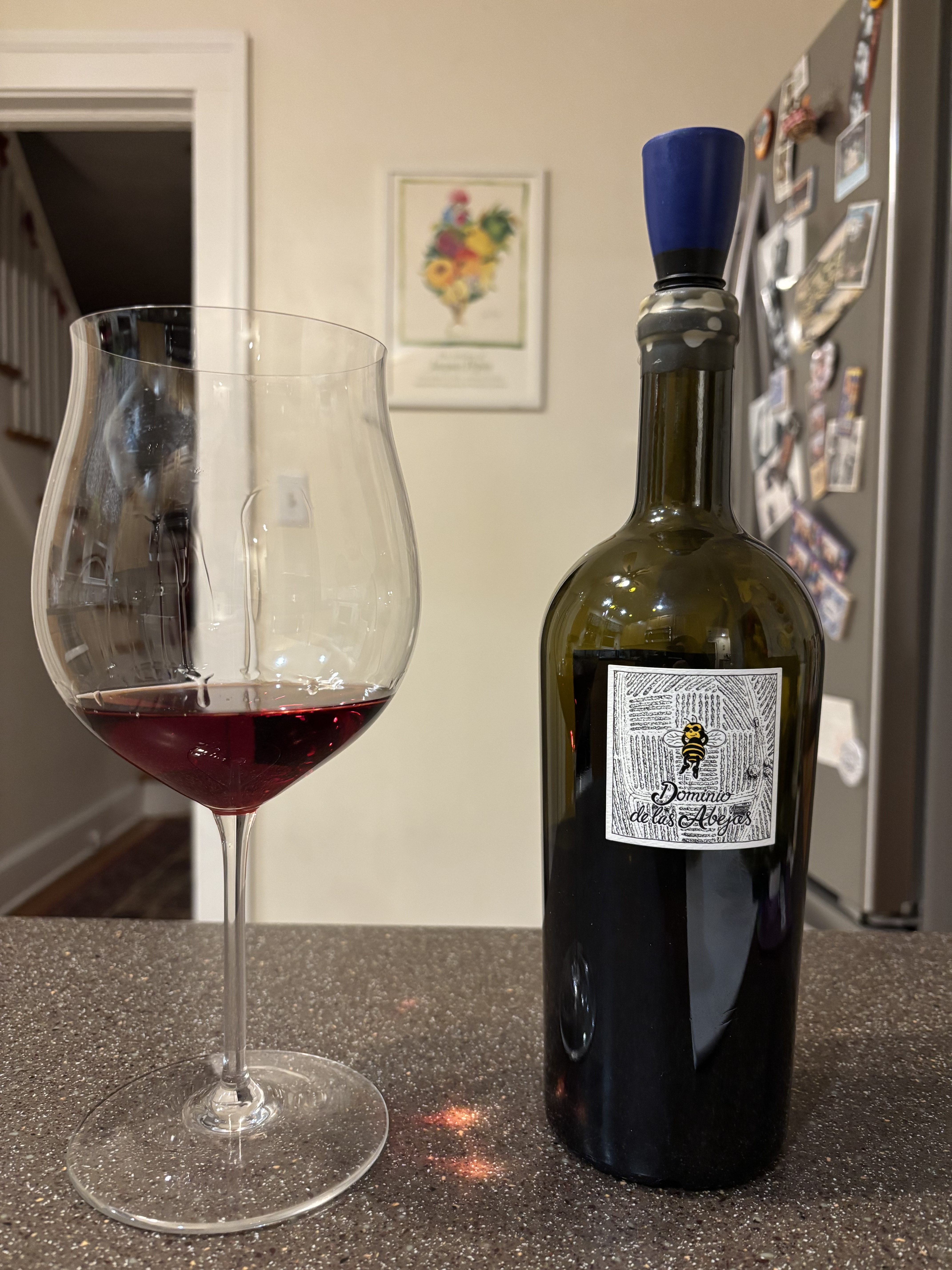
Nebbiolo from Mexico- who’d have thought? Very pale and translucent in the glass. Macerated strawberries, potpourri, spiciness, and VA. Very light in the mouth, fruit forward, fine tannins. A fun drink for current consumption.
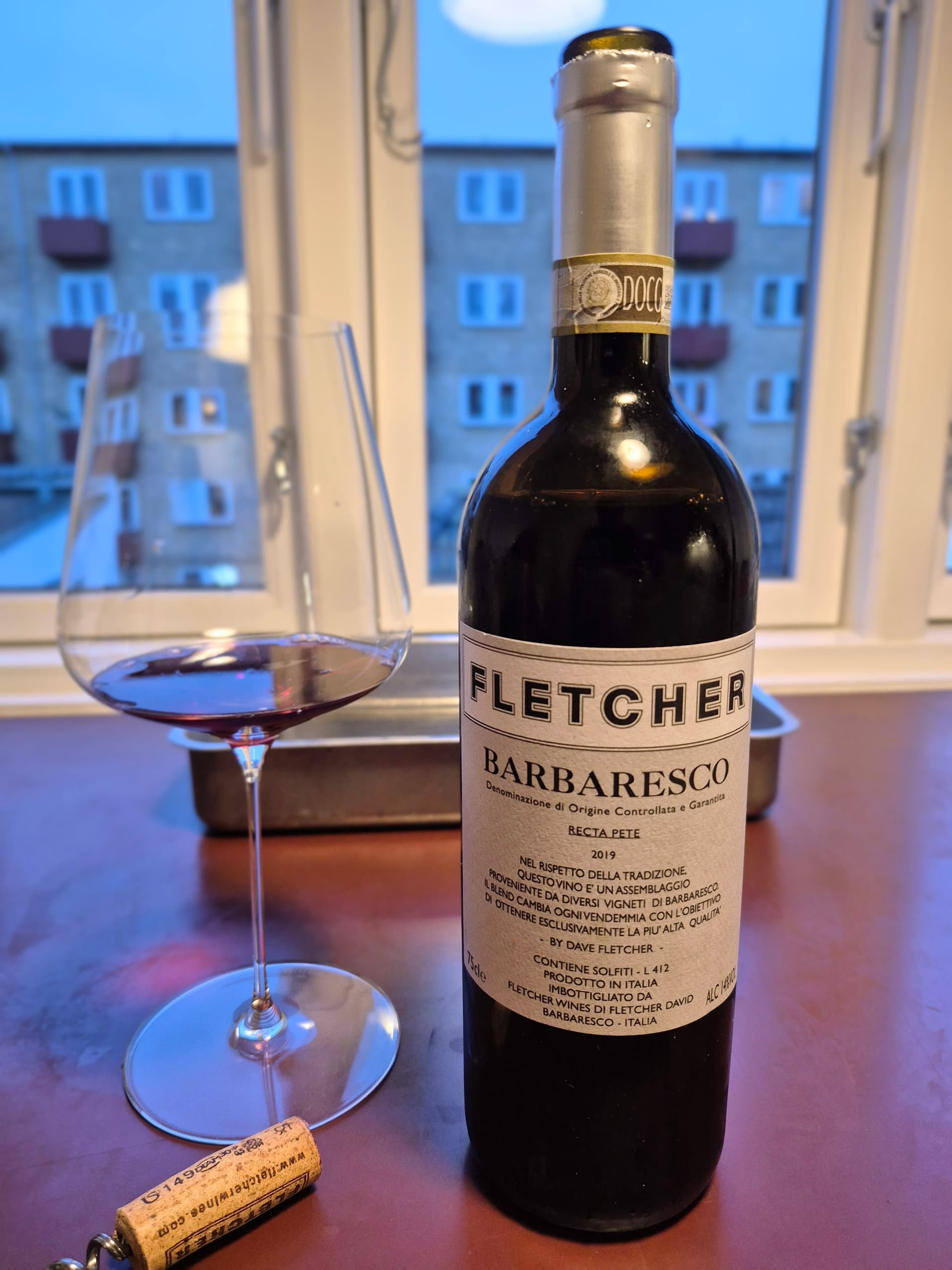
Made in a lighter transparent (gentle maceration) style. Lovely perfumed nose. Cherry, roses, fresh sage and rosemary and hint of something earthy. After a while a bit of liquorice shows in the taste. It is not the most complex Barbaresco out there, but it is well made in a style I very much appreciate. Very enjoyable.