Pictures are better than the Champagne
1 Like
I drank a bottle of this in September and thought it was fabulous. The Bourg/Sud bottling is quite similar IMO.
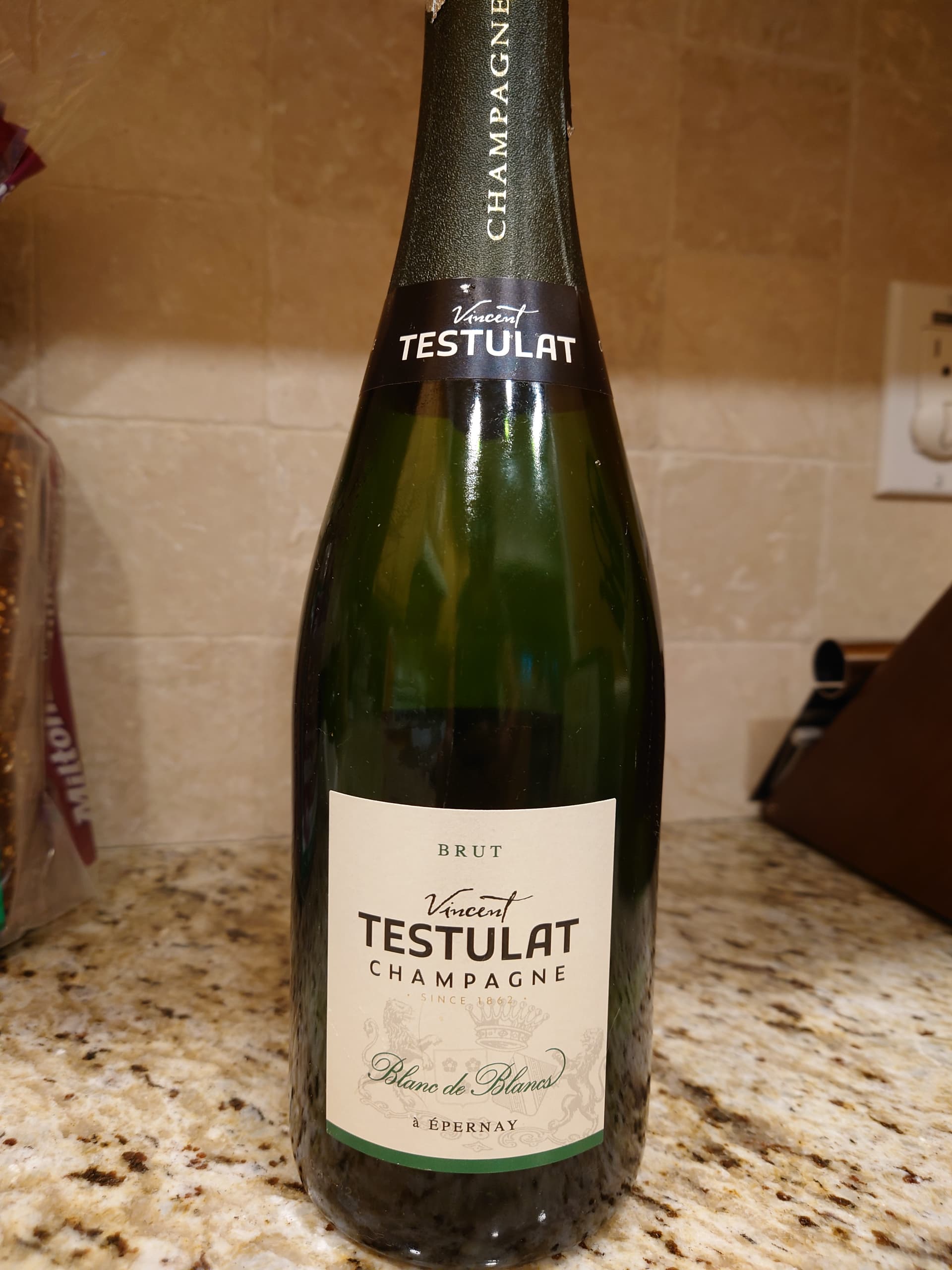
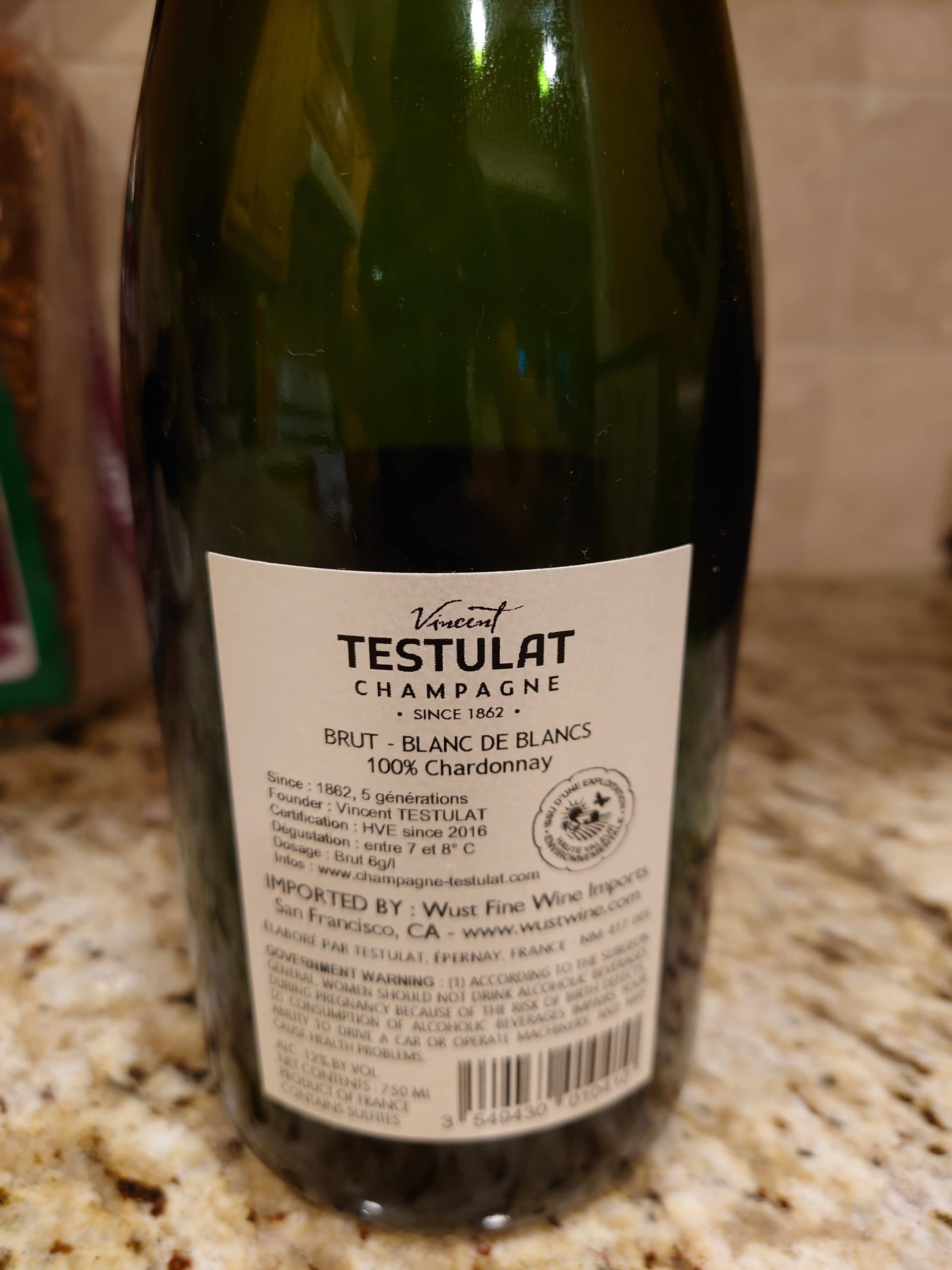
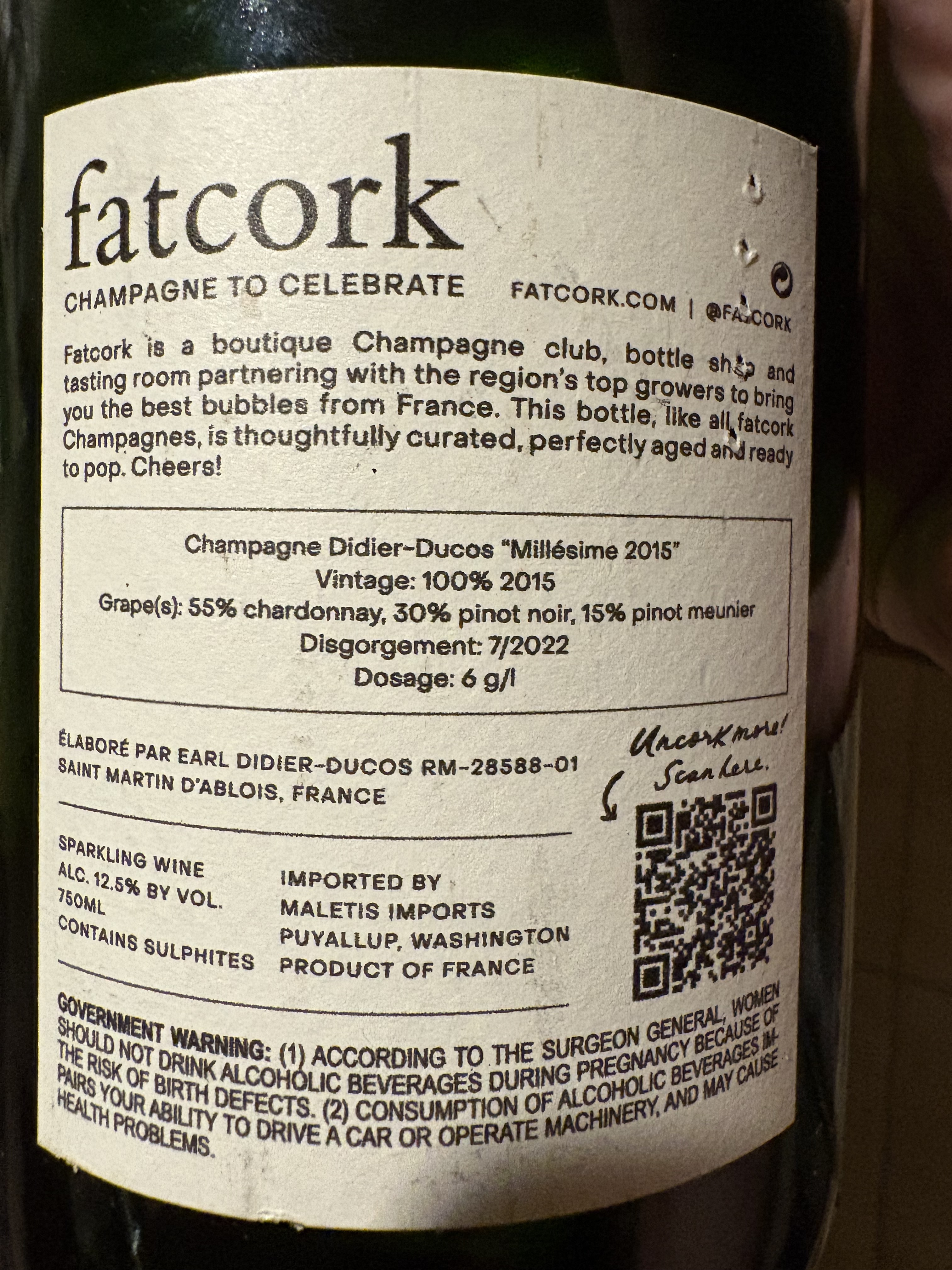
Edit: Sorry for the blurry pic, alcohol is 12%
I am far from a champagne expert. It is a category I have neglected mostly due to price and indifference. I have never had a champagne disappoint me, they have always been at the very least drinkable and enjoyable casually. This might be the first time I’ve felt a wine miss the mark. I typically enjoy the cleaner crisper blanc de blanc style but this wine was overly acidic and lean. I was yearning for at least a taste of those bready lees but none to be found.
Reading up I found that this wine was 70% 2019 vintage, 30% reserve wine.
What do you guys think, is this one just not for me? Did drink it many years too early? Is that an unusually high percentage of single vintage?
I’d love the perspective of some seasoned Champagne drinkers.
1 Like
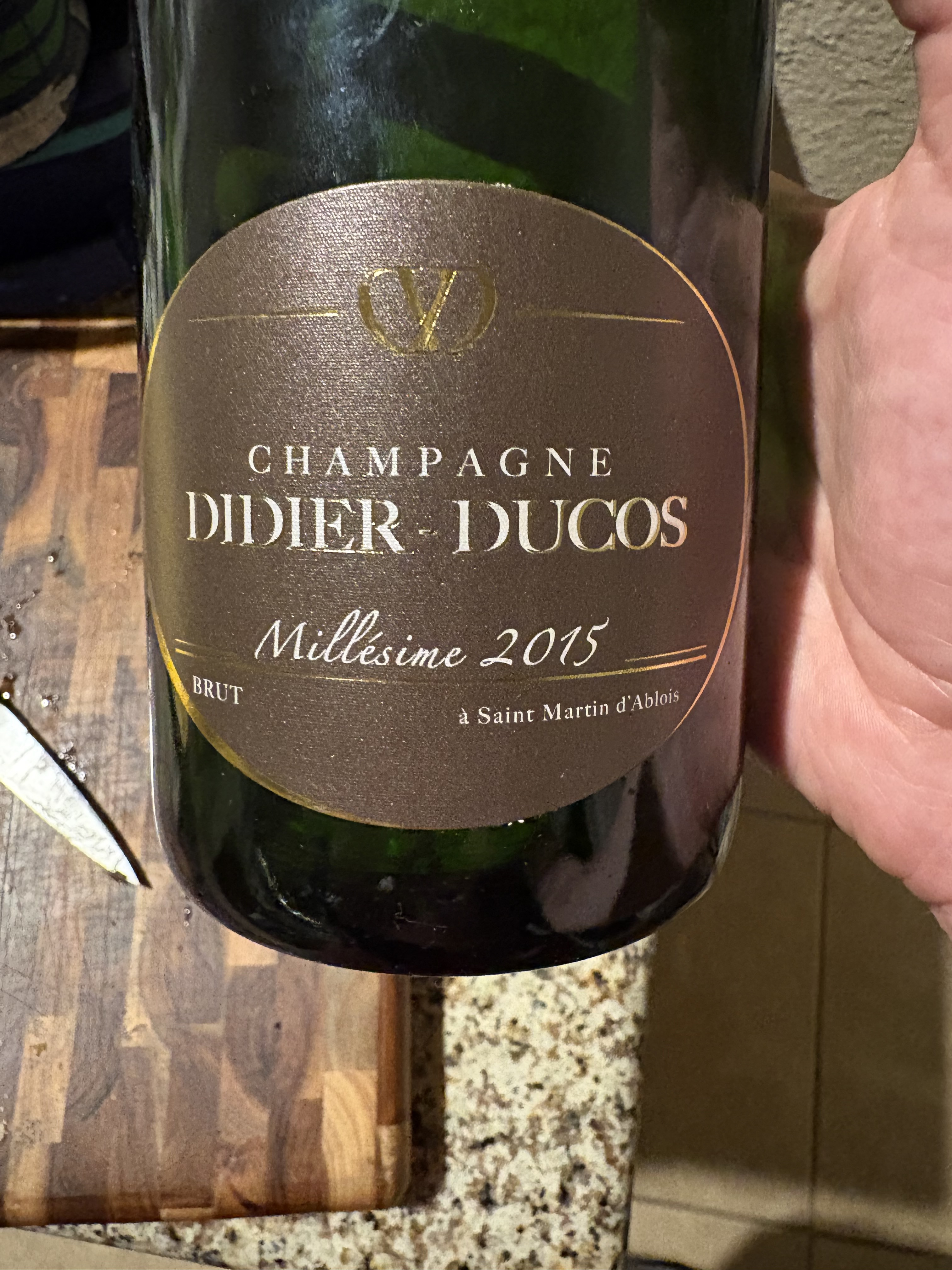

7 Likes
Thanks Sarah!
1 Like
This has been a great bottle for a long time. I had one a couple of week ago and outstanding always.
Looks like another great trip Warren. You should do a layover in NYC.
I had the Heritage a couple of weeks ago at a LP dinner with Lucy Pereyre. I recall it was a base year '21 and a bunch of other reserve wines.
I also tried the new release of Roederer Collection - 246. I liked it enough to buy a bunch of half-bottles before they disappear.
1 Like
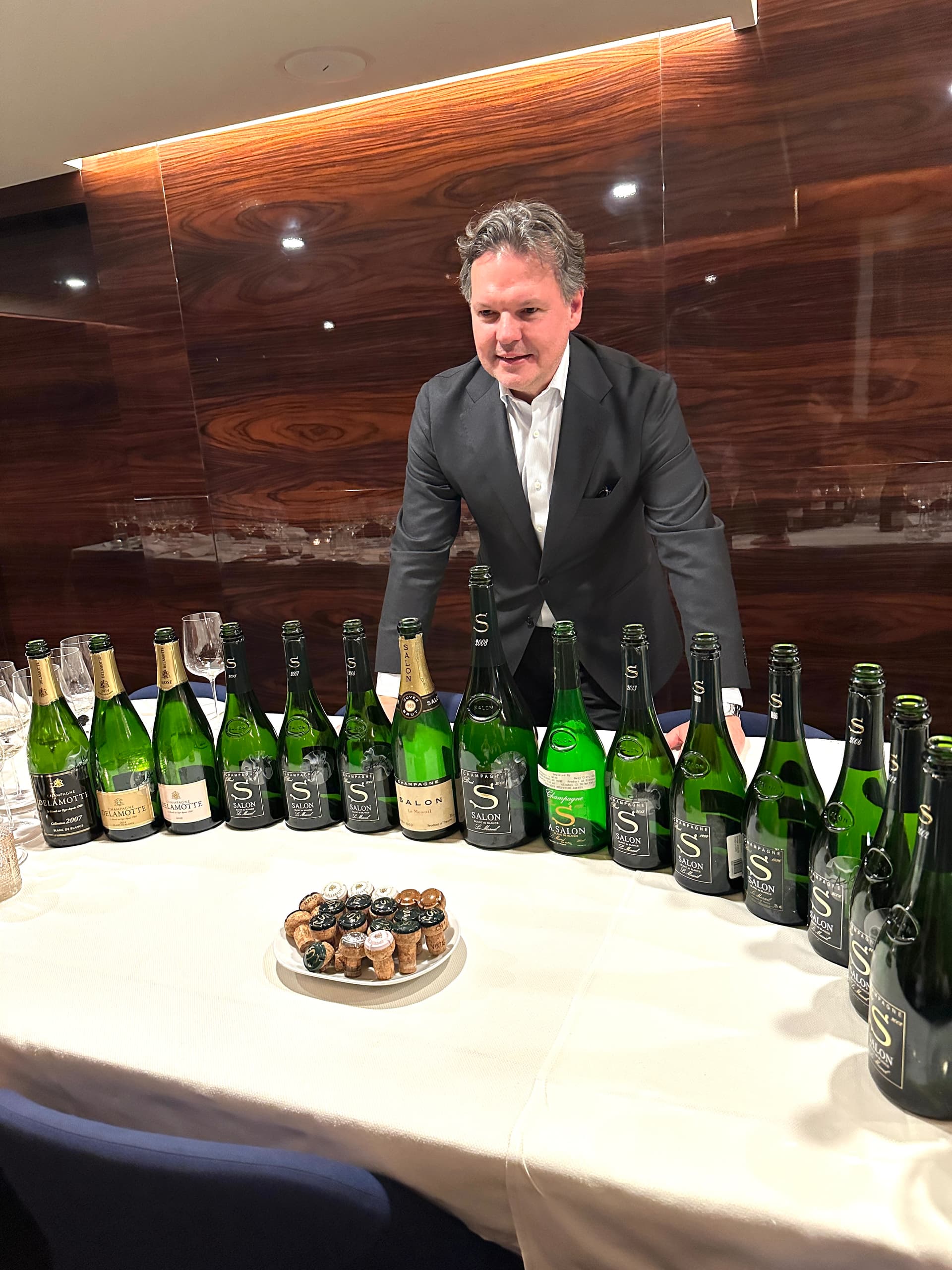
As a new member here, and a real Champagne aficionado (but sort of neophyte), I have a couple of questions. These come on the heels of nearly 5 months in France and Spain, with a full week of that spent in Reims.
-
After tasting the products of many houses, I found myself much preferring Champagnes that were vinified to block malolactic conversion, including Alfred Gratien, Roger Manceau and Lanson. Are there others here with a similar preference?
-
For those with a broad range of grower products in your portfolio, how did you first gain awareness of them? Were they recommended by a trusted merchant or did you encounter them by other means?
2 Likes
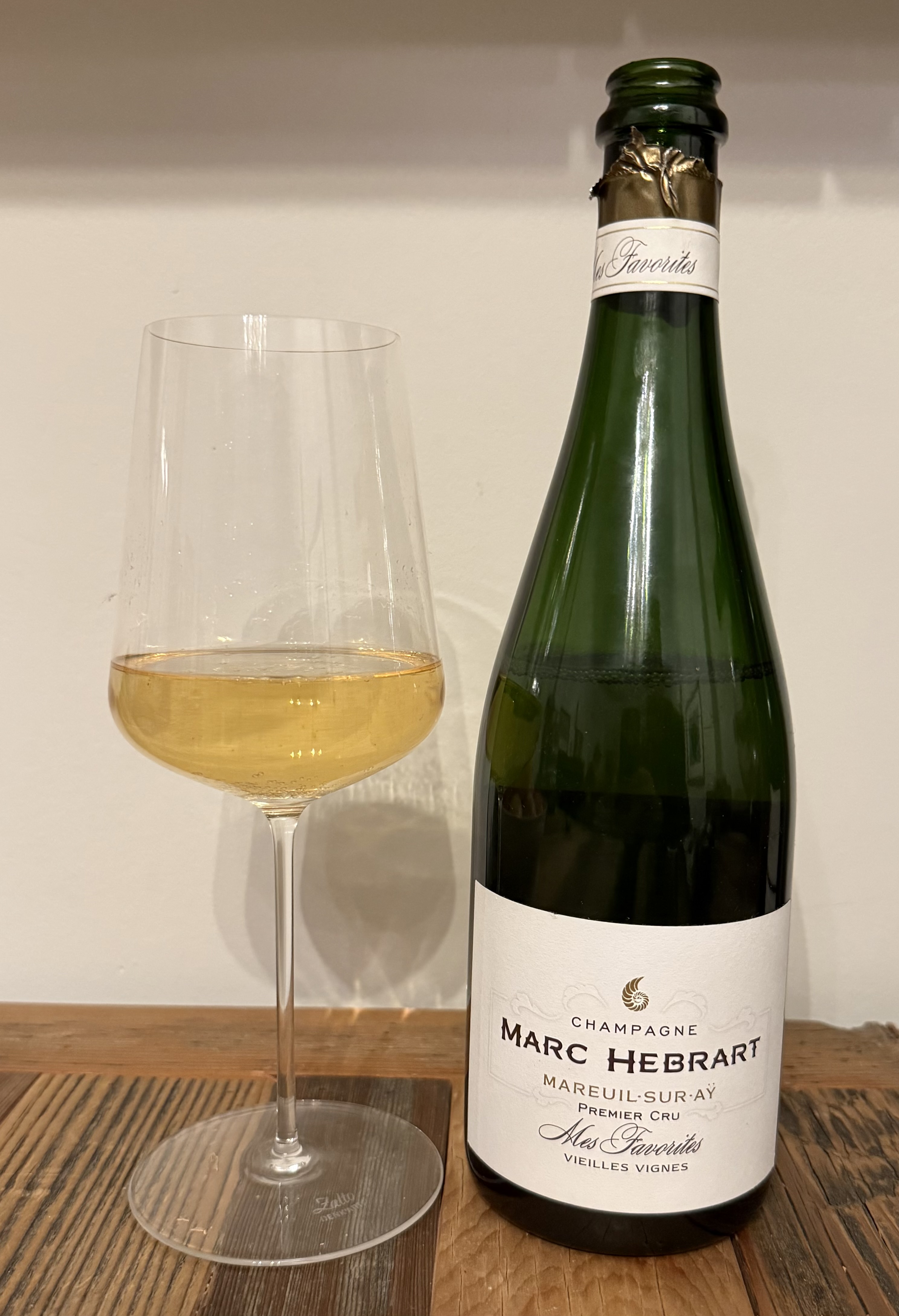
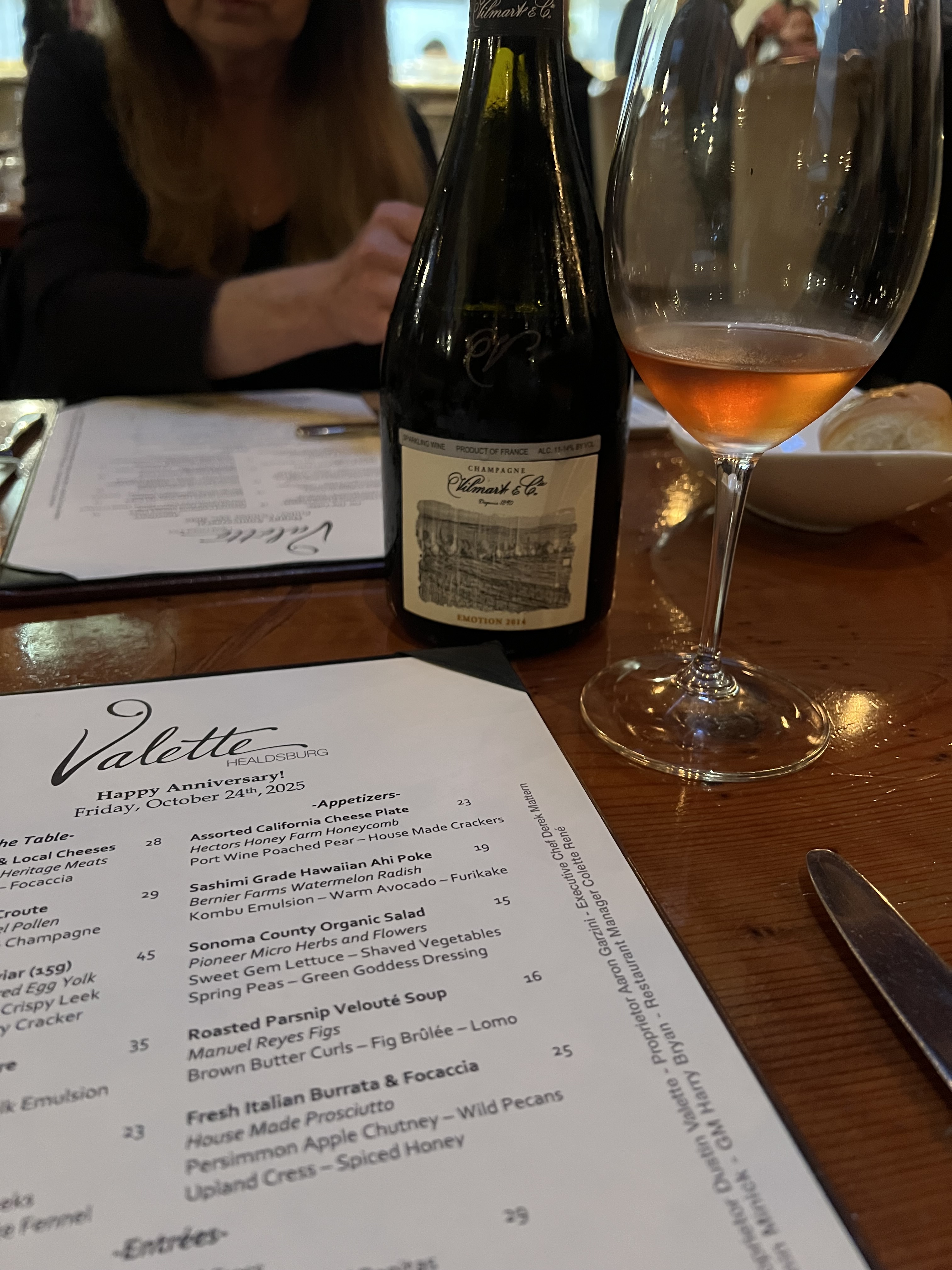
I like many producers and wines that undergo full or at least partial MLF. When the mood or meal will benefit from full body and a smooth or creamy texture, I might open a Taittinger Comtes or Ruinart BdB. MLF contributes to Bollinger’s rich house style. Some of my favorite growers don’t block it; some Egly Ouriet, Pierre Peters, Marc Hebrart, and others (edited to remove Vilmart, which doesn’t employ MLF)
That said, I also enjoy the tension of some that block MLF, like Krug and Cristal.
I learned most of it here, along with reading detailed descriptions and buying from smaller importer-retailers like Envoyer and Lopa, then tasting and exploring on my own.
There is also some great reading out there. Start with the wonderful handmade illustrated paperback “La Champagne, Le Champagne, and Les Champenois” by Yoko Ota-Sawyer. it’s an awesome primer. Then get Peter Liem’s book.
You’re heading down a fun but deep rabbit hole. Enjoy the ride, but tread carefully!
Cheers,
Warren
3 Likes
Vilmart doesn’t go through malo. While they don’t purposefully block it to my recollection, pH is typically too low, especially in their cold cellar. So no MF.
2 Likes
6 g/l seems like a reasonable dosage… could just be the winery style that you’re not into. Which is great to know!
Great restaurant, that scallop dish is unreal!
I stand corrected. Also, for E-O, their Grand Cru Brut Tradition undergoes full MLF, and their Rosé and Les Vignes de Vrigny partial ML. It’s blocked on the rest of their cuvées.
@Jeff_H, to answer your question where to gain awareness about growers: not from me 
I’d also suggest not getting too focused on any single winemaking technique, since so many factors shape texture, density, and character: ripeness, grape varieties, dosage, vine age, soil, pressing, lees aging and stirring, and plenty more all play a role.
3 Likes
Could not agree more. SO many variables.
3 Likes
Agreed, it was Scallops en Croute lite with 1 scallop as it was part of the tasting menu. Was tempted to order it as a starter as well to get more but knew it would be too much food in the end.
1 Like
I like Benoit Dehu, Salon, Tarlant as they block MLF in vinification. Lamblot does spontaneous MLF but I only drink their Brut Nature so it doesn’t bother me much.
1 Like