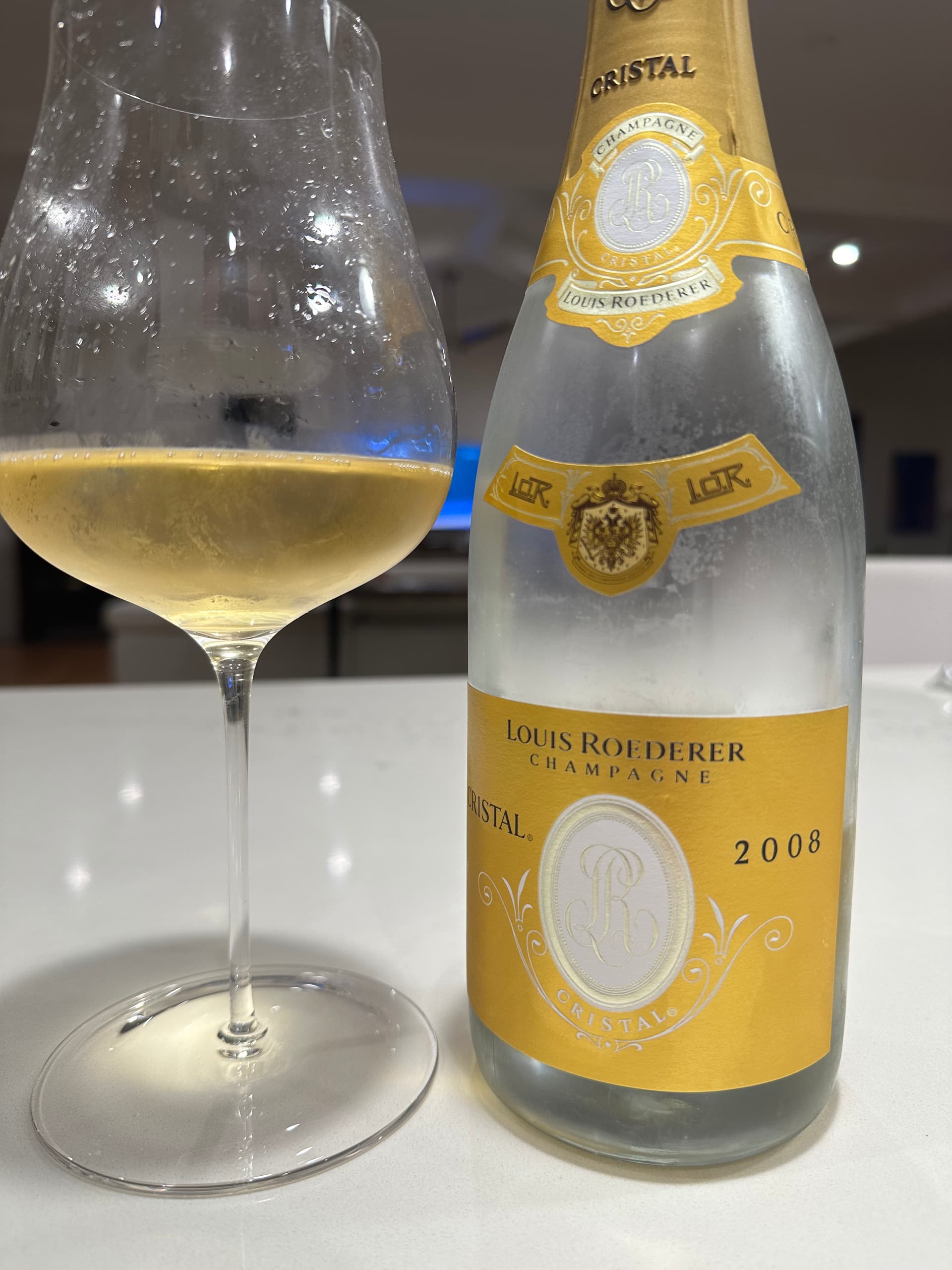
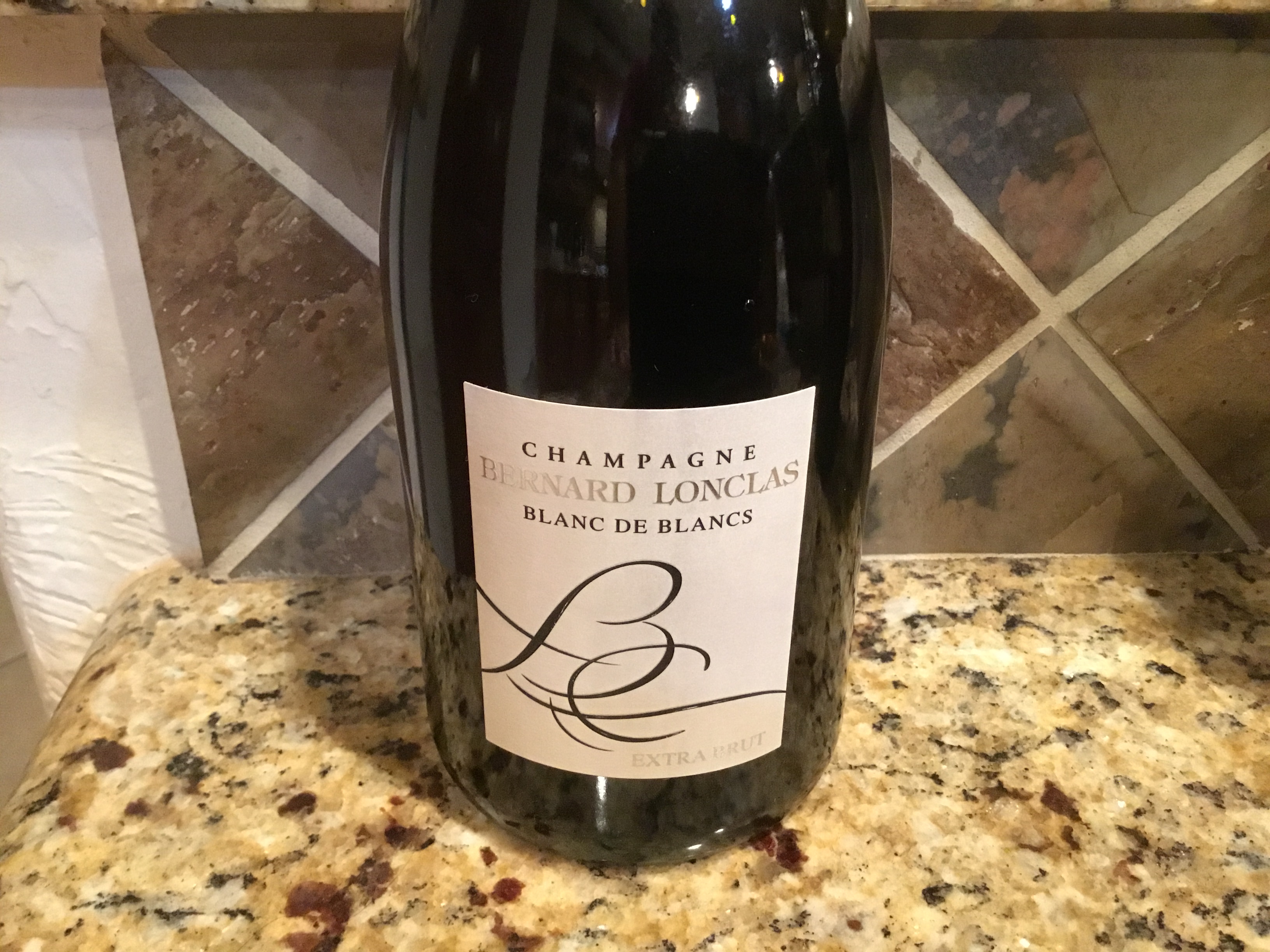
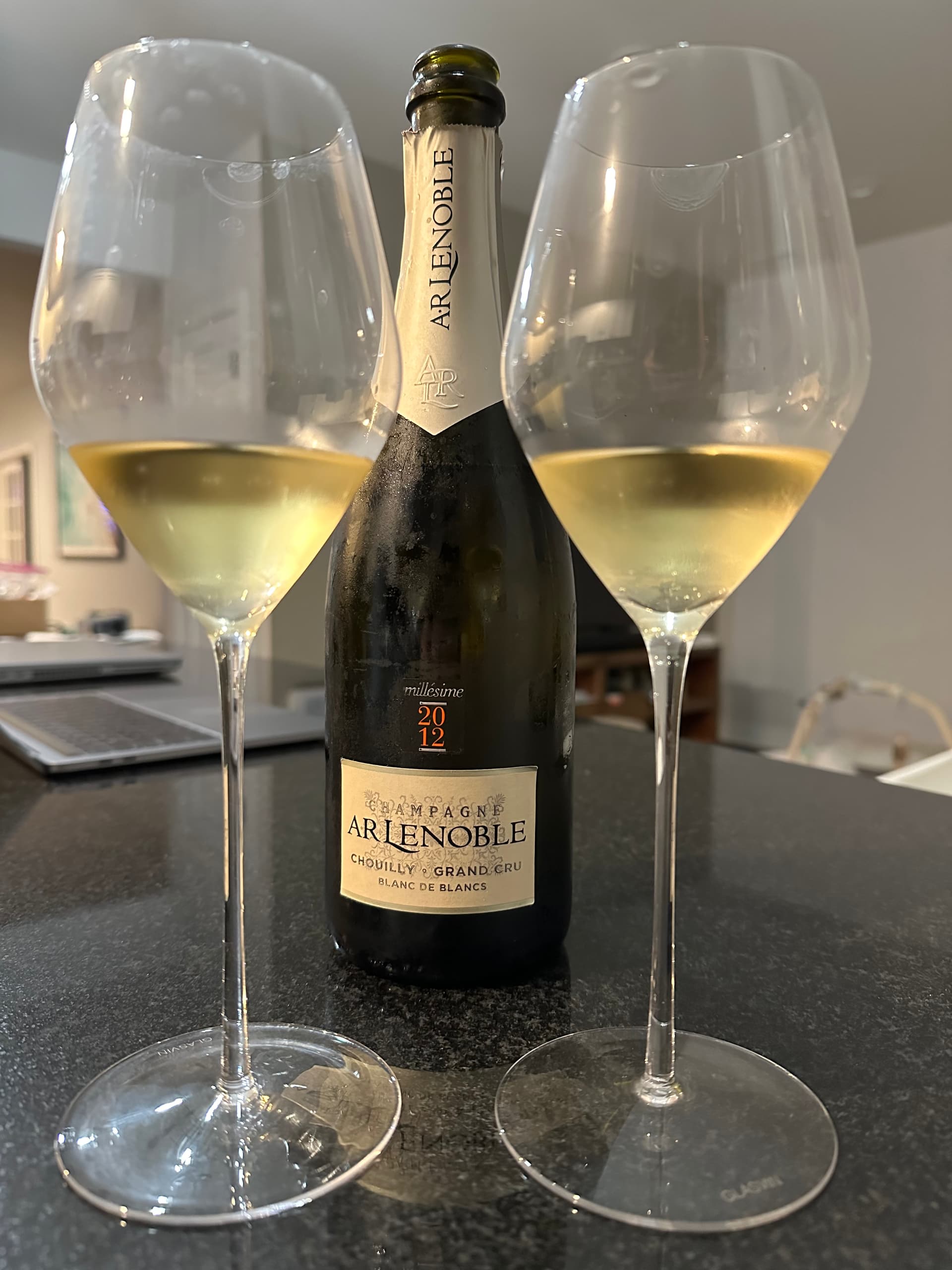
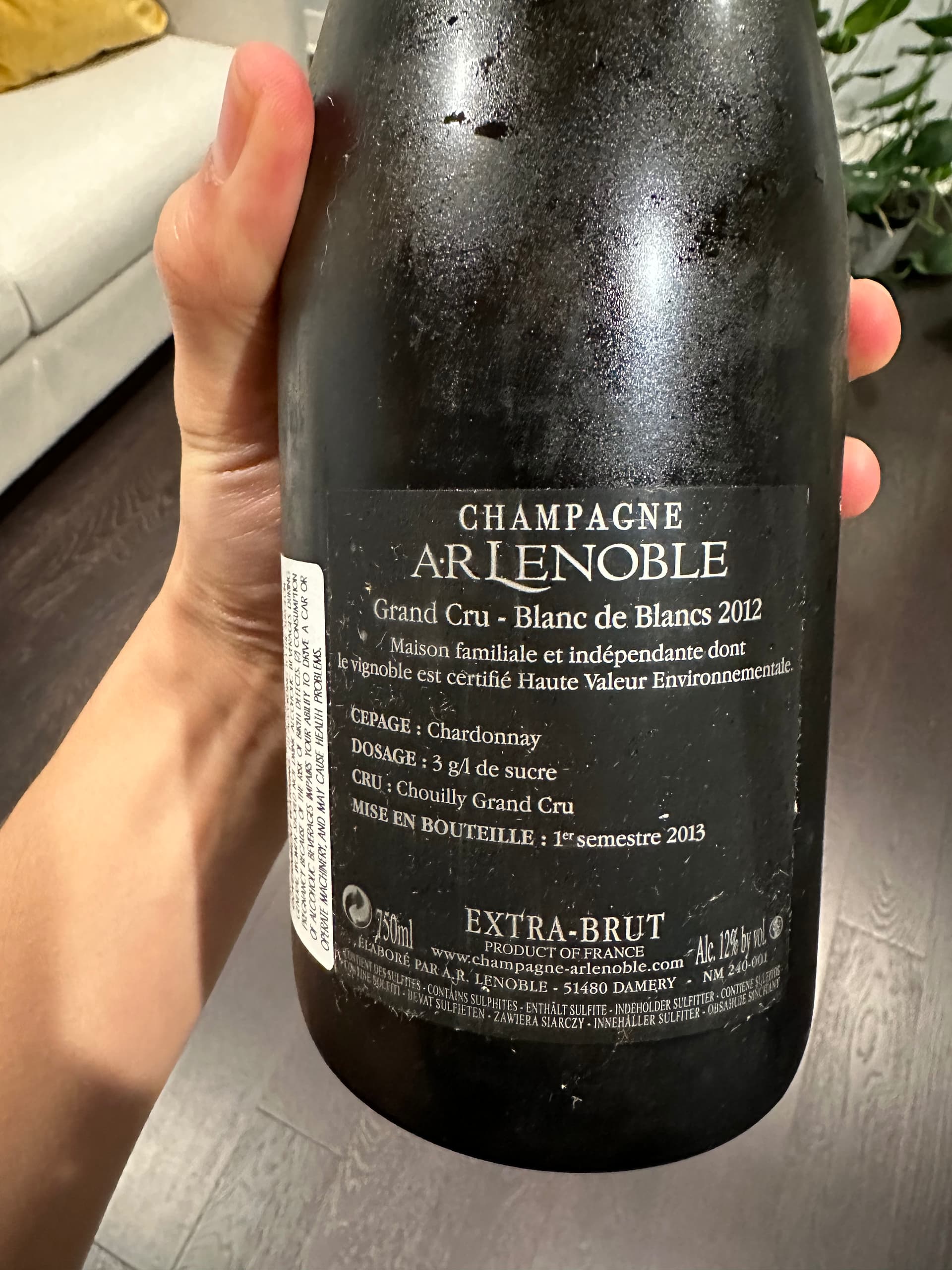
On Saturday we held our second crowd funded tasting in Augsburg. The tasting consisted of 17 champagnes, for those who are quick to jump to winesearcher, the price per participant was 170 € from my side this included the champagnes, cheese and charcuteir, the german vat at 19%, the train journey with a return ticket and the hotel. The host, who provided the rooms in the Fuggerhaus in Augsburg charged a futher 30€ person for quiches from a local french baker, infinite water, a waitress and for the cleaning of the room. This was a non profit event for good customers and to give them a chance to taste champagnes, they normally would not buy, also based on the rartiy of certian bottles, a chance to allow them to taste bottles whichare extremely difficult to get.
I find myself getting tired of the what I will call the “bureaucracy of wine” meaning over analytical thinking to the extent of blind tasting, hierarchacal thinking, the tendency for certian fractions to dominate in a tasting and preventing different opinions. The idea was to hold a holisitc or instinctive tasting, the basic idea, nobody is right or wrong, nobody has to explain why they liked or disliked a champagne. I used a basic question how would you evaluate this champagne from 1 to 10, one the lowest score, ten the highest. Also to think of the champagne in terms of what would I like to eat with this champagne? From my perspective this approach worked, and obviously from a business perspective it helped me understand the participants tastes much better. The following notes are my impressions and not the groups.
To break the ice, we started with Ayala’s Brut Majeur from magnum, a blend of 55% chardonnay, 30% Pinot Noir and 15 % Meunier. 3 years on the lees, 6g/l dosage. A playful, rounded champagne with nice brioche notes, I think this will improve with some ageing, a nice start. 90 points
One aspect of the tasting was to incorporate as much 4 to 5 star producers rated by the german critic Gerhard Eichelmann, to my mind the best champagner critic world wide.
The host wanted rosés and as they are difficult to fit in we had Hure Freres Insouciance as a second aperitif. 50% Pinot Noir, 30% Chardonnay and 20% Meunier. Base 2020. Dosage 4,5g/l Degorge 01/2023. A complex rosé, up front bright red fruit an intense salinity and a acidic finish. I really liked it, but it really got mixed reactions, from very positive to not liking it. 92 points
The tasting was then structured into three clusters, the first was Blanc de Blancs.
Domaine Vincey Chemin de Chalons 2018. Degorgement 10/2022, 0g/l and sulphur 26 mg/l. In terms of attack this was the most impressive of all the champagnes presented, a massive upfront explosion of chalk and agrume aromas, however on the middle palate and back palate nothing, not disappointing, in fact apaprt fom myself all of the participants were blended by this champagne, I guess that is what the producer is trying to do. 92 points. I think with the low sulphur and zero dosage better drink in the near future, there was no residual sugar to compensate this.
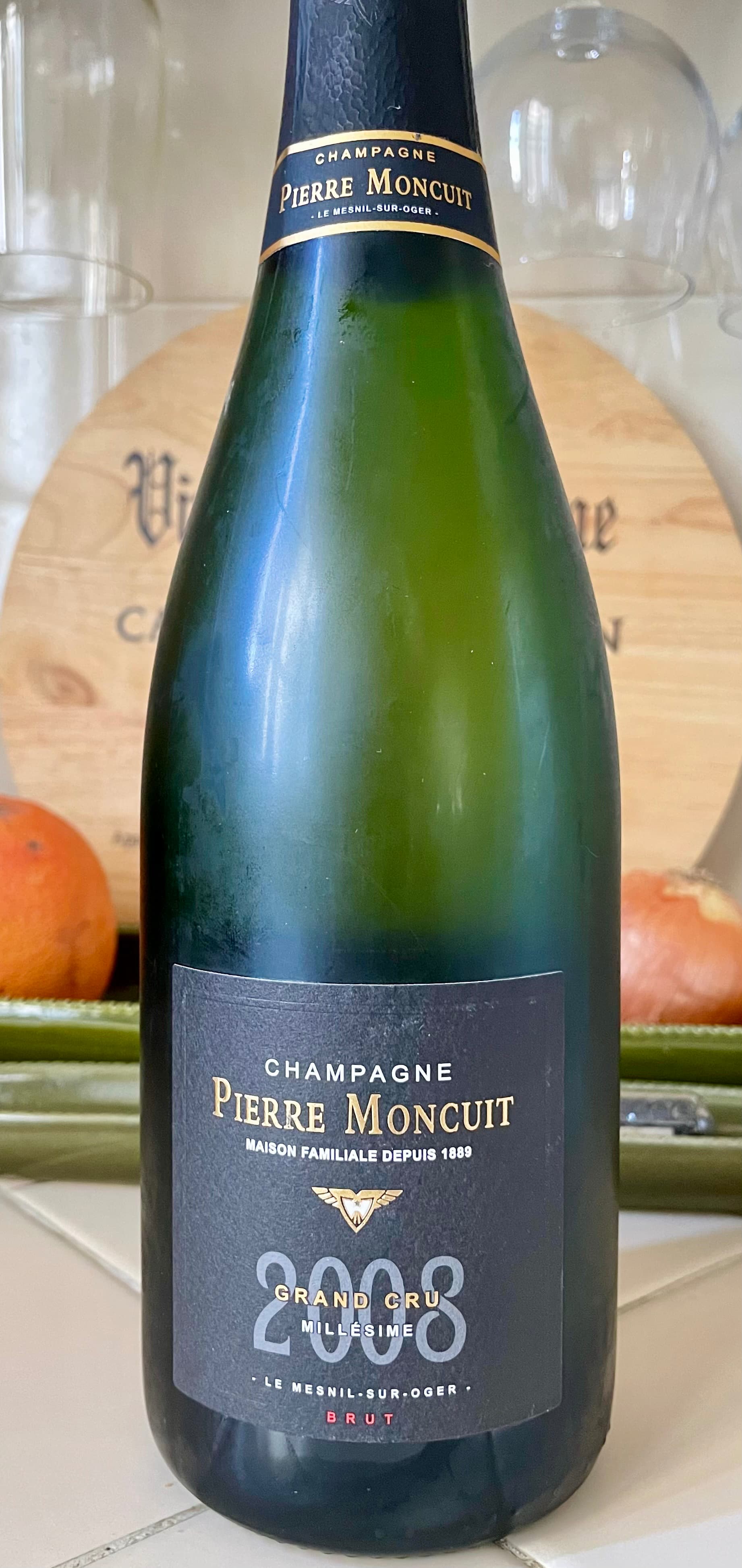
Robert Moncuit Lieu dit du Mesnil sur Oger Les Chetillons 2016. Degorgé 2022 0 g/l
The Chetillons lacked the explosivesness of Vincey. Wood was present and the champagne in itself was a bit subdued. The Chetillons needed time to find its potential, the wood softened a bit and one felt the massive potential of ths champagne, beautifully blanced with a persistent finish. I would wait at least 5 years before opening the next bottle. This will be a recurring issue in this tasting, in my mind with 1 or 2grs dosage, this would have been a much better champagne. 95 points
Agrapart Grand cru Blanc de Blancs Venus 2017. Degorged Mai 2022 Brut nature. I will say this again and again, the critics writing off 2017 so early shows us how much value to put in the premature judgents of vintages. It was amazing to see how almost each of the participants after the first sip, were blown away by this champagne, just at another level compared to the other two champagnes. Creamy, complex and and a fantastic finish, this bottles was emptied very quickly. With the current release from 7cru and Terroirs up to Venus, Agrapart is on a role. 99 points. Here one also sees the master, despite the Brut Nature, this champagne had so much substance and body, one feels it has the potential for 20 years.
From the group, tow were not so impressed with Agrapart and prefered Moncuit and Vincey.
The next group was more eclectic, Meunier/biodynamicsa dn natural champagne.
After such a high point like Venus, it is difficult to move ont o the next grape sort. But Seleque pulled it off.
Seleque Soliste Brut Meunier 2018 Pierry 1er Cru and les Gouttes d’Or. Degorgé December 2022, dosage 1,5g/l. I recommended the participants to try this with Schwarzwald Schinken (smoked black forest ham) to give it a chance after the Venus. For me a beautiful representation of Meunier. Seleque pushes the boundaries when it comes to richness and ripeness, the 18 warm character was evident and this meunier had power. I think one thing we are seeing with 18 is the capability of the producer. A lot of champagnes I have tasted from this vintage were clumsy to say the least, it seems more experienced producers have managed to capture acidity which counteracts the richness. Seleque has pulled it off. 94 points
Philippe Lancelot:Les Hautes d’Epernay Millésime 2017. Zero dosage, no degorgement date. Again the maltreated 2017 vintage. I always fret with these non sulphur/natural wine styled champagnes. The Hautes d’Epernay was sublime, the honey note had intensified, the minerality extremely complex, an intellectual champagne but magnificent. 97 points.
Emanuel Brochet Les Haut Meuniers 1er Cru Extra Brut. I do not drink a lot of Brochet due to the scarcity and the scarcity in my mind plays into the cult. Eichelmann promoted Brochet up into the 5 star category and this chamgne showed why. This was a Brochet moment. For me the best 100% meunier I have tasted, much better than Prevost. This champagnehas everything concentration, power, balance, elegance and an amazing finish. If it were not for Leclapart, I would have givven this champagne 100 points. 99 points.
David Leclapart L’Aphrodisiaque 2018 Pas Dosé, 90% Chardonnay and 10% Pinot Noir. Just amazing, Brochet was brilliant, but it was Meunier here the chardonnay lived up to the noble grape nomenculture. This is what Cristal post 2013 should be but is not. A seductive champagne that has it all, an endless finish. 100 points.
One of the reasons for putting Leclapart, Brochet and Lancelot together was the fact that they are close friends and influence one another greatly. One particpant said the following. For him, Lancelot was the best for one reason, the price, not quite at the level of Brochet or Leclapart in terms of quality but the difference was not so great as to justify the price gap.
The next round was pinot noir based and the most devisive.
Elise Dechannes Pinot Noir 2014 Degorgé 28 January 2022. Zero Dosage. A champagne bursting with energy, the acidity and minerality more to the fore, in the background a cherry sort of aroma. I am not a fan of 2014, this champagne lacks the body so typical of the vintage. Nice, drink now or over the next two or three years, needs food. 92 points.
Marguet Ambonnay Grand cru 2018. 63% Pinot Noir and 37% Chardonnay. Degorge February 202. Dosage 0 and Sulphur 17 mg/l. I loved the 2017 Shaman, but disliked the 2018 Shaman and Yuman, the oak regiment combined with the hot vintage did not appeal to me. With the Ambonnay 2018 I will have to fall on my sword. A beautiful representation of Ambonnay, floral notes, red berries, and dark chocolate accentuated by a hint of spice. The inclusion of 37% Chardonnay lent a refreshing and vibrant quality to the champagne, counteracting the heat of the vintage and infusing an unexpected sharpness. With zero grams per liter of dosage and minimal sulfur, I question the aging potential of this champagne and would recommend consuming it presently or in the near term. 94 points
Pouillon Le Montgruguet Extra Brut 2019 3g/l dosage, degorgé 1er trimestre 2023. I think with the new releases Pouillon has stepped up a rank in the hierarchy of producers. The new releases are just fantastic. This Le Montgruguet 100% pinot noir is a power house of a champagne, very embryonic at the moment, everything is there but this champagne will need time together. 96 points. Thankfully 3g/l dosage, a champagne to lay down.
Drappier Cuvée Geande Sendree 2008 55% Pinot Noir and 45% Chardonnay. Brut. I don’t know why, I expected this champagne to be more open. Not the case. Again a powerhouse of a champagne, at the moment more brooding with massive acidity, the acidity was a proble for most of the participants. For me a great champagne, just one needs to wait 15 – 20 years. 97 points.
Jacquesson Ay Vauzelle Terme 2013. Degorge Mai 2022. Dosage 0gr/l. For me on paper, this should have been one of the best champagnes of the tasting. I loved the 2009 and 2008 but this just did not tick any boxes for me. The acidity is off the charts, the pinot elements are not coming through. 1 or 2 grams of dosage would have made a massive difference, lacks substance. Not at the level of Pouillon or Marguet. 91 points.
I think with the chardonnays and and the middle flight, the stylistic difference was much more pronounced. Despite the different terroirs the similairity of the pinot noir based champagnes was not so pronounced. Although the Dechannes was from a weaker vintage I preferred it much more than the Jacquesson. Marquet a real surprise. Drappier the best value Grand Marque out there.
We then finished with two Rosés.
Georges Remy Vaudayants Rosé Grand Cru. Pinot Noir from 2020 with 2% Rouge from 2019. Degorge January 2023. Brut nature. A refreshing, tangy style of rosé veering towards blood orange and cranberries. I liked it, the majority of the group did not. 92 points
Dehours Oeil de Perdix 2008 100% Meunier- Degorge Dec 2014. A champagne for the specialists. A strong oxidised backbone which cuts through the champagne. Again massiv acidity, but the structure shows enough resilience to holds it own again against the acidity. A poor mans Selosse. 93 points.
A really interesting tasting with very diverse opinions on the champagnes. One could not say there was a group concensus to the best champagne. I wish we could have more quantity to this more often. For me the clear winner was Leclapart with Brochet and Agrapart close behind… The biggest surprise was Marguet. The best value Lancelot, Moncuit and Drappier.