Extracted from a thread just posted: 7 dinner wines: 2008 Laurent-Perrier, 2021 Calsac Clos des Maladries, 2022 Istine Vigna Mezzapianza Chianti, 2022 Istine Elle Chianti, 2015 Montevertine, 2016 Isole e Olena Ceperello
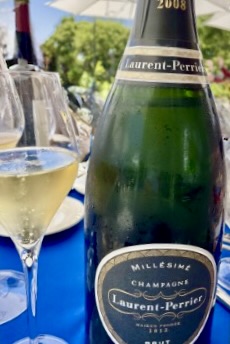
2008 LAURENT-PERRIER MILLESIME BRUT- poured blind for the others; made of 50% Chardonnay and 50% Pinot Noir aged 8-9 years on the lees and dosed at 8 gpl, following its lemon yellow color came aromas of lemon meringue pie, but on the palate, the meringue gave way to a heavier statement of ripe lemon and lime delivered with some body and depth that would have flattened out the pie; additional notes of pear and green apple joined in with a coat of honey; it had some richness, elegance and sophistication and was quite refreshing; obviously, these notes imply this was really good and it was, but it lacked some of the intensity, energy and magnificence of other bottles of which I’ve had a few cases.
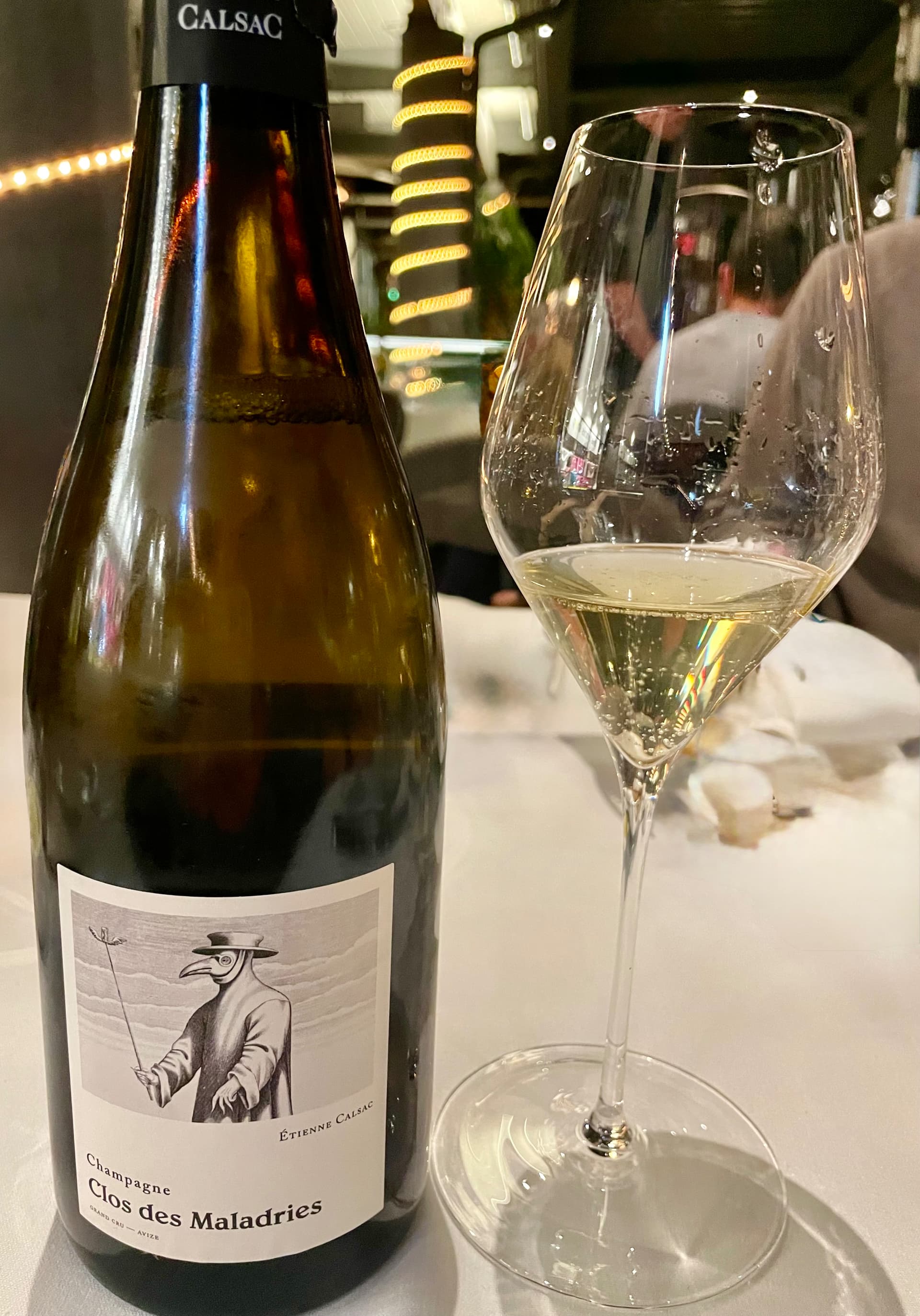
2021 ETIENNE CALSAC CLOS des MALADRIES GRAND CRU BLANC de BLANC EXTRA BRUT AVISE- from a producer new to me, this fine bubbly featured mellow and yet quite pleasing notes from the nose through the tail; even the color was mellow being a light yellow; the nose included mild peppermint and citrus fruit with lime most prominent; later on, some chalk and saline accents came in; this was a subtly significant champagne that I enjoyed for that trait and its flavors and gentleness; disgorged 2/25 and dosed at 2 gpl.
About the producer: “Etienne Calsac is part of the new Champagne generation, and his aim is to make producer champagne that expresses its terroir all while respecting the soil and the vines. Setting up in 2010 after spending time in the US, New Zealand, and Canada, he now cultivates 2.8 hectares of vines between Avize and the Marne valley. In Avize, the famous Côte des Blancs grand cru where Etienne inherited his family’s winery, the Chardonnay grapes grow in the Clos du Maladrie. Moving towards organic methods – unusual in the region- he uses neither pesticides nor herbicides in the vineyard. For a few years now, the domain’s mission has been to bring forgotten grape varieties back to Champagne, leading to the planting of Pinot Blanc, Arbane, and Petit Meslier vines. These frank champagnes have already found their way onto menus at some of France’s top hotels” and its way to Santa Barbara.
Cheers,
Blake