Yamahai style isn’t related to polish rate, fwiw. You might have already, but if not, you can find a good one, give it a try.
Sorry, I must have mistakenly pressed a wrong button and deleted my comment above which was in response to Tom’s above post re: rice polishing; not with reference to Yamahai style.
Below is the mistakenly deleted post:
Actually, as far as Tatenokawa’s sake bottlings go, I’ve had several, and prefer their 50 polish to go with my aforementioned Japanese meals at home. The one below depicted I usually have with sukiyaki.
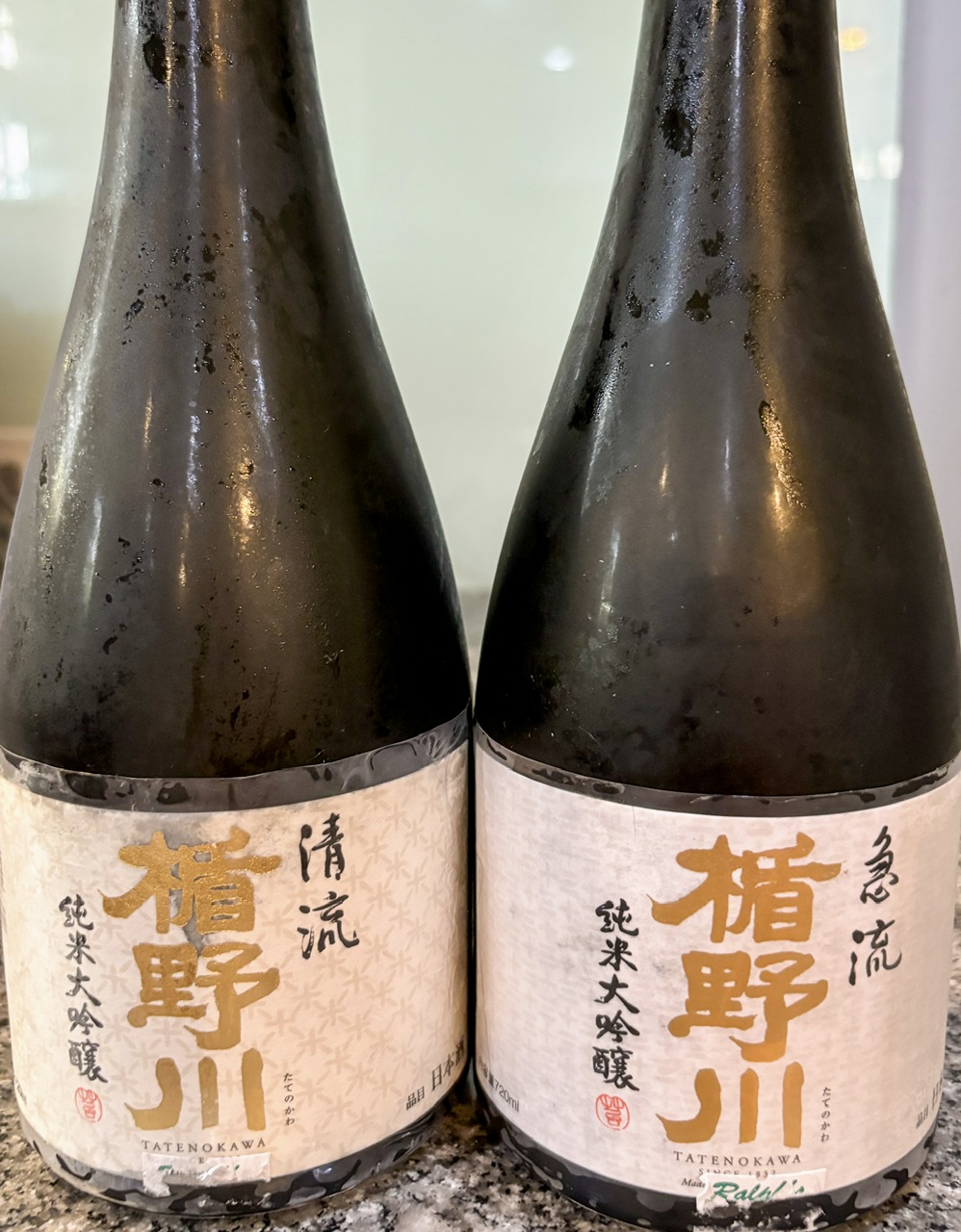
2 Likes
I googled “extreme polish fetish” and the results had nothing to do with Sake…


Had these three sakes (all junmai daiginjo) over a board dinner meeting last night, with the following dishes:
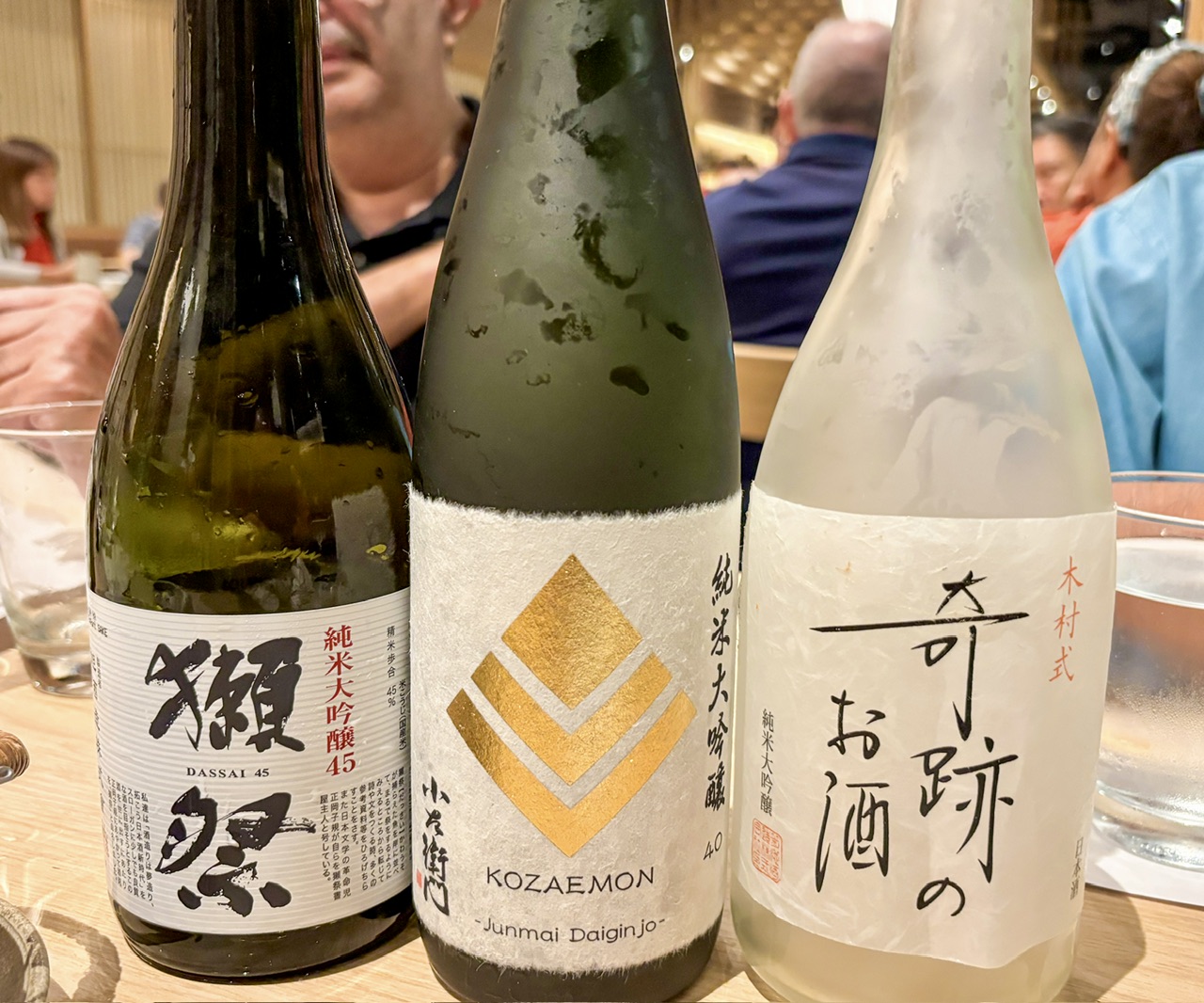
Dassai 45, Kozaemon 40, & Kimurashiki Kiseki No Osake Omachi 45.
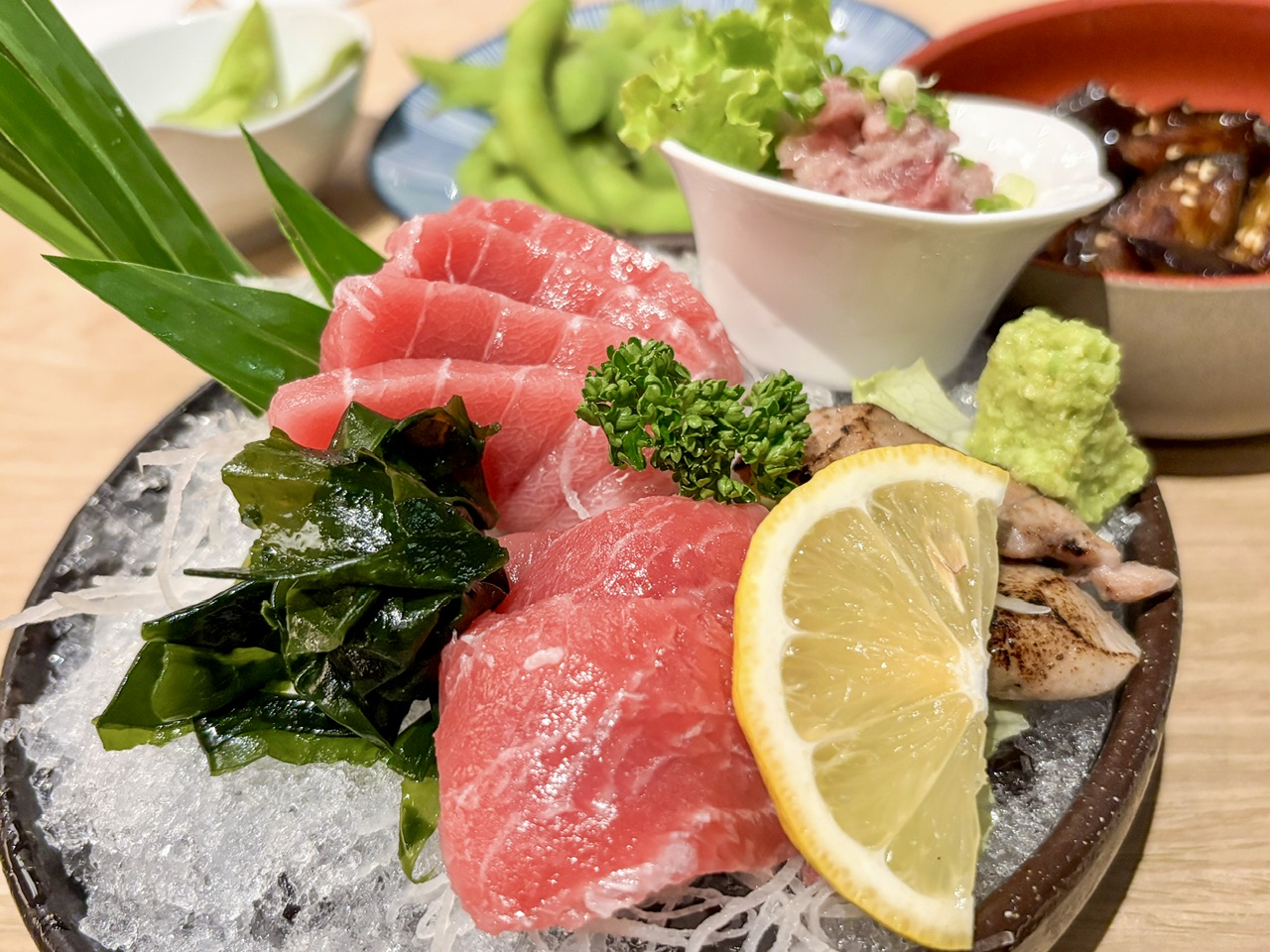
Edamame, nasu abura itame, chutoro sashimi.
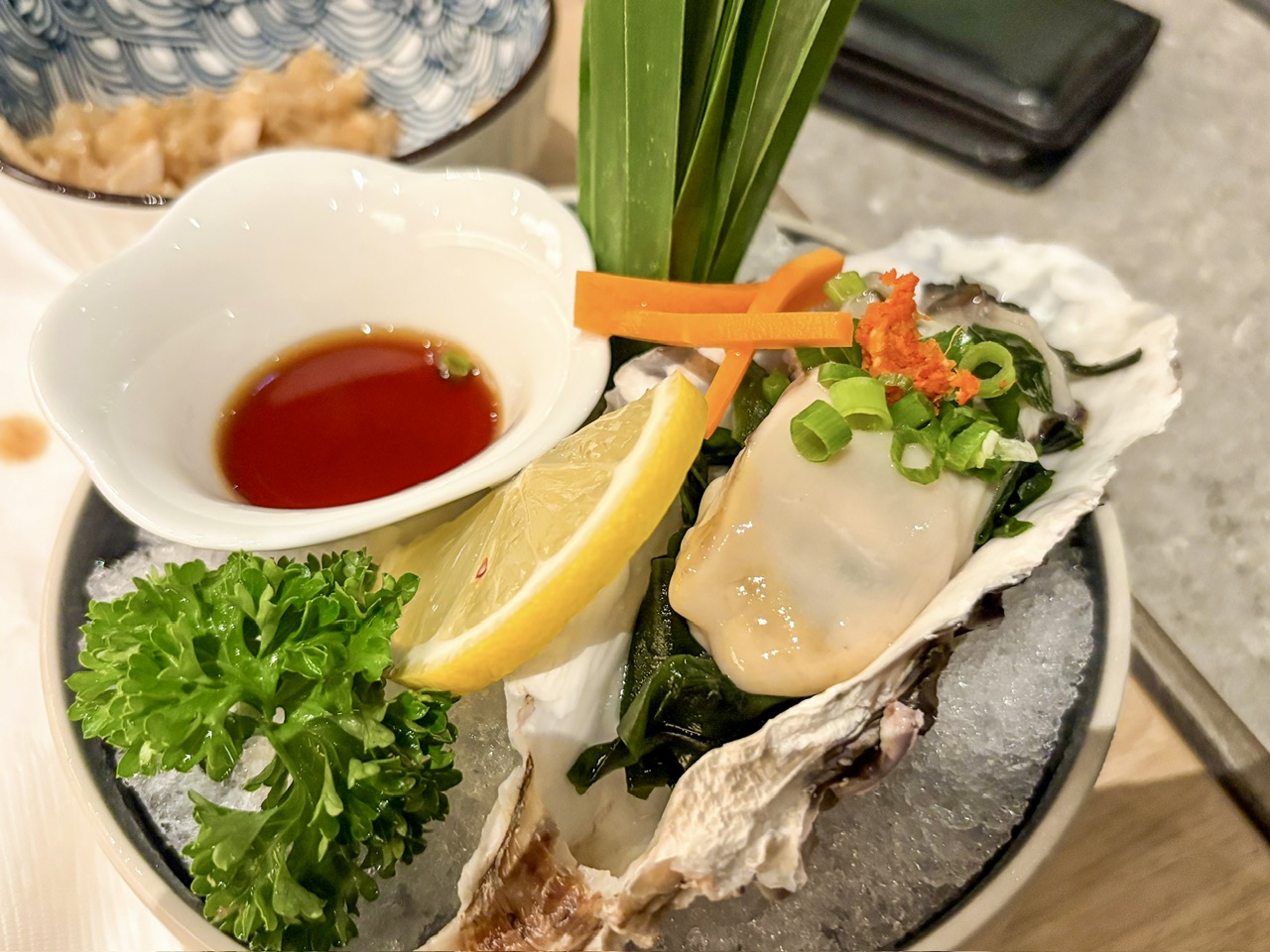
Hokkaido oyster.
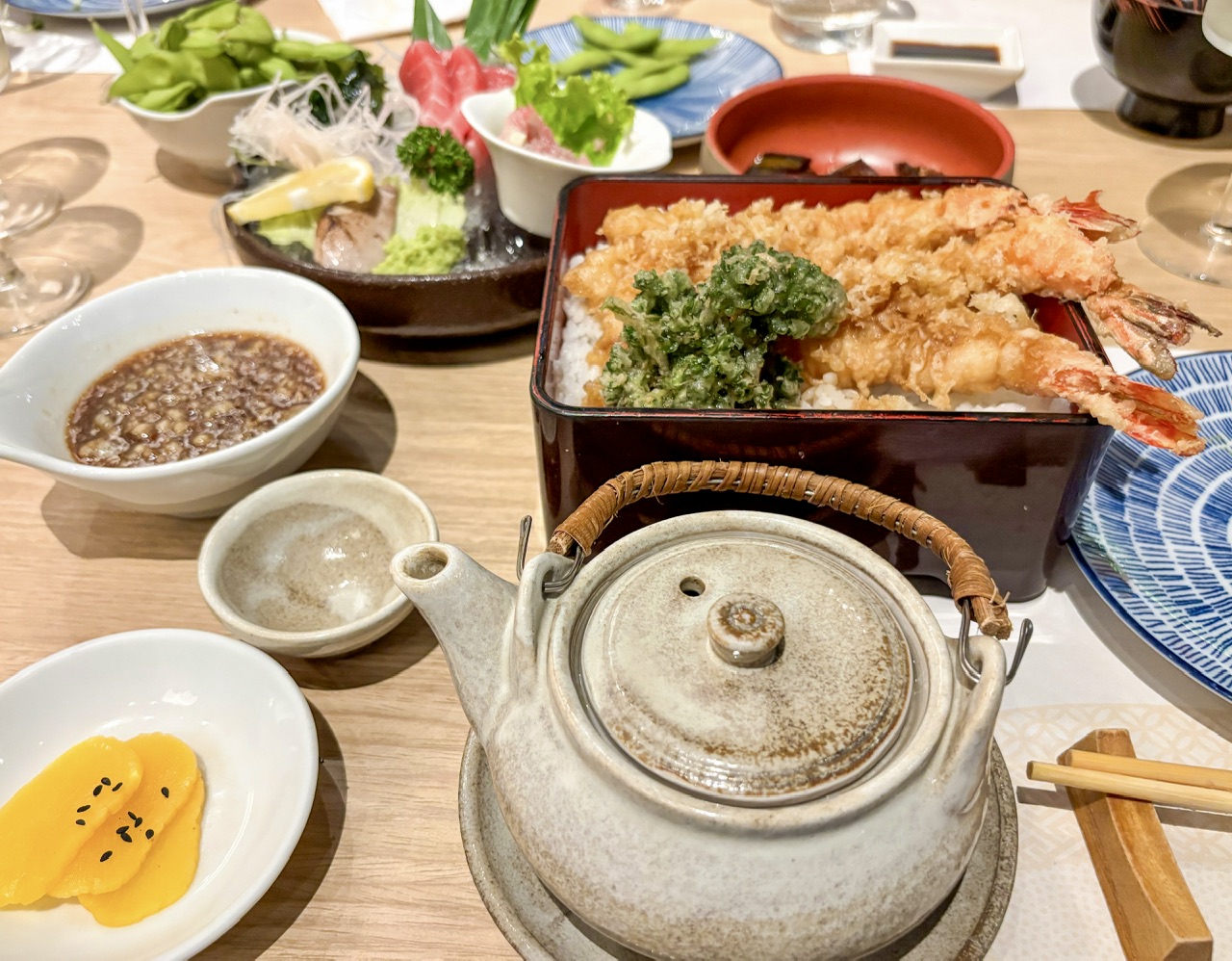
Tendon with a side soup of dobin mushi.
All three sakes I found a tad too sweetish for the chutoro; but the Omachi did well enough with the Hokkaido oyster. With the tendon, I preferred the Dassai 45 because of its comparatively firmer structure.
3 Likes
For everyone in the greater LA area who want to taste some rare and fantastic sake, please come by Thatchers in Brentwood, LA between 3PM and 7PM on Friday, April 4.
Jonathan (my husband the importer) and I will be there pouring across the lineup, including some aged examples that appear on the lists at places like Masa, Yoshino, Single Thread, Harbor House Inn and others. Some of these are available only from one other store in Tokyo, and some have been bottled especially for us.
Here is the link to sign up via Tock for this free event, which also has more details on the lineup, but walk-ins are fine as well:
https://www.exploretock.com/thatchers-wine/event/private/523653ed-4776-4d47-b327-b94561cbbf53
Feel free to DM me with questions. Hope to see lots of you there!
Reminder to anyone thinking of coming to the Thatchers Kikuhime tasting - we’ll be there 3-7 with a fantastic lineup and would love to share with any Berserker or sake loving friend.
Hope to see some of you!
1 Like
I’d have joined but for the distance constraints. I’ve had some of the Kikuhime bottlings in the past. One of the Japanese restaurants I used to frequent years ago carried Kikuhime on its list.
Thank you! We are obviously biased, but we think these are pretty special.
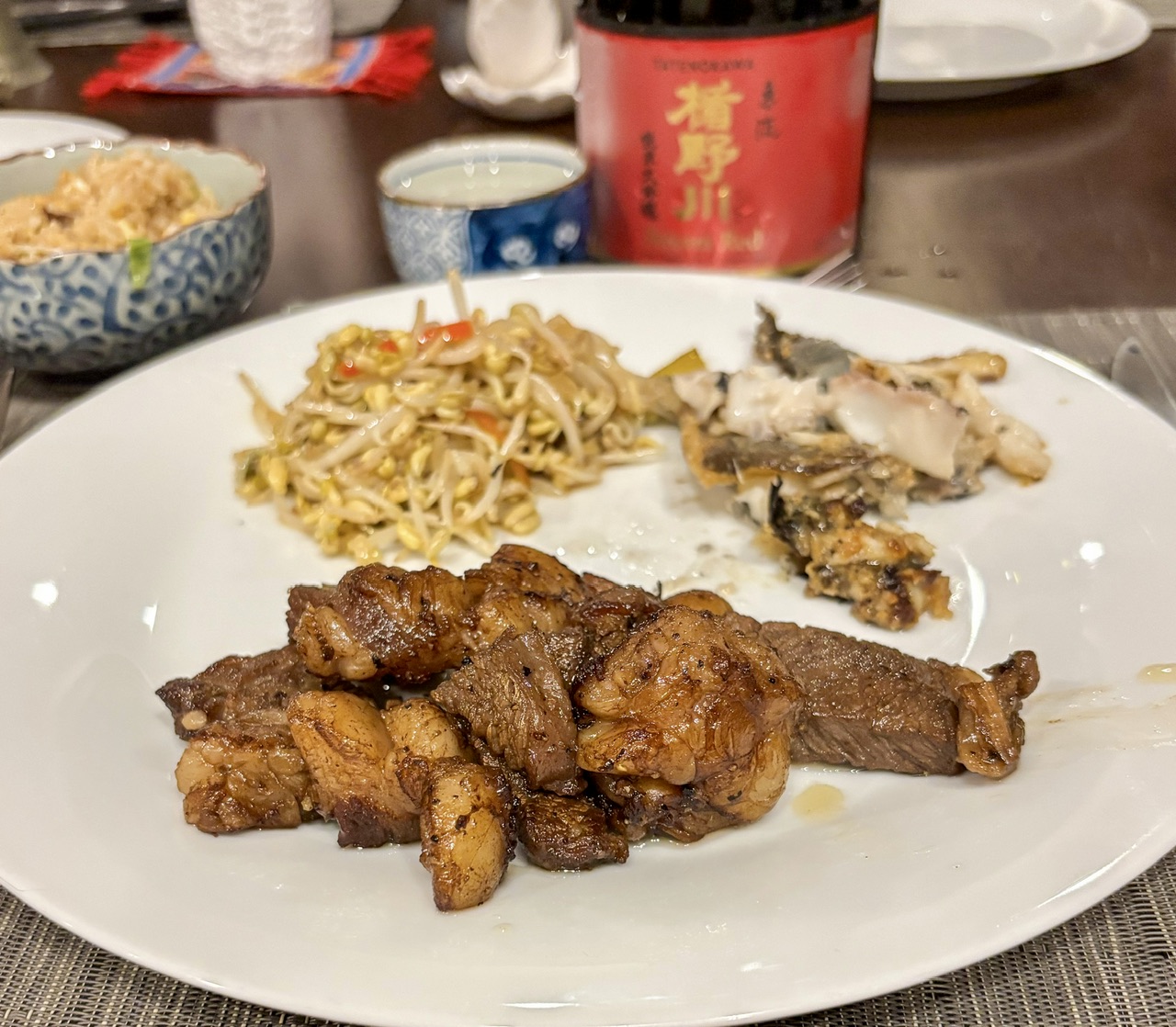
Had some Tatenokawa Junmai Daiginjo 33 Kyuryu with dinner (miso-glazed halibut & teppanyaki steak) at home last night. Not bad at all. Getting more for the house.
I was so pleased to see some Berserkers turn out for the tasting at Thatchers this past Friday. We also did a very fun dinner at Budonoki with LA area friends, including Berserkers @ToddFrench , Mark Kaplan, @Matthew_King and @BryanGreen I won’t post notes or anything since Jonathan is the importer, but I think I can speak for everyone when I say that the Kikuhime bottles were enjoyed by all, as was the Rites of Passage whisky we poured at the end.
Thanks all for the enthusiastic response!
6 Likes
Was fantastic to meet everyone, so happy I made the trek!!! Loved the Kikuhime sake, and the dishes selected by @Elliot_Steele were spot on, particularly the first few courses. I hope Jonathan comes on here to post details as I certainly didn’t write any down!!
I have a photo of three of the ‘big bottles’ but you are in it, and ‘you don’t do photos’ so I can’t post it, lol
1 Like
Thanks Todd! I’d be happy to post some notes if that isn’t against the rules.
Do it!!
2 Likes
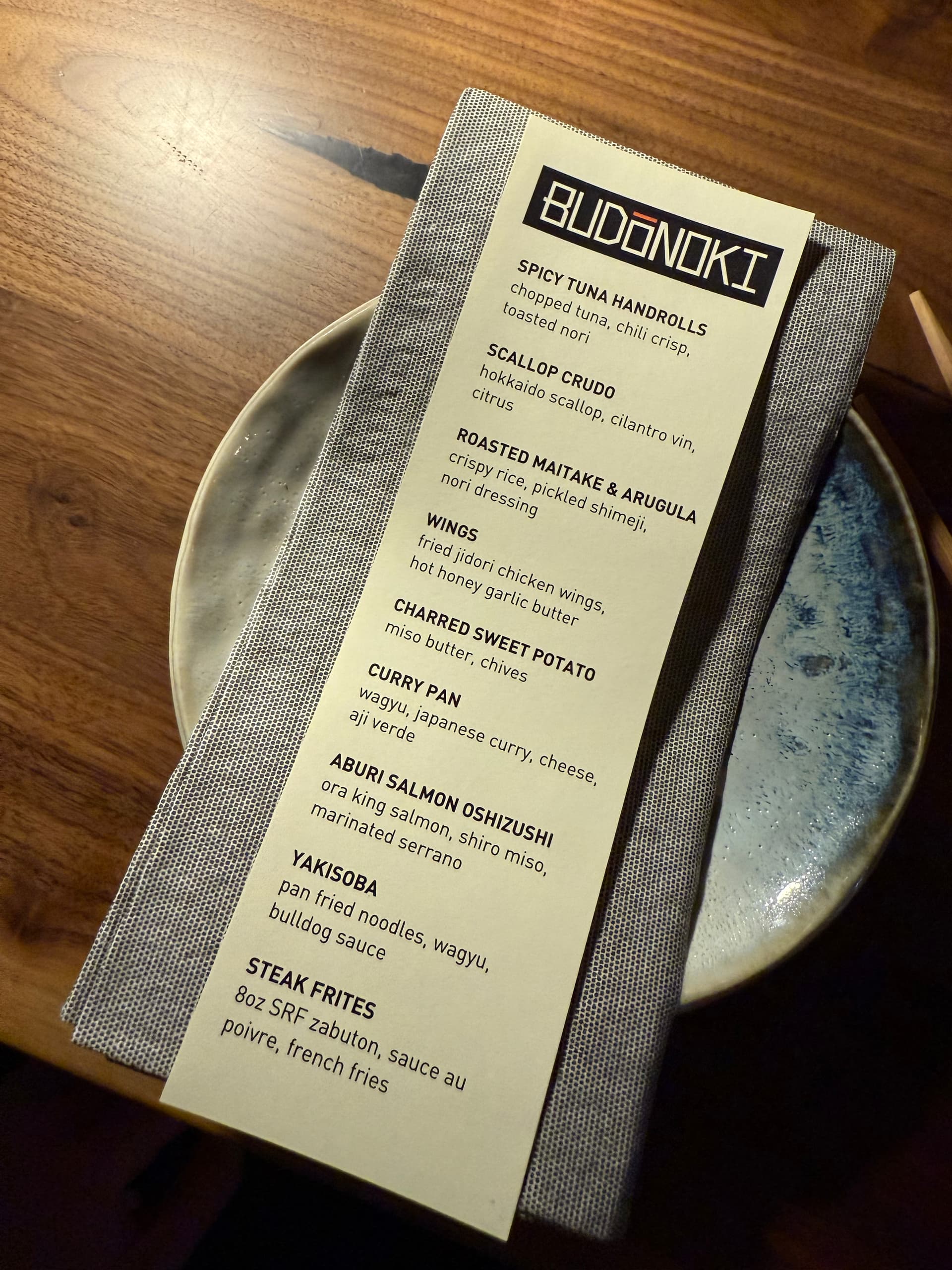
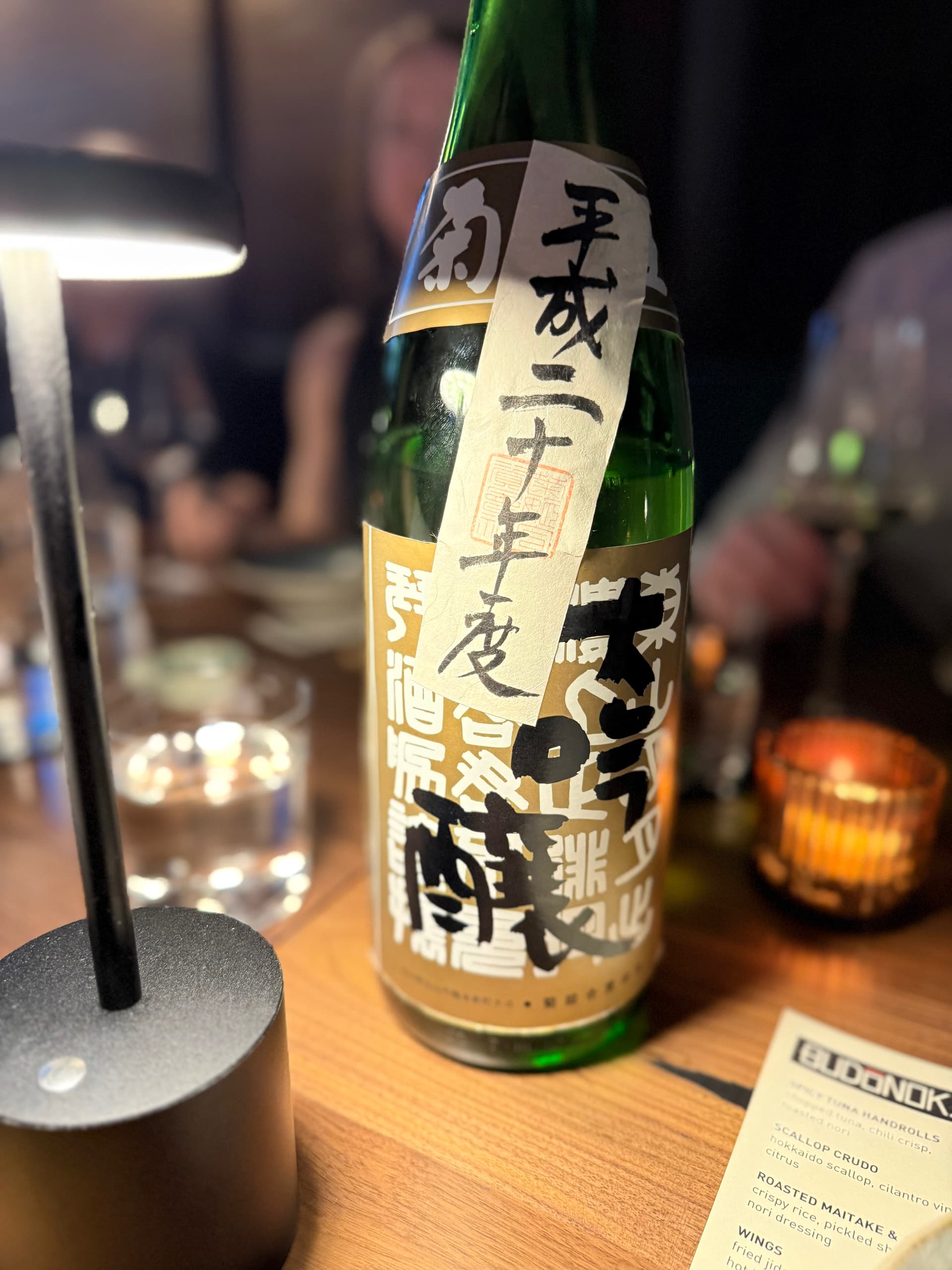
What a fantastic evening! Dinner, sakes and, most importantly, the group we had were all on point! I wrote no notes on the sakes unfortunately and although my memory of them is pretty good I’d still miss a fair amount of detail in writing notes. For me the biggest takeaways were the textures and mouthfeel and the incredible freshness of sakes at age 17 and 23! The Yamahai method of production is really something else in their hands. The nama and origarami were fun little additions to the lineup among more serious bottles and still showed how they hold their one as they were atypically exciting for their respective categories especially with food.
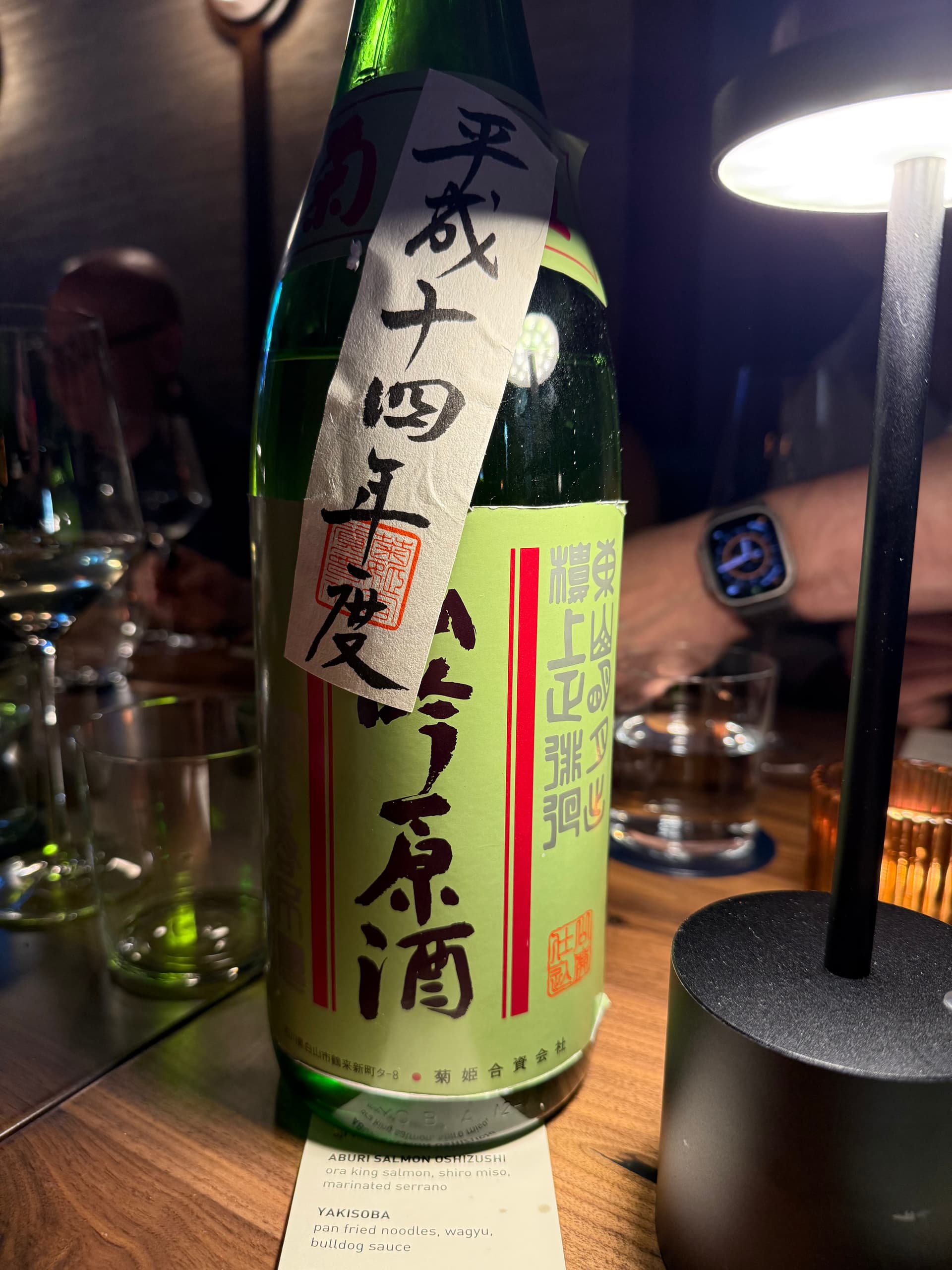
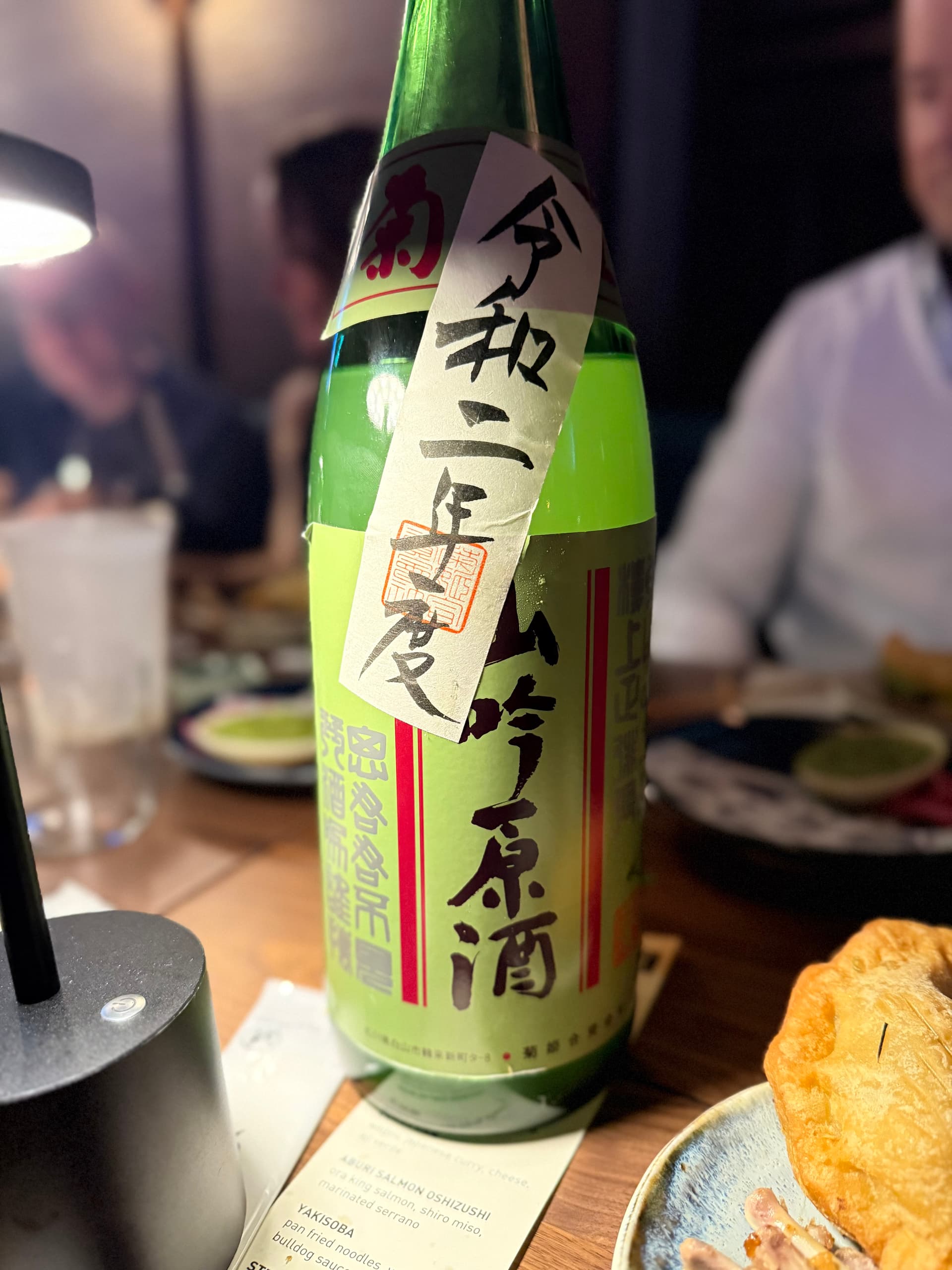

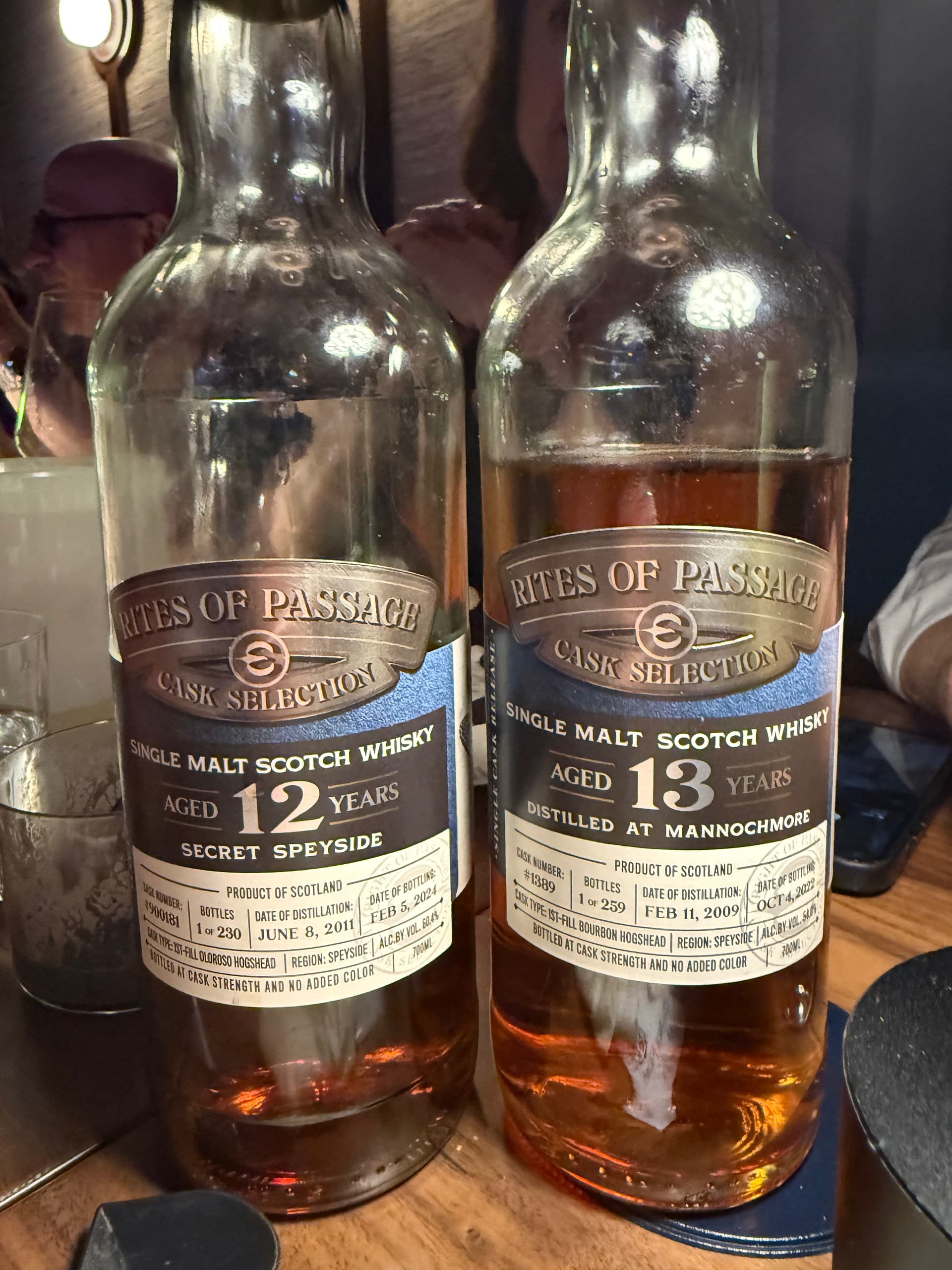
4 Likes
What a fun, informative night.
I knew nothing going in. but Sarah is a very adept and charming sake somm.
A few things this Burg nut learned:
-
“Location, location, location” is less of a thing in sake … the best brewers buy great rice but it tends to come from multiple sources. There isn’t really the lieux dit model.
-
Vintage isn’t a big deal either. The best brewers have a house style they adhere to in order to maintain consistency year in and out, like the big Champagne houses.
-
Most brewers add some other grain alcohol to mix to add some body and kick. I was surprised to see how much kick the sake had (18% alc.). The lumberjacks in Hokkaido like to get their heat on, I hear!
-
Some brewers make sake with some slight fizz and others use red rice to make darker colored sakes. But the knowledgeable tasters at the table pooh poohed these wines a bit
-
The polishing of the rice is a big deal, with varying regimens. More polish in the rice means more polish in the sake — floral and diaphanous; less polish means a bit more wildness and umami. It’s a preference thing… whatever your palate likes.
I tended to like the younger wines poured and the ones with a bit more tang.
I recommend a similar tutorial for anyone in a wine rut. Very versatile with food.
I trust @Sarah_Kirschbaum and others will kindly correct me if I got something wrong …
2 Likes
Thanks Matt - It was great to spend time with you and have such a receptive audience. Just a few comments on your notes:
Umm, not exactly. Rice type is super important, like grape type, but there are also certain “vineyards” for rice types that are rated higher than others. Not all sources of even Yamada Nishiki rice are considered top. There are ~24 grades, technically, and the top one is Special A (some say Special AAA for the ones in the original rated group, since politics have expanded it a bit). Kikihime’s rice comes all from plots that are Special AAA rated. There are more than 100 small plots that contriute to Kikuhime, rather than a single location, like a burgundy vineyard, but the location of all of them is important.
First of all, Ishikawa, not Hokkaido.  It’s not so much that most producers add alcohol (I couldn’t tell you any stats by number of breweries), it’s that most sake made has some added - in other words, most sake is NOT junmai, even though that’s a lot of what we get over here, because someone decided junmai = natural so it must be better. Also the sake you had that was 18.5% was genshu, which is undiluted, so that makes it higher in alcohol, too.
Red rice sake can be good, I just don’t like it. Sparkling sake, well, I don’t think a lot of that beyond a novelty.
The “wildness and umami” in the Kikuhime you tasted is from the Yamahai method of brewing, not so much from the polish rate. Yes, those are less polished (ginjo rather than daiginjo), but the lower polish to me leads to a textural difference, nubbier, as well as less of the delicate fruitiness and more earthy and minerally.
It’s always a lot of fun tasting with people who are fairly new to sake, and have a wine vocabulary. I learn a lot about how the differences strike new and receptive palates. We tended to agree about the best food and sake pairings, for instance, but everyone had his or her favorite of the 4 types we drank.
1 Like
Thanks @Sarah_Kirschbaum for organizing! Great to meet all the other Berserkers in person finally. @ToddFrench is just as charming in person 
Like @Matthew_King, I knew very little of sake going in… My knowledge only consisted of the fact there are fortified and non-fortified (Junmai or not) sakes and different levels of rice polishing. My sake experience prior to this consisted of trying different sakes, some from well-regarded producers… ultimately enjoying (solid food pairing) but never ecstatic, perfectly whelmed, about them. But I, of course, know Sarah and Jonathan have extremelyyyy high standards, so I was excited to see what the fuss was about.
Kikuhime is a different sake story for me.
-
The 2002 was by far the highlight of the evening. I would describe this sake as noble with a strong quiet confidence. To me, sakes of lesser quality lack depth and fade quickly. The '02 is still quintessentially what I expect from sake flavorwise, but there was a depth that continued on the finish that was really rewarding. Love the age!
-
The Yamahai Ginjo Genshu Origarami Non-Vintage was also a delight. Super hazy both visually and texturally, like a hazy ipa. There was a subtle textural grip to the sake from the unfined rice particles. I like weird stuff, and can see why someone might not love this, but I found it captivating. Paired with the nori-dressed Maitake and Arugula, deep sea funky flavors blossomed out of the glass. My favorite sake + food pairing of the evening.
All in all, I think I’m confident in saying… Like Jonathan feels, it’s now really “Kikuhime or bust” for me when it comes to sake.
PS: The scotch was of course a very welcome dessert treat too!
1 Like
Thank you, Bryan! It was great to meet you. I wish we’d been able to talk more, but at Jonathan’s end of the table, you probably got the best information. He’s much nicer than I am anyway.
We are thrilled you fell for Kikuhime. It’s really special, and the ishobin we brought particularly so. That 2002 really brings home the unique ability to age that these sakes have. It was a delight to share them with such an appreciative audience.
PS @BryanGreen @Matthew_King @ToddFrench @Elliot_Steele we are contemplating bringing in a bunch more of the 02 if there is interest…