No. In reality, a fair number of those “baseline” wines - in California, at least - are produced with lots bought on the bulk market. In my experience, wine was sent to the bulk market for two reasons: it really did not fit the winery’ style for that variety or it was flawed. The latter was the primary reason. Even with a good lab (like at Franzia for “Two Buck Chuck”) fixing those flaws can be tricky.
For several years in the early 2000s, I helped a client buy Chardonnay on the bulk market for his label. It proved to be a very difficult job, especially since the label did not have a lab. Typically I would taste 60 samples to find one that was not flawed, and fit the preferred flavor profile and our budget. Very stressful, as every decision was a five-figure decision.
Like almost everything in wine, it very much depends on the producer. So I answered No: as a general matter it’s not a good indicator.
Entry level wines may have a different market audience than wines at a higher level, meaning the entry level may suck to my palate, or in some cases every wine but one at a house is not to my taste. But there are also wineries where I tend to like the entry level wines more than the supposedly fancy cuvées.
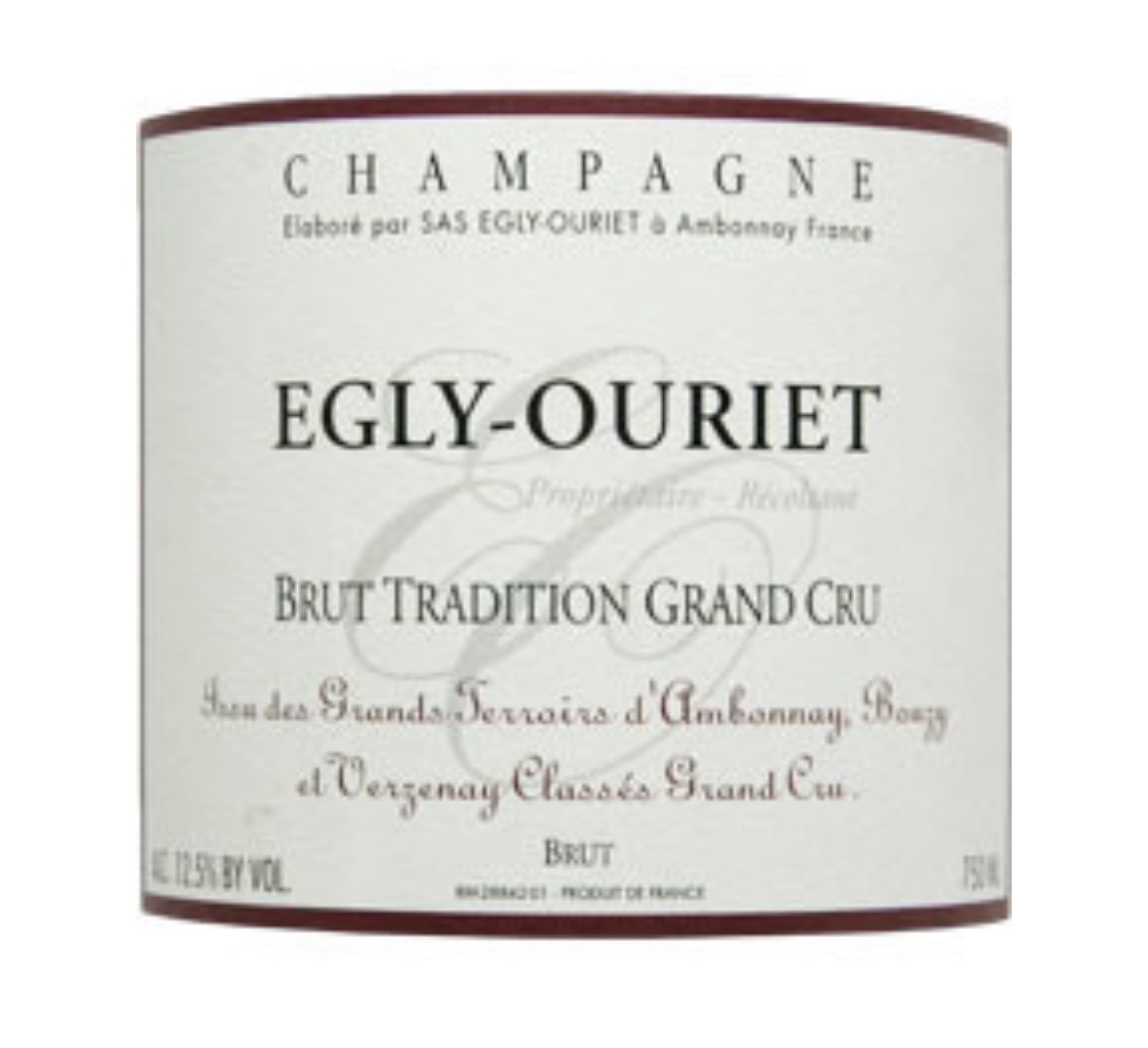
I agree - Egly is a good counterexample if we are talking about Premices.
To Sarah’s point above, we sort of need to define what the “base cuvee” is. She’s right that within the Keller portfolio you have the riesling trocken and limestone cuvees which are both below Von der Fels. (I still think Keller is a good example when those two are considered!)
For many years, in the case of Egly, the base cuvee was simply the grand cru tradition. You still had the rose, BdB les Crayers and the vintage, but those other cuvees (Premices, Bisseuil) have come more recently. I think the Egly GC is a fabulous wine, especially with age, and represents the quality of the house well. Others may differ.
I voted false largely on account of big houses in Champagne. Taittinger, Roederer, Moet are all very different at the top compared to the bottom. I’d say the same is true of Pol Roger as well. But after my response I had to concede that Bollinger and Veuve give a reasonable indication of style, and many other producers (especially those on the smaller side) like Gosset, Lanson, Laherte, Bereche, Piper Heidsieck, Charles Heidsieck, Chartogne-Taillet, Hebrart, Diebolt-Valois, and Vilmart, all give pretty good tells at their lowest level of quality.
So I suppose I’ll join @RyanC with a lawyerly “It depends.”
My head went here. EO’s Brut GC (which I always thought of as their base for a while) was certainly indicative of house style. But they’ve diversified their offerings. Ironically, I included Bollinger and they’ve dramatically diversified their offerings and at a recent Bollinger tasting I found their NV to be suggestive of their GA, but now much flabbier than just about everything in their portfolio.
I think I’d generally say that a producer’s introductory wine is a very good indicator of the overall quality of the producer in almost all cases. But one needs to bare in mind what level the wine sits at. If the entry level is a Bourgogne Rouge or Blanc, and it’s a well above average BR/B I would expect that to be reflected at the other levels as well.
I agree. Also, at that time, I believe the Vignes de Vrigny was actually their least expensive wine. Even though Vrigny doesn’t have the ultra-long lees aging that most of the other wines have, it does show the house style well.
I came down on the side of yes, even though of course it depends. A question like this isn’t relevant so much to those who already have a lot of experience and access to information. And it’s less useful if you already drink at the top and are considering stepping down. It’s much more useful for those just starting and, in my opinion, despite many exceptions, is one of the best ways of deciding when to explore higher level cuvees. If you like the base, it’s worth the risk of tasting up.
+1 for the Egly and Rousseau thoughts. My main shop had to twist my arm to try higher tier Egly as Les Premices is very underwhelming to me. I’m a regular Egly buyer now. And luckily I tried Rousseau’s CSJ before their Village wine. It would be great if the village wine was priced like Bachelet.
For me this is firmly False. It’s the math dork in me - it takes but one counterexample! But I do have great respect for producers who achieve high quality and, for lack of a better word, coherence from top to bottom.
 But I agree in spirit.