Sounds interesting and quite versatile (?).
No first hand experience, but I have a strong, unfiltered imagination. . .
After tasting both for the first time recently in Arbois, I thought the Poulsard drank almost like a rosé, while the Trousseau was much more distinctive. Both seemed like they might work well with East and Southeast Asian cuisine, so I did a sanity check with ChatGPT. It agreed with my impressions, suggesting Poulsard for lighter dishes and Trousseau for richer, savory preparations like duck or Korean barbecue**.**
It’s one of the “Americanized” Chinese cuisine dishes that I really like.
1 Like
I see Jim, this is WB so any direction is of course possible but this was the OP’s ask:
“So I’ll ask it this way: could you name a pairing of specific dishes from that part of the world with specific red wines where the combination is optimal (as opposed to “it works but wouldn’t be my best choice”)? It could be an interesting list!”
Just to be clear, don’t think you’re wrong. Was just curious if there was something specific that worked. I’m keeping an eye on the recommendations and will see which I can give a try (I’ve not been that successful myself when I tried to pair, expect for some less intense dishes safe dishes).
1 Like
Happily vouching for this. The profile of the two does wonders in more spice complex kitchens.
@Mikael_OB I might touch ground in Amsterdam in the autumn. Maybe we can do a throwdown at some Thai, KR or Viet place.
2 Likes
That’s excellent - let me know once you fixed the dates!
1 Like
I have been drifting and drifting . . . just like a ship out on the sea 
1 Like
I think a lot of it comes down to avoiding the really aggressive tannins/oak that can clash with the sweet, sour, spicy, and umami-heavy flavors you get in a lot of Asian cuisines.
A couple that have worked especially well for me:
- Peking duck with mature Pinot Noir (especially Volnay or Chambolle). The duck fat and crispy skin seem to love the perfume and acidity.
- Char siu with Cru Beaujolais (Morgon or Fleurie). The slight sweetness in the glaze works nicely with the fruit-forward style.
- Japanese yakitori (tare, not just salt) with lighter Northern Rhône Syrah. The smoky, savory notes line up really well.
- Korean bulgogi with Barbera. Similar logic to your matar paneer pairing—the acidity handles the sweet-savory marinade beautifully.
- Lamb rogan josh with aged Rioja. The earthiness and spice seem to find common ground without either side overwhelming the other.
I also think Chinese tomato and egg with Chianti is a sneaky-good call. That’s not a pairing I would have predicted, but the acidity bridge makes a lot of sense when I think about it.
Curious to see whether anyone has found a red that really sings with Sichuan food. I’ve had some decent matches, but nothing I’d call an “optimal” pairing yet.
2 Likes
This is very specific. Why those two villages and not others? If one did want to get specific, I would have thought it’s more about producers/vintages as opposed to villages.
1 Like
Lightly extracted / high altitude grenache is generally my pick over pinot with soy sauce based dishes. Tribute to Grace and Amevive in Cali, Comando G and Bernabeleva in Gredos, David & Nadia and Sadie Family in Swartland. All regular weeknight delivery pairings for me.
3 Likes
That’s a tough task- the “ma” part of ma la will not play well with red wine flavors in general.
2 Likes
Love this thread - lots of these pairings sound creative and delish!
This is a milestone post for me - it’s my first tangent / thread drift…
If you’re interested in pairing wine with the “unapologetically seasoned, spiced and sometime spicy foods of the world outside Europe”, check out the book called “Wine Pairing for the People” by Cha McCoy. She won a James Beard book award on Sunday.
I found her book to be a fun read. It’s a blend of memoir and travel guide, featuring chef-written recipes for dishes like jollof rice, chicken biryani, and shrimp and grits, all accompanied by her suggested wine pairings.
1 Like
the numbing tingling spice only goes well with rice wine unfortunately.
1 Like
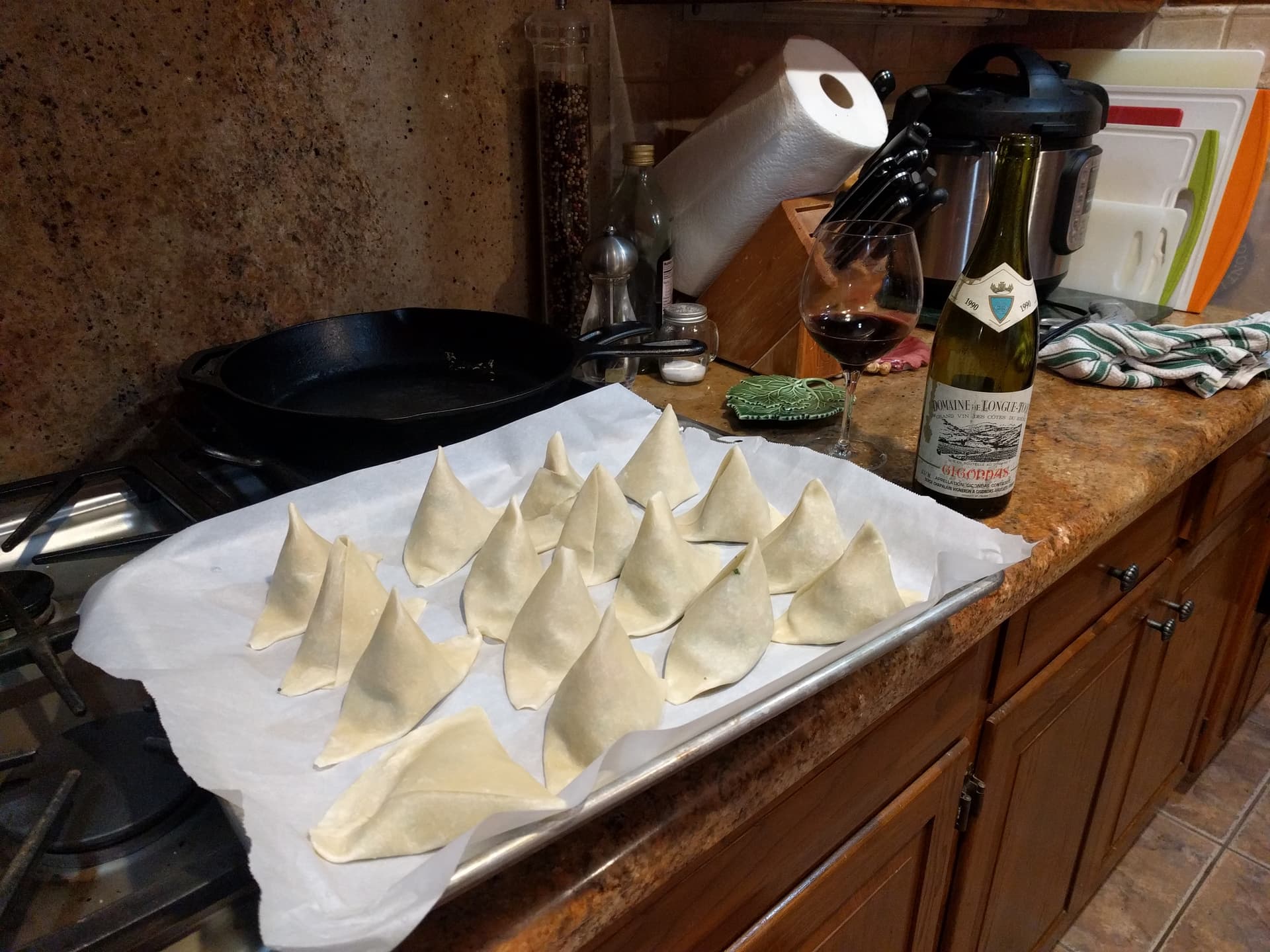
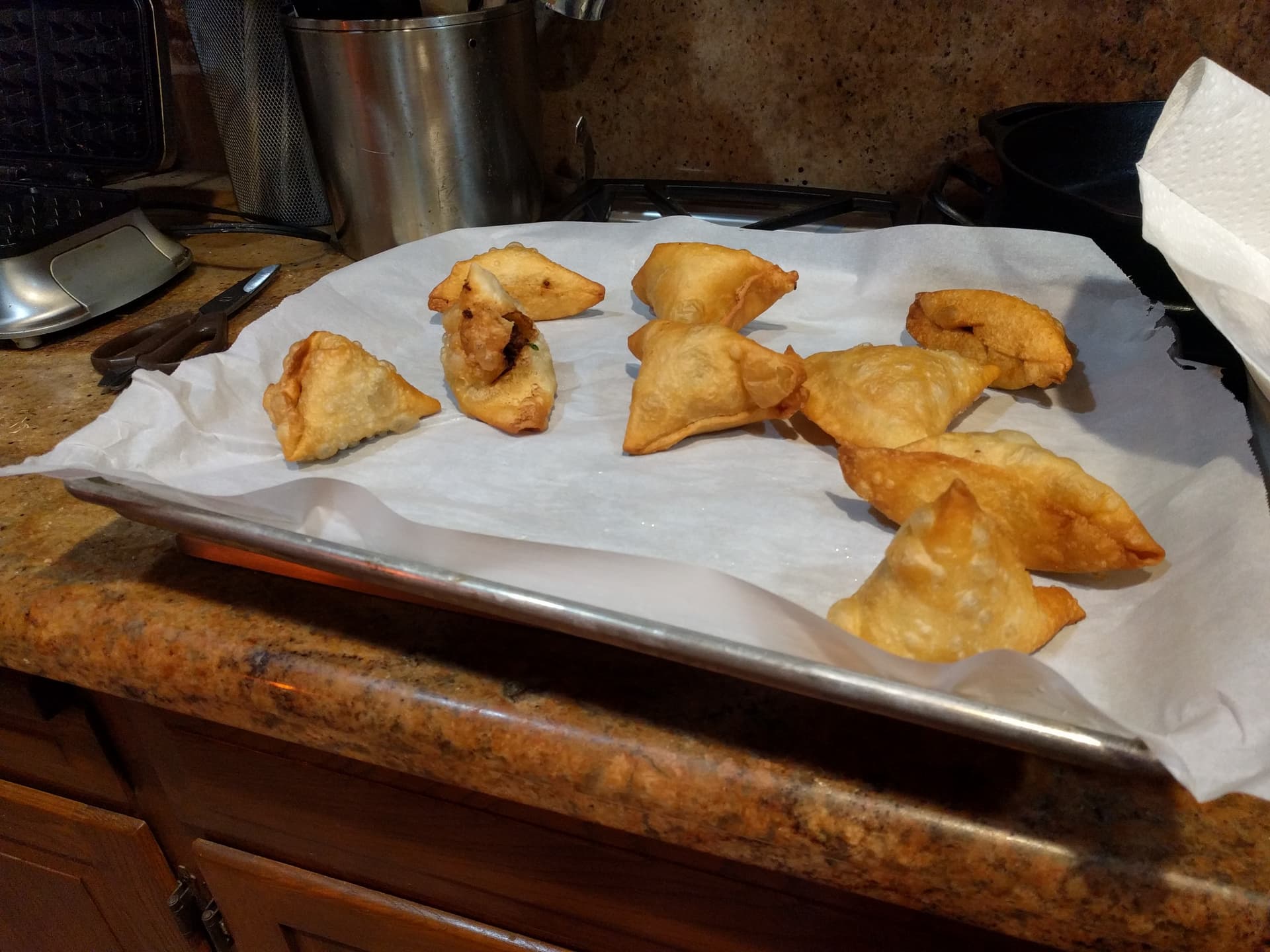
Potato and pea?
I don’t mind it but it feels unoptimal to me.
Most likely - that’s what I make 90% of time.
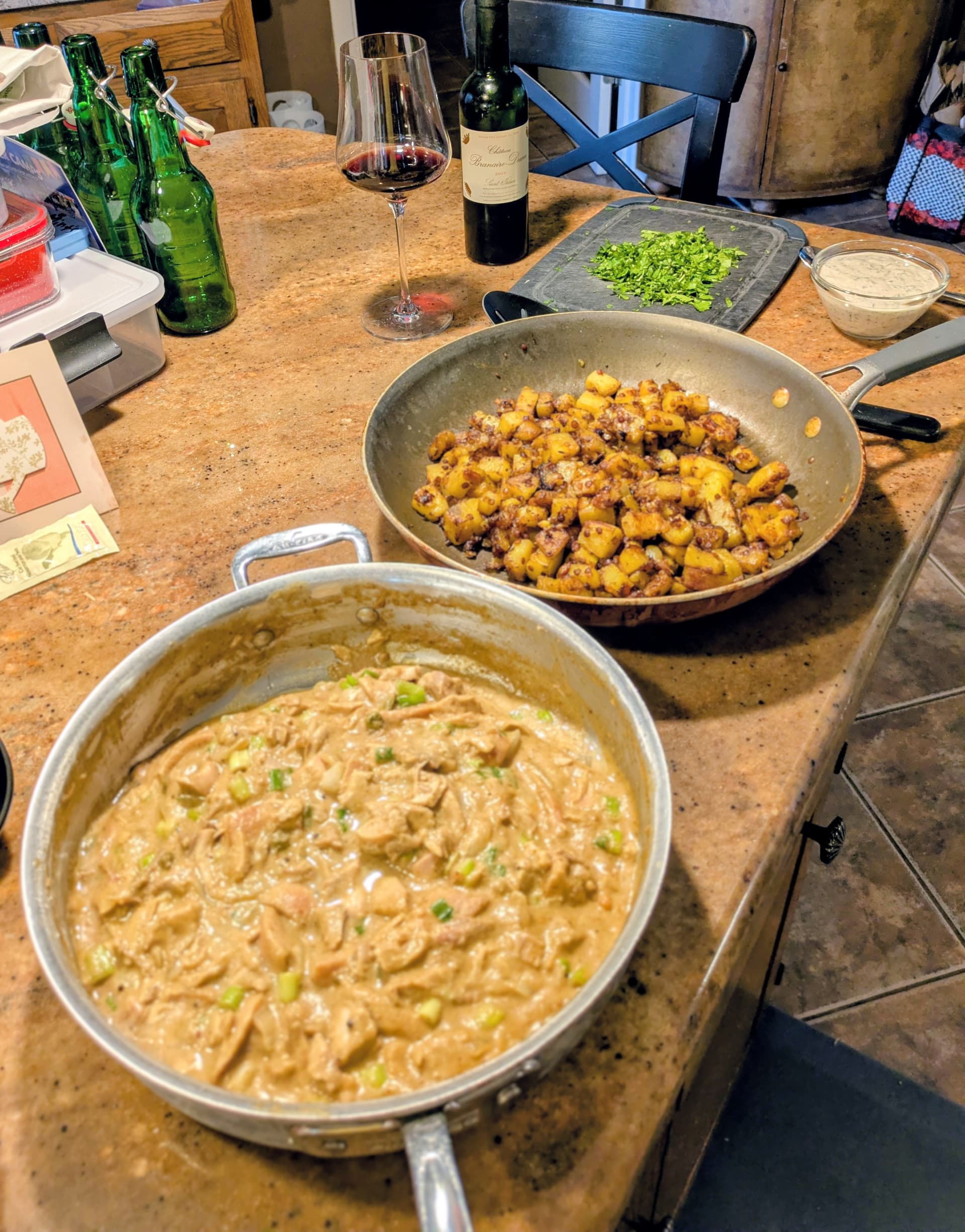
Tonight was cardamom coconut chicken, a dry style lentil potato sabzi curry and minty raita. Bordeaux was requested and required, as our traditions demand.
4 Likes
Zinfandel. I cook a fair bit of Sichuan food at home and for beef and pork dishes I find Zinfandel works great. The fruity-savory profile pairs well with doubanjiang, it’s not so tannic as to compete too much with the ma la textural things already happening. And I personally find that high-alcohol wines pair better with Sichuan food because some of that spiritousness does a good job of complementing the spiritous-fermented-tangy flavors that come from soy sauce, Shaoxing wine and black vinegar.
3 Likes
Which is why I think spirits and beer go so very much better. The various baijius are the very opposite of pleasant by themselves but with modernly exaggerated(no criticism at all) Sichuan classics they can be breathtakingly exciting and beer can quench the resulting thirst. For me there’s no real space for wine, though it is not unpleasant.