Otto's Austria travelogue / winery visits

Reading this as I’m about an hour outside of Gols headed to an appointment at Paul Achs.

Will be on the lookout for a Preisinger wine or two at the regional vinothek.

1 Like

I suppose you could even go and visit the Preisinger winery directly and ask if they have any wines to sell there! After all, Preisinger’s winery is just 2-3 minutes drive away from the Achs winery. I suppose you could even ask the people there at Achs to call Preisinger and ask if there is somebody present to sell you some wine!

1 Like

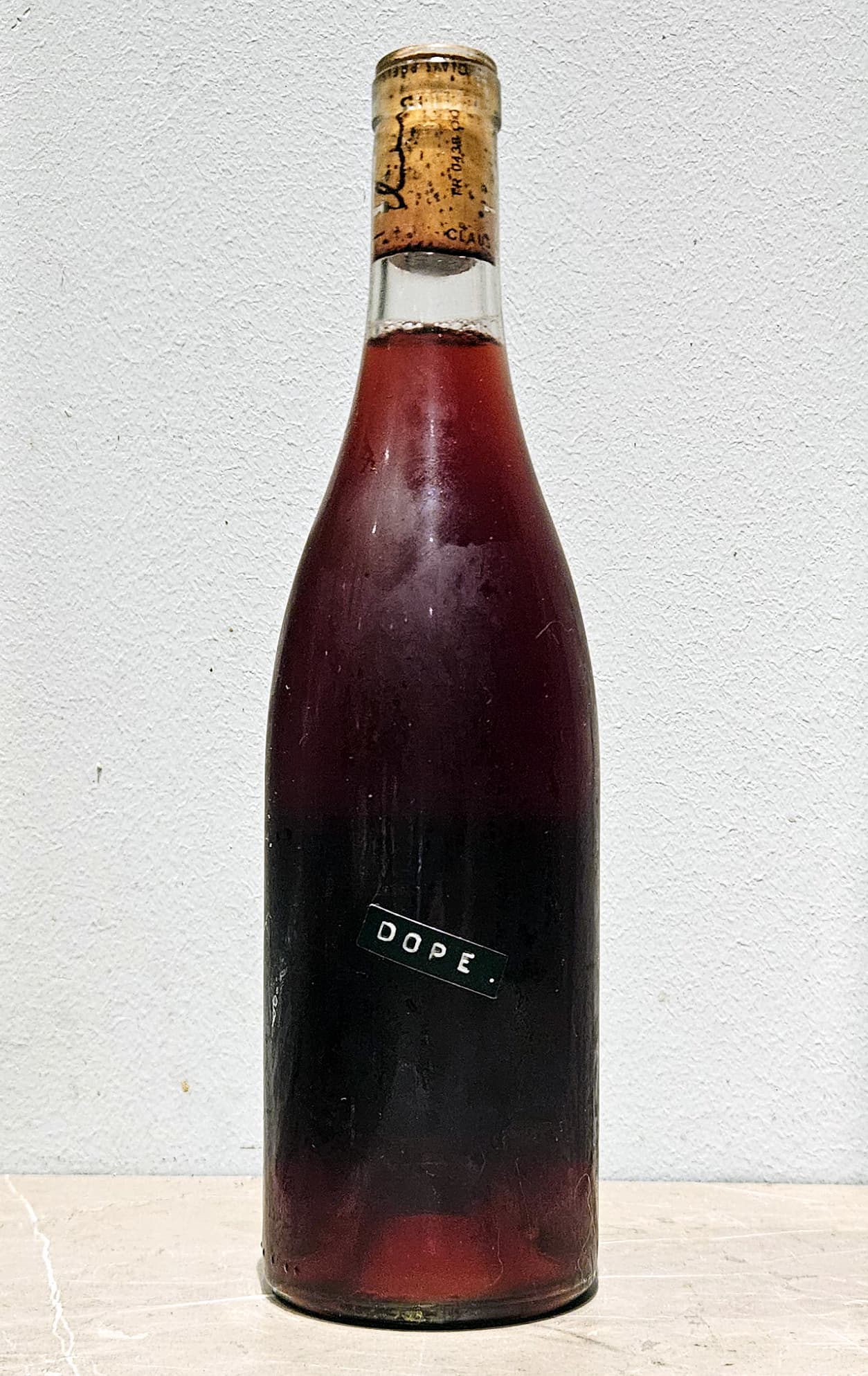
No remarks on the origins of this cuvee name?

I believe he just wanted to have a wine that “looked dope”* and was named as such!

*:

2 Likes

Day 6 cont’d

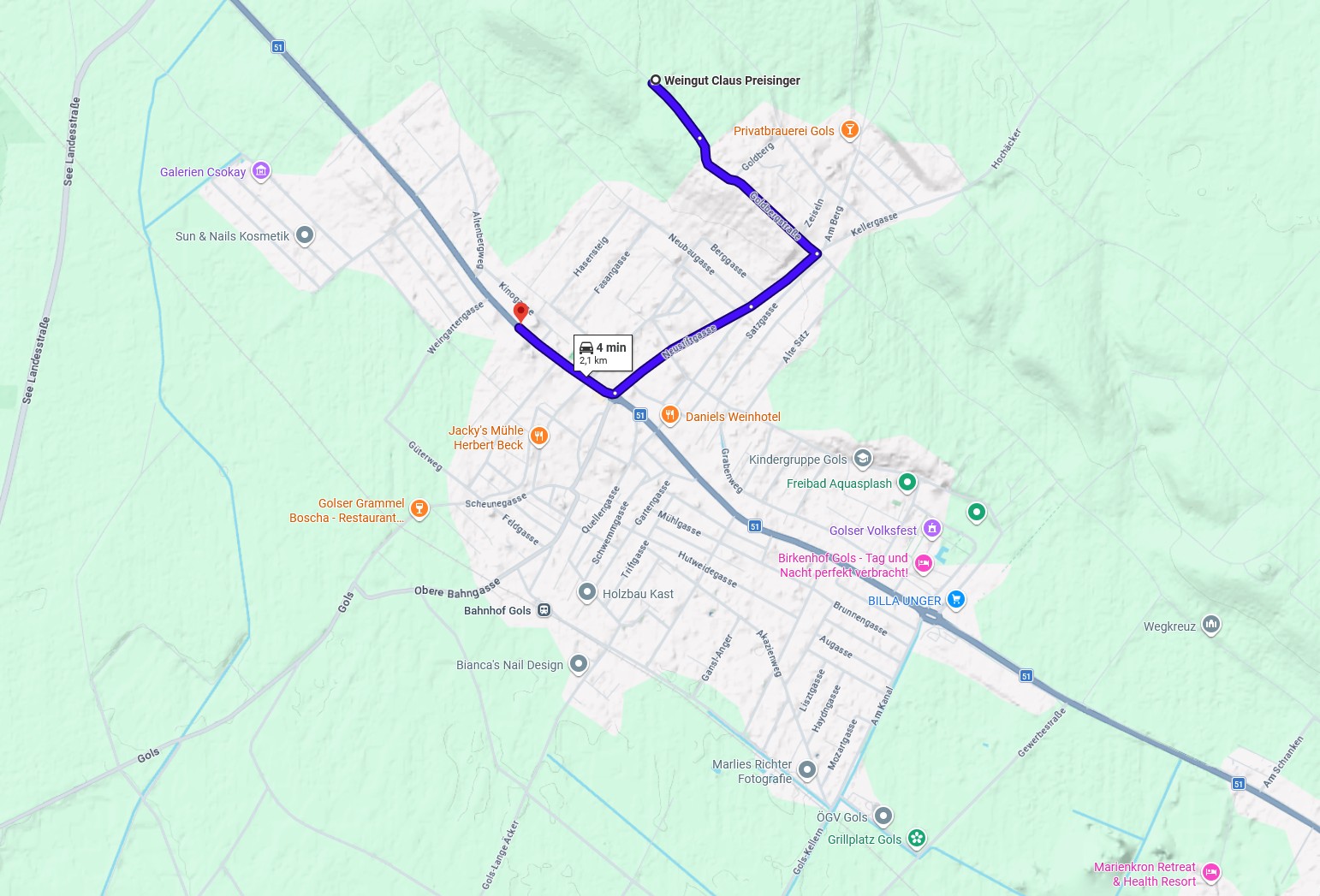
The trip to our third - and final - visit of the day wasn’t a particularly long one: we just drove down from Preisinger’s futuristic winery in the outskirts of the town of Gols to Andreas Gsellmann’s winery located on the main street of Gols.

As for this visit, I didn’t know much about the producer prior to the visit. I had had one or two of their wines some years earlier, and I knew they were a member of the local quality wine association Pannobile.

I also knew that the producer was from the rather natural end of the spectrum, but based on the wines I had tasted, their style had never seemed that natty or particularly funky to me, which was a good thing - we had a few traditionally-oriented guys in our group who were vehemently anti-naturalists, so anything super weird would’ve been pretty much out of the question.

Anyways, I guess all that was still more than enough prior knowledge about the producer - after all, we had already visited a few producers on this trip that we didn’t know anything about beforehand!

  • The Gsellmann family has been farming vines in Gols since the early 1800’s. The winery was long known as Weingut Hans Gsellmann, but for the past 15 years the winery has been known as Weingut Andreas Gsellmann, after the 3rd-generation winemaker.
  • Hans Gsellmann was one of the founders of the Pannobile association in 1994.
  • Andreas Gsellmann joined the family winery in 2005. He began introducing organic farming very soon afterwards and in 2011 the winery acquired biodynamic certification.
  • Although Andreas has been taking involved heavily in both viticulture and winemaking, the handover was still a long and very carefully prepared; he took the responsibility of running the winery from his father Hans only in 2019.
  • Today Gsellmann farms 14 hectares of vineyards around the Neusiedlersee area, and the purchase fruit from an additional 1-2 hectares from contract growers.
  • The winery makes wines in a very hands-off manner: the wines are fermented spontaneously, new oak is eschewed and the wines are typically bottled unfined and unfiltered. Although some wines might be bottled without any SO2, they are typically bottled with a tiny dose of SO2 to keep the wines microbiologically shelf-stable, at least until they are delivered to their customers.
  • The range of wines is quite large, ranging from pét-nats and traditional method sparkling wines to rosés, whites, orange wines and quite conventional red wines. Even the orange wines and skin-contact wines are made in various different styles, the skin contact ranging from mere hours to multiple weeks.
  • As it can be hard to acquire the Prüfnummer that would allow the wines to be bottled under the appellation name, many Gsellmann wines are bottled simply under the multi-regional Weinland appellation. Mostly the classic red wines still bear the Burgenland appellation.
  • The annual production tends to hover between 70,000 to 80,000 bottles. They have quite strong local market presence, although still an impressive 40% of the production is exported.

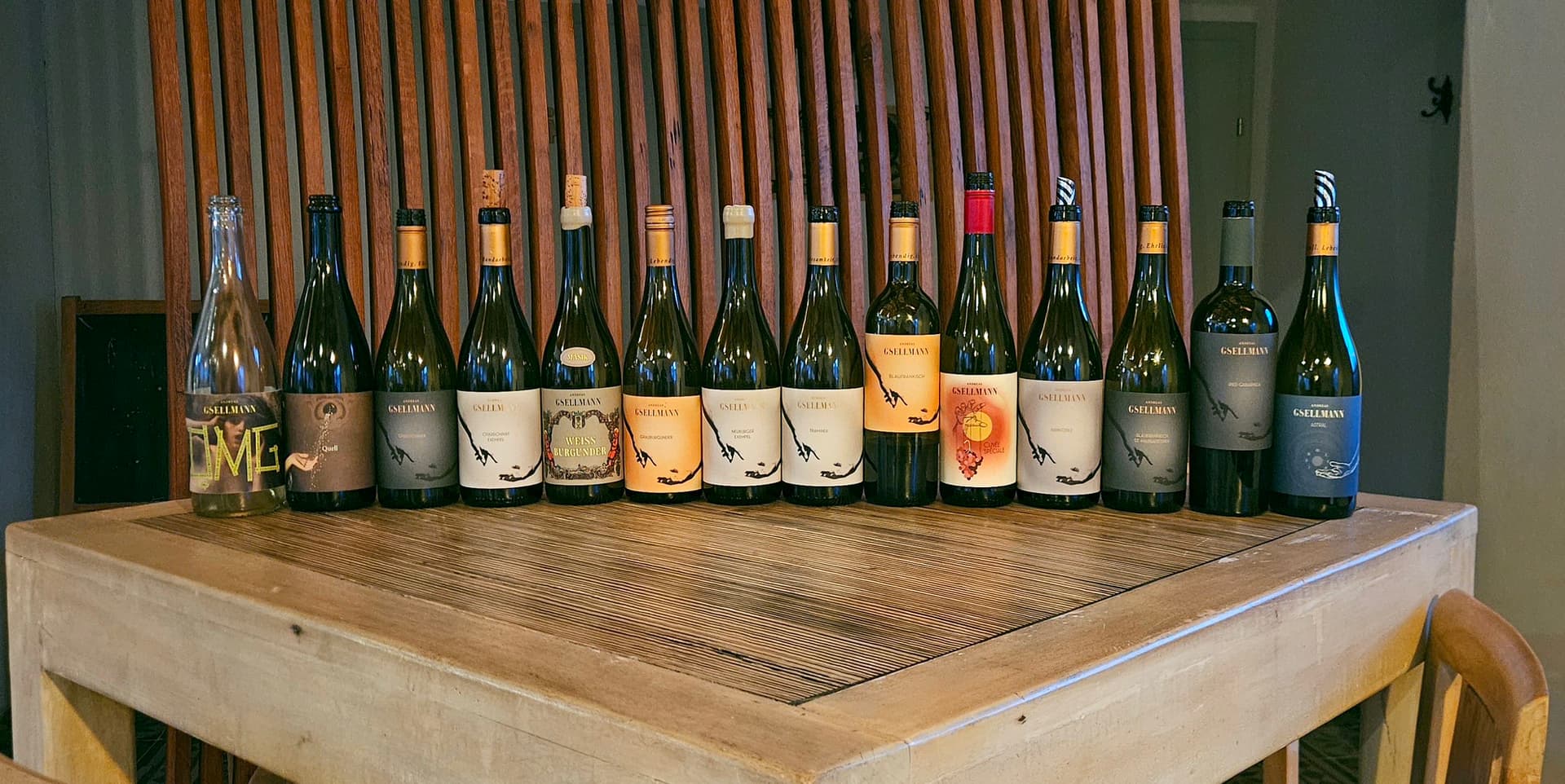
We were welcomed by Andreas Gsellmann himself, along with his wife and Andreas’ friend, an Icelandic(-Austrian?) fellow, who was visiting him at the same time. As the great Gols wine spring festival was approaching, we didn’t have much time for winery tours, but Andreas guided us inside and around a table, introducing us to his impressive range of wines.


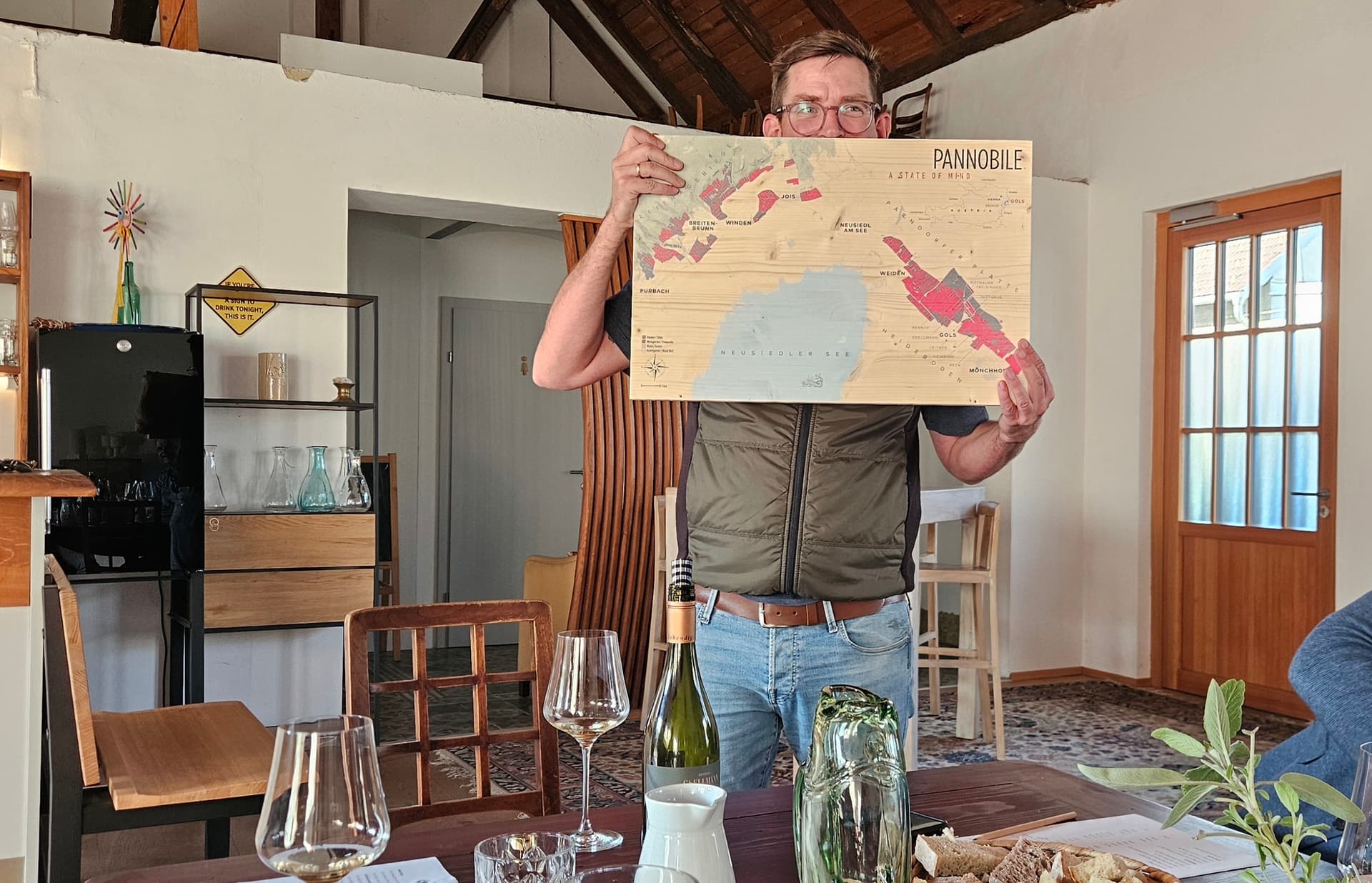
Andreas explaining his vineyard locations for us.

As I mentioned above, a few of us were afraid that we’d be drinking natty swamp juice at this address. Well, fortunately that wasn’t the case; although a few of the wines exhibited some subtly naturalist leanings, the overall style was wonderfully clean and vibrant throughout the range - even with the somewhat more off-piste cuvées. Additionally, I loved how most of the red wines were surprisingly stern and serious, showing wonderful sense of freshness, purity of fruit and surprisingly tightly-knit structures! Definitely a far cry from the ripe, blocky and oaky red wines you can occasionally find in Burgenland.

  • 2024 Gsellmann Andreas Pet Nat OMG - Austria, Burgenland, Neusiedlersee (17.4.2026)
    100% biodynamically farmed Scheurebe from multiple sites around Parndorf, harvested in early September. Fermented spontaneously and macerated with the skins for two hours in stainless steel tanks and old oak barrels. Blended together and bottled before the end of the fermentation, so that the wine ferments to full dryness in bottles. 11% alcohol.

    Pale yellow color with faint greenish highlights. The nose feels very fragrant, floral and quite Muscat-like with aromas of greengage, some perfumed floral notes, a little bit of crunchy green currant, light appley notes and a hint of citrus rind. The wine feels dry, straightforward and slightly fizzy on the palate with a light body and linear flavors of fresh yellow apples, some ripe pear, a little bit of greengage, light Muscat-ish floral notes and a hint of green currants. Nice, zippy acidity and harmonious overall feel with a soft, mellow mousse. The finish is juicy, fragrant and linear with a dry-ish, medium-long aftertaste of tropical fruits, some herby spice, a little bit of perfumed floral character, light notes of greengage and a hint of pear.

    A fresh, fun and considerably simple little pét-nat - but aren't they all like that? Or at least good ones? And this is a good one. Not a terribly complex or impressive effort, but a nice and refreshing little summer fizz. Not a wine that will wow you, but it isn't trying to, either. The wine does its job well, and that's what matters. Priced somewhat according to its quality at 18€.
    (87 points)

  • 2023 Gsellmann Andreas Quell - Austria, Burgenland, Neusiedlersee (17.4.2026)
    100% biodynamically farmed méthode traditionelle Chardonnay. Fermented spontaneously in stainless steel tanks, aged sur lattes for 10 months. Disgorged non-dosé, ie. bottled as Brut Nature. 11,5% alcohol, 5,8 g/l acidity and 20 mg/l SO2. Total production 900 liters.

    Pale yellow color. The nose feels fresh and fruity with aromas of peachy stone fruits, some leesy tones, light almond-driven notes of nuttiness, a little bit of crunchy Golden Delicious apple and a hint of ripe citrus fruits. The wine feels ripe yet dry and balanced on the palate with a medium body and harmonious flavors of ripe Golden Delicious apple, some fresh peachy notes, a little bit of leesy yeast, light stony mineral notes, a hint of zesty citrus fruits and a touch of salinity. Bright high acidity. The finish is crisp, dry and leesy with a rather long aftertaste of zesty citrus fruits, some ripe Granny Smith apple tones, a little bit of leesy yeast, light nutty notes of almonds, a hint of stony minerality and a touch of salinity.

    A nice, fresh and a bit simple but enjoyably balanced little Blanc de Blancs. Not a particularly complex effort, but showing good sense of structure, freshness and harmony. Might benefit from additional aging, but drinks very nicely right now. Enjoyable stuff, although maybe getting a bit pricey for the quality at 28€.
    (89 points)

  • 2024 Gsellmann Andreas Chardonnay - Austria, Burgenland, Neusiedlersee (17.4.2026)
    100% biodynamically farmed Chardonnay. Fermented spontaneously in stainless steel tanks. Aged in oak barrels for 2 months. 12,5% alcohol, 1 g/l residual sugar and 5,9 g/l acidity.

    Pale yellow color. The nose feels quite nuanced with aromas of nuttiness, some smoky reductive notes, light yellow-toned aromas of fresh pineapple and ripe citrus fruits, a little bit of stony minerality, a hint of crunchy red apple, a touch of creamy oak and a herby whiff reminiscent of noble hops. The wine feels ripe and juicy yet wonderfully fresh and balanced on the palate with a medium body and nuanced flavors of ripe red apples, some saline mineral notes, a little bit of nutty wood, light smoky nuances, a hint of zesty citrus fruits and a touch of grilled pineapple. The brisk, high acidity lends a good sense of freshness and structure to the wine. The finish is dry, crunchy and quite lengthy with a nuanced aftertaste of tart Granny Smith apple, some smoky reductive tones, a little bit of zesty citrus fruits, light stony mineral notes, a hint of nutty wood and a touch of grilled pineapple.

    A tasty, sophisticated and remarkably serious Chardonnay that punches way above its weight. I was expecting a simple, fruity entry-level Chardonnay, but this was a surprisingly complex and even somewhat Burgundian effort with great depth of flavor, wonderful sense of structure and even a quite complex taste profile. This is drinking really well right now, in its youth, but I have no doubts this wine will continue to evolve and improve for at least a handful of years more. A very big positive surprise and really a bargain at just 11€. Very highly recommended.
    (93 points)

  • 2023 Gsellmann Andreas Chardonnay Exempel - Austria, Burgenland, Neusiedlersee (17.4.2026)
    100% biodynamically farmed Chardonnay from Ried Goldberg. Fermented spontaneously and macerated with the skins for 7 hours in 1500-liter Stockinger oak vats. Pressed into 500-liter demi-muids and 228-liter pièces, aged on the fine lees for 9 months, blended together in amphorae and bottled unfiltered with minimal SO2. 12,5% alcohol, 1,2 g/l residual sugar and 5,1 g/l acidity.

    Pale-to-medium-deep and subtly hazy yellow-green color. The nose feels expressive and surprisingly Burgundian with layered aromas of smoky reduction and grilled pineapple, some stony mineral notes, a little bit of savory wood spice, light sweeter notes of ripe white peach and juicy Fuji apple, a hint of creamy oak and a touch of zesty citrus fruit. The wine feels dry, firm and crunchy on the palate with a medium body and quite intense flavors of grilled pineapple, some white peach, light smoky reductive tones, a little bit of savory wood spice, mineral hints of wet rocks and tangy salinity and a touch of creamy oak. The rather high acidity lends good sense of freshness and structure to the wine, while the subtle tannic tug on the gums adds to the sense of firmness. The finish is long, fruity and subtly grippy with a dry, vibrant aftertaste of ripe Fuji apple, some smoky notes of reduction, a little bit of grilled pineapple, light saline tones, hints of creamy oak and savory wood spice and a touch of stony minerality.

    A very impressive, complex and serious Chardonnay that took me by a surprise: had I tasted this wine blind, my first guess would've probably been a white Burgundy! Although the wine is quite natural, the overall feel is wonderfully clean and vibrant without any obvious funky or natty nuances. A delightful and very sophisticated white that was probably my biggest favorite in the Gsellman range. Terrific now, but I can see the wine evolving and improving nicely at least until its 10th birthday. An excellent purchase at 21€. Highly recommended.
    (94 points)

  • 2024 Gsellmann Andreas Weissburgunder Másik - Austria, Weinland (17.4.2026)
    100% biodynamically farmed Pinot Blanc. Fermented spontaneously, macerated with the skins for a few hours for added aromatic complexity and aged in 1000-liter amphorae. Bottled unfiltered with minimal SO2. 12,5% alcohol, 0,8 g/l residual sugar and 5,5 g/l acidity.

    Pale whitish-green color. The nose feels quite ripe and fruity with aromas of peach, some leesy creaminess, light honeyed tones, a little bit of sweet greengage, a hint of fresh appley fruit and a touch of stony minerality. The wine feels broad yet firm on the palate with a full body and bright flavors of stony minerality, some ripe appley notes, a little bit of leesy creaminess, light greengage tones, a hint of salinity and a touch of fresh peach. The high acidity keeps the wine enjoyably structured and balanced, and there is a tiniest bit of tannic tug adding to the firmness and texture. The finish is fresh, dry, and subtly tannic with a long aftertaste of ripe lemony citrus fruits, some saline and stony mineral notes, a little bit of leesy creaminess, light sharp Granny Smith apple tones, a hint of key lime and a touch of peachy stone fruit.

    A fresh, clean and sophisticated Pinot Blanc from the naturalist end. Good sense of drive and focus with lovely brightness of fruit. Drinking nicely right now, in its youth, but probably is able to evolve and improve over at least a handful of years. A surprisingly serious effort for the price; terrific value at 12€.
    (91 points)

  • 2025 Gsellmann Andreas Grauburgunder - Austria, Weinland (17.4.2026)
    100% biodynamically farmed Pinot Gris from Gabarinza and Goldberg vineyards. A part of the grapes were crushed and macerated with the wine, the other part was directly pressed and racked into old oak barrels. Fermented spontaneously, then all the wines were blended together into a stainless steel tank and aged on the lees. Bottled lightly filtered in the spring following the harvest with a minimal addition of SO2. 12,5% alcohol, 1 g/l residual sugar and 4,8 g/l acidity.

    Pale peach-yellow color. The nose feels surprisingly herby with aromas of chamomile and noble hops, some white peach, light stony mineral notes, a little bit of cantaloupe and a hint of savory spice. The wine feels clean, balanced and fresh on the palate with a full body and bright flavors of white peach, some herby tones, a little bit of saline and stony minerality, light sweeter notes of apple jam, a hint of honeycomb and a touch of savory spice. The medium-to-moderately high acidity keeps things nicely balanced, although the overall feel is a bit on the round side. The finish is juicy and clean with a long aftertaste of peachy stone fruit, some crunchy Golden Delicious apple, light saline mineral notes, a little bit of honeydew melon and a hint of spicy character.

    A nice, balanced and harmonious Pinot Gris. Enjoyably nuanced and pretty serious for an entry-level white. Stylistically quite distinctive; this is not a zippy, neutral and watery Pinot Grigio, but this isn't a big, concentrated and honeyed Pinot Gris like they make them in Alsace, either - nor a rather ripe yet fresh and fruity Grauer Burgunder more typical of Germany. This feels more like a synthesis of the two latter ones, but with a subtly naturalist twist in the overall feel. An enjoyable effort, but perhaps not that memorable in the Gsellmann range. Pretty good value at 13,50€.
    (89 points)

  • 2024 Gsellmann Andreas Neuburger Exempel - Austria, Burgenland, Neusiedlersee (17.4.2026)
    100% biodynamically farmed Neuburger that is made only in exceptional vintages in which Neuburger can perform well on its own. Fermented spontaneously and macerated with the skins for 3 days. Aged in 1000-liter amphorae for half a year, bottled unfiltered in March 20205 with minimal SO2. 11% alcohol, 1 g/l residual sugar and 5,1 g/l acidity.

    Subtly hazy medium-deep yellow-green color. The nose feels leesy and a bit wild with aromas of passion fruit, some sweeter apple jam tones, a little bit of fresh nectarine, light phenolic spicy nuances and a youthful hint of ripe pear. The wine feels dry, clean and crunchy on the palate with a medium body and slightly wild flavors of pear, some stony minerality, a little bit of sweet ethery VA, light passion fruit nuances, a hint of fresh nectarine and a touch of salinity. The wine is high in acidity, but there is also a subtle touch of grippy tannins that adds to the sense of firmness. The finish is lively, crunchy and subtly grippy with a rather clean aftertaste of white peach, some tart passion fruit, light stony mineral notes, a little bit of youthful pear-driven fruit, a hint of leesy character and a touch of sweet, ethery VA.

    A nice, maybe a bit funky but still, as a whole, a rather clean little Neuburger. Although the wine isn't vinified like a conventional white - a little bit of skin contact and élevage in amphorae - it still comes across as as maybe a bit, well, basic. And I guess that's just the nature of Neuburger; the wine shows good sense of balance and harmony, but Neuburger just isn't a particularly interesting variety no matter how you look at it, so it's pretty difficult to make anything particularly memorable out from this variety. This was a pleasant and enjoyable white, but nothing beyond that. Priced more or less according to its quality at 17€.
    (88 points)

  • 2023 Gsellmann Andreas Traminer - Austria, Weinland (17.4.2026)
    100% biodynamically farmed Gewürztraminer. Fermented spontaneously, macerated with the skins for two weeks, then pressed into a 2400-liter oak cask. Aged for 8 months on the lees. Bottled unfiltered with minimal SO2. 13% alcohol, 1 g/l residual sugar and 5,2 g/l acidity.

    Medium-deep golden-yellow color. The nose feels expressive, perfumed and instantly identifiable as a Gewürztraminer with its heady aromas of roses, some beeswax, light sweet notes of tinned peach, a little bit of herbal spice reminiscent of noble hops and a hint of creamy oak. The wine feels dry, clean and textural on the palate with a medium-to-moderately full body and savory flavors of stony minerality and beeswax, some tinned peach notes, a little bit of honeyed richness, light perfumed notes of rosewater, a herby hint of noble hops and a resinous touch of phenolic spice. The wine rather high in acidity with firm, somewhat grippy medium tannins. The finish is long, complex and somewhat grippy with a savory aftertaste of peachy stone fruit, some salinity and stony minerality, a little bit of honeyed richness, light floral notes of rose petals, a herby hint of noble hops and a touch of exotic spices.

    A sophisticated, clean and characterful orange wine that is so very true to the variety - the wine is immediately identifiable as a Gewürztraminer from the very first sniff. Although the wine is very natural in style, it isn't weird, funky or natty in any way; the wine is wonderfully clean and vibrant with just some added savory phenolics and somewhat grippy tea-like tannins that set it apart from the other, more "conventional" white wines and skin-contact wines in the Gsellman range. A very balanced and well-crafted example of amber Gewürztraminer that is drinking really well right now, but will probably continue to evolve and improve for a good handful of years more. It might be a bit difficult to find a good pairing for such an expressive and floral yet still pretty firm and structured wine, but that is not a fault of the wine. Probably best if used like a classic Georgian amber wine - I'm quite certain this wine would be at home in a big supra with all kinds of varied, hearty dishes! Good value at 22€.
    (92 points)

  • 2023 Gsellmann Andreas Blaufränkisch - Austria, Burgenland (17.4.2026)
    100% biodynamically farmed Blaufränkisch harvested from multiple vineyards in September. Fermented spontaneously and macerated with the skins for 18 days in stainless steel tanks. Pressed into old 500-liter oak demi-muids to finish the MLF. Aged on the fine lees for 7 months. Bottled unfiltered and with a minimal dose of SO2. 12,5% alcohol, 1,4 g/l residual sugar and 5,2 g/l acidity.

    Quite translucent blackish-red color with a youthful blueish hue. The nose feels fragrant, dark-toned and somewhat sweetish with aromas of blueberries, some black cherries, light peppery tones, a little bit of brambly black raspberry, a lifted hint of sweet, ethery VA and a touch of earth. The wine feels dry, open-knit and pretty crunchy on the palate with a medium body and clean flavors of dark forest fruits, some cherry tones, a little bit of licorice, light blueberry notes, a lifted hint of sweet VA and a touch of tart red plum. The overall feel is enjoyably firm and structured, thanks to the quite high acidity and rather grippy medium-plus tannins. The finish is lively, dry and moderately grippy with a crunchy aftertaste of tart lingonberries and sour cherries, some fresh red plums, light licorice tones, a little bit of ripe blueberry, a faint hint of ethery VA and a touch of savory wood spice.

    An honest, firm and quite straightforward Blaufränkisch. Not particularly complex, but nevertheless a wonderfully fresh, enjoyably structured and surprisingly serious effort for an entry-level red. Shows good depth of flavor and intensity, which promises good things regarding aging potential. A terrific weekday red made in a quite hands-off fashion, punching way above its weight. Drink now or within the next 10 years or so. A bargain if there ever was one at 10,50€.
    (91 points)

  • 2023 Gsellmann Andreas Cuvée Spéciale - Austria, Weinland (17.4.2026)
    The entry-level red of the winery: typically a blend of biodynamically farmed Zweigelt, Blaufränkisch and Merlot. Fermented spontaneously, aged in stainless steel tanks and bottled with minimal sulfites. 12,5% alcohol, 1 g/l residual sugar and 4,9 g/l acidity.

    Pale, translucent ruby-red color. The nose feels open and fruity with youthful aromas of fresh cherries and ripe raspberries, some strawberries, a little bit of blueberry, light sweeter notes of black cherries and a hint of savory spice. The wine feels ripe, youthful and lively with quite linear flavors of ripe bilberry-driven forest fruits and brambly black raspberries, some peppery tones, a little bit of cherry, light strawberry tones, a hint of stony minerality and a primary touch of grapey fruit. The overall feel is pretty firm and structure-driven, thanks to the moderately high acidity and somewhat grippy medium tannins. The finish is dry, fresh and quite grippy with a youthful aftertaste of brambly raspberries, some strawberries, a little bit of ripe blueberry, light primary notes of grapey fruit, a hint of earth and a touch of savory spice.

    An enjoyably fresh and surprisingly serious effort for the lowly entry-level red. The wine might not be at the level of the other Gsellman red wines, but this nevertheless punches above its weight with its vibrant fruit and quite firm sense of structure. It is still surprisingly primary at 2½ years of age, and could use a bit more of cellaring to get rid of those primary grapey tones. Other than that, this is a lovely, unpretentious yet still enjoyably serious weekday red. Perhaps not the most memorable effort, but at 10,50€ you get much more than what you paid for. Nice stuff.
    (90 points)

  • 2022 Gsellmann Andreas Pannobile - Austria, Burgenland (17.4.2026)
    A blend of biodynamically farmed Zweigelt (50%) harvested from the Gabarinza, Goldberg, Salzberg and Zwicklacker vineyards, and Blaufränkisch (50%) harvested from the Altenberg, Salzberg, Spiegel and Ungerberg vineyards. Fermented spontaneously and macerated with the skins for 14 days, pressed into old 500-liter oak demi-muids to finish the MLF. Aged on the fine lees for 15 months. Bottled unfiltered and with a minimal dose of SO2. 13% alcohol, 1,3 g/l residual sugar and 5,3 g/l acidity.

    Quite deep and opaque blackish-red color with a youthful purplish hue. The nose feels surprisingly dry and savory with aromas of licorice root and earth, some pipe tobacco, a little bit of ripe dark forest fruits and black cherries, light blueberry juice notes, a floral hint of violets, a touch of salty liquorice and a faint woody touch of old oak spice. Contrasting the nose, the wine feels rich, ripe and somewhat sweetly-fruited on the palate with a moderately full body and juicy flavors of black cherries and ripe bilberries, some sweet notes of dark plums, a little bit of salty liquorice, light lifted notes of sweet ethery VA, tart hints of lingonberries and sour cherries and a touch of stony minerality. The wine is quite high in acidity with firm and rather grippy tannins. The finish is rich, juicy and quite tannic with a long aftertaste of ripe black cherries and bilberries, some stony mineral notes, a little bit of fresh red damson, light lifted notes of balsamic VA, a hint of licorice root and a touch of tangy salinity.

    A rather ripe and a bit lifted yet still enjoyably crunchy and clean Pannobile red with a good amount of breadth, depth and intensity. After two Gsellmann's varietal Blaufränkisch wines, this Pannobile seems a bit fruitier and maybe a bit more ripe, but at the same time showing good sense of freshness and intensity along with an impressive, quite tightly-knit structure. The overall feel is pretty young, but at 3½ years of age, the wine doesn't come across as particularly primary anymore. This is thoroughly enjoyable already now, but I can see the wine easily aging and improving for at least another 10 years, if not more. A very convincing effort and among the best Gsellmann wines we tasted. Terrific value at 24,50€.
    (93 points)

  • 2023 Gsellmann Andreas Blaufränkisch St. Margarethen - Austria, Burgenland (17.4.2026)
    100% biodynamically farmed Blaufränkisch harvested from vineyards in the village of St. Margarethen. Fermented spontaneously and macerated with the skins for 10 days in stainless steel tanks. Pressed into old 500-liter oak demi-muids to finish the MLF. Aged on the fine lees for 12-15 months. Bottled unfiltered and with a minimal dose of SO2. 12,5% alcohol, 1,2 g/l residual sugar and 5,9 g/l acidity.

    Quite deep and slightly translucent black cherry color with a subtly blueish hue. The nose feels open, dark-toned and nuanced with attractive aromas of black cherries, some fresh bilberries, a little bit of earth, light floral notes of violets, a hint of ripe strawberry, a touch of inky character and a whiff of savory wood spice. The wine feels rich and silky yet sinewy on the palate with a medium body and juicy flavors of strawberries and dark plummy fruit, some freshly baked licorice, a little bit of fresh Bing cherry, light peppery tones, a sweet-yet-tart hint of lingonberry jam and a touch of stony minerality. The structure relies quite evenly on the high acidity and quite ample and moderately grippy tannins. The finish is long, dry and grippy with a crunchy, dark-toned aftertaste of tart cranberries and sour cherries, some ripe bilberry tones, a little bit of earth, light inky notes, a woody hint of savory oak spice and a touch of dark plummy fruit.

    A still super youthful but also wonderfully vibrant, promising and dead-serious village-level Blaufränkisch with lots of structure and great intensity of flavor. While coming across as quite impressive in its own right, I feel the wine is still somewhat nervous with its youthful - almost primary - overall feel and it will come together beautifully with some additional years of aging. Terrific stuff with lots of upside. Worth a visit in another 5-10 years, maybe? A great purchase at 20€. Recommended.
    (92 points)

  • 2021 Gsellmann Andreas Ried Gabarinza - Austria, Burgenland (17.4.2026)
    A blend of biodynamically farmed Blaufränkisch (40%), Zweigelt (40%) and Merlot (20%) harvested from Ried Gabarinza. Fermented spontaneously, pressed into old oak barrels. Aged on the fine lees for 15 months. Bottled unfiltered and with a minimal dose of SO2. 13% alcohol, 1,1 g/l residual sugar and 5,5 g/l acidity.

    Deep, brooding and almost fully opaque blackish-red color with faint blueish highlights. The nose feels rich, powerful and somewhat sweetly-fruited with youthful aromas of black cherries and black raspberries, some floral notes of violets, a little bit of cherry marmalade, light lifted notes of sweet ethery VA, a hint of savory wood spice, a touch of earth and a whiff of ripe blueberries. The wine feels youthful, ripe and silky on the palate with a full body and juicy, focused flavors of black cherries and fresh bilberries, some savory notes of meaty umami, a little bit of woody oak spice, light stony mineral nuances, hints of tobacco and licorice and a touch of salinity. The overall feel is firm and pretty muscular with the high acidity and ample, moderately grippy tannins. The finish is bold, juicy and quite grippy with a long and ripe yet rather savory aftertaste of dark plums and fresh bilberries, some tart cranberries, some meaty tones, a little bit of tobacco, light saline mineral notes, a hint of sour cherry bitterness and a touch of earth.

    A bold, quite ripe but also very serious and impressive Burgenland red with good sense of power, concentration, structure and freshness. Although the wine feels a bit more ripe than most Gsellmann wines, it also comes across as wonderfully fresh and structure-driven at the same time - the ripeness of the fruit doesn't translate to any kind of softness or sense of weight, but instead great sense of intensity, concentration and depth of flavor. Although almost 5 years old now, the overall feel is still very youthful and even a bit forbidding - especially with its firm tannic frame. This is a promising, dead-serious naturalist red with no obvious funky or natty tones. At the moment the wine feels like it could use quite a bit more age, and probably the wine really starts to sing after its 10th birthday. An impressive effort and easily one of my favorites of the wines we tasted at the domaine. Solid value at 36€.
    (94 points)

  • 2023 Gsellmann Andreas Blaufränkisch Astral - Austria, Weinland (17.4.2026)
    100% biodynamically farmed Blaufränkisch harvested from multiple vineyards in September. Fermented spontaneously and macerated with the skins in old 500-liter oak demi-muids. Pressed into 1000-liter amphorae and aged on the fine lees for 5 months. Bottled unfiltered and with a minimal dose of SO2. 13% alcohol, 1 g/l residual sugar and 5 g/l acidity.

    Youthful, slightly translucent black cherry color. The nose feels juicy and slightly lifted with somewhat closed aromas of cherries, some red plums, a little bit of phenolic funk, light smoky notes of reduction, a hint of blueberry juice and a touch of earth. The wine feels firm, sinewy and somewhat lifted on the palate with a medium body and bright flavors of sweet bilberries and tart dark plums, some earthy tones, a little bit of volatile lift, light saline mineral notes, a hint of ripe black raspberry and a touch of crunchy redcurrants. The wine is high in acidity with rather grippy medium-plus tannins. The finish is lively, crunchy and quite grippy with a long aftertaste of tart lingonberries and fresh redcurrants, some brambly raspberry tones, a little bit of sour cherry bitterness, light saline mineral notes, a hint of volatile lift and a sweeter touch of ripe bilberries.

    A tasty, fresh and pretty honest Blaufränkisch from the rather stern and structure-driven end of the spectrum. I felt this wine had a slightly more lifted and a bit more sauvage overall feel compared to the other Gsellmann wines we tasted, but not by much. The wine was still very similar to the other two varietal Blaufränkisch wines we tasted and perfectly in line with the overall Gsellmann range. Quality-wise this was more or less between the regular Blaufränkisch and the village-level St. Margarethen Blaufränkisch, or on par with the latter one - although I think I preferred the slightly cleaner and less lifted nature of that St. Margarethen bottling over this one. Nevertheless, this Astral bottling is still good stuff with a good deal of upside - I think the wine's somewhat chewy and a bit tightly-knit structure could really benefit from some additional aging. Solid value at 19€.
    (92 points)


After the tasting - and while we were making some purchases - I spotted a friend-shaped creature hanging around in the winery courtyard.


A veritably amicable fella!

After we had finished with our vinous purchases, we thanked Andreas and bid him farewell as he left the winery with his friend - the wine spring festival was calling!

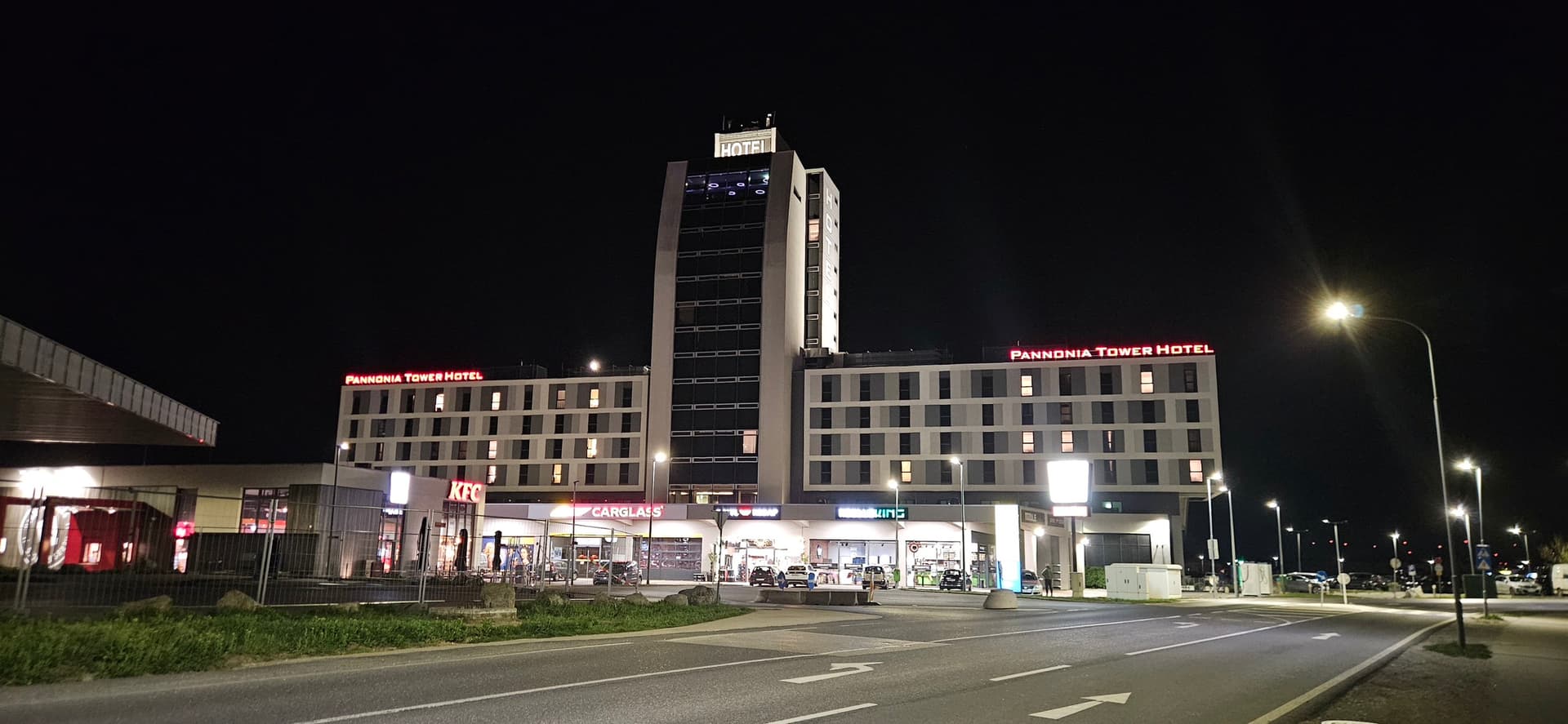
As for us, we returned back to our tower hotel in Parndorf.


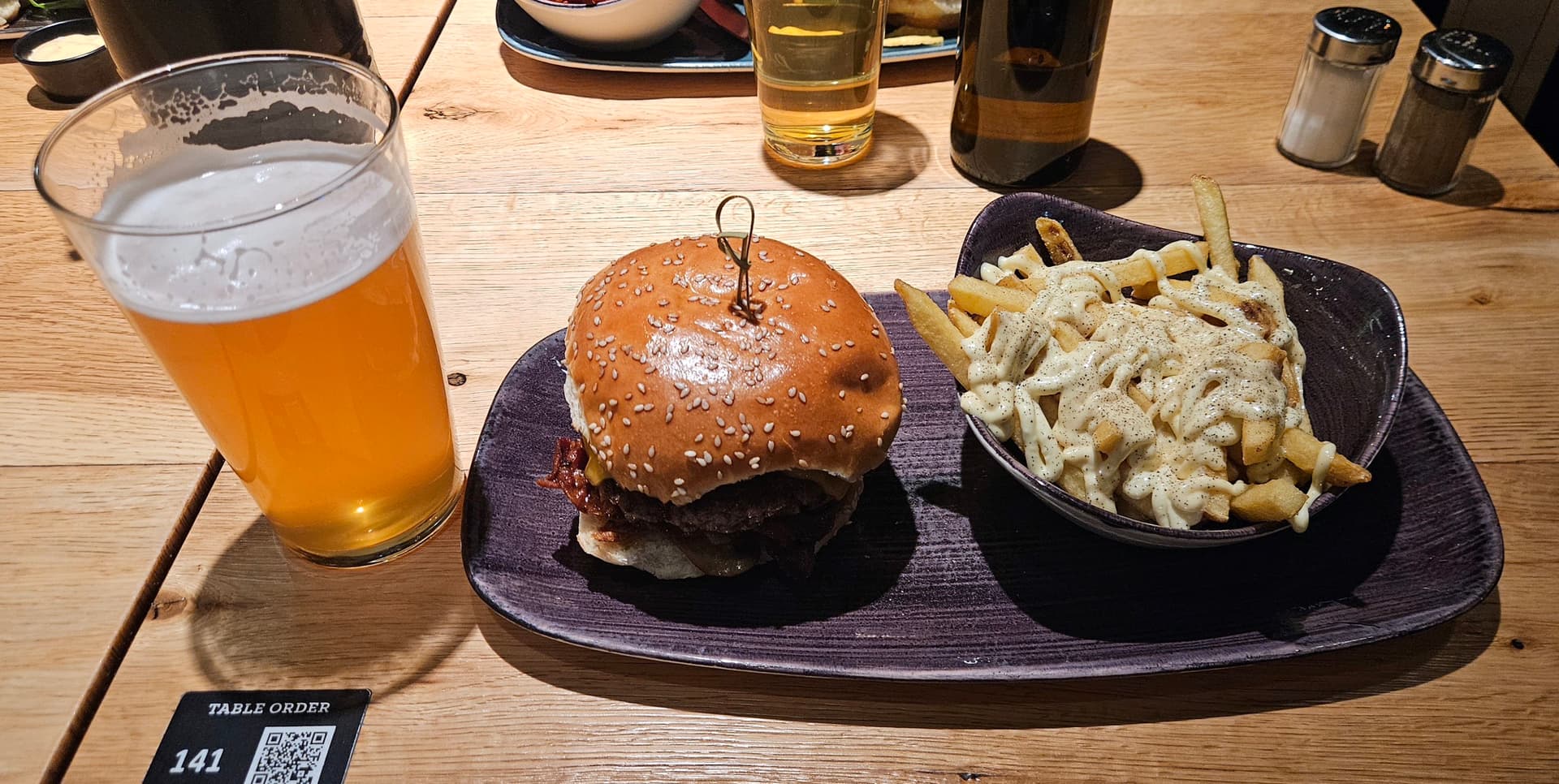
Is it big? Yes. Is it impressive? Not really. Well, is it beautiful? Also no.


The selection of restaurants open this late was quite scant, so we had to choose between a KFC, a kebab place, a noodle bar and a burger joint. We opted for the latter.

5 Likes

:smiling_cat_with_heart_eyes:

1 Like

Day 7

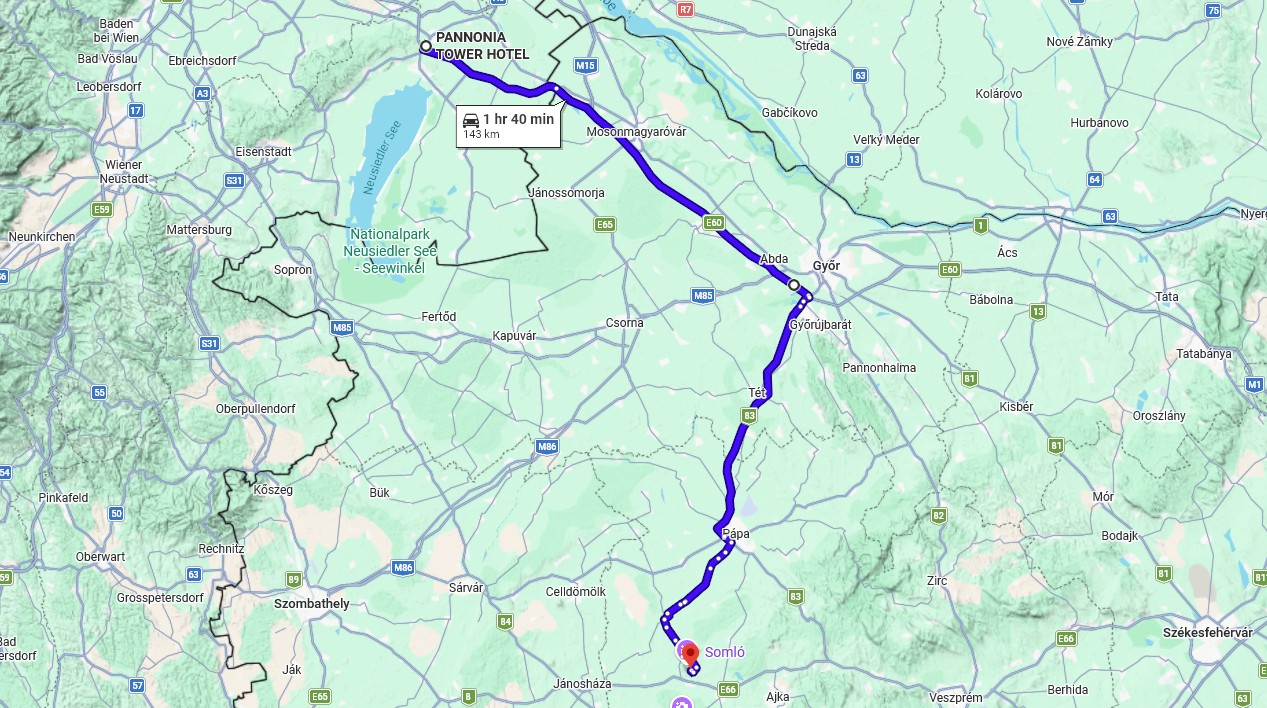
With one full week of Austria behind us, we packed our cars in the morning and headed east - towards the Austria-Hungary border.


Our van after our morning session of luggage tetris.

For today’s visits, we would leave Burgenland (and Austria) completely behind us for awhile and drive deep into the Hungarian countryside! Our goal was to reach the Somló hill – an ancient volcano – by noon, when we were to have our first visit at Fekete Pince.

Fekete appeared in my radar about 10 years ago, when a friend of mine (who was also traveling with us on this trip!) arranged a tasting of Somlói wines. Although there were many producers represented in that tasting, the couple of Fekete wines we had there left by far the biggest impact on me. Due to Somló’s volcanic nature, some wines of the region can be lean and austere with very harsh level of acidity and almost aggressively angular mineral qualities; other producers try to overcome this by harvesting as late and overripe as possible – which can make the wines feel quite heavy and ponderous. The Fekete wines, however, avoided these qualities with remarkable ease – probably by having the wines aged for extended periods of time in oak, rounding out the sharpest corners and lending some additional, subtly oxidative complexity to the wines, making them feel more like very mineral, volcanic cousins of wines like Chateau Musar, López de Heredia or Château Simone!

So, already back then I decided that if I were to go to Hungary, I’d definitely want to see the Somló hill and visit the Fekete winery! However, as Viktor Orbán was ruling Hungary during all these years, I never really felt a pushing urge to visit the country.

Fast-forward 10 years and although I’m not visiting Hungary, I realize that on our trip to Austria – and Burgenland – we’re actually pretty darn close to Hungary, and even within a reasonable driving distance to Somló! So, after getting the contact information to the winery from an importer friend of mine, I contacted the winery and asked for a possibility to visit them. Sure enough, even if the day was going to be Saturday, we’d be welcome to come and see the winery!

And as luck would have it, on the day our trip began, Hungary held their 2026 parliamentary elections, and Péter Magyar’s Tisza Party won by a landslide. Everybody in our traveling group was now happy that we wouldn’t need to travel to a country ruled by Orbán and his Fidesz cronies, but a country that would hopefully be opening back to the rest of the European Union!


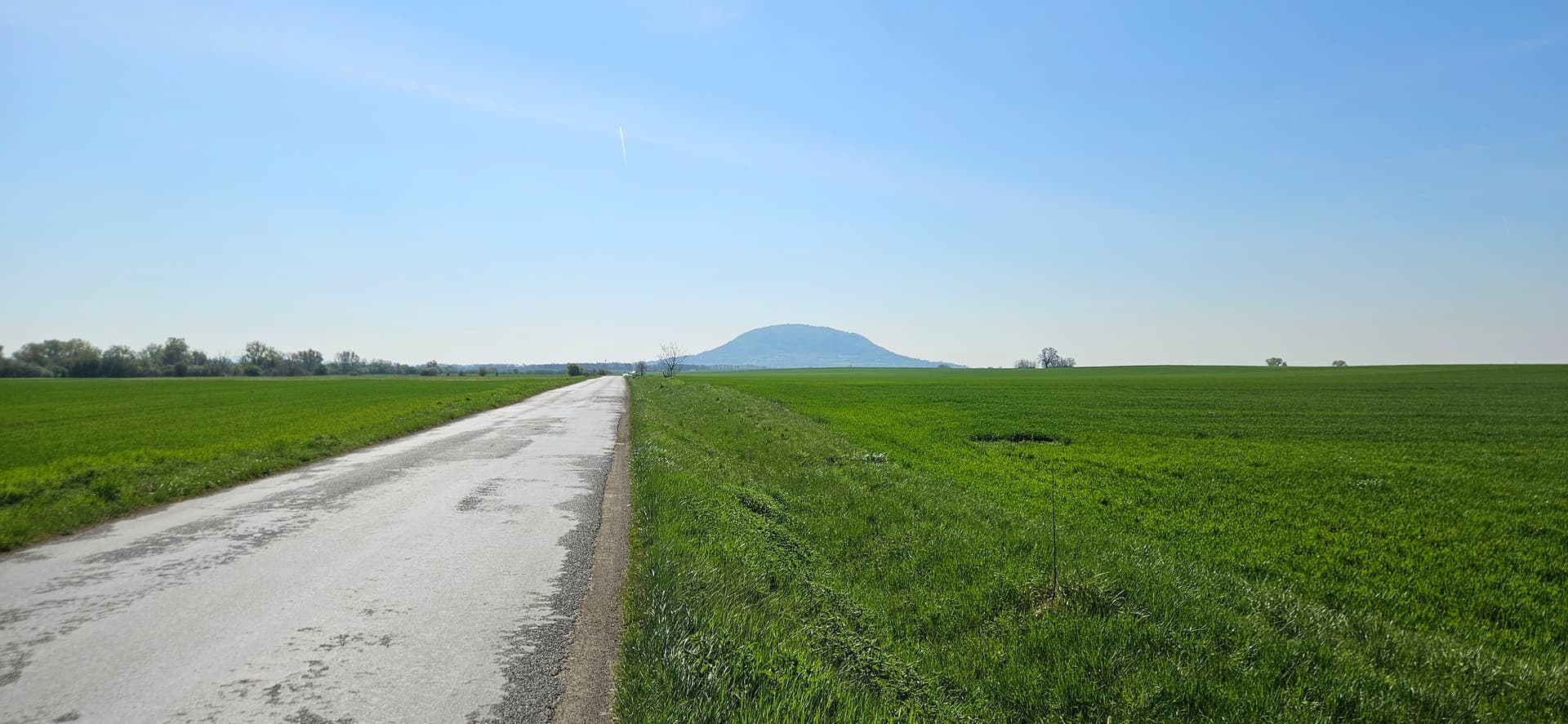
So, after an hour and a half of driving through the western Hungary puszta, the magnificent hill of Somló finally came into view. And I have to admit that after driving through that completely flat land (former sea bed) for so long, this extinct volcano was quite an impressive sight!


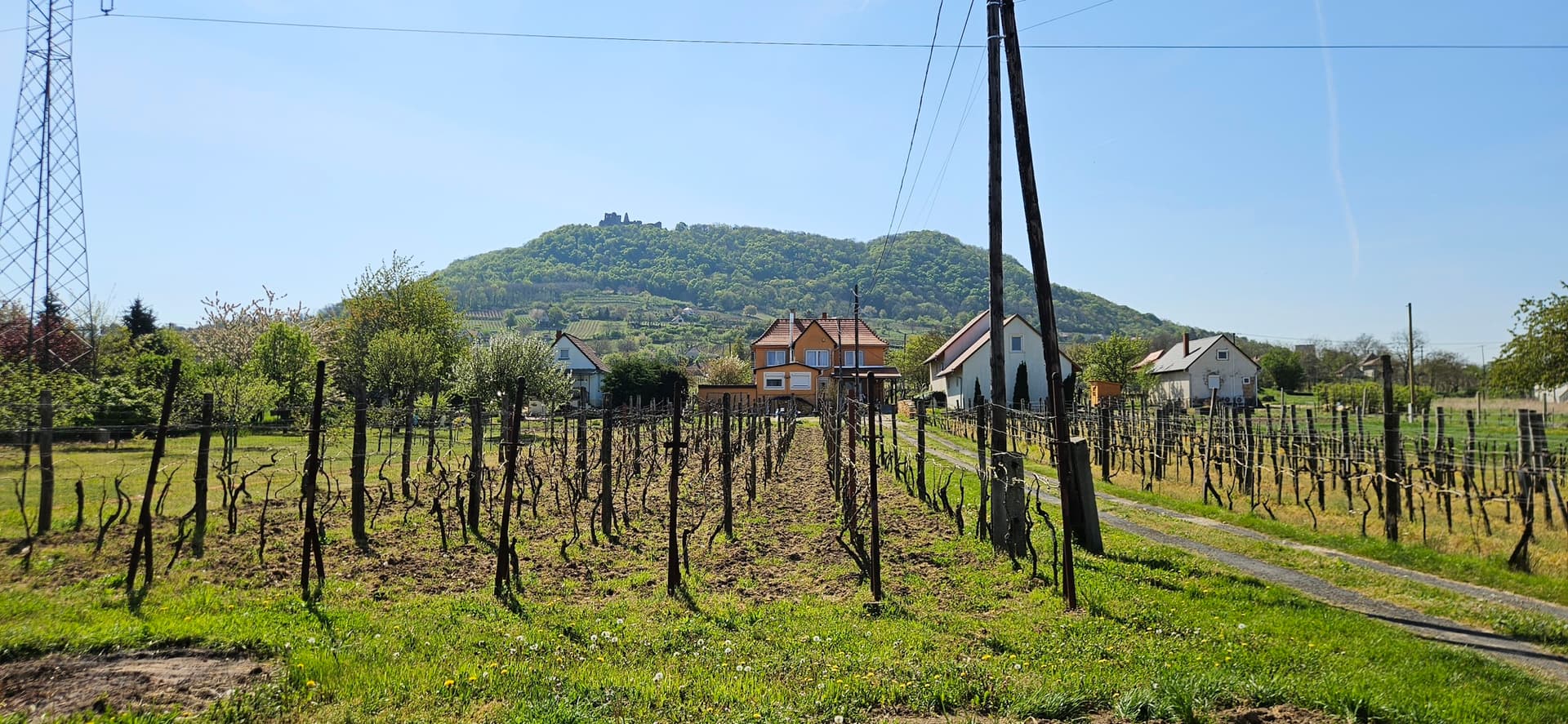
Close enough to see the ruins of the 11th century castle on top of the hill.

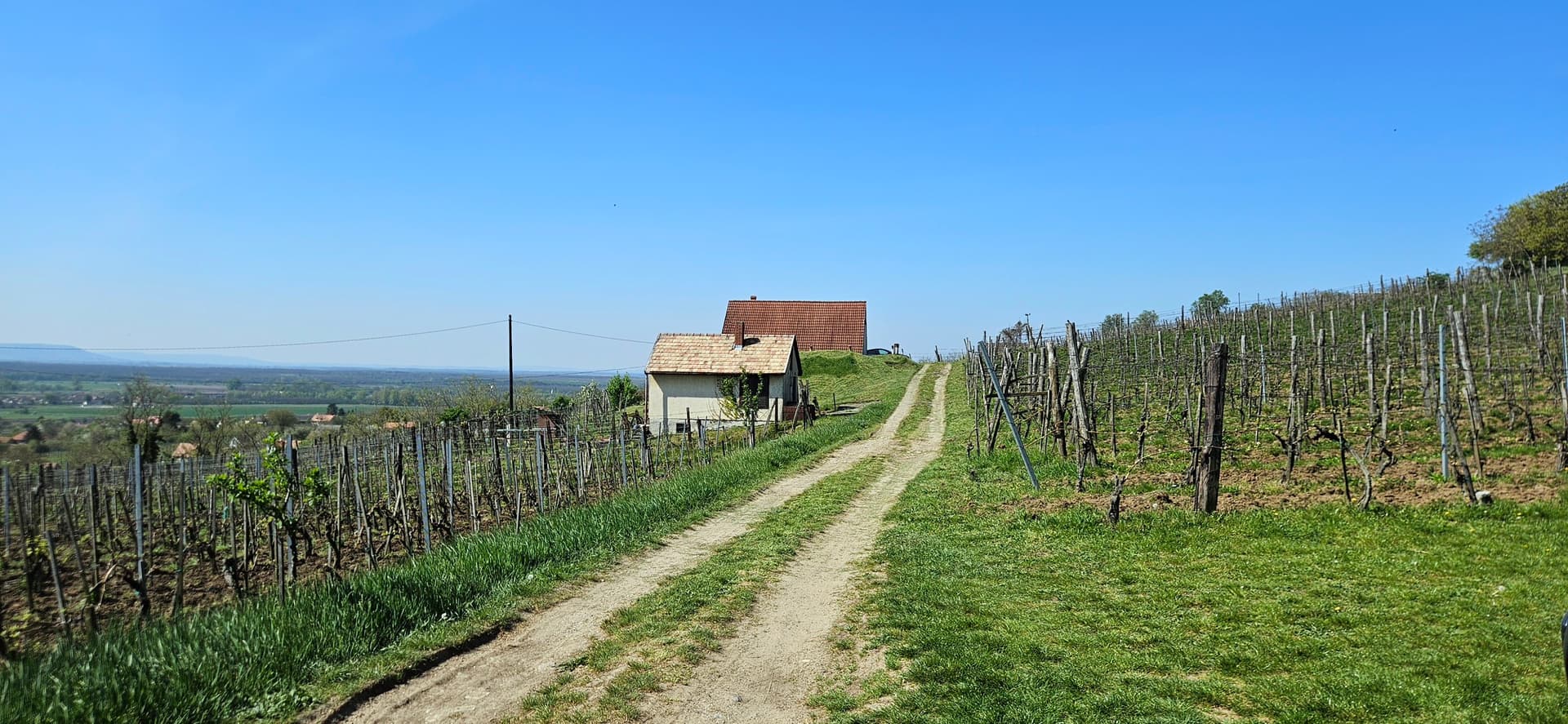
Although the roads leading to Somló were in pretty decent shape, the final few hundred meters up the hill to the winery were quite an adventure! Many roads here are mere dirt roads, some even in quite a bad shape, and often wide enough to permit just one car to drive through. We were lucky that no cars were coming our way at any point!


The winery building is that building with the brown-tiled roof.

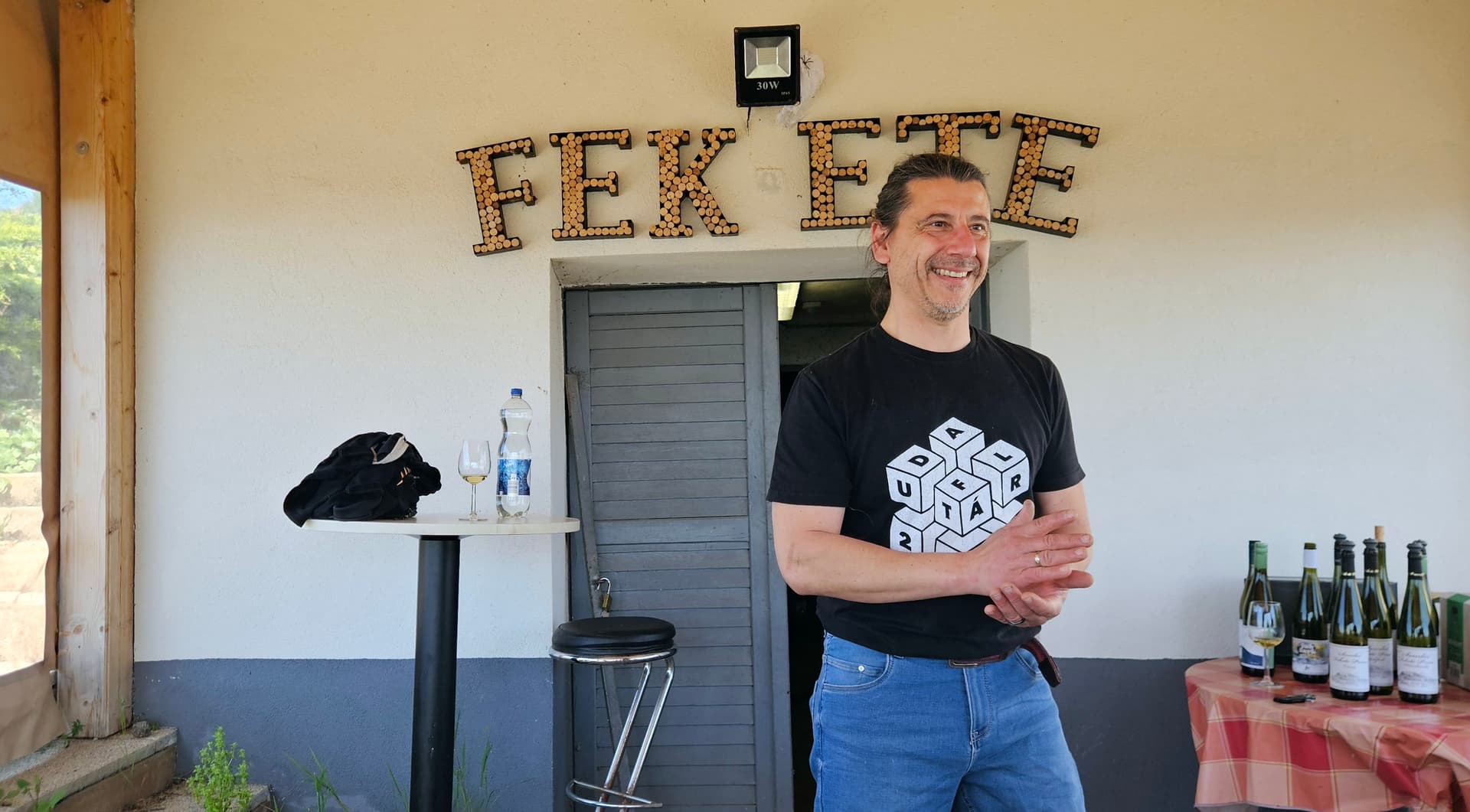
After one final steep climb with our van and we were finally there, high up the Somló hill, at the Fekete winery, where the current owner, Gábor Riesz came to welcome us with his wide grin.

  • In the early 1970’s Béla Fekete – often hailed as the Grand Old Man or the Godfather of Somló – bought a small farm building located on the volcanic hills of Somló. For the next decades, he farmed parcels of vineyards, which he gradually accumulated over the years. He grew grapes and made wine up until the year 2014, when he retired in his 90’s, as he was simply getting too old to run his winery that had grown to the size of 3,3 hectares, and his son wasn’t interested in taking over.
  • As Fekete retired, he sold the winery to a trio of friends; Gyuri Emmert had fallen in love with Somlóoi wines and the region, so he convinced his friends Gábor Riesz and Ákos Dölle to buy the winery together with him. After tasting some of Fekete’s older wines, the friends were convinced of the idea, and the purchase was finalized.
  • After the ownership change, Emmert worked as the winemaker. However, he sadly passed away in 2017, right before the harvest, so suddenly Riesz - who had been taking care of just the business side - had to become the winemaker and learn how to run the winery on his own.
  • Currently Riesz runs the winery together with his wife, Zsófi, and with the help of his brother and one employee.
  • As is typical of Somló, the winery farms only white grape varieties. The emphasis is on Furmint and Hárslevelű - better known as the grapes Tokaji is made with - and the local curiosity, Juhfark. They also farm smaller amounts of Olaszrizling (Welschriesling) and Chardonnay.
  • Today Riesz has managed to increase the winery holdings to 4,5 hectares of land in 18 different organically farmed parcels. About 2/3 of the parcels are in the immediate vicinity of the winery, while the remaining 1/3 is spread out further away around the Somló hill. The oldest parcels were planted in 1985.
  • Emmert and Riesz didn’t want to stop making the ultra-traditional style of Béla Fekete (which, at the time of the ownership change, was probably the biggest worry of the fans of the winery), but instead honor his legacy and keep on making the wines “the Béla way”. However, as the small farm building in which the winery operates is more or less at its maximum capacity, Riesz has had to introduce some new cuvées that are not aged for as long, as he has acquired new vineyards and increased production. These new fkt cuvées are fruitier, less concentrated and probably more approachable than the more powerful, often slightly oxidative traditional “white-label” cuvées. The fkt bottlings are normally bottled with a colorful label along with the name of the person (or persons) who “envisioned” the style of the cuvée. Riesz didn’t want people to think these new fkt cuvées are either “lesser” or “better” than the traditional cuvées, which is why all the wines are priced more or less equally. Currently the fkt cuvées represent only 25-30% of the total production, but they might need to increase that number in the future.
  • Today the annual production hovers at around 12,000 to 13,000 bottles. An impressive 80% of the production is exported.


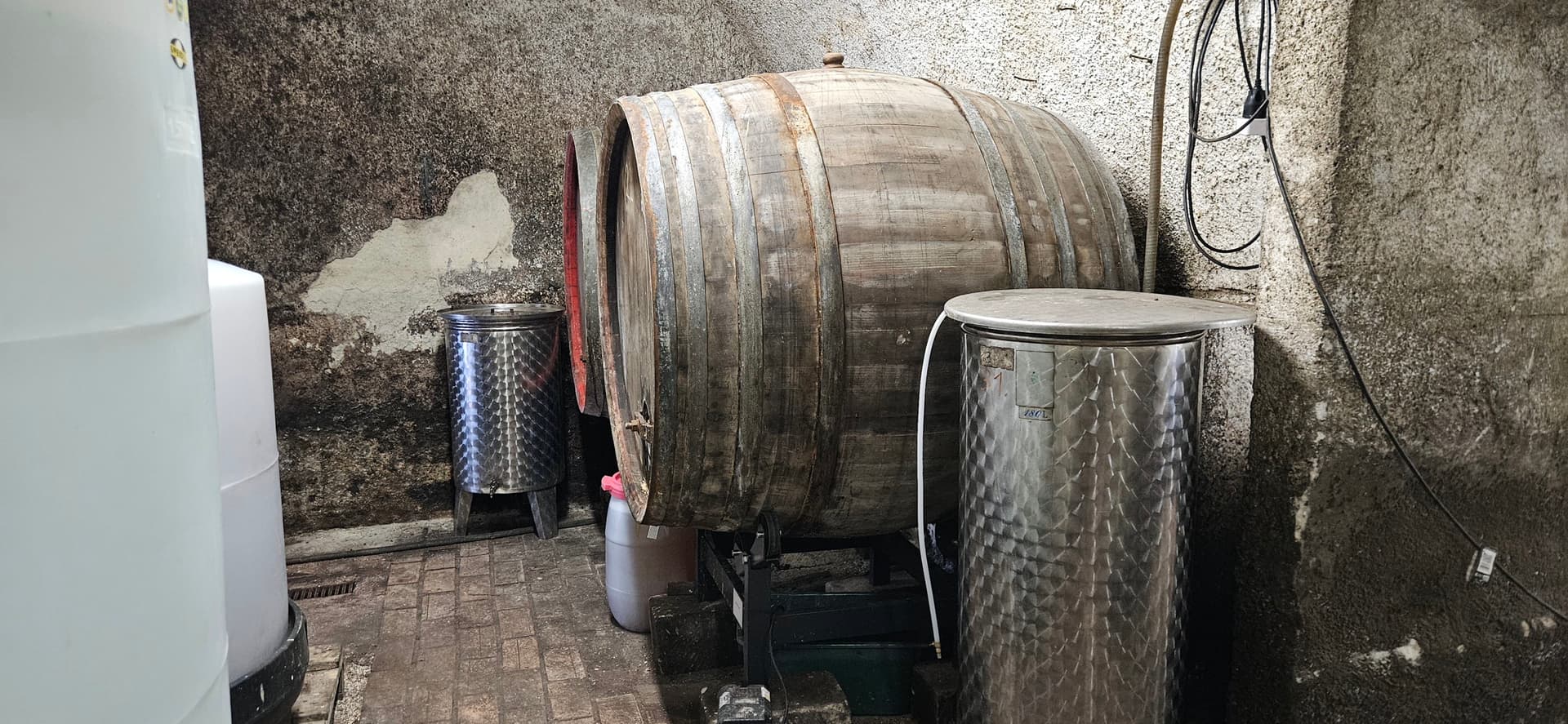
First Riesz took us to see the cellars of the winery, which are quite tiny and cramped compared to many of the places we had seen that week. I guess this place could be likened to garagiste wineries, although this was no garage - there was not enough room to drive a single car here! Just ancient barrels, casks and tanks. Riesz estimated that any given time the cellar holds about 3,5 vintages of wine – telling quite a lot of how long the wines are aged before they are bottled!

While we were passing one tank, Riesz quipped that this tank held the most precious liquid of the domaine. When asked what was there, the answer was “Just water”.


Some more barrels and tanks – including the valuable water tank on the left.

Riesz explained that there is almost no basic infrastructure in Somló, which means there is not even running water; he has to order a water tank vehicle to fill up his tank, and pay quite a sum for this service! I can imagine the water bill builds up quickly when you have to be cleaning everything all the time at the winery – but what I cannot imagine is how on earth the water tanker can get up the tiny hillside dirt roads to the winery!

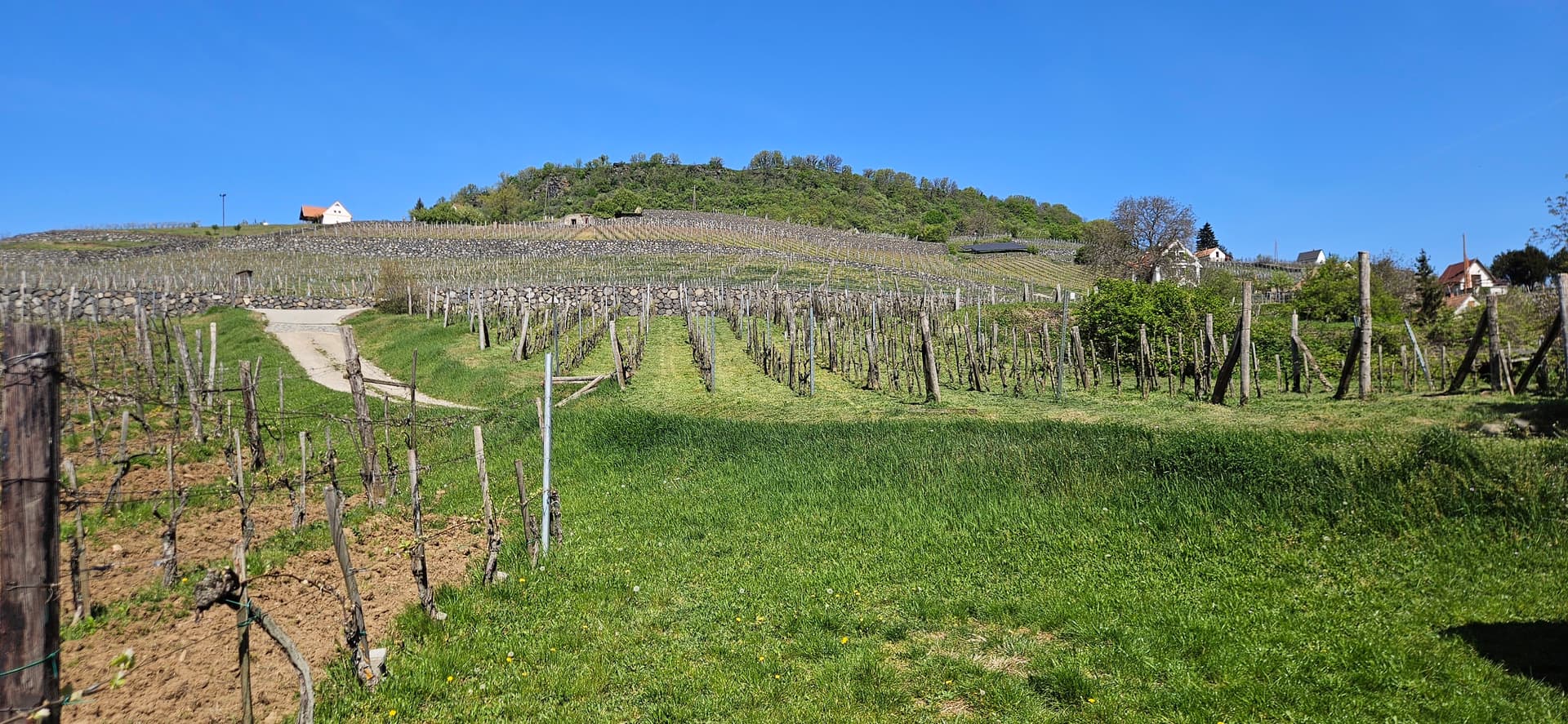
After the small tour beneath the house we went to the patio in front of the building, overlooking the tiny parcel of Chardonnay planted right outside the winery, to taste through the Fekete range. While pouring the wines, Riesz kept on telling all kinds of interesting tidbits about himself, the winery and the Somló region.


Gabór Riesz pouring us his wines and telling us details and stories.

For example he told he had played curling for 12 years and had represented Hungary many times in the national championship team. He also told that he normally works only a few days per week on average at the winery - his main means of income comes from the guesthouse he runs with his wife in Nassfeld, Austria. He also told us to send his best regards to one well-known Finnish curling player if any of us were ever to meet him!


Some vineyards next to the Fekete winery building.

Riesz also mentioned how at the current level of production (12-13k bottles per year) the winery stays afloat, but he’d want to ramp up the annual production some 50% to about 18k bottles so that they could actually invest in the winery. However, in Somló land acquirement is very hard as the arable land is more of less fully planted and most growers are reluctant to sell. An additional problem comes from the fact that to get any EU subsidies, the vineyards have to meet certain size criteria – which the small Somlói parcels don’t meet; Fekete’s parcels are too small to get any subsidies.

Another more entertaining fact was that Riesz’s biggest customer is the Grand Old Man, Béla Fekete himself! He used to come to the winery to buy the wines directly from his old domaine, but today – at 99 years of age – he is not allowed to drive anymore. That’s why Riesz has to drive to Fekete and deliver the wines himself – which he gladly does. He told us that Fekete’s allocation is about 3% his total production, and he sells the wines to him at a very special discount!

While we were tasting the wines, Riesz brought also some snacks he had baked himself. They were quite piquant (ie. had a good dose of chili pepper!), which made them quite difficult to pair with the wines. However, they were so delicious that it was pretty darn hard to stop constantly nibbling on them!


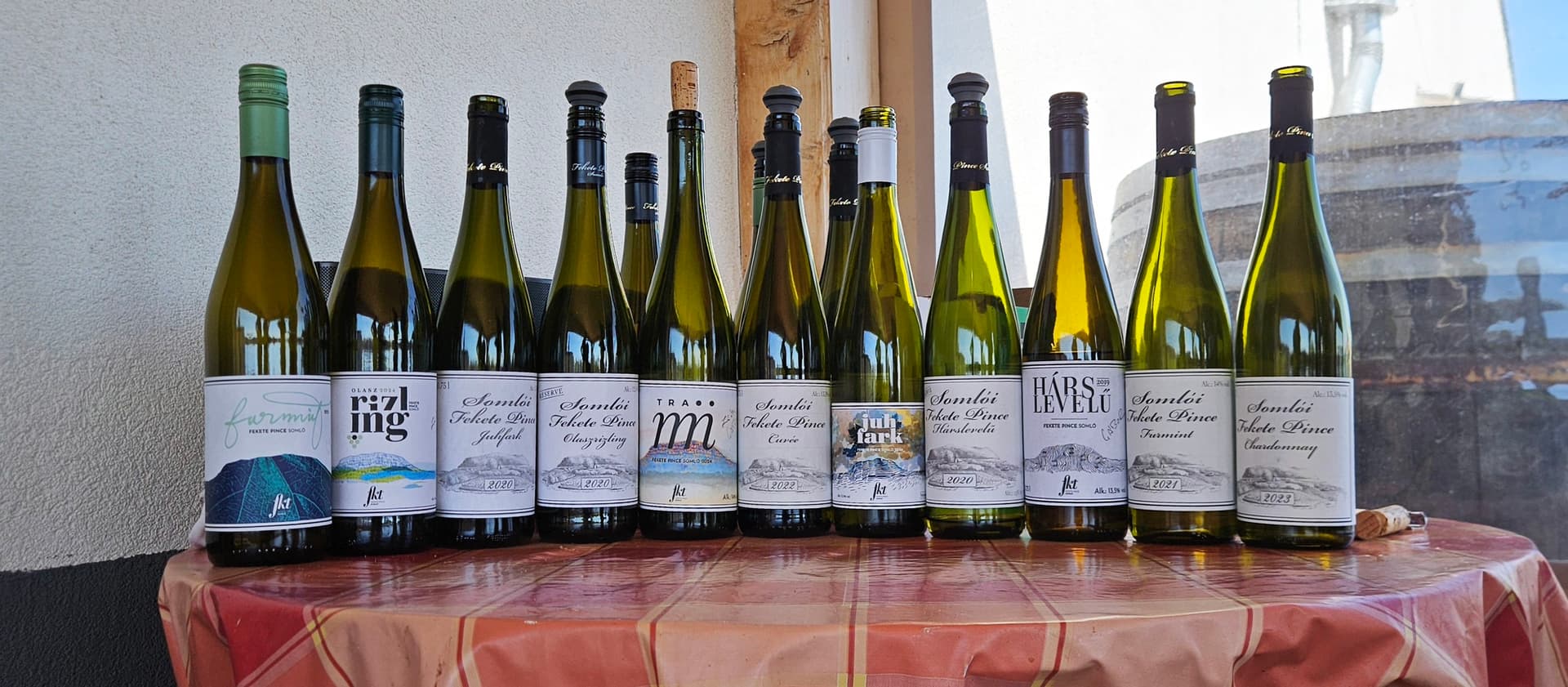
What we tasted.

  • 2023 Fekete Pince Furmint Nagy-Somló fkt Gabor - Hungary, Balaton, Nagy-Somló (18.4.2026)
    The debut vintage of this label. 100% Furmint. Fermented and aged in 1000-liter Hungarian oak casks for 10 months, then blended into tanks and aged for another 8 months. 12% alcohol, 0,9 g/l residual sugar and 4,8 g/l acidity. Sugar-free dry extract 19,3 g/l. Total production 1800 bottles.

    Luminous neon lime-green color. The nose feels youthful and fruit-forward with vibrant aromas of greengage, some white peach, light creamy oak tones, a little bit of beeswax and crunchy hints of fresh Golden Delicious apple. The wine feels nuanced, characterful and quite textural on the palate with a medium-to-moderately full body and vibrant, rather mineral flavors of wet rocks and ripe apricots, some chalk dust, a little bit of fresh nectarine, light honeyed nuances, a hint of tangy salinity and a sweeter touch of tropical fruits. The combination of angular minerality and rather high acidity make the wine feel quite firm and structured. The finish is fresh, long and mineral with a rather ripe aftertaste of greengage and apricot, some mineral notes of wet rocks, a little bit of chalk dust, light beeswaxy nuances and a hint of fresh Golden Delicious apple.

    Although this entry-level white is a lighter, less complex and more fruit-forward take on Furmint compared to the "classic" Furmint of the Fekete winery, this is still a very serious and impressive effort for a "simple, easy-drinking" white. The Furmint elements are definitely there, although the wine is maybe a bit lower in acidity than I expected from this variety. However, what definitely shines through here is the powerful mineral element that comes from the volcanic soils of Somló - although a fruity wine not that high in dry extract, the wine packs a powerful punch of minerality in the midpalate. Maybe not a wine you'd age for a long time, but I can see the wine evolving and improving for at least a handful of years more. Truly a bargain at 4000 HUF (approx. 11€).
    (90 points)

  • 2024 Fekete Pince Olaszrizling Nagy-Somló fkt Zsófi & Norbi - Hungary, Balaton, Nagy-Somló (18.4.2026)
    100% Welschriesling. Fermented and aged in old 500-liter Hungarian oak casks for 3 months, then blended into tanks and aged for another 4 months. 13% alcohol, 4,7 g/l residual sugar and 4,7 g/l acidity. Sugar-free dry extract 16,6 g/l. Total production 1300 bottles.

    Youthful, medium-deep yellow-green color. The nose feels youthful and somewhat primary with aromas of ripe pear, some greengage, light floral notes of apple blossom, a hint of sweet grapey fruit and a touch of creamy oak. The wine feels youthful, fruity and very slightly tingly on the palate with a tiniest bit of CO2. The overall feel is medium in body with somewhat primary flavors of grapey fruit and pear drops, some stony mineral notes, a little bit of juicy Golden Delicious apple and a hint of ripe citrus fruits. The wine feels quite balanced at first, but as the subtle spritz blows off, the medium acidity starts to feel quite soft. The finish is fruity and a bit more zippy with a medium-to-moderately long aftertaste of stony minerality, some ripe lemony citrus fruits, a little bit of fresh white peach, light primary notes of grapey fruit and a hint of pear drops.

    A nice and pleasant but ultimately a bit soft and somewhat anonymous white wine. Very easy and approachable, but lacks the distinctive qualities of Fekete's better whites. At least the mineral core of the wine betrays its volcanic origins in Somló. Priced according to its quality at 4500 HUF (approx. 12,50€).
    (87 points)

  • 2020 Fekete Pince Juhfark Nagy-Somló - Hungary, Balaton, Nagy-Somló (18.4.2026)
    100% Welschriesling. Crushed and macerated with the skins for 4-6 hours. Fermented and aged in old 300 and 500-liter Hungarian oak casks for a year, then blended into 1000 and 1500-liter tanks and aged for another 2 years. 13% alcohol, 1,2 g/l residual sugar and 5,7 g/l acidity. Sugar-free dry extract 27,2 g/l. Total production 5000 bottles.

    Deep golden yellow color. The nose feels rich, complex and somewhat sweet-toned with layered aromas of creamy oak and stony minerality, some beeswax, light peachy notes of ripe stone fruits, a little bit of juicy Fuji apple, a salty hint of ocean air and a fragrant touch of floral character. The wine feels ripe, rich and textural on the palate with a quite full body and bold flavors of honeydew melon, some creamy oak tones, a little bit of beeswax, light sweet notes of ripe Golden Delicious apples, a hint of nutty wood and a mineral touch of wet rocks. The quite high acidity keeps the wine effortlessly in balance and lends it good sense of structure despite its rich, textural overall feel. The finish is rich, bold and sinewy with an intense aftertaste of stony minerality, some beeswax, light creamy oak tones, a little bit of honeydew melon, a hint of crunchy red apple and a touch of nutty wood.

    A big, characterful and complex Juhfark with lots of ripeness and texture - and enough structure and firm, cool minerality to hold everything together with remarkable ease. The wine is showing some developed qualities, but those remind me more of the complexity you'd find in the white wines of Chateau Musar or López de Heredia, instead of aged, tertiary character. Juhfark is such a beautiful variety when you can use its transparency and ability to translate the volcanic qualities Somlói terroir even with the oaky nuances and developed richness, the emphasis is strongly on the stony minerality and saline nuances that are the hallmarks of this region. A fantastic and thoroughly impressive powerhouse of a white wine that drinks beautifully now, but will continue to evolve and improve for a number of years more. Very highly recommended. A screaming bargain at 4500 HUF (approx. 12,50€).
    (94 points)

  • 2020 Fekete Pince Olaszrizling Nagy-Somló Reserve - Hungary, Balaton, Nagy-Somló (18.4.2026)
    100% Welschriesling. Fermented spontaneously and aged in a 1000-liter Hungarian oak cask for 10 months, then blended into tanks and aged for another 36 months. 12,5% alcohol, 1,0 g/l residual sugar, 5,2 g/l acidity and pH 3,27. Sugar-free dry extract 21,6 g/l. Total production 1250 bottles. Bottled as "Reserve" as the wine was released after 4 years of aging.

    Medium-deep yellow green. The nose feels rich and open with complex aromas of tropical fruits and meadow honey, some creamy oak tones, a little bit of ripe Golden Delicious apple, light crunchy nectarine notes, a mineral hint of wet rocks and a touch of savory spices. The wine feels ripe, waxy and textural on the palate with a quite full body and layered flavors of fresh apricots, some leesy tones, a little bit of creamy oak, light stony mineral notes, a hint of beeswax and a touch of salinity. The rather high acidity keeps the wine quite nicely in balance, although the overall feel is broad and powerful rather than fresh and zippy. The finish is broad and juicy yet somewhat sinewy with a lengthy aftertaste of juicy apricots, some creamy oak tones, a little bit of stony minerality, light notes of beeswax, a hint of savory spices and a touch of leesy yeast.

    A broad, complex and serious effort for a Welschriesling - easily one of the most complete and impressive examples of this variety. The wine exhibits the bold minerality typical of Somlói wines with the depth and complexity that are the hallmarks of Fekete's traditional (ie. white-label) whites. An amazing wine that is still relatively youthful at the age of 5½ years and will probably age, evolve and improve for a good number of years more - even if the wine is darn delicious right now. A steal at 4000 HUF (approx. 11€). Highly recommended.
    (92 points)

  • 2024 Fekete Pince Nagy-Somló Tramini fkt Zsófi & Gábor - Hungary, Balaton, Nagy-Somló (18.4.2026)
    The debut vintage of this label. 100% Gewürztraminer made with purchased organically farmed grapes. Fermented and aged in a stainless steel tank for 8 months. Bottled unfiltered and without any added SO2. At least 14% in alcohol. Total production 180 bottles.

    Pale, slightly hazy lemon-yellow color. The nose feels rich, ripe and perfumed with floral aromas of juicy peach, some rosewater, light chamomile tones, a little bit of fresh Golden Delicious apple, a hint of honeydew melon and a touch of beeswax. The wine is rich, fat and textural on the palate with a full body and quite dry flavors of roses and other perfumed florals, some saline mineral notes, a little bit of ripe apricot, light honeyed tones, a hint of exotic spices and a touch of rosewater. The acidity feels rather low, making the wine feel very soft and a bit ponderous. The finish is juicy, somewhat heavy and quite warm with long, bold aftertaste of honeyed richness, some apricot tones, a little bit of rosewater, light stony mineral notes, a hint of honeydew melon and a touch of exotic spices.

    Very ripe, bold and quite heavy Gewürztraminer that starts off almost like a warm-vintage Alsatian Grand Cru Gewürztraminer, but finishes more like a Somlói white with its quite pronounced mineral notes. The overall feel is a bit too fat and clumsy for my preference, but this is nevertheless a classic Gewürztraminer that is very true to the variety. It's hard to assess whether the wine can age or if it is meant to be drunk young, but I feel the wine doesn't need any additional aging as it drinks quite nicely right now. Best if paired with dishes that call for rich wines, not whites with much acidity. Solid value at 4500 HUF (approx. 12,50€).
    (89 points)

  • 2022 Fekete Pince Nagy-Somló Somlói Cuvée - Hungary, Balaton, Nagy-Somló (18.4.2026)
    A blend of Hárslevelű (50%), Juhfark (30%) and Welschriesling (20%). All the varieties are fermented spontaneously and separately in 1000-liter Hungarian oak casks. Aged in oak casks for 10 months. The final wine was blended in August 2023 into a 500-liter tank and aged for another 10 months. Bottled in summer 2024. 13,5% alcohol, 2,7 g/l residual sugar and 4,9 g/l acidity. Sugar-free dry extract 21,3 g/l. Total production 641 bottles.

    Deep, luminous yellow-green color. The nose feels nuanced and expressive with aromas of pineapples and other tropical fruits, some stony mineral notes, a little bit of crunchy Golden Delicious apple, light apricot tones, a hint of herby spice, a touch of creamy oak and a whiff of poached pear. The wine feels ripe, silky and textural on the palate with a full body and layered flavors of greengage and white peach, some wold waxy tones, a little bit of saline minerality, light honeyed notes, hints of savory spices and nutty wood and a floral touch of orange blossom. The moderately high acidity keeps the wine pretty nicely in balance, although the wine doesn't have quite the same verve and zip as some other Fekete white label wines. The finish is long, firm and mineral with an intense aftertaste of peachy stone fruit and greengage, some stony and saline mineral notes, a little bit of beeswax, light crunchy notes of Golden Delicious apple, a hint of floral spice and a faint touch of leesy creaminess.

    A vibrant, sophisticated and quite fruit-forward Somlói white that doesn't seem to be as rich, complex and savory as the other Fekete white labels, but instead feels more like a missing link between the white labels and the fruitier, more "modern" fkt-label whites of the winery. However, the wine is nevertheless a quite impressive white with good sense of balance and depth of flavor. Instead of having any obvious varietal qualities, the wine exhibits good sense of harmony between the different varieties while letting the mineral character typical of Somló shine through nicely. A lovely wine that drinks really well right now, but will continue to evolve and improve for at least a handful of years more. Recommended. Solid value at 5000 HUF (14,10€).
    (92 points)

  • 2024 Fekete Pince Juhfark Nagy-Somló fkt Gabor - Hungary, Balaton, Nagy-Somló (18.4.2026)
    100% Juhfark. Fermented spontaneously in old 1000-liter Hungarian oak casks. Blended into used (4 yo) 300 and 500-liter oak casks and aged for 10 months. 13,5% alcohol, 3,3 g/l residual sugar and 5,6 g/l acidity. Sugar-free dry extract 24 g/l. Total production 1066 bottles.

    Pale-to-medium deep lemon yellow color. The nose feels youthful and fruit-driven with aromas of ripe pear, some primary notes of sweet grapey fruit, a little bit of fresh Golden Delicious apple, light fragrant floral tones, a hint of zesty citrus fruits and a touch of leesy creaminess. The wine feels lively, fresh and textural on the palate with a moderately full body and bright flavors of ripe citrus fruits and primary grapey notes, some creamy oak, light floral overtones, a little bit of ripe nectarine and greengage, a hint of apple jam and a faint touch of banana. The high acidity lends a good amount of freshness, zip and structure to the wine. The finish is long, fresh and lively with a youthful, fruit-driven aftertaste of ripe citrus fruits and greengage, some juicy pear, a little bit of stony minerality, light creamy oak tones, a hint of banana and a touch of floral spice.

    A delightfully fresh and serious effort for a wine in the more "modern" and approachable fkt range of Fekete. The overall feel is still surprisingly youthful and both the nose and taste are still quite dominated by the primary grapey notes of fermentation esters, but even then the wine comes across as wonderfully nuanced and textural with lovely sense of structure and freshness. To me, this wine is nowhere near the magical, complex traditionalist "white label" Juhfark of Fekete, but as far as the new fkt wines go, this is a nice little drop. At the moment the wine is a bit too primary for my preference, but I can see the wine benefiting 1-2 years of additional aging. A good purchase at 4500 HUF (approx. 12,50€).
    (91 points)

  • 2020 Fekete Pince Hárslevelű Nagy-Somló Grand Reserve - Hungary, Balaton, Nagy-Somló (18.4.2026)
    100% Hárslevelű. Crushed and macerated with the skins for 4 hours. Fermented spontaneously in 1000-liter Hungarian oak casks, aged in 500 and 1000-liter Hungarian oak casks for 10 months, then blended into 1000 and 1500-liter tanks and aged for another 40 months. 13% alcohol, 0,9 g/l residual sugar and 6,2 g/l acidity. Sugar-free dry extract 26,8 g/l. Total production 1836 bottles. Bottled as "Grand Reserve" as the wine was released after 4½ years of aging.

    Deep, luminous golden yellow color. The nose feels perfumed and floral with complex aromas of ripe peaches and sweet Mediterranean flowers, some creamy oak tones, a little bit of honeyed richness, light nutty notes of savory wood spice, crunchy hints of fresh Fuji apples and golden currants, a touch of juicy greengage and a whiff of dried pineapple. The wine feels crisp, mineral and concentrated yet surprisingly airy on the palate with a medium-to-moderately full body and very intense flavors of zesty citrus fruits and crunchy Golden Delicious apples, some nutty notes of savory oak, a little bit of salinity, light creamy and buttery tones, a hint of ripe pineapple and a touch of floral spice. The high acidity lends a great amount of drive, energy and structure to the wine. The finish is long, fresh and acid-driven with an intense and very complex aftertaste of crunchy Golden Delicious apple and ripe greengage, some creamy oak tones, a little bit of nutty wood, light mineral notes of salinity and wet rocks, a hint of floral spice and a touch of buttery richness.

    A stunning white wine that is fresh and playful yet remarkably intense and complex at the same time. Stylistically this is made in the same vein as the whites of Chateau Musar or López de Heredia, but from a more aromatic, floral white variety and exhibiting a more intensely mineral backbone. Quite a showstopper, if you happen to like these kinds of powerful whites made in a slightly oxidative fashion. This is a stunner already now, but with its great flavor intensity, sense of concentration and firm acid structure, I can see the wine evolving and improving for at least another decade, if not for two. Outrageous value at 5000 HUF (14,10€).
    (95 points)

  • 2019 Fekete Pince Hárslevelű Nagy-Somló fkt Gabor - Hungary, Balaton, Nagy-Somló (18.4.2026)
    100% Hárslevelű. Crushed and macerated with the skins for 4-6 hours. Fermented spontaneously and aged in 1000-liter Hungarian oak casks for 10 months, then blended into tanks and aged for another 20 months. Finally aged for a short period (approximately 2 months) very old (+20 yo) French oak barriques. 13,5% alcohol, 2,6 g/l residual sugar and 7,0 g/l acidity. Sugar-free dry extract 28,8 g/l. Total production 1073 bottles.

    Deep burnished golden-yellow color. The nose feels rich, powerful and surprisingly oaky for a Fekete white with aromas of creamy oak and butter, some perfumed floral tones, a little bit of exotic spice, light sweet notes of ripe pineapple and apple jam, a hint of wild honey, an oxidative touch of caramel and a whiff of crushed rocks. The wine feels firm, concentrated and juicy on the palate with a full body and intense flavors of honeyed richness, some oaky notes of butter and cooked cream, a little bit of nutty wood, light oxidative caramel tones, sweeter hints of pineapple and cantaloupe and a touch of ripe citrus fruits. The combination of bright, almost piercing acidity and a tiniest tug of tannic grip make the wine feel very structure-driven and sinewy. The finish is long, complex and very slightly grippy with intense, layered flavors of greengage, nutty wood, some stony mineral notes, a little bit of creamy oak and buttery richness, light citrus fruit notes, a hint of apple peel bitterness and an oxidative touch of caramel.

    A rich, complex and powerful Hárslevelű that feels a bit more oaky than Fekete wines usually do. However, the overall style is nevertheless wonderfully balanced, structured and mineral with impressive sense of complexity - despite the somewhat noticeable oak impact, the wine isn't a super-oaky blockbuster, but instead a savory, nuanced white aged for a prolonged period in wood. Unlike the other whites bottled under the "fkt" label, this wine is noticeably more similar to the classic white-label Fekete wines (and I understand that is the reason why the label isn't colorful, but more similar to the "traditional" Fekete wines with its black-and-white color scheme). A very impressive and serious effort, easily my favorite in the fkt range. Great value at 5500 HUF (15,50€). Highly recommended.
    (93 points)

  • 2021 Fekete Pince Furmint Nagy-Somló - Hungary, Balaton, Nagy-Somló (18.4.2026)
    100% Furmint. Crushed and macerated with the skins for 4 hours. Fermented spontaneously and aged in old 1000-liter Hungarian oak casks for 10 months. Blended into tanks aged for 26 months. 14% alcohol, 2,8 g/l residual sugar, 7,97 g/l acidity and pH 3,06. Sugar-free dry extract 26,2 g/l. Total production 1400 bottles. Lot number 2401.

    Intense, medium-deep yellow-green color. The nose feels complex with aromas of ripe lemony citrus fruits and nutty wood, some creamy oak tones, a little bit of cantaloupe, light mineral notes of wet rocks, sweet hints of honey and ripe pineapple, a touch of fresh red apple and a floral whiff of apple blossom. The wine feels concentrated, dry and mineral on the palate with a medium body and intense flavors of stony minerality and tangy salinity, some ripe lemony citrus fruit notes, a little bit of creamy oak, light sharp Granny Smith apple tones, a hint of beeswax and a touch of honeydew melon. The wine feels very firm, acid-driven and pretty high-strung with its racy acidity and tiniest hint of tannic tug on the gums. The finish is long, acid-driven and very slightly grippy with a dry, intense aftertaste of lemony citrus fruits and tangy salinity, some creamy oak tones, a little bit of ripe Granny Smith apple, light beeswax notes, a hint of nutty wood and a mineral touch of wet rocks.

    A very impressive, intensely-flavored and concentrated Furmint with laser-like focus and beautiful sense complexity both in the nose and on the palate. Even if the simpler, fruit-driven and more approachable fkt Furmint was a nice wine in its own right, this white-label version of the same variety is in on a completely different level. I mean, honestly, this is like a love child of dry German Riesling and white Musar, all wrapped with a healthy dose of Somlói minerality. This is quite a stunner already now, but seeing how the wine is still quite youthful and tightly-knit, I can see the wine benefiting from another 6-10 years of aging. Probably the wine will keep for even longer. An exceptional Hungarian Furmint and one of the greatest examples of this variety. Extraordinary value at 5500 HUF (15,50€). Very highly recommended.
    (94 points)

  • 2023 Fekete Pince Chardonnay Nagy-Somló - Hungary, Balaton, Nagy-Somló (18.4.2026)
    100% Chardonnay harvested in mid-September. Fermented spontaneously and aged in an old (+25 yo) French oak barrique for 6 months. Racked into a tank and aged for another 3 months. 13,5% alcohol, 1,5 g/l residual sugar, 4,9 g/l acidity and pH 3,4. Sugar-free dry extract 22,9 g/l. Total production 264 bottles.

    Quite youthful and very slightly hazy yellow-green color. The nose feels fragrant and quite fruit-forward with aromas of ripe Golden Delicious apple and mineral notes of wet rocks, some leesy tones, a little bit of waxy funk, light herby nuances, sweet hints of cantaloupe and white peach, a touch of creamy oak and a faint whiff of ripe orange. The wine feels dry and balanced on the palate with a full body and quite fruit-forward flavors of ripe Golden Delicious apple and cantaloupe, some creamy oak tones, a little bit of apple peel bitterness, light mineral notes of salinity and chalk dust, a hint of honeyed richness and a touch of nutty wood. The moderately high acidity lends enough freshness and sense of structure to keep the overall feel firm and harmonious. The finish is long, dry and slightly more acid-driven with a fresh aftertaste of ripe tropical fruits and tart key lime, some honeyed tones, a little bit of creamy oak, light stony mineral notes, a hint of butter and a touch of apple peel bitterness.

    A nuanced and harmonious Chardonnay that feels a bit more ripe and slightly less complex than the other Fekete white labels, but otherwise quite similar in style. If you'd want to compare this to a more well-known style of Chardonnay, I guess a Mâconnais white with slightly natural leanings could be a close call - although that firm mineral backbone of Somló might be very hard to replicate in Burgundy! All in all, this is a tasty and harmonious take on Somlói Chardonnay. The wine drinks nicely right now, in its youth, but I can see it evolving and improving at least over a handful of years. Drink now or within 10-ish years. Solid value at 6500 HUF (approx. 18€).
    (92 points)

After the tasting some of us bought a good amount of souvenir bottles to take home with us - I know I did, as I found many of these wines to be among some of the best we had tasted on our week-long trip! However, some people admitted that these were too atypical and “powerful” for their taste and they enjoyed the Wachau whites more. I found these kinds of comments a bit weird, seeing how these clocked in at around 13% ABV, while many Wachau whites we tasted were often 14% in ABV, or even more. But, hey, to each their own!

After we had made our purchases, we left for the nearby restaurant that Riesz had recommended for us as the perfect place to have lunch!

Anyways, if I didn’t make it clear enough: if you ever have business in Hungary (or eastern Austria), try to make a trip to Somló! Sure, it is pretty rustic and quite rough around the edges, but still a stunning place to visit, and its wines – not only those of Fekete (although I consider them to be probably the best) – are some of the most thrilling dry whites you can get from Hungary! And if you are not going to be anywhere near in the foreseeable future, but you happen to live in the EU, take note: Fekete delivers wines to countries within the EU! At these prices, these wines are a no-brainer.

5 Likes

Indeed. Way back in 2008 when I was on my honeymoon, we went to Lake Balaton, so I snuck in some winery visits. We didn’t get all the way up the Somló hill, but tasted some wines from there that were reasonably promising. At the time, most of what we tasted was quite rustic and not something to chase down from abroad, but I’m sure they have continued to develop!

1 Like

Great write up, as always Otto! These sounded too good to not order, so I did. The prices were slightly higher, thought likely due to free transport being baked in the pricing.

1 Like

I hope you like them! I’ve always loved these wines - maybe they are not delicate, but the best are exceptionally complex and remarkably balanced for the sense of concentration they carry. If those slightly oxidative styles like Heredia or white Musar are up your alley, these should deliver! The “traditional” white labels are not the same, but they definitely play in the same ball park.

Yup, these prices quoted here were ex-cellar prices you get if you are willing to take the trip to the winery! The retail prices in Hungary are a bit higher and more or less on par with their prices on the website. Still exceptional value; in the past they didn’t deliver to Finland, so I had to source them from other shops, and had to pay higher prices for them - which I did willingly, knowing how amazing these wines are!

1 Like

Believe it or not, I’ve managed to not have had either of them, so we shall see! Went for the white labels, I have a quite overlapping preferences with you in general.

Seeing how the water truck must have struggled I’m sure the surcharge is more than fair Even wines transported from nearby German comes with close to a €2 cost per bottle - a bit more per bottle from Hungary seems like just covering the transport cost.

1 Like

Day 7 cont’d


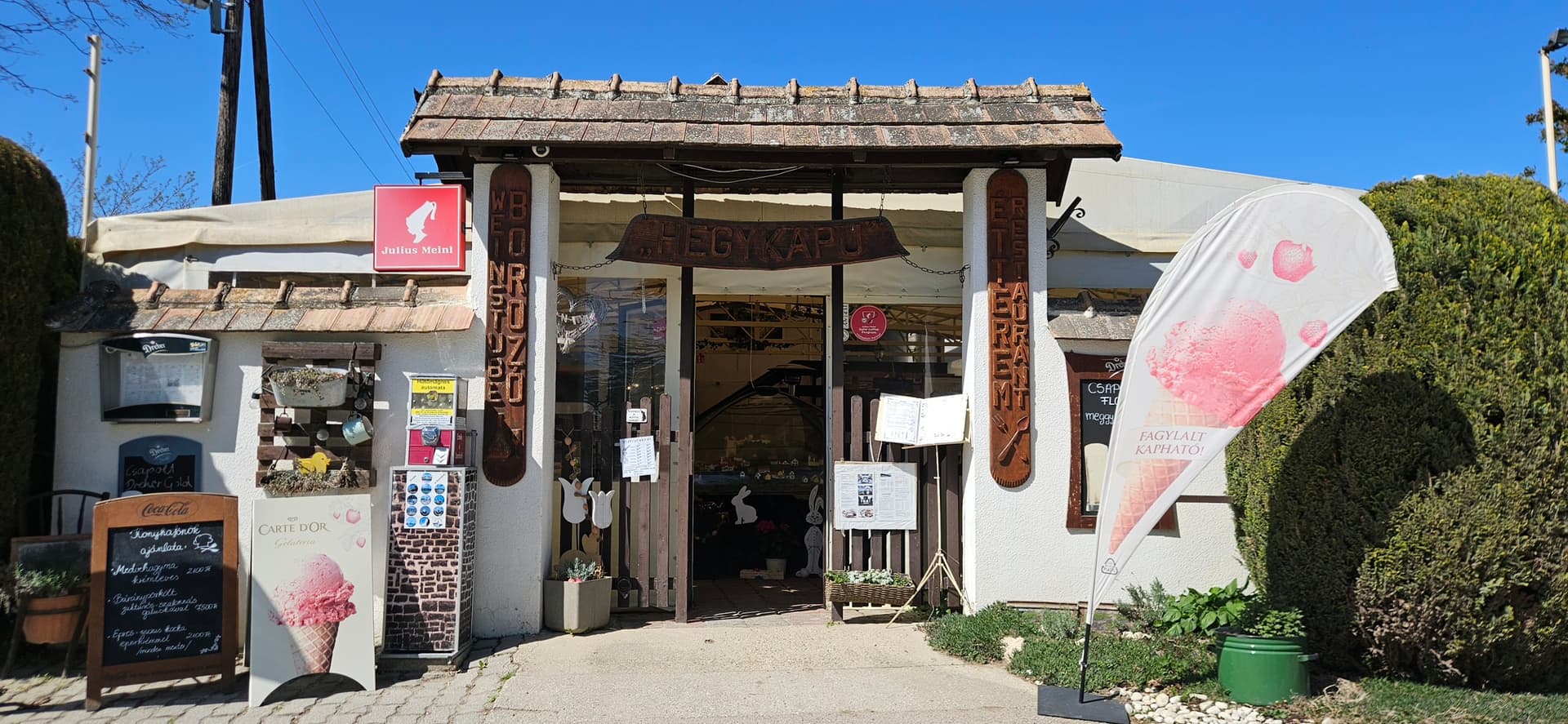
From Fekete we drove down the Somló hill to the Hegykapu restaurant - a place Fekete’s Gabór Riesz suggested when we asked for recommendations for eating something local.


And locally we ate. You can never go wrong with a good serving of proper pörkölt and nokedli!


After our lunch we went to check out the local wine shop. We used to order stuff from their webshop back in the day, but they ceased to deliver stuff to Finland at some point, so we haven’t stocked up on any Somlói wines for a while. When we asked why they don’t deliver Finland anymore, their answer was quite short: we do now! Well, that was a positive surprise!


Some views downhill from the wine shop.


Some views uphill from the wine shop. You can see some impressively massive basalt columns almost everywhere on the top of the Somló hill.

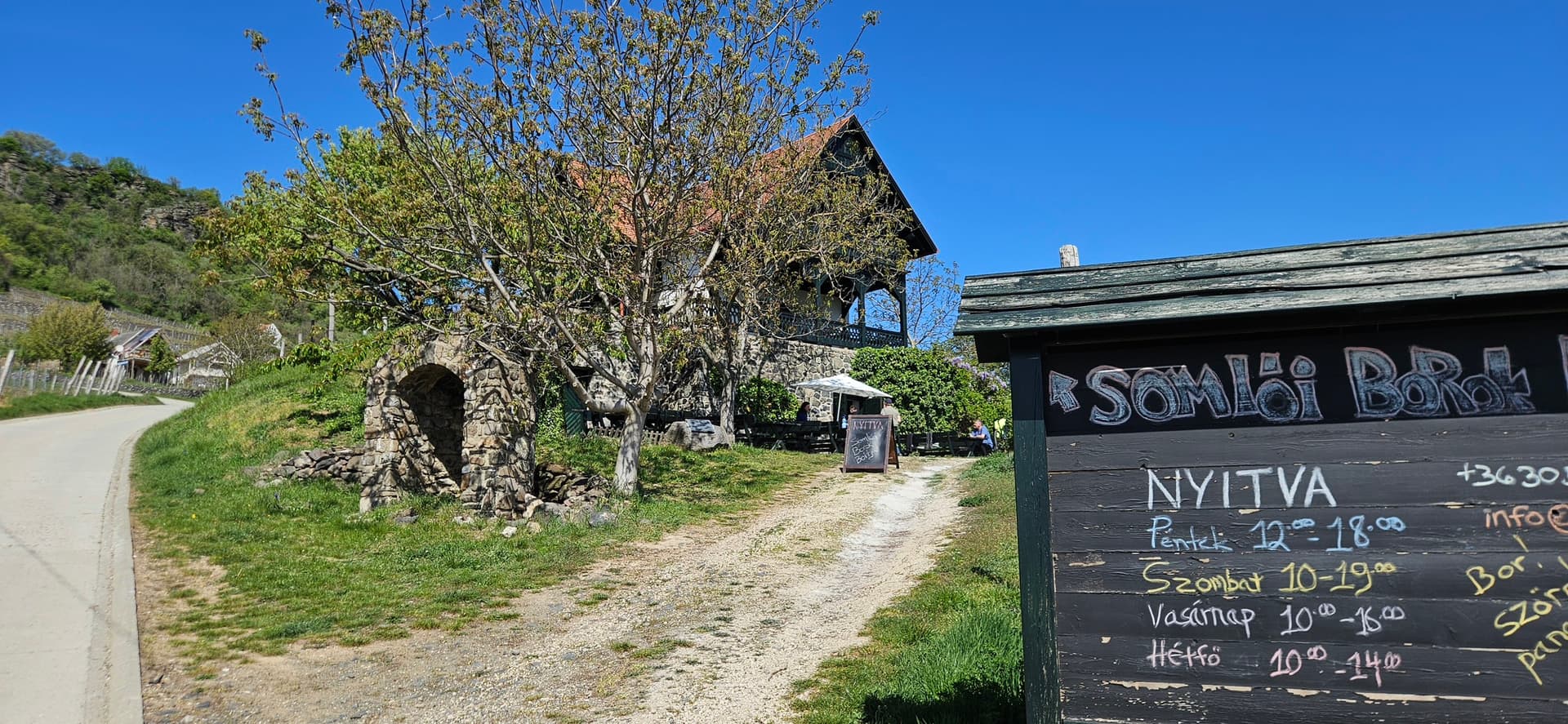
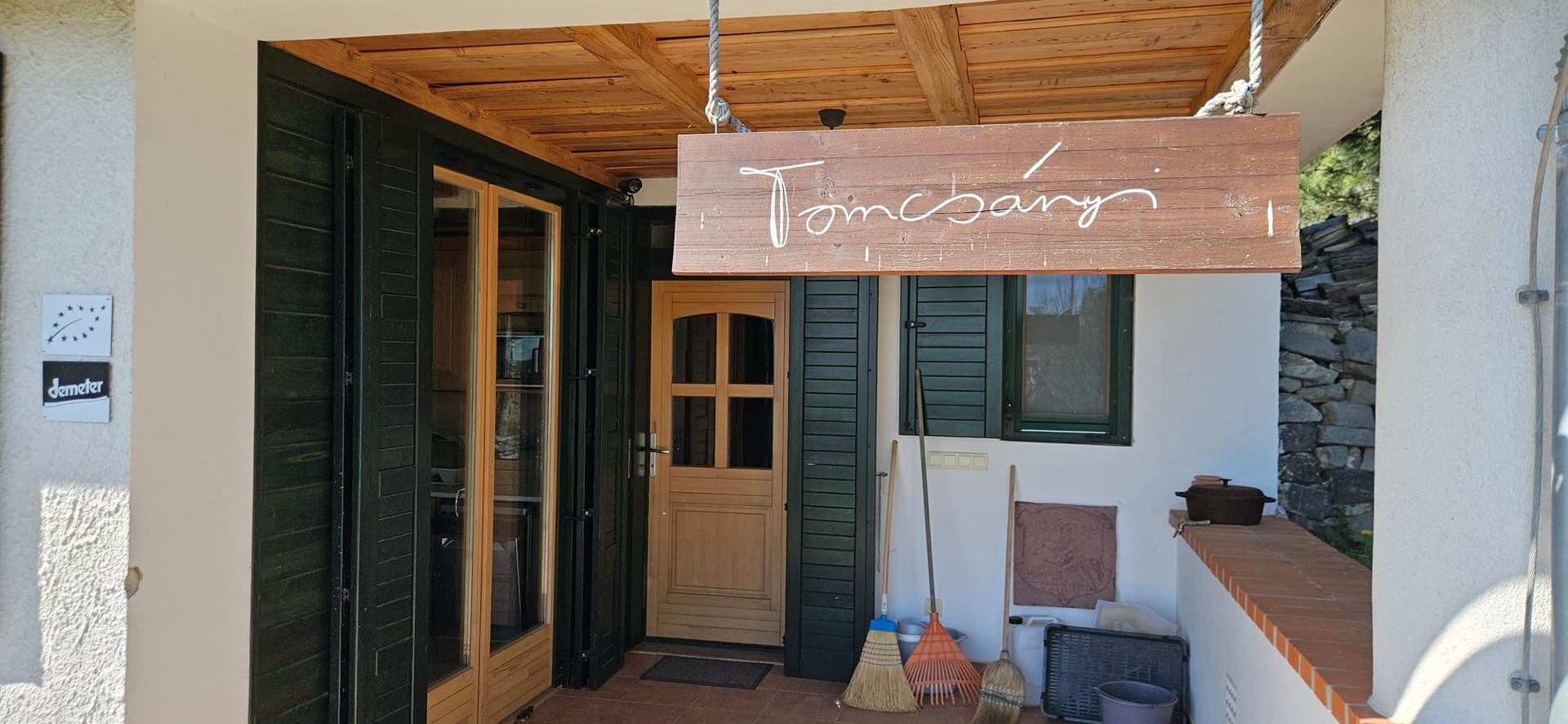
After the quick visit to the shop, we loft for the final winery visit of our trip: Gabór Riesz had scheduled a visit for us with his winemaker friend, Árpád Tomcsányi.


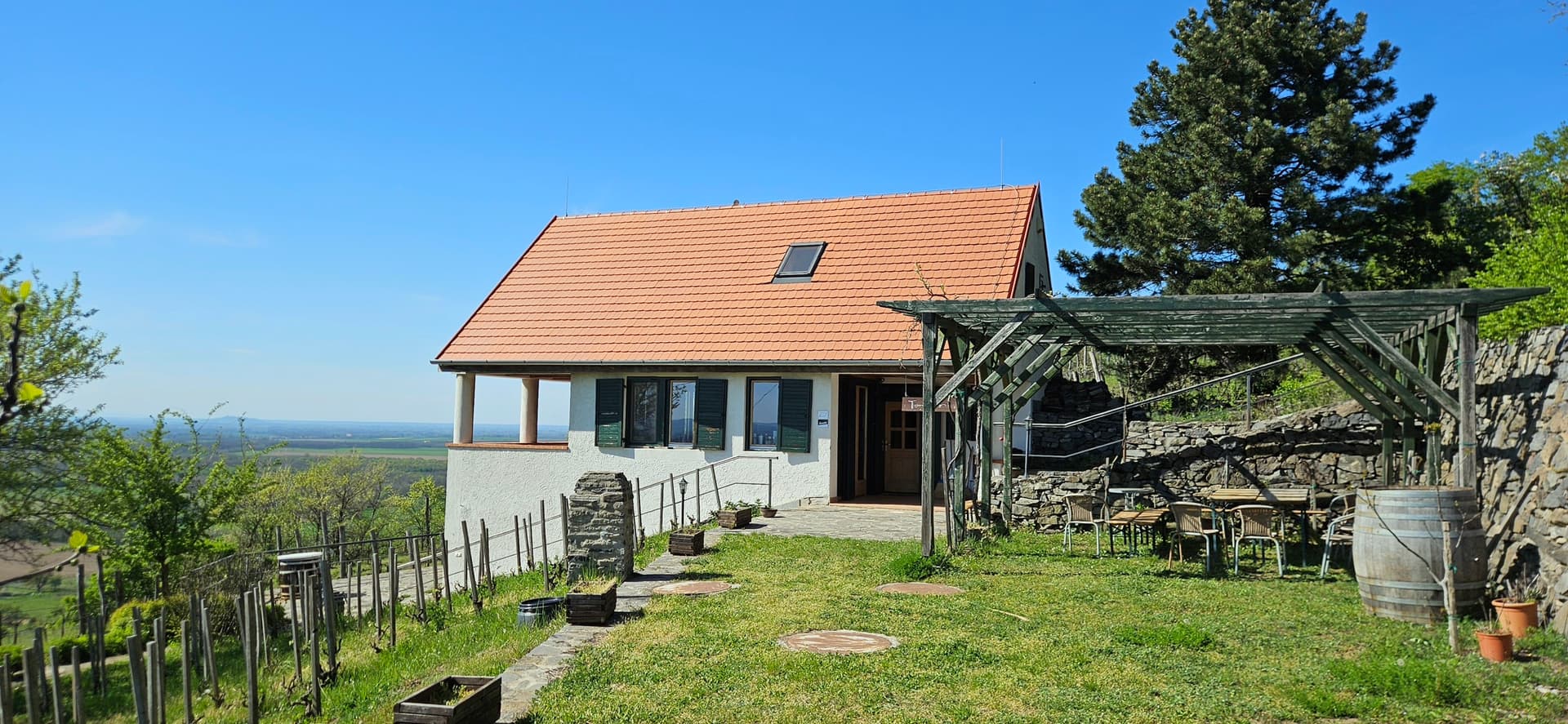
Here we are!

However, apparently nobody was there at the winery. Riesz had never said anything where we should go, and we didn’t have a direct contact with Tomcsányi. I tried messaging Riesz, but he was busy hosting other visitors at the winery, so he didn’t see my messages until later that day.


Nobody is home.


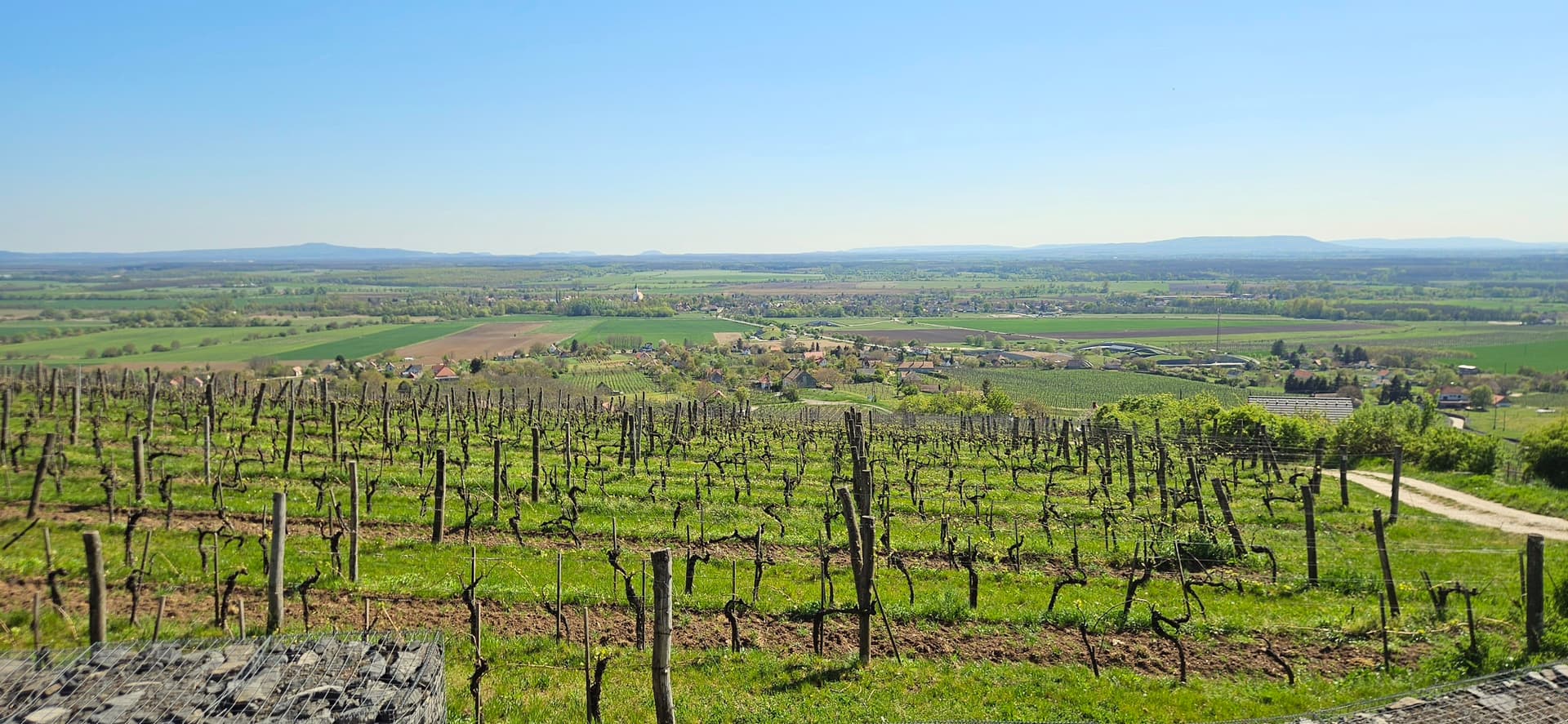
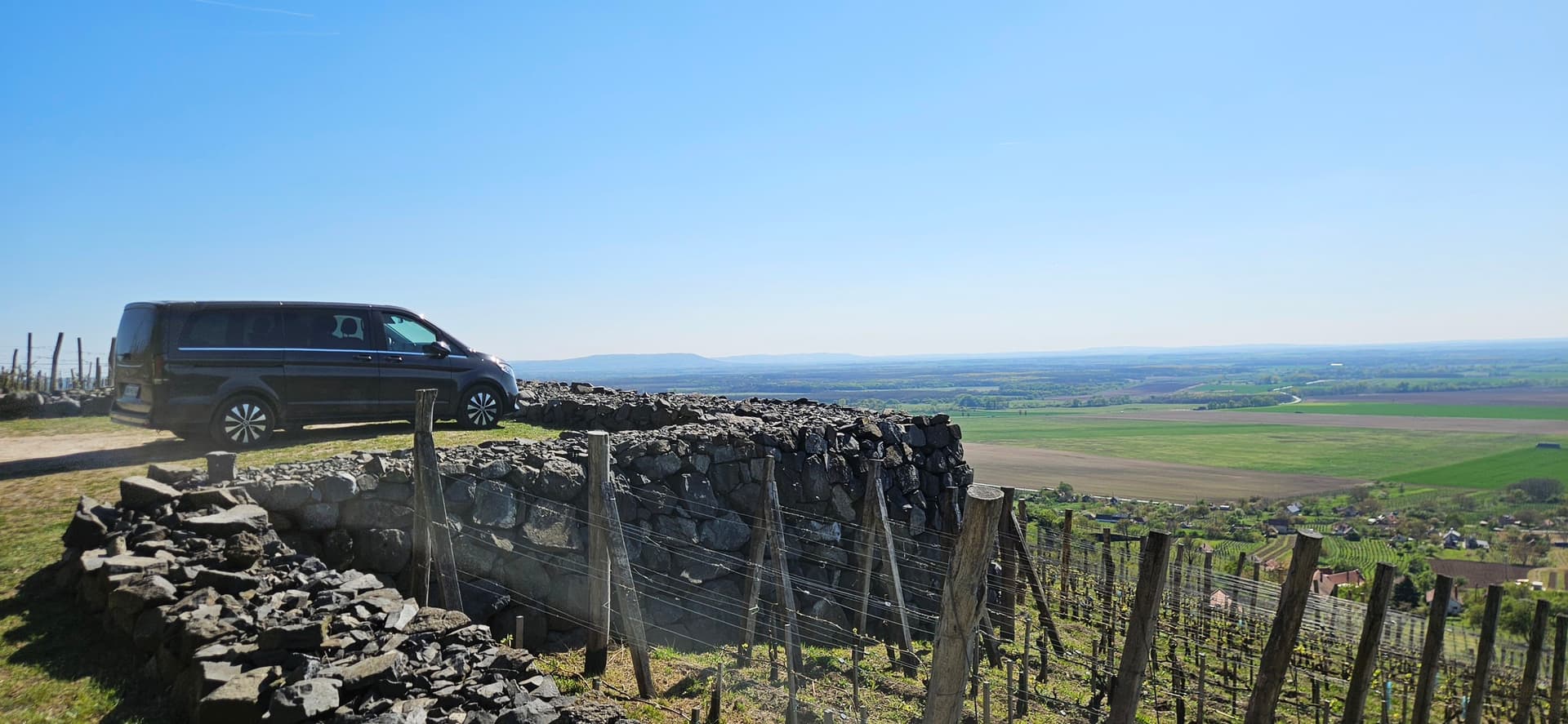
The views from up here, however, were quite stunning!

We hanged around for a bit, and even went to check out the building a few hundred meters downhill from the building, but we couldn’t find anybody. After waiting for some time, we decided that maybe it should be best to return to Vienna as we still had to return our rental cars and pack all the wines we had bought on our trip as we had an early flight back home next morning.

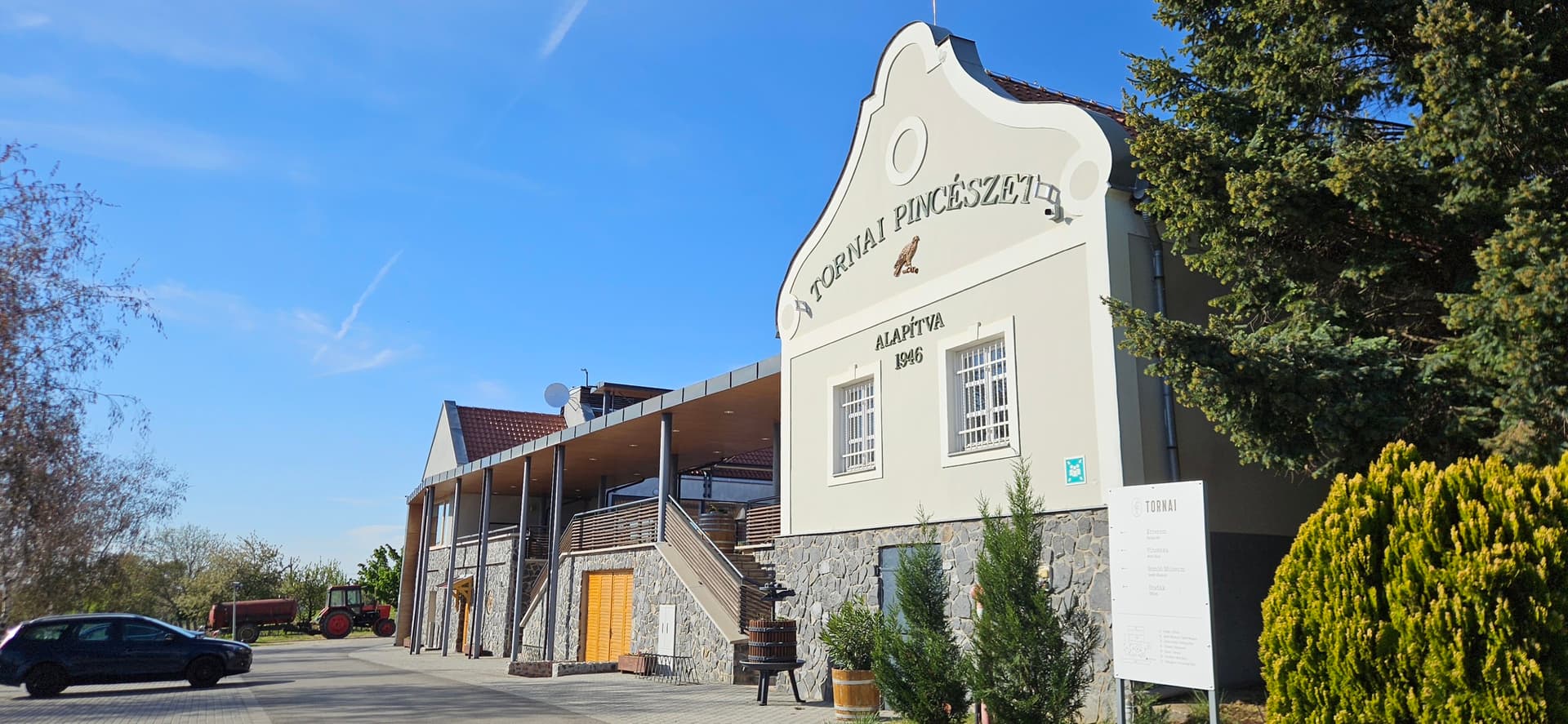
However, as soon as we had managed to drive down the hill and started on the highway towards Vienna, we noticed that we drove past Tornai Pincészet, one of the biggest wineries in Somló (at 19 hectares / 47 acres it’s still not a particularly big one, mind you). After a few seconds of intense in-car negotiations we pulled over, made a 180° turn and went to check out how things were looking at Tornai!


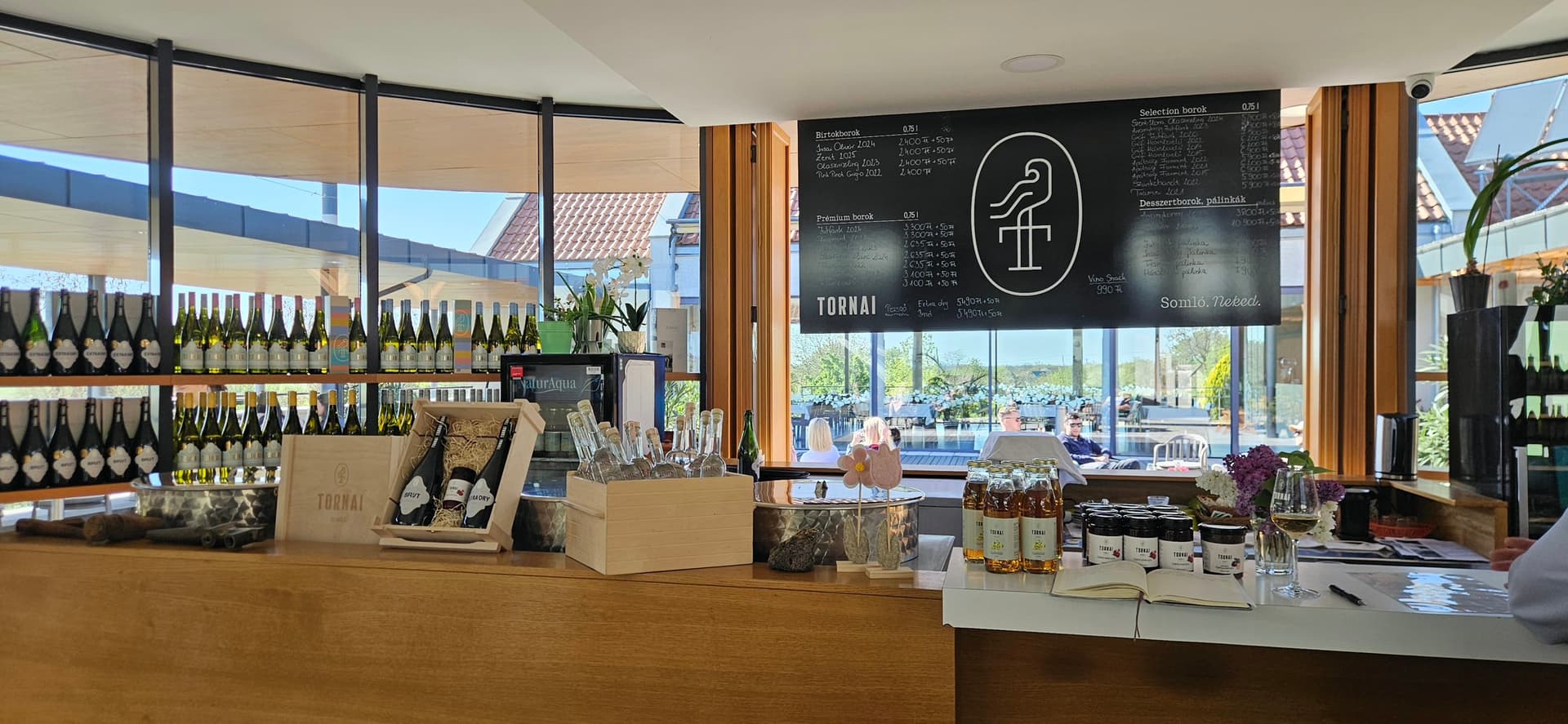
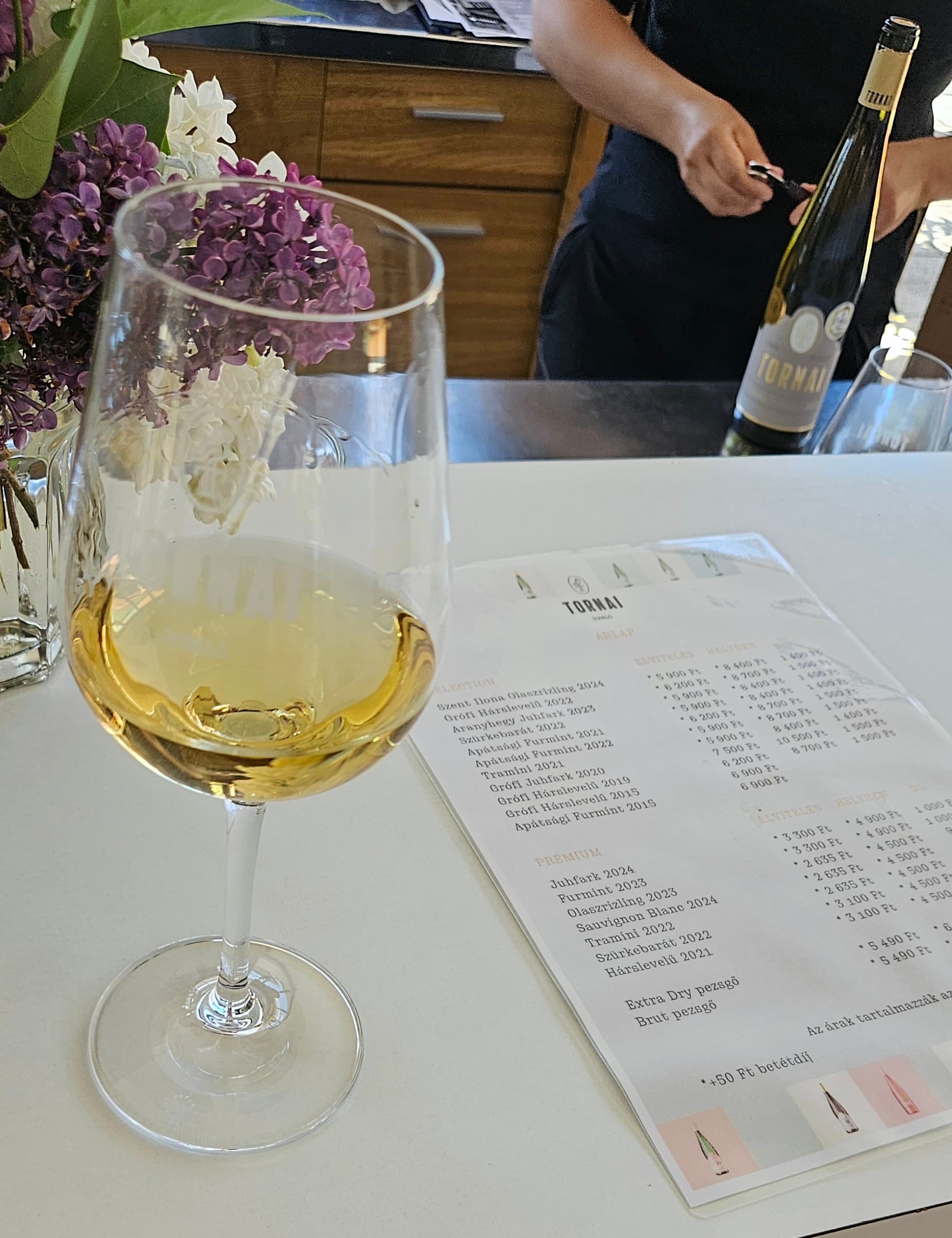
So, technically our last visit on the trip was at Tornai. It wasn’t a proper or planned visit, but we nevertheless stopped for a glass of wine in their wine bar/shop and bought some souvenir bottles – to help us remember this ad-hoc visit!

  • 2020 Tornai Juhfark Nagy-Somló Top Selection Grófi - Hungary, Balaton, Nagy-Somló (18.4.2026)
    Top Selection Grófi Juhfark is Tornai's flagship Juhfark wine made with fruit sourced only from their best Juhfark plot, Grófi, and produced in minuscule quantities. The grapes are harvested as late as the end of October and the wine is aged for more than a year in 500-liter oak barrels. 12,7% alcohol, 1,2 g/l of residual sugar and 4,6 g/l of acidity.

    Intense, medium-deep neon yellow-green color. The nose feels rich and rather tropical with aromas of honey and ripe nectarines, some creamy oak tones, a little bit of poached pear or apple jam, light nutty notes of slivered almonds, oaky hints of vanilla and caramel, a touch of butter and a whiff of floral spice. The wine feels concentrated, chewy and vibrant on the palate with a full body and rich flavors of ripe Golden Delicious apples and nectarines, some creamy oak tones, a little bit of vanilla, light salty liquorice nuances, mineral hints of wet rocks and salinity and a touch of sweet spices. The medium-to-moderately high acidity keeps the overall feel somehow in balance, but the wine could use a bit more zip and freshness. The finish is rich, long and slightly viscous with a rather powerful aftertaste of peachy stone fruits and fresh nectarine, some creamy oak tones, a little bit of apple jam, light stony mineral notes, a hint of vanilla and a touch of salty liquorice.

    A rich, bold and still quite glossy Juhfark that is quite impressive, but lacking the freshness, focus and drive this label can show in best vintages. At the moment the wine feels a bit too ripe and oak-heavy, even if the wine isn't young anymore at 5½ years of age. However, this wine can often age wonderfully at least a decade longer, so perhaps letting the wine age for another 5 years or so might make it come together better. I'm happy this vintage was surprisingly modest in alcohol - some vintages can easily clock in at above 14,5% ABV - but I wished it would've shown a bit more acidity. The wine shows promise, but only time will tell how this will turn out in the long run. Priced according to its quality at 7500 HUF (approx. 21,50€).
    (91 points)

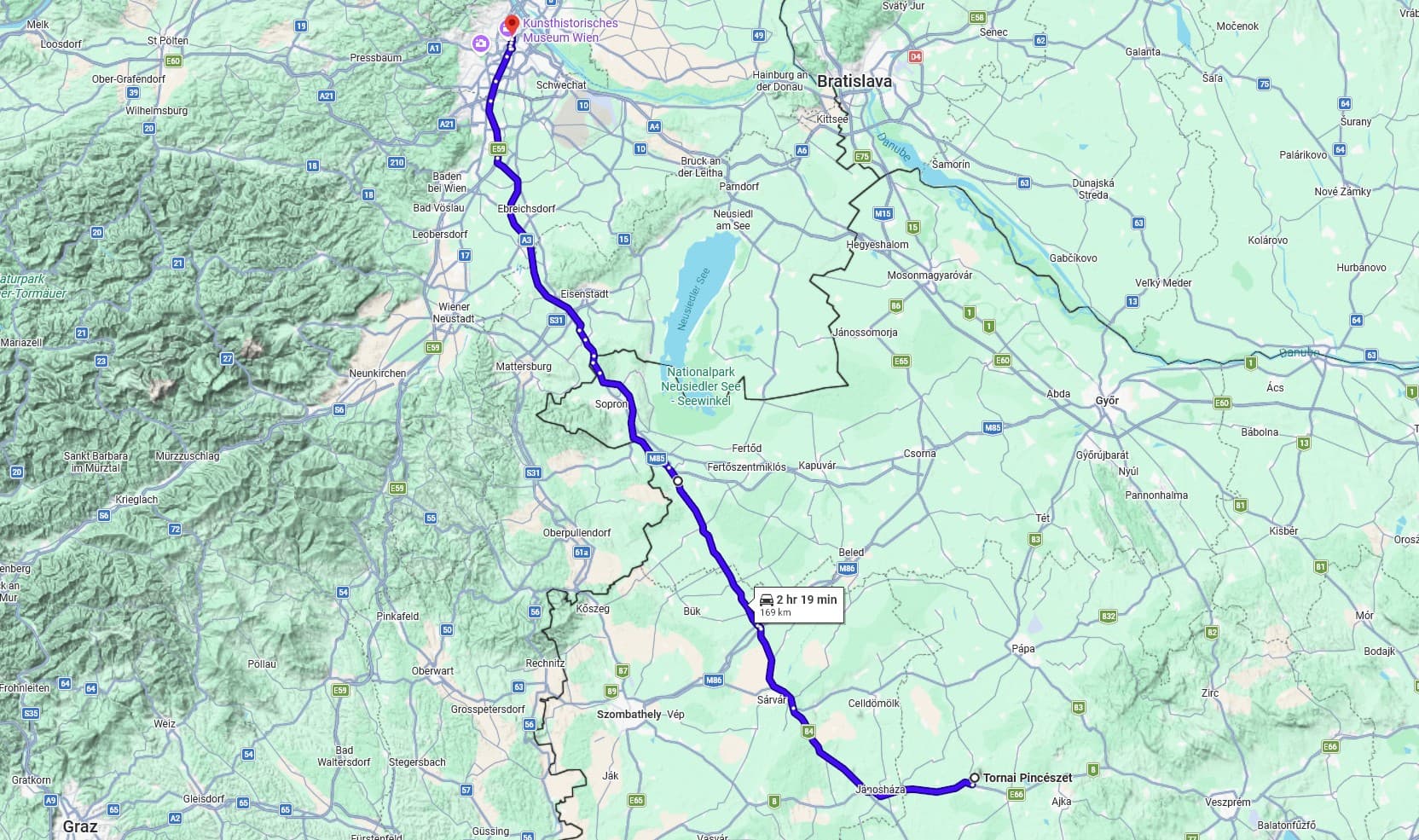
Alright, now it was time to get back on the road and return to Vienna!

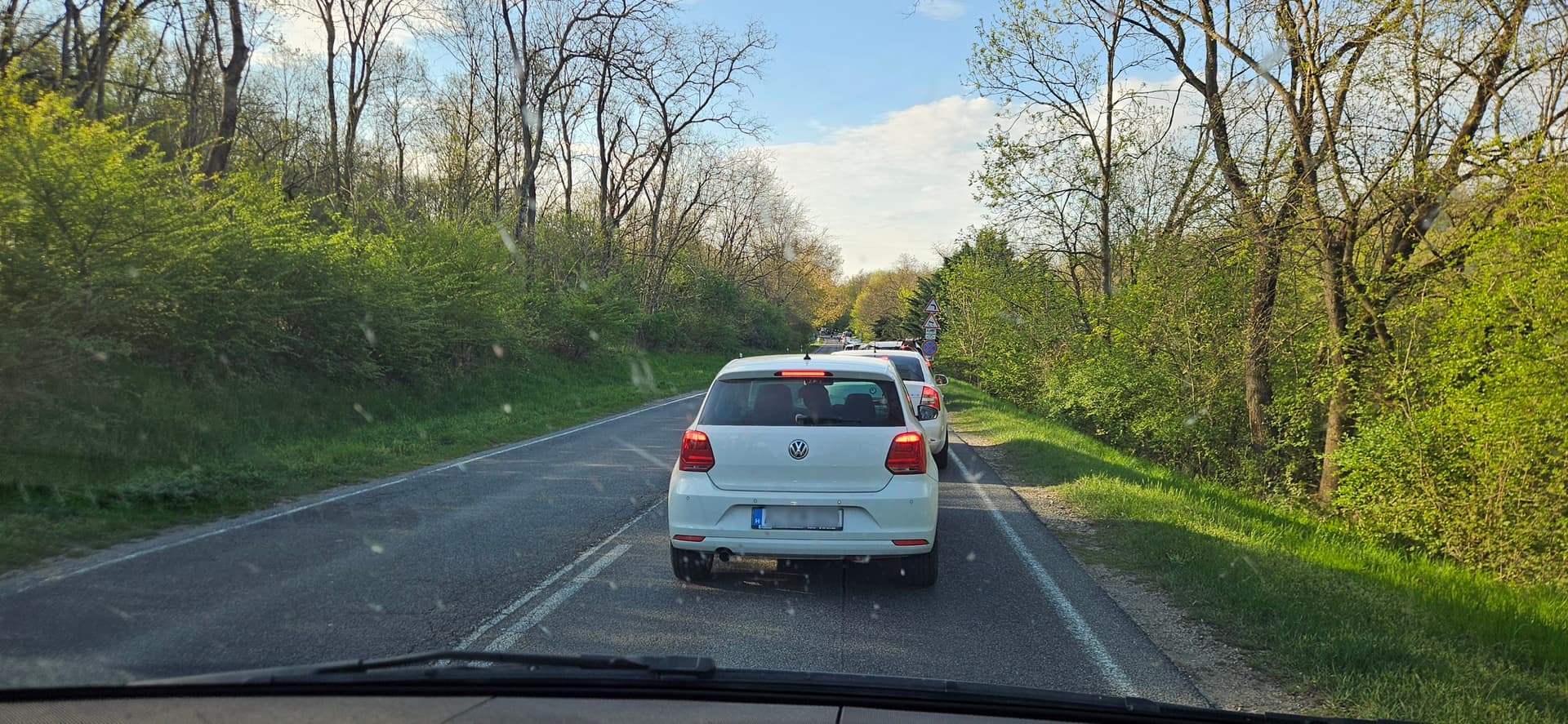
A little bit before the border city of Sopron our progress ground to a halt: there was a traffic accident and there was an endless line of cars waiting for the road to open up.


After waiting for a little while without any results, we decided to turn around and find an alternative route through the tiny village roads as we had only a few hours left before we had to return our car - and Vienna was still some ways off, as we were still on the Hungary side of the border!

However, this was the only delay we had - well, apart from one case of eternally red traffic lights that never turned green for us! Nevertheless, we managed to arrive in Vienna safely and in time! After we had returned our rental cars, checked in to the hotel and packed the wines, we went to the local tavern for supper and the final beers of the trip.


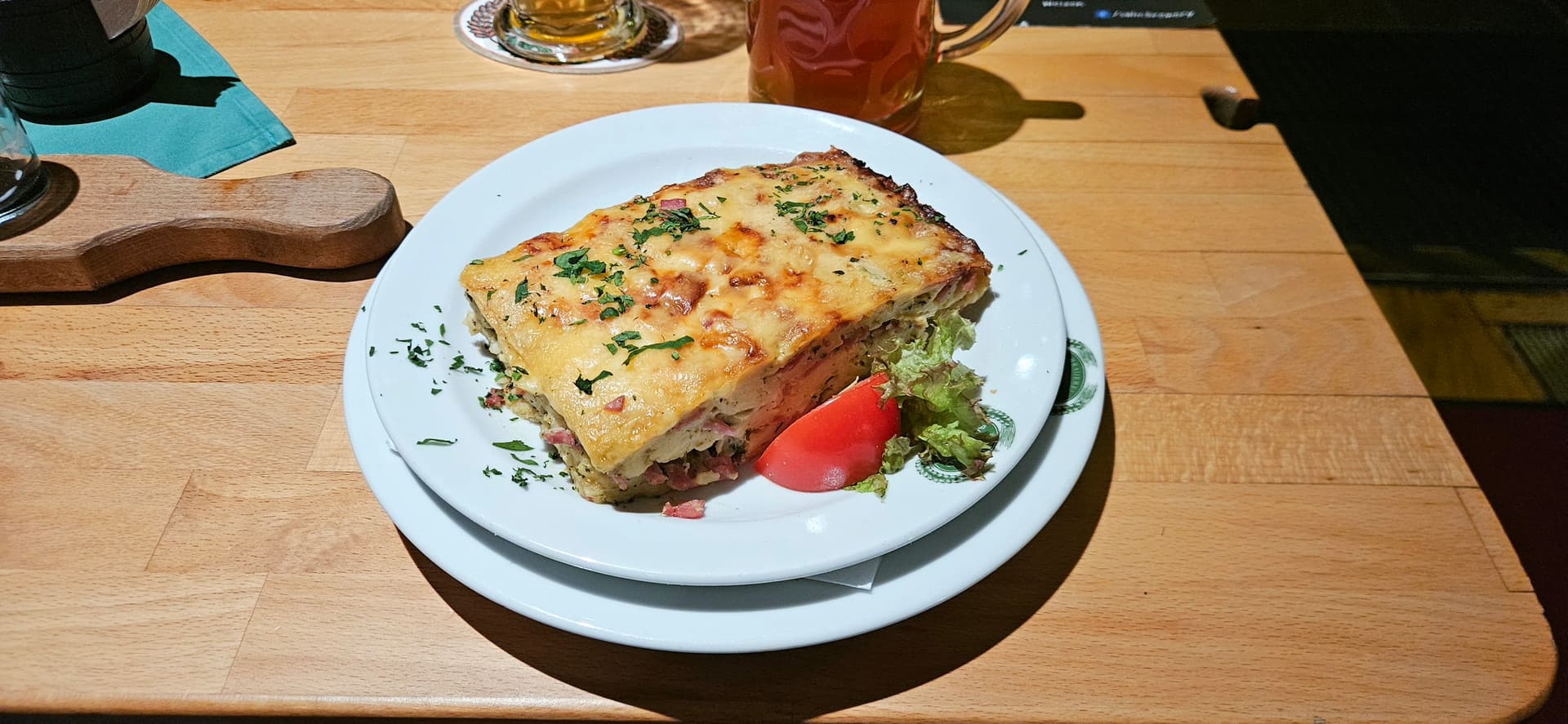
I opted for a classic schinkenfleckerl.

Day 8

Our program for this day was pretty straightforward: wake up, rendezvous at the hotel lobby, check out, take the train to the airport, eat breakfast at the airport lounge, board the plane, fly back home.

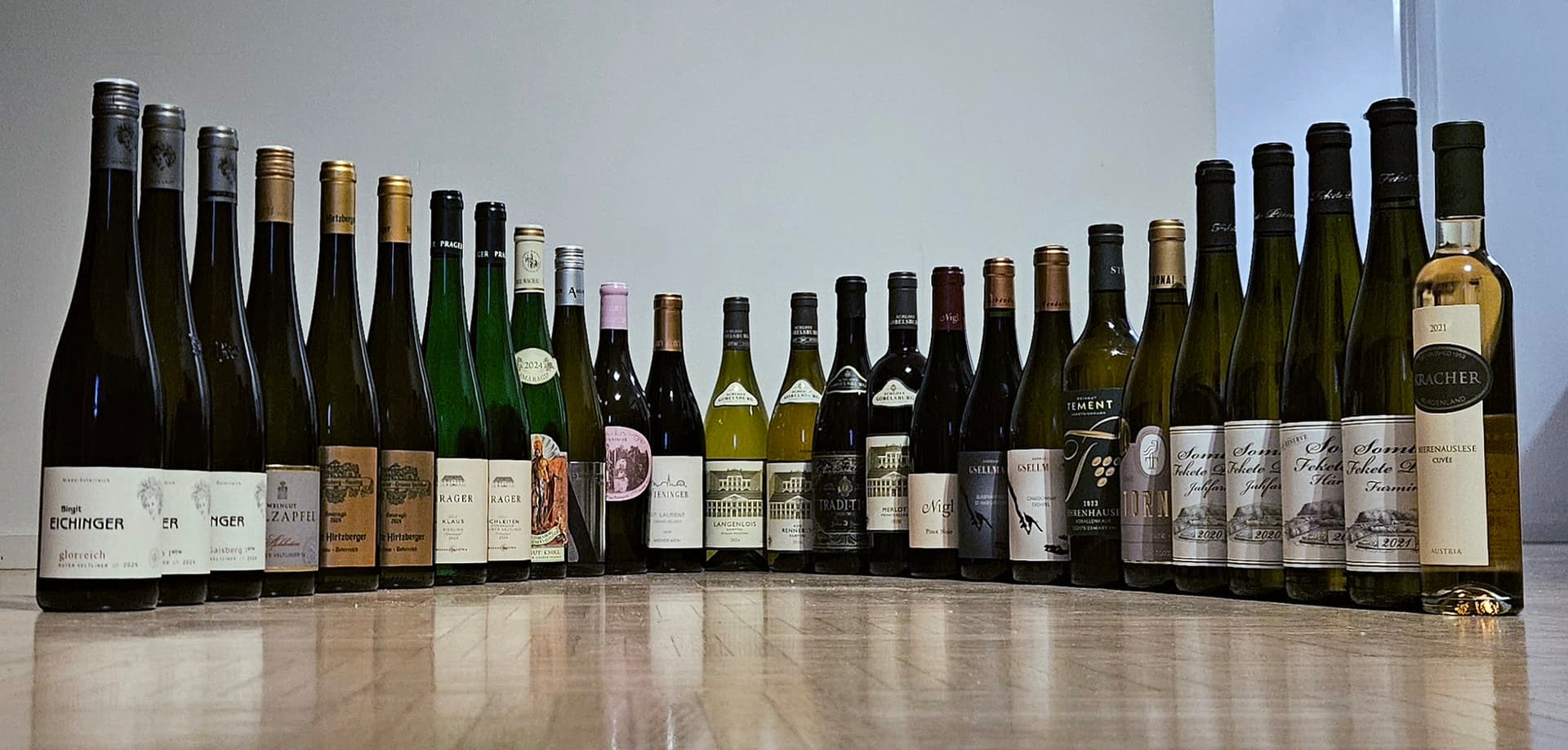
As a closure, here is the mandatory photo of the souvenirs that made their way to Finland with me - note that the photo is missing all the stuff we had delivered from the producers who were happy to deliver for private clients, as those bottles were still on their way when I was taking this picture!

Hopefully all of you who followed this thread have been happy with the reporting! At +200 tasting notes and 15-ish winery visits, it wasn’t a quick task to write all this down! I mean, the whole thing took me about half a year. :sweat_smile: Anyways, the next travelogue is already right behind the corner! See you there next.
12 Likes

Otto, was the Tement difficult to find or source in wine shops while you were in Austria or were they relatively common in wine shops while you were driving around wine country?

That bottle I snatched off the shelf at the Vienna airport! They had a small section of just Tement wines there.

We visited only a few wine shops on our trip, but I think Tement was represented in both. Hard to make sweeping generalizations from that, but at least based on these experiences it was quite well-represented.

Wein & Co, a seemingly popular chain of wine stores in Austria (I’ve been to a couple in Vienna and one in Innsbruck) sells Tement’s wines, as do a couple of other stores I’ve been to in Vienna. As such I think the availability is rather good.

I am in need of stocking up on Grüner Veltliner again and ordered four bottles of Schloss Gobelsburg 2023 Renner inspired by your review Otto!

I avoid the big, ripe GVs as well as the lighter wines. We drink it mostly with classic traditional Austrian schnitzel und kartoffelsalat and roast turkey (dependant upon seasoning of the bird and the side dishes).