i would argue that natural wine will lead to a much larger conversion of lifelong wine drinkers than the previous entry points which are things like franzia boxes, andré and bartles & james. the foundations of wine appreciation are all present in the natural wine scene.
i would also argue that young(er) people drinking natural wine while hanging out and spending time at bars is actually awesome and way better than pounding beers or jack & coke. i wish natural wine had been popular when i was getting into wine because ZERO of my friends had any interest in wine until they hit their mid-30’s
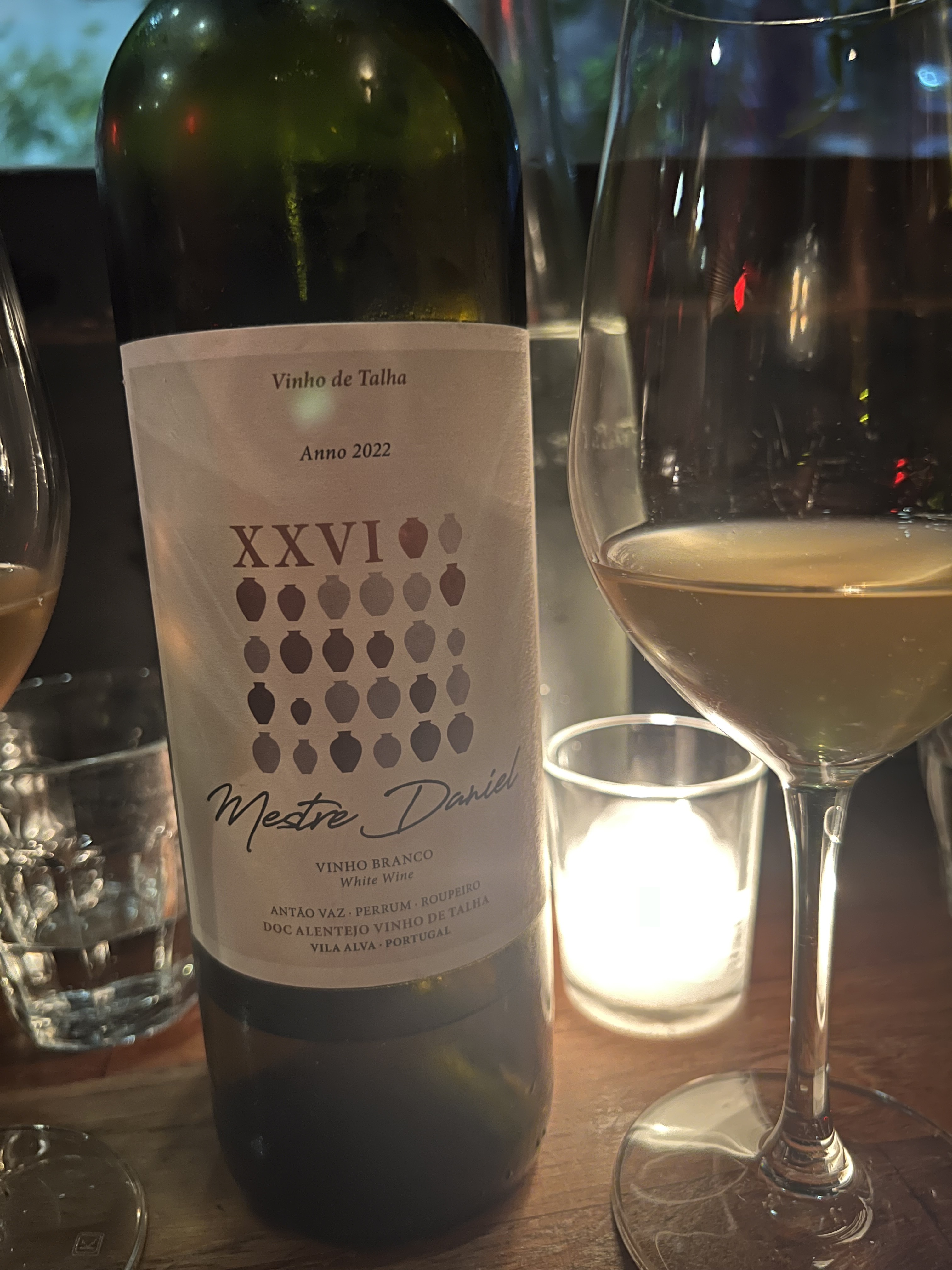
My wife and I were gifted glasses of a natural wine this past weekend while eating out. Something from Portugal. It tasted like tea. If the wine maker was going for that, bravo. While I very much appreciated the gift from our wonderful server, this wine (and natural wines in general) was not my cup of tea.
Of course there are negatives to this. However there are many positives. I did an IG post about German Chardonnay and for the first time ever I said I would be discussing this on wineberserkers. I know my post generated a considerable amount of interest and I noticed a few posters here who came because of the IG post that had never posted before that I would bet a lot of money are well below the average or median age here! That is a good thing on multiple levels.
I think unpredictability is part of the problem; it can also be frustrating that some natural wine fans argue that what you and I perceive as a flaw is a “different taste profile”. I agree with you that dismissing most natural wine as “bad” is a mistake, it all depends on definitions - which takes us back to marketing and aesthetics.
I also think natural wine consumers (the ones who are true believers) are more didactic and ideological than the producers, which creates a rather unusual dichotomy; French producers making vins de soif are not doing it to make an ideological statement in Brooklyn
Put me down as from an older generation whinging about the latest trend. Except that I have tasted the wines extensively, both press and with groups.
I’m afraid that I have tasted many natural bad wines, and have yet to find any I would buy. There have been one or two that I have finished a glass, but far more that I have not been able to get past the nose. I am wary if it is labeled natural, and don’t understand why it’s so difficult to make a clean wine let alone a good one.
If that is the trend, and that is what young ‘uns are drinking, and are getting used to, God help us.
The champions of natural wine like to generalize based on a limited subset too. And, to be clear, the “natural wine” being discussed here (at least if you are going off of the original post) is a stylized one based on hipster gatekeeping.
Sure. Those people are also very annoying. I had plenty of discussions with those types here in Copenhagen, trust me
But they are not well represented on this board. Hence my post.
There are good and bad examples in all genres. Most of the time it is just very subjective.
I’ve build most of my cellar around “low intervention” wines, because I like them. But I don’t claim all wines from the US are bad because I didn’t like most of the wines I tasted from the US.
I guess thats the scale we are talking about when people claim natural wine are bad? (Maybe a bit over the top, but there are so many natural wine producers around the world these days)
I think, you have, to a large extent, answered your own question. I’m friends with a number of people who drink natural wine exclusively and many of the explanations I’ve heard from them for drinking, say, orange Mexican pet nat are…just not coherent; but it’s cool. But I no more look down on them for doing it than I do on people drinking buttery Chardonnay; the only rule of wine is “drink what you like”. But it’s also mostly marketing and aesthetics - which you can also tell from the article being quoted here - very little the consumers said to the author has much to do with what the wine tastes like.
It reminds me of my favorite natural wine moment when a former natural wine drinking colleague informed me that he preferred to drink amphorae fermented wine because “that’s how wine was originally matured”. Which, lol.
This forum also teems with posts about rich people just drinking labels. I think the natty kidz and the rich label drinkers can weather a bit of derision.
Genuine question - what do you think the wine world can learn from it? I think the lessons from natural wine are inherently limited because it’s by design an outsider aesthetic.
This is a common elision though. “Low intervention” is not the same as “natural”. Most good producers in Burgundy practice low intervention winemaking. But they are very much not natural winemakers. So my cellar is also quite full of low intervention wines, but I suspect our cellars are quite different!
I know. But I don’t know where the SO2 limit are for people when it comes to the term. So never sure when to use it.
I think a bigger reason for a difference in our cellars are economy to be honest. As an example then I certainly like wines from Burgundy, but from a cost perspective they make no sense to me.
Well this is too long to post on a wine board. Justin Chearno (RIP) was asked in an interview regarding my Rieslingstudy events why German wine is a tough sell. He said it is not romantic. What people love about French, Italian and Spanish natural wines are that they can learn about all of these romanticesque vignerons who probably look cool, have an interesting story show up to wine fairs etc. Younger people can buy into that. I have thought so much about what Justin said and he was so right. I always think of Andreas Calek one of the early punk rock winemakers who lived in a trailer in the middle of the vineyard. A certain type of person can identify with this. Or even someone like Ulli Stein, Ketan Mody or Phillip Pacalet. No one cares about a Billionaire who owns a vanity Napa Vineyard selling wine for $350+ We have certainly used these learning to sell German wine, simply telling the stories, showing the vignerons and providing context. It is real and authentic, not just marketing bullshit.
p.s. @Greg_K this same sentiment was how burgundy became so popular over Bordeaux. At least that was my impressions in the early 2000s. I will never forget going on the Wasserman Symposium and seeing all of these farmers and in small humble domains!
excellent post and explanation! I experience this all the time with talented and dedicated beverage professionals here (at restaurants and retail), telling these compelling stories.
and this was the exact subject and thesis of Eunice Fried’s excellent book back in 1986 (Burgundy: The Country, the Wines, the People). Highly recommended for those interested in the modern history of Becky bringing these Burgundians to the greater market.