This may have been mentioned before (or well-known anyway) but, if not, early March falls within Japanese plum (“ume”) blossom season (about February to mid-March, depending on the area and year).
Though totally overshadowed by cherry blossoms that follow in a few weeks, plum blossoms are more durable and just as beautiful. They are an important cultural touchstone as the harbinger of spring, and also as the source of pickled plums (“umeboshi”), an essential ingredient in Japanese cuisine.
Plum trees are not nearly as ubiquitous as cherry trees in Japan, but some parks and gardens set aside a section for them, often designated as “Plum Grove” and with a mix of early to late-blooming varieties for an extended viewing window. Here is a handy guide for the best viewing spots in Tokyo, Kyoto, and Osaka.
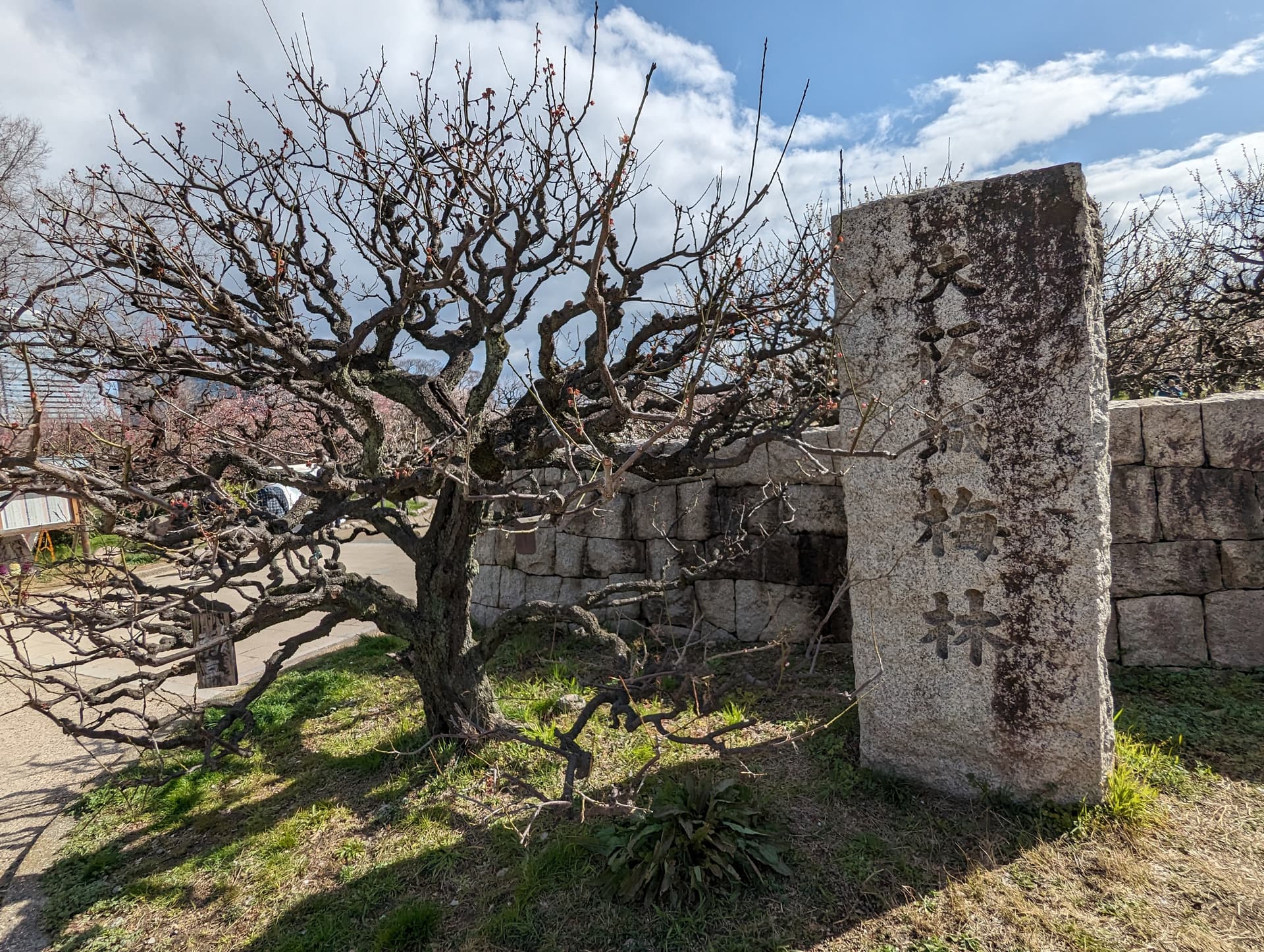
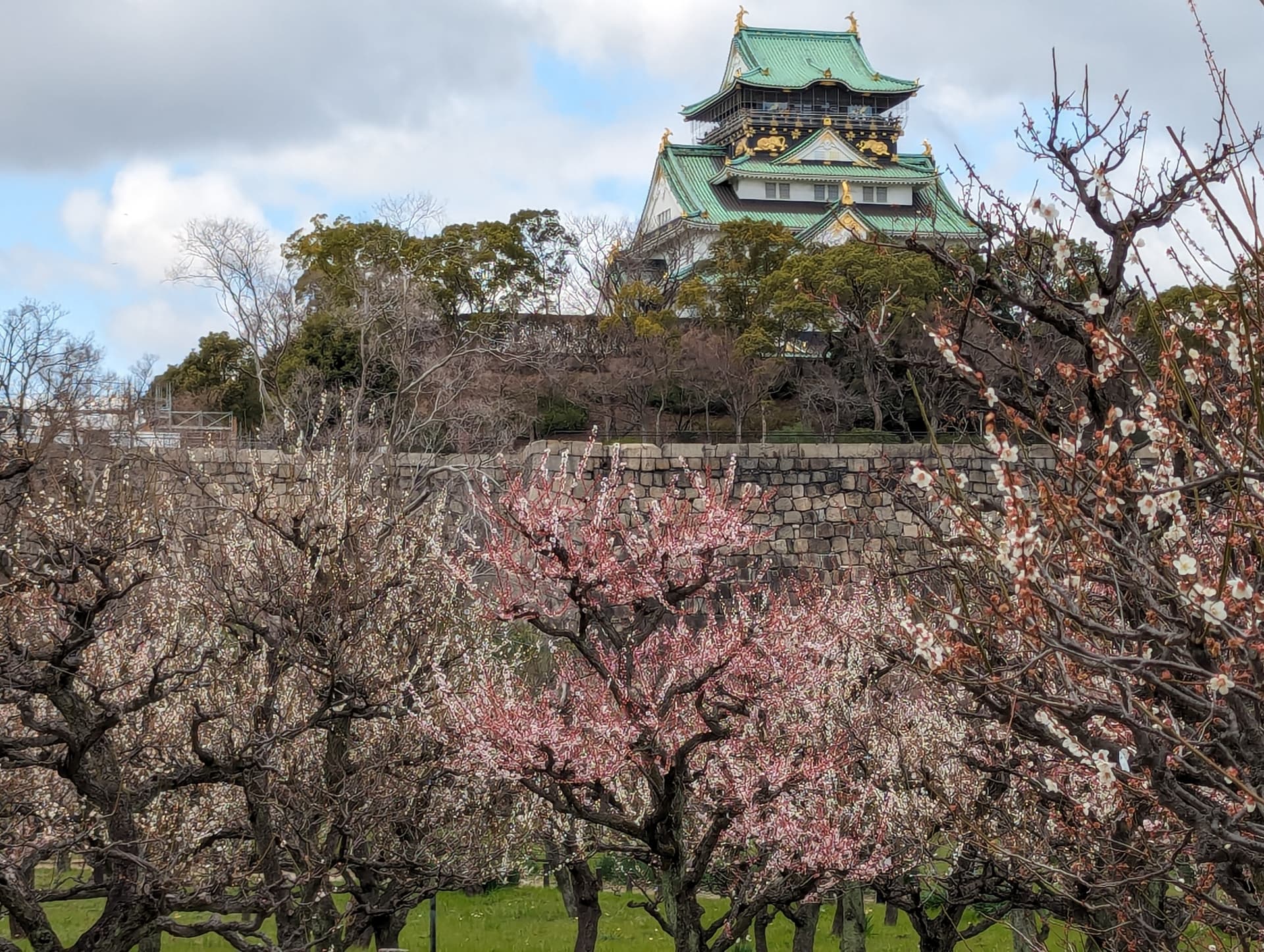
Some pics from Osaka Castle Plum Grove in early March:

SIDE NOTE: Plum, with its strong association with Japanese cuisine, is sometimes used as the name of one of three set menus at traditional Japanese restaurants. Pine tree (“matsu” or松) is the highest, most expensive set menu on offer, while bamboo (“take” or竹) is the mid-level, and plum (“ume” or梅) is the baseline. You may see this in sushi places, kaiseki restaurants, and the like.