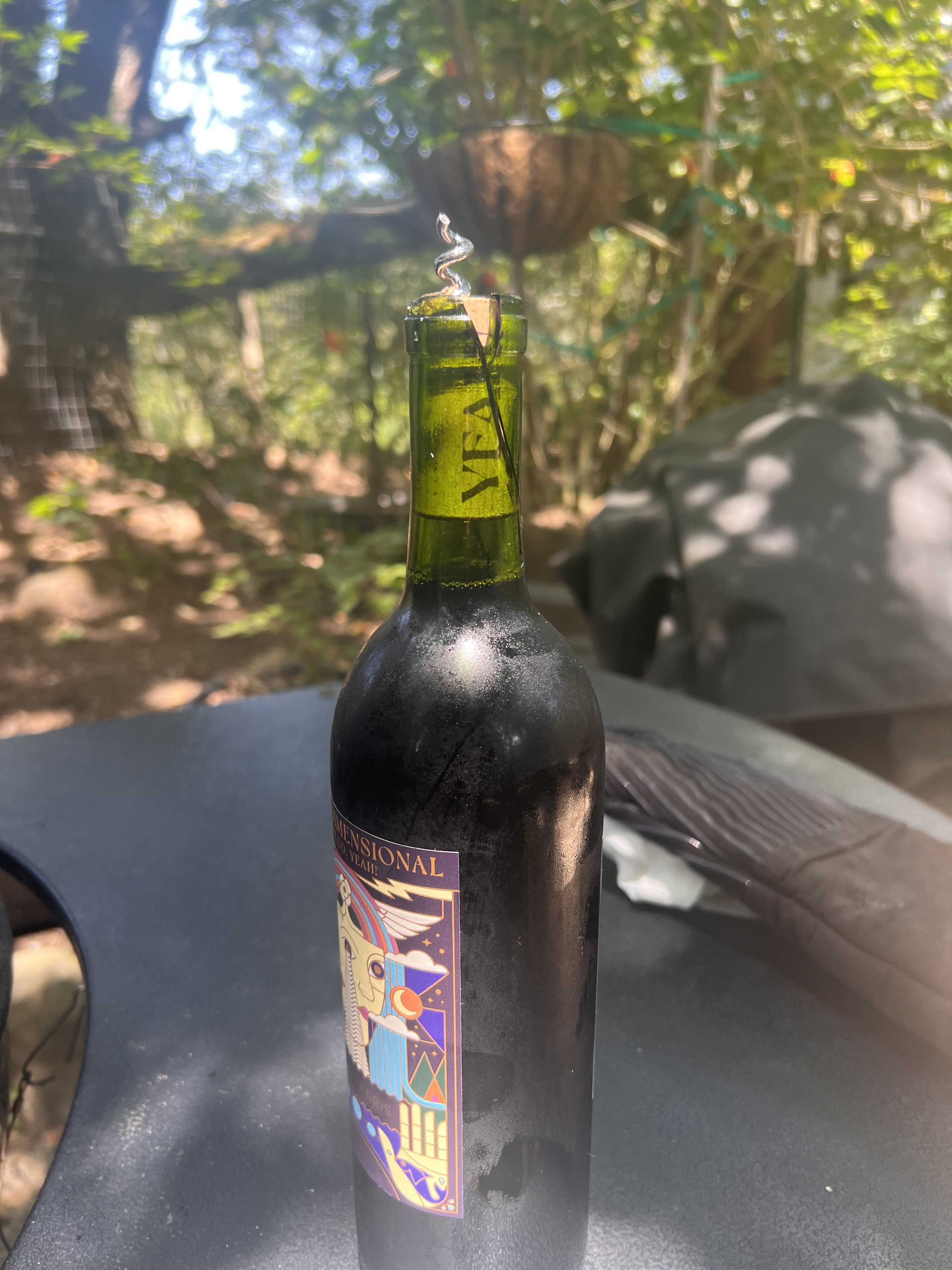
I’ve been buying and generally loving every single bottle of Sandlands I’ve drunk. And then there are the 1/6th of bottles that are way advanced compared to the others.
Most recently this was the 2020 Amador Chenin Blanc and the 2018 Contra Costa Carignane. Most bottles have been super fresh and awesome. Then there is a tired and oxidized Carignane and a cidery bruised apple Chenin.
The disparity between the good and not good bottles is so much more than other producers bottle variation.
I’m over cork. While I haven’t had the same issues with Sandlands I do appreciate more modern closures. That said, you can also have spoilage that has nothing to do with the cork.
I also feel that the Sandlands lineup would benefit from a more modern screwcap or similar system. I don’t age their wines.
I’ve purchased Sandlands wines since day 1, 10 cases to be exact and I have 63 bottles remaining. Of the 57 I’ve opened I have had 1 corked wine. Tegan saw my note and offered a replacement.
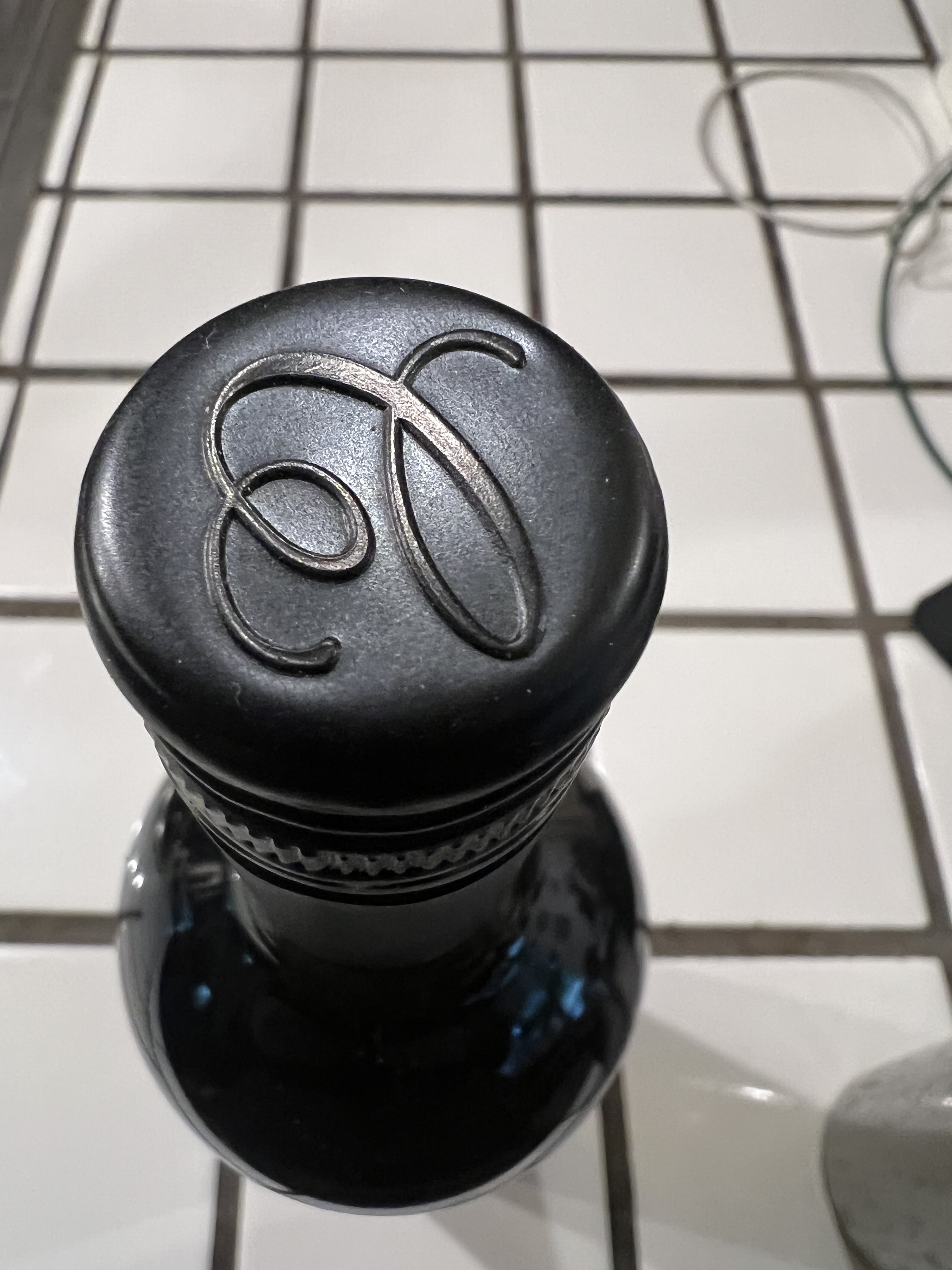
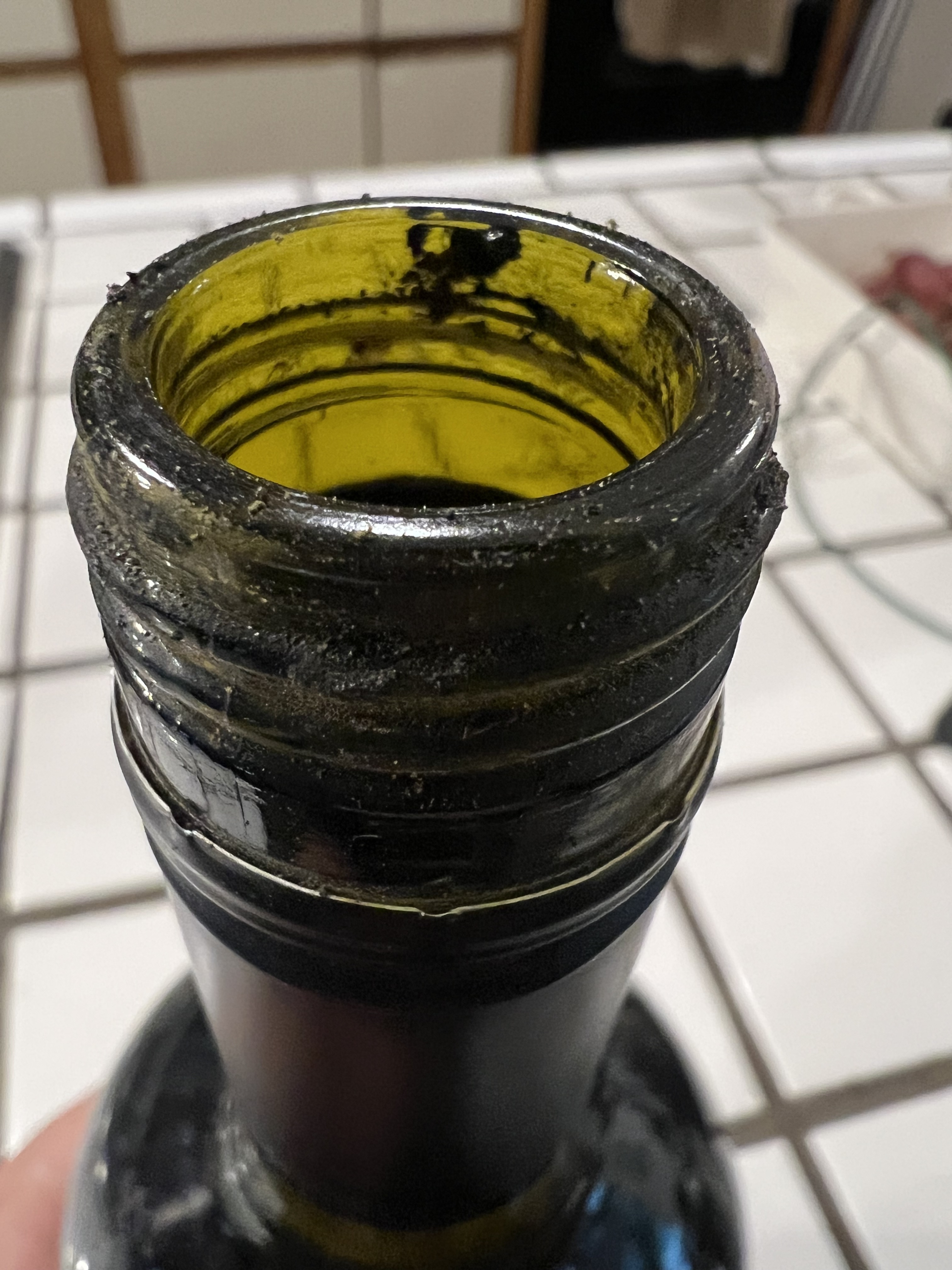
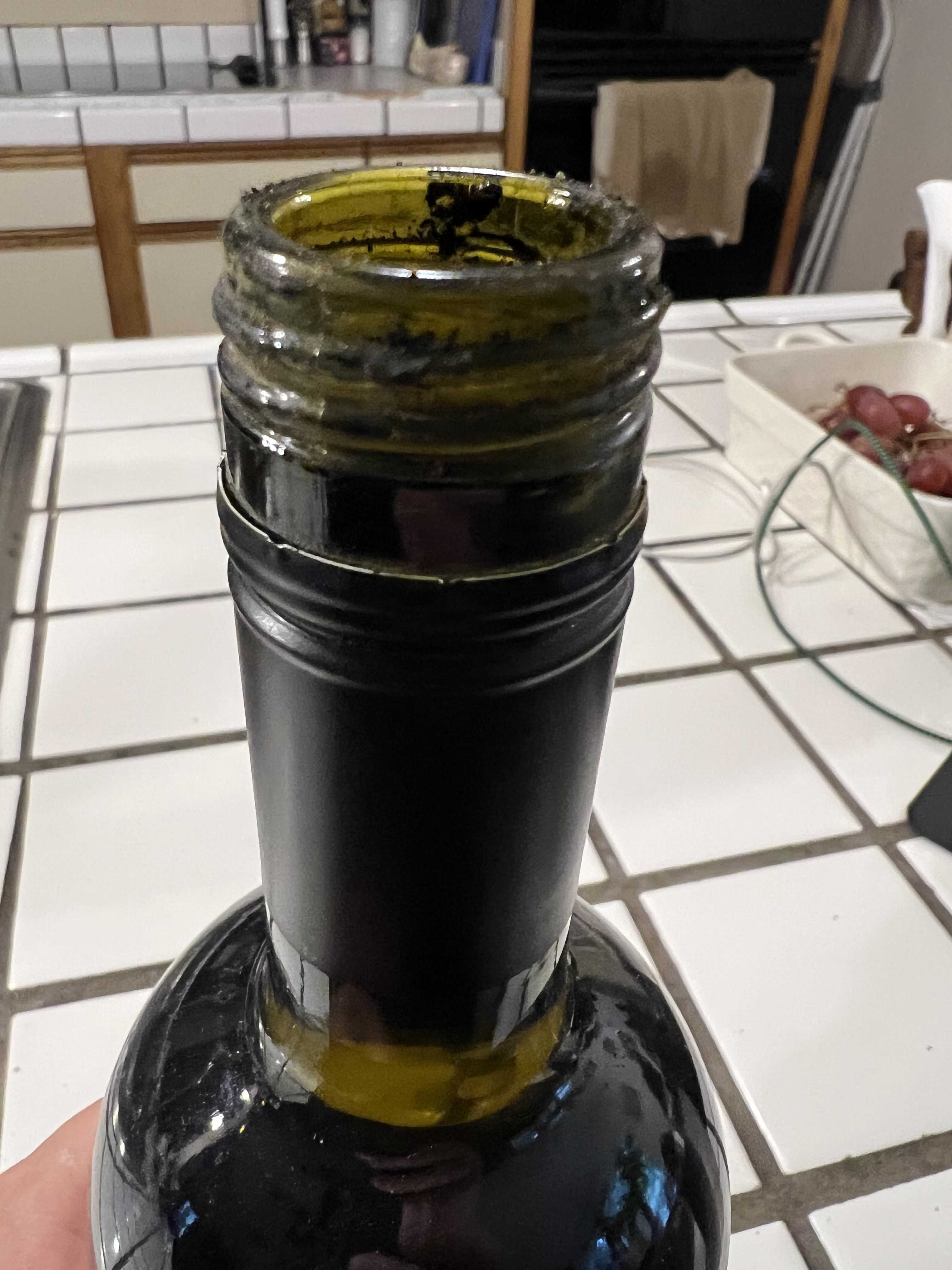
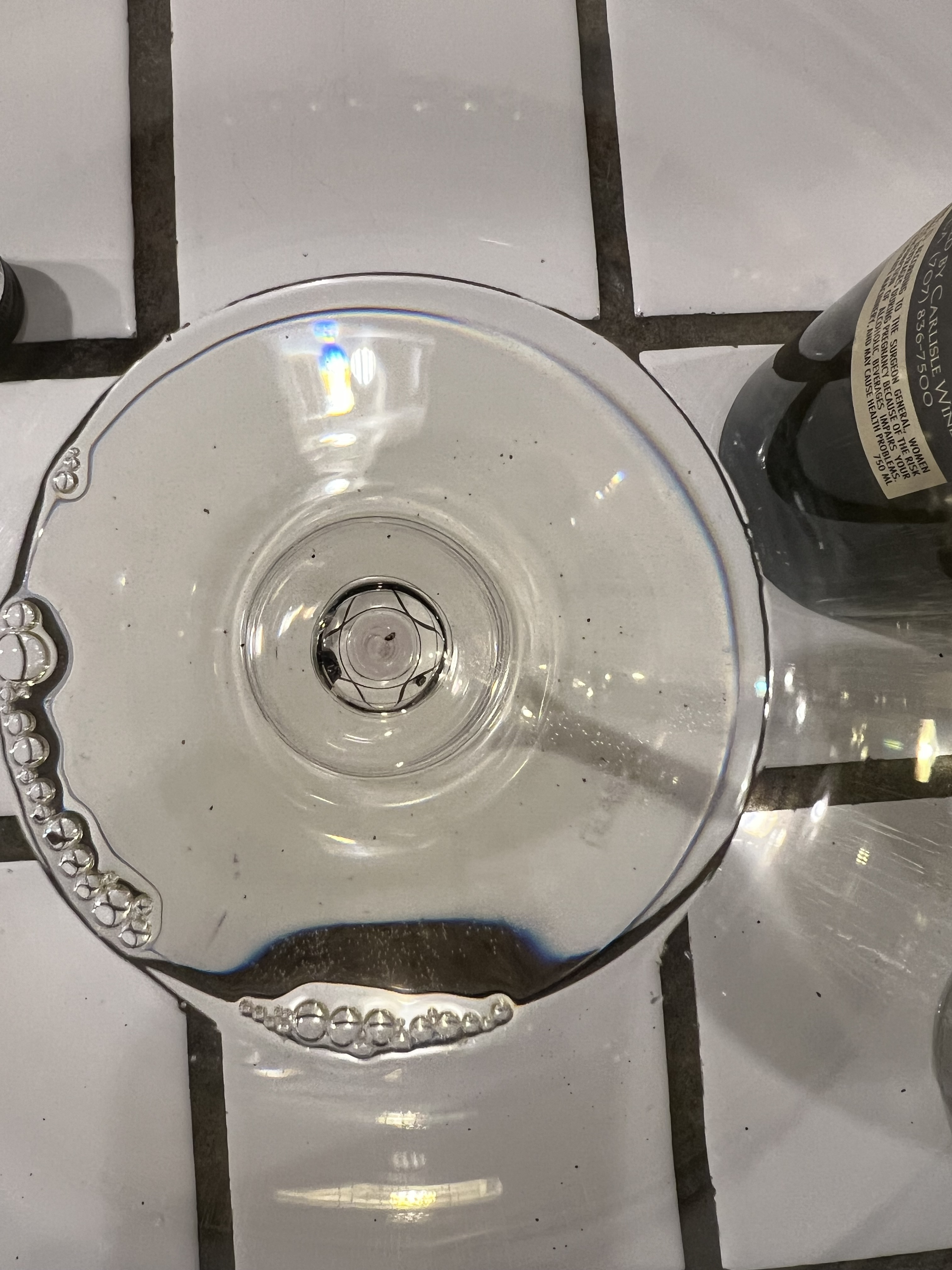
I have purchased approximately 7 cases of wine with a Stelvin closure with 43 remaining. Of the 45 opened wines I had 1 Tercero leaking upon delivery (not heat related) and last weekend I opened a Carlisle Derivative that was sideways in my cellar since purchase and undamaged that had some kind of leak and black crusty material in the cap, around the threads and in the wine when poured.
For these particular two, I have had 6 of each. 5 terribly fresh and bright, 1 very much not so. It has been roughly that rate over the years, but mostly with the whites.
It is very reminiscent of the white burgundy problem to me. Bottle variation is always going to be there, but I see that as a mild amount of difference. This is a night and day difference… impressions were “past due - drink up” versus “electric, vibrant, beautiful and bright”
I really only have had an experience like this from white burgundy otherwise. Wouldn’t post if it wasn’t extreme.
We recently moved, about 10 miles away and had plenty of time, so would pack/unpack a couple cases a day when going back and forth. Moved about 30 bottles of Sandlands and found 3 bottles that were leaking (2 from 2021 and 1 from 2023). Drank them up when discovered and the wines seemed fine to me but a 10% fail rate was certainly unusual. Sent them an email just giving them a heads up but never got a reply back. Love the wines and will continue to buy but keeping a closer eye on my Sandlands bottles now.
This kind of variation from bottle to bottle of the same wine is the main reason I am trying to move producers away from bark cork. It’s a way worse problem than actual corkiness/TCA. If you ever have the chance to taste a few bottles of the same wine together you will normally find variation, particularly if the wine has been in bottle for a few years, and particularly when people are trying to reduce SO2 levels, as so many conscientious producers are.
What is the case for continuing to use cork? Since you are in the business of convincing producers otherwise… is this a cost issue??
Just had another 2020 Chenin that showed very bruised apple oxidized type notes and a shadow of the good bottles. All stored the same, owned since release, shipped during cool weather etc.
This makes it 2/6 on the 2020 Amador Chenin. The other four were awesome. It probably won’t change my buying habits, but it kinda should if I had more brain-wallet connections.
The reasons I try to move producers from bark cork to alternatives (mostly Diam, Nomacorc, and screw cap) are essentially
to avoid cork taint
more importantly, to avoid bottle variation due to random oxidation caused by the huge range of oxygen transmission in bark cork. My guess is that all (or at least most) of the variation in reports of individual wines on this board are due to bark cork problems. If you aren’t already familiar with a particular wine, a partially oxidized bottle will often give the impression that the wine just isn’t any good (as opposed to a particular bottle not being good).
I don’t know any case for continuing to use bark cork, from a technical point of view; from a marketing POV, a lot of consumers (and not a few producers) are still seduced by the tradition of pulling a cork. This seems to me an education problem, so I talk about it ad nauseam.
I’m curious whether there are some obvious ‘issues’ with the corks themselves? Divots? Hard and brittle?
Corks have certainly proven themselves to work wonderfully most of the time. The fact that you’ve had 2/6 of a single bottling would concern me that either the corks were drier than they should have been when putting the bottle or the wine wasn’t bottled with enough free SO2 or had high levels of dissolved O2 at bottling, leading to faster than usual aging . . .
There is nothing distinctive about the corks in any of the cases. As noted earlier, this is just one wine of several over the years… none of which had a cork that didn’t look “perfect”. It’s been mostly the Chenin Blancs.
The main reasons for not switching, as far as I can tell, are
fear of losing their traditional market because of the appearance of the new closure
fear that their wine will change in unforeseen ways because of the new closure. There is no doubt that producers have to be aware when making the change, eg with SO2 levels.
I can’t help thinking that screw caps will play more and more part of the change, as there is now a range of oxygen transmission possible.
There is an environmental argument for using bark cork, too. Diams are great and I love them, but they are something like 30-40% polymer, and screw caps have a polymer liner. So if you want to completely avoid plastic in your production or contacting your wine, bark cork is your best bet.
Cork plugs have also got better over time. 2 out of 6 failures is a very unusually poor performance in this day and age.