Those are tablets; I wonder how well/quickly they’ll absorb and they’re a bit harder to take.
Yeast is bad for gout, any opinion on whether wine fix impact on gout? Alcohol, as I understand it, is a double whammy, creating purines and impeding excretion of tic acid.
There’s a paper suggesting that DHM can help with the effects of hyperuricemia, for what it’s worth.
Anyone try this? I have a couple of times. It seems to make a difference for me, but perhaps it’s a placebo effect.
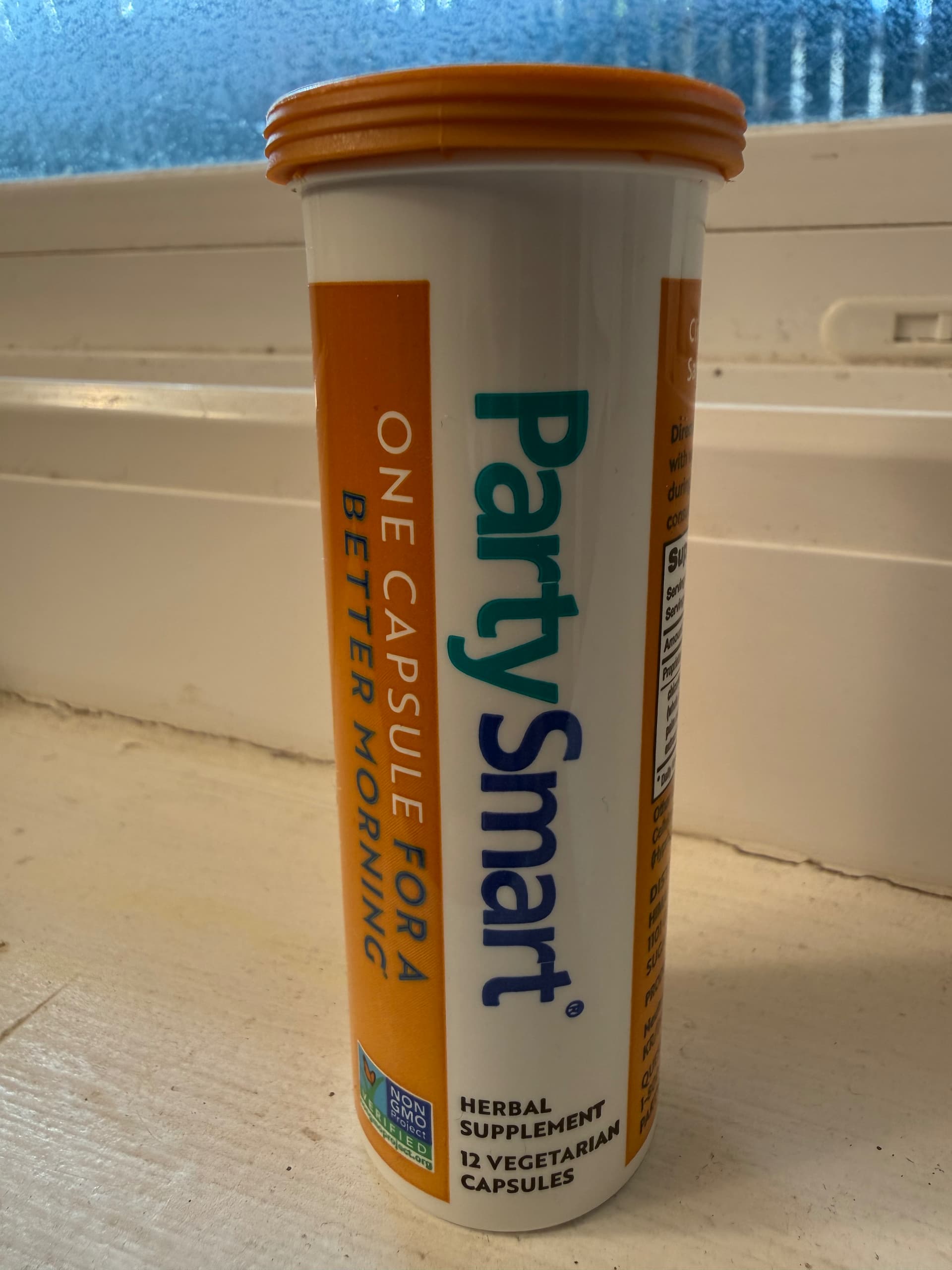
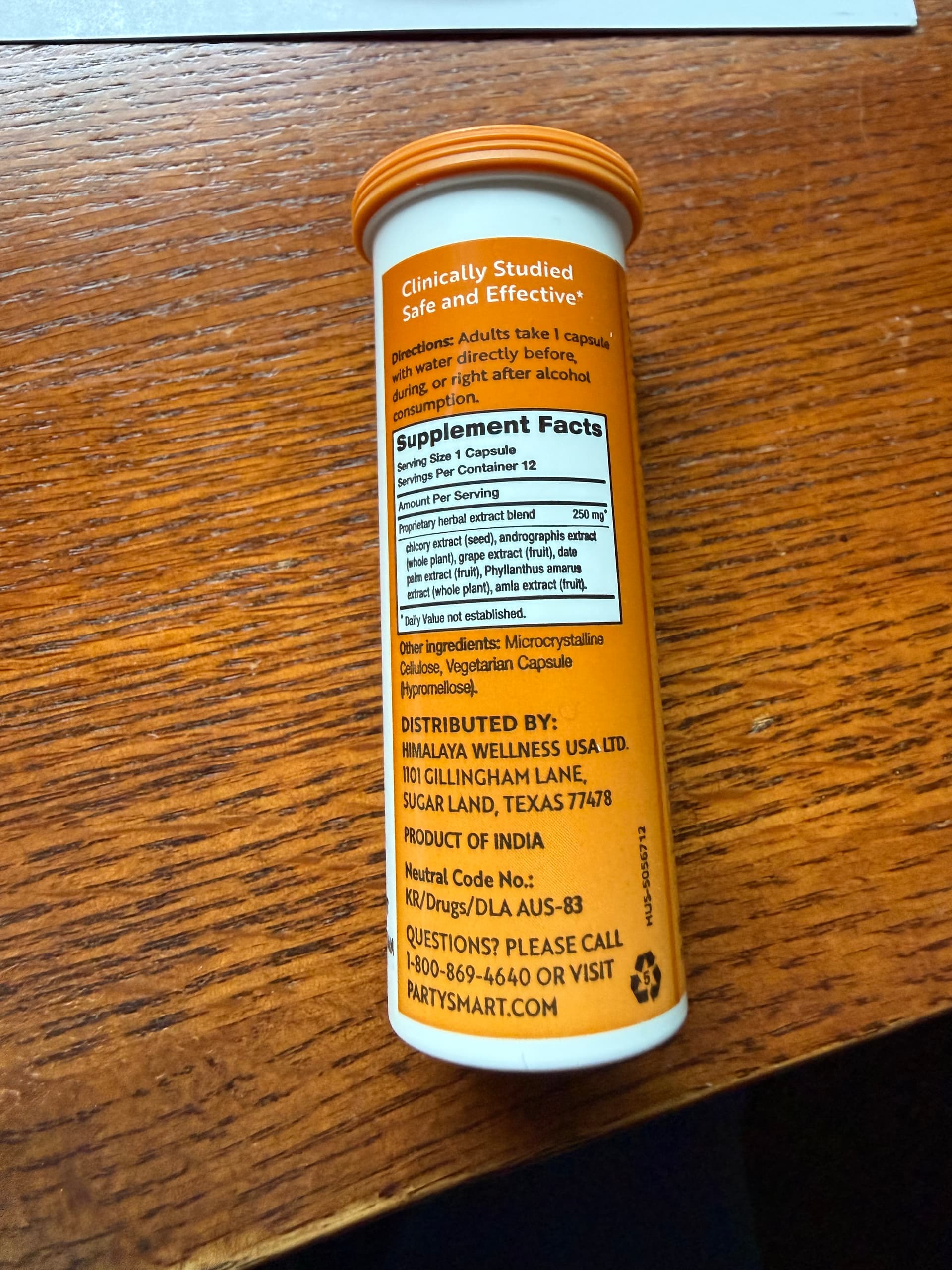
Never tried that one.
Well be careful. Herbs and spices (especially from abroad) have come under scrutiny recently. Your dose is probably very small however. I did a very deep dive into this issue and source my vermouths’ botanicals from a provider that ensures third-party lab analysis.
Your Herbs and Spices Might Contain Arsenic, Cadmium, and Lead
CR tested 126 products from McCormick, Trader Joe’s, Whole Foods, and other popular brands. Almost a third had heavy metal levels high enough to raise health concerns.
1 Like
Interesting study.
The results are based on 12 consecutive days of taking it. Any concerns with that?
There doesn’t seem to be any significant side effects, but it is unclear whether there are interactions with other medications/substances.
Capsules, actually. The label is incorrect. Makes you wonder what else might be incorrect.
They are large, which could be an issue for those who have difficulty swallowing large capsules.
They claim manufacturing in a “cGMP [sic] registered facility.” It’s highly unlikely that their DHM manufacturing line/process has been FDA inspected for compliance with Current Good Manufacturing Practice (CGMP, not cGMP which is a protein kinase activator), though other processes at the facility may have been.
They also contain something called bioperine, a black pepper extract, which presumably increases drug absorption by the gut. If so, that might be beneficial with respect to DHM. Potentially hazardous if one is on prescription drugs where increased absorption could be detrimental (e.g. increased risk of bleeding or hemorrhagic stroke if on blood thinners or anti-platelet agents).
The reviews say they’re large uncoated capsules and hard to swallow.
1000mg is more than 650mg so they are much bigger. Being uncoated is not ideal, but maybe +50% mg offsets that. I like the idea of the bioperine - shows they are being thoughtful but its all a shot in the dark. I believe all products made in US are CGMP these days by law.
We had a late lunch party with lots of wine, and I tried the Wine Fix for the first time. We began drinking around 2:30, so I took 3 capsules then, along with water/electrolytes, then took two more before bed, which was at about 10. I had stopped drinking around 7:30. My overnight HR was not as bad as it sometimes is after a wine dinner, and I did not have a headache in the AM (I don’t always), but I can’t say for sure if it had anything to do with the Wine Fix, or if it was just a natural progression having started early and tapered off well before bed.
3 Likes
It’s also a caplet as opposed to a capsule; I hate taking that form of product and would avoid it regardless of any potential benefits.
Certainly for me big sessions at a long lunch are preferable to late evening ones these days. I just feel my body processes the alcohol faster when I’m awake. There’s an old saw which is that an hour’s sleep before midnight is worth two after. And I think there could be something similar for alcohol - an hour processing whilst awake is worth two whilst asleep, Or something like that.
I also prefer drinking earlier if at all possible.
3 Likes
To flesh this out a bit more:
Dietary supplements and homeopathic “remedy” manufacturers are supposed to follow CGMP, but are held to different (lower) standards than drug manufacturers (21CFR Part 111). Supplement makers are not routinely inspected by FDA. FDA inspections of these facilities typically occur only when problems are reported.
Prescription and OTC drugs are subject to more stringent CGMP requirements (21CFR Part 210 and Part 211). The manufacturers are subject to regular FDA inspections, though there are growing concerns about their frequency and effectiveness.
Lack of CGMP compliance doesn’t necessarily mean a drug or supplement is contaminated or adulterated with harmful ingredients. Compliance does offer some additional level of assurance.
The FDA is currently understaffed and underfunded. Also, there have been a number of senior staff retirements, reassignments, and resignations over the past year. This makes it more difficult for the agency to fulfill its oversight responsibilities, including inspections of manufacturing facilities.
If anyone is interested in trying the wine fix, their 20% off sale ends tomorrow. Affiliate link below.
Thanks Michael, I just ordered some.
1 Like
Will be interested in your experiences as well as anyone’s else’s during the holidays!
I’m looking forward to using it especially on Jan 15th in which I’ll add some Zbiotics to the mix along with hydration etc… I’m amazed your so functional after some of these tastings.
1 Like