Carignan Renaissance, Part Deux

This article explores the impact that Chile’s 2010 earthquakes had on the emergence of Carignan on the world stage.


Forbes
“Wine Grape Growers’ Old Vines In Chile Boosted After Devastating Earthquake”

by Cathrine Todd
April 21, 2022

"…According to South American wine expert Amanda Barnes, the red grape variety Carignan was planted in decent quantities after the 1939 earthquake in south-central Chile, as many of the wineries and vineyards were damaged and the grape would ideally help to bolster their industry. Chilean wine regions such as Maule and Bío-Bío in the south-central area of this long skinny country were known for growing the red variety País…needed a blending partner with the highly structured and weighty Carignan grape variety. Unfortunately, the government didn’t realize that Carignan was susceptible to mildew, so the project to plant more Carignan was abandoned.

"Amanda also noted that historically the North was given a lot more investment from the government in Chile than the South, and why today, in the South, there are many elderly men still farming small, dry-farmed old vines of Carignan in Maule, the most southern wine region in the Central Valley, as there was no investment or infrastructure built to help them either with replanting or selling to a big wine company.

“…In the 1990s, a group of wine producers that included a wine journalist realized that low-yielding Carignan from these old vines could over-deliver more than anything they had tasted from the grape’s home in southern France - or any place else. The stereotype of the overbearing bitterness and lack of charm that plagued Carignan was not common among these small family growers living in the ‘very dry and poor’ Secano (translates to ‘rainfed’) area of Maule and, as they have learned better vineyard management, the wines have only increased in quality.”

"…That all changed with the 2010 earthquake that rocked the area, and the group of Carignan enthusiasts decided that the best way they could help the locals was to bring recognition to those remarkable vineyards and help raise the prices for these special vines. They formed an association called VIGNO (an acronym for Vignadores de Carignan) that would also become Chile’s first appellation in a way as it represents a designated area denoting the high quality, dry-farmed, old-vine Carignan vines in the Maule Secano area.

“…Initially, it seems almost impossible for most to see the good that comes out of catastrophic events, but for those few visionaries who are the innovators and passionate evangelists in their particular industries, the opportunities to create a better world among their communities, not letting just a tragedy happen in vain, is crystal clear. And that is precisely what each of these VIGNO members has done for the area of Maule, as well as extending other projects that reach further south…”.


South America Wine Guide
“Guide to Itata Wine Region & Wines”

by Amanda Barnes
May 2, 2022


VIGNO website:
https://www.vigno.org/

South America Wine Guide
Articles by Amanda Barnes:

Amanda Barnes website
“Wine”:
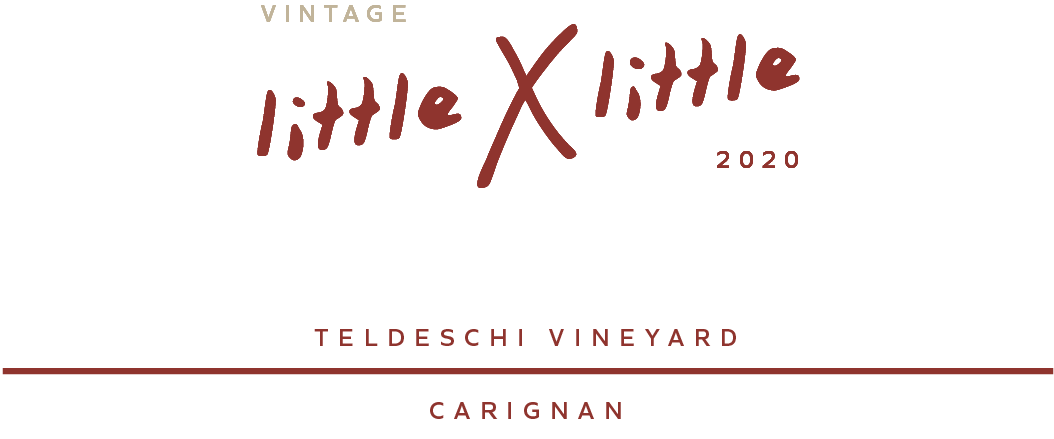
Is anyone familiar with a producer named Little x Little? This winery bottled a 2020 vintage Carignan from the “Teldeschi Vineyard” in Dry Creek Valley AVA.


Little x Little Wines website
Vineyard Partners: “‘Teldeschi Vineyard’, Dry Creek Valley”

“Perched on the famed Dry Creek bench, the Teldeschi vineyard boasts dry-farmed, head-trained Carignan planted in the 1950s. The Teldeschi family has been farming this land for generations. Under their vigilant care, gnarly vines shoot out of the porous rocky red clay soil to produce an excellent example of this little known pre-Prohibition variety.”


Only one bottle is registered in the inventory of CellarTracker users at this time.

CellarTracker
“2020 Little x Little Carignan ‘Teldeschi Vineyard’”


Little x Little website:

In light of the announcement of your retirement from Hand Picked Selections, I sincerely hope you will no longer feel any reticence sharing your experiences with, and knowledge of, Carignan-based wines or the cultivation of this variety.

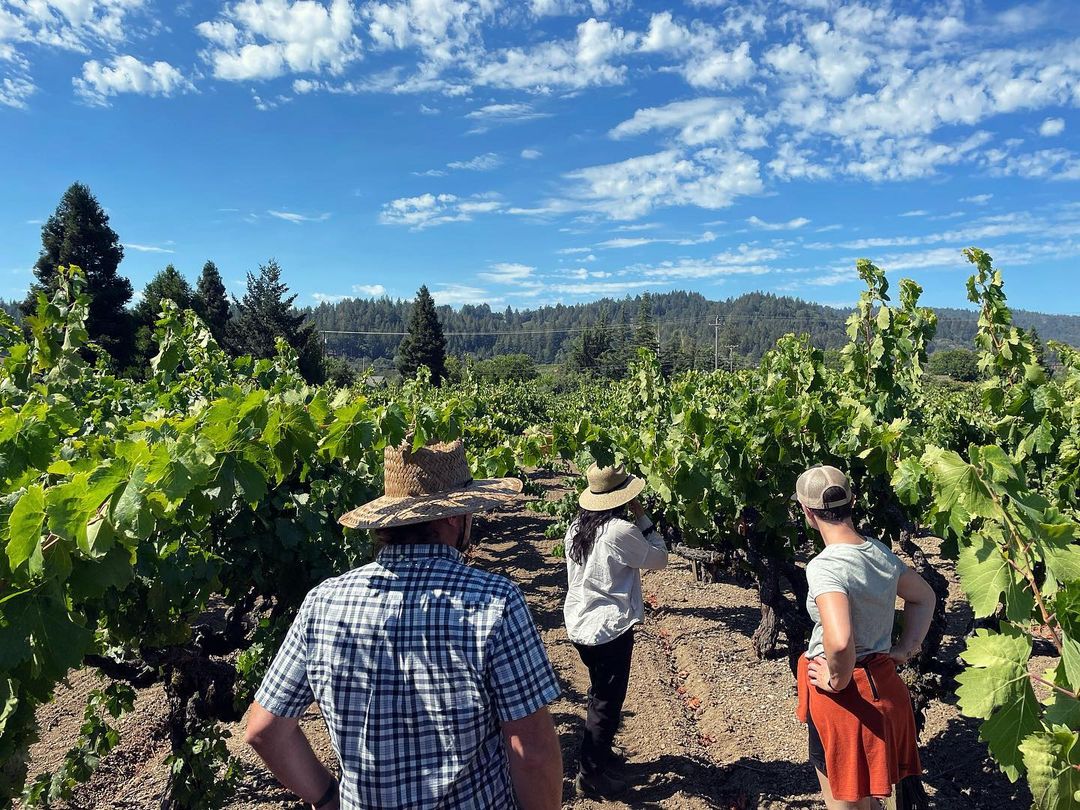
Cody Rasmussen of Desire Lines and Bedrock Wine Company posted the following image of the “Teldeschi Ranch’s” old-vine Carignan block.

Cody B Rasmussen Instagram post (via Picuki):
About 6 months ago

“Teldeschi Carignan with the team”


The “Teldeschi Ranch” in Dry Creek Valley AVA is composed of Zinfandel, Petite Sirah, Carignan, Alicante Bouschet, etc, with some vines dating back to the 1890s.

Among the producers bottling vineyard-designated wines from this east-bench site are Bedrock Wine Co., David Clinton Wines, Once and Future Wines, Ravenswood, Truett-Hurst, etc.

Historic Vineyard Society profile: “Teldeschi Ranch”

Lioco Wine recently released the 2020 vintage of its “Indica” red blend, a Carignan-based wine from the Bartolomei family’s “Casa Verde Vineyard”. This bottling includes some Barbera, Grenache, and French Colombard.


"… 2020 ‘Indica’, Mendocino Red Table Wine:

"The chaos of the 2020 vintage provided an opportunity to return to a former Carignan source in the Redwood Valley. The historic ‘Casa Verde Vineyard’ was planted in the 1940’s on a wind-swept pitch north of Lake Mendocino. It is one of the Redwood Valley’s neatest heritage plantings with white and red grapes co-mingling in an old-school California sprawl. Over the ages, the Russian River and erosion from the hills have added an alluvial quality to the distinctive red color soils, known as Pinole Gravelly Loam, which yield low pH wines. We attempted to field-select for the Carignan, but while harvesting inadvertently picked bunches of French Colombard, Barbera, and Grenache which all co-fermented.

“The 2020 ‘Indica’ is a deeper, darker version of itself - clearly impacted by the intense drought. Explosive aromatics of Italian plum, blackberry, tar, and wild herbs. The attack is more restrained, medium weight with polished tannins, and more black fruits and savory herbs. Frankly, it leaves every jammy Zinfandel in the dust. BYOB to your next outing to Korean BBQ.”


Lioco Wine website:
https://www.liocowine.com

Mendocino County Wines website
“Bartolomei Brothers Vineyard”:
2300 McClure Subdivision Rd, Ukiah, CA 95482
https://mendowine.com/business-directory/bartolomei-bros-vineyard

Other websites state that Peter Chevalier owns the “Casa Verde Vyd”. I am not certain who hold the property at this time.


Other Producers of “Bartolomei / Casa Verde Vineyard” Carignan(e):

Hi Drew,

Greg’s current vintages of Carignane and other wines from the Spenker Ranch are available here: Marchelle Wines - Old Vines

1 Like

What an interesting thread and a very unremarkable grape variety. I always knew there was quite a bit of “Carrigane”…as the locals call it, but had no idea it was that serious.

Now that I’m out of the biz…and no Mendo growers ever read message boards, I can be objective.

How there got to be so many acres of the stuff is somewhat baffling to me. But for years Mendo guys as a whole have very little imagination. Carignane is a rather easy grape to grow. I worked with it for a couple of years around 1980.

It generally sets a crop easy enough, most often too much and the only difficult things are it gets powdery mildew easily and can be late ripening. The old guys back then had zero concern about quality wine and just wanted to “get them off” come harvest time. 22.5 brix was the target level but wineries would pay a “sugar bonus” over 23.

The old guys would NEVER even think of dropping crop. They would load them up and hope for an indian summer. Lots of those vineyards were head trained planted 8x8 and would get 7-10 tons/acre.

Small artisan producers would venture up to Mendo…and of course still do, as they’re drawn to these old vines. If by some fluke and the crop accidentally the crop was only at 4-5 tons/acre AND the artisan guy could somehow convince the grower to let em hang to 25+ brix, a very nice wine could be made. The problem is the next year the crop was probably going to get back up to 8 tons/acre and the chance of building a program are dashed.

There are now some second and third generation growers that are operating those vineyards that really can’t afford to pull those vines out and have learned to market and grow the fruit for better programs. They’re still not making much money except the place is probably paid for and many do most of the work themselves.

Personally I think Carignane is better suited as a blender with Grenache, Zinfandel and Petite Sirah, but not as a field blend. Seldom do all those varieties get ripe at the same time, so quality will suffer.

Amazing amount of work/time that Drew has gone through. Much to enjoy in reading all of that.

1 Like